Top 4 Natural Monuments in Περιφερειακή Ενότητα Σερρών
Natural monuments in Περιφερειακή Ενότητα Σερρών include diverse landscapes such as wetlands, gorges, and caves. The region is characterized by its significant natural features, including the Strymonas River and its associated ecosystems. These areas offer opportunities to observe geological formations and varied ecosystems. The natural environment of Περιφερειακή Ενότητα Σερρών provides a setting for outdoor activities and exploration.
Best natural monuments in Περιφερειακή Ενότητα Σερρών
- The most popular natural monuments is Kerkini Dam, an other_man_made structure that forms the…
Last updated: September 2, 2026
Lion of Amphipolis
Highlight • Monument
Translated by Google •
Tip by

Kerkini Dam
Highlight • Structure
Translated by Google •
Tip by

Sign up now to discover places like this
Get recommendations on the best single tracks, peaks, & plenty of other exciting outdoor places.
Sign up for free
Lake Kerkini Wetland
Highlight • Lake
Translated by Google •
Tip by

Orpheus Cave Petroglyphs
Highlight • Cave
Translated by Google •
Tip by
Ancient Chestnut Tree
Highlight • Natural Monument
Showing Translation
Tip by
Start today with a free account
Your next adventure awaits.
Login or Signup
Other adventures in Περιφερειακή Ενότητα Σερρών

Tips from the Community

the old village of Mesolacia. is also called Iacovicia. now I also know where the name Mesolacia comes from. because it lies above the end of the gorge. So in the middle of the gorge. Like Mesopotamia in the middle of rivers. The inhabitants moved and built the new Mesolakia, visible on the map as a village before Paleokomi.
0
0

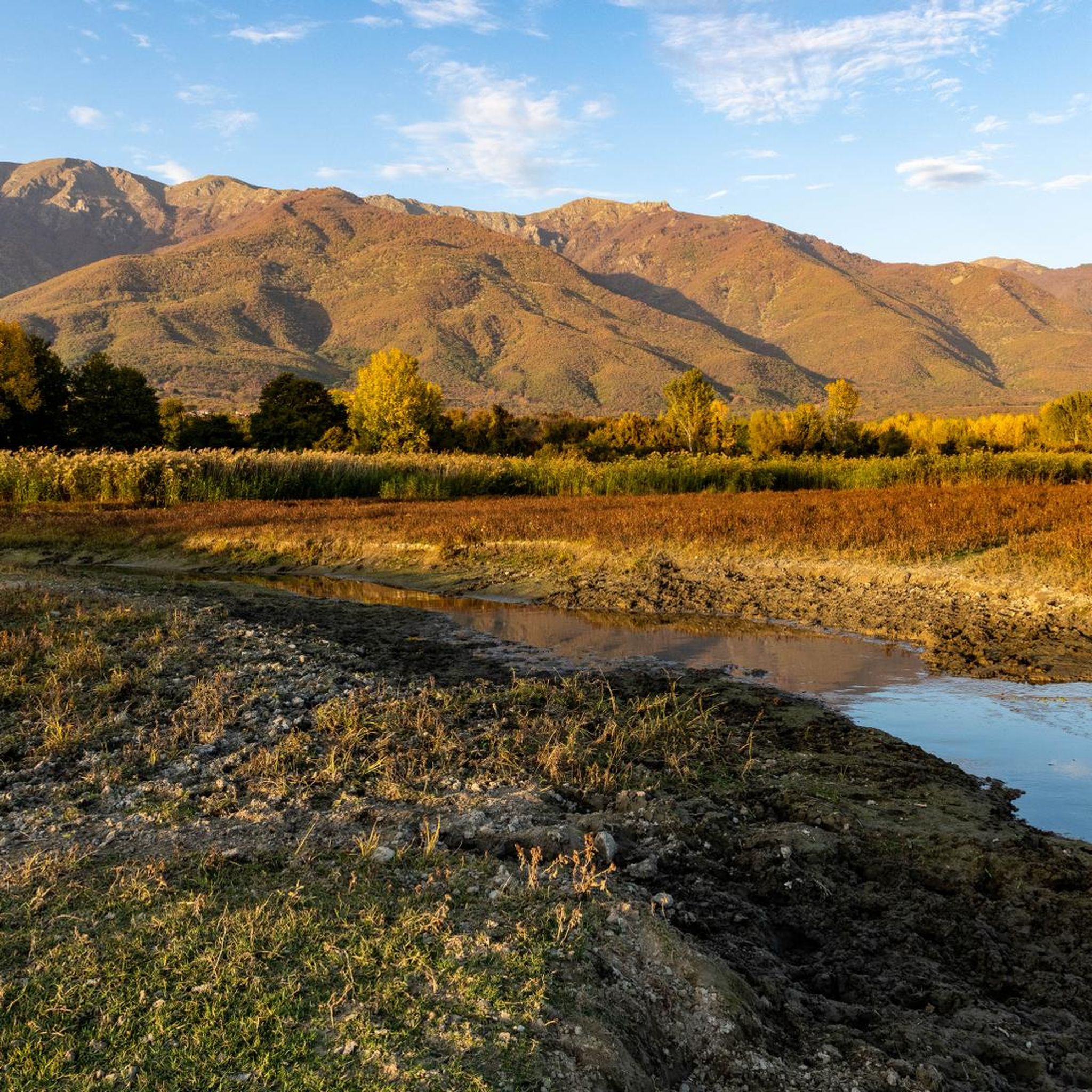
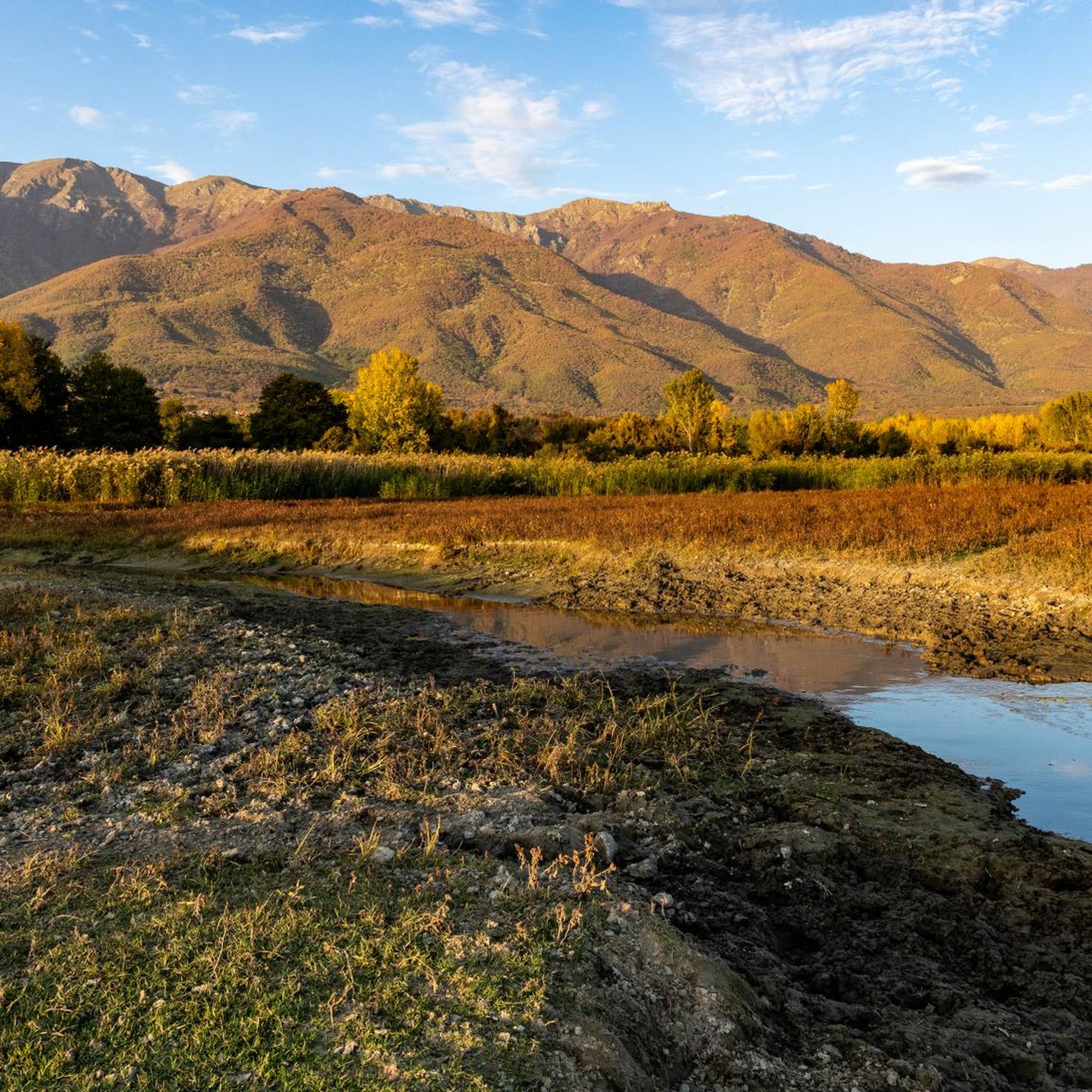
Lake Kerkini dams the Strymonas (Struma) river coming from Bulgaria. It is an artificial lake that was created from a dam in 1932 and over time has transformed the surrounding area into a true paradise. A sanctuary for birds and people alike, the calm, serene lake is ideal for bird watching and fishing. The original purpose of Lake Kerkini was to regulate the water level of the Strymonas to prevent flooding further downstream. In addition to this use, water was increasingly withdrawn from Lake Kerkini over the years to irrigate agricultural areas along the Strumas plain and the Serres-Sidirokastro plain. A new dam was built in 1982 as a result of the meanwhile lower water level, also due to the sediment input of the river Strymonas and thus the reduced capacity. In addition to being used for flood protection and for irrigating agricultural land, Lake Kerkini has developed into an important wetland biotope. 30 species of freshwater fish and 300 species of birds live in and around Lake Kerkini. In addition to birds and fish, there are also rare animals such as wolves. Thousands of flamingos wintering here have been a highlight since the 1990s. Source: Excerpts from https://de.wikipedia.org/wiki/Kerkini-See and https://www.discovergreece.com/de/macedonia/lake-kerkini
4
0
The Orfea's Cave is very remarkable, the lithographs are particularly unique and of course the view is fantastic.
0
0

A funerary monument to Admiral Laomedon, who was a friend of Alexander the Great.
1
0

The Lion of Amphipolis is a funerary monument from the 4th century BC. BC, which was built in honor of the Admiral Laomedon from the island of Lesbos (Mytilene) near the ancient city of Amphipolis. Laomedon began his career as the captain of a trireme and became friends with Alexander the Great. He was promoted by him to admiral and installed as satrap of Syria. The first knowledge about the monument dates back to 1912 or 1913, when Greek soldiers accidentally found the base of the monument during the Balkan War and reported this to the Greek archaeological service. Archaeologists Georgios Oikonomos and Anastasios Orlandos began research but had to abandon their activities when hostilities restarted. The lion's body is around four meters high, with the pedestal the structure measures over eight meters. Source: Wikipedia
1
0
the lion stood on the largest grave monument of antiquity 500 m in a radius of 158 m in diameter and presumably there is Alexander the great the hill is called Kasta and is opposite Amfipoli on a hill
3
0

Beyond the dam that forms the artificial lake of Kerkini, in the homonymous national park, the water forms a marshy area where many birds can be observed, including the pelican crape, one of the rarest of the existing pelicans
0
0
Frequently Asked Questions
What are the most prominent natural monuments to visit in the Regional Unit of Serres?
The region offers a diverse range of natural wonders. Key attractions include the internationally recognized Lake Kerkini, a vital wetland ecosystem, and the impressive Alistrati Cave, known for its unique geological formations. Other significant sites are the dramatic Aggitis Gorge, the lush Lailias Forest, and the historically important Stena of Strymonas.
Are there any unique geological formations or caves to explore?
Yes, the Alistrati Cave is a geological marvel, considered one of Europe's most beautiful and largest. It features rare eccentrites (helictites) that defy gravity, impressive stalactites up to 15 meters, and striking red 'Flames' reaching 35 meters. Additionally, the Aggitis Gorge is characterized by imposing vertical cliffs and numerous small and large caves.
What outdoor activities and trails are available near the natural monuments?
The region is excellent for outdoor enthusiasts. Near Lake Kerkini Wetland, you can enjoy birdwatching, canoeing, horseback riding, and hiking. The Aggitis Gorge is ideal for hiking, cycling, and even rafting. The Lailias Forest offers enchanting hiking trails, including one to 'Katigka's Rock' with panoramic views. For more specific routes, you can explore family-friendly hikes, MTB trails, and traffic-free bike rides in the wider area.
Are there family-friendly natural monuments or activities suitable for children?
Many natural monuments are suitable for families. Lake Kerkini Wetland is perfect for birdwatching and gentle walks, and the Kerkini Dam area offers opportunities to observe birds. The Alistrati Cave has accessible sections and modern visitor enhancements like VR applications, making it engaging for all ages. The Lailias Forest also provides easy hiking trails amidst lush greenery.
What is the best time of year to visit the natural monuments in Serres?
The best time to visit depends on your interests. Spring (April-May) and autumn (September-October) offer pleasant temperatures for hiking and exploring, with lush landscapes in spring and vibrant colors in autumn. For birdwatching at Lake Kerkini, autumn and winter are particularly rewarding as thousands of migratory birds, including flamingos, arrive. Summer (June-August) is ideal for water activities, though it can be hot.
Are any of the natural monuments accessible for visitors with disabilities?
Yes, the Alistrati Cave is notably accessible, with approximately 1 kilometer of its length designed to accommodate visitors with disabilities, ensuring everyone can experience its geological wonders.
Can I visit the natural monuments with my dog?
While specific regulations can vary, generally, outdoor natural areas like the Lailias Forest and sections of the Aggitis Gorge are suitable for dog walks, provided dogs are kept on a leash and waste is properly disposed of. For protected areas like Lake Kerkini, it's advisable to check local rules regarding pets to protect the sensitive wildlife.
Where can I find scenic viewpoints among the natural monuments?
The Lailias Forest offers a spectacular viewpoint from the colossal 'Katigka's Rock,' providing panoramic views of the entire forest. The Aggitis Gorge, with its imposing vertical cliffs, also presents numerous scenic spots along its length. Additionally, the area around Lake Kerkini Wetland offers picturesque views, especially at sunrise or sunset.
Are there opportunities for wild swimming near the natural monuments?
While Lake Kerkini is a wetland primarily for wildlife and recreation like canoeing, it is not typically designated for wild swimming due to its ecosystem. The Aggitis River, which carves the Aggitis Gorge, has flowing waters, but specific safe and permitted wild swimming spots might be limited. Always prioritize safety and check local regulations before attempting to swim in natural waters.
What historical or cultural sites are near these natural monuments?
The region is rich in history. The Aggitis Gorge contains caves with prehistoric rock carvings from the 5th-6th century AD. The Stena of Strymonas, a narrow passage formed by the Strymonas River, has been a site of significant historical events. Nearby, you can also find the Lion of Amphipolis, a funerary monument from the 4th century BC, and the Orpheus Cave Petroglyphs, offering a glimpse into ancient times.
Most popular routes in Περιφερειακή Ενότητα Σερρών
Most popular attractions in Περιφερειακή Ενότητα Σερρών

Get inspired with the komoot mobile app


Explore more
Extend your search for the best caves by checking out these guides of the top ones in Περιφερειακή Ενότητα Σερρών:
