Top 20 Natural Monuments in Cork
Natural monuments in Cork feature a diverse landscape of dramatic coastlines, rolling hills, and ancient woodlands. The region, located in Ireland's southwest, offers a variety of natural attractions. These sites provide opportunities to explore unique ecological features and significant geological formations. County Cork's natural features include coastal viewpoints, historic sites, and extensive forest reserves.
Best natural monuments in Cork
- The most popular natural monuments is Mizen Bridge and Signal Station, a bridge that offers views of the reconstructed bridge…
Last updated: August 6, 2026
Hungry Hill Summit
Highlight • Summit
Translated by Google •
Tip by

Sheep's Head Lighthouse
Highlight • Monument
Translated by Google •
Tip by

Sign up now to discover places like this
Get recommendations on the best single tracks, peaks, & plenty of other exciting outdoor places.
Sign up for free
Mizen Bridge and Signal Station
Highlight • Bridge
Showing Translation
Tip by

Blarney Castle and Gardens
Highlight • Castle
Tip by

National Monument
Highlight • Monument
Tip by

Baltimore Beacon
Highlight • Monument
Translated by Google •
Tip by
Mizen Head Lighthouse and Signal Station
Highlight • Monument
Translated by Google •
Tip by

Drombeg Stone Circle
Highlight • Historical Site
Translated by Google •
Tip by

Streams and Forests of Glengarriff Nature Reserve
Highlight • Forest
You should be sure-footed and be careful when it rains, as the stones are a bit slippery.
There is wild water …
Translated by Google •
Tip by
Garnish Island (Ilnacullin) Gardens
Highlight • Natural Monument
Translated by Google •
Tip by

Sign up for free to discover even more natural monuments in Cork.
Sign up for free
Already have an account?
Start today with a free account
Your next adventure awaits.
Login or Signup
Popular around Cork
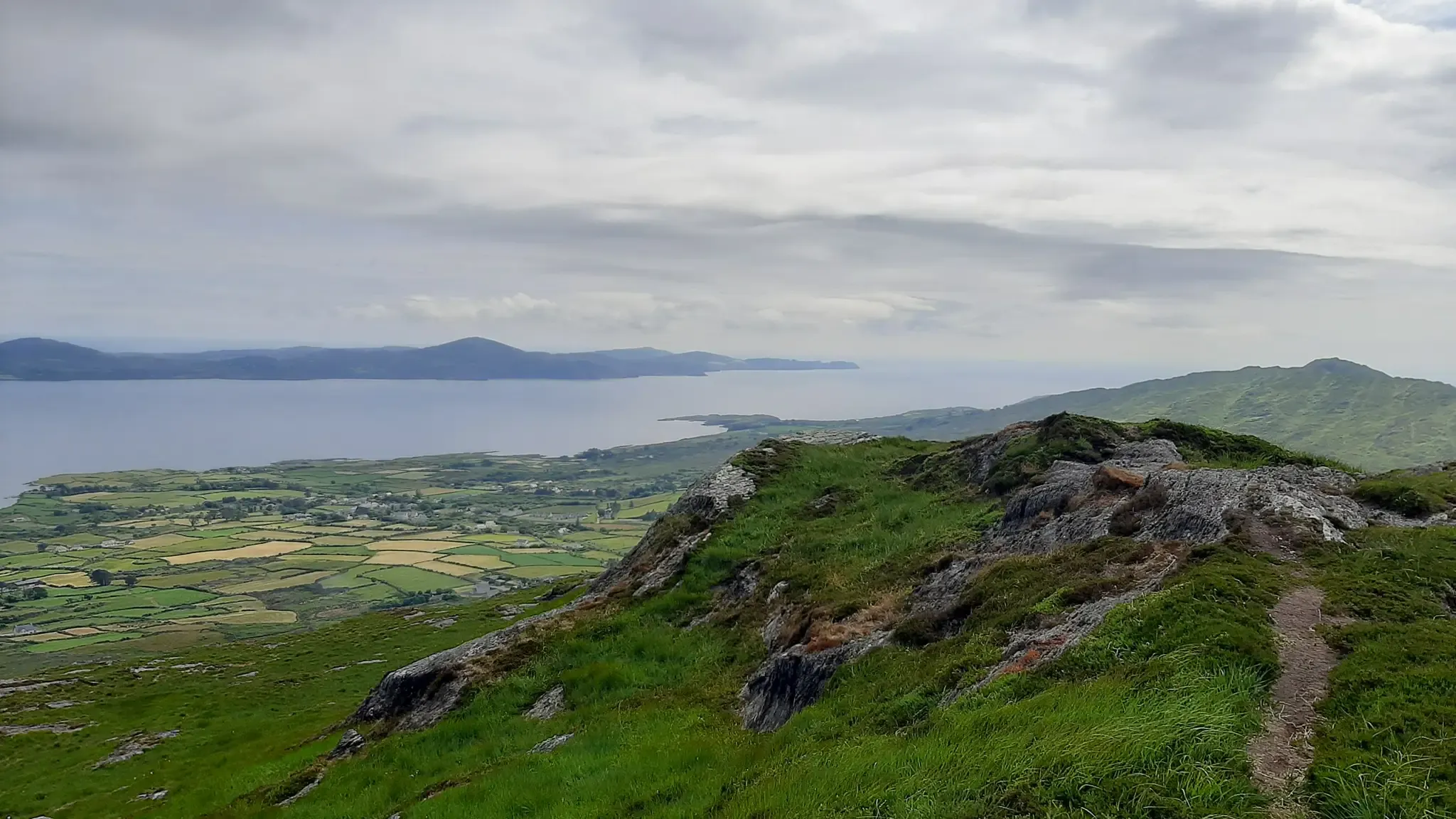
Sheep's Head Way — Old Paths to the Ocean's Edge
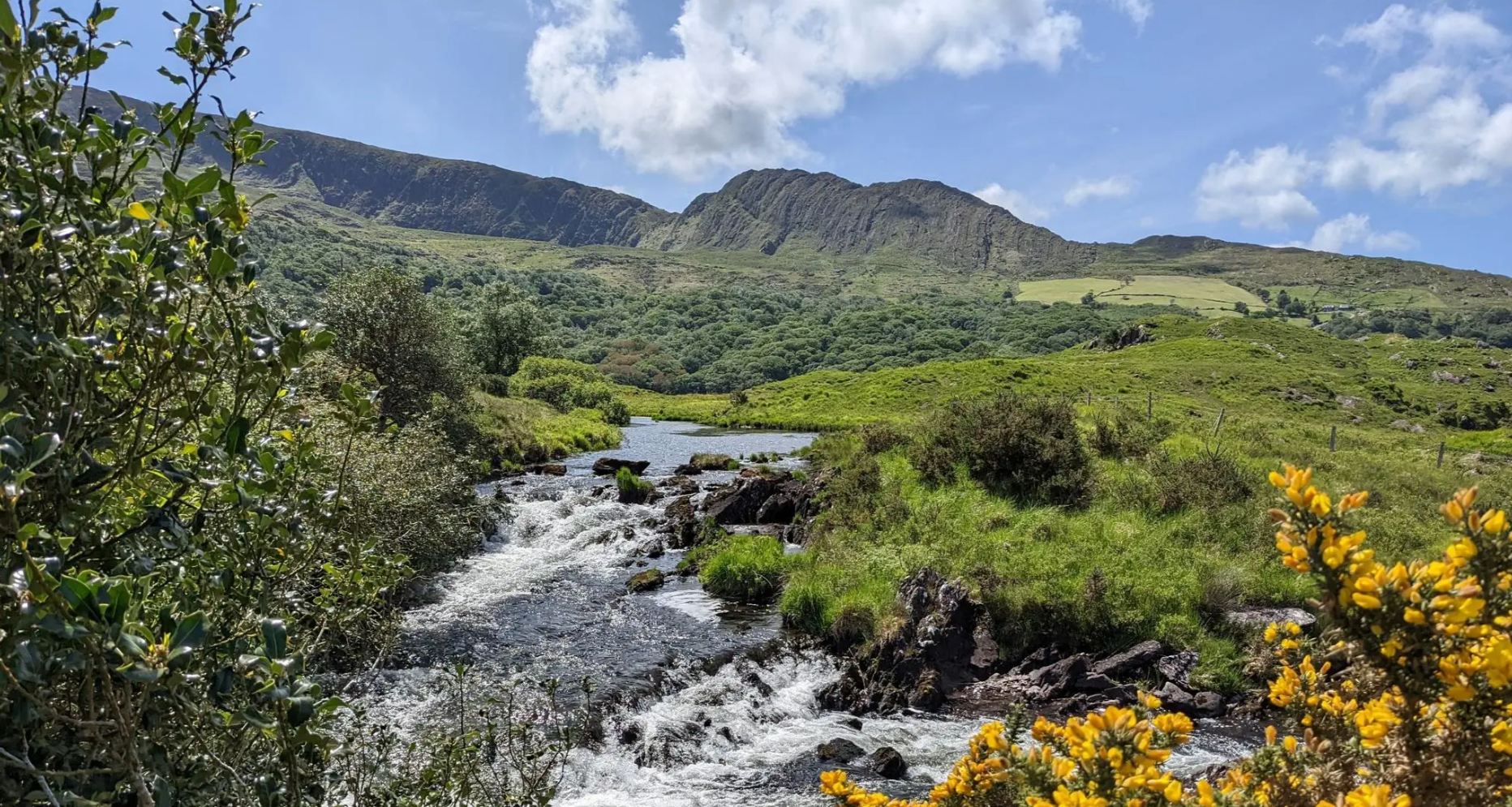
Beara Way – The Atlantic, rugged mountains and stunning coast
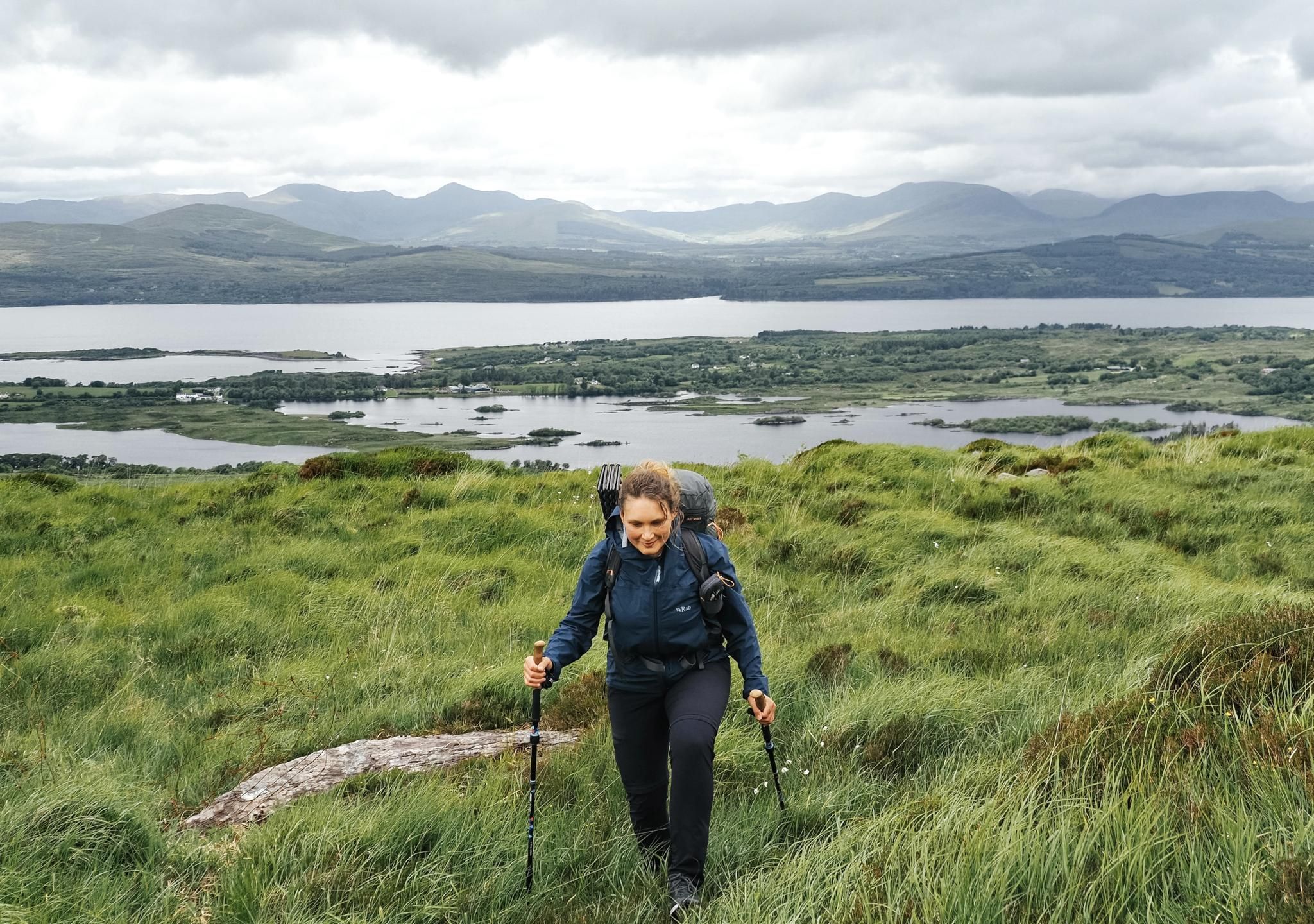
Beara Way – Kenmare to Glengarriff
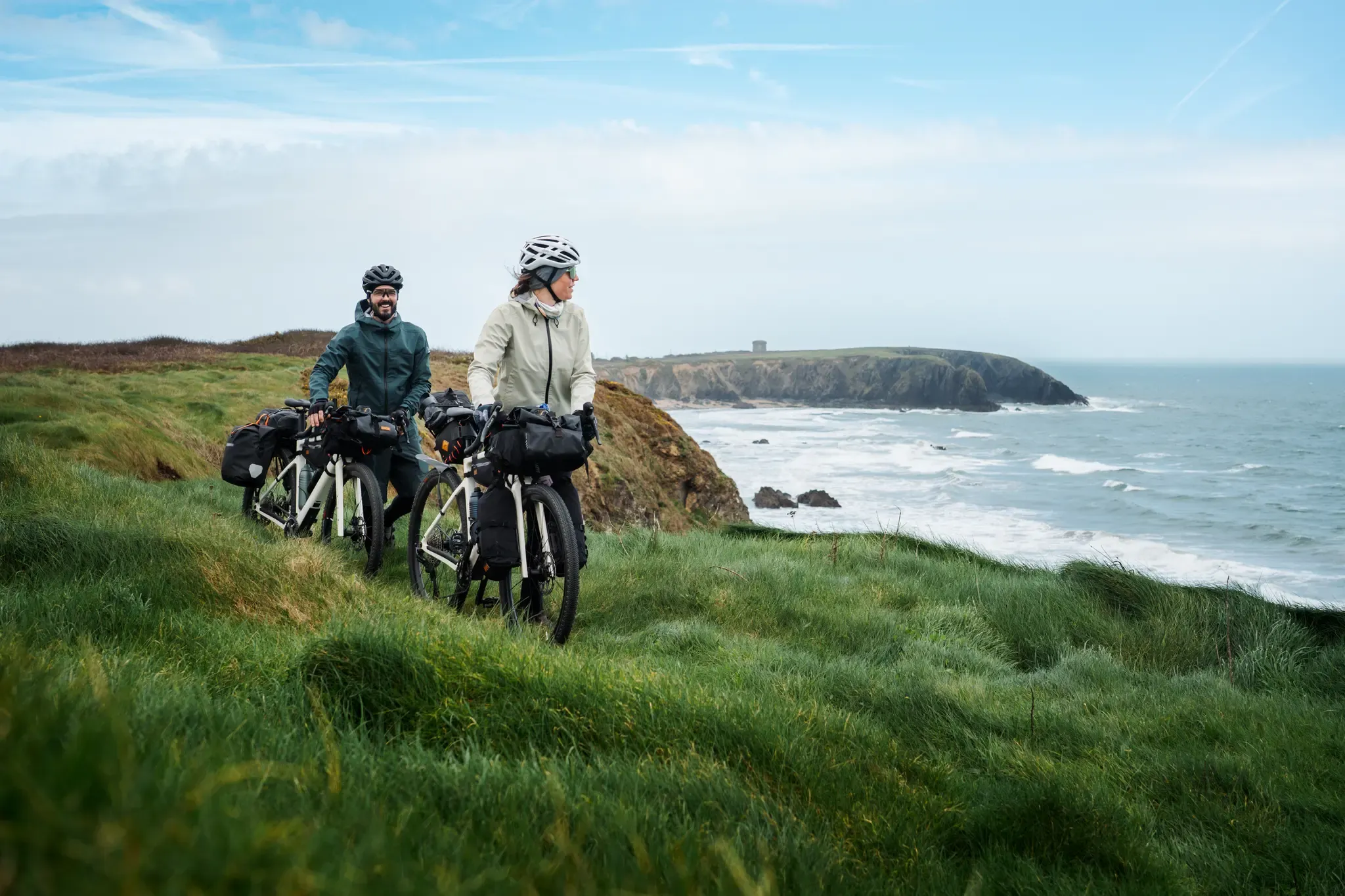
On the EuroVelo 1 through Ireland's south – green expanses & lonely beaches
Echoes of the Long Walk — Ballyhoura Way
Ireland’s untamed peninsula – Beara Way
Discover beautiful Ireland – cycle end-to-end from Mizen to Malin
Bikepacking in Cork and Kerry – Killarney National Park
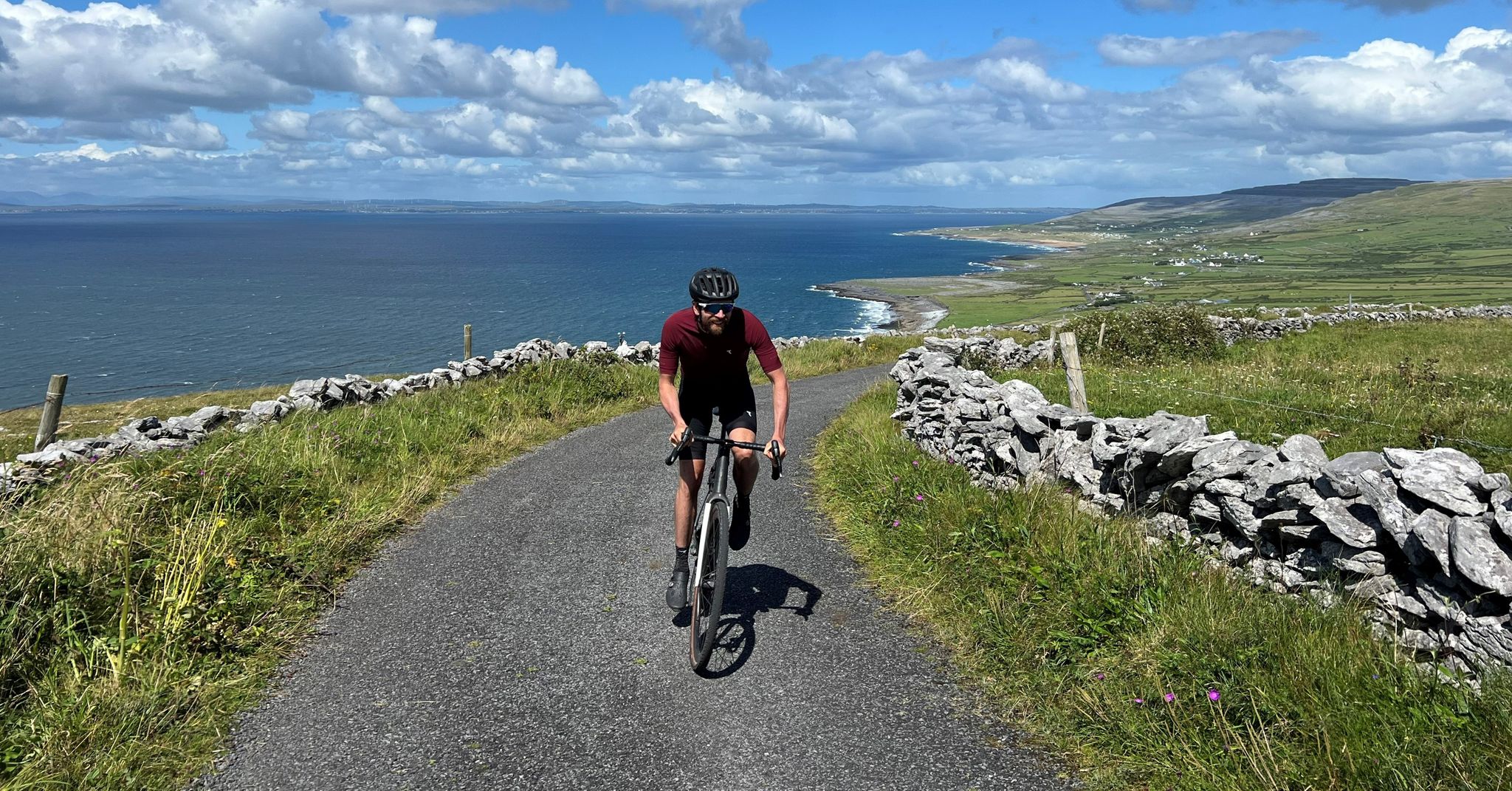
Road cycling on Ireland's west coast – four Tours with Jonas Deichmann
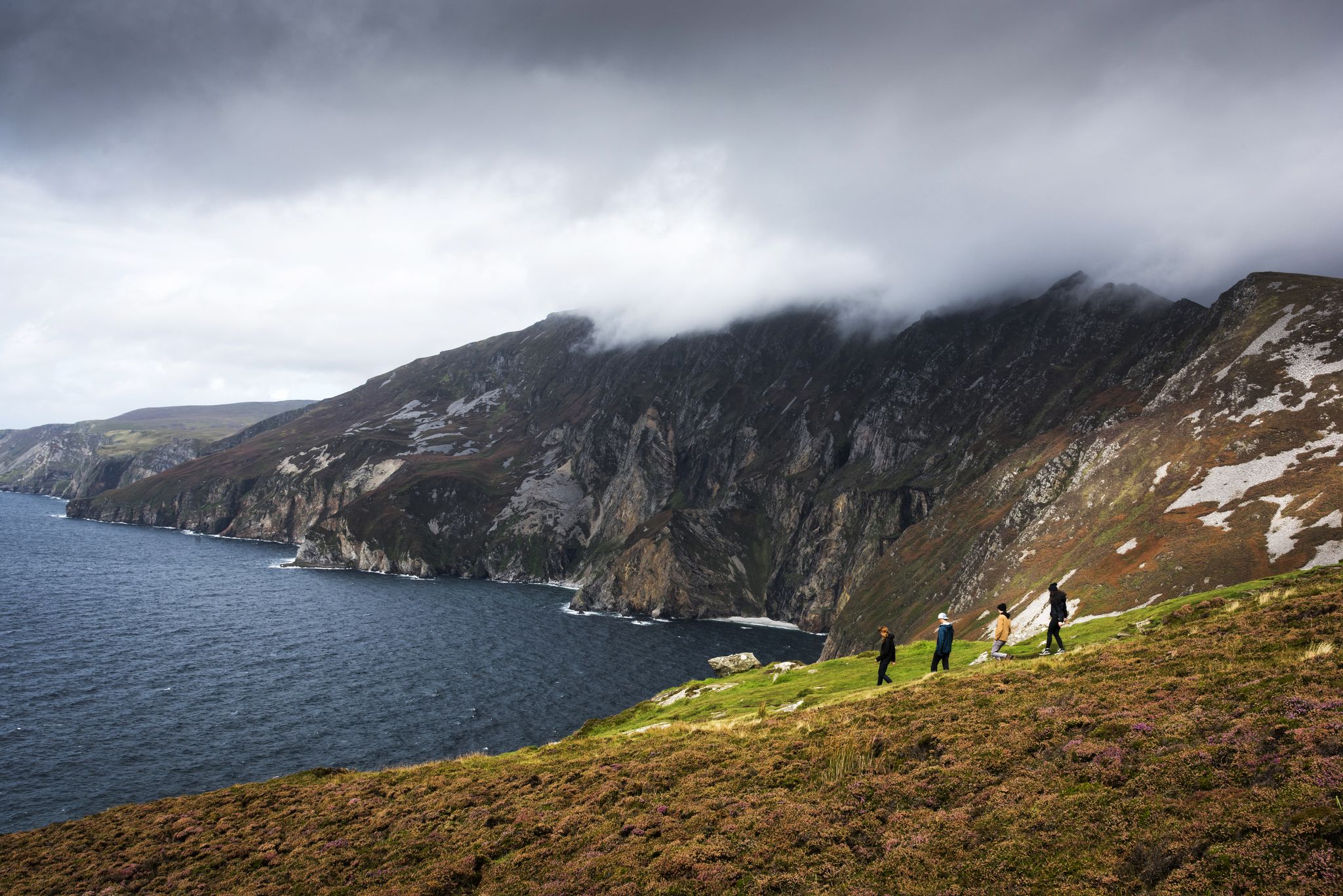
Hike Ireland's coast: cliffs, waves and wonderful wide beaches


Tips from the Community

Small, but very fine island. Everything green and blooming...
0
0

De Mizen Bridge is the spectacular pedestrian bridge that takes you to the former Mizen Head Signal Station, one of Ireland's most dramatic coastal locations. The bridge spans a deep gorge where Atlantic waves crash against the rocks — a place that has been made simultaneously rugged and perfectly accessible.
8
0
Drombeg Stone Circle is one of Ireland's most impressive and visited megalithic sites, and it lies perfectly on your route through West Cork. It is a Bronze Age stone circle approximately 9.3 metres in diameter, originally comprising 17 stones, of which 13 still stand today. The site is particularly known for its axial orientation: the line between the two portal stones and the low recumbent stone points exactly to the setting sun during the winter solstice.
8
0

The hike to Mizen Bridge not only reveals an impressive construction, but also the wild coastal landscape that unfolds before you. The view of the bridge, framed by the rugged rock formations, is particularly tempting to pause for a moment. Access takes you through the visitor center, where you can also experience the history of the former radio station. The gentle sound of the water under the bridge and the wind that blows almost constantly here give you a feeling of freedom and closeness to nature. The place lives from its wild atmosphere, but be prepared: there is a fee to enter and the walk across the bridge is not for the faint-hearted. The steep cliffs and the height can seem challenging, but the feeling of standing in the midst of these forces of nature makes every step worth it. The hike itself is easy to do and leads along well-developed paths, and once you are at the top, the view of the roaring sea and the rugged coast rewards you with its raw beauty.
2
0

Absolutely stunning example of a stone circle, and it is definitely worth a visit. Fascinating how there are 3 huts on site as well; one for cooking, one seemingly as accommodation, and another which has a roasting area in. The large rectangle was used to cook lots of food, leading this to seem like an area tied with ritual. Also, it is really worth looking for & feeling the indentations in the recumbent stone, carved by hand approx 2 - 3k years ago; there are 2 circular shaped holds, intended for use as cup holders. Really stunning
2
0

Behind the building, hidden on a rocky outcrop, is the old lighthouse. Great place for beautiful photos
0
0
The two old beacons are hidden behind the building
0
0

The famous Blarney Stone is built into the tower of the picturesque castle. It grants the gift of eloquence to anyone who kisses the stone. The person doing the kissing must bend down astride the tower, which requires a certain amount of skill and fearlessness. But of course it works (the stone).
2
0
Frequently Asked Questions
What are some of the most unique natural monuments to visit in Cork?
Cork offers several unique natural monuments. Mizen Head, Ireland's most southwesterly point, provides dramatic coastal vistas and access to a signal station. Lough Hyne, near Skibbereen, is Europe's only inland saltwater lake and a designated Marine Nature Conservation Reserve, supporting rare marine life. The Gearagh Nature Reserve, on the River Lee, is Ireland's largest area of alluvial woodland, featuring a complex network of channels and islands.
Are there family-friendly natural monuments in Cork?
Yes, several natural monuments in Cork are suitable for families. Mizen Head is considered family-friendly, offering impressive views and paths. Blarney Castle and Gardens, while a castle, features extensive, well-maintained grounds that families can explore. Baltimore Beacon also offers an easy hike with great sea views, suitable for families. Additionally, Drombeg Stone Circle is set in picturesque countryside with easy to moderate trails.
What kind of hiking experiences can I find near Cork's natural monuments?
Cork's natural monuments offer diverse hiking experiences. Glengarriff Woods Nature Reserve features rugged glens and a variety of trails through oceanic sessile oak woodland, perfect for peaceful walks. The Ballycotton Cliff Walk provides a moderate challenge with stunning coastal scenery and sea air. The Beara Peninsula, with its unspoiled wilderness, offers the Beara Way, a series of walking trails through mountains and valleys. For a more challenging hike, consider Hungry Hill Summit.
Are there any natural monuments in Cork with historical significance?
Many natural monuments in Cork intertwine with history. Mizen Head and its signal station provide historical context about shipwrecks and lighthouse keepers. Gougane Barra, a serene glacial valley, is home to St. Finbarr's Oratory, a picturesque 19th-century church. Drombeg Stone Circle, while a man-made structure, is an ancient Bronze Age site set in a significant natural landscape, with surrounding trails leading to other historical sites.
What are the best natural monuments in Cork for scenic viewpoints?
For breathtaking scenic viewpoints, Mizen Head is unparalleled, offering spectacular coastal vistas and dramatic cliffs. The Ballycotton Cliff Walk provides panoramic views of the rugged coastline and expansive sea. The Beara Peninsula also boasts expansive views of its unspoiled wilderness, mountains, and valleys. Baltimore Beacon offers great sea views after an easy hike.
Can I find cycling routes near Cork's natural monuments?
Yes, Cork offers various cycling routes that pass by or are near natural monuments. For example, you can find routes like the Sheep's Head Cycle Loop or the Healy Pass loop from Castletownbere, which explore the rugged landscapes of the peninsulas. The Blarney Castle loop from Cork also offers a moderate cycling experience. You can explore more options on the Cycling in Cork guide or the Road Cycling Routes in Cork guide.
What is the best time of year to visit natural monuments in Cork?
The best time to visit natural monuments in Cork generally depends on your preferred activities. Spring (April-May) and early autumn (September-October) often offer pleasant weather for hiking and exploring, with fewer crowds than peak summer. Spring also brings abundant wild garlic to areas like The Gearagh Nature Reserve. Summer (June-August) is ideal for water sports at Lough Hyne and enjoying the longer daylight hours, though popular sites like Blarney Castle can be crowded.
Are there any less crowded natural monuments in Cork for a tranquil experience?
For a more tranquil experience away from the busiest spots, consider Gougane Barra, tucked away in a serene glacial valley, ideal for reconnecting with nature. The Gearagh Nature Reserve offers a unique and often less-trafficked landscape of alluvial woodland. The Beara Peninsula, known for its unspoiled wilderness, provides an off-the-beaten-path experience, allowing for immersion in tranquility.
What kind of wildlife can I expect to see at Cork's natural monuments?
Cork's diverse natural monuments support a variety of wildlife. Lough Hyne, as a Marine Nature Conservation Reserve, is home to an exceptionally wide range of important and rare marine plant and animal species. Coastal areas like the Ballycotton Cliff Walk offer opportunities to observe seabirds. The Gearagh Nature Reserve is an important habitat for wintering waterfowl, and its ancient woodlands support various woodland creatures.
Are there running trails available near Cork's natural monuments?
Yes, there are running trails in Cork that allow you to experience the natural beauty of the region. The Ballycotton Cliff Walk, for instance, is an excellent option for a moderate running trail with dramatic sea views. Glengarriff River loop to Lady Bantry's Lookout also offers an easy running experience through a scenic area. For more options, you can consult the Running Trails in Cork guide.
Are there any natural monuments in Cork that are wheelchair accessible?
While many natural monuments in Cork feature rugged terrain, some areas may offer more accessible options. The National Monument is listed as wheelchair accessible. For other sites, it's advisable to check specific visitor center facilities or designated accessible paths, as accessibility can vary greatly within larger natural areas like Glengarriff Woods Nature Reserve or Mizen Head, which has paths but also a bridge and signal station that might have limitations.
What geological features are prominent among Cork's natural monuments?
Cork's natural monuments showcase significant geological features. Mizen Head is characterized by dramatic cliffs and rugged rock formations where the Atlantic crashes against the land. Gougane Barra is set in a serene glacial valley, a testament to ancient ice movements. The Beara Peninsula features a rugged coastline, mountains, and valleys shaped by geological processes. The Gearagh Nature Reserve is notable for its alluvial woodland, formed by river deposits over millennia.
Most popular routes in Cork
Most popular attractions in Cork

Get inspired with the komoot mobile app


Didn’t find what you were looking for?
Find even more amazing natural monuments in Cork by checking out the top Highlights region by region:
Explore more
Extend your search for the best caves by checking out these guides of the top ones in Cork:
