Top 20 Natural Monuments in Trieste
Natural monuments in Trieste showcase the unique beauty of its Karst landscape, where geological formations meet the Adriatic coast. The region features a diverse topography, including dramatic cliffs, river valleys, and underground caverns. This area provides opportunities for outdoor activities amidst a blend of Central European and Mediterranean ecosystems. Trieste's natural heritage offers insights into geological history and rich biodiversity.
Best natural monuments in Trieste
- The most popular natural monuments is Giordano Cottur Cycle and Pedestrian Path, a cycle_way…
Last updated: October 13, 2026
Giordano Cottur Cycle and Pedestrian Path
Highlight • Cycleway
Translated by Google •
Tip by

Rilke Trail
Highlight • Trail
Translated by Google •
Tip by
Sign up now to discover places like this
Get recommendations on the best single tracks, peaks, & plenty of other exciting outdoor places.
Duino Castle
Highlight • Castle
Translated by Google •
Tip by

Miramare Castle
Highlight • Castle
Translated by Google •
Tip by

Rosandra Valley
Highlight • Gorge
Translated by Google •
Tip by

Monte Lanaro summit
Highlight • Summit
Translated by Google •
Tip by
Timavo springs and the Church of San Giovanni in Tuba
Highlight • River
Translated by Google •
Tip by

Timavo River Springs
Highlight • River
Translated by Google •
Tip by

Grotta Nera
Highlight • Cave
Translated by Google •
Tip by

Grotta Priamo
Highlight • Cave
Translated by Google •
Tip by
Sign up for free to discover even more natural monuments in Trieste.
Already have an account?
Start today with a free account
Your next adventure awaits.
Popular around Trieste
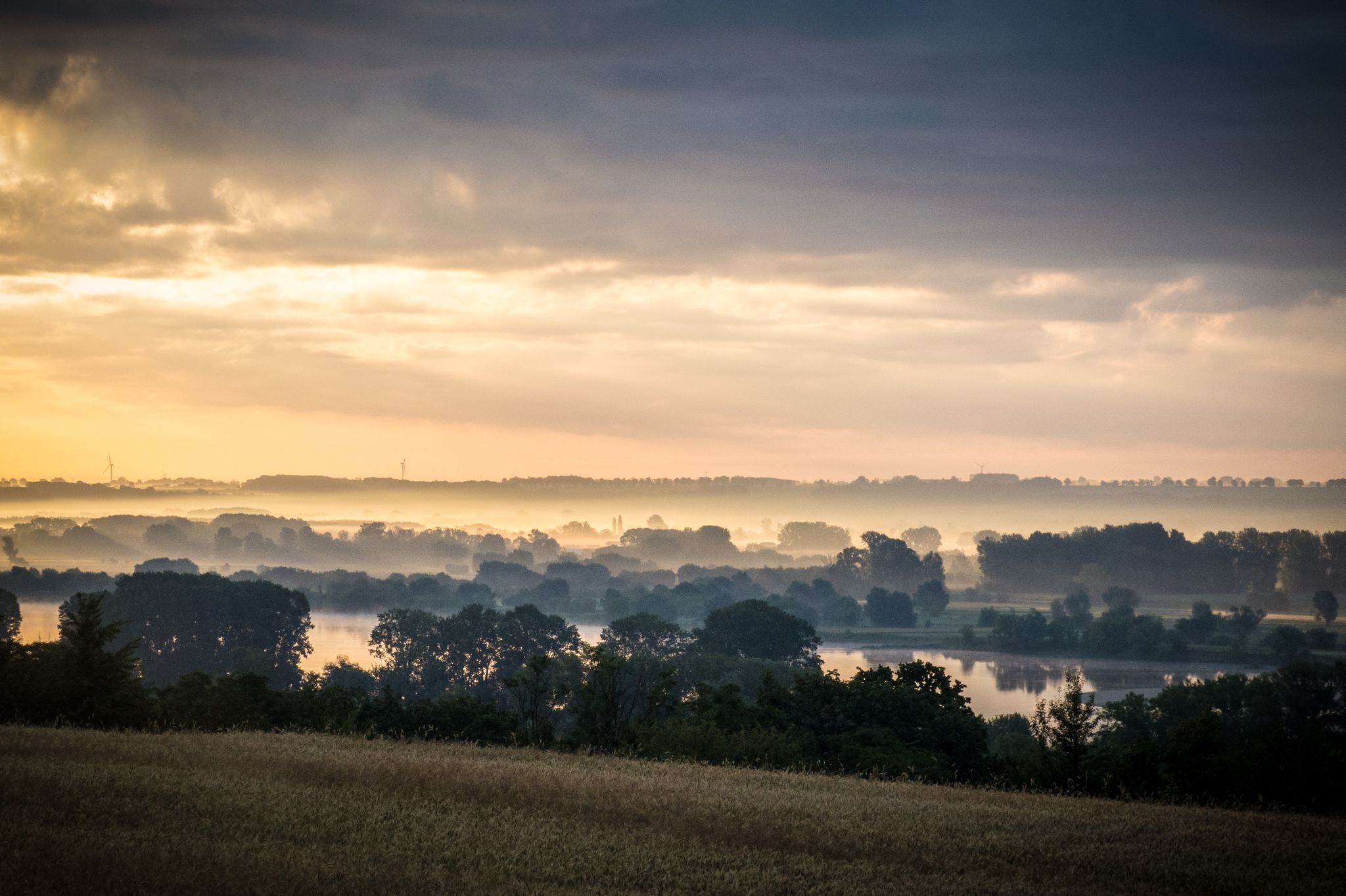
EuroVelo 9 – The Amber Route from the Baltic to Adriatic Sea
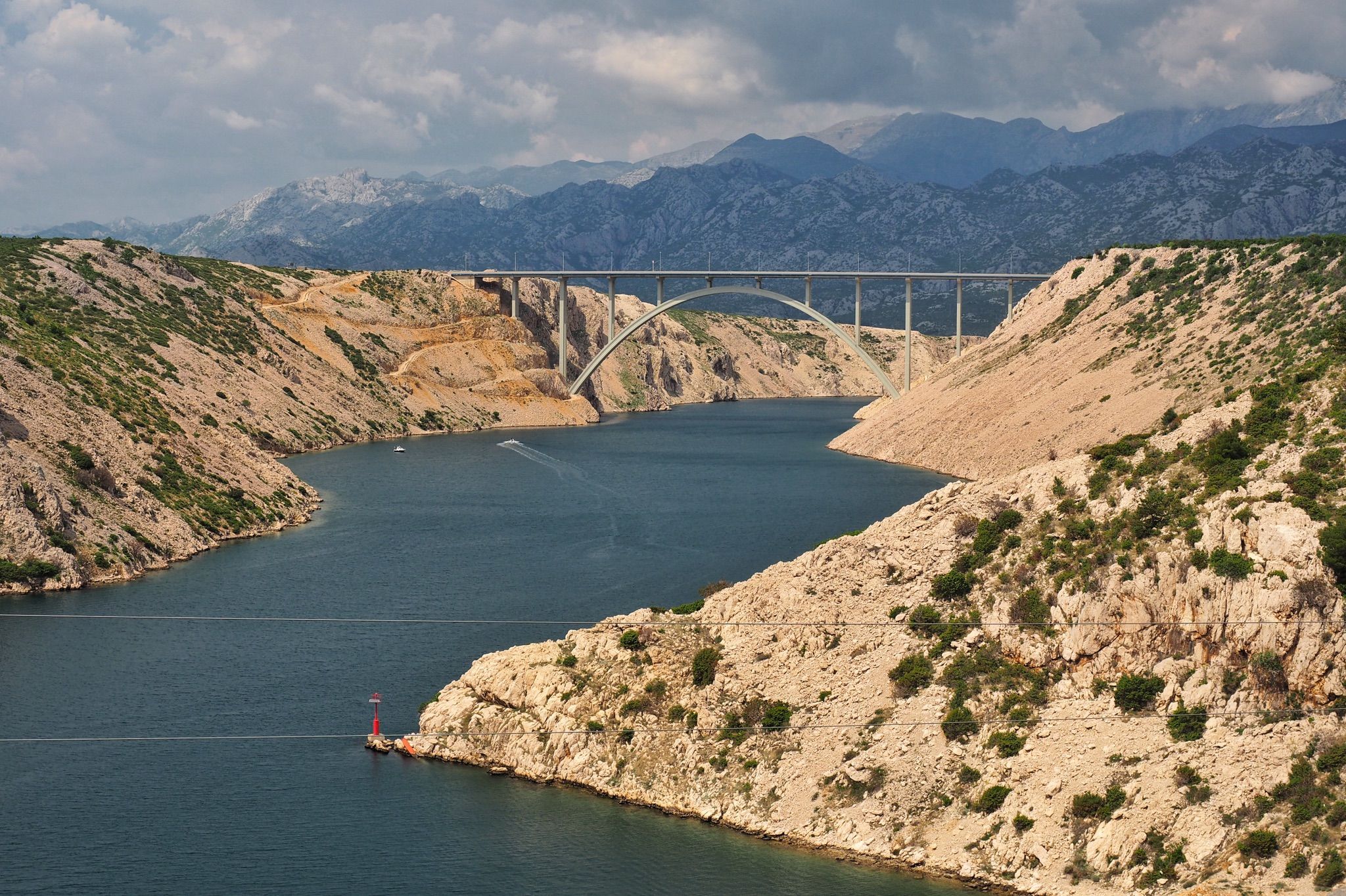
The Dinaric Alps – explore the Adriatic Sea in a different way
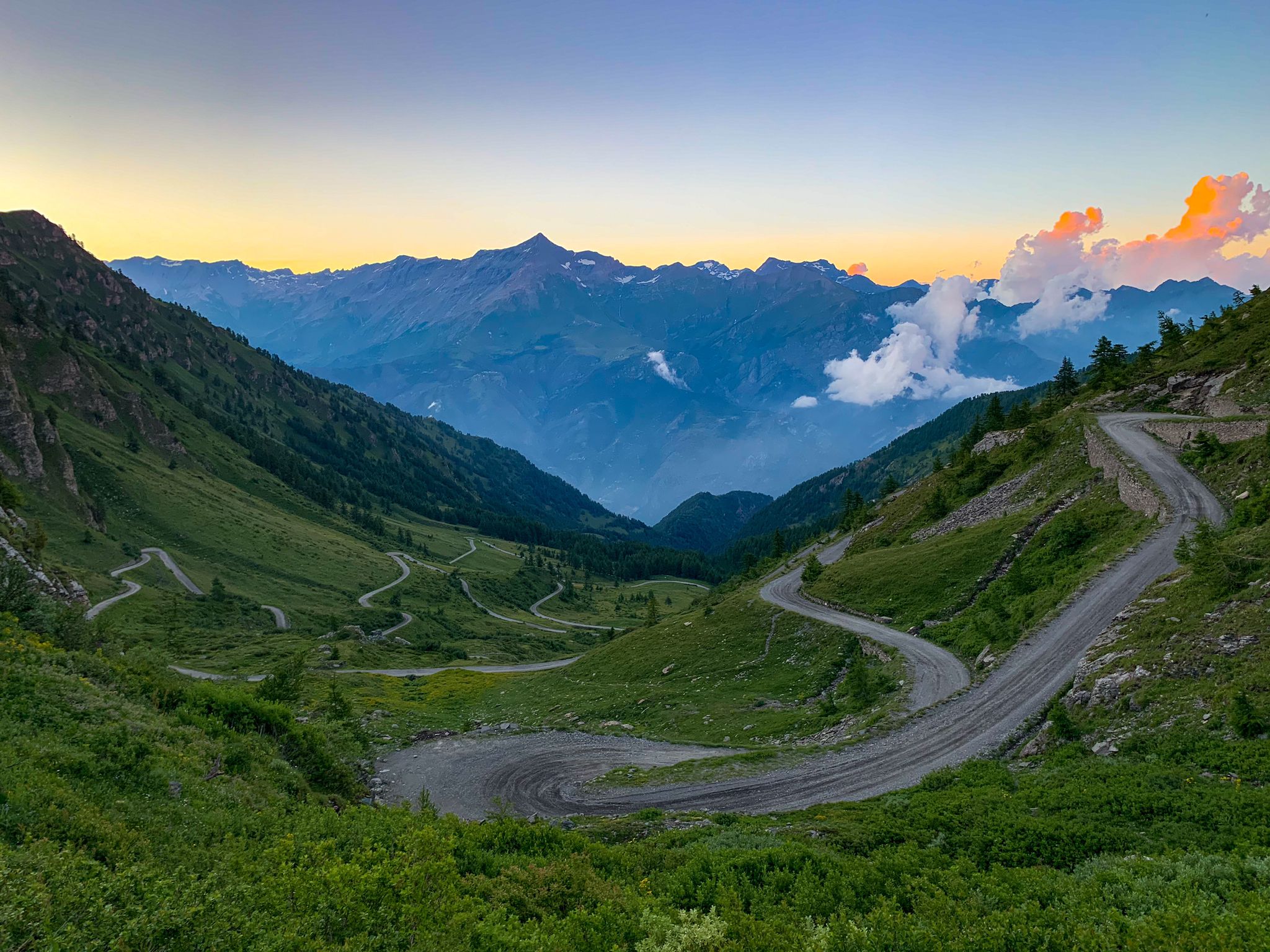
Chasing the sun across the Alps — unsupported solo
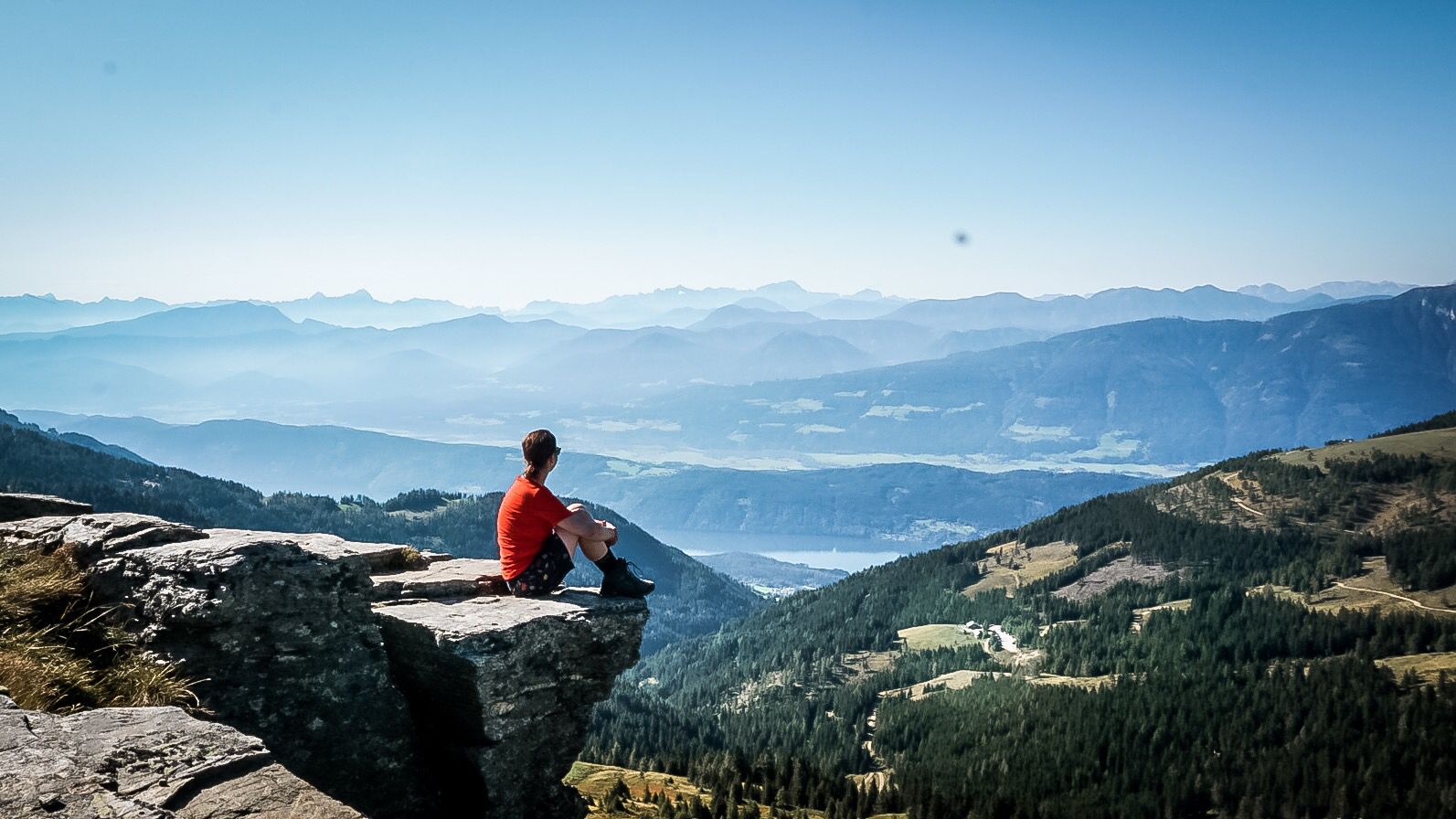
Alpe-Adria-Trail: My long-distance hike from the glacier to the sea
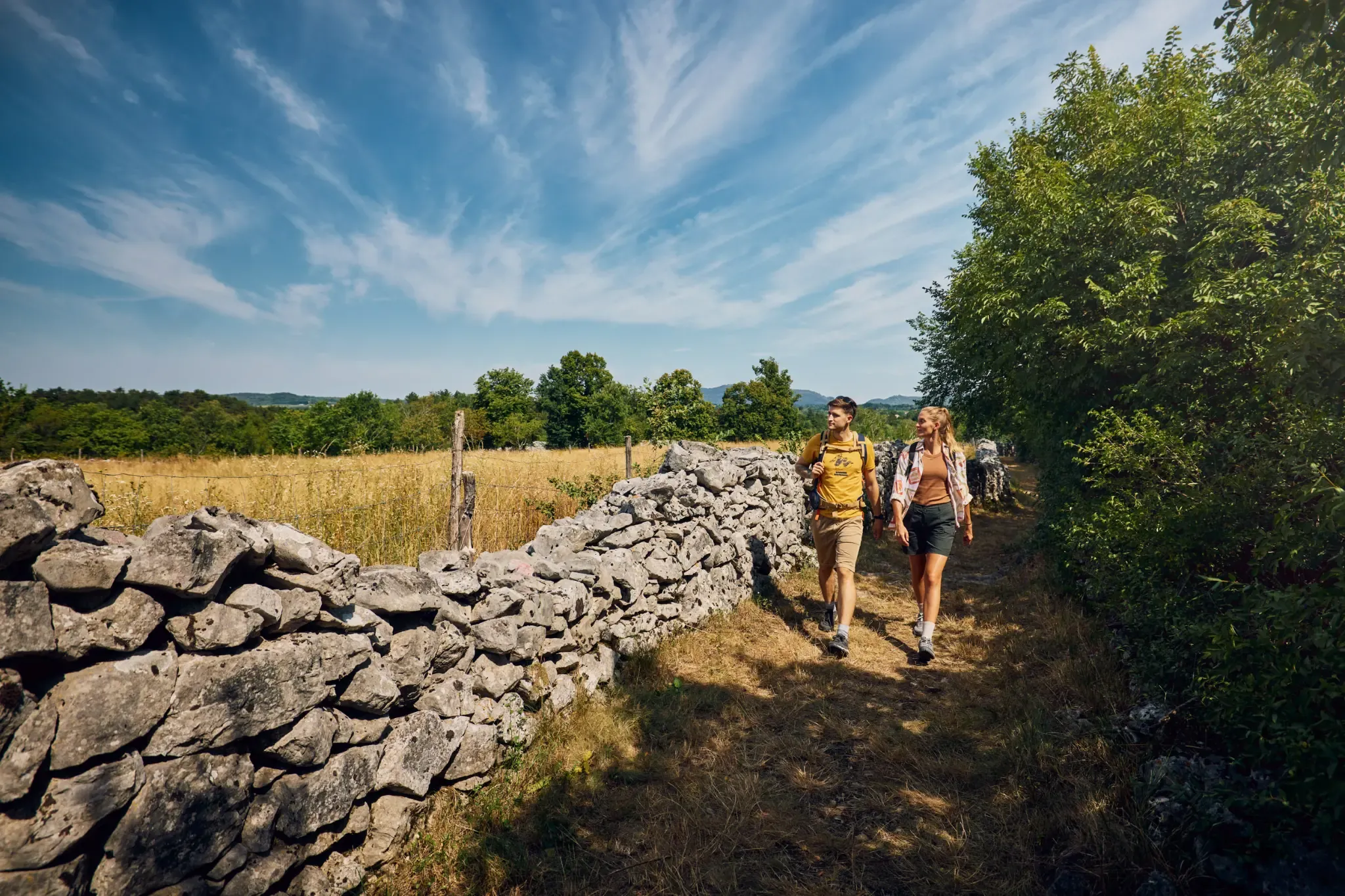
Carsus Trail – long-distance hiking in the green heart of the Karst
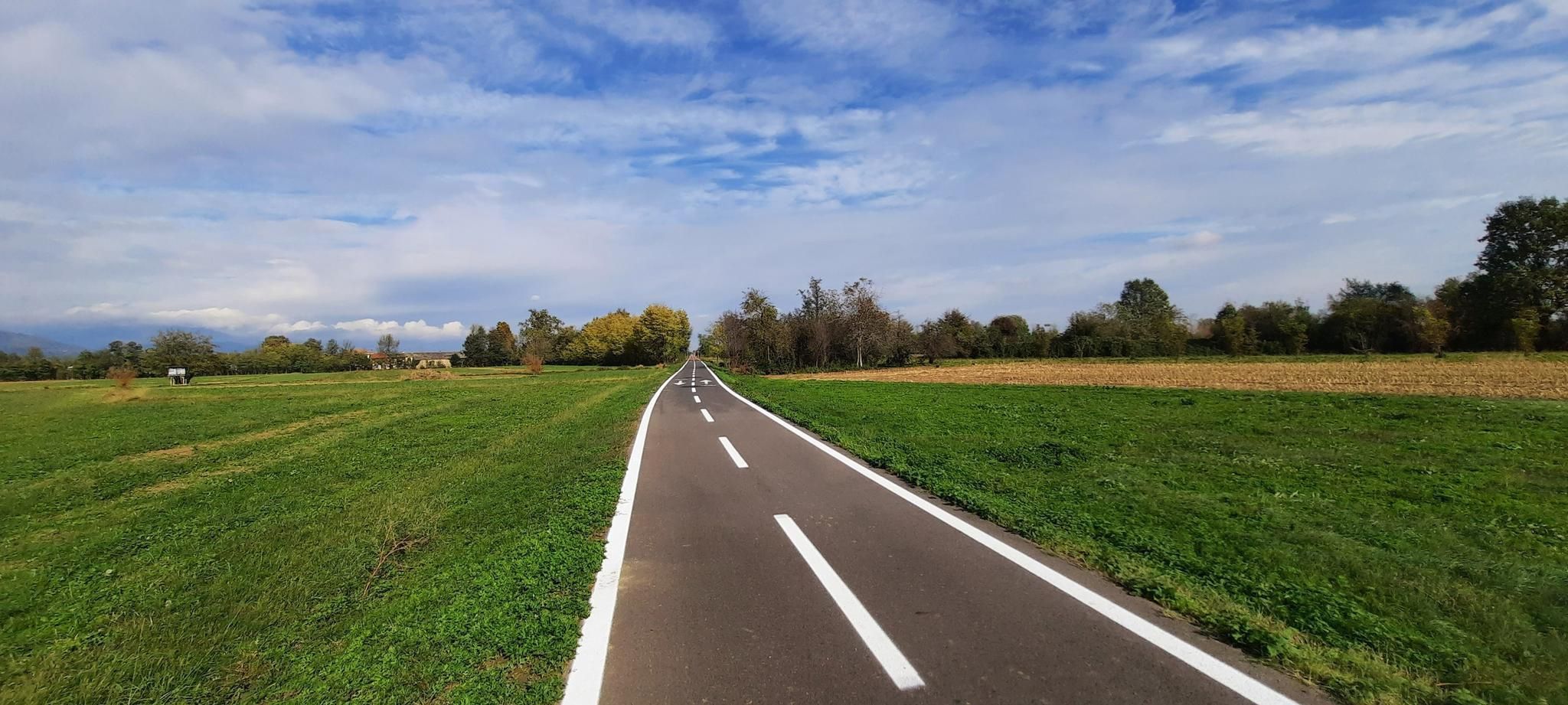
Ride across the Italian Alps – Pedemontana cycle route
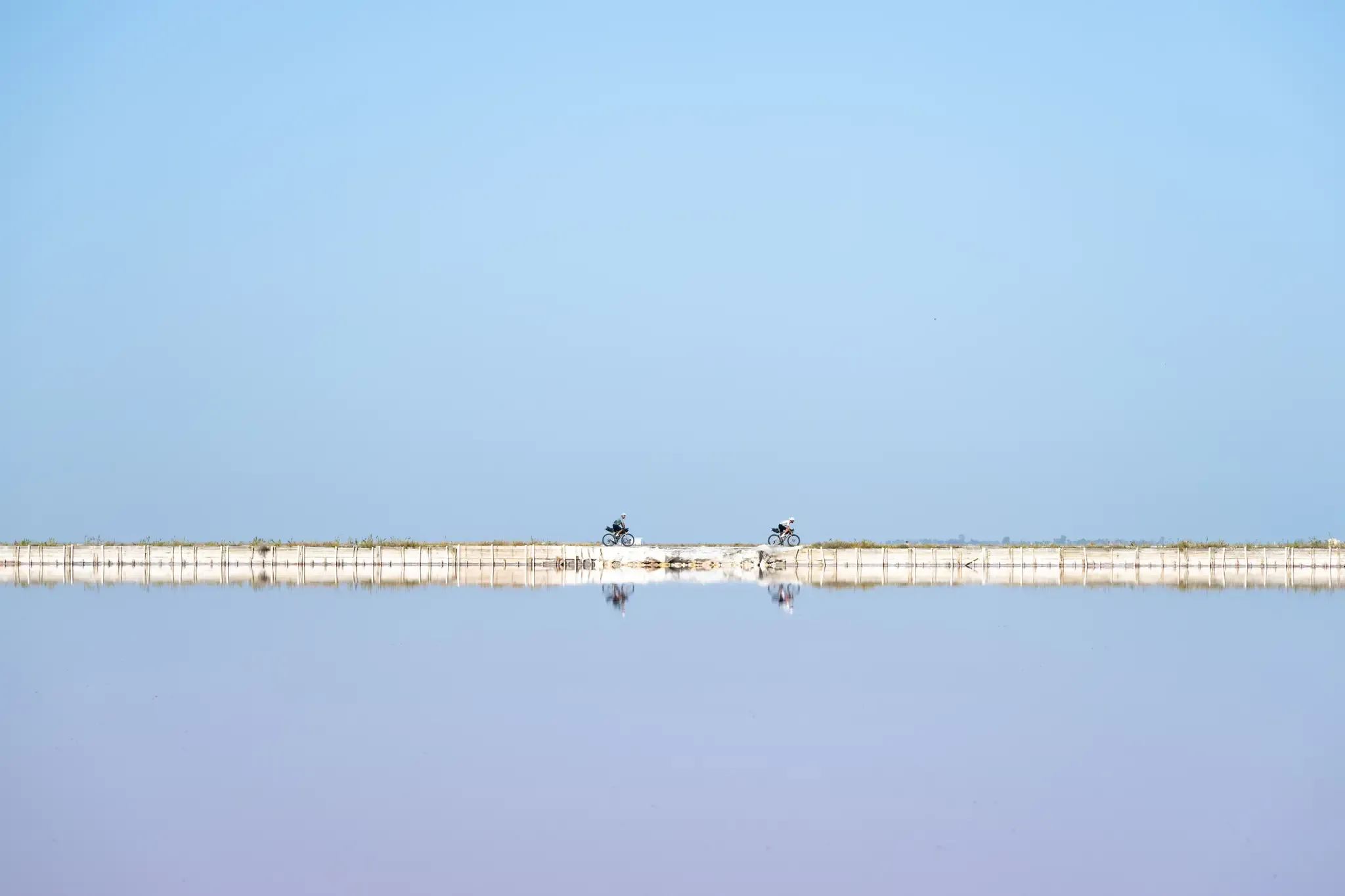
Trieste to Santa Maria di Leuca – the Adriatic Cycle Route
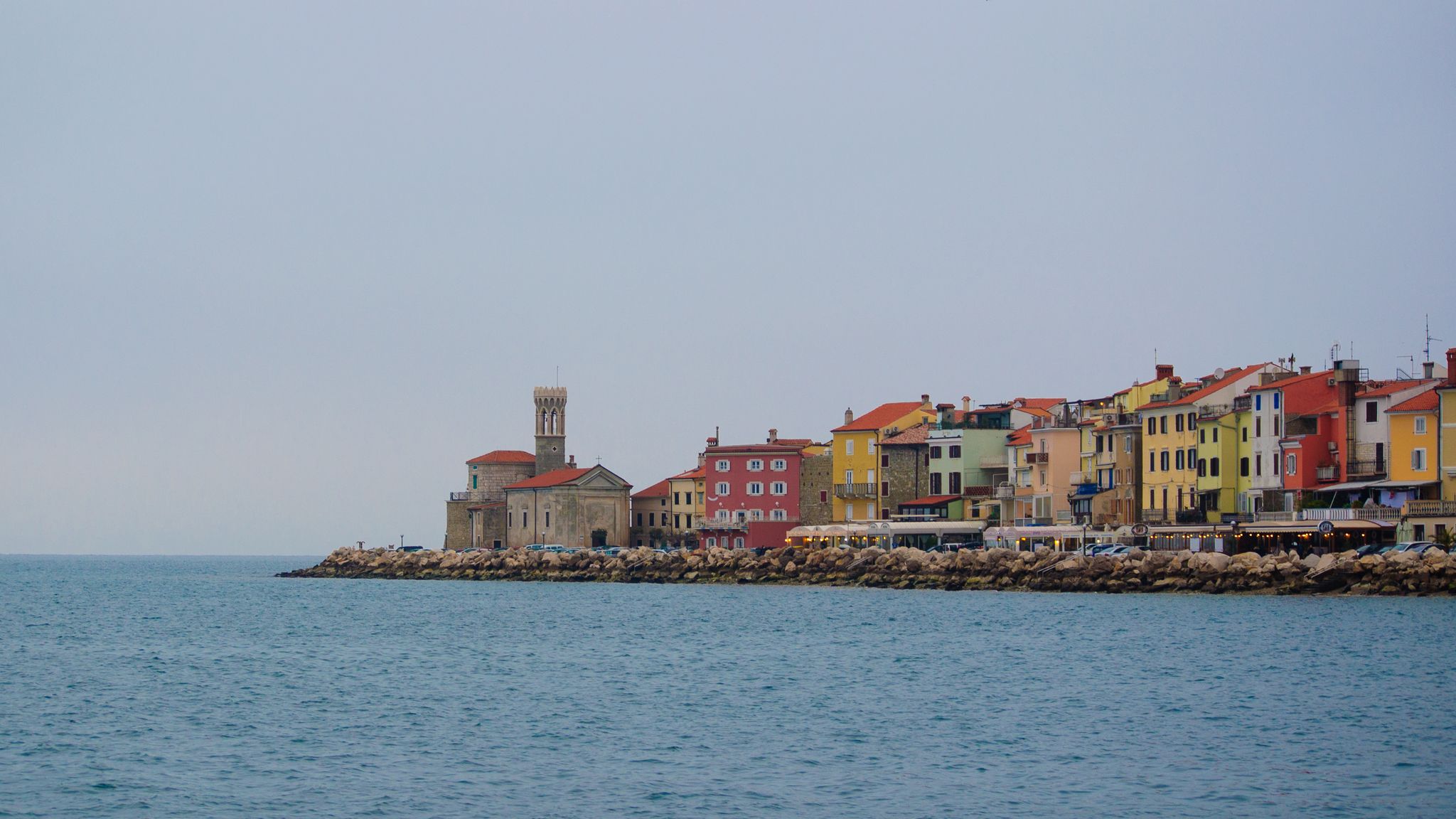
Trieste to Rijeka – along the coast of Istria from Italy to Croatia
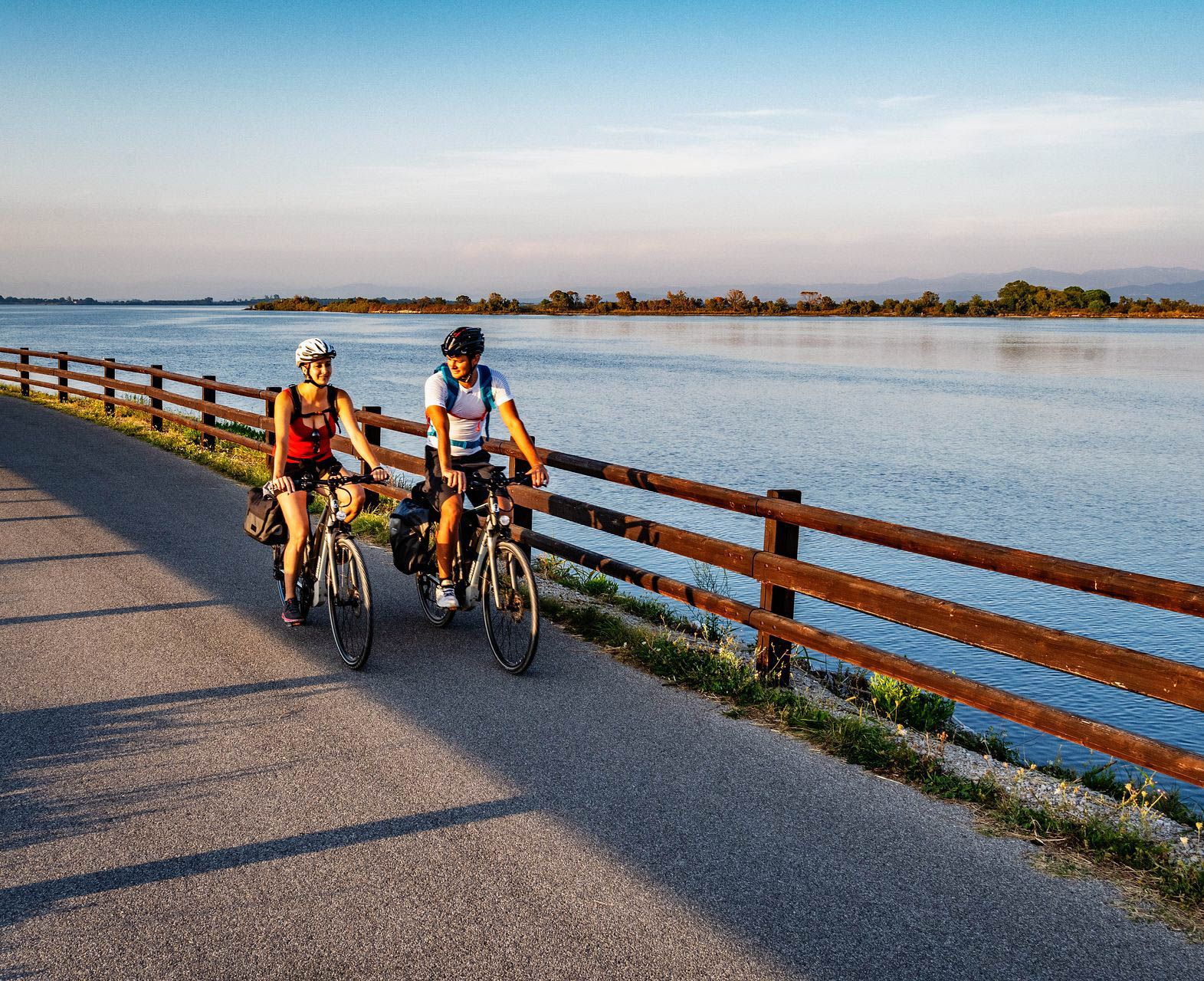
Cycling between sea and mountains in Italy’s Friuli Venezia Giulia
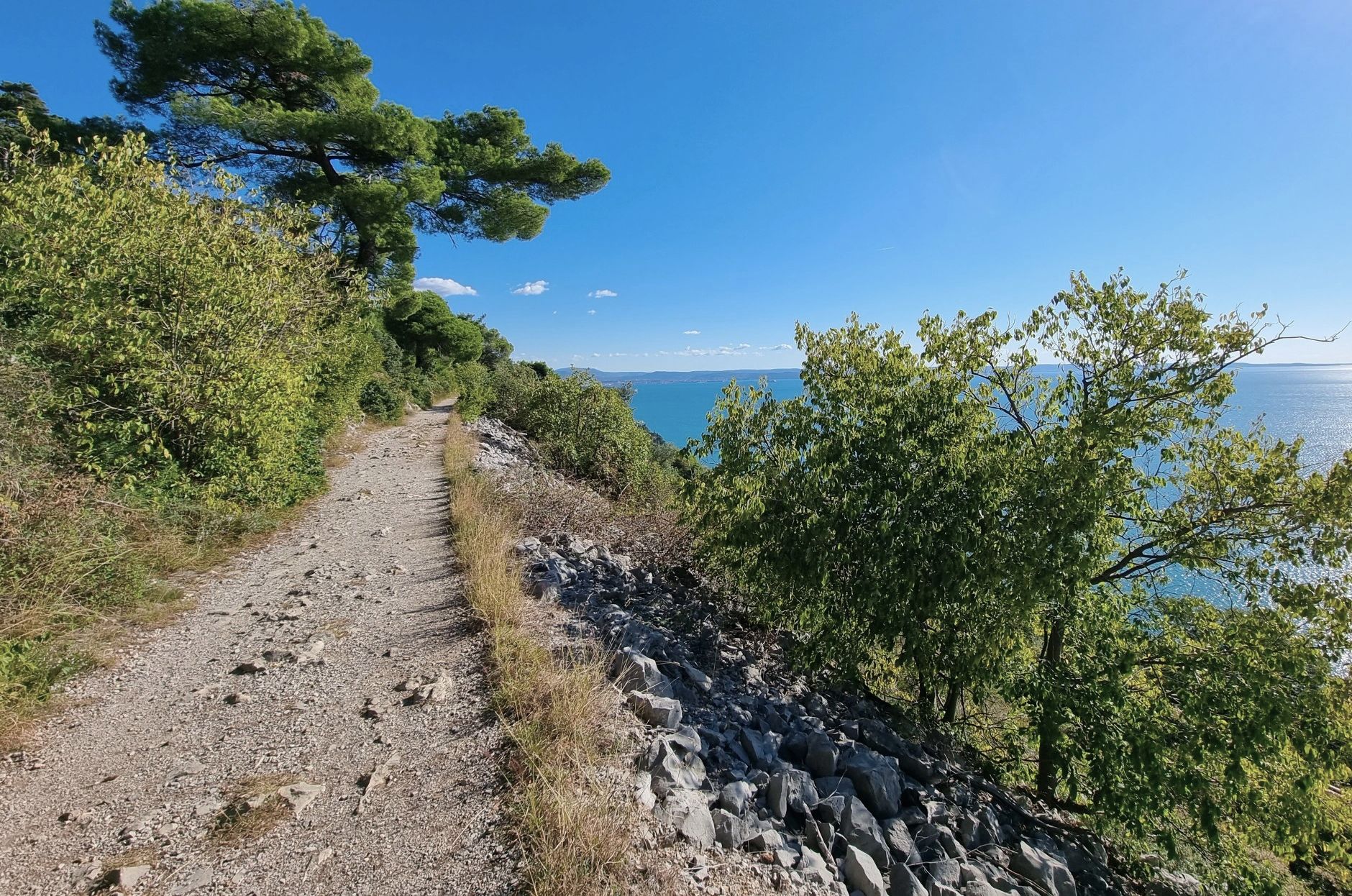
Ride to the sea – gravel bikepacking from Austria’s Vienna to Italy’s Grado
Other adventures in Trieste


Tips from the Community


Located behind Trieste, Val Rosandra is a unique nature reserve where the homonymous stream has carved the only deeply incised valley of the Trieste Karst. The landscape is dominated by rugged limestone cliffs, white scree slopes, and vegetation that blends Mediterranean and continental species. Famous for its 36-meter-high waterfall, the valley is a sanctuary of biodiversity and history: it hosts the remains of a 1st-century AD Roman aqueduct and the ancient church of Santa Maria in Siaris. A prime location for Trieste's mountaineering, its cliffs were the school of Emilio Comici. Between arduous trails and views of the Gulf, Val Rosandra represents a concentration of wild nature and millennia-old testimonies, suspended between the Karst plateau and the Adriatic Sea.
0
0

On clear days the view across the horizon is magnificent.
0
0

The 360° panorama repays the effort
0
0

Beautiful panoramic views, stretching from Istria to the Carnic Alps, at least on a clear day. To the east, the Pleša, considered the southernmost mountain in the Eastern Alps, is clearly visible.
0
0
The cave is closed indefinitely due to major damage. Nevertheless, it's worth a visit because of the surrounding forest botanical garden, which offers a good overview of the tree species planted in the forest and the (natural) vegetation on the ground.
2
0

In the area of the Risorgive del Timavo, where the Timavo river emerges from the vegetation, the medieval church of San Giovanni in Tuba stands suggestively with its late Gothic style.
0
0

beautiful place in nature
0
0
Frequently Asked Questions
What unique geological formations can I explore in Trieste's natural monuments?
Trieste's Karst landscape offers a variety of geological wonders. You can explore the colossal Grotta Nera and Grotta Priamo, or the world-renowned Grotta Gigante, known for its immense chamber and spectacular stalactites and stalagmites. The Rosandra Valley features dramatic limestone cliffs and gorges carved by the river, while the Duino Cliffs boast steep white limestone formations plunging into the sea.
Are there family-friendly natural attractions in Trieste?
Yes, several natural monuments in Trieste are suitable for families. The park surrounding Miramare Castle, known as Miramare Park, offers a beautiful and relaxing environment for walks. The Timavo River Springs are also a pleasant spot for a family outing. For an easy cycling or walking experience, the Giordano Cottur Cycle and Pedestrian Path is ideal, following an old railway route.
What are the best places for panoramic views of the Trieste area?
For breathtaking panoramic views, consider visiting the Monte Lanaro summit, which offers a splendid 360° vista of the Trieste and Slovenian Karst. The Duino Cliffs Nature Reserve, particularly along the Rilke Trail, provides spectacular views of the Gulf of Trieste and the Adriatic Sea. Additionally, various points within the Val Rosandra Nature Reserve offer stunning perspectives of Trieste and the coast.
Can I find hiking trails near Trieste's natural monuments?
Absolutely. The Val Rosandra Nature Reserve is a prime destination for hikers, with numerous trails winding through dramatic landscapes. The Rilke Trail along the Duino Cliffs is another popular choice for scenic walks. For more options, you can explore various hiking routes in Trieste, including easy and moderate paths like the 'Rilke Path' and 'Val Rosandra Circular Trail'.
Are there opportunities for cycling near the natural monuments?
Yes, cycling is a great way to explore the area. The Giordano Cottur Cycle and Pedestrian Path is a popular route that follows an old railway line from Trieste to Slovenia. For those interested in gravel biking, there are several gravel biking routes in Trieste, including loops that incorporate the Giordano Cottur path and offer views of the Gulf.
What is the best time of year to visit the natural monuments in Trieste?
The natural monuments in Trieste can be enjoyed year-round, but spring and autumn offer particularly pleasant conditions for outdoor activities, with milder temperatures and vibrant scenery. During warmer months, the Grotta Gigante maintains a cool 11°C, providing a refreshing escape. Winter can also be beautiful, especially for walks in areas like Miramare Park, which is well-maintained even in colder weather.
Are there any natural monuments with historical significance?
Many natural monuments in Trieste are intertwined with history. The Val Rosandra Nature Reserve contains ancient ruins, including remnants of a Roman aqueduct, and traditional villages. The Timavo springs are associated with the Church of San Giovanni in Tuba, adding a religious and historical layer to the natural site. Even the Giordano Cottur Cycle Path follows the route of an old Austro-Hungarian railway, offering a glimpse into the region's past.
What kind of wildlife and biodiversity can I expect to see?
Trieste's natural monuments are transition zones where Central European and Mediterranean ecosystems meet, fostering rich biodiversity. The Val Rosandra Nature Reserve is home to a diverse range of plant and animal species. The Duino Cliffs Nature Reserve is particularly notable for its various reptiles and serves as a nesting site for numerous bird species, including the endangered peregrine falcon.
What are the most popular natural monuments according to visitors?
Visitors highly appreciate the Giordano Cottur Cycle and Pedestrian Path for its easy and scenic route. The park surrounding Miramare Castle, known as Miramare Park, is also a favorite for relaxing walks. The Rosandra Valley is praised for its wild beauty and panoramic views, making it a top destination for hikers.
Are there any waterfalls to visit in the Trieste area?
Yes, the Val Rosandra Nature Reserve is home to a spectacular 30-meter (or 36-meter) waterfall, which creates a picturesque lagoon at its base. This waterfall is a prominent feature of the valley and a popular spot for visitors. You can find several mountain hikes in Trieste that lead to or offer views of the Rosandra Waterfall.
What should I wear when visiting natural monuments in Trieste, especially in spring?
In spring, it's advisable to dress in layers as temperatures can vary. Comfortable walking shoes are essential for exploring trails and uneven terrain. If visiting caves like Grotta Gigante, remember that the temperature inside is consistently cool (around 11°C), so a light jacket or sweater is recommended even on warm days. For coastal walks like the Rilke Trail, sun protection is also wise.
Most popular routes in Trieste
Most popular attractions in Trieste

Get inspired with the komoot mobile app


Didn’t find what you were looking for?
Find even more amazing natural monuments in Trieste by checking out the top Highlights region by region:
Explore more
Extend your search for the best caves by checking out these guides of the top ones in Trieste:
