Top 20 Natural Monuments in Milan
Natural monuments in Milan, Italy, integrate significant natural spaces within and around its urban environment. The city, known for its architecture, also features unique ecological and historically important natural sites. These areas contribute to urban biodiversity, offer green retreats, and showcase sustainable development. Milan's natural monuments range from innovative vertical ecosystems to historic gardens and expansive regional parks.
Best natural monuments in Milan
- The most popular natural monuments is View of Milan from Monte Stella, a viewpoint that offers panoramic views of the city. This artificial relief was created from the debris of World War II bombings, rising 45 meters high.
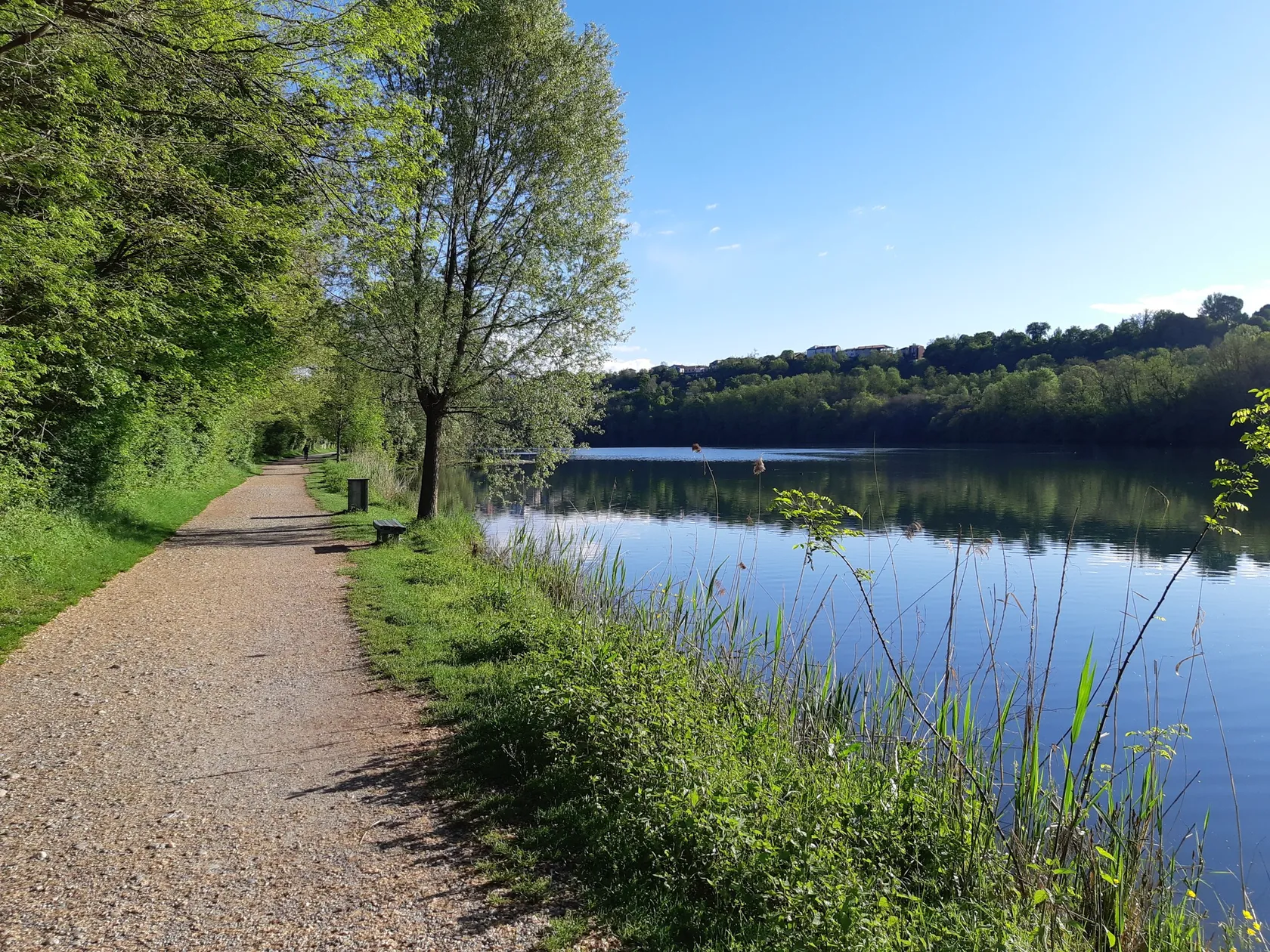
- Another must-see spot is Lake of Parco delle Cave, a lake located within a city park. Visitors can expect a refreshing natural area, popular for walks and relaxation.
- Visitors also love Besozza Forest, a public park spanning 41 hectares. It is part of a program to restore lowland forests and features indigenous forestry systems and recovered fountain systems.
- Milan is known for its diverse natural monuments, including lakes, rivers, and forests. The city offers a variety of natural monuments to see and explore, from urban parks to larger regional reserves.
- The natural monuments in Milan are appreciated by the komoot community, with over 300 upvotes and more than 160 photos shared by visitors.
Last updated: October 13, 2026
Lake of Parco delle Cave
Highlight • Lake
Translated by Google •
Tip by

Entrance to the Groane Trail
Highlight • Trail
Translated by Google •
Tip by

Sign up now to discover places like this
Get recommendations on the best single tracks, peaks, & plenty of other exciting outdoor places.
Ticino Park
Highlight • River
Translated by Google •
Tip by
Ticino River
Highlight • River
Translated by Google •
Tip by
Mount Stella
Highlight • Viewpoint
Translated by Google •
Tip by

Indro Montanelli Public Gardens
Highlight • Forest
Translated by Google •
Tip by

Bernate Ticino Wooden Footbridge
Highlight • Bridge
Translated by Google •
Tip by

Rosa Camuna Pond
Highlight • Lake
Translated by Google •
Tip by
New footbridge
Highlight • Bridge
Translated by Google •
Tip by

Isola delle Rose
Highlight • Lake
Translated by Google •
Tip by
Sign up for free to discover even more natural monuments in Milan.
Already have an account?
Start today with a free account
Your next adventure awaits.
Popular around Milan
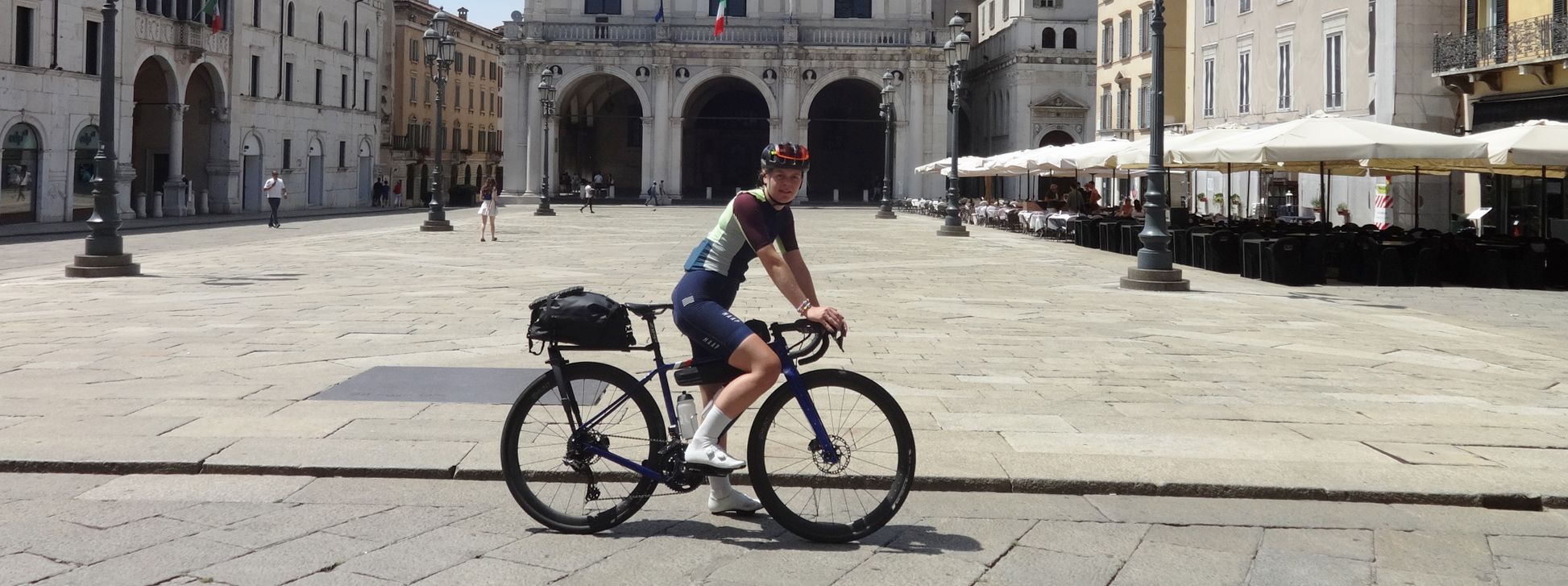
Lombardy by bike – discover historic villages and natural beauty
The Pizza Pilgrimage – Milan to Naples, fuelled by pizza
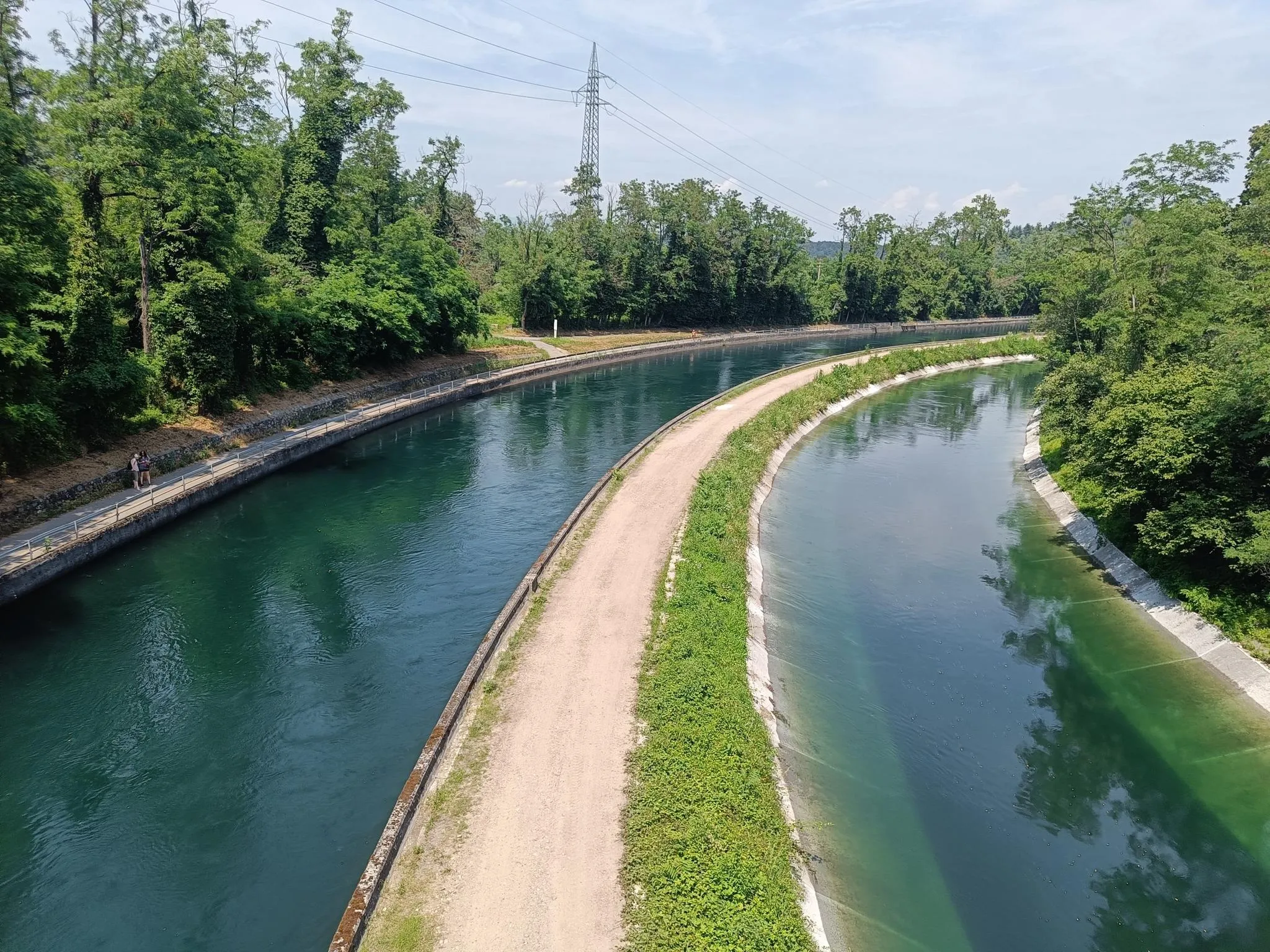
Pedal along water – loop from Milan to Lake Maggiore
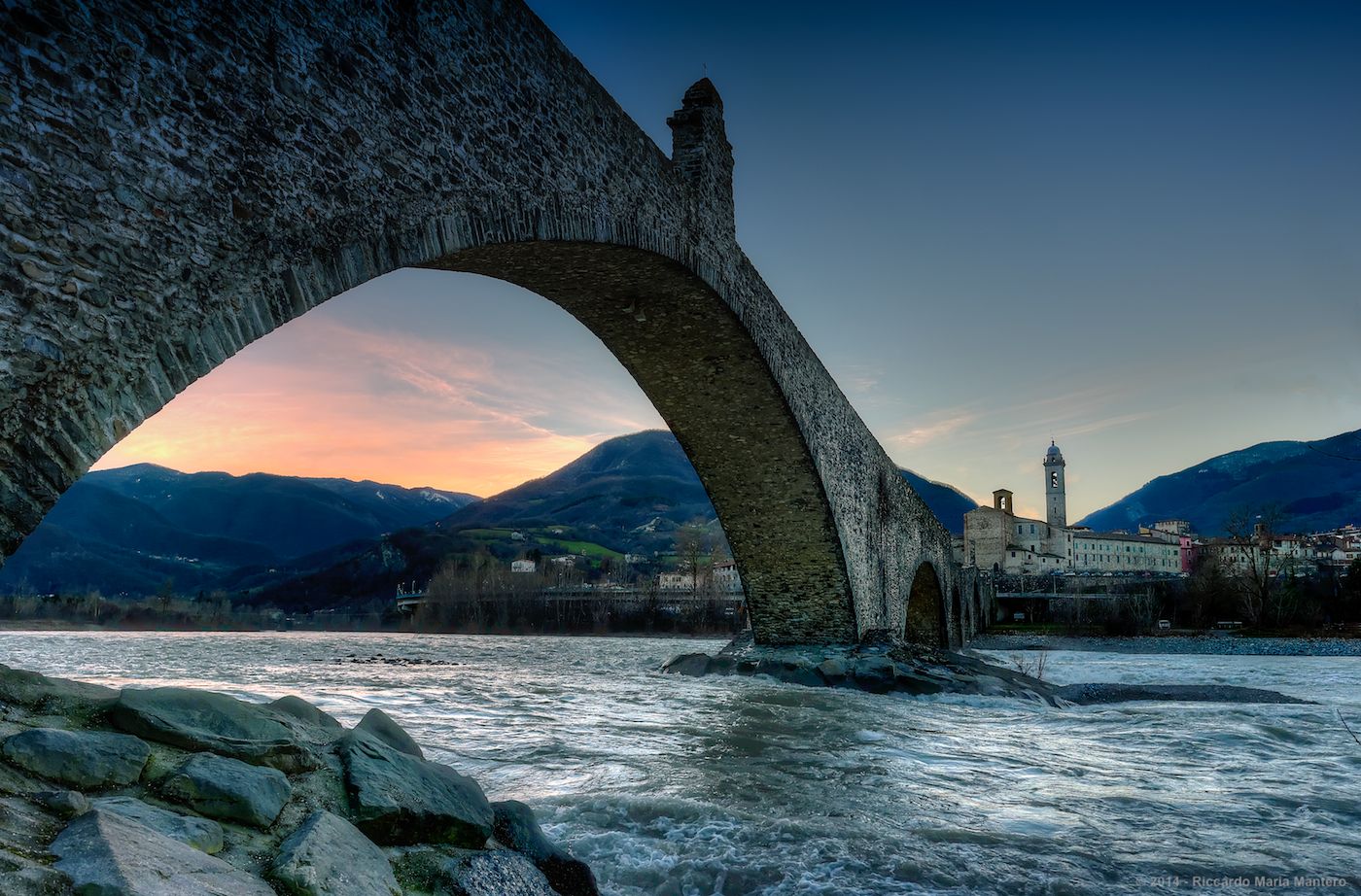
Hike from Milan to the sea – Path of the Celts and Ligurians
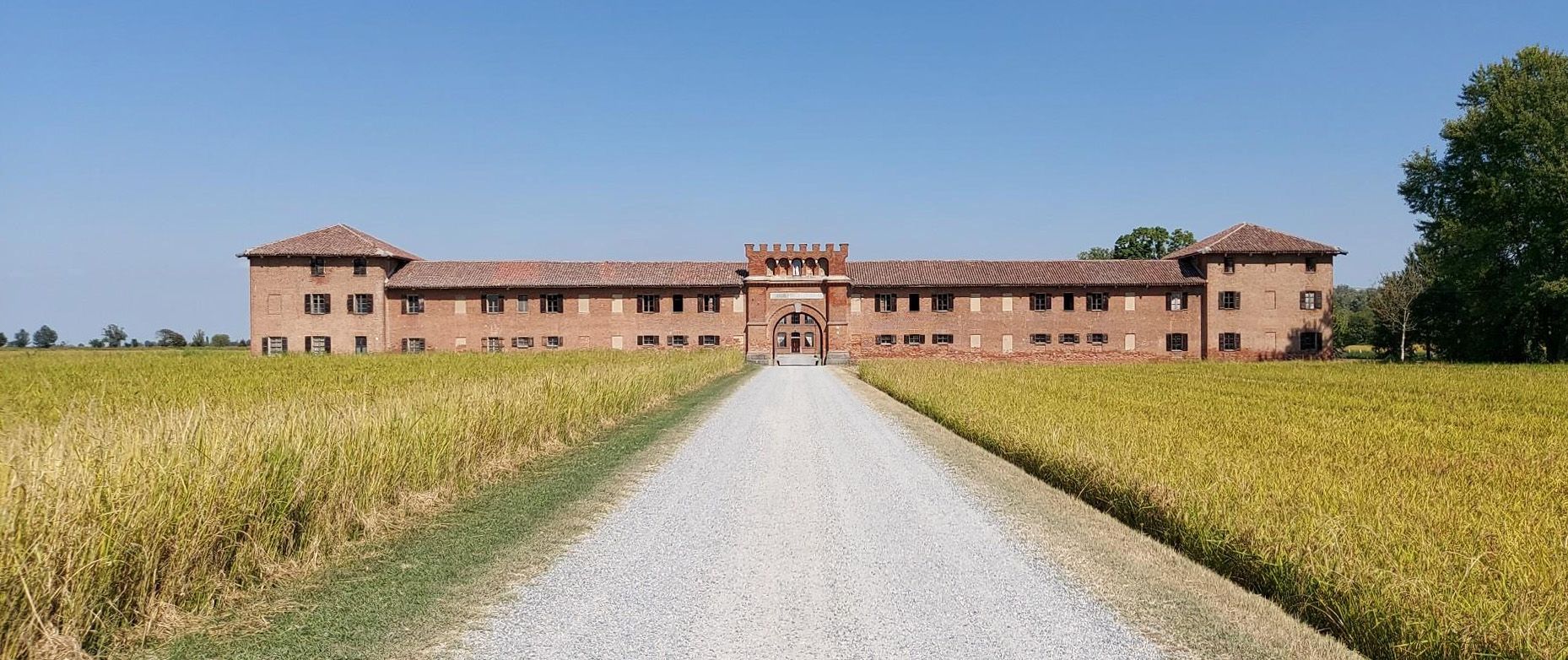
Away with the train – cycle paths within an hour of Milan
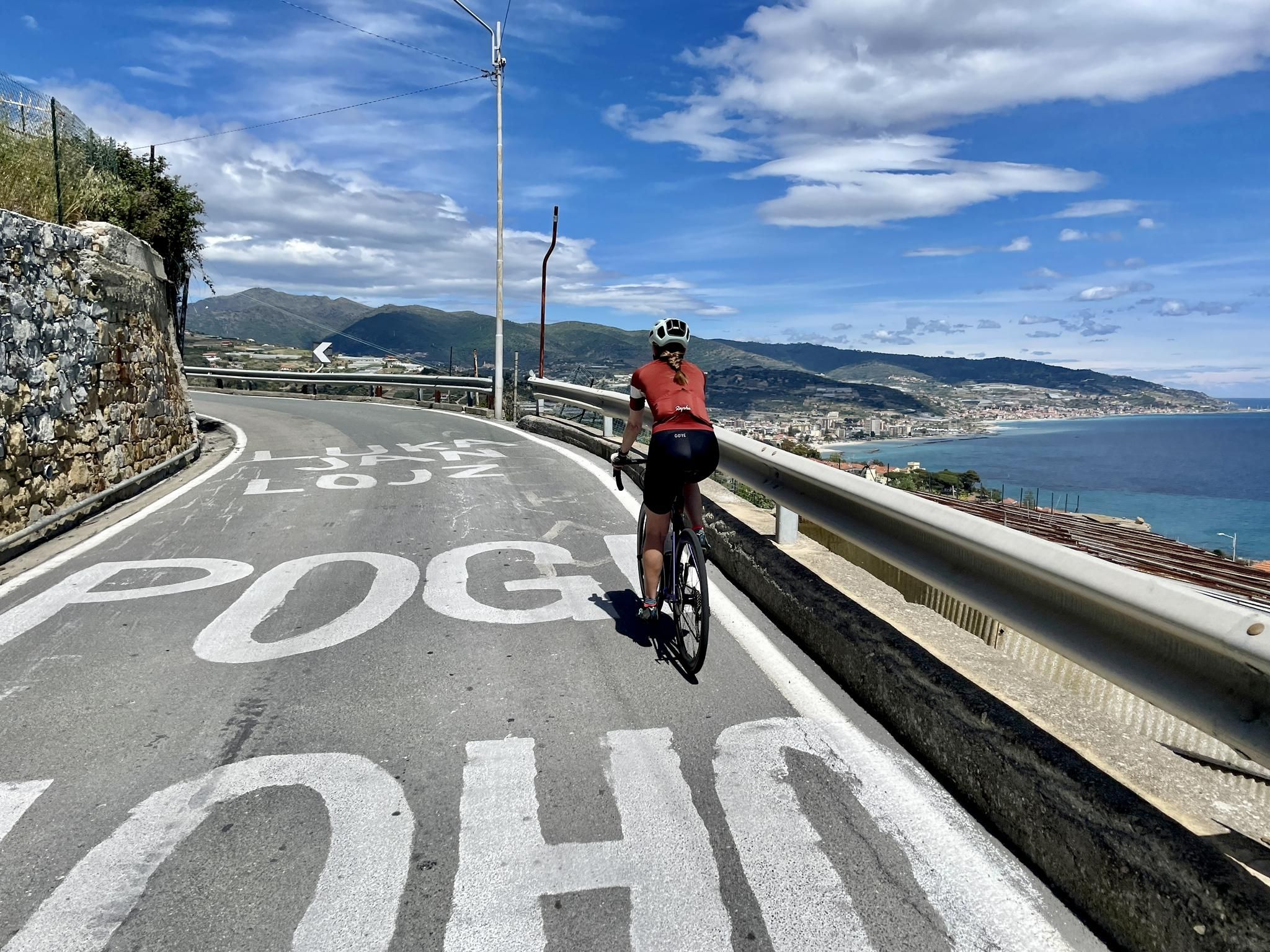
La Classicissima – cycling the Milan-San Remo
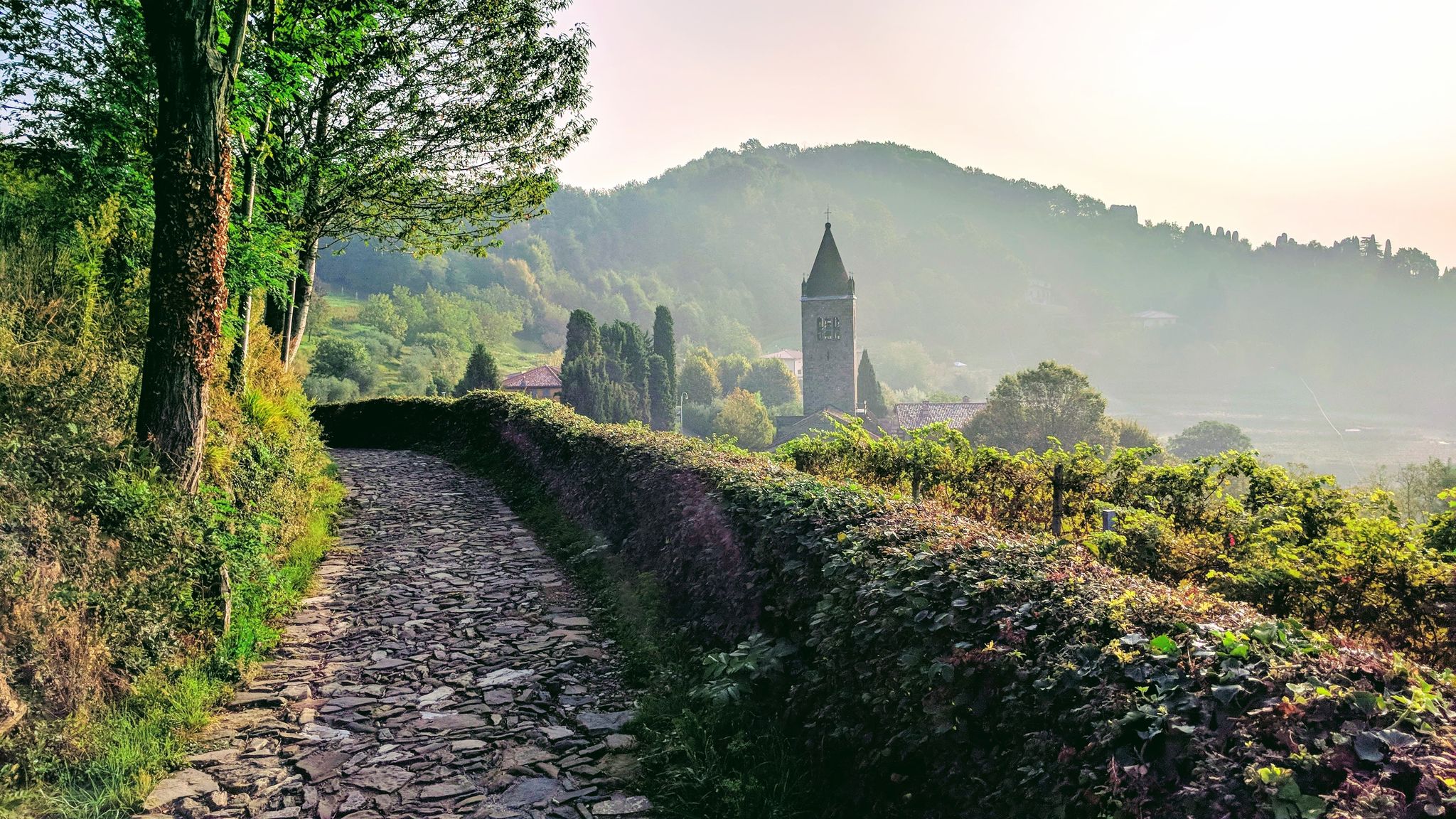
Away with the train – trekking an hour from Milan
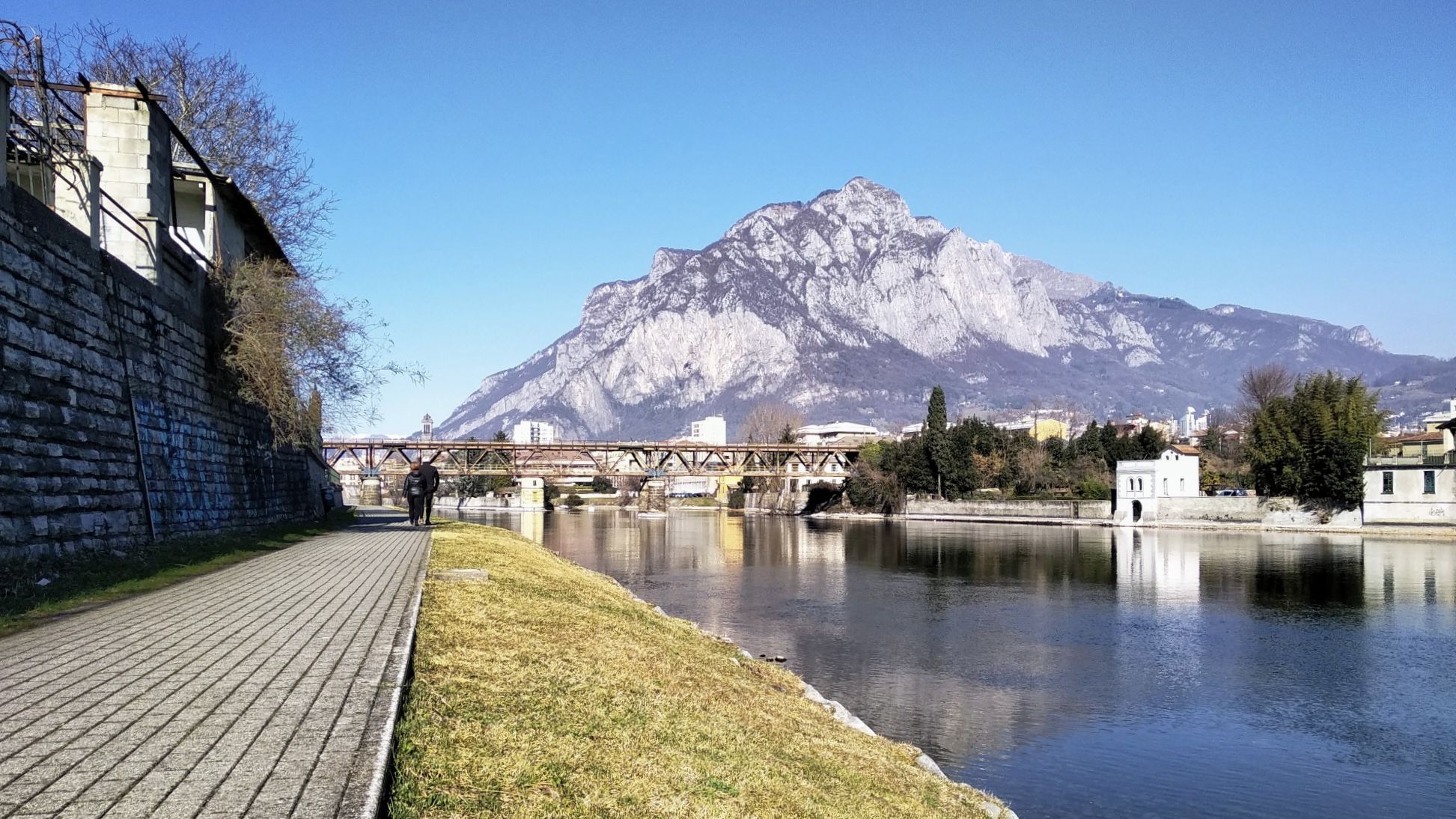
Lecco Pre-Alps to the Po Valley – Adda Cycle Route
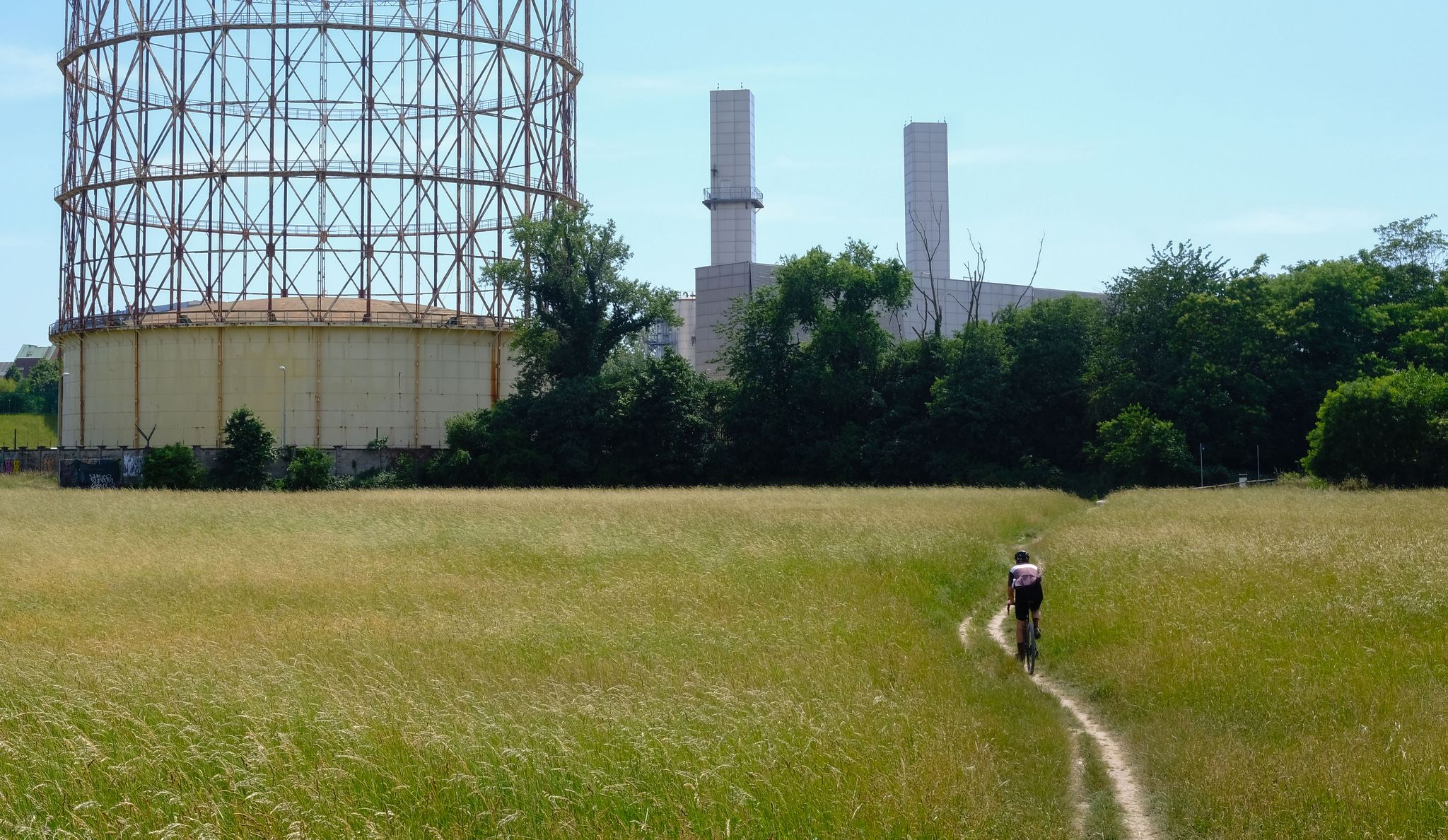
Escape from Milan – bike, mud, gravel and cows
A bike Tour from Moncenisio to Verona – AIDA (western part)
Other adventures in Milan


Tips from the Community

It is possible to run along the ring path of the Idroscalo Park, which includes a scenic and evocative stretch dedicated to the Isola delle Rose within the Milanese park.
0
0
The Indro Montanelli Public Gardens are the oldest public park in Milan, inaugurated in 1784 by the Habsburg administration. Located in the central Porta Venezia area, they cover an area of approximately 172,000 square meters, making them the second largest park in the city center after Parco Sempione. Initially designed by architect Giuseppe Piermarini in the "French style", they were subsequently reorganized in the mid-19th century according to the English garden model, with artificial lakes, rocks, and dense vegetation. Until 2002 they were known simply as "Giardini Pubblici" or "Giardini di Porta Venezia", before being named after the famous journalist Indro Montanelli.
0
0
A floating island connected to the mainland by two charming wooden bridges. It covers about 700 square meters and hosts over 15 varieties of roses. At the top of the island's staircase is the monument to the Resistance by Mario Robaudi.
1
0
L'Isola delle Rose is a picturesque islet and rose garden located within the Idroscalo park in Milan. It is a romantic oasis of 700 square meters surrounded by the lake's waters, where over 15 different varieties of roses bloom.
2
0

An oasis of peace in the heart of the city. With its rose varieties imported from Germany and the evocative climbing roses surrounding the steel gates, this corner of nature offers the perfect retreat to immerse yourself in beauty and tranquility.
2
0


I'm glad you like my comment. Kind regards, Markus Thiel 🙏🌎🌞
2
1

There are also fallen trees along the path and it is necessary to get off and carry the bike by hand.
0
0
Frequently Asked Questions
What are some of the most popular natural monuments in Milan?
Among the most appreciated natural monuments in Milan are the View of Milan from Monte Stella, an artificial hill offering panoramic city views, and the Lake of Parco delle Cave, a refreshing natural area popular for walks. Visitors also frequently enjoy the Besozza Forest, a public park dedicated to restoring lowland forests.
Are there family-friendly natural monuments in Milan?
Yes, many natural monuments in Milan are suitable for families. The Lake of Parco delle Cave and Besozza Forest are great for leisurely strolls and enjoying nature. The Indro Montanelli Public Gardens offer playgrounds and open spaces, making them ideal for children.
What kind of natural features can I expect to see in Milan's natural monuments?
Milan's natural monuments showcase a diverse range of features. You can find serene lakes like the Lake of Parco delle Cave and Rosa Camuna Pond, significant rivers such as the Ticino River, and lush forests like the Besozza Forest. The city also features unique urban green spaces and viewpoints like the View of Milan from Monte Stella.
What outdoor activities can I do near Milan's natural monuments?
Milan's natural monuments are excellent starting points for various outdoor activities. You can enjoy cycling on routes like the 'Naviglio Martesana – Milan to Trezzo sull'Adda' or 'Naviglio Grande and Morimondo Abbey Loop' found in the Cycling in Milan guide. For hiking, explore trails such as the 'Milan Historic Center and Parks Loop' or 'Lanca di Bernate Loop' from the Hiking in Milan guide. Running enthusiasts can find routes like the 'Idroscalo Park Loop' in the Running Trails in Milan guide.
Are there any natural monuments with historical significance in Milan?
Yes, several natural spaces in Milan hold historical significance. The Indro Montanelli Public Gardens, Milan's first public park opened in 1784, boasts monumental trees and historical architecture. Parco Sempione, adjacent to Sforza Castle, also blends nature with historical landmarks like the Arco della Pace, offering a rich cultural and natural experience.
What is the best time of year to visit Milan's natural monuments?
The best time to visit Milan's natural monuments is generally during spring (April-May) and autumn (September-October). During these seasons, the weather is mild and pleasant, ideal for outdoor activities and enjoying the lush greenery or autumn foliage. Summer can be hot, while winter can be chilly, though many parks remain accessible year-round.
Are there any unique or innovative natural monuments in Milan?
Milan is home to the Bosco Verticale (Vertical Forest), an architectural marvel that functions as a living natural monument. These two residential skyscrapers are covered with thousands of trees and plants, creating a unique urban ecosystem. It's a groundbreaking example of sustainable urban development and metropolitan reforestation, showcasing how nature and urban living can coexist.
Can I find dog-friendly natural trails or parks in Milan?
Many of Milan's larger parks and natural areas are dog-friendly, often requiring dogs to be on a leash. For instance, areas around the Lake of Parco delle Cave and the extensive Parco Nord Milano offer ample space for walks with your dog. Always check specific park regulations for designated off-leash areas or restrictions.
What do visitors enjoy most about Milan's natural monuments?
Visitors frequently praise the refreshing natural escapes these sites offer within or near the bustling city. They appreciate the peaceful retreats, opportunities for relaxation, and the chance to connect with nature. Highlights like the Lake of Parco delle Cave are noted for being beautiful and providing refreshment, while the View of Milan from Monte Stella is loved for its unique perspective and historical context.
Are there any natural monuments in Milan that are less crowded or considered 'hidden gems'?
For a quieter experience, consider exploring areas like the Laghetto La Fametta, a tranquil lake, or the Wooden Bridge in La Fagiana Nature Reserve, which offers a peaceful walk through the woods. The Brera Botanical Garden, though central, provides a serene escape often overlooked by general tourists, focusing on rich biodiversity and historical plant collections.
How accessible are Milan's natural monuments by public transport?
Many of Milan's natural monuments are well-connected by public transport. Parks like Parco Sempione and the Indro Montanelli Public Gardens are centrally located and easily reachable by metro or tram. Larger regional parks like Parco Nord Milano are accessible via bus or metro lines extending to the city's outskirts, making them convenient for a day trip.
Most popular routes in Milan
Most popular attractions in Milan

Get inspired with the komoot mobile app


Didn’t find what you were looking for?
Find even more amazing natural monuments in Milan by checking out the top Highlights region by region:
Explore more
Extend your search for the best caves by checking out these guides of the top ones in Milan:
