Top 20 Natural Monuments in Padova
Natural monuments in Padova include a diverse range of natural and cultivated landscapes. The region features the volcanic Euganean Hills, offering varied ecosystems and geological formations. Within the city, significant green spaces like the Botanical Garden of Padua contribute to the area's natural heritage. Padova's natural monuments provide opportunities for outdoor exploration and appreciation of biodiversity.
Best natural monuments in Padova
- The most popular natural monuments is Valsanzibio Gardens, a natural monument that features a botanical garden, fountain, and labyrinth. This complex is noted for its interesting design and historical significance.
- Another must-see spot is Monte Ceva Summit Cross, a summit offering a 360-degree panorama. Visitors can expect a challenging climb with rocky sections, rewarding them with extensive views.
- Visitors also love Mottolone Plateau, a viewpoint with panoramic and evocative scenery. It is known for its extensive plain and trails, offering opportunities to enjoy sunsets and continue to other destinations.
- Padova is known for its diverse natural monuments, including botanical gardens, volcanic hills, and historical gardens. The region offers a variety of natural monuments to see and explore, from ancient plant collections to expansive protected areas.
- The natural monuments in Padova are appreciated by the komoot community, with more than 760 upvotes and over 130 photos shared across various highlights.
Last updated: August 20, 2026
Mottolone Plateau
Highlight • Viewpoint
Translated by Google •
Tip by

Valsanzibio Gardens
Highlight • Natural Monument
Translated by Google •
Tip by

Sign up now to discover places like this
Get recommendations on the best single tracks, peaks, & plenty of other exciting outdoor places.
Sign up for free
Monte Ceva Summit Cross
Highlight • Summit
Translated by Google •
Tip by

Rocca of Monte Pendice
Highlight • Historical Site
Translated by Google •
Tip by
Mount Pirio
Highlight • Viewpoint
If you pass by here, a stop for some photos is a must!
Translated by Google •
Tip by
Weir on the Brenta River
Highlight • Structure
Translated by Google •
Tip by

Barbarigo-Pizzoni Ardemani Garden
Highlight • Historical Site
Translated by Google •
Tip by

Boschettona Beach
Highlight • Beach
Beautiful to reach on foot or by bike better if Gravel.
Boschettona beach, an oasis in which to get lost 😎⛱️
The only outlet to the sea of the Province of Padua is located in the Municipality of Codevigo - institutional page, just 5/6 kilometers from the Casoni della Fogolana! Incredible, isn't it? 😍
The name Boschettona derives from the past presence of plants and trees to form a forest, which extended for an area of almost 70 fields, when the lagoon was somewhat backward.
The forest was cut in the early twentieth century and the current extension of the lagoon was started following the flood of 1966.
In 1987 the South Lagoon, the Millecampi Valley and the Boschettona Beach were included in the "Venice and its Lagoon" list of World Heritage Sites by UNESCO.
Today the Boschettona beach has been revalued with the construction of a pier and a kiosk, the latter lost after a fire in February.
The beach is also a destination:
☀️ Tourist, mainly of locals who love to spend the summer days by the lagoon;
☀️ Photographic, thanks to the ever increasing knowledge of locations via Instagram and the hashtag #spiaggiadellaboschettona;
☀️ Sports activities such as canoeing, kitesurfing, windsurfing and mountain bike and 3 gravel
facebook.com/pages/Spiaggia-della-Boschettona/777124895650142
This is a video showing the area we are talking about.
Translated by Google •
Tip by

Great Forest of the Fontanassi
Highlight • Forest
Translated by Google •
Tip by

Grotta di Santa Felicita
Highlight • Cave
Translated by Google •
Tip by
Sign up for free to discover even more natural monuments in Padova.
Sign up for free
Already have an account?
Start today with a free account
Your next adventure awaits.
Login or Signup
Popular around Padova

Road to BAM! 2026 – Condividi la strada
Veneto and Trentino by bike – between the Lagoon and the Dolomites
Jesolo Gravel Loop – between sandbanks and archaeology
Explore Veneto at a slow pace – day trips by bike
All roads lead to Rome – Romea Tiberina Cycleway
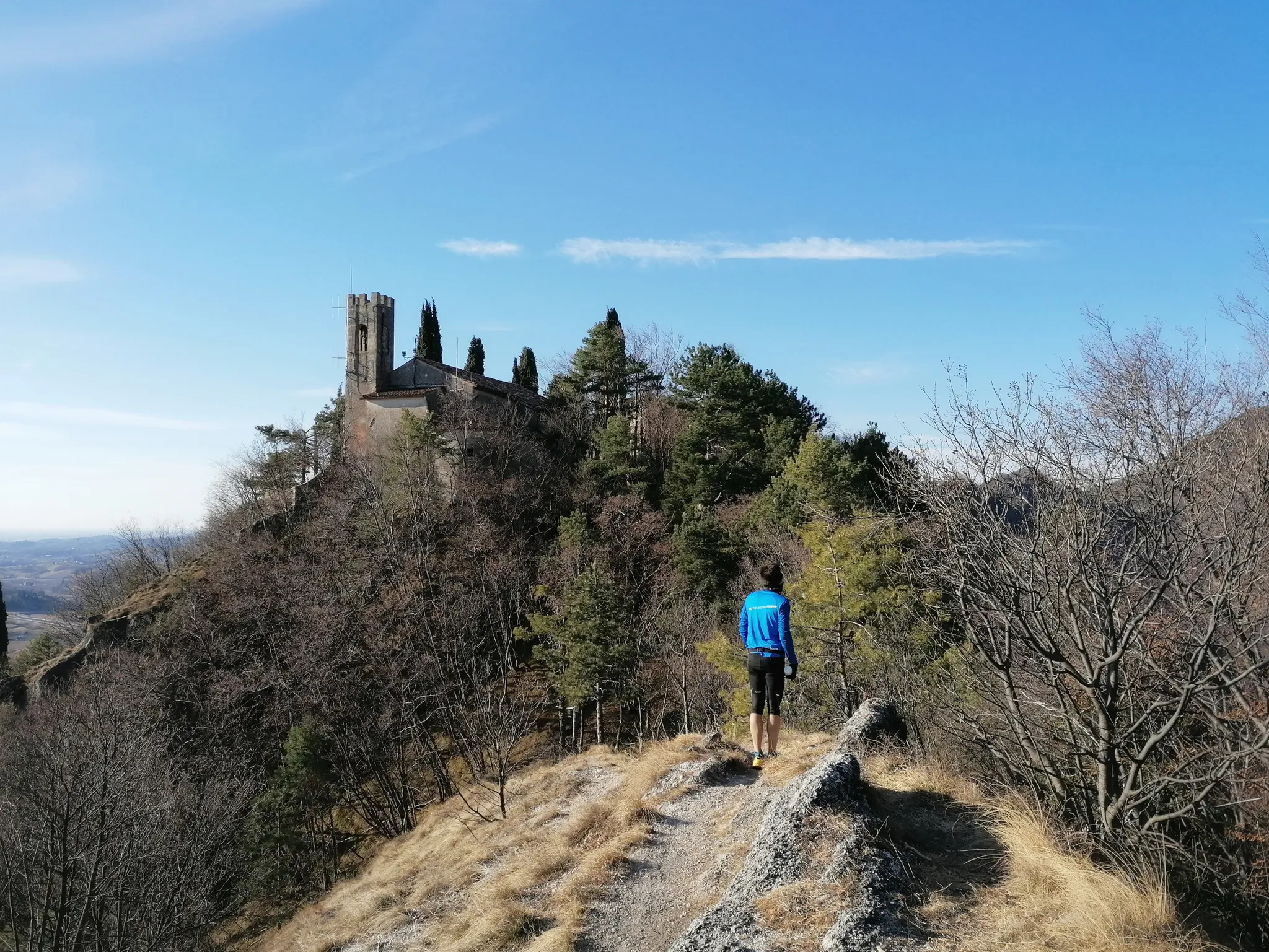
800 years of history from Gemona to Padua – Cammino di Sant'Antonio
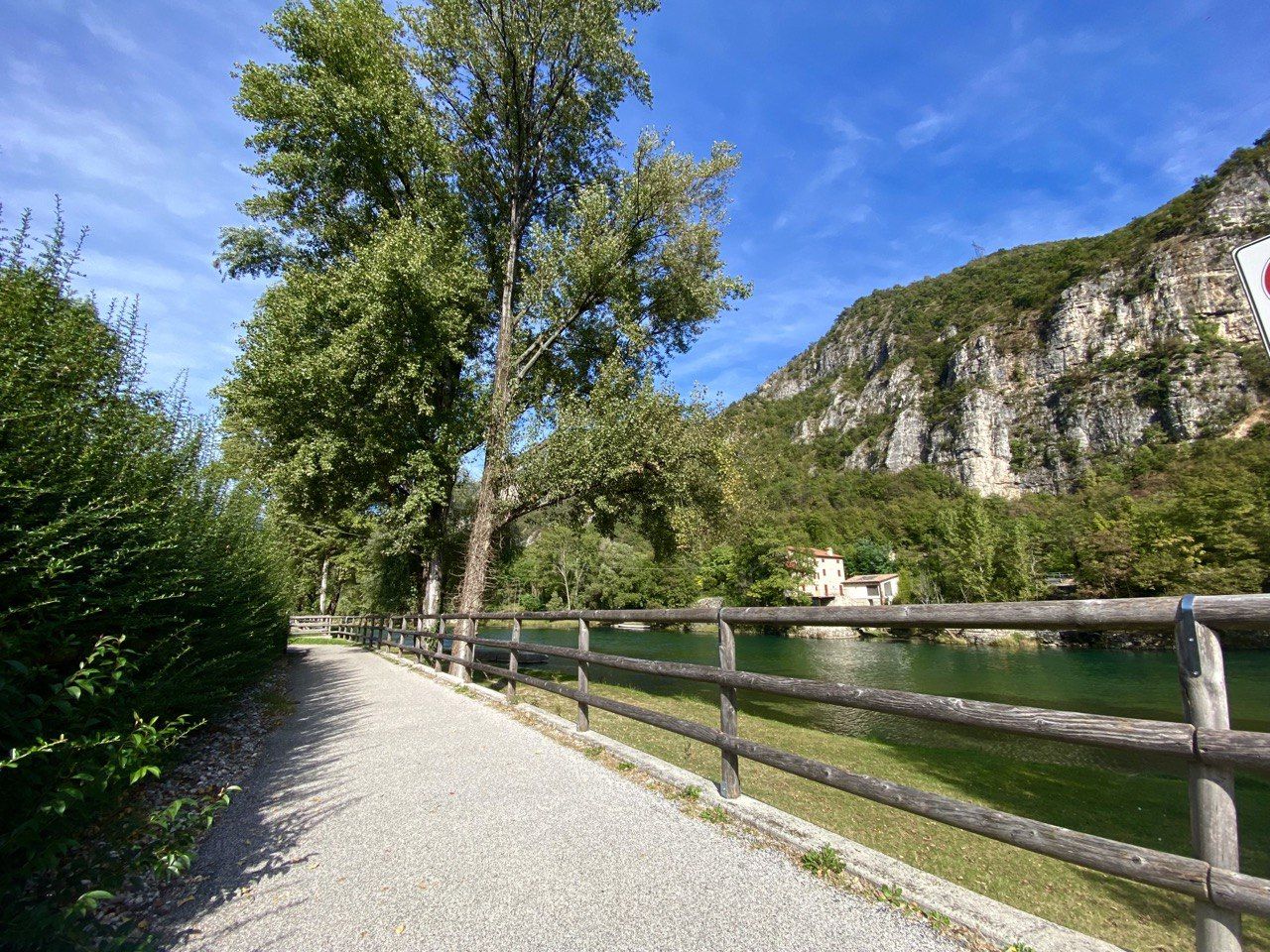
Cycle along Italy’s Brenta river – Brenta Cycle Route
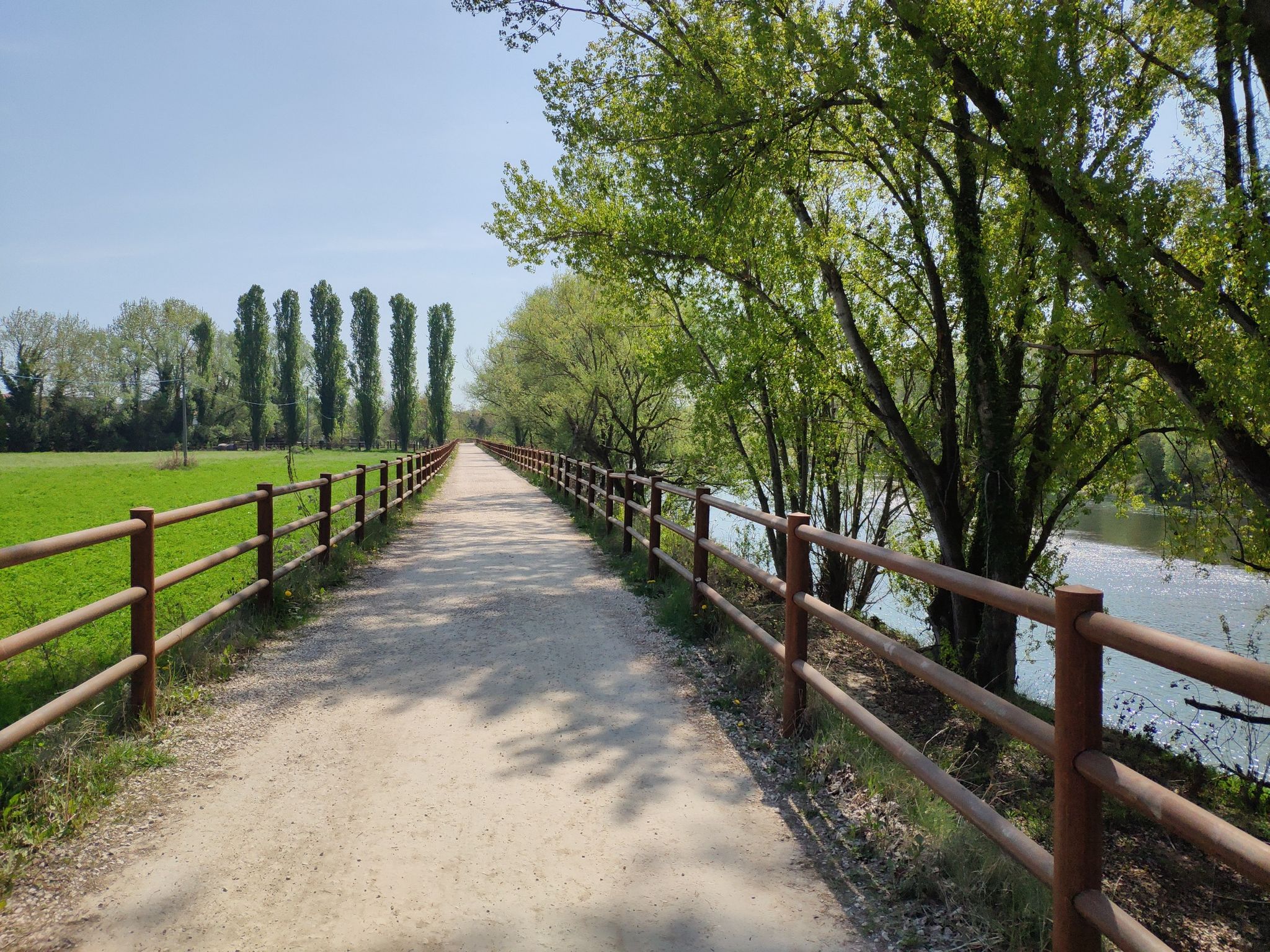
From the sea to the mountains – Veneto Gravel 2023
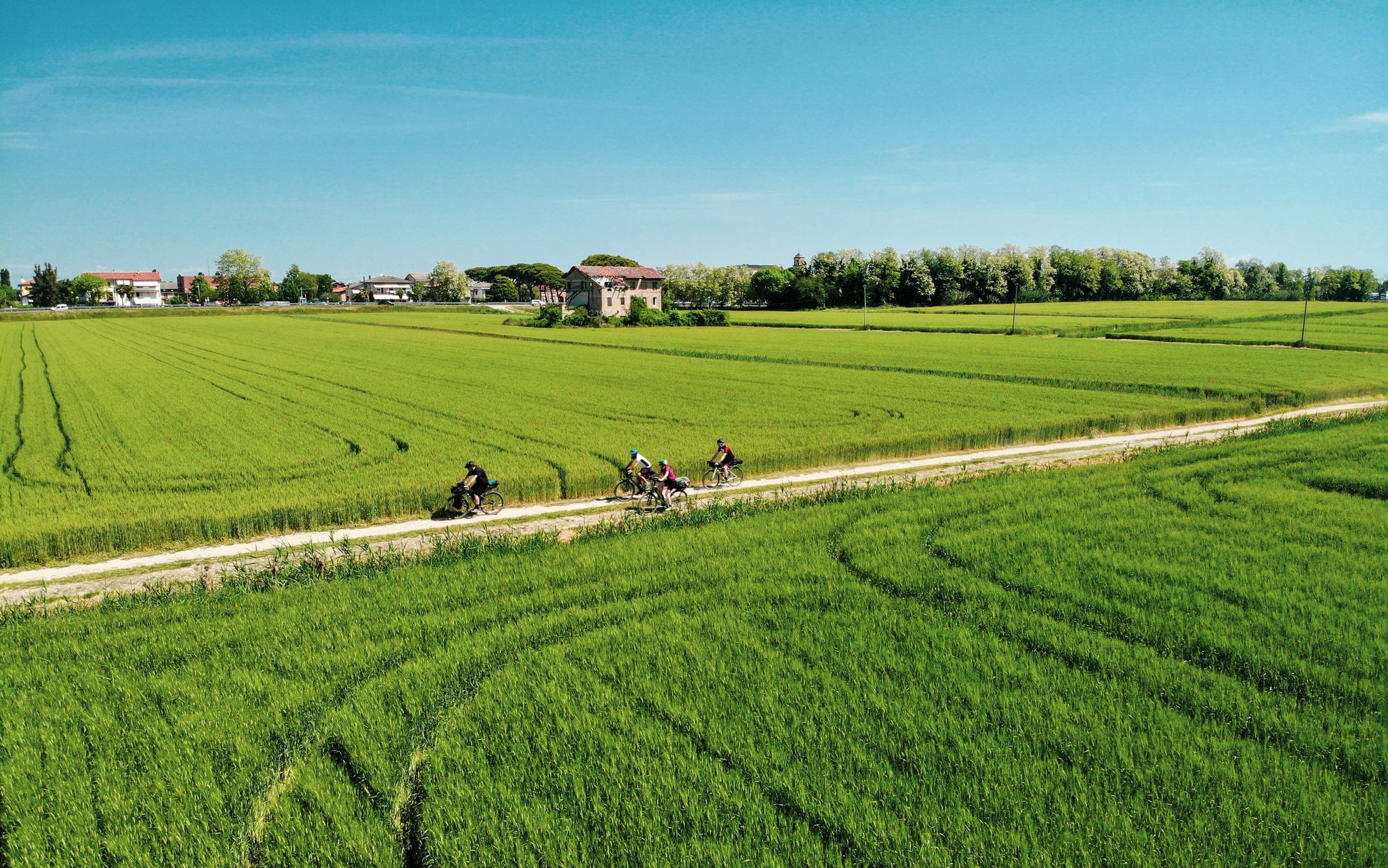
Ride through Italy’s Po Valley – a pilgrimage on the Via Postumia
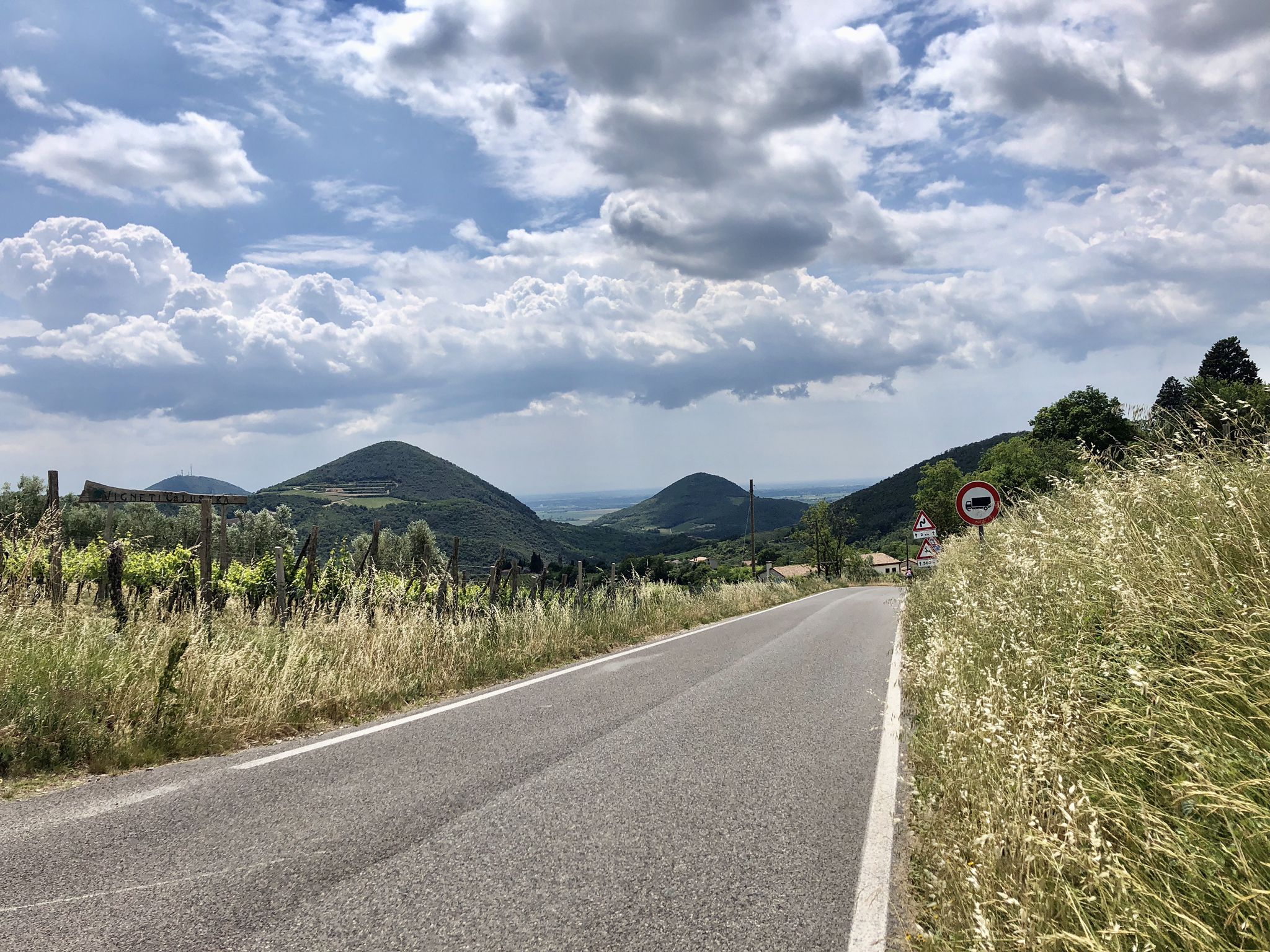
Stoicism on the Colli Euganei - all uphill, all hard
Other adventures in Padova


Tips from the Community

One of the oldest garden complexes in Italy with ancient trees. Worth a visit for nature lovers.
0
0

The Castle of Speronella was a military fortification erected in the 10th century near the summit of Monte Pendìce (300 m a.s.l.): the height, due to its isolated and overhanging morphology, offered a strategic position from which to control both slopes of the hills, the valleys, and the plain. In 1320 it was besieged by the Scaligeri but resisted, earning the reputation of an impregnable fortress; later it was used as a prison and finally as a holiday resort for the Orologio family. The story of Speronella Dalesmanini, between legend and reality, dates back to the medieval period: she was a fifteen-year-old girl who had captured the fancy of the imperial vicar, who had her locked up here; but her family incited the people to a revolt that led to the girl's liberation and the defeat of the representative of Emperor Frederick Barbarossa, thus declaring the birth of the free commune of Padua. Today, ruins remain of the fortress: traces of walls and a scenic window overlooking the Euganean Hills. https://www.visitteolo.it/it/castelli/ruderi-castello-speronella-rocca-pendice-colli-euganei/
0
0

A magical place in the heart of the Euganei Hills.
0
0

The Grotto of Santa Felicita is located in Teolo, on the southern slope of Monte della Madonna, within the Euganean Hills Regional Park. It is a place shrouded in mystery and spirituality, closely linked to the figure of the saint who, according to tradition, retired there as a hermit between the 8th and 9th centuries. The grotto is a natural cavity located right next to the small church of Sant'Antonio Abate. Inside, it holds one of the highest water springs in the hills, once considered miraculous. The site, surrounded by Mediterranean vegetation where the dwarf prickly pear grows spontaneously, emanates an atmosphere of absolute peace. Reachable by an easy walk, the grotto represents one of the most evocative stops for those exploring the trails of Teolo, combining the charm of volcanic geology with the popular devotion that still sees this cave as a symbol of rebirth and contemplation.
0
0
Monte Pirio, located in Torreglia, is one of the most spectacular peaks in the Euganean Hills Regional Park. At 328 meters, it stands out for its characteristic trachyte walls that emerge among the vineyards, creating a landscape of strong geological contrast. From its summit, you can enjoy an extraordinary view that ranges from the imposing Praglia Abbey to the reliefs of Monte Pendice and Monte Venda. The trails that cross it are immersed in Mediterranean scrub and chestnut groves, offering routes highly appreciated by hikers and mountain bike lovers. Pirio perfectly embodies the essence of the Euganean Hills, blending the wild nature of volcanic rocks with the centuries-old local winemaking tradition, representing a landmark for those seeking suggestive panoramas and tranquility just a stone's throw from Padua and the thermal centers.
0
0
The Gran Bosco dei Fontanassi is a jewel of biodiversity located between Treviso and Quinto, where the phenomenon of springs gives life to an enchanted landscape. In this precious wetland of the Parco del Sile, water spontaneously emerges from the earth, creating crystal-clear pools at a constant temperature. Walking among black alders and willows, it is possible to spot herons and kingfishers in a regenerating silence. It is an ancient stretch of forest that testifies to the original richness of the plain.
1
0

Valsanzibio was brought to splendor in the second half of the 17th century by the Venetian nobleman Zuane Francesco Barbarigo and his son Antonio following a solemn vow made in 1631 to escape the plague (1630/31). The eldest son, Gregory, a cardinal and future saint, inspired the lofty symbolism of the monumental layout by the papal architect and fountain designer Luigi Bernini and wanted the garden of Valsanzibio to be a monumental emblem of the path to perfection that leads man from Error to Truth, from Ignorance to Revelation. Over sixty statues, mostly by Merengo, and an equal number of smaller sculptures are integrated into the architecture, waterfalls, fountains, and water features on 15 hectares of unspoiled hillside nature.
1
0

Boschettona Beach—also known as Paduan Beach—is a stretch of lagoon located in the municipality of Codevigo, and is the only stretch of coast still suitable for swimming in the province of Padua.
0
0
Frequently Asked Questions
What are some unique natural monuments to visit in Padova?
Padova offers a diverse range of natural monuments. The Botanical Garden of Padua, a UNESCO World Heritage site, is the world's oldest academic botanical garden. The Euganean Hills Regional Park features 81 prehistoric-looking volcanic peaks with extraordinary biodiversity. You can also explore the Valsanzibio Gardens, known for its intricate design and historical significance, or the Boschettona Beach, the only outlet to the sea in the province.
What kind of natural features can I expect to see in Padova's natural monuments?
Padova's natural monuments showcase a variety of features, from the volcanic landscapes and diverse ecosystems of the Euganean Hills to the meticulously cultivated plant collections at the Botanical Garden. You can find rivers like the Brenta, as seen at the Weir on the Brenta River, and even a unique beach environment at Boschettona Beach. There are also impressive viewpoints like Mottolone Plateau and Monte Ceva Summit Cross offering panoramic views.
Are there good hiking opportunities in the Euganean Hills Regional Park?
Yes, the Euganean Hills Regional Park is an excellent destination for hiking. The park's unique volcanic peaks and diverse terrain offer trails for various skill levels. For example, you can find challenging climbs to summits like Monte Ceva Summit Cross, which rewards with a 360-degree panorama. There are also trails around the Mottolone Plateau and routes leading to natural features like the Schivanoia Waterfall. For more detailed hiking routes, you can explore the waterfall hikes in Padova or easy hikes in Padova guides.
What makes the Botanical Garden of Padua special?
The Botanical Garden of Padua is a UNESCO World Heritage site, recognized as the world's oldest academic botanical garden still in its original location, established in 1545. It's a 'treasure chest of biodiversity,' housing approximately 6,000 species of plants. Beyond its historic section, which includes the famous 'Goethe Palm,' a modern Biodiversity Garden showcases plants from various biomes in five large greenhouses. It's a crucial site for botanical research, conservation, and education.
Is Prato della Valle considered a natural monument, and what can I do there?
While not a natural monument in the strictest sense, Prato della Valle is one of Europe's largest public squares and a significant green space within Padova. It features a central green island, Isola Memmia, surrounded by an artificial canal with 78 statues. It's an ideal place for leisurely strolls, relaxing under the Norway maple trees, or enjoying events and markets. It offers a unique blend of urban design and natural beauty, serving as a vibrant hub for locals and visitors.
Are there family-friendly natural monuments in Padova?
Many natural monuments in Padova are suitable for families. The Botanical Garden of Padua offers an educational and peaceful experience for all ages. The Valsanzibio Gardens and Barbarigo-Pizzoni Ardemani Garden, with their labyrinths and historical designs, can be engaging for children. The Boschettona Beach is also a great spot for families to enjoy the outdoors. Within the Euganean Hills, some trails, like those around Mottolone Plateau, are accessible and offer beautiful scenery.
What is the best time of year to visit Padova's natural monuments?
The mild climate of the Padova region, particularly around the Euganean Hills, makes it pleasant to visit for much of the year. Spring and autumn are generally ideal for hiking and exploring the outdoor natural monuments, offering comfortable temperatures and vibrant scenery. The Botanical Garden is beautiful year-round, with different plant collections blooming in various seasons. Summer can be warm, but many locations offer shade, and Prato della Valle is lively in the evenings.
Are there any natural monuments with historical significance in Padova?
Yes, several natural monuments in Padova are intertwined with history. The Botanical Garden of Padua is a UNESCO site established in 1545, reflecting centuries of botanical research. The Valsanzibio Gardens and Barbarigo-Pizzoni Ardemani Garden are historical gardens with intricate designs and ancient trees. The Euganean Hills Regional Park also contains historical dwellings and mansions built by Venetian nobility, adding a cultural layer to its natural beauty. Even Montirone Park in Abano Terme highlights ancient thermal springs with historical roots.
Can I find cycling routes near Padova's natural monuments?
Absolutely! The region around Padova, especially the Euganean Hills, is popular for cycling. You can find various road cycling routes that take you through picturesque landscapes and near natural monuments. For example, there are loop tours around the Euganean Hills. You can explore more options in the Road Cycling Routes in Padova guide.
Are there any natural monuments within Padova city center?
While the Euganean Hills are just outside the city, Padova itself hosts significant green spaces. The most prominent is the Botanical Garden of Padua, located centrally and easily accessible. Prato della Valle, though a monumental square, functions as a large green heart within the city, offering a natural respite. These locations provide natural beauty and tranquility right within the urban environment.
What are the accessibility options for the Botanical Garden of Padua?
The Botanical Garden of Padua is generally well-equipped for visitors. As a UNESCO World Heritage site and a modern facility, it strives to be accessible. For specific details on wheelchair access, facilities, and any special requirements, it's recommended to check their official website or contact them directly. You can find more information about its UNESCO status at worldheritageexplorer.org.
Are there any natural monuments with waterfalls in the Padova region?
Yes, the Padova region features natural monuments with waterfalls. The Schivanoia Waterfall is a notable example, located within a forested area and accessible via intermediate trails. It offers a refreshing natural sight and is often included in hiking routes in the Euganean Hills. For more details on routes that include this waterfall, refer to the waterfall hikes in Padova guide.
Most popular routes in Padova
Most popular attractions in Padova

Get inspired with the komoot mobile app


Didn’t find what you were looking for?
Find even more amazing natural monuments in Padova by checking out the top Highlights region by region:
Explore more
Extend your search for the best caves by checking out these guides of the top ones in Padova:
