Top 12 Natural Monuments in Asti
Best natural monuments in Asti are found within Piedmont, Italy, a region recognized for its cultural landscapes and natural features. The area encompasses rolling hills, vineyards, and diverse ecosystems. Asti's natural monuments often blend ecological value with historical significance, offering varied outdoor experiences. The region is known for its geological formations, unique flora, and preserved natural areas.
Best natural monuments in Asti
- The most popular natural monument is Sulphur Fountain of San Dionigi, a natural monument that is a…
Last updated: October 13, 2026
Bialbero di Casorzo
Highlight • Natural Monument
Showing Translation
Tip by

Sulphur Fountain of San Dionigi
Highlight • Natural Monument
Translated by Google •
Tip by
Sign up now to discover places like this
Get recommendations on the best single tracks, peaks, & plenty of other exciting outdoor places.
Astigiano Paleontological Park
Highlight • Natural Monument
Translated by Google •
Tip by
Madonna del Portone Pond (Asti)
Highlight • Religious Site
Translated by Google •
Tip by

Poppy Field Near Madonna dei Monti
Highlight (Segment) • Natural
Translated by Google •
Tip by
Paleontological Site Rest Area
Highlight • Rest Area
Translated by Google •
Tip by

WWF Oasis Villa Paolina
Highlight • Natural Monument
Translated by Google •
Tip by

Truffle hunters
Highlight (Segment) • Trail
Translated by Google •
Tip by

I Crutin (Natural Tuff Caves)
Highlight • Cave
Translated by Google •
Tip by

Rocche di Antignano
Highlight • Natural Monument
Translated by Google •
Tip by

Sign up for free to discover even more natural monuments in Asti.
Already have an account?
Start today with a free account
Your next adventure awaits.
Popular around Asti
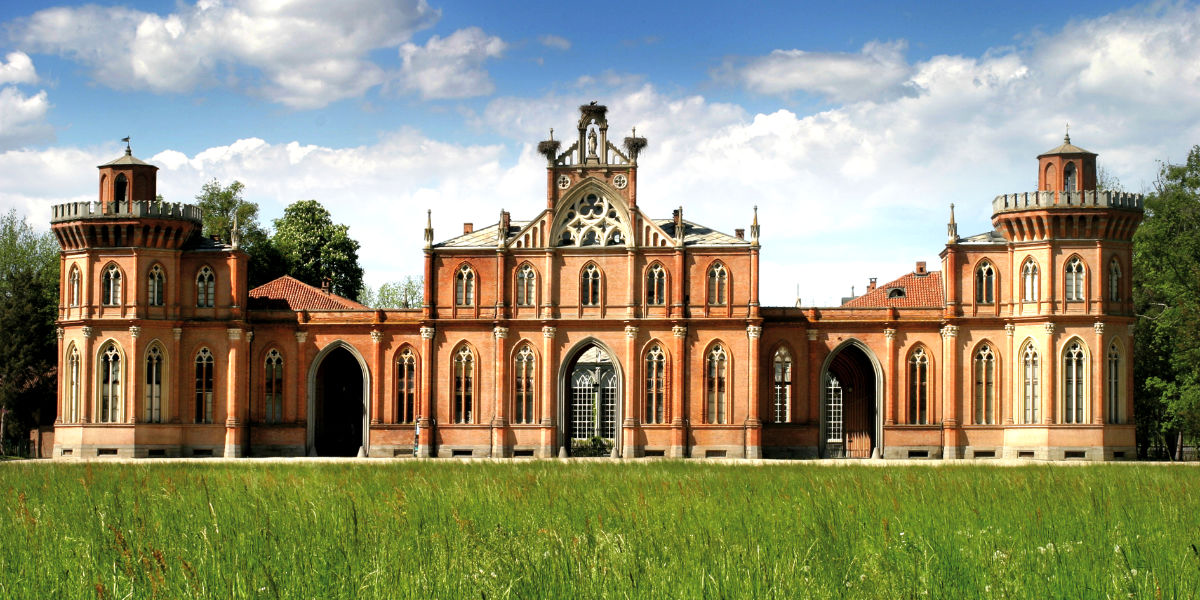
Piedmont by bike – rides among hills, villages and vineyards
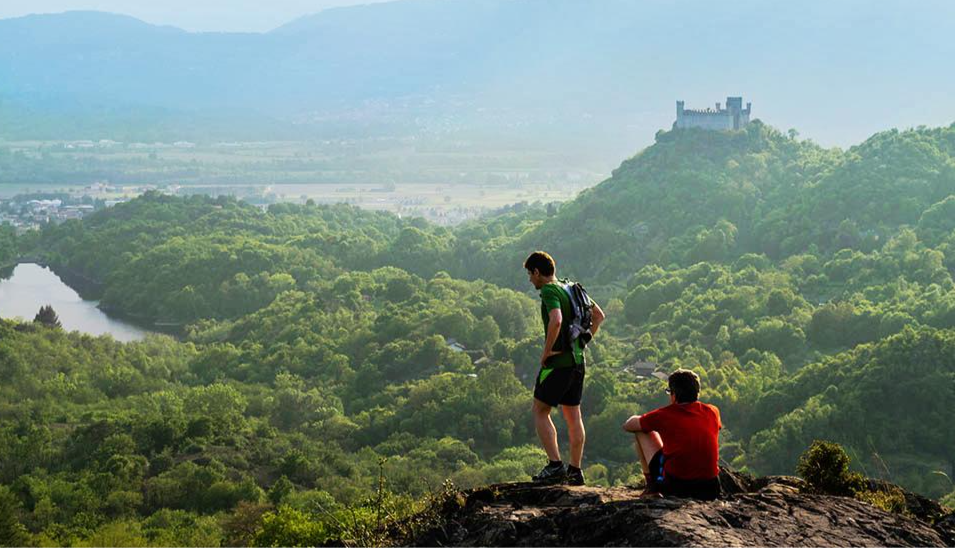
Car Free Piedmont – hiking face to face with nature
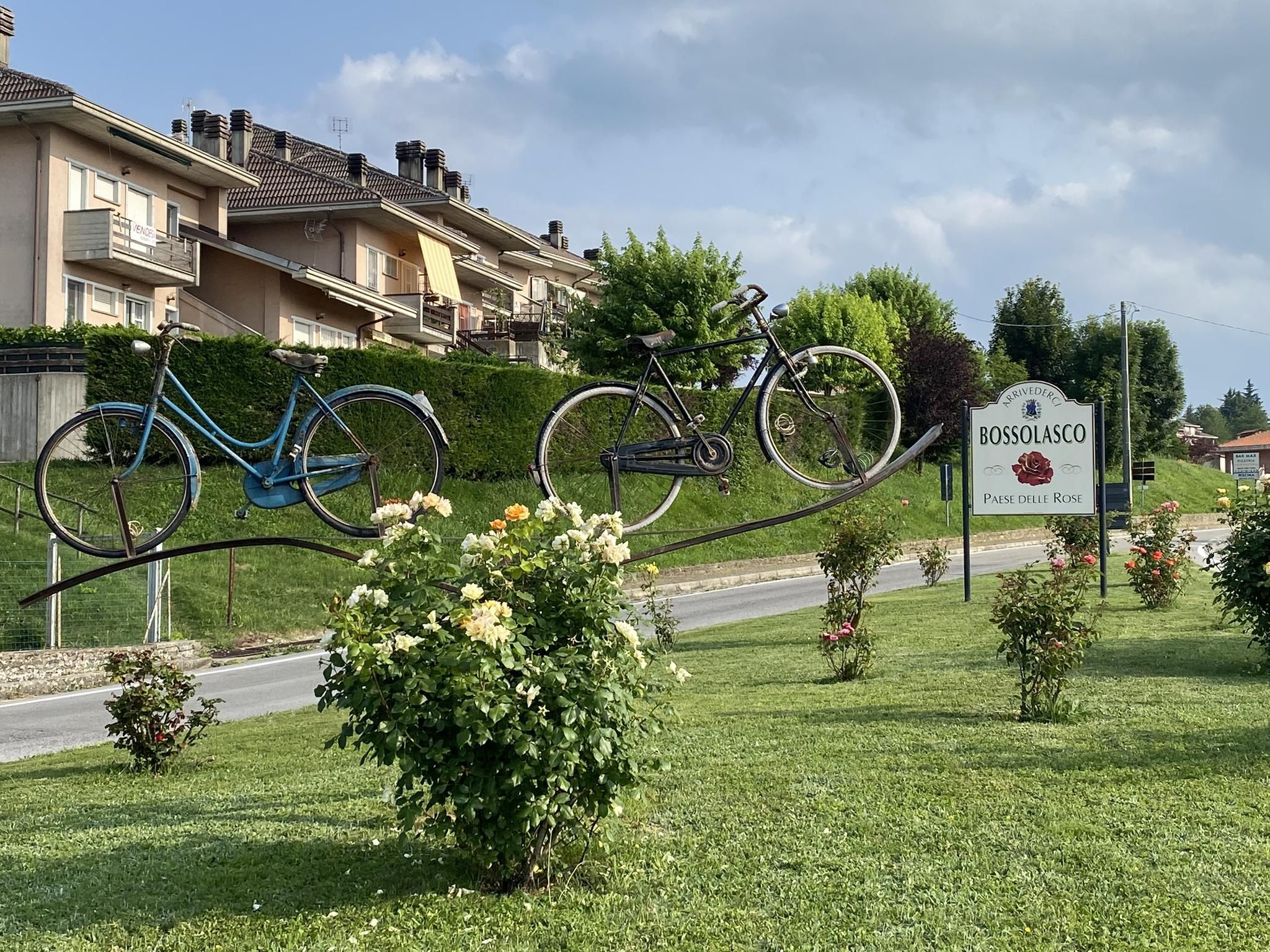
In Italy’s hidden Langhe hills in Piedemont – the climbs of champions
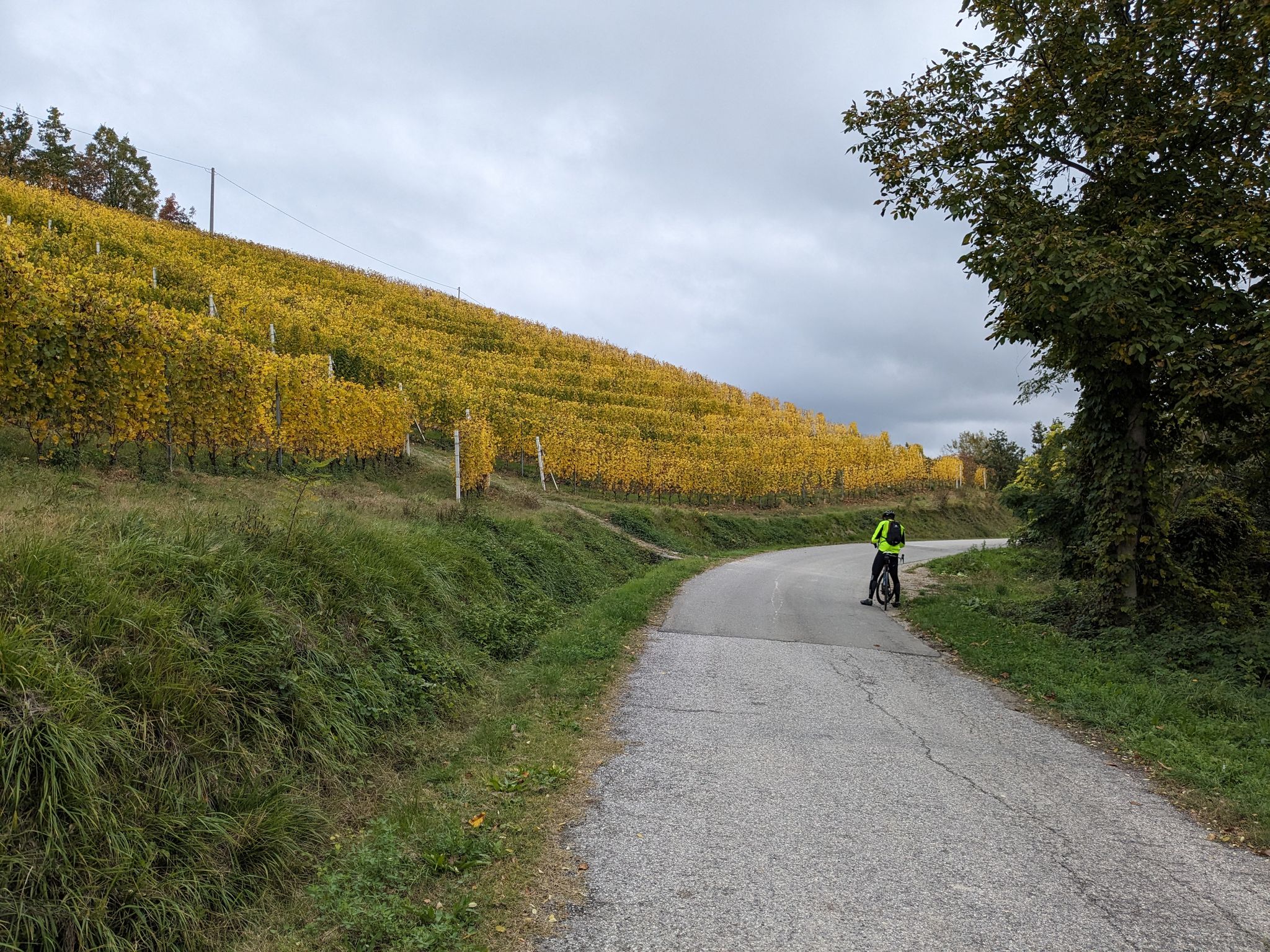
Cycling, food and wine – the Langhe, Monferrato and Roero vineyards
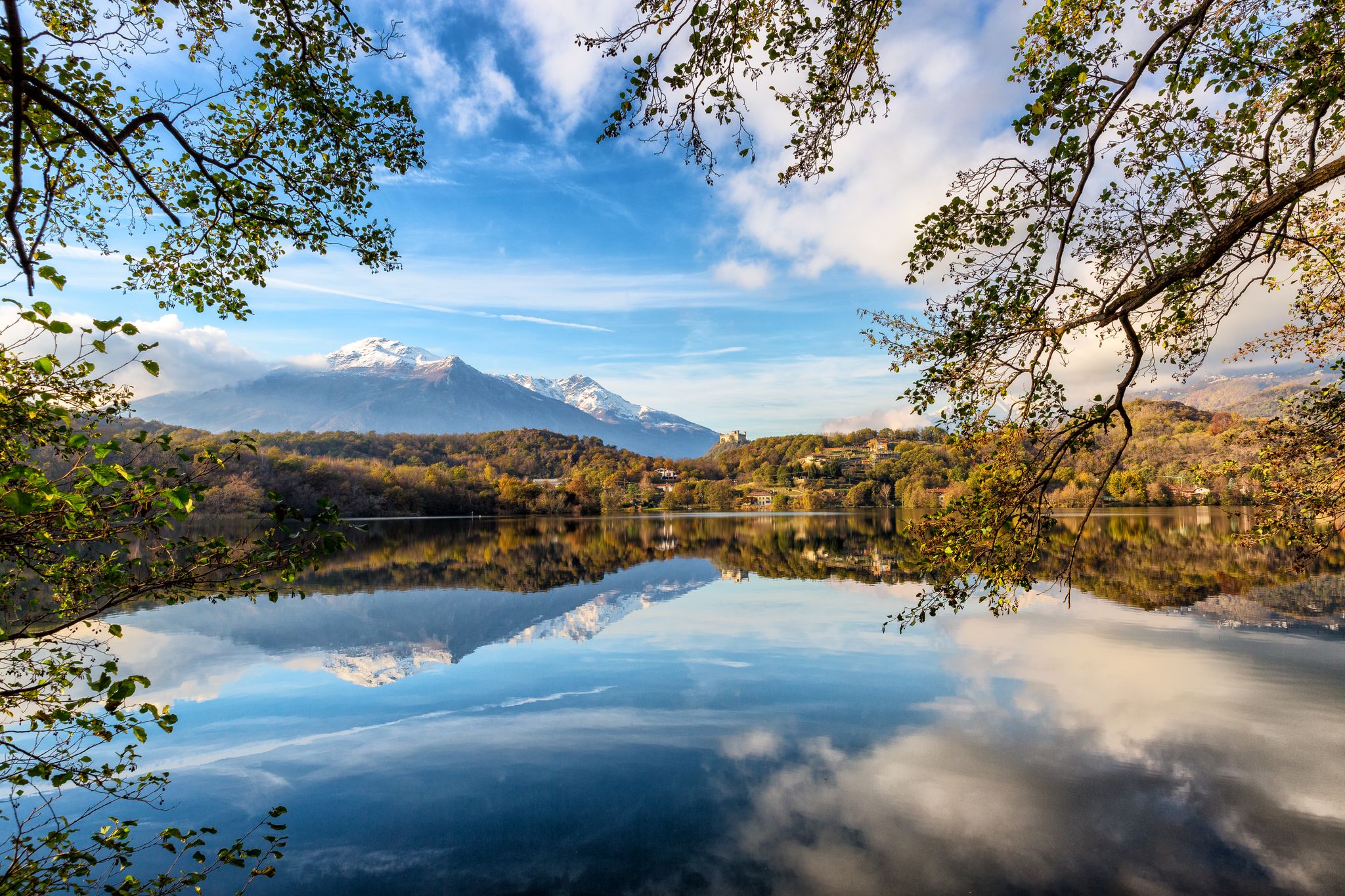
Land of wines, culture, good food – UNESCO Grand Tour in Piedmont
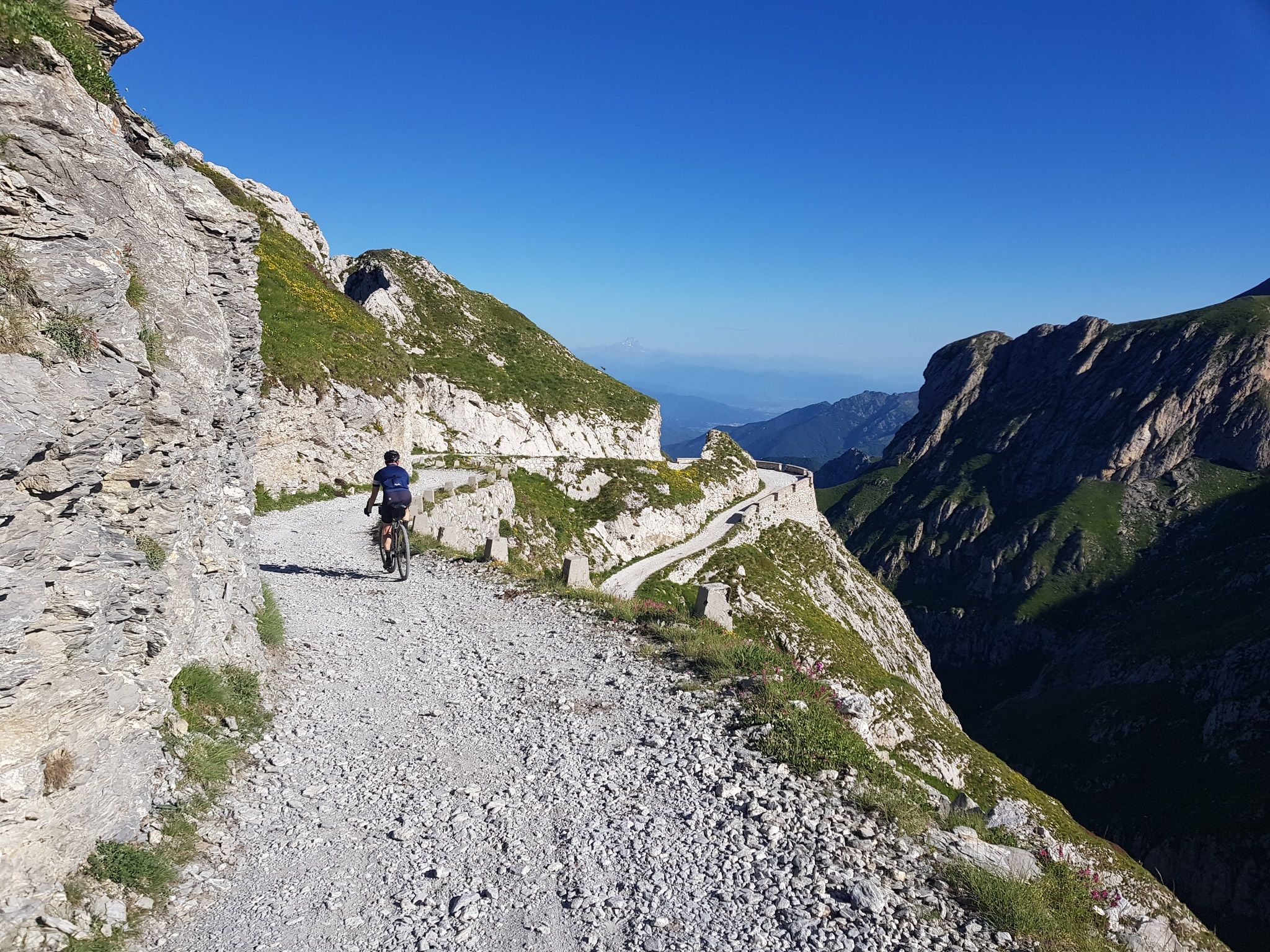
Mediterranean passes and gentle hills — cycling in Piedmont
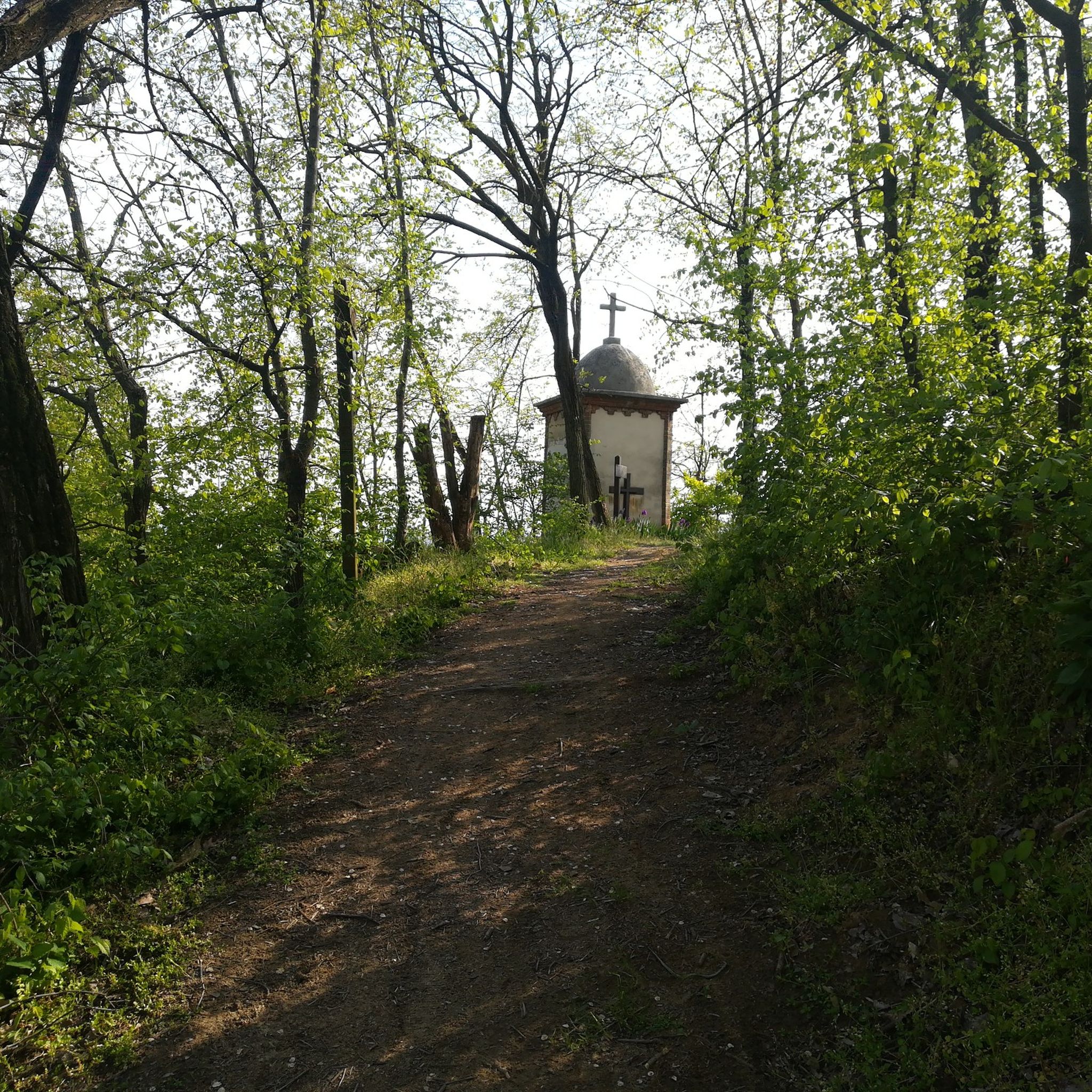
Hiking in Asti
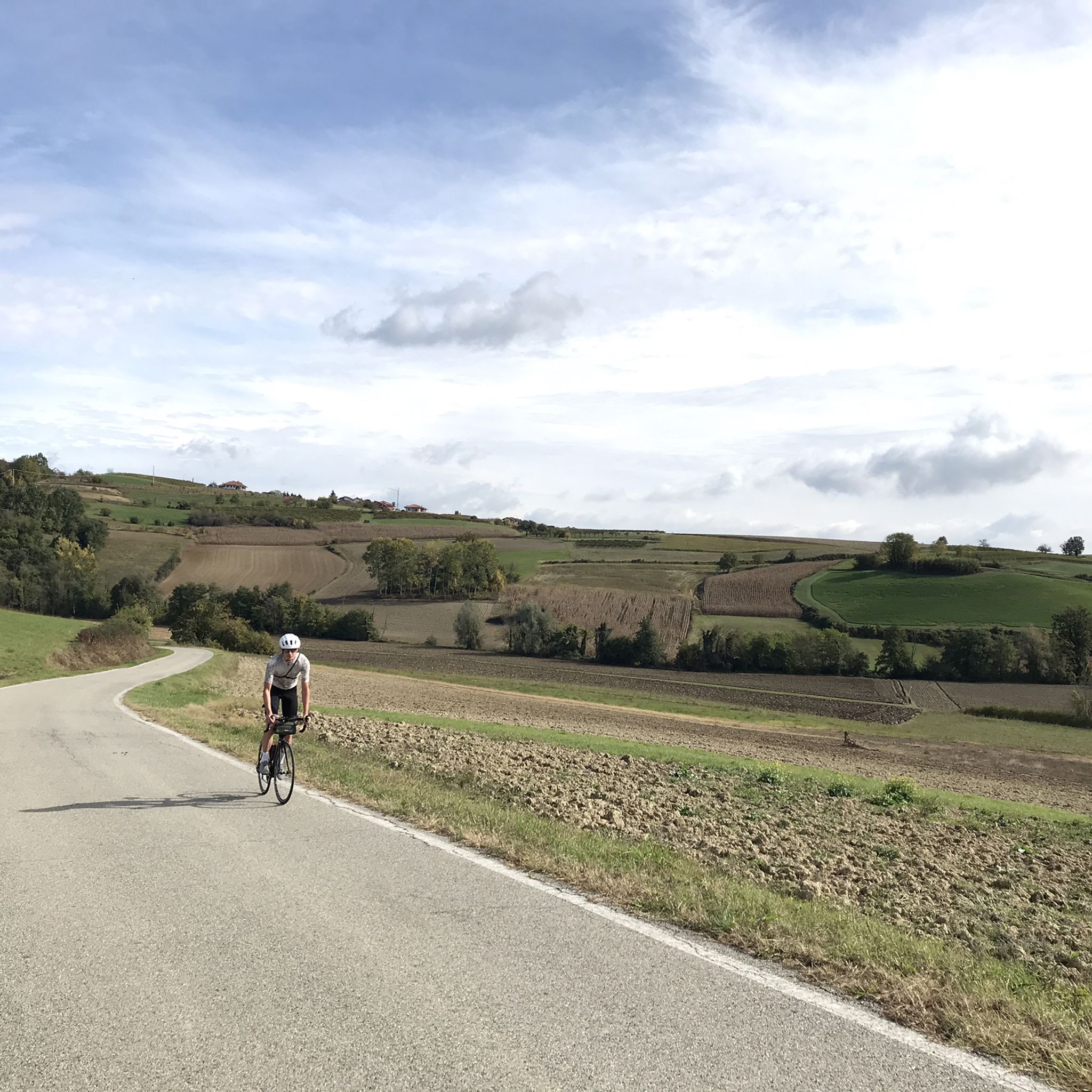
Road Cycling Routes in Asti
Cycling in Asti
Running Trails in Asti
Other adventures in Asti


Tips from the Community

where tuff becomes art
0
0

Sulphurous spring, currently not active. Officially not drinkable.
0
0

The Bialbero di Casorzo is one of the most famous natural curiosities of Piedmont, in Italy.
15
0

Beyond the park (in the opposite direction to the Tanaro) the trail becomes less obvious and continues narrowly along the river. A few meters more dangerous directly on the water and with sheer gullies, which do not leave much room to pass. Beyond it becomes wider again.
0
0

A cavity in the stone houses an altar and just above the statue of the Madonna. A silent, peaceful place, a few meters from the city center and traffic.
0
0
Outside the beautiful and large church dedicated to the Madonna "del Portone", on the left side, there is a delightful pond with fish and turtles overlooked by a stone cavity that houses the statue of the Madonna.
0
0
Easy climb with good views.
21
0

Not too demanding climb, which leads to the monument (of questionable aesthetic taste) dedicated to the (at least) controversial Pietro Badoglio. Landscapely pleasant, road with little traffic and surrounded by greenery, pleasant alternative to the passage through Grazzano Badoglio
5
0
Frequently Asked Questions
What unique natural monuments can I visit in Asti?
Asti offers several unique natural monuments. You can marvel at the Bialbero di Casorzo, a fascinating cherry tree growing on a mulberry tree, particularly striking in spring when the cherry blossoms. Another notable site is the Sulphur Fountain of San Dionigi, a historical sulfur source. For those interested in geology, the Astigiano Paleontological Park provides a journey through ancient landscapes, preserving evidence from millions of years ago.
What kind of natural features can I expect to see in Asti's natural monuments?
Asti's natural monuments showcase diverse features, from the rolling hills and meticulously sculpted vineyards of the UNESCO-listed Langhe-Roero and Monferrato wine region to distinctive geological formations. You'll find well-preserved wet broadleaf woods, wild orchids in the Val Sarmassa Nature Reserve, and ancient marine fossils in the Astigiano Paleontological Park. There are also unique trees like the Bialbero di Casorzo and a majestic 200-year-old beech tree in Rocchetta Tanaro Natural Park.
Are there family-friendly natural monuments in Asti?
Yes, several natural monuments in Asti are suitable for families. The Bialbero di Casorzo is a curious natural wonder that children often enjoy. The Astigiano Paleontological Park offers an engaging experience for those interested in ancient history and nature. Additionally, the Alberone Park in Cocconato d'Asti features accessible trails, making it suitable for walks with prams.
Can I explore historical or geological sites among Asti's natural monuments?
Absolutely. The Astigiano Paleontological Park is a prime example, offering a unique journey back in time with fossils and remnants from when the area was a tropical sea. The Sulphur Fountain of San Dionigi also has a rich history worth exploring. The entire Langhe-Roero and Monferrato region, encompassing Asti, is a UNESCO World Heritage site, recognized for its cultural landscape shaped by centuries of winemaking, blending natural beauty with historical human activity.
What is the best time of year to visit Asti's natural monuments?
The spring and autumn seasons are particularly recommended for visiting Asti's natural monuments. In spring, the landscape bursts with vibrant colors, and the Bialbero di Casorzo is especially notable when its cherry tree blossoms. Autumn offers breathtaking panoramic views as the vineyards transform with rich hues. During summer, while still beautiful, some of the unique features like the double tree might be less distinct.
What outdoor activities can I do near Asti's natural monuments?
The areas around Asti's natural monuments are ideal for various outdoor activities. You can enjoy scenic walks or bike rides through the picturesque countryside, especially in the UNESCO-listed wine region. For more structured routes, consider exploring the easy hikes in Asti, or if you prefer cycling, there are numerous road cycling routes and general cycling tours available.
Are there hiking opportunities near these natural monuments?
Yes, there are many hiking opportunities. The Val Sarmassa Nature Reserve offers trails to appreciate its untouched natural environment and diverse flora. You can also find trails within the Astigiano Paleontological Park. For a range of options, including easy walks through vineyards and woodlands, check out the easy hikes in Asti guide, which features routes like 'Walking through the vineyards from San Marzano Oliveto'.
Can I go cycling in the areas around Asti's natural monuments?
The Asti region is fantastic for cycling, with routes winding through vineyards and rolling hills. You can find various options, from moderate road cycling tours like 'Up and down among the vineyards of Asti' to more challenging routes such as 'Asti Hills and Tanaro River Loop'. Explore the road cycling routes in Asti or the broader cycling in Asti guide for detailed itineraries.
Are there any hidden natural gems or lesser-known spots worth discovering in Asti?
Beyond the more prominent sites, Asti holds several lesser-known natural gems. The Val Sarmassa Nature Reserve, with its distinctive ridge landscapes and wild orchids, offers a serene escape. The Rocchetta Tanaro Natural Park is home to a majestic 200-year-old beech tree, providing a peaceful setting. For those interested in unique geological formations, the I Crutin (Natural Tuff Caves) offer an intriguing exploration.
What do visitors enjoy most about Asti's natural monuments?
Visitors particularly enjoy the blend of natural beauty and historical significance. The tranquility of places like the Astigiano Paleontological Park, with its continuous chirping of birds, is often highlighted. The unique sight of the Bialbero di Casorzo and the historical context of the Sulphur Fountain of San Dionigi also receive positive feedback. The panoramic views, especially during seasonal changes, are a significant draw for many.
Where can I find more information about the Asti region's natural heritage?
For broader information on Piedmont's natural parks and reserves, which include areas within Asti, you can visit the official tourism website: Visit Piemonte. For general information about Asti and its attractions, the national tourism site Italia.it is a good resource.
Most popular routes in Asti
Most popular attractions in Asti

Get inspired with the komoot mobile app


Didn’t find what you were looking for?
Find even more amazing natural monuments in Asti by checking out the top Highlights region by region:
Explore more
Extend your search for the best caves by checking out these guides of the top ones in Asti:
