Top 20 Natural Monuments in Pisa
Best natural monuments in Pisa include diverse natural areas that complement the city's architectural heritage. The region features varied landscapes, from expansive pine forests and coastal dunes to significant wetlands and geological formations. These natural attractions provide opportunities to explore unique ecological features and tranquil green spaces.
Best natural monuments in Pisa
- The most popular natural monuments is Lake Santa Luce, a lake that serves as an important wetland and resting place for numerous aquatic birds. This nature reserve is ideal for birdwatching and offers an oasis of peace.
- Another must-see spot is Le Biancane Geothermal Park, a natural monument featuring geothermal fluids and mineral colors ranging from white to ocher red. Visitors can explore suggestive fumaroles and small geysers.
- Visitors also love Theatre of Silence, a man-made monument with a unique circular stage that transforms into an artificial lake when not in use. It features a different scenography each year, often including impressive sculptures.
- Pisa is known for its diverse ecosystems, including lakes, forests, and unique geological formations. The region offers a variety of natural monuments to explore, from wetlands important for birdwatching to geothermal parks and urban green spaces.
- The natural monuments in Pisa are appreciated by the komoot community, with more than 300 upvotes and over 100 photos shared by visitors.
Last updated: October 13, 2026
Fountain of the Cherubs (Fontana dei Putti)
Highlight • Monument
Long despised by the public and critics, it now enjoys unexpected popularity.
The Fountain of the Putti is the work of Giuseppe Vaccà and Giovanni Antonio Cybei based on a design by Giovanni Battista Tempesti.
Compared to the aesthetic canons used until then, despite the initial appreciation, criticism was not long in arriving. The first written judgment that has come down to us dates back to 1767, when Filippo D'Angelo, author of a handwritten Memoria del Duomo, labeled the author as "a terrible statuary".
Translated by Google •
Tip by

Theatre of Silence
Highlight • Monument
According to the original idea, the structure was created to be assembled and host only one show a year (hence the name "Teatro del Silenzio"). The construction consists of a circular "stage" with a radius of a few meters in the center of which stands a different scenography every year: the most famous, which has become the symbol of the Theater itself, is an imposing sculpture depicting a human face created by the Polish sculptor Igor Mitoraj for the scenography of a Manon Lescaut and subsequently donated by the sculptor to the foundation of the theatre.
Some blocks of Tuscan travertine were placed as a backdrop to the stage.
On days when the theater is not in operation, the stalls are completely dismantled and the stage is transformed into an artificial lake. From here comes the definition of Theater of Silence, more precisely that place in the territory of the Municipality of Lajatico characterized by hills which, with (necessary) earthmoving interventions, was created, or rather simulated, as a natural Theater thus conceived.
Translated by Google •
Tip by

Sign up now to discover places like this
Get recommendations on the best single tracks, peaks, & plenty of other exciting outdoor places.
Upezzinghi Tower (Caprona Tower)
Highlight • Castle
Translated by Google •
Tip by

Le Biancane Geothermal Park
Highlight (Segment) • Natural Monument
Translated by Google •
Tip by

Lake Santa Luce
Highlight • Lake
Translated by Google •
Tip by

Lake Santa Luce
Highlight • Lake
With over 180 species of birds recorded, Lake Santa Luce represents an important rest area for migratory birds and an unmissable attraction for birdwatchers.
Translated by Google •
Tip by

Sasso Pisano Village
Highlight • Settlement
Source: it.wikipedia.org/wiki/Sasso_Pisano
Translated by Google •
Tip by

Parco delle Piagge
Highlight • Forest
Mature trees provide shade throughout the grounds. We run and walk in the shade.
The park is easily reachable on foot from many districts of the city, including the peripheral Riglione and Oratorio, thanks to the cycle-pedestrian bridge inaugurated in 2023.
At the east end of the park and in the middle, there is an equipped gymnastic area.
Great for running, walking, yoga, exercises.
Along the whole park, on one side, runs a small road with little traffic. So it is possible to come here also by car.
Translated by Google •
Tip by
The Sassicaie (Rocky Slopes of Monte Pisano)
Highlight • Natural Monument
peculiar phenomenon at our latitudes and at the modest altitudes reached by Monte Pisano, as they are typical forms of periglacial environment.
These are mobile debris flows made up of angular blocks that are easily observable on the south-western side of the mountain and represent an ancient testimony of the last glacial (74,000-13,000 years ago).
In the past they were certainly more extensive than the current outcrop areas.
Their formation is linked to the type of rock that emerges, mainly green quartzites and white-pink quartzites, which tend to break into angular blocks and provide very little alteration material.
Climatic factors have played a fundamental role in the formation of the Sassaie, which represent a degradation product by cryoclasm.
Cryoclastism (from the Greek kryòs, ice and klastòs, broken) is the process of physical disintegration of a rock caused by the pressure caused by the increase in volume of water contained within the rock cracks when it freezes. The temperature range therefore favored the fracturing of quartzites, and the low humidity and low average temperature prevented a strong chemical alteration.
Cryoclastism is a phenomenon more pronounced in regions of high altitude and latitude, and is usually associated with alpine, periglacial, subpolar maritime and polar climates, but it occurs wherever freeze-thaw cycles are present.
Translated by Google •
Tip by

Fonte dell'Aldente, Guardistallo
Highlight • Natural Monument
Translated by Google •
Tip by

Sign up for free to discover even more natural monuments in Pisa.
Already have an account?
Start today with a free account
Your next adventure awaits.
Popular around Pisa
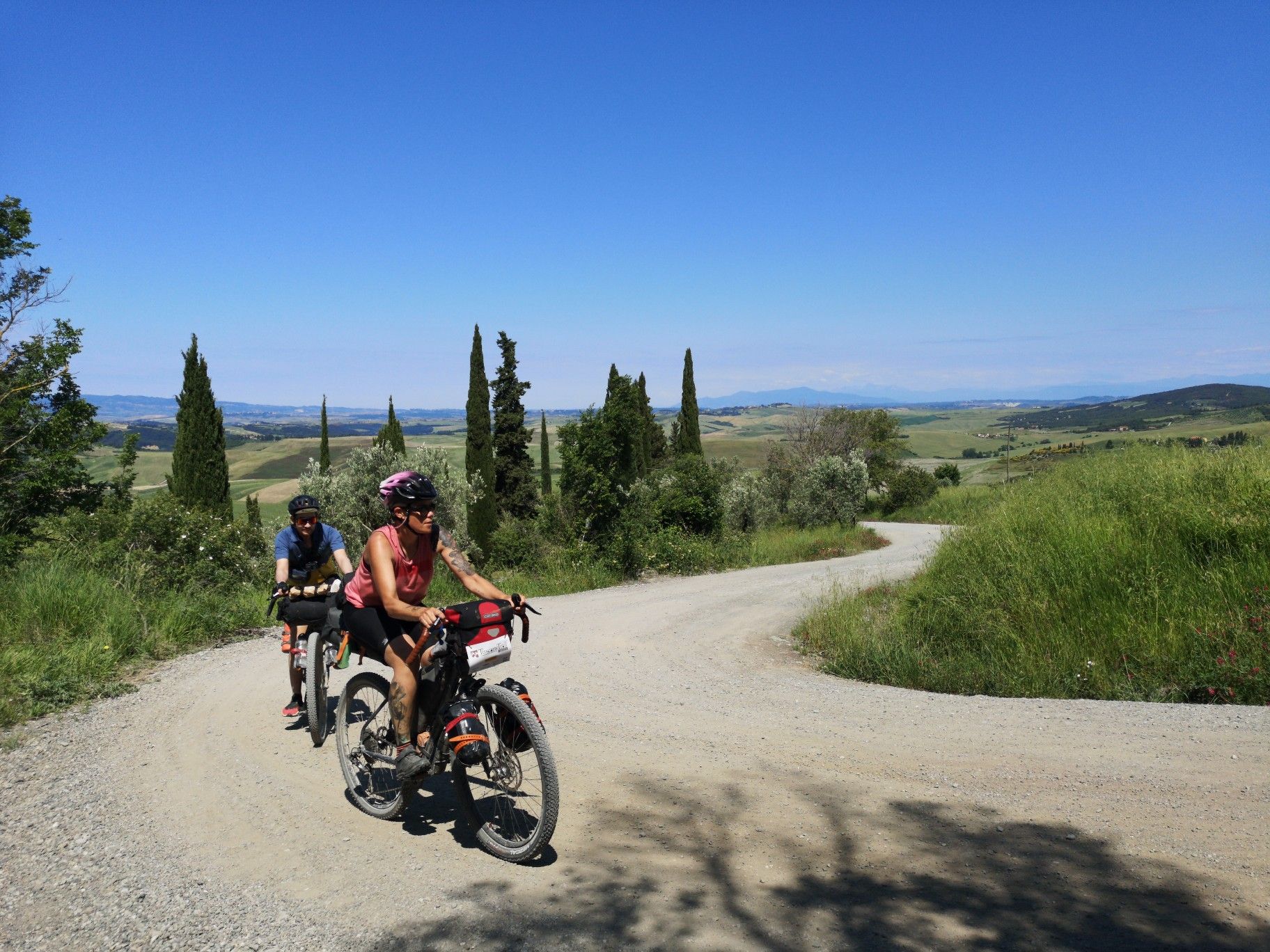
The Tuscany Trail – bikepacking in the heart of Italy
Naples to North Cape — Two friends, one purpose and many scoops of ice-cream
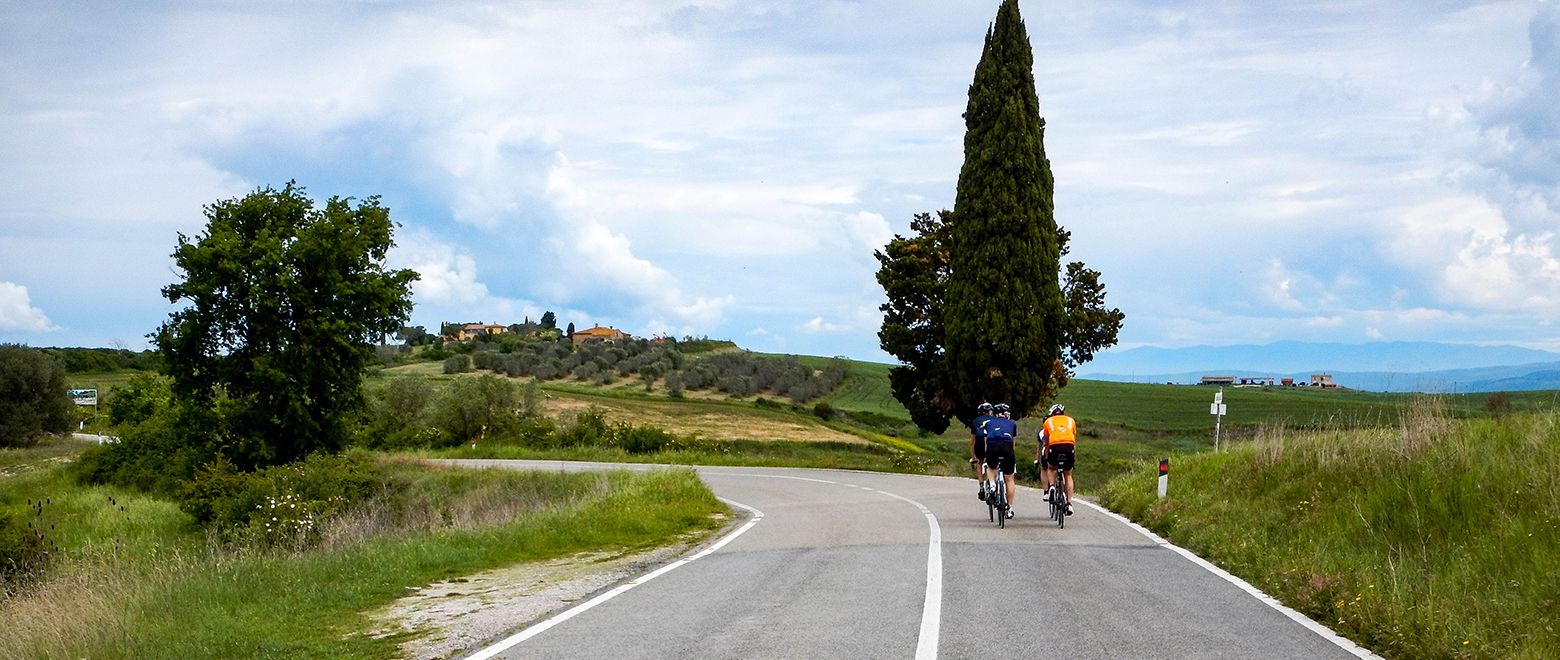
A heavenly week cycling in Tuscany
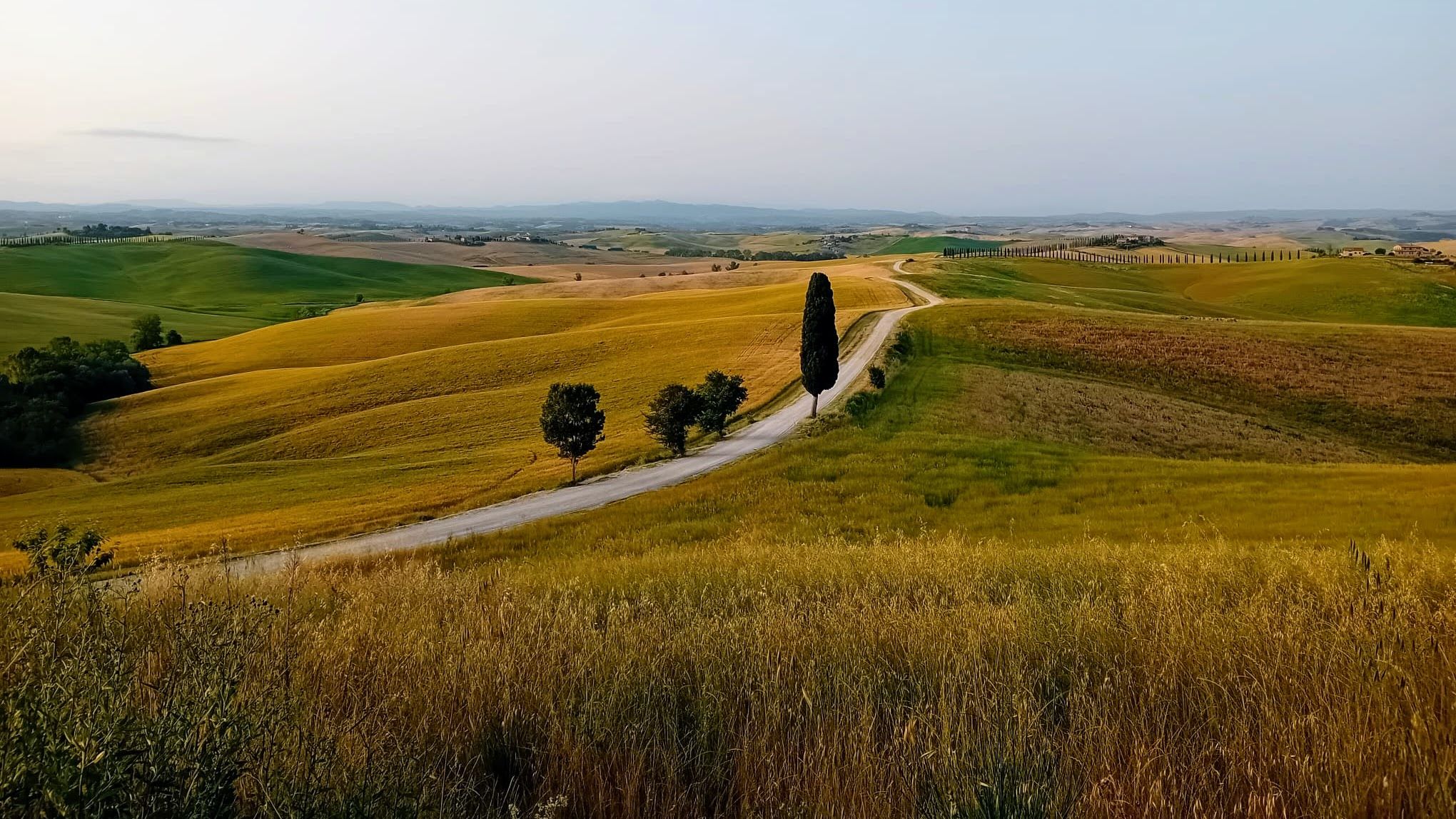
Tuscany by bike – history, cypresses and the Strade Bianche
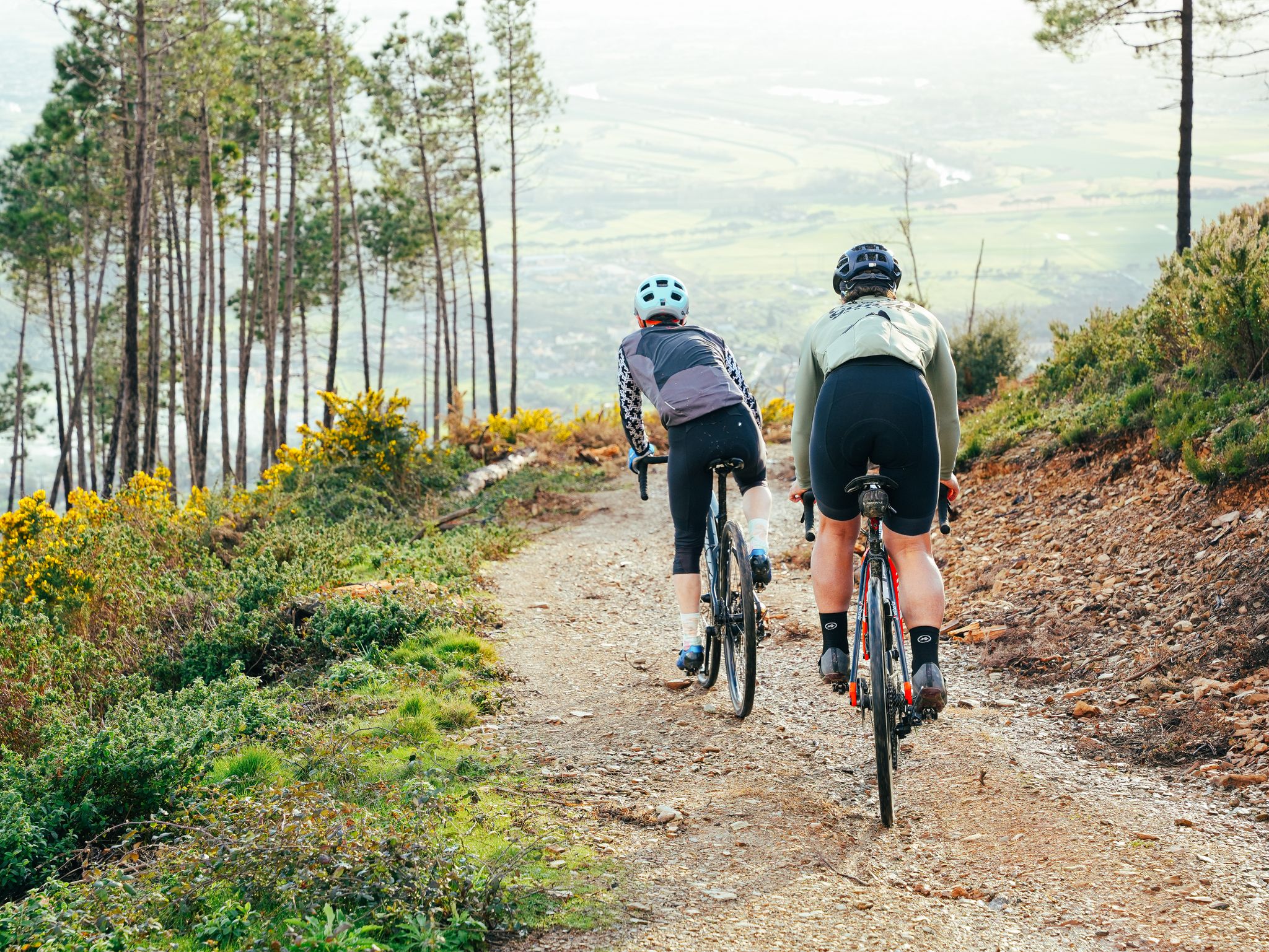
Terre di Pisa Bike Trail – 500 km in the saddle in beautiful Tuscany
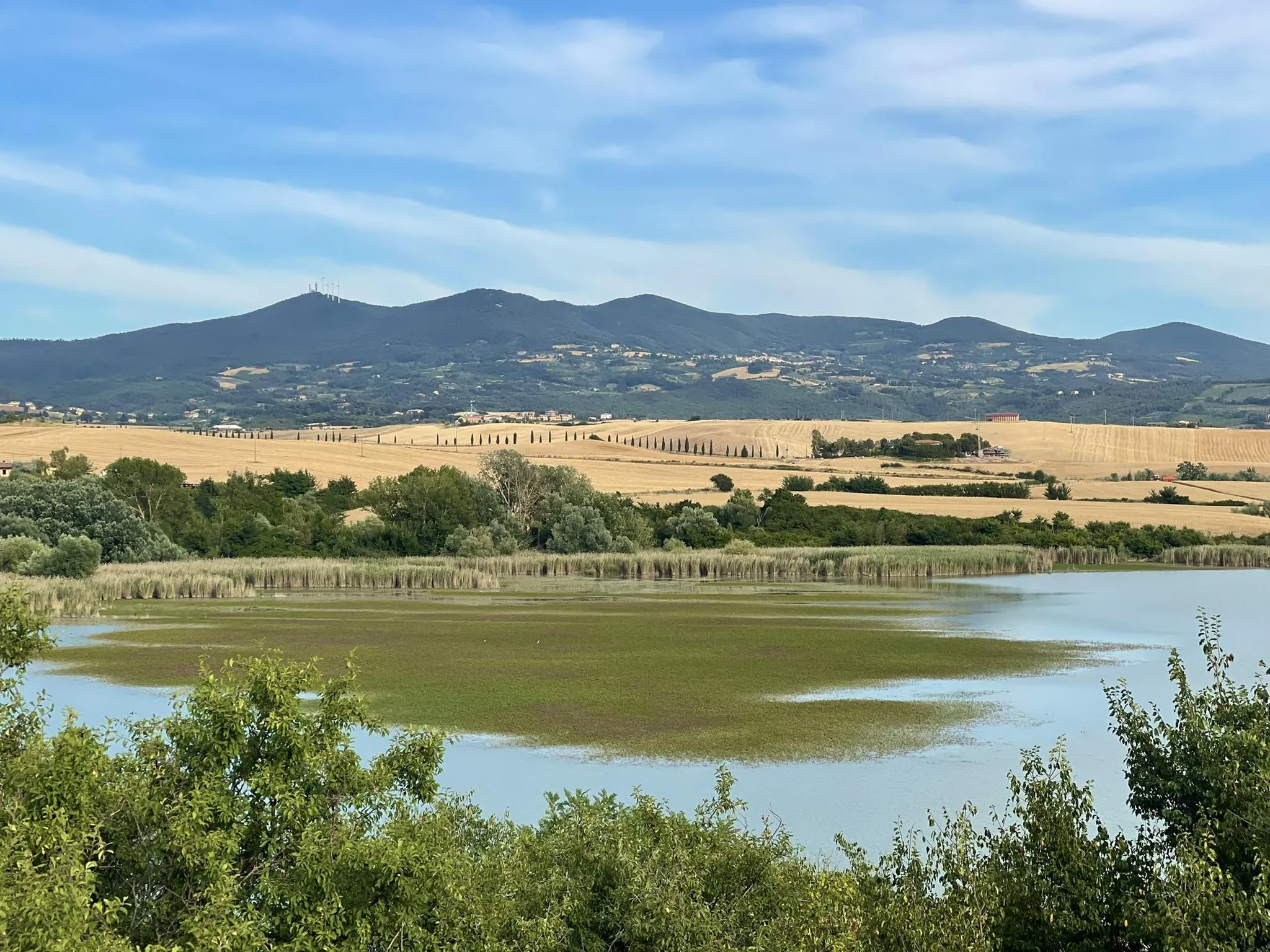
Bike touring between spas and villages – Santa Luce lake and Livorno hills
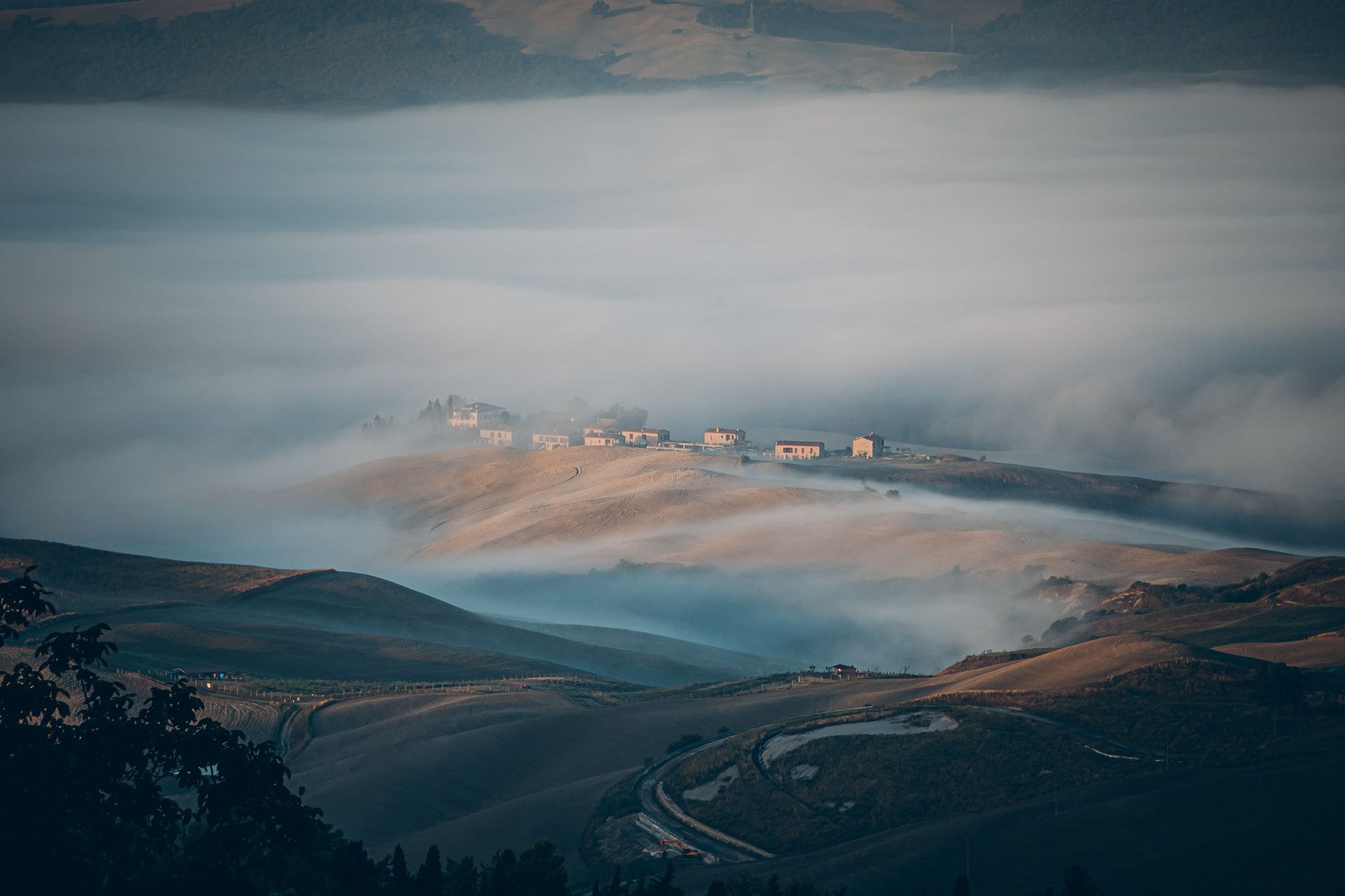
Between the Pisan hills and famous cliffs – Volterra and Valdicecina
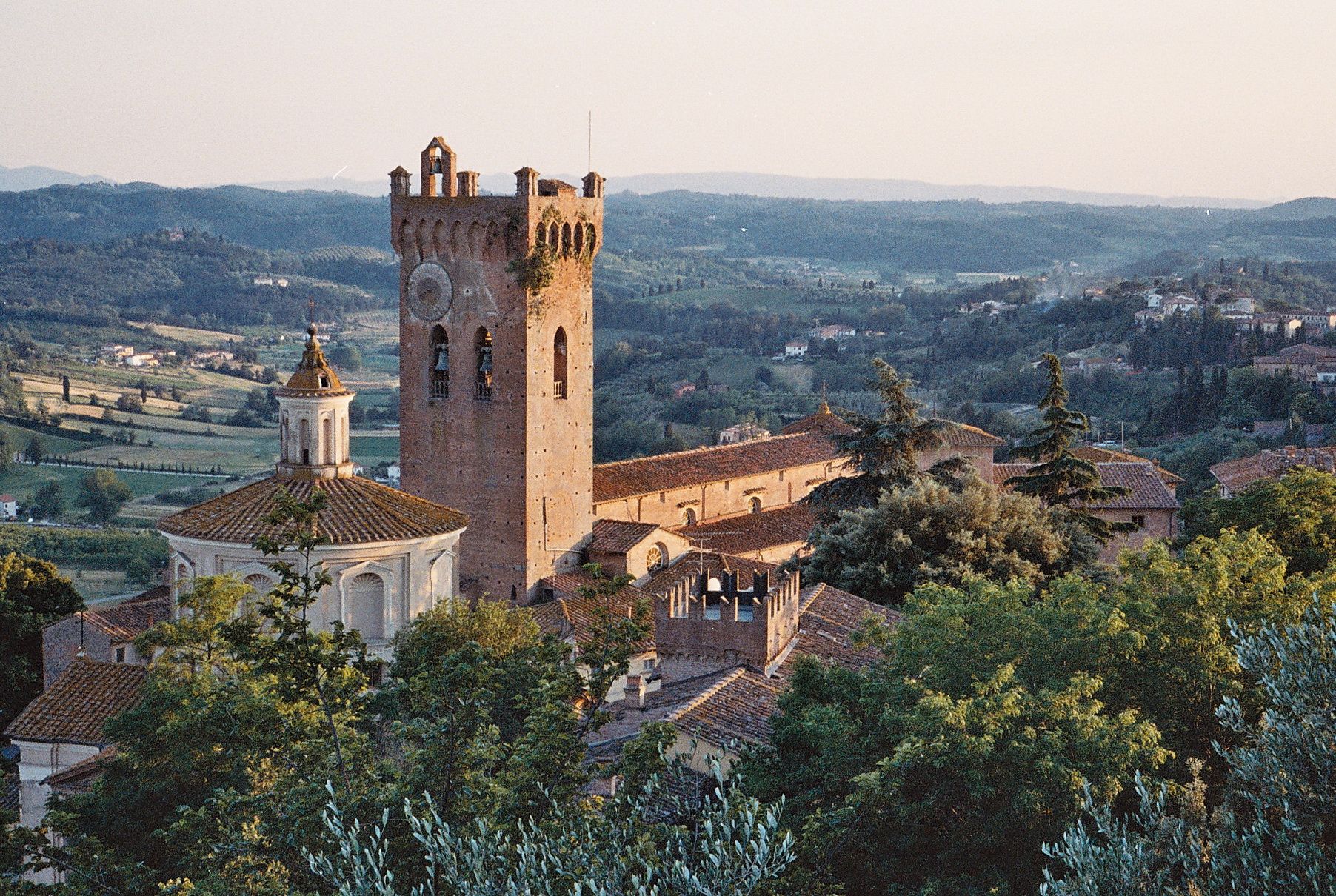
Discover the white truffle of San Miniato – cycling in Tuscany
A cycling pilgrimage — history and nature on Italy’s Via Francigena
Costellazione dei percorsi cicloturistici di Peccioli
Other adventures in Pisa


Tips from the Community

The Torre degli Upezzinghi, also known as Torre di Caprona, is a striking structure located on a rocky spur in the municipality of Vicopisano, in the province of Pisa. Although it is a 19th-century copy erected by the Upezzinghi family, it stands on the site of an ancient medieval castle dating back to the mid-11th century and dismantled by the Florentines in 1433. This place is famous in Italian history and literature for being the scene of a celebrated battle in 1289 in which the young Dante Alighieri participated, who later expressly mentioned the siege of Caprona in the 21st canto of the Inferno in the Divine Comedy.
0
0

The Biancane Geothermal Nature Park is an extraordinary protected area located in the municipality of Monterotondo Marittimo, in the province of Grosseto. This place owes its name to the characteristic pure white color of the rocks, chemically modified by volcanic emissions and acidic vapors that transform limestone into gypsum. The park offers a suggestive journey into the geothermal manifestations of Tuscany, including: Soffioni and fumaroles: Cracks in the ground from which water vapor emerges at high temperatures (around 100 °C). Putizze and thermal springs: Pools of boiling mud and emissions of hydrogen sulfide that give off the classic smell of sulfur. Lunar landscape: The combination of bleached rocks, reddish colors due to iron oxidation, and perennial steam creates a unique atmosphere in the world. Access to the park is generally free and it is equipped with paths and walkways to walk safely among the steam vents.
1
0
The Viale delle Piagge in Pisa is a historic and evocative urban park that extends along the right bank of the Arno River. It is the city's green lung, ideal for walking in the shade of ancient trees, playing sports, or relaxing, and it hosts playgrounds, the municipal library, and the SMS exhibition center.
1
0
Sasso Pisano is a charming medieval village perched on a rocky outcrop in the Devil's Valley, a hamlet of the municipality of Castelnuovo di Val di Cecina (Pisa). This village is famous throughout Tuscany for its extraordinary geothermal nature, characterized by fumaroles, geysers, and spontaneous borax vents that create a fascinating "lunar" landscape.
0
0
The village of Sasso Pisano is a charming hamlet in the municipality of Castelnuovo di Val di Cecina, located in the province of Pisa, in the heart of the picturesque geothermal area of Tuscany.
1
0

The descent after the town of St. Luce is awesome! Good asphalt, nice curves and always full throttle.
1
0

The fountain is no longer in operation. It's a good landmark for meeting up with the group. The downside is that it prevents you from taking good photos of the fountain (it feels like there are 100 people in the photo). They say if you can see the three little noses at the same time, you're lucky.
3
0
In Pisa, there is an 18th-century fountain made of white Carrara marble, located on one side of the Piazza dei Miracoli. The fountain itself consists of a simple square base and is crowned by a sculptural group depicting three colossal putti holding the coats of arms of the primacy and the city. Most tourists stop to see it, mainly because fresh drinking water flows from the fountain, quenching thirst when visiting the square. Long despised by both public and critics, it is now enjoying unexpected popularity. The Putti Fountain is a work by Giuseppe Vaccà and Giovanni Antonio Cybei, based on a design by Giovanni Battista Tempesti. Despite initial appreciation, criticism was not long in coming compared to the aesthetic canons used up to that point. The first written judgment that has come down to us dates back to 1767, when Filippo D'Angelo, author of a handwritten
3
0
Frequently Asked Questions
What are some of the most popular natural monuments in Pisa?
Visitors frequently enjoy Lake Santa Luce, an important wetland ideal for birdwatching, and Le Biancane Geothermal Park, known for its unique geothermal fluids and mineral colors. Another unique spot is the Theatre of Silence, a man-made monument that transforms into an artificial lake when not in use.
Are there family-friendly natural attractions in Pisa?
Yes, several natural monuments in Pisa are suitable for families. Lake Santa Luce is great for birdwatching and gentle walks. Le Biancane Geothermal Park offers an engaging experience with its fumaroles and colorful landscapes, and is considered suitable for children. Additionally, Parco delle Piagge is an urban park with equipped areas for resting and children's play.
What kind of wildlife and flora can I expect to see in Pisa's natural monuments?
The region's natural monuments offer diverse ecosystems. At Lake Santa Luce, you can spot over 150 species of birds, including Pochards, Teals, Mallards, and Cormorants, especially in its thick reed beds. The Migliarino San Rossore Massaciuccoli Regional Park, with its vast pine forests and wetlands, supports a rich variety of rare plant and animal species.
What geological formations can be explored near Pisa?
Pisa offers fascinating geological sites. Le Biancane Geothermal Park showcases geothermal fluids and mineral colors, along with suggestive fumaroles and small geysers. The Monte Pisano mountain range, while not a single monument, is a significant geological feature known for its historical marble quarries and even fossil footprints. You can also explore the Sassicaie (Rocky Slopes of Monte Pisano) for unique rock formations.
Are there opportunities for hiking or cycling near Pisa's natural monuments?
Yes, the area around Pisa's natural monuments provides excellent opportunities for outdoor activities. The Migliarino San Rossore Massaciuccoli Regional Park offers ample paths for walking, cycling, and horseback riding. For more structured routes, you can find various MTB Trails in Pisa, including routes around the Monti Pisani, and Easy hikes in Pisa, such as those around Lake Santa Luce.
What is the Pisa Botanical Garden and why should I visit it?
The Pisa Botanical Garden, established in 1544, is the world's first university botanical garden. It spans two hectares and houses over 5,000 plant species, including various greenhouses and ponds. It's a tranquil, shaded retreat from the city's bustle, perfect for a leisurely stroll and appreciating a rich variety of plant life.
What is the best season to visit the natural monuments in Pisa?
The best season to visit largely depends on your interests. Spring and autumn offer pleasant temperatures for hiking and exploring the parks. Winter is ideal for birdwatching at Lake Santa Luce, as many migratory birds populate the lake. Summer provides abundant shade in places like the Pisa Botanical Garden and Parco delle Piagge for relaxation.
Are there any urban green spaces or parks within Pisa itself?
Yes, Parco delle Piagge is a splendid urban park in Pisa, running along the banks of the Arno River. It features paths for walking or running, abundant greenery, and very old trees providing ample shade. It's an excellent green oasis for relaxation and recreation within the city.
Can I find any unique natural phenomena like fumaroles or geysers?
Absolutely. The Fumaroles in Valle del Diavolo offer a fascinating experience with suggestive fumaroles and small geysers. This area, along with Le Biancane Geothermal Park, showcases the region's active geothermal features, with mineral colors ranging from white to ocher red.
What do visitors enjoy most about the natural monuments in Pisa?
Visitors appreciate the diverse natural beauty, from the peaceful birdwatching opportunities at Lake Santa Luce to the unique geological landscapes of Le Biancane Geothermal Park. Many enjoy the tranquility and the chance to escape urban life, finding these spots perfect for walking, cycling, and experiencing the authentic Tuscan landscape.
Are there any historical or cultural sites integrated with the natural monuments?
While many natural monuments are purely ecological, some have historical significance. The Monte Pisano range, for instance, was historically a source of marble used in medieval Pisan buildings. The Theatre of Silence, though a man-made monument, is set within a natural landscape and features unique artistic installations annually. The Pisa Botanical Garden itself is a historical institution, being the world's first university botanical garden.
Most popular routes in Pisa
Most popular attractions in Pisa

Get inspired with the komoot mobile app


Didn’t find what you were looking for?
Find even more amazing natural monuments in Pisa by checking out the top Highlights region by region:
Explore more
Extend your search for the best caves by checking out these guides of the top ones in Pisa:
