Top 20 Natural Monuments in Avellino
Best natural monuments in Avellino encompass a diverse array of natural landscapes, from high mountain peaks to serene lakes and ancient forests. This region, also known as Irpinia, features unique geological formations such as caves and sinkholes. Visitors can explore a variety of natural features, offering opportunities for outdoor activities. The area is characterized by its varied terrain and rich natural heritage.
Best natural monuments in Avellino
- The most popular natural monuments is Campo Maggiore Plateau and Lake, a…
Last updated: June 26, 2026
Campo Maggiore Plateau and Lake
Highlight • Lake
Translated by Google •
Tip by

Sanctuary of the Most Holy Savior of Serino
Highlight • Religious Site
Translated by Google •
Tip by
Sign up now to discover places like this
Get recommendations on the best single tracks, peaks, & plenty of other exciting outdoor places.
Sign up for free
The “Grotta Profunnata” in the Oasi Valle della Caccia
Highlight • Cave
This place, already known as a refuge for brigands in the …
Translated by Google •
Tip by

Monte Cervialto
Highlight • Summit
Translated by Google •
Tip by

Dragon Plain
Highlight • Natural Monument
Translated by Google •
Tip by

The rock church of Madonna del Fiume
Highlight • Religious Site
Located inside a karst cave, which can be accessed …
Translated by Google •
Tip by
Grotta dei Candraloni
Highlight • Cave
Translated by Google •
Tip by
Ancient Beech Tree of Campo San Giovanni
Highlight • Natural Monument
Bikers friends
amicibikers.altervista.org/itinerari
Translated by Google •
Tip by

Acquabianca Waterfall
Highlight • Waterfall
jammway.it/oasi-valle-della-caccia-la-cascata-acquabianca
Trekking clothes and sturdy shoes!
Translated by Google •
Tip by
Hermitage of San Silvestro
Highlight • Religious Site
Translated by Google •
Tip by

Sign up for free to discover even more natural monuments in Avellino.
Sign up for free
Already have an account?
Start today with a free account
Your next adventure awaits.
Login or Signup
Popular around Avellino
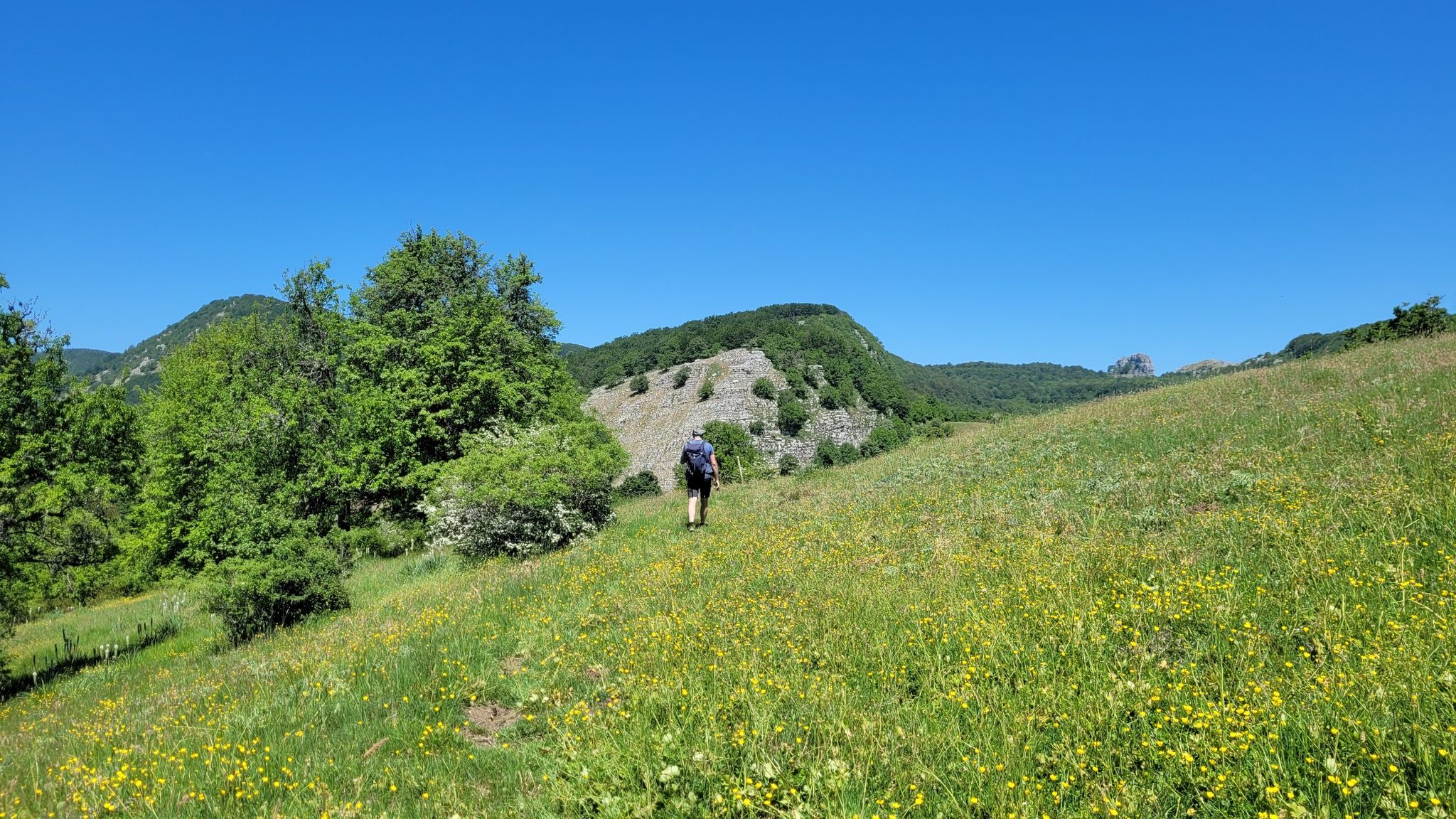
Sentiero Italia – A journey into the heart of Campania
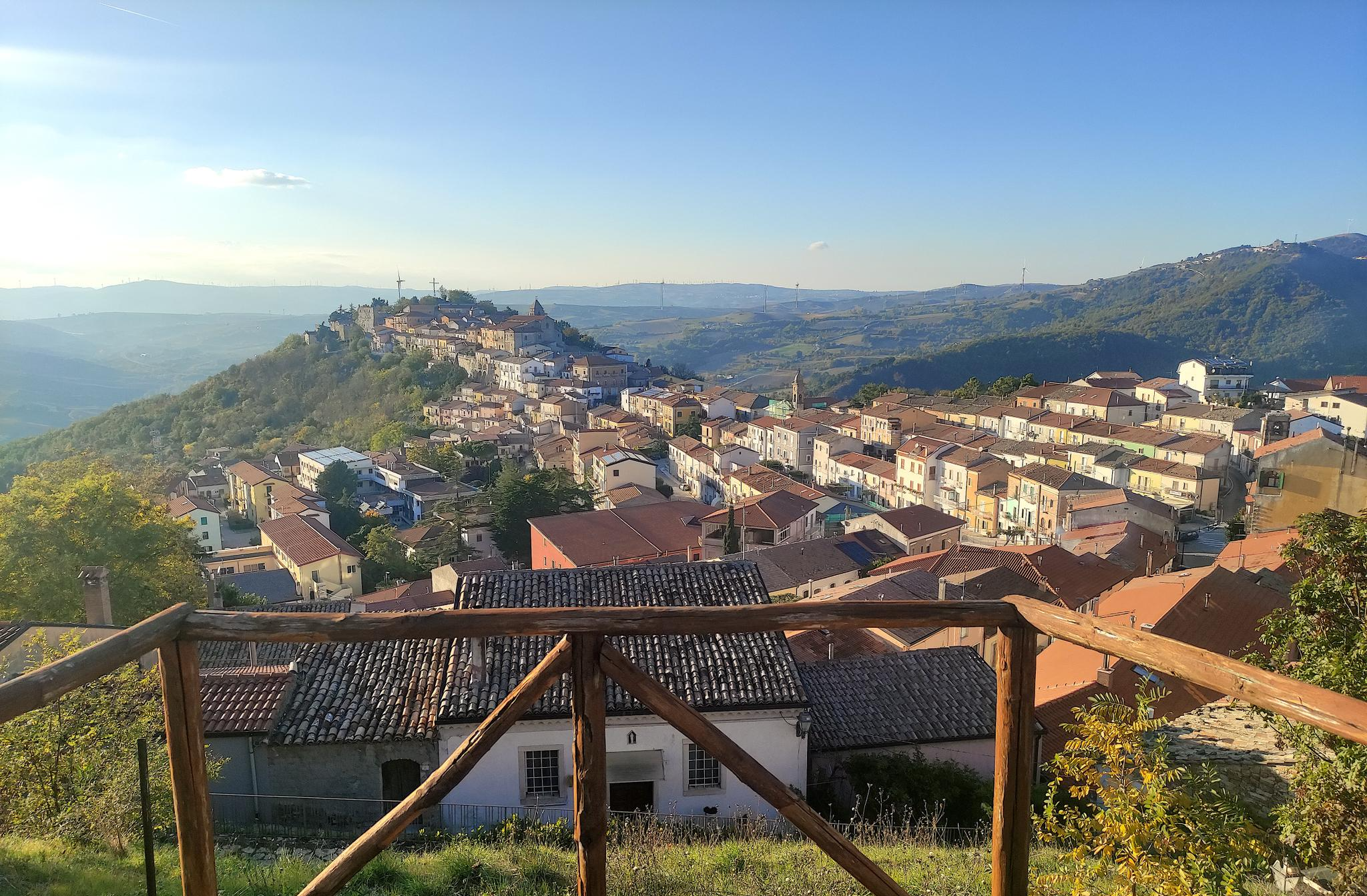
Campania by bike – rides among villages, valleys and water landscapes
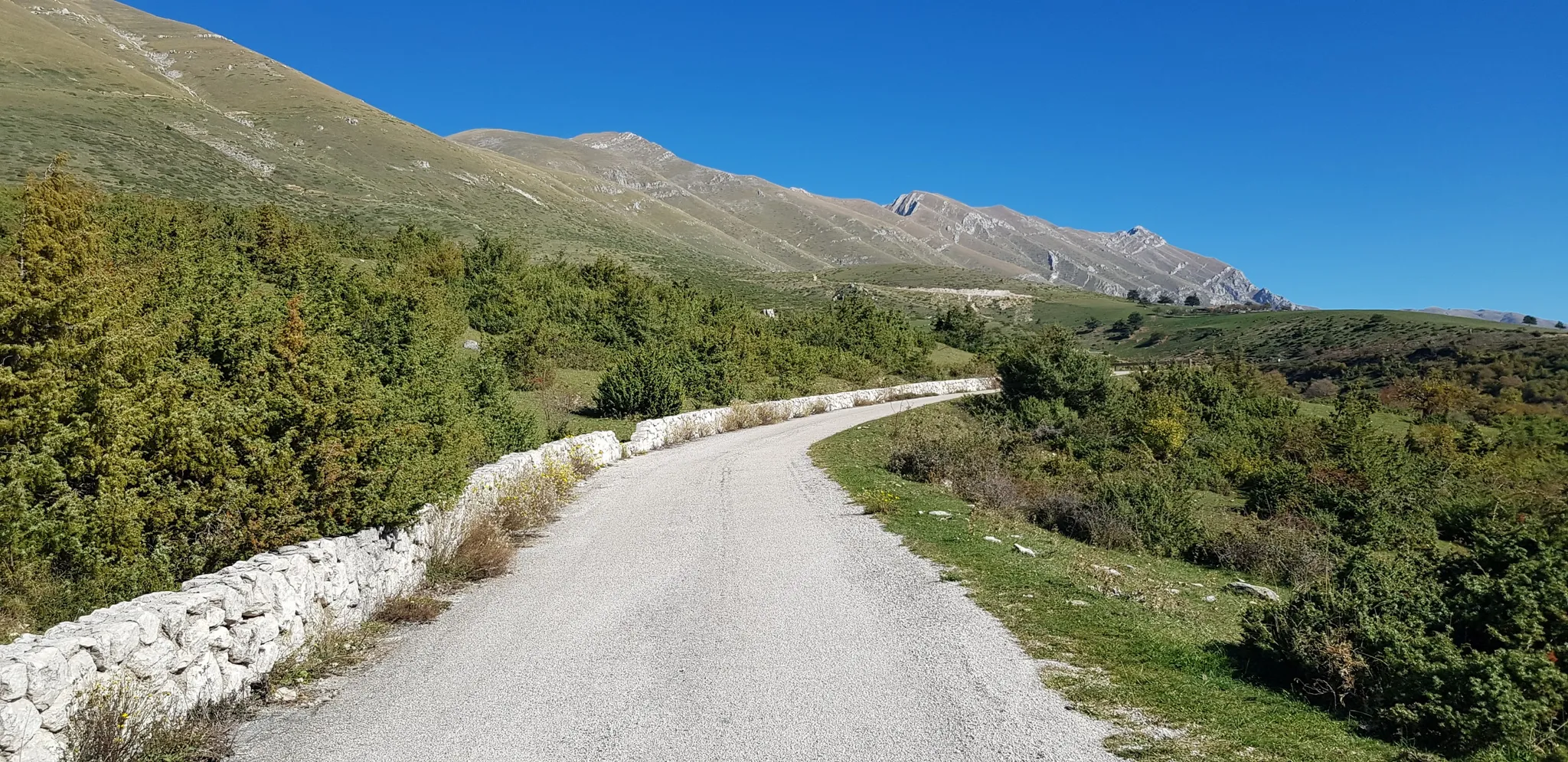
The Apennine Cycleway (Part 2) - From Umbria to Calabria
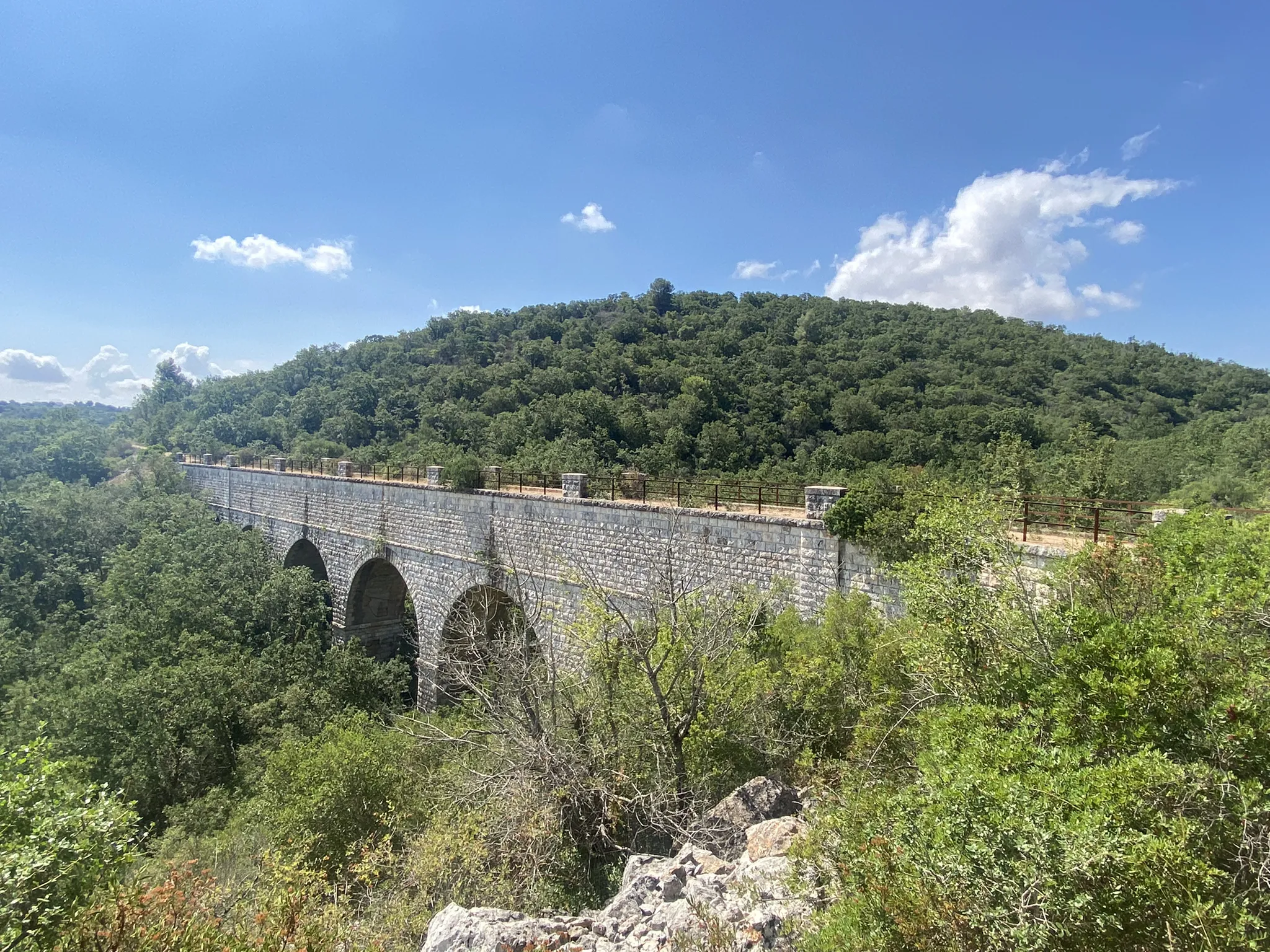
Caposele to Santa Maria di Leuca – Apulian Aqueduct Cycle Route
Pedalling in Italy’s far south – Ciclovia dei Borbone
Hiking in Avellino
Road Cycling Routes in Avellino
Cycling in Avellino
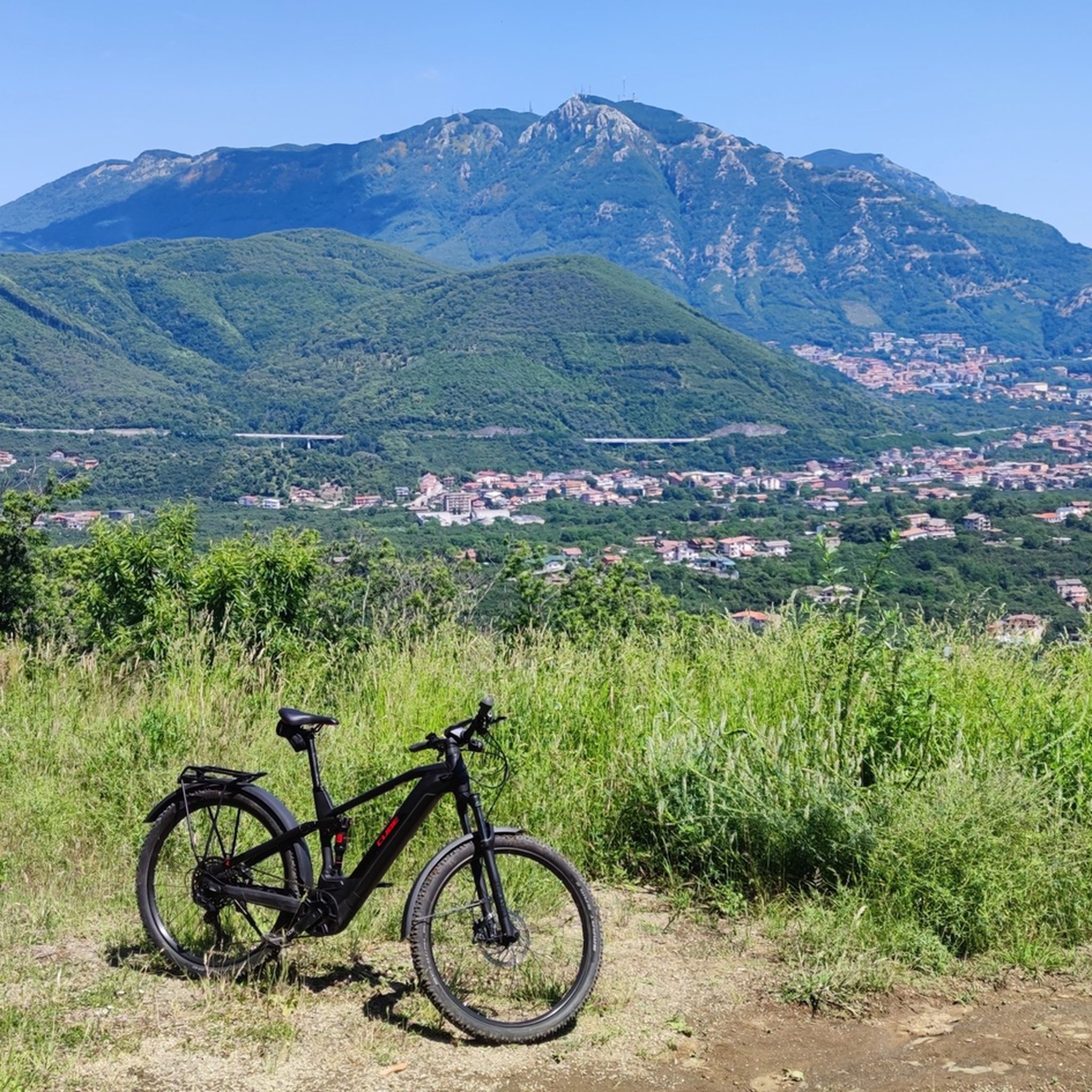
MTB Trails in Avellino
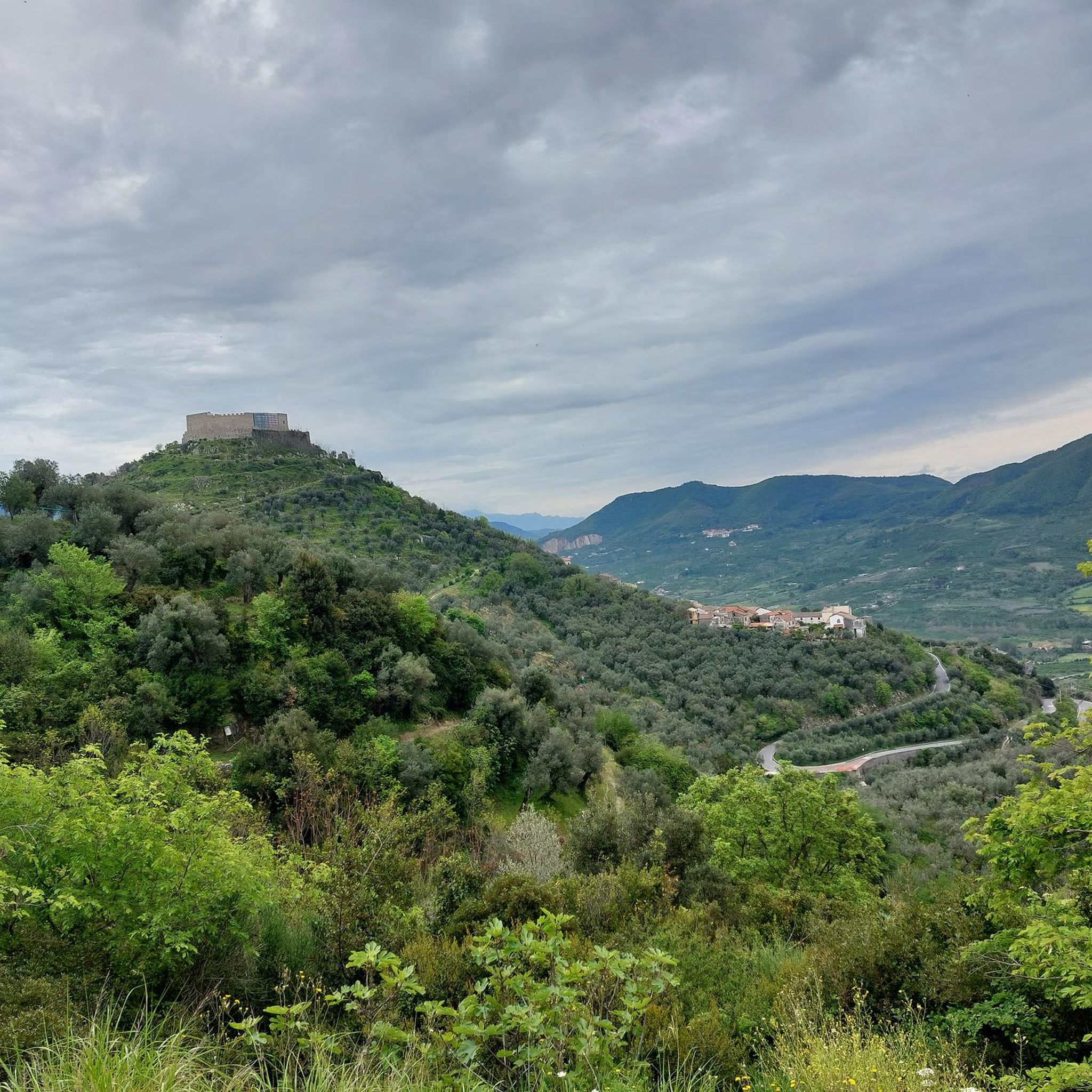
Running Trails in Avellino
Other adventures in Avellino


Tips from the Community

Cervialto represents the highest peak of the Picentini mountains and is the fourth highest peak in Campania after La Gallinola in Matese (1923 meters), Cervati (1899 meters) and Mutria (1823 meters), as well as the largest in the province of Avellino. The mountain extends between the municipalities of Calabritto and Bagnoli Irpino. The summit is the border point between the two municipalities. The characteristic summit sinkhole between the summit and the sub-peak falls within the municipality of Bagnoli Irpino (IGM 1:25,000). Cervialto is known above all thanks to its proximity to the Laceno plateau (Laceno lake), a well-known tourist destination, from which it is 3.6 km away. Cervialto is surrounded by Mount Rajamagra (1,667 m) where there are ski lifts, by Mount Cervarolo, by Mount Piscacca or Magnone, by Montagnone di Nusco, by Cervarulo, by Calvello and, on the Salernitano side, by the Polveracchio massif. The Colle del Leone, the Ripe del Moggio, the Montagna Grande and the Colle del Sagrestano form the backdrop to the series of "high mountains". On one of the peaks, there is the radio station of the Firefighters of the Lioni section. ... https://it.wikipedia.org/wiki/Monte_Cervialto
1
0

Must see, Candraloni sinkhole
0
0

This place is recommended but be careful of the wooden bridges which are old.
0
0

As a patron saint, this hermitage has a name that is on everyone's lips, but probably only a few people will know the person behind it: the feast day of Saint Silvestro is on December 31st. He lived at the end of the third and beginning of the fourth century and was bishop of Rome when Emperor Constantine - later generations gave him the nickname "the Great" - recognized Christianity as a religion with the so-called "Edict of Tolerance" of Milan, and thus - at least temporarily - the period of bloody persecution of Christians ended.
0
0


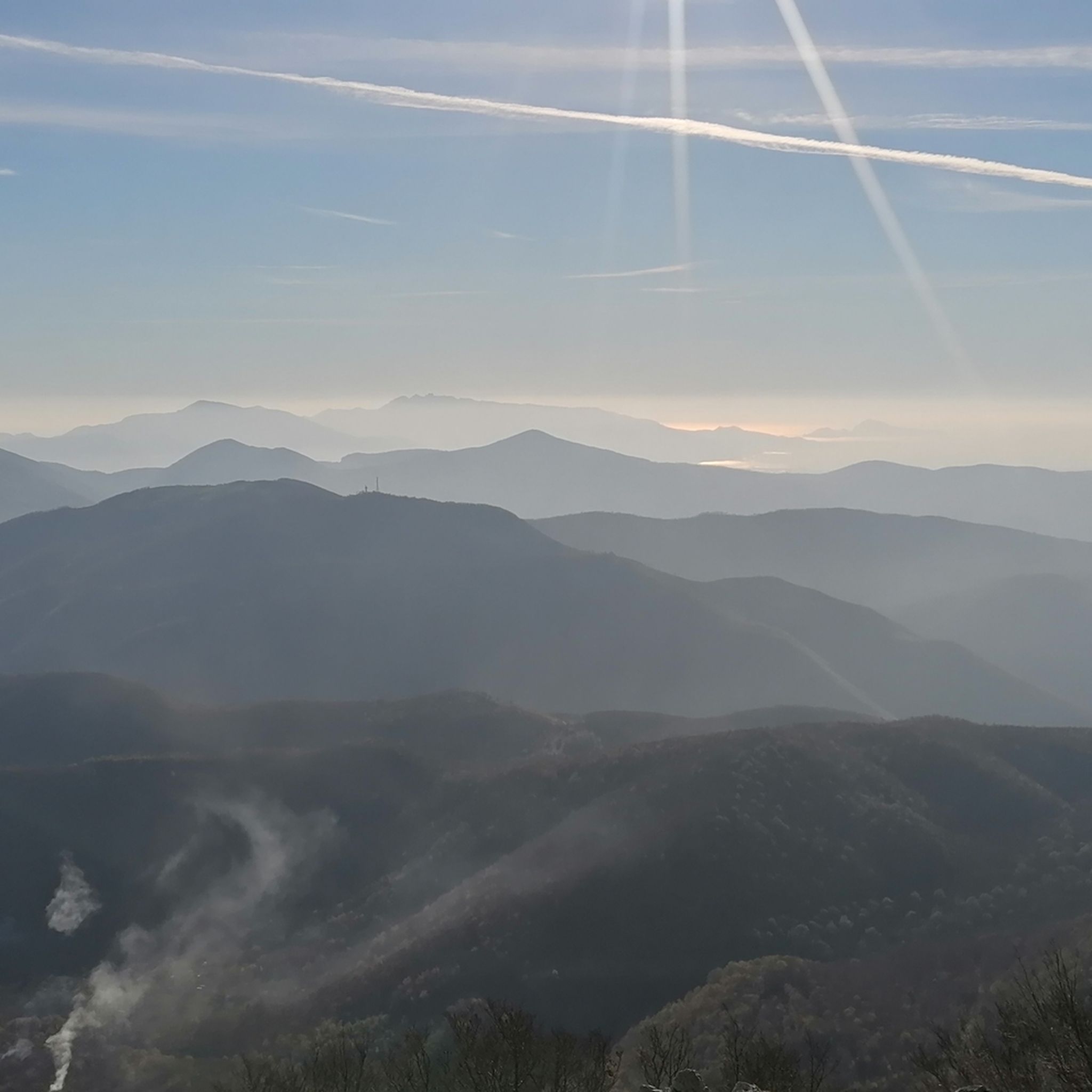
Monte Cervialto with its 1809 m above sea level is the highest peak in the Picentini area. From the summit you can enjoy a spectacular panorama from the Tyrrhenian Sea to the peaks of the Lattari Mountains, from the Amalfi Coast to the Alburni Mountains, from the top of Monte Cervati in Cilento to the other peaks of the Picentini.
5
0
Near the Fonte San Giovanni refuge there is a majestic beech tree.
5
0

The Grotta Profunnata is one of the most interesting attractions of the Oasi Valle della Caccia. It has different environments, and is only partially accessible to visitors, with the help of suitable equipment and under the guidance of an expert.
2
0
Frequently Asked Questions
What types of natural monuments can I explore in Avellino?
Avellino, also known as Irpinia, offers a diverse range of natural monuments. You can find majestic peaks, cascading waterfalls, mysterious caves, serene lakes, and unique geological formations. The region is rich in forested areas and offers numerous viewpoints.
Are there any family-friendly natural monuments in Avellino?
Yes, several natural monuments in Avellino are suitable for families. For instance, Campo Maggiore Plateau and Lake is a beautiful expanse of unspoiled nature with a small lake, offering a pleasant experience for all ages. The Forests of Serino also provide an ideal, peaceful setting for a family picnic.
What are some notable caves or geological formations to visit in Avellino?
Avellino is known for its caves and unique geological sites. You can explore the Grotta Profunnata within the Oasi Valle della Caccia, which offers a glimpse into an underground world (though partially accessible and may require expert guidance). Another significant site is the Grotta dei Candraloni, a natural sinkhole in the Verteglia plateau. For a truly unique geological phenomenon, visit the Bolle della Malvizza, home to the largest field of mud volcanoes in Southern Italy.
Where can I find waterfalls in the Avellino region?
The region boasts several beautiful waterfalls. The Calabritto Waterfalls, also known as Montella Waterfalls, are immersed in wild nature and offer a refreshing escape. You can also visit the Acquabianca Waterfall, located just 1 km from the beginning of a path along a river through a forest, forming a small lake with clear waters. Another option is the Bard'natore Waterfall.
Are there historical or religious sites integrated with natural monuments?
Yes, Avellino features several sites where history and nature intertwine. The Sanctuary of the Most Holy Savior of Serino is a religious building entirely dug into the rock on the slopes of Mount Terminio, once serving a small hermit community. Similarly, The rock church of Madonna del Fiume and the Hermitage of San Silvestro are other examples of historical religious structures found within natural settings.
What kind of hiking opportunities are available near Avellino's natural monuments?
Avellino offers extensive hiking opportunities, particularly within its regional parks. The Monti Picentini Regional Park and Partenio Regional Park are havens for hikers with numerous trails. You can find routes ranging from moderate to challenging, such as those leading to Monte Terminio or exploring the Valle della Caccia. For more detailed hiking routes, you can explore the Hiking in Avellino guide.
Can I go mountain biking or road cycling near these natural monuments?
Absolutely! The Avellino region provides excellent terrain for both mountain biking and road cycling. You can find MTB trails around Lago Laceno or explore the Sentiero Italia Cycle Trail. For road cyclists, routes like the climb to the Sanctuary of Montevergine offer challenging ascents and scenic views. Discover more options in the MTB Trails in Avellino and Road Cycling Routes in Avellino guides.
What is the best time of year to visit the natural monuments in Avellino?
The best time to visit Avellino's natural monuments largely depends on your preferred activity. Spring and autumn offer pleasant temperatures for hiking and exploring, with vibrant foliage or blooming wildflowers. Summer is ideal for enjoying lakes and waterfalls, while winter can transform higher elevations like Pizzo San Michele into a snowy, rewarding landscape for experienced adventurers.
Are there any unique natural features or viewpoints in the region?
Beyond the well-known sites, Avellino holds unique natural features. The Valle d'Ansanto at Rocca San Felice is notable for its curious natural gas emissions, a phenomenon observed since ancient times. For panoramic views, Pizzo San Michele Summit offers breathtaking vistas. The Dragon Plain is another natural monument offering scenic viewpoints.
What do visitors enjoy most about the natural monuments in Avellino?
Visitors frequently praise the unspoiled nature and tranquility of the region. Many highlight the 'fairytale' atmosphere of places like Campo Maggiore Plateau and Lake. The challenging yet rewarding paths to sites like the Sanctuary of the Most Holy Savior of Serino are also highly appreciated for their scenic beauty and sense of accomplishment.
Are there any ancient trees or forests worth seeing?
Yes, the region is home to impressive ancient trees and lush forests. The Ancient Beech Tree of Campo San Giovanni is a centuries-old landmark not to be missed. Additionally, the Forests of Serino provide a peaceful and natural environment perfect for relaxation and enjoying the dense woodland.
Most popular routes in Avellino
Most popular attractions in Avellino

Get inspired with the komoot mobile app


Didn’t find what you were looking for?
Find even more amazing natural monuments in Avellino by checking out the top Highlights region by region:
Explore more
Extend your search for the best caves by checking out these guides of the top ones in Avellino:
