Top 20 Natural Monuments in Viseu
Best natural monuments in Viseu encompass a range of geological formations and ancient structures within a region rich in natural beauty. The area features urban green spaces and significant natural formations in its surrounding areas, offering diverse landscapes and opportunities for outdoor activities. Viseu's natural heritage includes ancient megalithic sites, tranquil urban parks, and notable river valleys. The Viseu district natural heritage provides a blend of historical and ecological value, from mountainous terrain to riverine environments.
Best natural monuments in…
Last updated: August 20, 2026
Lapa da Orca Dolmen
Highlight • Historical Site
Translated by Google •
Tip by

Anta da Palheira
Highlight • Historical Site
cm-carregal.pt/pages/1027?poi_id=129
ORCA/ANTA from PALHEIRA is located in the megalithic nucleus of Fiais/Ameal. It is …
Translated by Google •
Tip by

Sign up now to discover places like this
Get recommendations on the best single tracks, peaks, & plenty of other exciting outdoor places.
Sign up for free
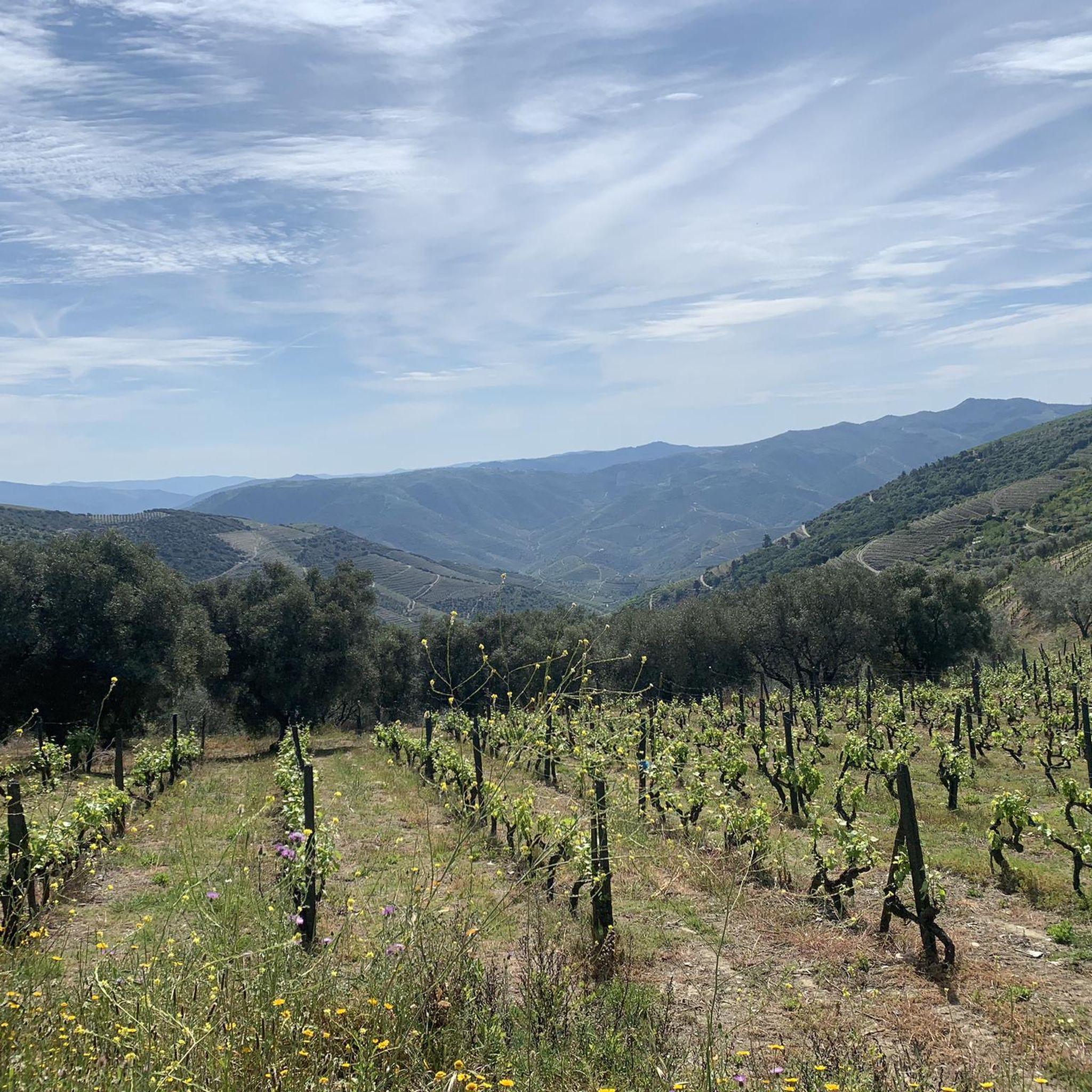
View of the Douro Valley
Highlight • Viewpoint
Translated by Google •
Tip by

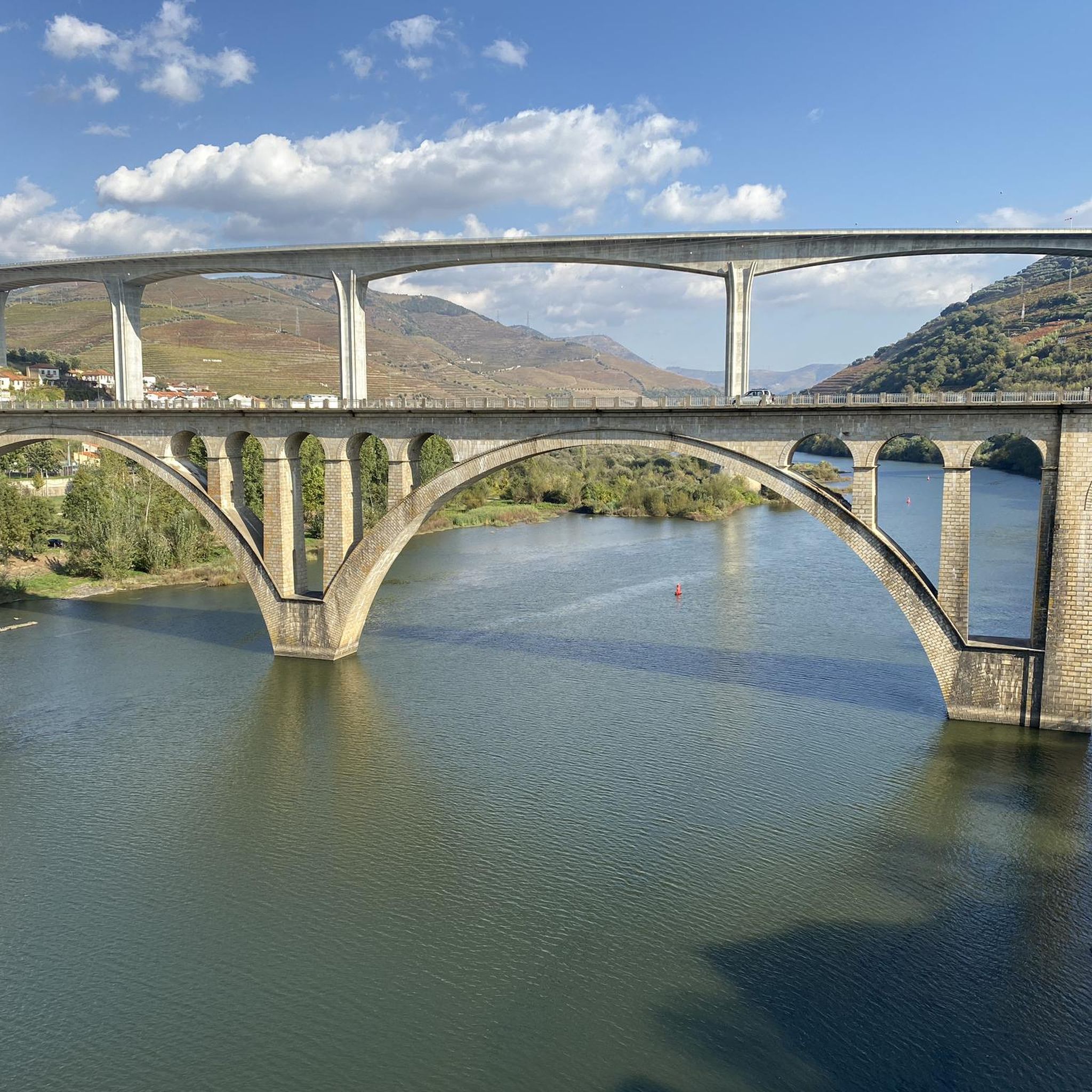
On the banks of the Douro
Highlight (Segment) • River
Translated by Google •
Tip by
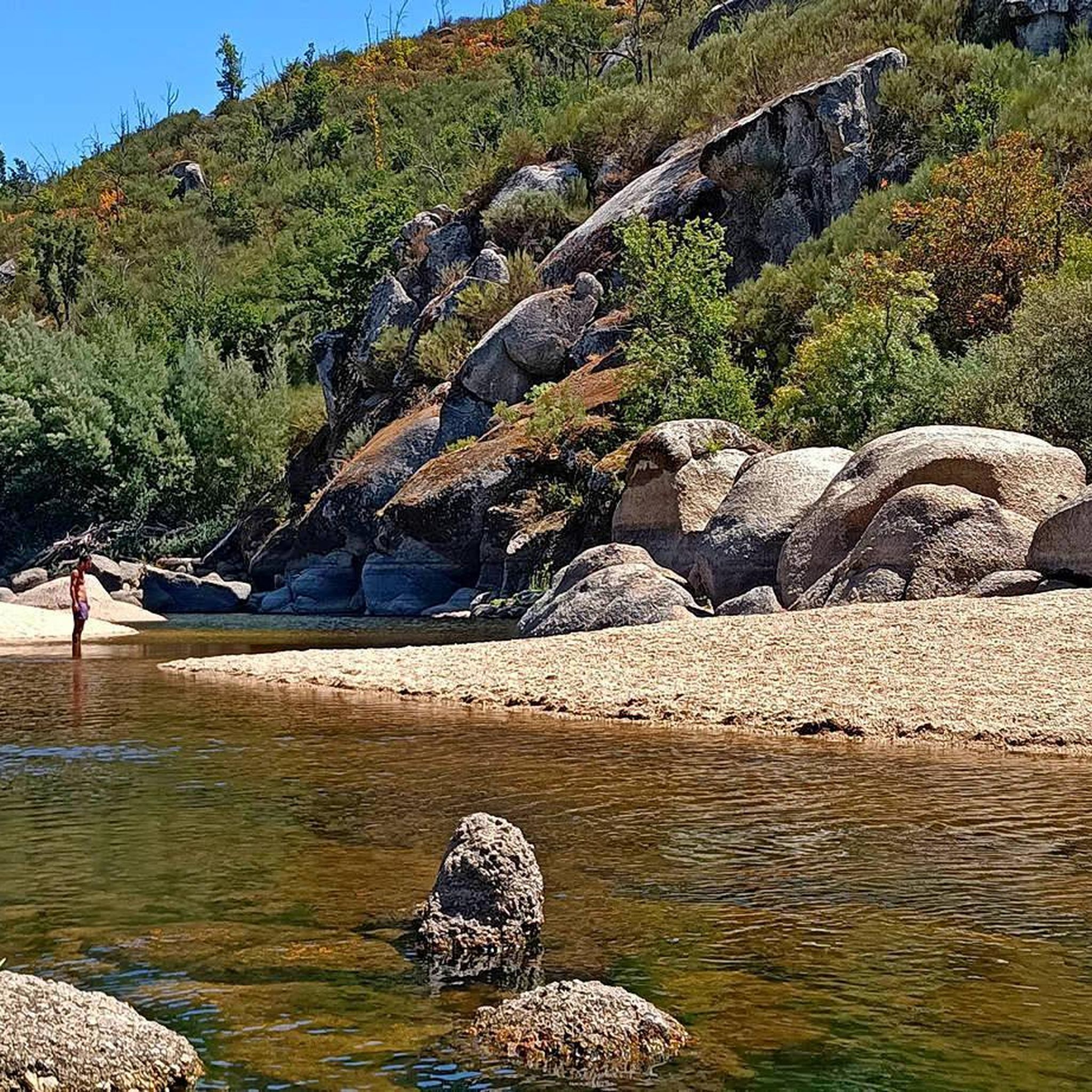
Natural Pool and Waterfall Trail
Highlight • Natural Monument
Translated by Google •
Tip by

Path along the Bestança
Highlight (Segment) • Trail
Translated by Google •
Tip by
Casa da Ínsua Gardens
Highlight • Natural Monument
You can find more information here:
centerofportugal.com/de/poi/die-garten-von-casa-da-insua
Translated by Google •
Tip by

Megalithic Dolmen
Highlight • Historical Site
Translated by Google •
Tip by
Portas de Montemuro
Highlight • Mountain Pass
Translated by Google •
Tip by
Anta do Fojo
Highlight • Historical Site
Translated by Google •
Tip by
Sign up for free to discover even more natural monuments in Viseu.
Sign up for free
Already have an account?
Start today with a free account
Your next adventure awaits.
Login or Signup
Tips from the Community

Casa da Ínsua is a remarkable 18th-century Baroque palace located in Penalva do Castelo, near Viseu, famous for its magnificent gardens (French and English), its production of Dão wine, and its history linked to Brazil. It is currently a charming Parador hotel offering wine tourism, rural experiences, and a museum on the life of its builder, Luís de Albuquerque. More information about Casa da Insua here 👇🏻 https://pt.wikipedia.org/wiki/Casa_da_%C3%8Dnsua
1
0

Designated a National Monument since 1974, this structure retains the nine upright stones of its main chamber, which is three meters high, and the capstone (covering slab) practically intact. The access corridor to the chamber has 15 upright stones and preserves all the covering slabs, with the dolmen being inserted into a tumulus (or mound, which originally covered the entire stone structure of the monument) approximately 20 meters in diameter. Its construction is believed to have occurred during the Neolithic-Chalcolithic period (between the end of the Neolithic and the beginning of the Chalcolithic), corresponding to the end of the 4th millennium BC. The region where the Orca Dolmen is located shows traces of continuous human activity and occupation since the prehistoric period. It is situated in an area with orographic characteristics conducive to human settlement, being close to a watercourse (the Mondego River) and possessing vast hunting resources. We know that shepherding has been a source of livelihood and income for centuries for the populations of the region, situated on a livestock route between the highlands of the Serra da Estrela and the Mondego valley.
1
0
Beautiful rural road that passes through the Anta do Fojo, a very interesting place that in my opinion is worth a visit even if it initially appears hidden by vegetation. More information here👇🏻 https://www.vaiver.com/viseu/couto-de-cima-anta-1-da-lameira-do-fojo/
0
0
Coming from above (bus stop and sign for "Anta do Fojo"), from Lobaguerira, you can take this "gravel roundabout" and visit this very interesting Anta do Fojo: dating back to the megalithic period, between 2900 BC and 2640 BC. It's a polygonal chamber approximately 3.80 m in diameter and 2 m high, consisting of two vertical pillars leaning inward, one fallen and the other broken; a corridor with seven pillars on each side, one of which has fallen and is 7 meters long, covered and with two figures painted in red, one of which is holding a bow. ‼️Please note: the real entrance coming from here (bus stop) is just before the sign, climbing over the stones that border the road; this is the entrance to the Tomb/Dolmen. ‼️ If you're coming from below, Lombagueira will obviously be after the sign. More information here 👇🏻 https://www.vaiver.com/viseu/couto-de-cima-anta-1-da-lameira-do-fojo/
0
0

Suitable for gravel. Passes by the Anta do Fojo.
0
0

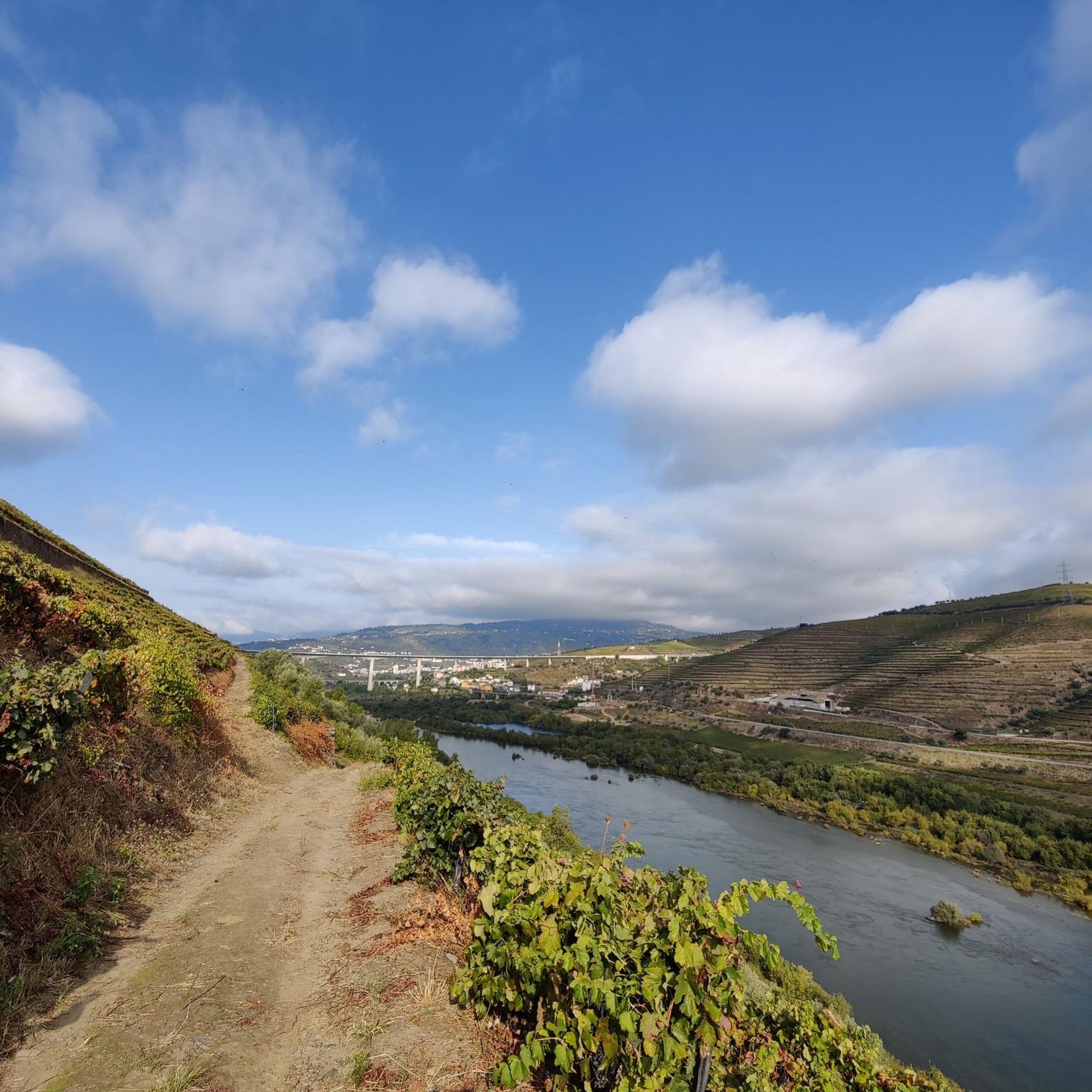
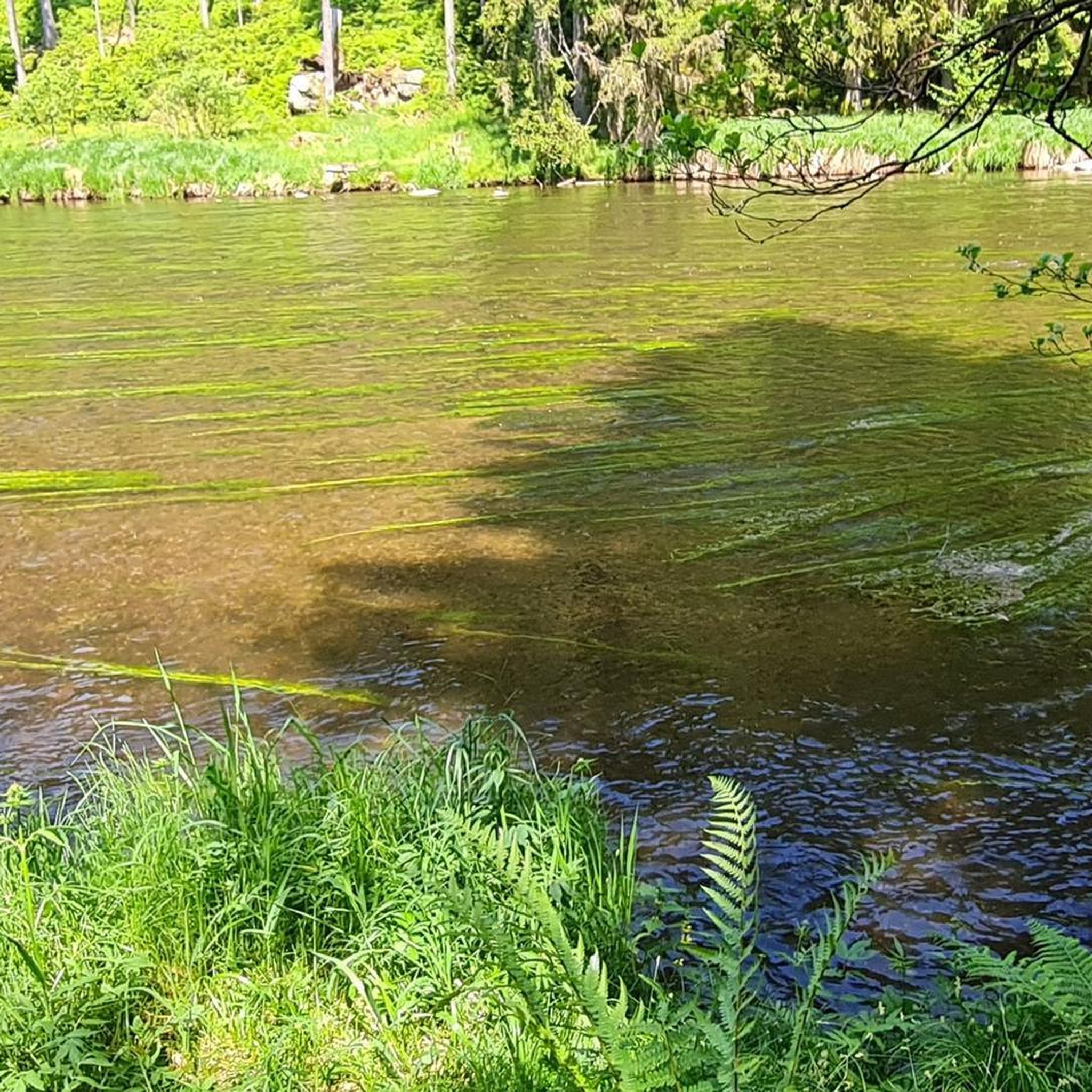
Beautiful view of the other side of the river.
0
0
This Orca/Anta is part of a tour circuit: PREHISTORIC CIRCUIT OF FIAIS/AZENHA in Carregal do Sal. https://www.cm-carregal.pt/pages/1027?poi_id=129 ORCA/ANTA from PALHEIRA is located in the megalithic nucleus of Fiais/Ameal. It is a monument of considerable size, which can be placed, architecturally, within the large group of monuments of Beira. It has a polygonal chamber with nine pillars, with an elongated corridor. However, its peculiar characteristics make this monument the rarest and most representative example of the circuit, given that at a somewhat later and yet to be determined period, a considerable barn was built around its central structure, which is part of that farm. Thus, the dolmen remained incorporated within it and was used as a dwelling until the 1970s.
2
0

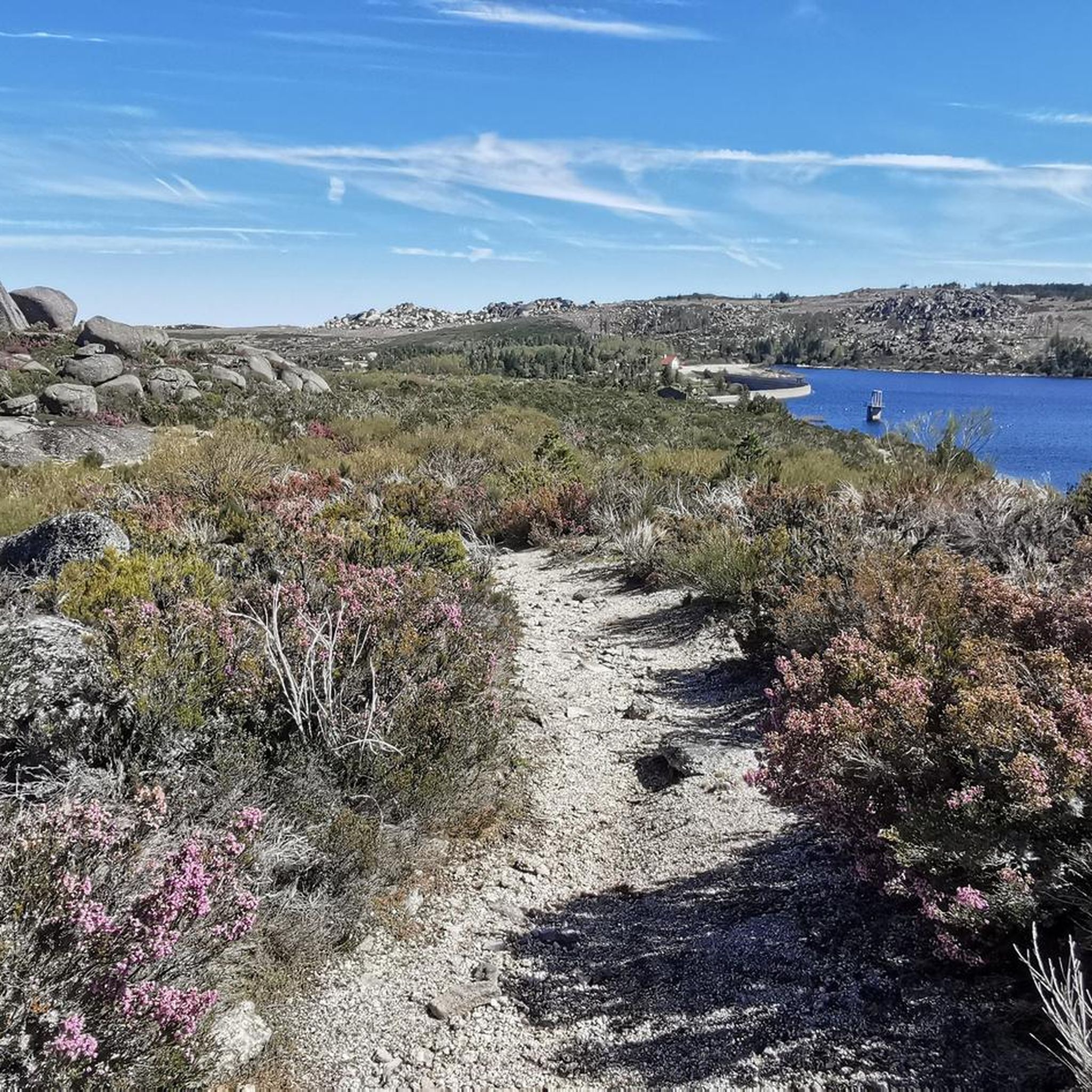
At Portas de Montemuro, the landscape stretches out without limits. Here, tables and benches invite you to take a break and enjoy the view, while the national road 321, popular with cyclists, marks the 1,215 metres of altitude. The highest peak of the Montemuro mountain range, at 1,381 metres, is nearby, to the east. Nearby, the ruins of the Wall of Portas de Montemuro preserve echoes of a distant past. Mentioned in the Inquiries of 1258, they reveal traces of an ancient fortified settlement from the Iron Age, possibly linked to the Castro culture. Later, the site was reused by the Romans and, at the time of the Reconquista, by D. Afonso Henriques, the first king of Portugal.
0
0
Frequently Asked Questions
What are some unique natural monuments to visit in Viseu?
Viseu offers a blend of ancient and scenic natural monuments. The Lapa da Orca Dolmen is one of Portugal's largest and best-preserved megalithic structures, dating back to the late 4th millennium BC. Another significant site is Anta da Palheira, a large dolmen with a unique polygonal chamber that was once incorporated into a farm building. For breathtaking scenery, the View of the Douro Valley offers panoramic vistas of the UNESCO World Heritage terraced landscapes.
Are there family-friendly natural monuments in Viseu?
Yes, several natural monuments in Viseu are suitable for families. The Lapa da Orca Dolmen provides an engaging historical experience. The View of the Douro Valley is also family-friendly, offering stunning views. For a more active outing, the Natural Pool and Waterfall Trail features a large swing over a stream, a mini sandy beach, and picnic facilities, making it ideal for a day out with children.
What historical natural monuments can I explore in Viseu?
Viseu is rich in historical natural monuments, primarily ancient megalithic structures. The Lapa da Orca Dolmen is a prime example, a National Monument since 1974. Another significant site is Anta da Palheira, part of a prehistoric circuit. You can also visit the Megalithic Dolmen and Anta do Fojo for more insights into the region's ancient past.
Where can I find viewpoints of natural beauty in Viseu?
For spectacular views, the View of the Douro Valley is a must-see, offering panoramic vistas of the iconic terraced landscapes. The Portas de Montemuro mountain pass also provides excellent viewpoints. Additionally, the Caramulinho Summit offers expansive views from the highest point of the Caramulo Mountains.
Are there accessible paths for natural monuments in Viseu?
While specific accessibility details for all natural monuments vary, Viseu city itself features Parque Aquilino Ribeiro, which includes a sensory garden with Braille characters designed for visually impaired individuals. When planning your visit to other natural monuments, it's advisable to check specific site information for path conditions and accessibility features.
What outdoor activities can I do near Viseu's natural monuments?
The Viseu region offers diverse outdoor activities. You can explore various hiking trails, including easy walks and more challenging routes. For instance, there are several hiking options near the Bestança River, known for its crystal-clear waters. The Caramulo Mountains are also popular for hiking and mountain biking. You can find more detailed route information in the Hiking in Viseu guide.
Are there easy walking trails among Viseu's natural monuments?
Yes, there are easy walking trails available. For example, the Natural Pool and Waterfall Trail is suitable for a leisurely walk. The Ecopista do Dão, an old railway line converted into a cycling and walking path, also offers an easy way to immerse yourself in the natural environment along the Dão River. For more easy hiking options, consult the Easy hikes in Viseu guide.
Can I spot wildlife near Viseu's natural monuments?
Yes, areas like the Bestança River valley are known for their ecological balance, sustaining wildlife such as otters, trout, and genets. The broader Viseu region, with its diverse landscapes including mountains and river valleys, provides habitats for various species. Early mornings or late afternoons are often the best times for wildlife spotting.
Are Viseu's natural monuments dog-friendly?
Many natural outdoor spaces and trails in Viseu are generally dog-friendly, especially if your dog is on a leash. However, specific rules can vary by site, particularly for protected areas or historical monuments. It's always best to check local signage or specific highlight information, such as the Lapa da Orca Dolmen, before visiting with your pet.
What is the best time to visit natural monuments in Viseu?
The Viseu region can be enjoyed year-round. Spring (April-June) and autumn (September-October) offer pleasant temperatures for exploring and hiking, with lush greenery or vibrant fall colors. Summer (July-August) is warm and ideal for enjoying natural pools or river activities. Winter (November-March) can be cooler but offers a different, serene beauty, especially in mountain areas like the Caramulo Mountains.
Are there any hidden gems among Viseu's natural monuments?
Beyond the well-known sites, exploring the smaller dolmens like the Megalithic Dolmen or the Anta do Fojo can feel like discovering hidden gems. The Path along the Bestança, with its pristine river and ancient mills, also offers a tranquil and less-traveled experience.
What natural features can I see in Viseu?
Viseu's natural monuments showcase a variety of features. You can find ancient river valleys, such as those carved by the Dão and Bestança rivers, offering picturesque landscapes. The region also features impressive geological formations, including the megalithic dolmens. Mountain passes like Portas de Montemuro and summits like Caramulinho Summit provide elevated natural experiences. Additionally, urban green spaces like Parque Aquilino Ribeiro boast ancient trees and serene lakes.
Most popular routes in Viseu
Most popular attractions in Viseu

Get inspired with the komoot mobile app


Didn’t find what you were looking for?
Find even more amazing natural monuments in Viseu by checking out the top Highlights region by region:
Explore more
Extend your search for the best caves by checking out these guides of the top ones in Viseu:
