Top 20 Natural Monuments in Viana do Castelo
Best natural monuments in Viana do Castelo are found in a district in northwest Portugal, characterized by diverse landscapes ranging from rugged mountains to pristine coastlines. The region's geological heritage is notable, with the Geoparque Litoral de Viana do Castelo classifying 13 local geossites as Natural Monuments. These sites offer insights into Earth's history and include unique geological formations and significant ecosystems. Viana do Castelo also features protected areas like the Litoral Norte Natural Park and the Serra D'Arga mountain range, providing varied natural environments.
Best natural monuments in Viana do Castelo
- The most popular natural monuments is Pincho Waterfall, a waterfall that invites visitors to take a break. This spot features an amazing waterfall in the course of a river.
- Another must-see spot is View over the mouth of the Minho River, a viewpoint offering a beautiful vista over the River Minho. This landscape is marked by the meeting of the river's fresh water with the sea, forming a unique ecosystem and the natural border between Portugal and Spain.
- Visitors also love PR7 Soajo Mills Trail, a trail that combines agricultural landscapes, religious heritage, and rural history. It is a circular route that ventures into the Peneda-Gerês National Park.
- Viana do Castelo is known for its waterfalls, viewpoints, and geological formations. The region offers a variety of natural monuments to see and explore, including coastal geossites, mountain ranges, and river landscapes.
- The natural monuments in Viana do Castelo are appreciated by the komoot community, with more than 50 highlights documented, over 90 upvotes, and 10 photos shared by visitors.
Last updated: June 26, 2026
View over the mouth of the Minho River
Highlight • Viewpoint
Translated by Google •
Tip by

25th of April Monument 🇵🇹 Liberty Square
Highlight • Monument
Translated by Google •
Tip by

Sign up now to discover places like this
Get recommendations on the best single tracks, peaks, & plenty of other exciting outdoor places.
Sign up for free
Waterfall and Cascades of the Rio Couro
Highlight • Waterfall
It passes through the municipalities of Paredes de Coura, Vila Nova de Cerveira and Caminha and the parishes of Formariz, Paredes de Coura, Rubiães, São Martinho de Coura, Covas (Vila Nova de Cerveira), Vilar de Mouros, Venade, Vilarelho, Seixas, and Walk.
Translated by Google •
Tip by

Bico do Patelo
Highlight • Natural Monument
Sculpted by time, wind and water, they form escarpments and rocks of improbable balance, such as the Bico do Patelo, an immense rock that seems to defy gravity.
In this wild landscape, the mountain goat reigns supreme, agile and imposing, running along the cliffs as if they were trails traced just for it.
Translated by Google •
Tip by

Black Pool
Highlight • Natural Monument
Translated by Google •
Tip by
Rock Engravings on Fornelos Beach
Highlight • Historical Site
Translated by Google •
Tip by

Meadinha Lagoon
Highlight • Lake
It is a natural lagoon with calm waters, formed by the accumulation of water in granite depressions.
The landscape is spectacular: large granite boulders, meadows, and views of the Gerês mountain range.
It is ideal for photography, wildlife observation, and relaxing on hiking trails.
Translated by Google •
Tip by

Pincho Waterfall
Highlight • Waterfall
Translated by Google •
Tip by

PR7 Soajo Mills Trail
Highlight • Trail
Translated by Google •
Tip by
Rio Neiva Estuary
Highlight • River
Translated by Google •
Tip by
Sign up for free to discover even more natural monuments in Viana do Castelo.
Sign up for free
Already have an account?
Start today with a free account
Your next adventure awaits.
Login or Signup
Popular around Viana do Castelo
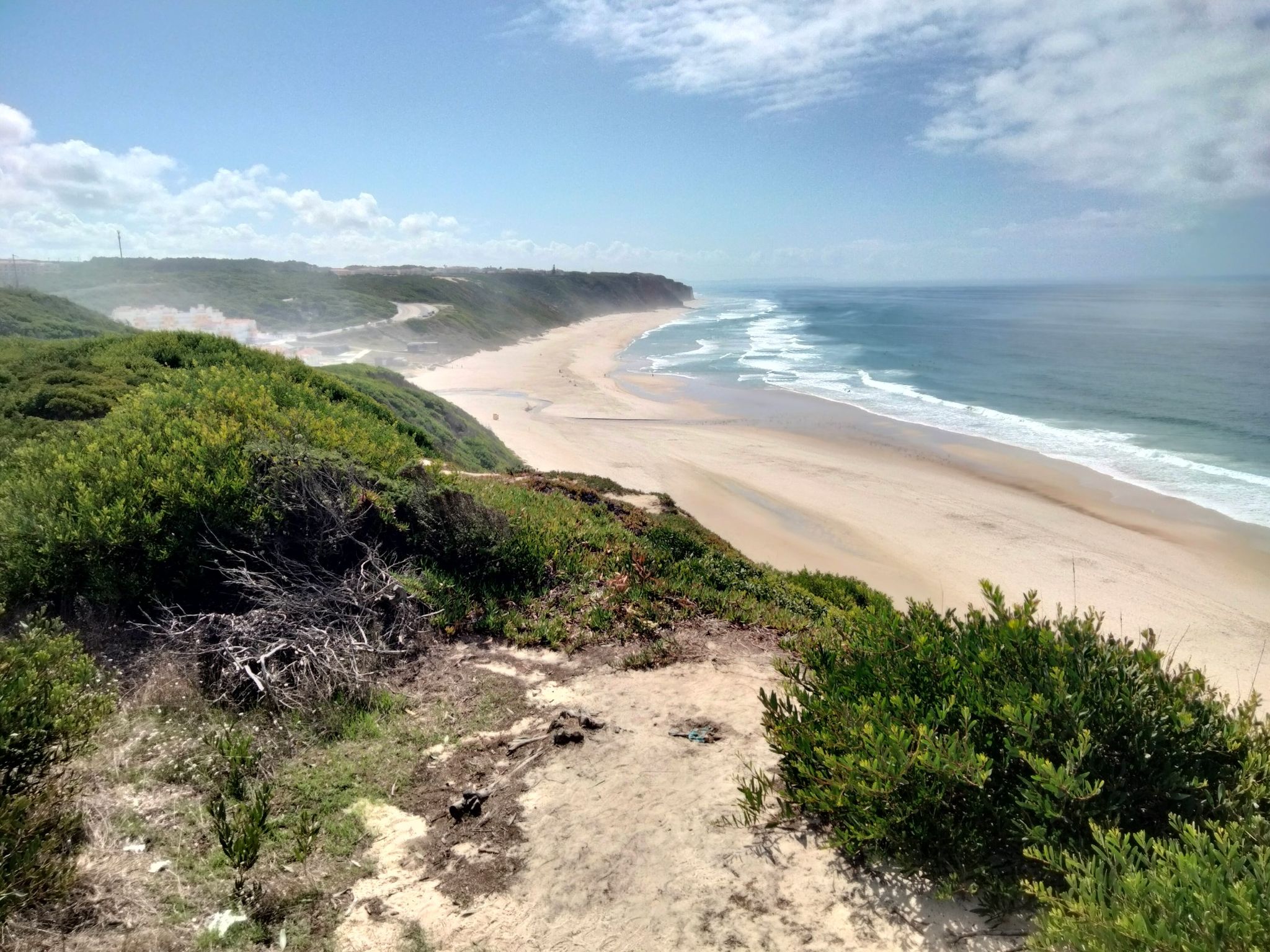
Portugal's Atlantic coast (north) – from Caminha to Lisbon
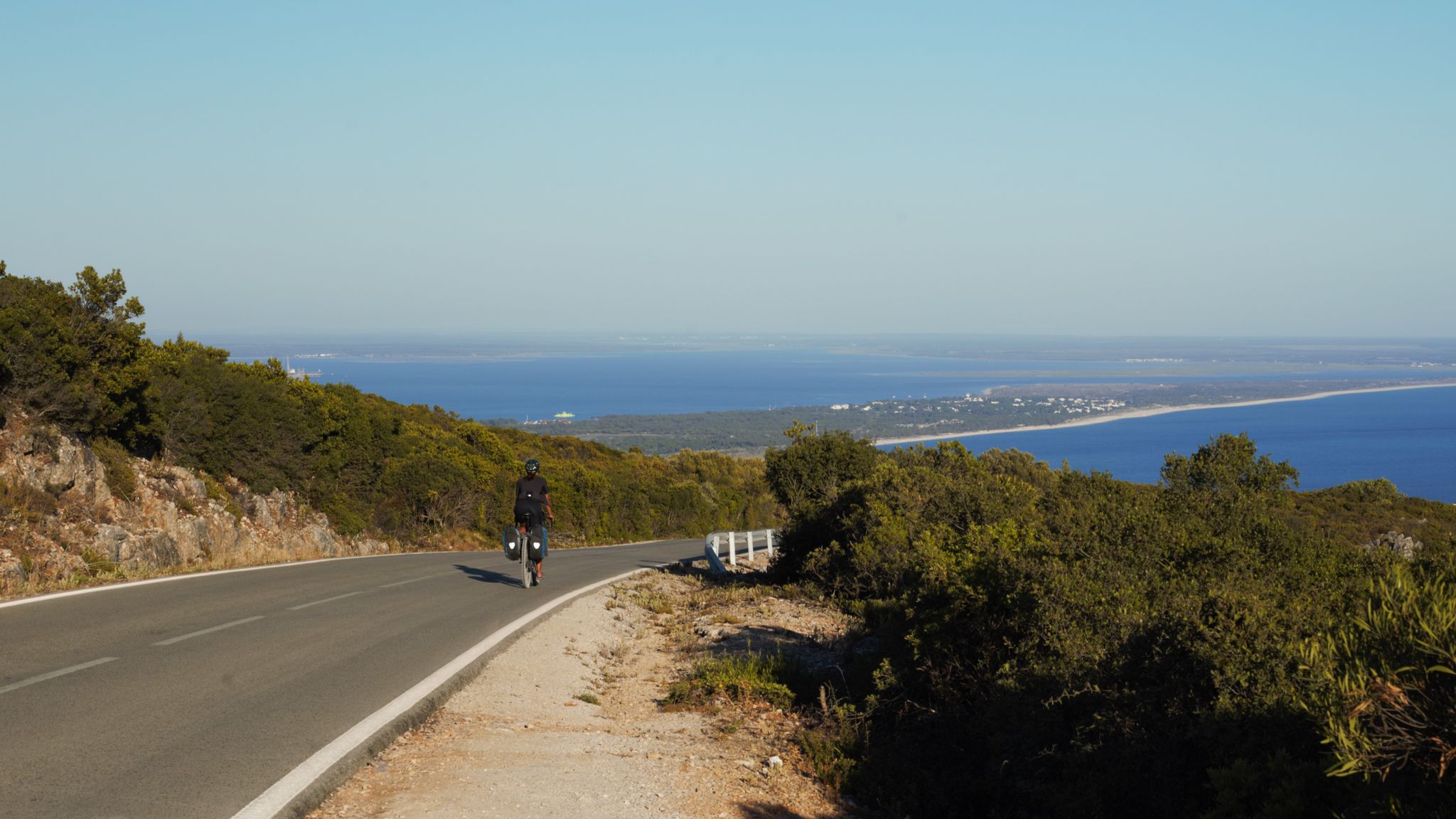
The breaking waves – cycle along the Atlantic coast of Portugal
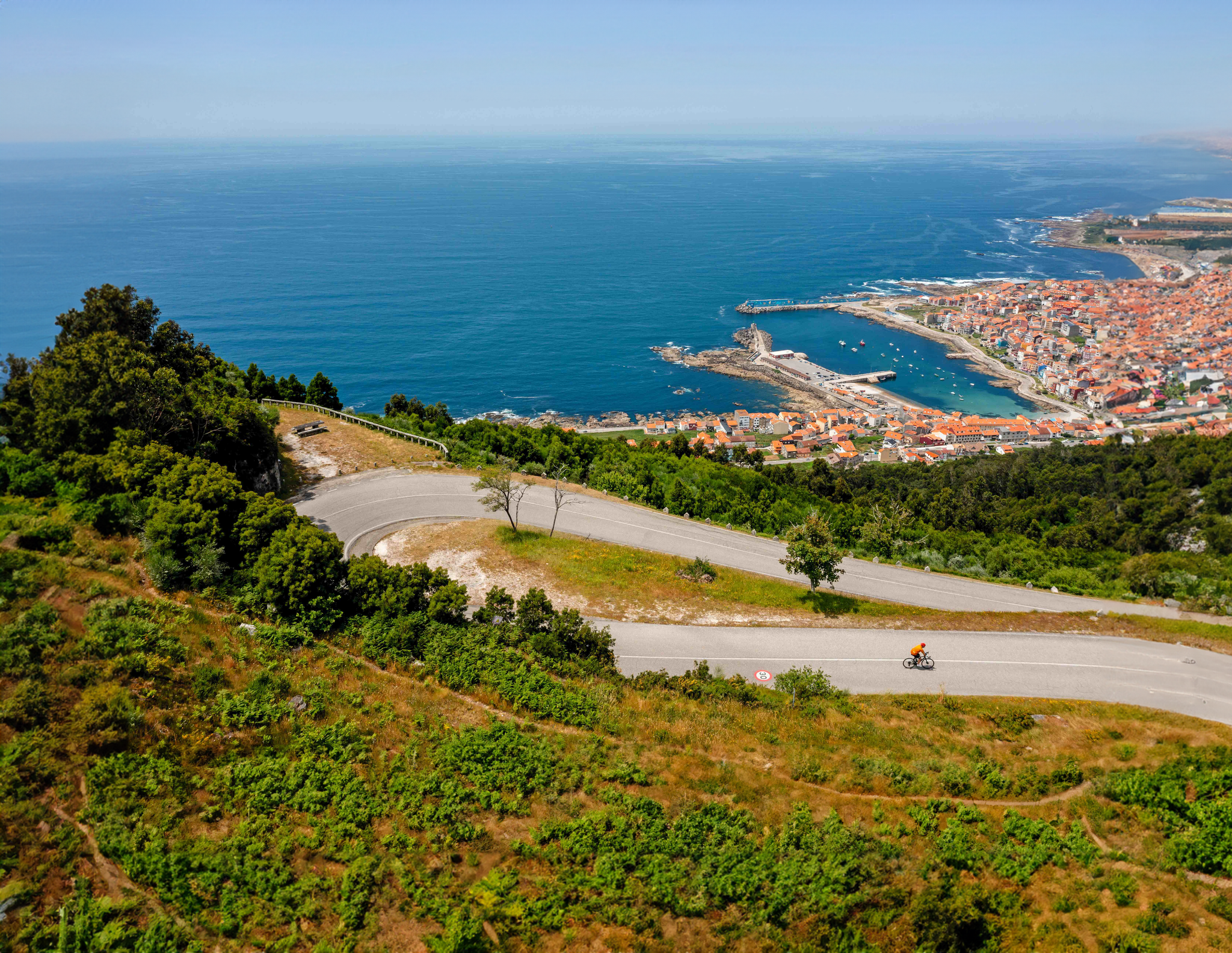
With TOUR in Northern Portugal
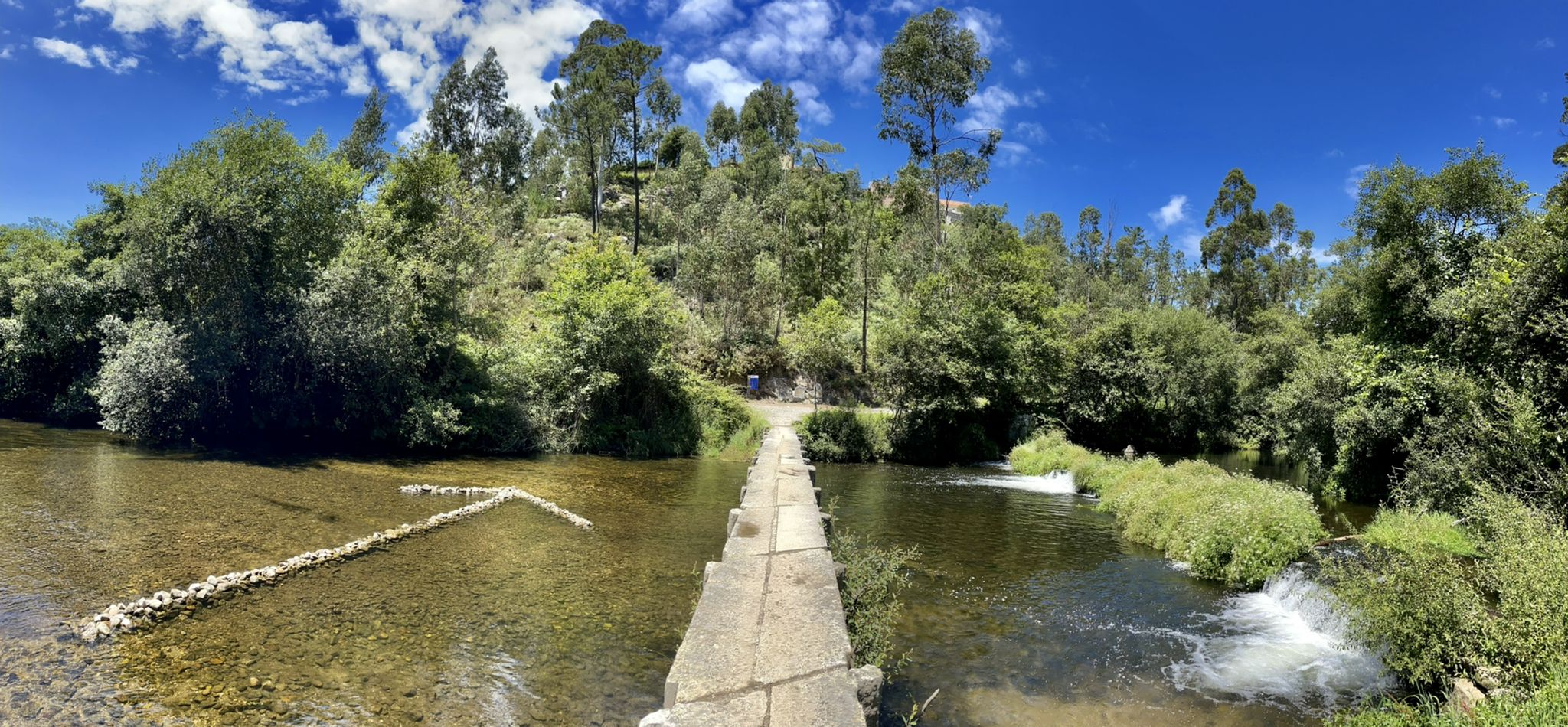
The challenge that knows no frontiers — Portuguese Coast Path
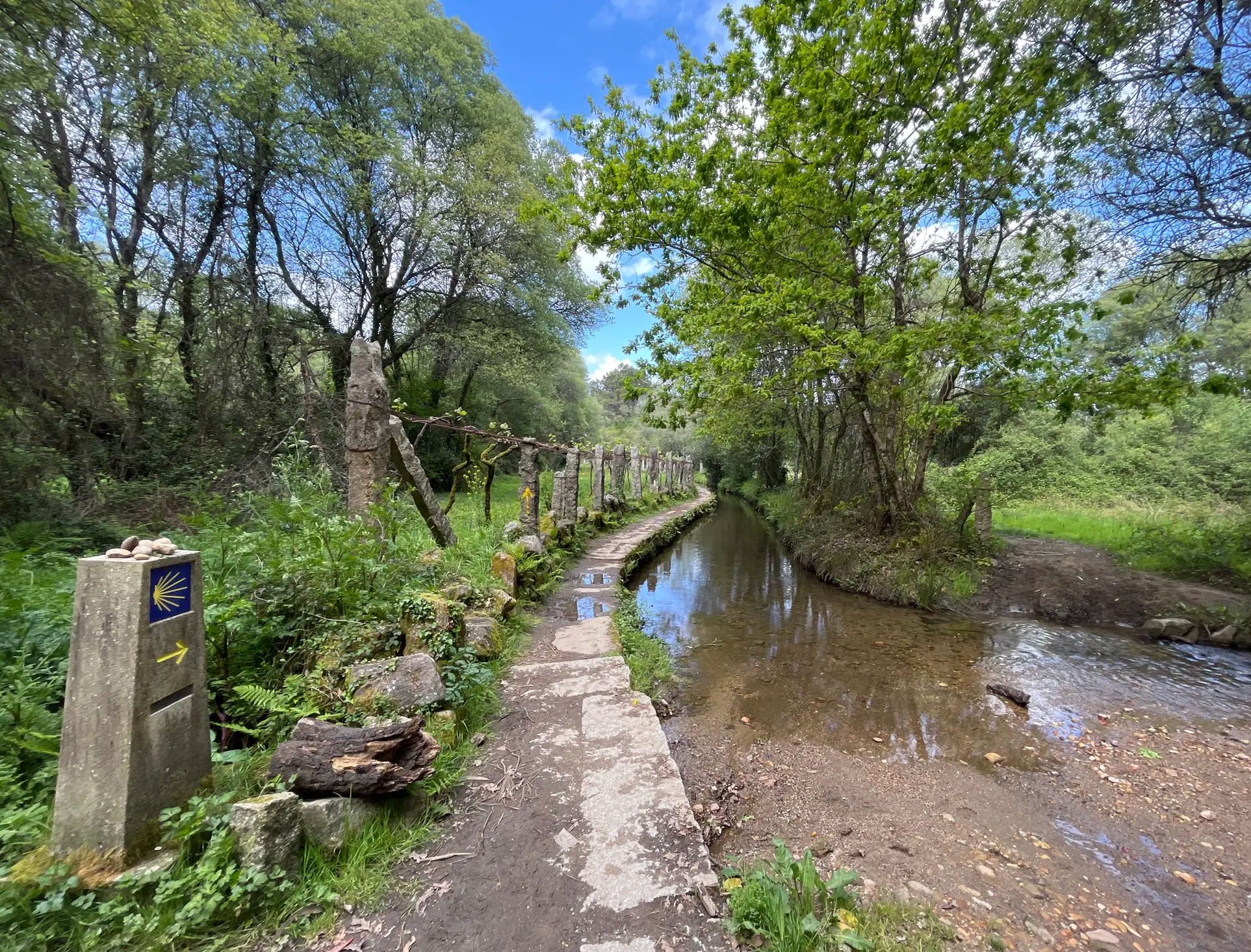
Na Rota dos Peregrinos – o Caminho Central Português
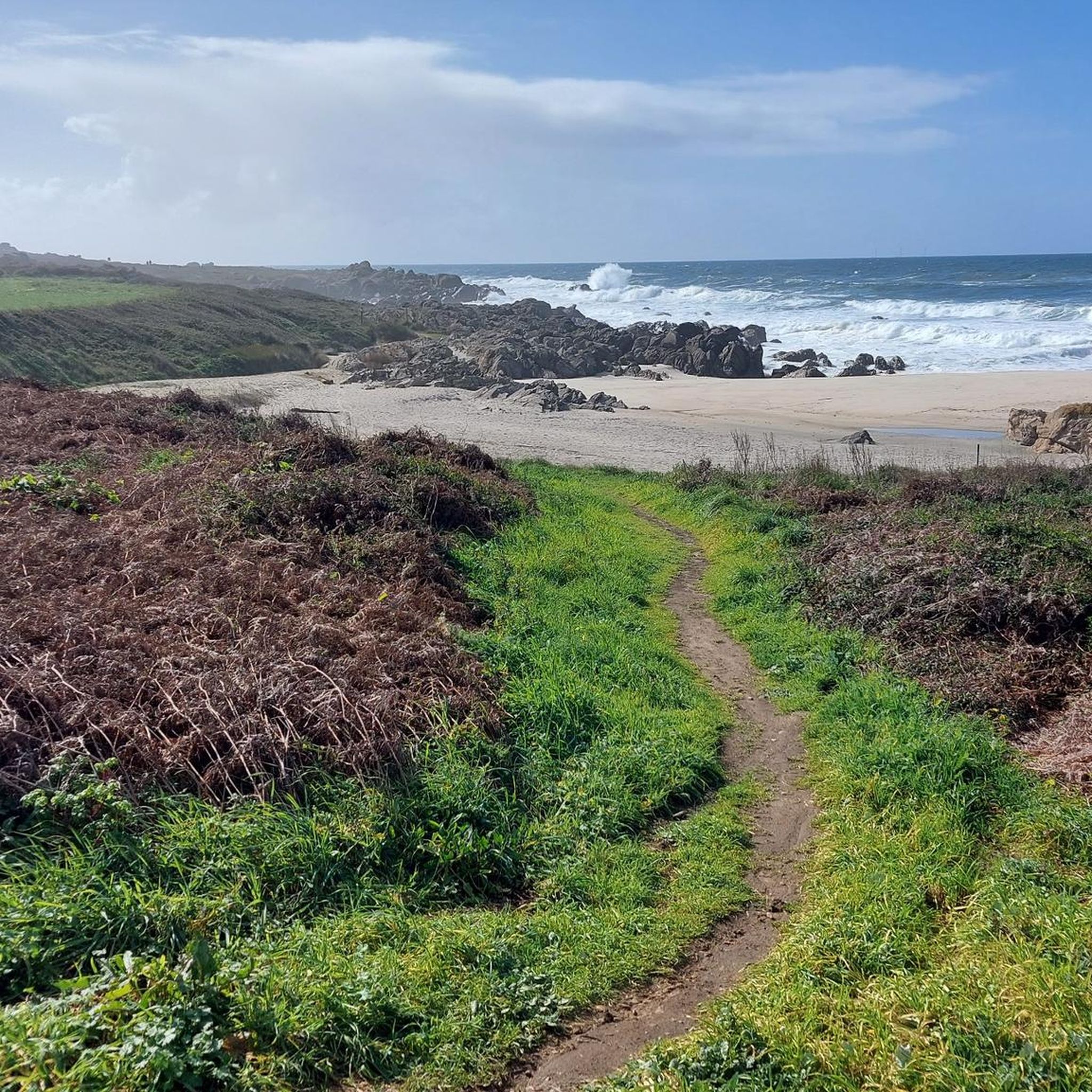
Cycling in Viana do Castelo
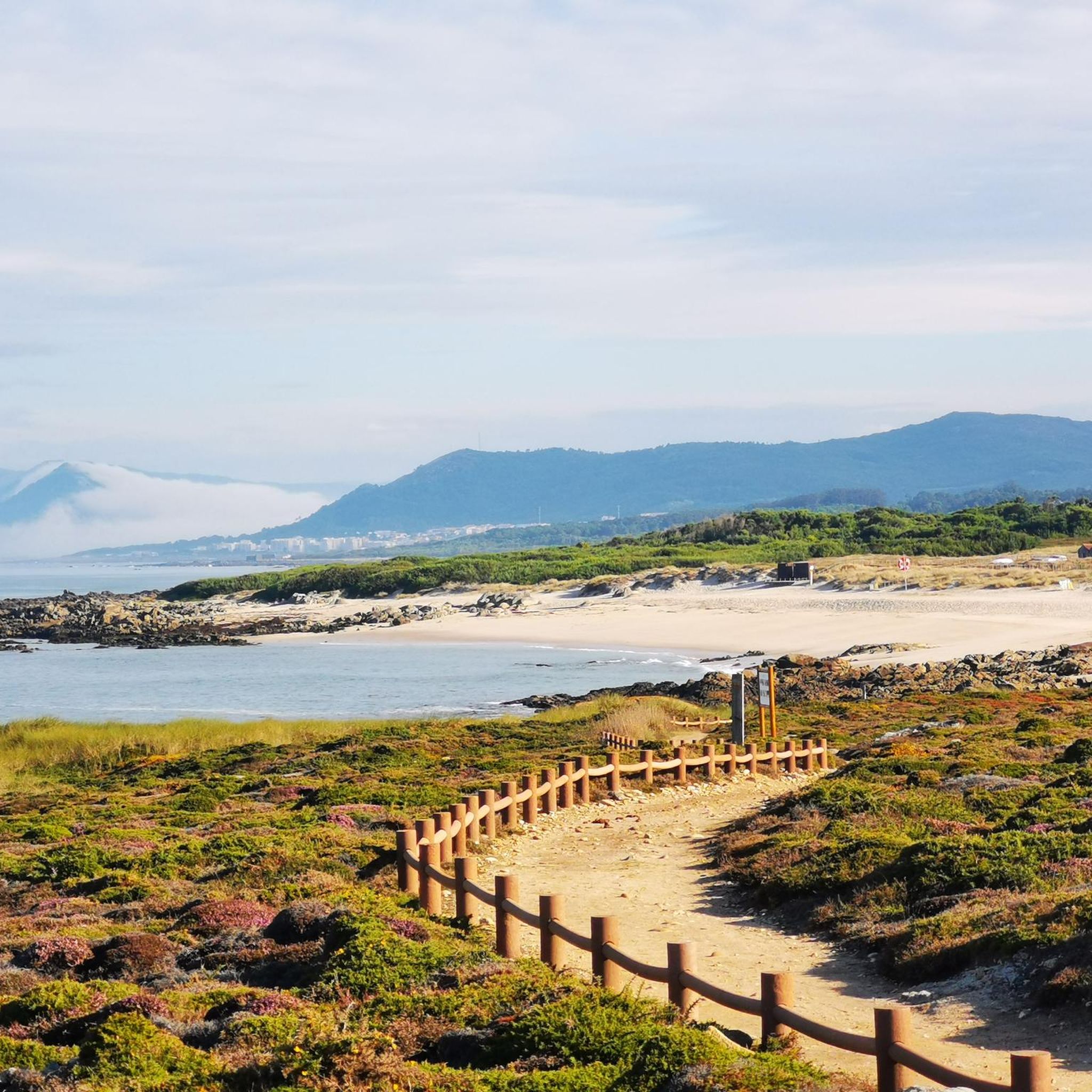
Hiking in Viana do Castelo
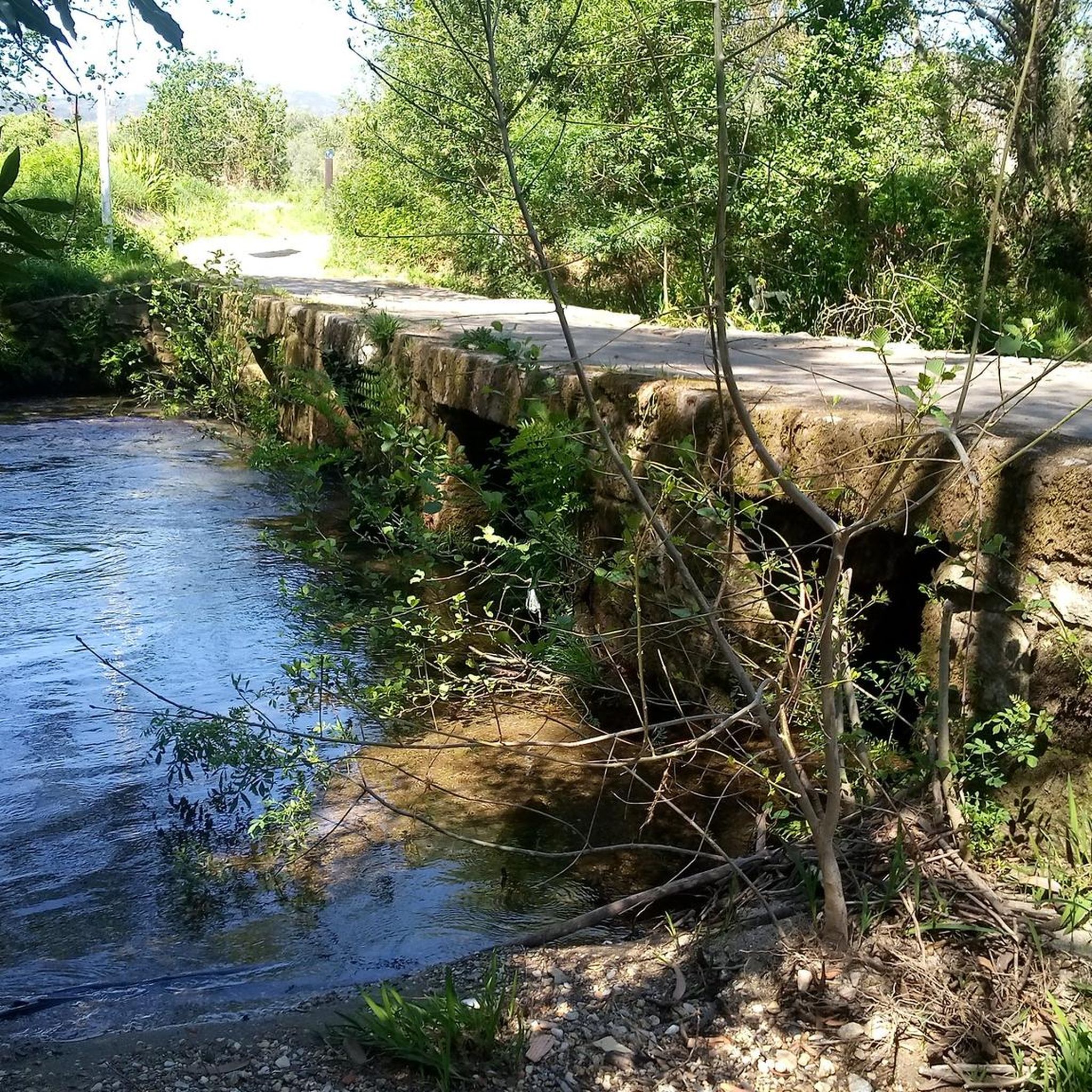
MTB Trails in Viana do Castelo
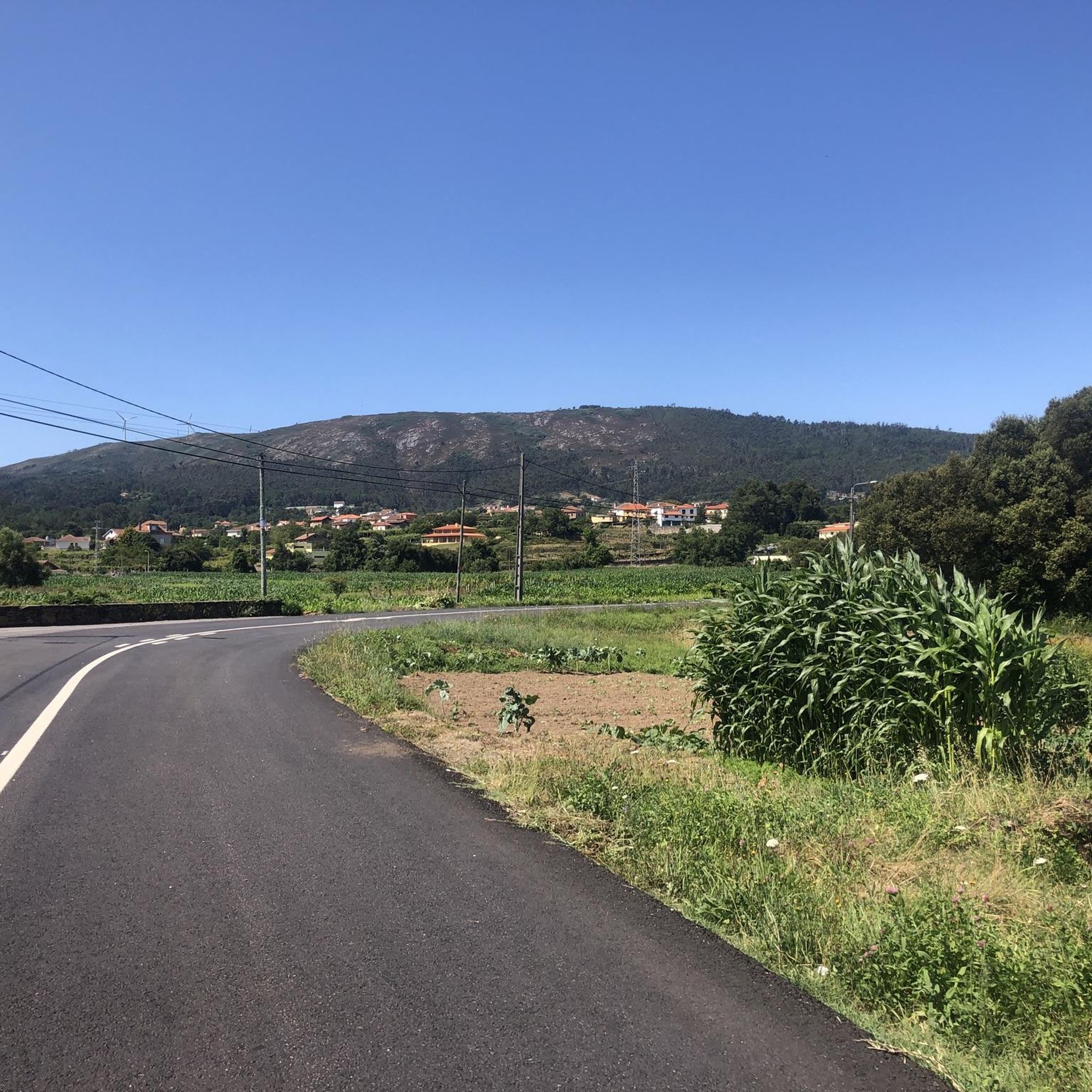
Road Cycling Routes in Viana do Castelo
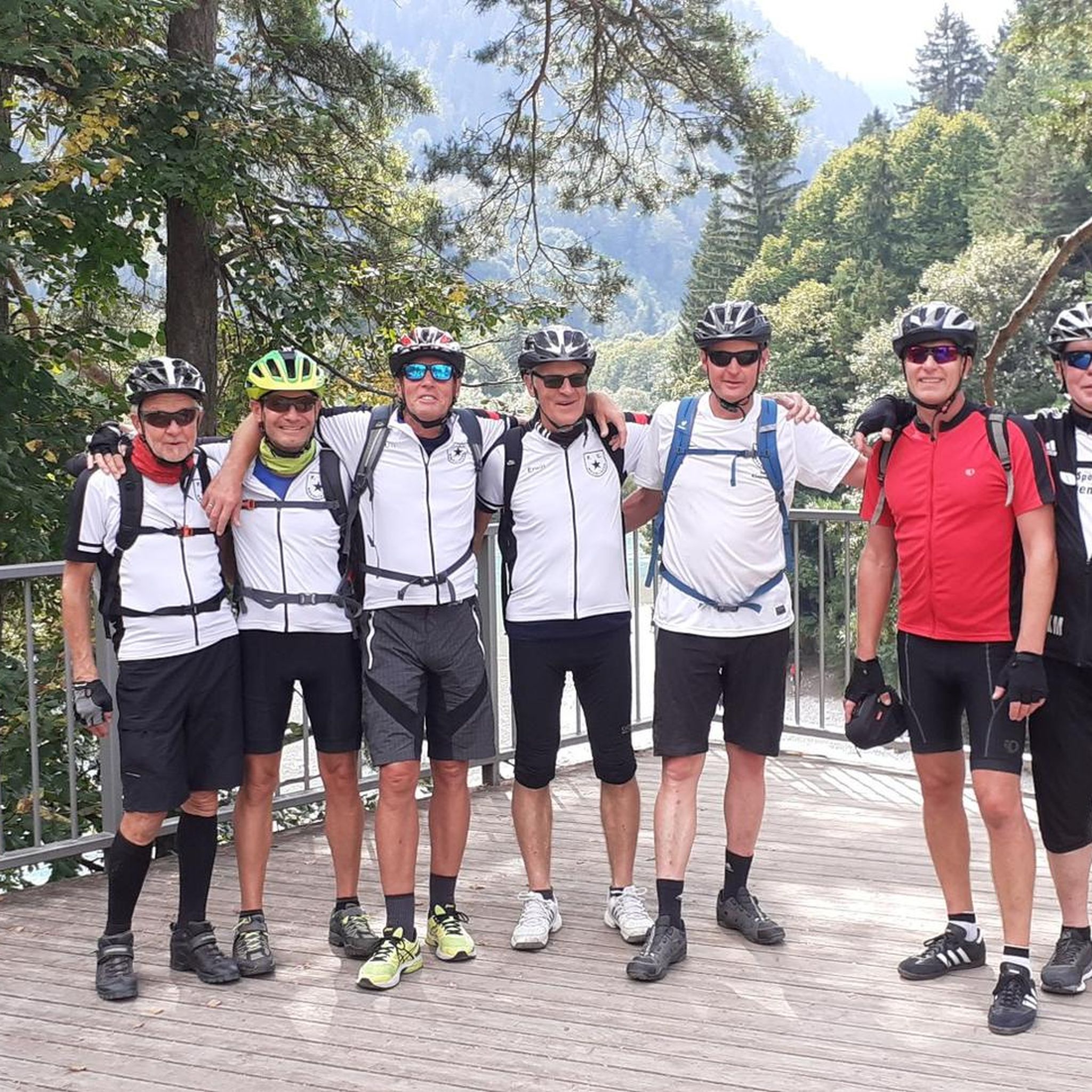
Gravel biking in Viana do Castelo
Other adventures in Viana do Castelo


Tips from the Community

Lagoa da Meadinha is a small lagoon located in Peneda-Gerês National Park, in the Meadinha area, very close to the famous granite wall that attracts climbers. It is a natural lagoon with calm waters, formed by the accumulation of water in granite depressions. The landscape is spectacular: large granite boulders, meadows, and views of the Gerês mountain range. It is ideal for photography, wildlife observation, and relaxing on hiking trails.
1
0
El PR-7 AVV – Caminhos do Pão e da Fé es un recorrido circular sesignizado que parte partir desde Soajo y se adentra en el Parque Nacional Peneda-Gerês (Portugal), combina paisajes agrícolas, patrimonio religioso e historia rural.
1
0

In Spain (Galicia) Muíños do Picón and do Folón: On the Spanish side, in O Rosal, the area offers hiking trails with views of Portugal and the river mouth from elevated points. A Guarda: The Spanish city on the other side of the river also offers direct views of the Portuguese beach and the dynamic river mouth.
1
0
In Portugal (Caminha and Vila Nova de Cerveira) Foz do Minho Beach: Located in the town of Caminha, this river beach offers a fantastic and direct view of the river mouth, with Spain (A Guarda) on the other side of the river. It is a popular spot for walking and watching the sunset. Deer Viewpoint and Swing: Situated in Vila Nova de Cerveira (just before reaching the actual river mouth, but overlooking the valley), it is often described as having "the best view of the Minho," crossing the entire river valley from Valença to the mouth. It offers a stunning panoramic view and easy access. Foz do Minho Restaurant: This restaurant in Vilarelho, Caminha, is known for having an excellent view of the river mouth from its windows, combining gastronomy with scenery.
1
0
The view of the mouth of the Minho River, where the river flows into the Atlantic Ocean and forms the natural border between Portugal and Spain, is one of the most beautiful landscapes in Northern Portugal. There are several viewpoints from which this stunning view can be appreciated. The landscape is marked by the meeting of the river's fresh water with the sea, creating a unique ecosystem and a visibly impressive border line.
1
0

Bico do Patelo, literally "Patelo’s Beak," is a striking granite rock formation in Peneda-Gerês National Park. Its bold shape rises above the surrounding hills, catching the eye from different points along the PR3 Castrejo trail. As you approach, the unusual form makes it a natural landmark and one of the memorable sights of the hike.
0
0

Fantastic place to spend the day swimming, you'll love it
0
0

The entire complex is well worth seeing. It features numerous old mills lined up next to each other. The valley was once covered with mills from top to bottom. Even today, it's still an exciting complex, even though most of it has fallen into disrepair, the structure is still clearly recognizable.
0
0
Frequently Asked Questions
What are some of the most popular natural monuments in Viana do Castelo?
Visitors frequently enjoy the stunning Pincho Waterfall, known for its beautiful cascades and inviting atmosphere. Another highly appreciated spot is the View over the mouth of the Minho River, offering a spectacular vista where the river meets the Atlantic, forming a natural border with Spain. The PR7 Soajo Mills Trail is also popular for its blend of agricultural landscapes, religious heritage, and rural history within the Peneda-Gerês National Park.
Are there family-friendly natural monuments in Viana do Castelo?
Yes, several natural monuments are suitable for families. The Pincho Waterfall is a great option, offering a beautiful spot for a break. The View over the mouth of the Minho River provides an engaging landscape for all ages, and the Waterfall and Cascades of the Rio Couro also offer a pleasant experience for families.
What kind of hiking trails can I find near Viana do Castelo's natural monuments?
Viana do Castelo offers a variety of hiking experiences. You can explore trails like the Pincho Waterfall – S. Lourenço da Montaria loop, which is a moderate 9.8 km route. For more challenging options, consider the GR 1 Peneda and Soajo Mountains Crossing, a difficult 79 km trail. The region's natural parks, such as Serra D'Arga and Litoral Norte Natural Park, also feature numerous trails for different skill levels.
Are there specific trails to explore the Geoparque Litoral de Viana do Castelo's natural monuments?
The Geoparque Litoral de Viana do Castelo encompasses 13 classified geossites, including the dramatic Alcantilado de Montedor and the unique Pedras Ruivas. While specific named trails for each geosite aren't detailed in the guide, these areas are generally accessible for exploration. The geopark aims to highlight these sites for their geological and cultural significance, encouraging visitors to discover their unique formations and historical elements.
What natural features and viewpoints can I expect to see in Viana do Castelo?
You'll encounter diverse natural features, from the dramatic geological formations of the Geoparque Litoral, including granite outcrops like Bico do Patelo, to the pristine beaches and dunes of Litoral Norte Natural Park and Cabedelo Park. Notable viewpoints include the View over the mouth of the Minho River and the panoramic vistas from Monte de Santa Luzia, overlooking the city, river, and coastline.
Are there any historical or cultural sites integrated with the natural monuments?
Yes, Viana do Castelo's natural monuments often intertwine with history and culture. The Alcantilado de Montedor geosite, for instance, contains ancient salt pans and pre-Roman carvings. The Old Bridge of Castro Laboreiro is a historical bridge set within a natural landscape. Additionally, the Rock Engravings on Fornelos Beach offer a glimpse into ancient human interaction with the coastal environment.
What is the best time of year to visit the natural monuments in Viana do Castelo?
The region generally enjoys a mild climate. Spring (April to June) and early autumn (September to October) are often ideal, offering pleasant temperatures for hiking and exploring without the peak summer crowds. During these periods, the landscapes are lush, and the weather is typically comfortable for outdoor activities.
How can I access the natural monuments in Viana do Castelo by public transport?
While some natural monuments, especially those closer to urban centers like Monte de Santa Luzia, might be accessible by local buses or short taxi rides, many of the more remote sites, particularly within natural parks like Serra D'Arga or the Geoparque Litoral, may require a car for convenient access. Public transport options to specific trailheads or remote natural monuments can be limited, so planning ahead is recommended.
Is parking available at the natural monuments in Viana do Castelo?
For many popular natural monuments and trailheads, especially within designated natural parks or near significant attractions, you can typically find parking areas. However, for more remote or lesser-known sites, parking might be less formal or require parking along roadsides. It's advisable to check specific locations if you plan to drive.
Are there amenities like cafes or accommodation near the natural monuments?
Amenities vary greatly depending on the specific location. Areas like Monte de Santa Luzia, being close to Viana do Castelo city, offer cafes and restaurants. Near Litoral Norte Natural Park and Cabedelo Park, you'll find coastal towns with various services. For more remote areas like Serra D'Arga, options might be limited to traditional villages, so it's best to plan accordingly and carry essentials if venturing into isolated spots.
Can I expect to see wildlife when visiting the natural monuments?
Yes, Viana do Castelo's diverse natural environments are home to various wildlife. In Serra D'Arga, you might spot wild horses roaming freely. The Litoral Norte Natural Park is an important haven for birdwatchers, especially in its dunes and saltwater marshes. Coastal areas also offer opportunities to observe marine birds and unique ecosystems where rivers meet the sea, such as at the mouth of the Minho River.
Are there any lesser-known natural monuments worth discovering?
Beyond the well-known spots, the region holds many hidden gems. The Turfeiras das Chãs de Arga (Peatlands of Chãs de Arga) are unique for their ecosystems and hydrological importance, offering a different kind of natural beauty. The various granite formations like Pavimentos Graníticos da Gatenha, Canto Marinho, and Ínsuas do Lima along the coast also provide fascinating geological insights away from the main tourist routes.
Most popular routes in Viana do Castelo
Most popular attractions in Viana do Castelo

Get inspired with the komoot mobile app


Didn’t find what you were looking for?
Find even more amazing natural monuments in Viana do Castelo by checking out the top Highlights region by region:
Explore more
Extend your search for the best caves by checking out these guides of the top ones in Viana do Castelo:
