Top 20 Natural Monuments in Biscay
Best natural monuments in Biscay showcase a diverse landscape, from dramatic coastlines to expansive natural parks. These sites are recognized for their unique geological formations and rich biodiversity. The region offers a variety of outdoor experiences, including mountains, beaches, and protected reserves. Many locations also hold cultural significance within the Spanish Basque Country.
Best natural monuments in Biscay
- The most popular natural monument is Saint John of Gaztelugatxe, a historical site and natural monument renowned for its exceptional panorama…
Last updated: October 13, 2026
Saint John of Gaztelugatxe
Highlight (Segment) • Historical Site
Translated by Google •
Tip by

La Arena Beach
Highlight • Beach
Translated by Google •
Tip by
Sign up now to discover places like this
Get recommendations on the best single tracks, peaks, & plenty of other exciting outdoor places.
San Juan de Gaztelugatxe
Highlight • Religious Site
Showing Translation
Tip by

Artzubi Bridge
Highlight • Bridge
The itinerary of the Camino de Santiago from the north or from the coast runs over it.
Translated by Google •
Tip by

Old Tree of Gernika (Gernikako Arbola)
Highlight • Natural Monument
Translated by Google •
Tip by

Anboto (1,331 m)
Highlight • Summit
Translated by Google •
Tip by
Oma Forest
Highlight • Forest
Translated by Google •
Tip by

Butrón Castle
Highlight • Castle
Translated by Google •
Tip by

Matxitxako Lighthouse
Highlight • Monument
Tip by

Views over the Urdaibai marsh
Highlight • Viewpoint
Translated by Google •
Tip by

Sign up for free to discover even more natural monuments in Biscay.
Already have an account?
Start today with a free account
Your next adventure awaits.
Popular around Biscay
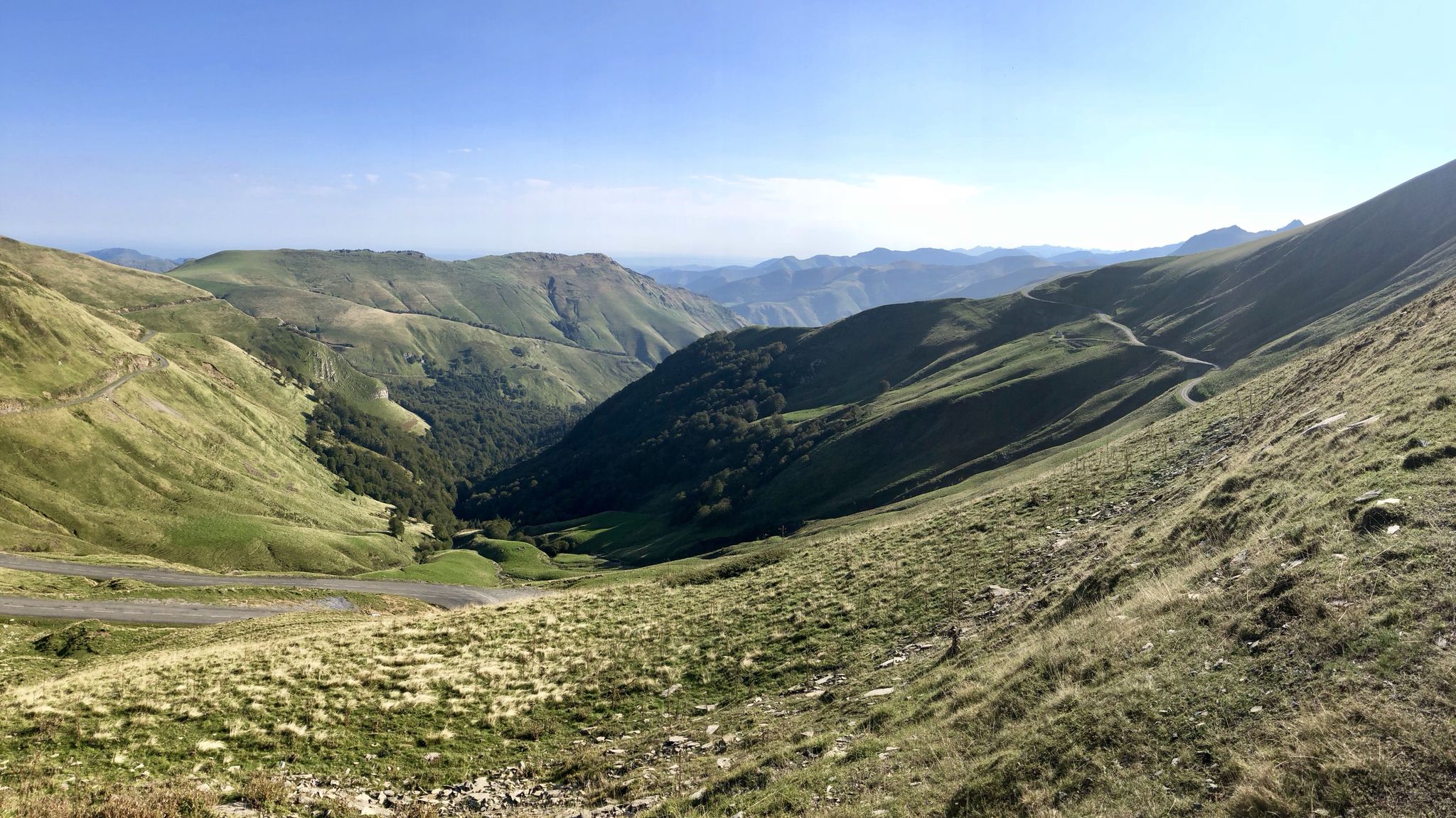
Euskal Herria footpath (GR 12) – The infinite mountain range
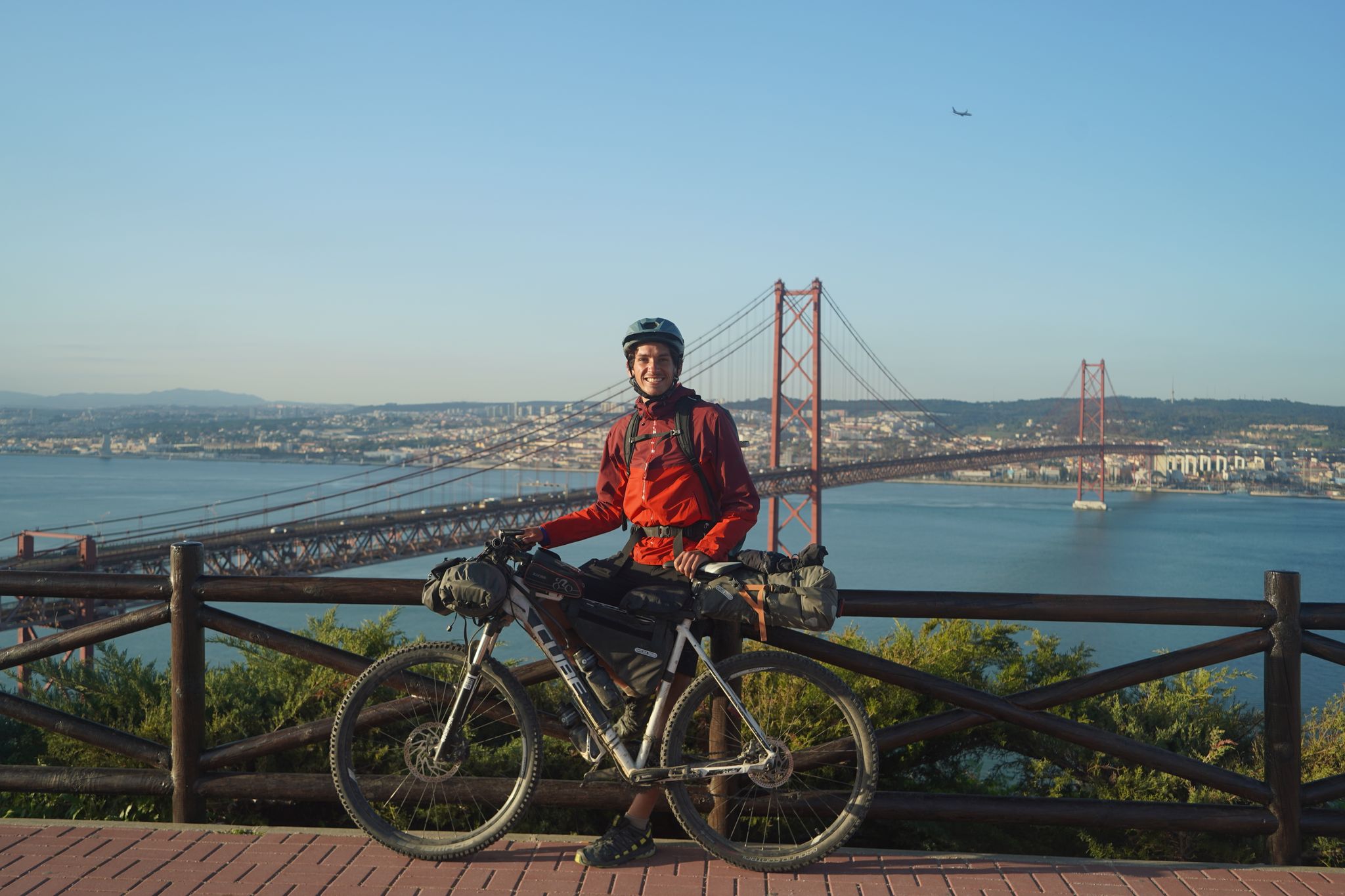
Road to Lisbon – bikepacking the Alps, Pyrenees and Picos de Europa
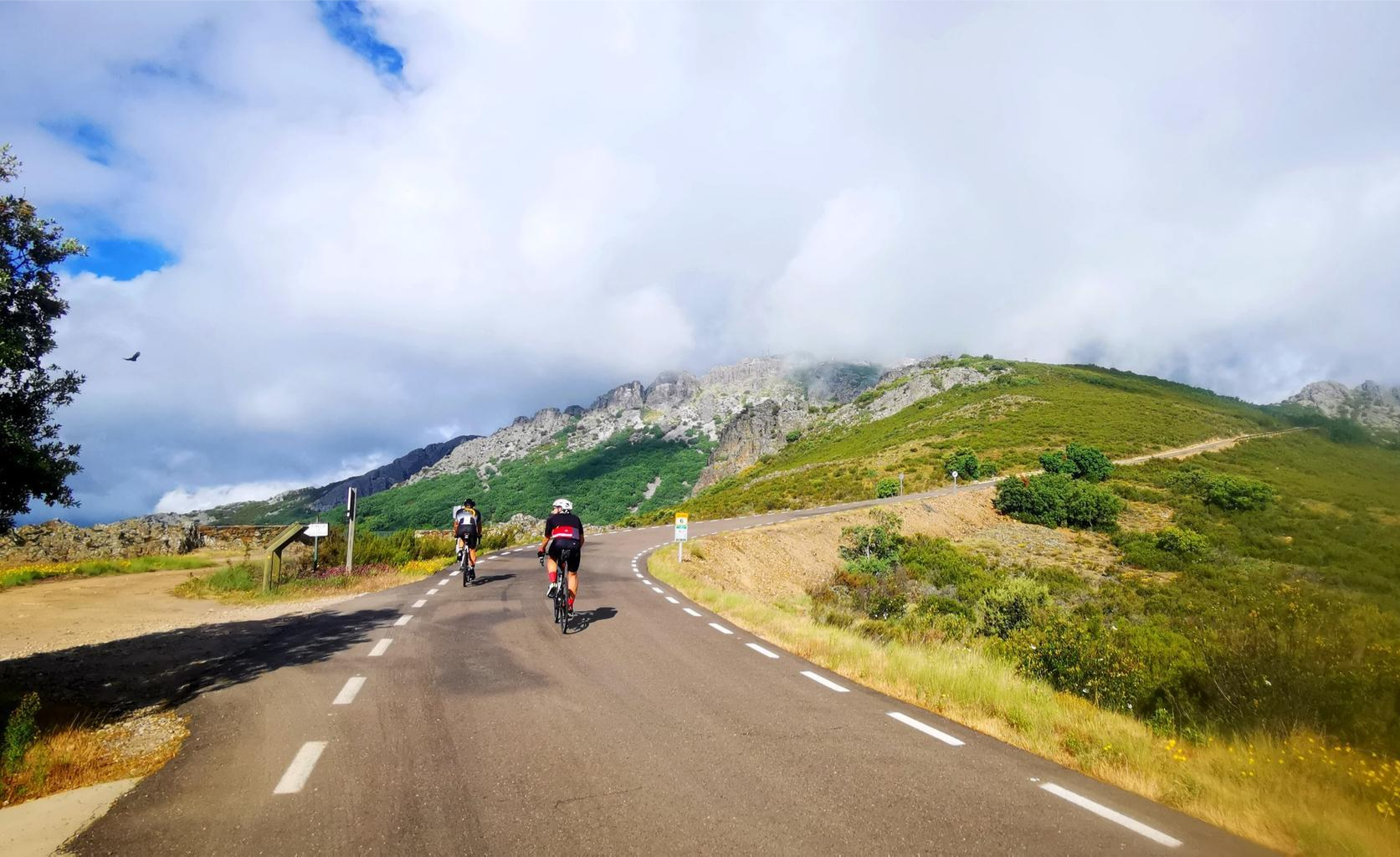
Legendary climbs - Ports of La Vuelta a España
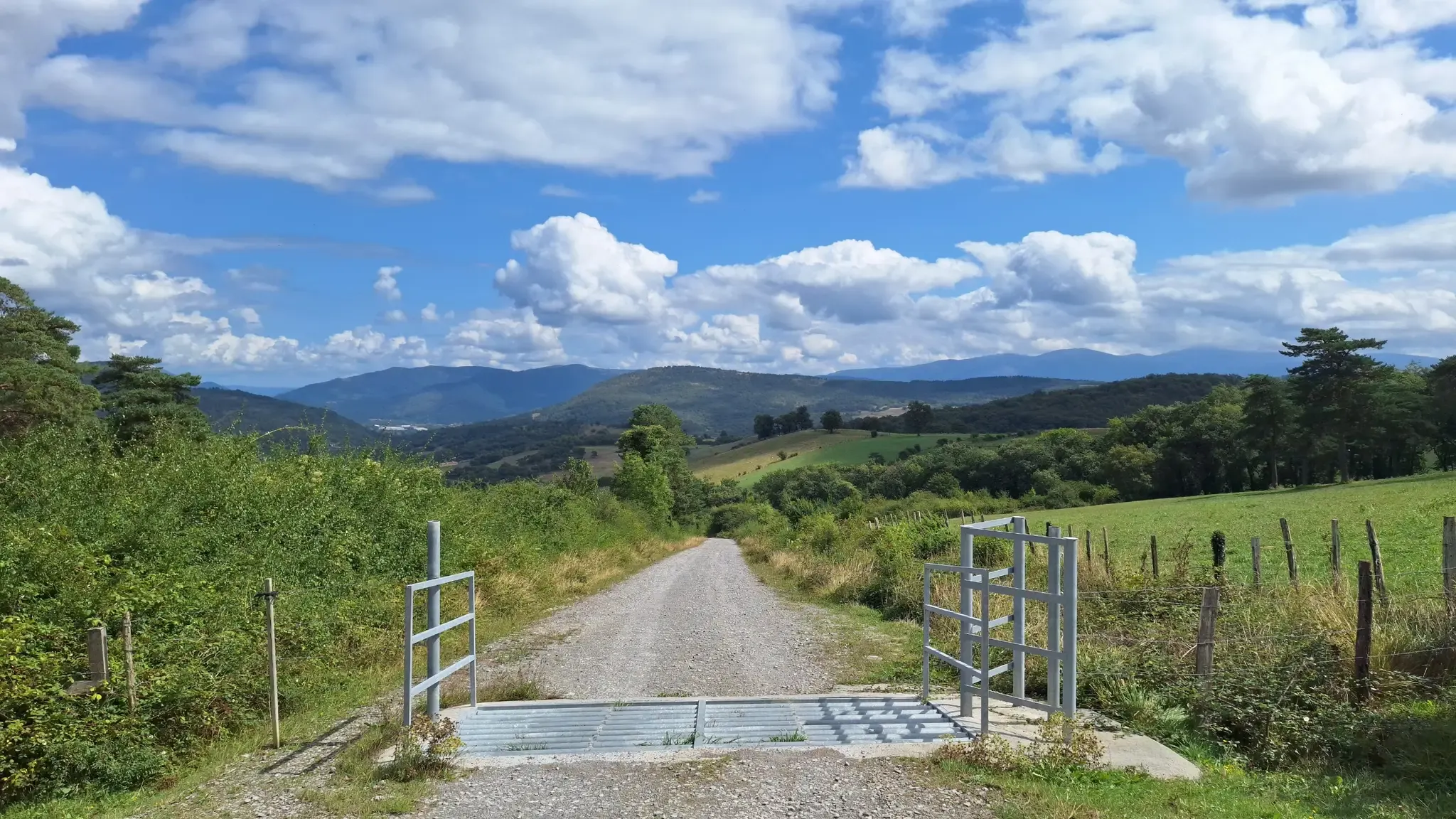
Royal Road of La Sopeña - GR 284
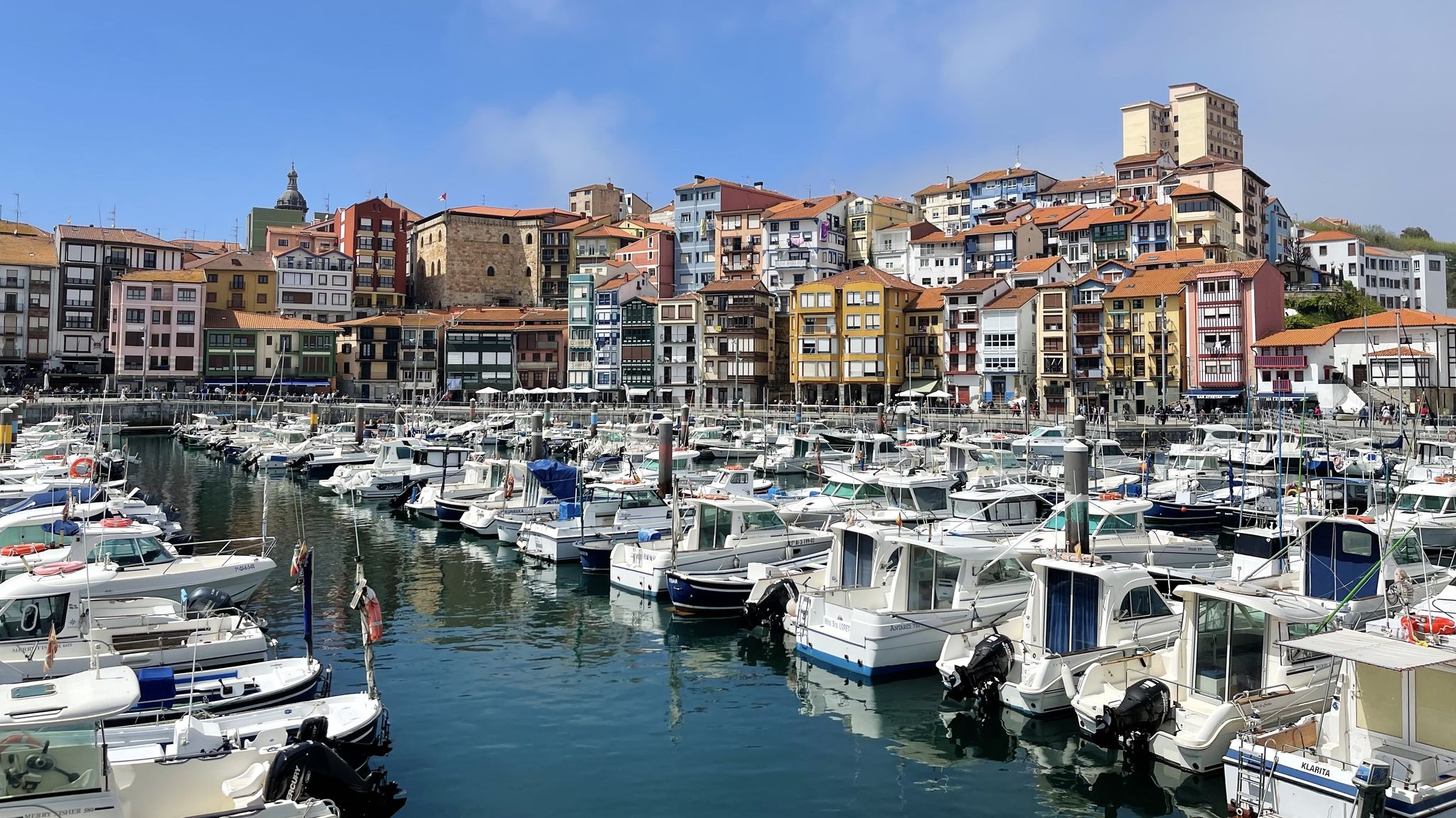
Nature and Culture — The Tour of Urdaibai (GR 98)
Zazpiak Bat Packing – a cycling adventure in the Basque Country
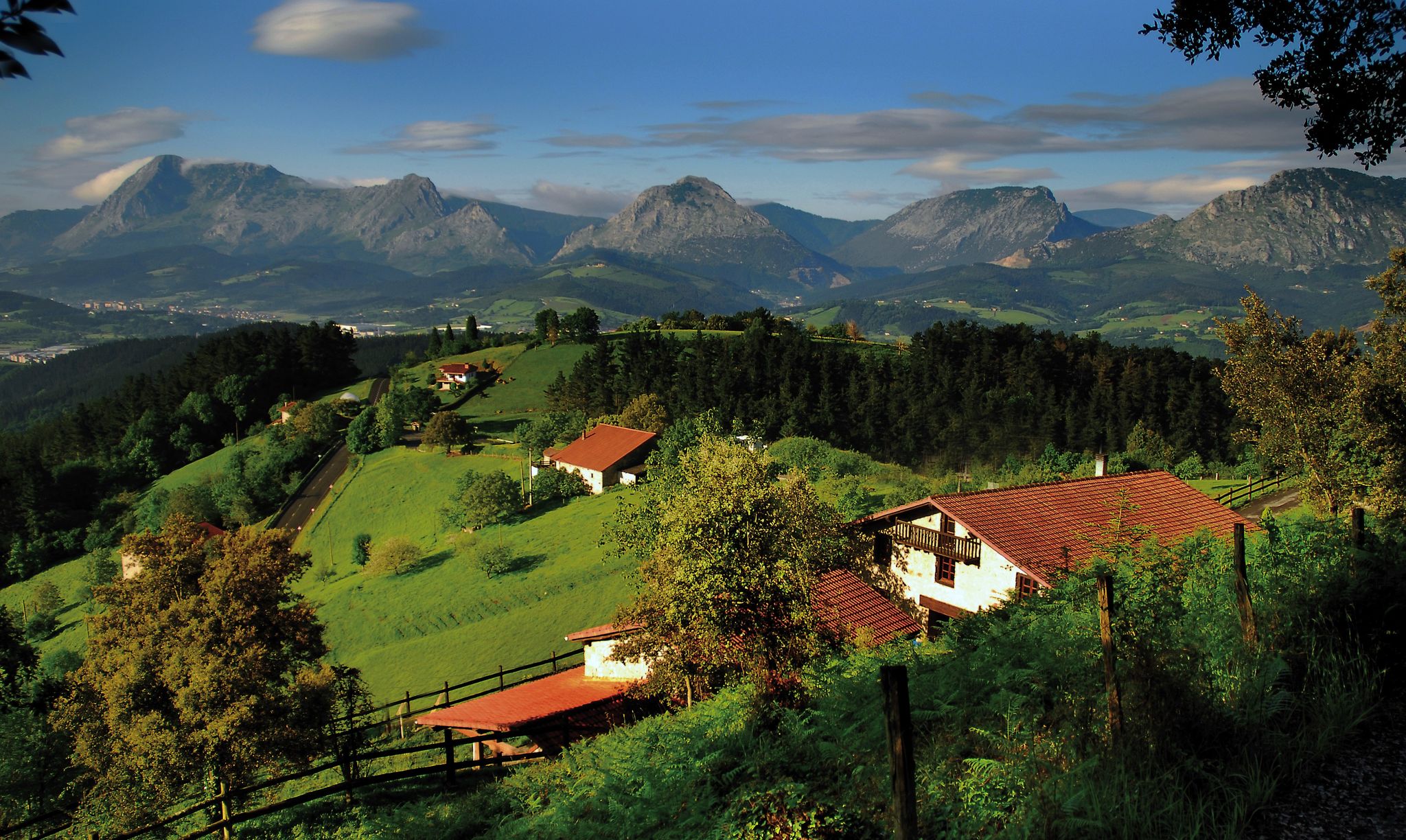
Across the Basque Mountains - Vuelta al Duranguesado (GR 229)
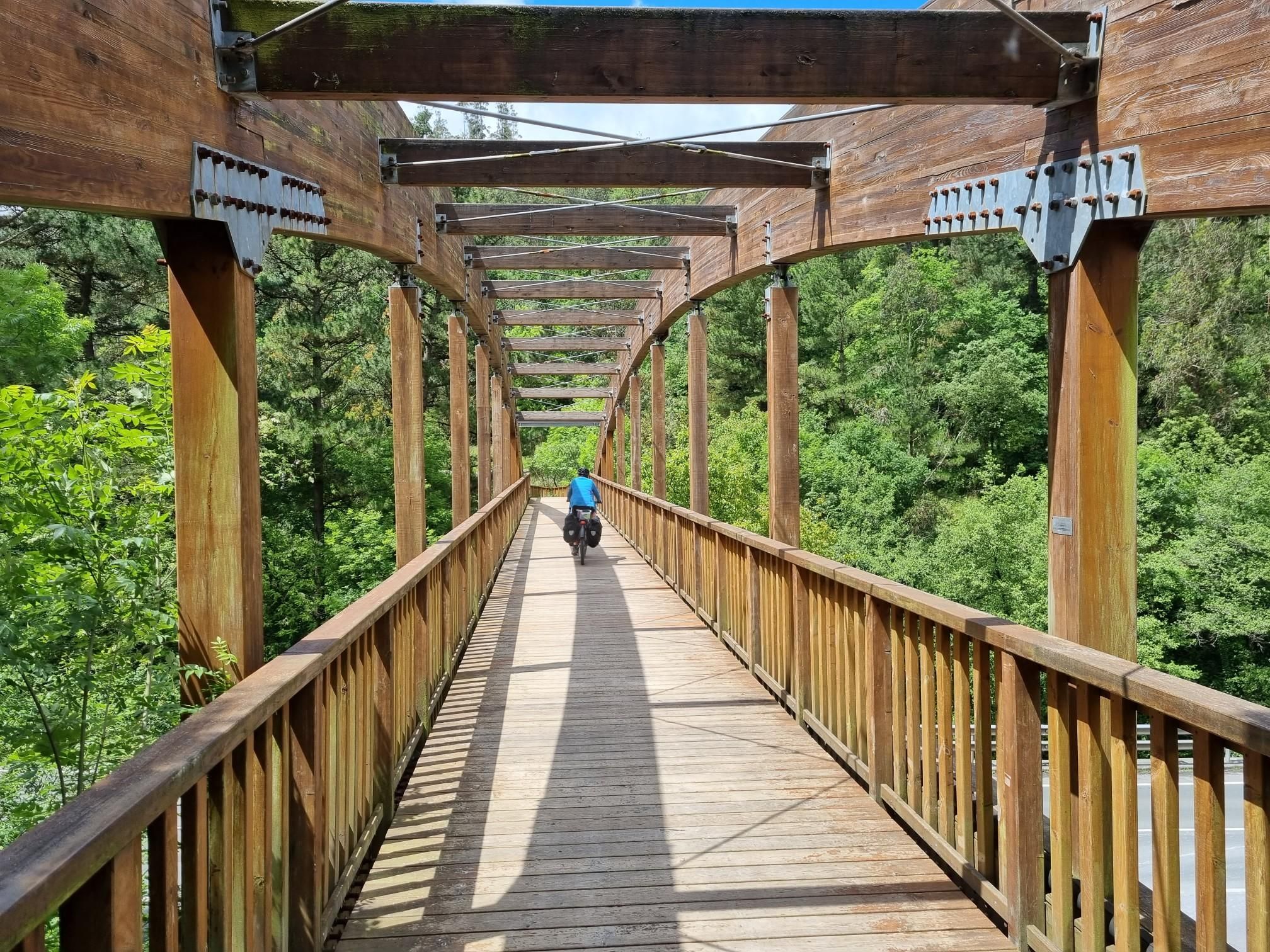
A Basque Country bike Tour – Montes de Hierro Greenway
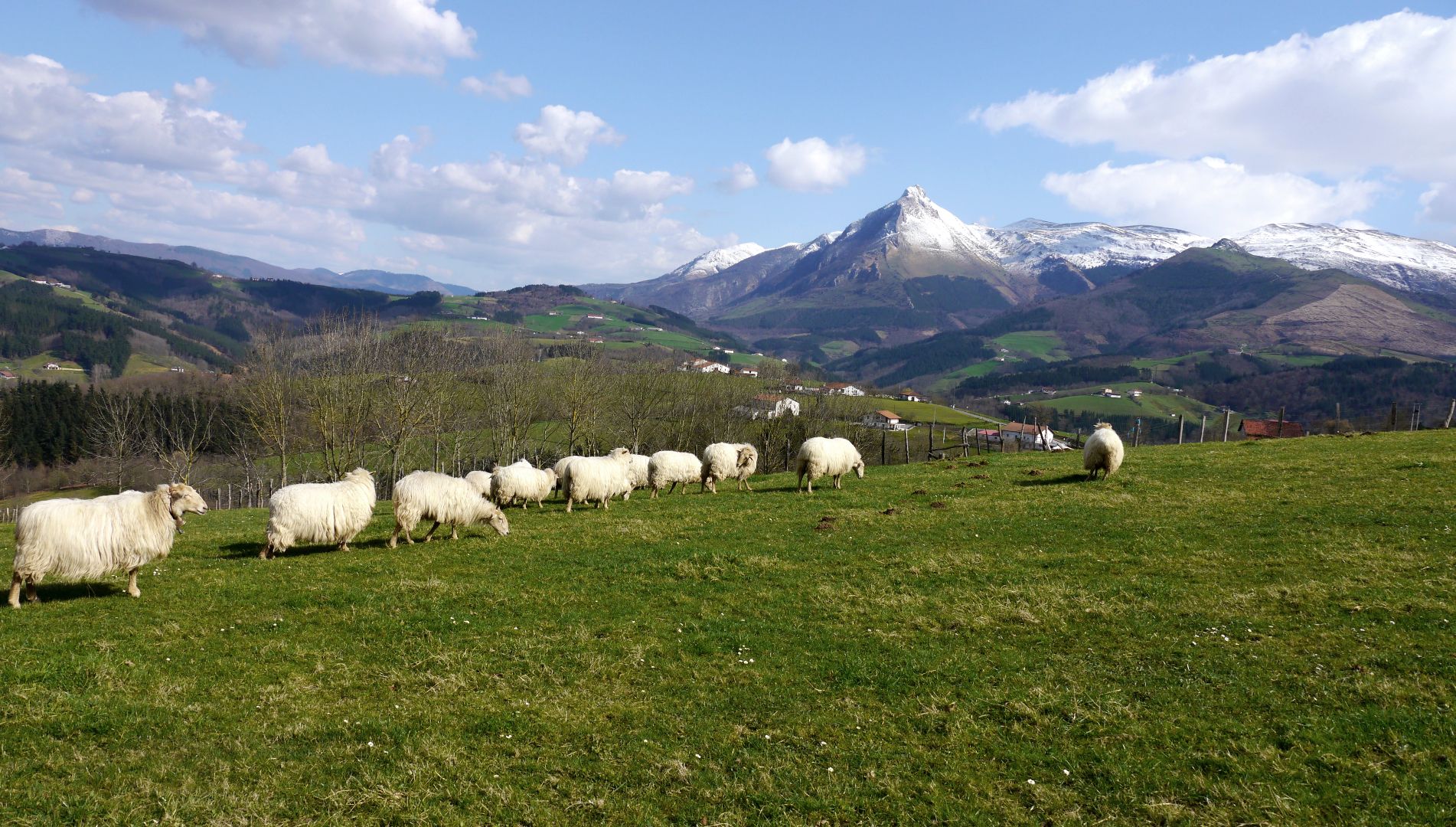
Mountains with tradition in Spain’s Basque Country – Shepherd's Path (GR 282)
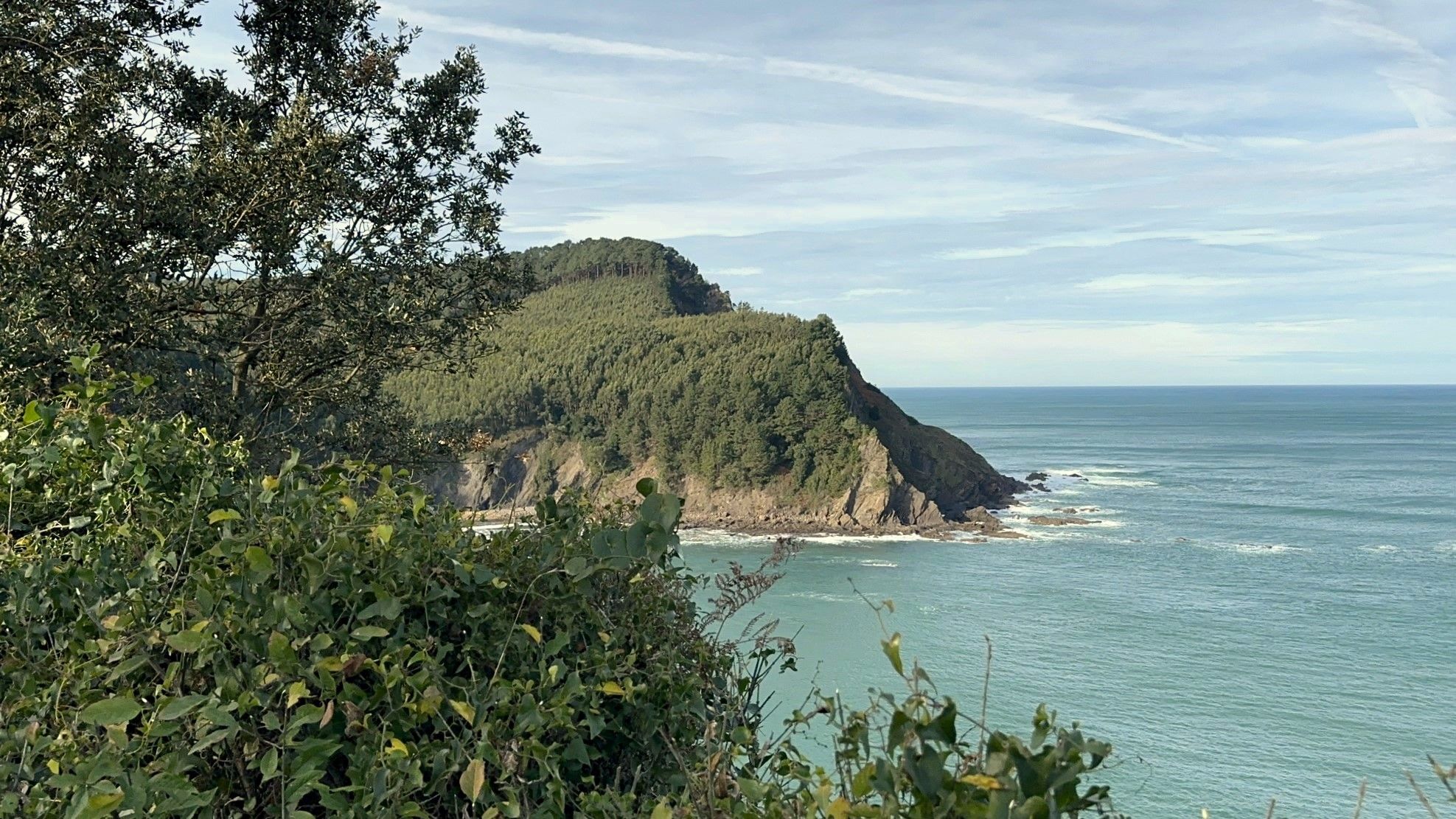
A paradise of contrasts – Uribe-Kosta Trail (GR 280)
Other adventures in Biscay


Tips from the Community

Popularized by Game of Thrones, the long stone bridge connecting the island to the mainland follows a narrow path with no less than 241 steps to the hermitage/castle San Juan located on the island's summit.
12
0
Popularized by Game of Thrones, the long stone bridge connecting the island to the mainland follows a narrow path with no less than 241 steps to the hermitage/castle of San Juan located on the island's summit.
12
0

A visit to the renovated Oma forest is highly recommended. There are 32 marked points on the ground, which even indicate the direction to look to see the visual combinations between the trees.
1
0

The short hike up to the chapel is very worthwhile. It is quite strenuous, but the views of the coast make up for it. A great place that you should definitely see.
3
0
The castle is gigantic and beautiful to look at, unfortunately it has been surrounded by a construction fence for ages. Unfortunately, you can't see much. Whether the detour is worth it, everyone has to decide for themselves.
0
0

Definitely a highlight, but unfortunately, the castle was covered in scaffolding when I visited. The castle dates back to the Middle Ages but was later almost completely rebuilt.
0
0

A beautiful vantage point. If the season is right, there's also the opportunity to watch whales. The path further to Gaztelugatxe, however, requires pushing because it's very overgrown. We didn't go far, but turned around and drove back along the road.
1
0
Frequently Asked Questions
What are some of the most popular natural monuments to visit in Biscay?
Biscay offers a variety of stunning natural monuments. Among the most popular is Saint John of Gaztelugatxe, an extraordinary islet with a hermitage reached by 241 steps, famous for its views and historical significance. Another beloved spot is La Arena Beach, known for its expansive sandbank and popularity for surfing. For mountain enthusiasts, Anboto (1,331 m) is a prominent summit with cultural importance in Basque mythology.
Are there natural monuments in Biscay that are suitable for families?
Yes, several natural monuments in Biscay are family-friendly. The Oma Forest, located within the Urdaibai Biosphere Reserve, is a unique and enchanting experience with trees painted by artist Agustín Ibarrola, creating a magical atmosphere for all ages. Views over the Urdaibai marsh also offer accessible and beautiful scenery for families.
What kind of geological features can I expect to see in Biscay's natural monuments?
Biscay's natural monuments showcase diverse geological formations. You can explore dramatic coastal features at places like Saint John of Gaztelugatxe, or the expansive sandbanks of La Arena Beach. Inland, areas like Urkiola Natural Park and Gorbeia Natural Park are characterized by steep limestone mountains and significant karst formations, including numerous caves and chasms. Armañón Natural Park is particularly renowned for its impressive karst landscapes and the Pozalagua Cave, which boasts an exceptional number of eccentric stalactites.
What outdoor activities can I do near the natural monuments in Biscay?
Many natural monuments in Biscay are excellent starting points for outdoor activities. You can find numerous hiking opportunities, such as the 'San Juan de Gaztelugatxe and its viewpoints' trail or the 'Anboto Loop Trail'. For cycling enthusiasts, routes like 'Altos de Urkiola y Muniketa — circular by the Urkiola Natural Park' offer challenging rides. You can explore more options for hiking and road cycling in Biscay.
Are there any natural monuments with historical or cultural significance in Biscay?
Absolutely. Saint John of Gaztelugatxe is not only a natural wonder but also a historical site with a hermitage dating back centuries and a local tradition of ringing its bell. The Old Tree of Gernika (Gernikako Arbola) is a powerful symbol of Basque liberties. Additionally, Anboto (1,331 m) holds significance in traditional Basque culture as the main dwelling of the goddess Mari.
What is the best time of year to visit the natural monuments in Biscay?
The best time to visit Biscay's natural monuments generally depends on the activity. Spring and autumn offer pleasant temperatures for hiking and exploring natural parks like Urkiola and Gorbeia, with lush landscapes and fewer crowds. Summer is ideal for coastal areas and beaches like La Arena Beach, though popular sites can be busy. Winter can be beautiful for mountain scenery, but some higher trails may be challenging due to snow or wet conditions.
Are there any natural monuments in Biscay that are UNESCO sites?
Yes, the Urdaibai Biosphere Reserve, which encompasses sites like the Oma Forest and offers views over the Urdaibai marsh, was designated a UNESCO Heritage site in 1984. It is recognized for its unique marshes, high biodiversity, and its crucial role for migratory birds.
Can I find easy walking trails near natural monuments in Biscay?
Yes, there are several easy walking trails available. For instance, the 'Saldropo Wetland Loop' in Gorbeia Natural Park offers a gentle walk through an ecologically significant wetland. You can also find easy routes like the 'Bilbao City Highlights Trail' which, while urban, connects to natural elements. More easy hikes can be found in the Easy hikes in Biscay guide.
Where can I experience unique natural phenomena or landscapes in Biscay?
For unique landscapes, visit the Oma Forest with its painted trees. In Gorbeia Natural Park, the Itxina Protected Biotope features labyrinthine caves and chasms, and the 'Ojo de Atxular' offers exceptional panoramic views through a hole in the rocks. Armañón Natural Park is home to the Pozalagua Cave, famous for its eccentric stalactites.
Are there opportunities for birdwatching near Biscay's natural monuments?
Yes, the Urdaibai Biosphere Reserve is an excellent location for birdwatching. As a UNESCO site, it's a crucial route for migratory birds and features a Bird Observation Center, making it ideal for observing numerous species that pass through its unique marshes and river valleys.
What should I know about visiting San Juan de Gaztelugatxe?
To visit Saint John of Gaztelugatxe, it's highly recommended to get free tickets online in advance, especially due to its popularity after being featured in 'Game of Thrones'. The ascent to the hermitage involves 241 steps, which can be arduous but offers unforgettable views of the wild Cantabrian coast. The hermitage itself is often locked, but the experience and views are well worth the effort.
Are there any natural parks in Biscay with religious or mythical significance?
Urkiola Natural Park is deeply steeped in local legends and myths, particularly those associated with Mari, the queen of all genies in Basque mythology, who is said to reside in its caves. The park also hosts the Shrine of San Antonio Abad and San Antonio de Padua, making it a site of religious pilgrimage. Gorbeia Natural Park, centered around Mount Gorbeia, features a prominent cross at its summit, a symbol for Christians.
Most popular routes in Biscay
Most popular attractions in Biscay

Get inspired with the komoot mobile app


Didn’t find what you were looking for?
Find even more amazing natural monuments in Biscay by checking out the top Highlights region by region:
Explore more
Extend your search for the best caves by checking out these guides of the top ones in Biscay:
