Top 12 Natural Monuments around Edinburgh
Best natural monuments around Edinburgh include ancient volcanic formations and prominent hills that define the city's skyline. These natural features are often integrated with historical sites, contributing to Edinburgh's UNESCO World Heritage status. The landscape offers diverse terrain, from dramatic crags to gentle slopes, providing various outdoor experiences within the city. These areas offer panoramic views of the city, the Firth of Forth, and the surrounding region.
Best natural monuments around Edinburgh
- The most popular natural monuments is Arthur's Seat, a summit that dominates Holyrood Park and rewards with commanding views across the Edinburgh region. This ancient volcano rises dramatically above the capital city and is a popular objective for hiking routes.
- Another must-see spot is View of Edinburgh from Salisbury Crags, a natural monument offering views of Edinburgh and the surrounding area. These crags are an exposure of a carboniferous sill, and the walk around their base provides amazing city views.
- Visitors also love View of Edinburgh from Calton Hill, a viewpoint offering a range of historically interesting buildings and monuments. This location provides superb views of the city, including Edinburgh Castle and Arthur's Seat.
- Edinburgh is known for its volcanic hills, prominent viewpoints, and historical natural features. The region offers a variety of natural monuments to see and explore, from ancient geological formations to urban green spaces.
- The natural monuments around Edinburgh are appreciated by the komoot community, with more than 1200 upvotes and over 800 photos shared by visitors.
Last updated: October 13, 2026
Arthur's Seat
Highlight • Summit
Tip by

Corstorphine Hill Tower
Highlight • Viewpoint
It's irregularly opened to the public in the summer months as from the top there are incredible views to be had over the city.
Read more at: corstorphinehill.org.uk/about-the-hill.html
Tip by

Sign up now to discover places like this
Get recommendations on the best single tracks, peaks, & plenty of other exciting outdoor places.
View from Allermuir Hill
Highlight • Viewpoint
Translated by Google •
Tip by

Nelson Monument, Calton Hill
Highlight • Monument
A time ball was installed in 1853 and is raised just before 1pm, and at precisely 1pm is dropped from the top of the mast.
Tip by

St Bernard's Well
Highlight • Monument
Translated by Google •
Tip by

View of Edinburgh from Calton Hill
Highlight • Viewpoint
Tip by

St Margaret's Well
Highlight • Historical Site
(scottish-places.info/features/featurefirst7839.html)
Tip by
Holyrood Park
Highlight • Natural
Tip by

Dunsapie Loch Toad Migration
Highlight • Natural Monument
The toad migration usually takes place between February and April, and it can be a dangerous journey for the toads. The roads in Holyrood Park are busy, and many toads are killed by vehicles. In recent years, park rangers have closed a road in the park to help protect the toads, and they also put metal covers over the drains to prevent the toads from falling in and drowning.
Tip by

The Elephant Sculpture, Princes Street Gardens
Highlight • Natural Monument
edinburghoutdoors.org.uk/monuments/monuments-princes-street-gardens
You can find the elephant in Princes Street Garden, on the main avenue.
Translated by Google •
Tip by

Sign up for free to discover even more natural monuments around Edinburgh.
Already have an account?
Start today with a free account
Your next adventure awaits.
Popular around Edinburgh
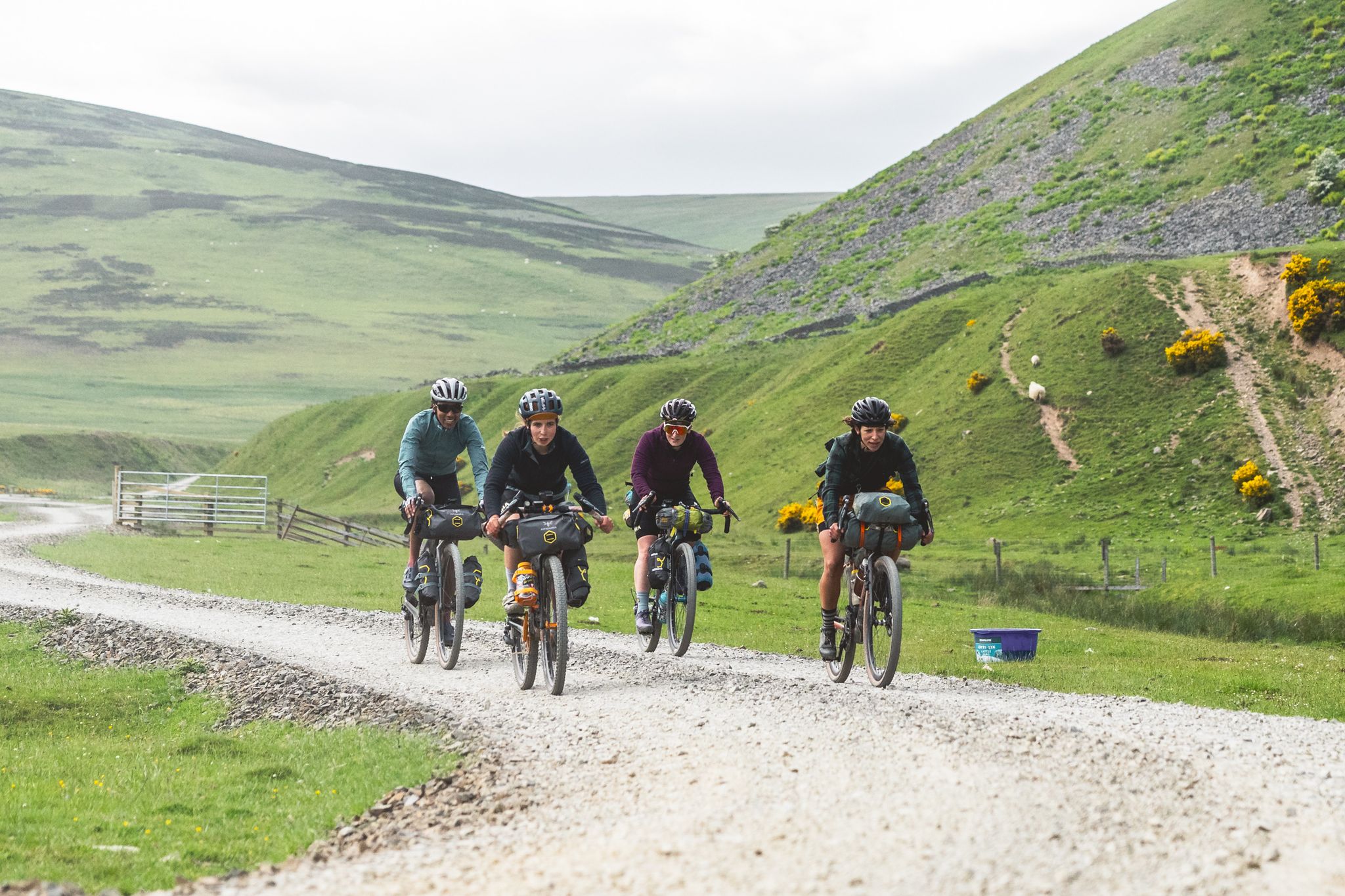
The Pennine Rally — Bikepacking Edinburgh to Manchester
The John Muir Way — A conservationist's Scottish coast to coast
The Central Belter — Gravel trails of the coast and Cairngorms
Cycling the John Muir Way — Across Scotland by canal and coastline
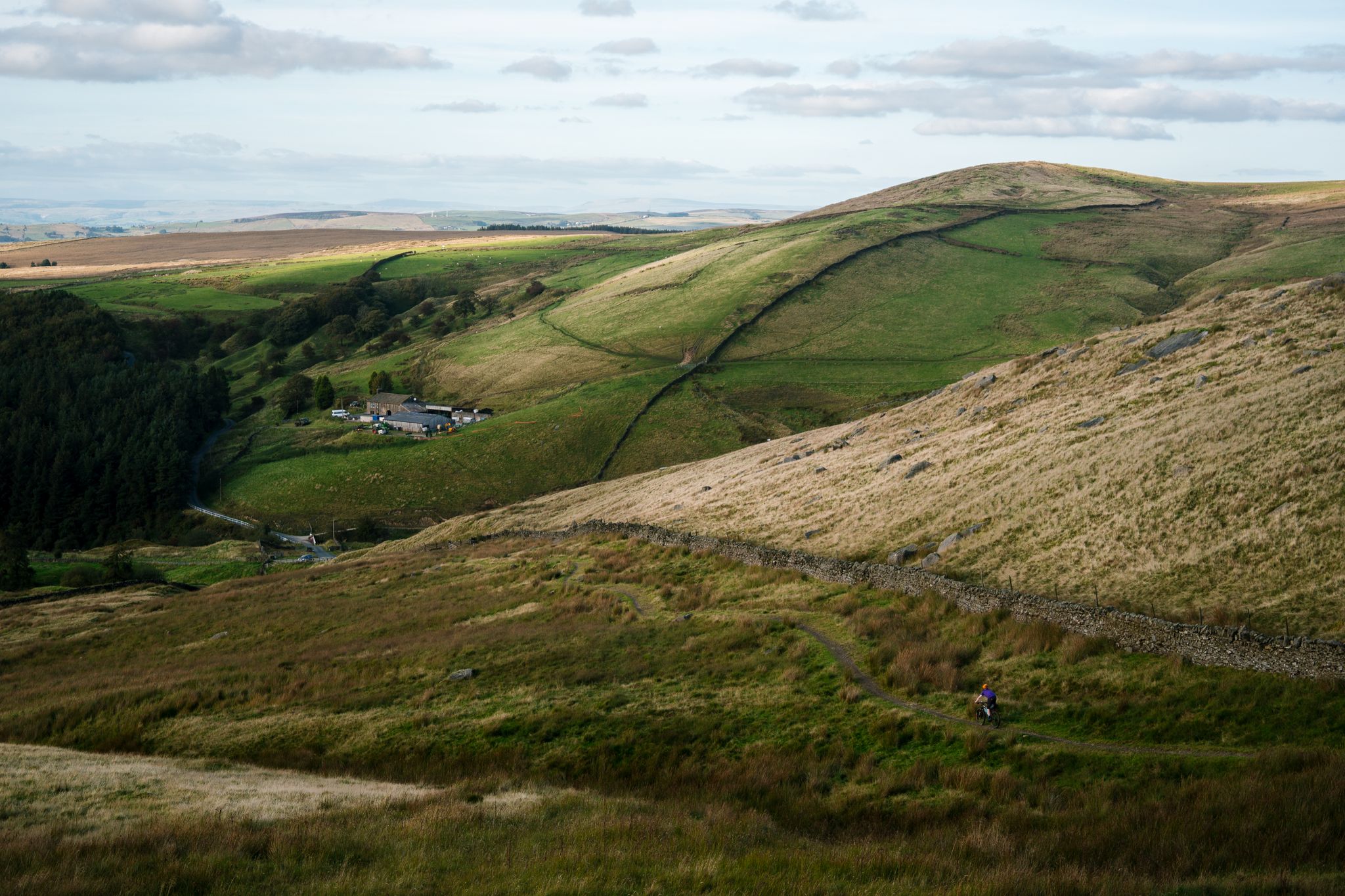
Great North Trail — From the Pennine Hills to the tip of Scotland
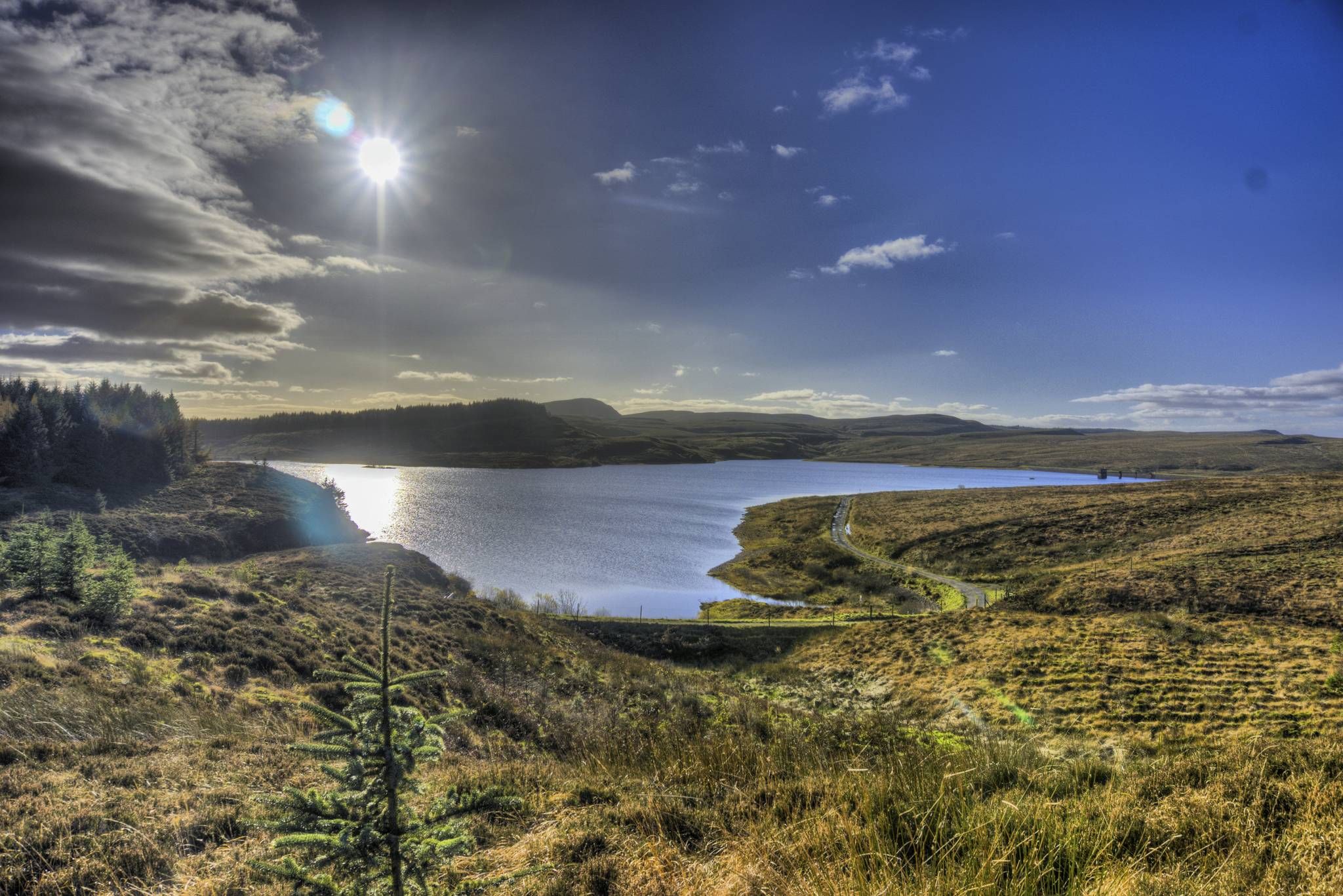
John Muir Way — A coast-to-coast across the heartland of Scotland
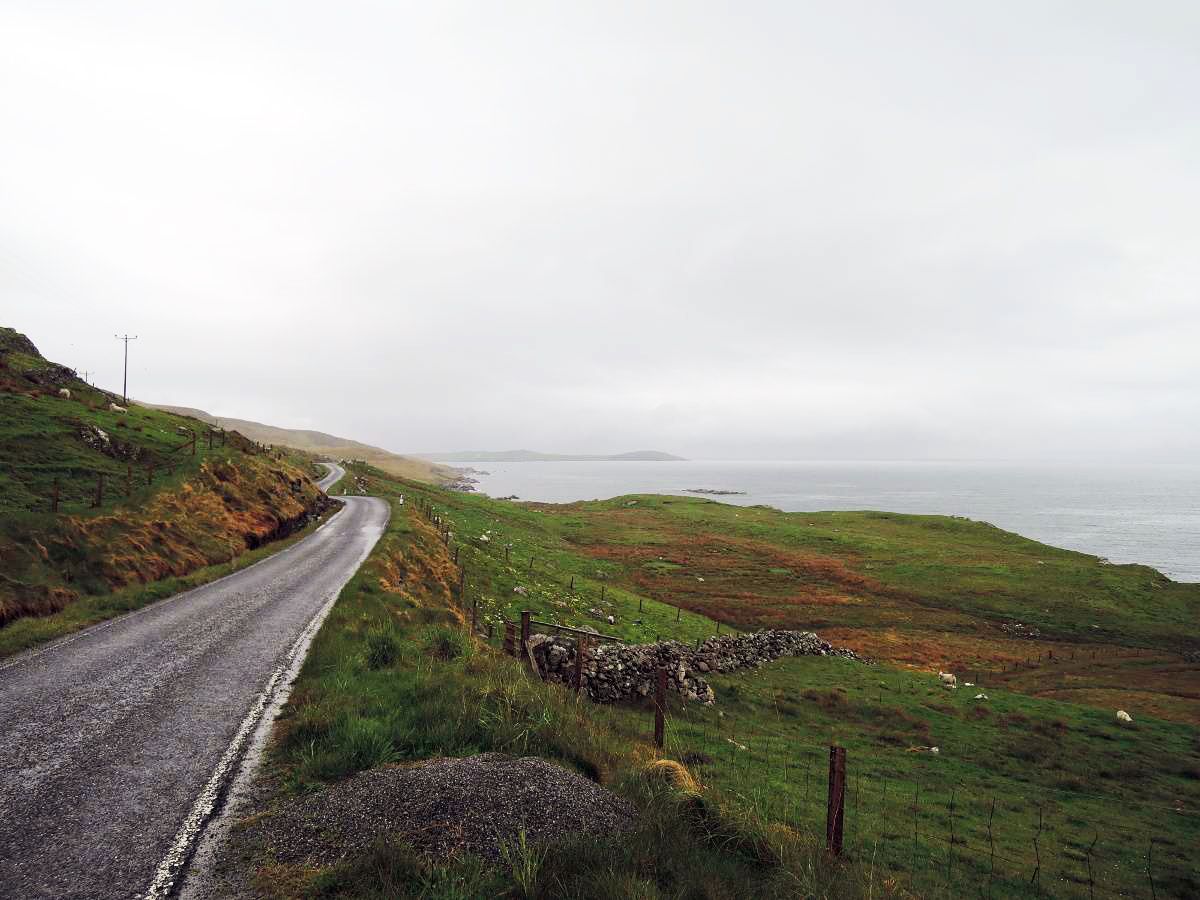
The North Sea Coast Cycle Route part 7 — Scotland
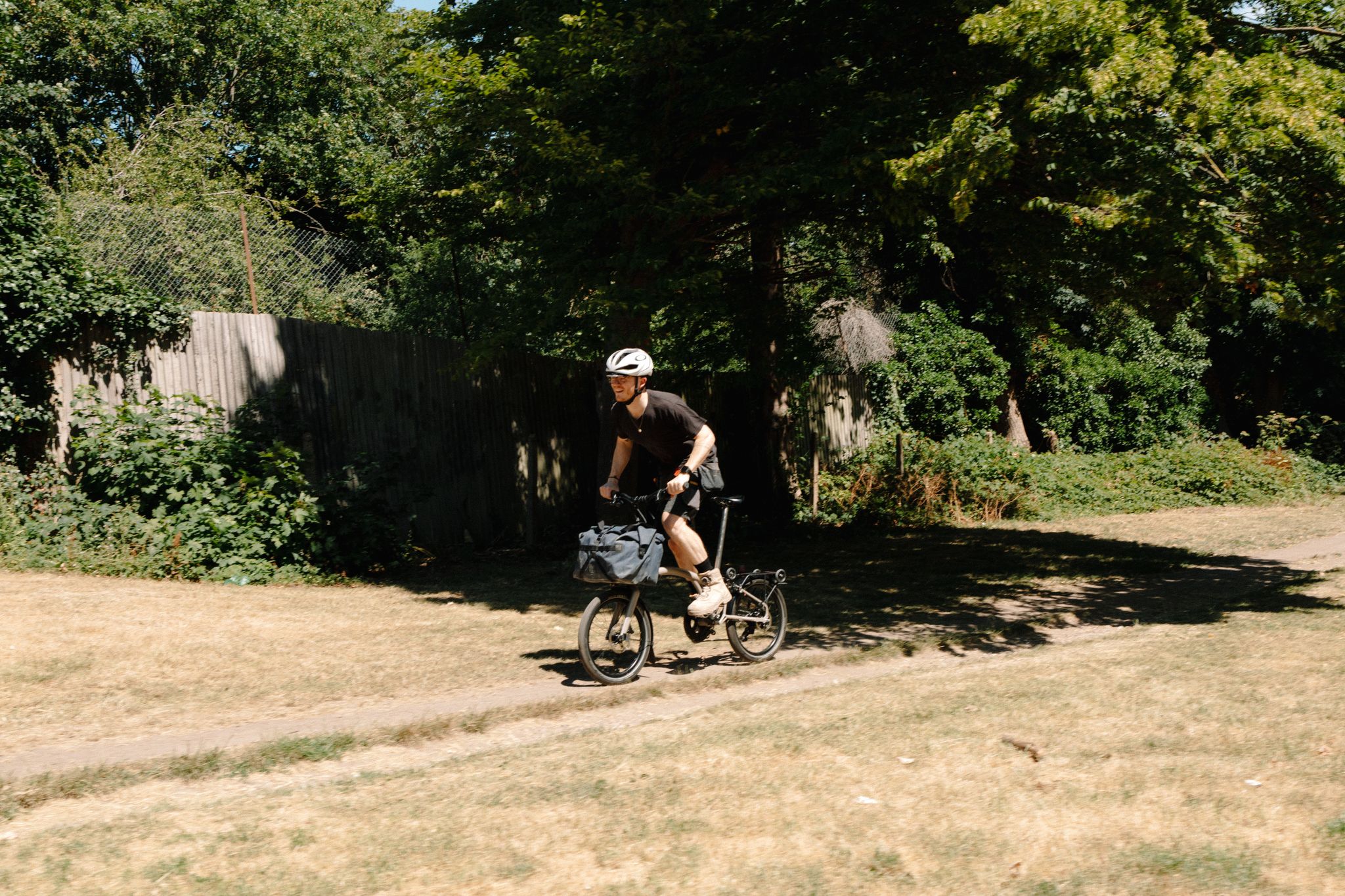
Brompton G Line: Beyond the Everyday around Bristol, London & Edinburgh
A fantastic journey along Britain’s entire East Coast – NCN 1
Around the edge in 80 days — cycling the coastline of Britain
Other adventures around Edinburgh


Tips from the Community


This is how some 200 years ago, bookworms began: "In that lovely district of merry England, which is watered by the River Don, there was in ancient times a great wood... Here dwelt... the fabulous Dragon of Wantley; here were fought several of the bloodiest battles during the Rose Civil Wars..." Through translations, Scott's fame on the British Isles soon spread throughout Europe, even to the New World. The author, who continued to publish his books anonymously, with the reference "By the Author of Waverley," naturally rejoiced in his hiding place over the success – until, by chance, it was revealed that he, Walter Scott, was the author. The honors in Scotland were endless. The toast Lord Meadowbank made at a banquet held in Scott's honor in 1827 remains valid in Scotland to this day: "The beauties of our country... and the fame of our ancestors have been carried by him beyond the shores of this island, to the ends of the earth. He has... immortalized the name of Scotland..." (Text from https://www.deutschlandfunk.de/250-geburtstag-des-schriftstellers-wie-sir-walter-scott-den-100.html )
0
0

It's actually a well! It was once believed that the water here had healing powers and could cure arthritis and poor eyesight. Another fun fact: the well is mentioned in Mary Shelley's Frankenstein. Either way, it's a beautiful spot by the river and a little different, a place that not everyone knows about yet.
0
0

a restored and relocated holy well with fascinating history
0
0

The Pentland Hills (a range of hills south of Edinburgh) offer countless hiking opportunities. One of the "best" (= the northernmost) is Allermuir Hill. There are many paths up the mountain, but the best route is undoubtedly the panoramic route from the Midlothian Snowsports Center parking lot to the summit. The center is...???...interesting... (Skiing on mats in the summer is also possible!), and the summit offers magnificent views in all directions!
0
0


This bronze elephant covered in forget-me-nots was created by sculptor Andy Scott and unveiled in 2019. It is a memorial to those children and their families who suffered due to the historical practices at Mortonhall Crematorium and according to its creator is a nod to the saying “an elephant never forgets”. https://www.edinburghoutdoors.org.uk/monuments/monuments-princes-street-gardens You can find the elephant in Princes Street Garden, on the main avenue.
4
0

This is one of the most prominent hills of the Pentland Hills. You have superb views toward Edinburgh, the Firth of Forth, and on clear days, even the Fife and Scottish Highlands. The walk to the summit is moderate, and you'll be walking through diverse landscapes from grassy slopes to more rugged and rocky sections near the top.
1
0
Frequently Asked Questions
What are some prominent natural monuments to visit in Edinburgh?
Edinburgh offers several remarkable natural monuments. Arthur's Seat, an ancient volcanic formation, provides commanding views across the region. The Salisbury Crags, also within Holyrood Park, offer impressive cliffs and city vistas. Additionally, Calton Hill is a volcanic landmark known for its panoramic views and neoclassical monuments.
Are there good hiking trails around Edinburgh's natural monuments?
Yes, there are numerous hiking opportunities. Arthur's Seat offers various routes to its summit, ranging from moderate to challenging. For a less strenuous but equally rewarding walk, the Salisbury Crags provide trails with magnificent city views. You can find more detailed hiking routes in the Natural Monuments around Edinburgh guide.
Which natural monuments offer the best panoramic views of Edinburgh?
For breathtaking panoramic views, Calton Hill is an excellent choice, offering iconic perspectives of Edinburgh Castle, Arthur's Seat, and the Firth of Forth. Arthur's Seat itself provides 360-degree vistas of the city and surrounding Lothians. Further afield, the View from Allermuir Hill in the Pentland Hills offers superb views towards Edinburgh and beyond.
Do Edinburgh's natural monuments have historical significance?
Absolutely. Arthur's Seat shows evidence of early human activity from 5,000 BC and the ruins of St. Anthony's Chapel. The Salisbury Crags are significant in geological history, where James Hutton conducted pioneering research. Calton Hill is part of Edinburgh's UNESCO World Heritage site, adorned with neoclassical monuments like the Nelson Monument, commemorating historical events.
Are there family-friendly natural monuments or walks in Edinburgh?
Yes, several natural monuments are suitable for families. Holyrood Park, encompassing Arthur's Seat and Salisbury Crags, offers diverse trails and open spaces. Princes Street Gardens provides a central green space with views of the castle, while Calton Hill offers an accessible ascent with rewarding views, making it popular for all ages.
What are the difficulty levels for walks around Edinburgh's natural monuments?
Difficulty varies. The ascent to Arthur's Seat can be moderate to challenging, with uneven paths and steep sections. The Salisbury Crags offer a less strenuous walk with great views. Calton Hill is generally considered an easy ascent. For more challenging routes, the View from Allermuir Hill in the Pentland Hills is a moderate climb.
Can I go cycling near Edinburgh's natural monuments?
Yes, cycling is a popular activity. While direct cycling on some natural monuments like Arthur's Seat might be restricted, the surrounding areas and parks offer excellent routes. For instance, the 'Arthur’s Seat and Portobello Promenade loop' is a moderate road cycling route. You can explore various cycling options, including road cycling, touring, and gravel biking, in the Cycling around Edinburgh guide.
What is the best time of year to visit Edinburgh's natural monuments?
The natural monuments can be enjoyed year-round, but each season offers a different experience. Spring and summer (April to September) provide milder weather, longer daylight hours, and blooming wildflowers, making them ideal for hiking and outdoor activities. Autumn brings beautiful foliage, while winter can offer crisp, clear views, though paths may be icy or muddy.
How can I get to Edinburgh's natural monuments using public transport?
Many of Edinburgh's natural monuments are easily accessible by public transport. Arthur's Seat and Salisbury Crags are within Holyrood Park, a short walk or bus ride from the city centre. Calton Hill is located at the eastern end of Princes Street, making it very convenient to reach by foot or bus from most central locations.
Are there less strenuous natural walks near Edinburgh?
For easier walks, consider the paths around the base of the Salisbury Crags, which offer stunning city views without a steep climb. Calton Hill is also a relatively easy ascent. Additionally, Holyrood Park has various gentle trails, and Princes Street Gardens offers a pleasant, flat stroll in the heart of the city.
What do visitors particularly enjoy about Edinburgh's natural monuments?
Visitors frequently praise the unparalleled panoramic views, especially from Arthur's Seat and Calton Hill. The unique blend of natural beauty with rich history, such as the geological formations of the Salisbury Crags and the monuments on Calton Hill, is also highly appreciated. Many enjoy the sense of wilderness within the city limits and the opportunity for invigorating walks.
Can I find unique historical features like wells or springs at Edinburgh's natural monuments?
Yes, Edinburgh's natural monuments often feature interesting historical elements. For example, St Bernard's Well, a neoclassical temple housing a mineral spring, is a notable site along the Water of Leith. Within Holyrood Park, you can also find St Margaret's Well, a medieval holy well.
Most popular routes around Edinburgh
Most popular attractions around Edinburgh

Get inspired with the komoot mobile app


Didn’t find what you were looking for?
Find even more amazing natural monuments around Edinburgh by checking out the top Highlights region by region:
Explore more
Extend your search for the best caves by checking out these guides of the top ones around Edinburgh:
