Top 18 Natural Monuments in Moray
Natural monuments in Moray, Scotland, showcase a diverse landscape ranging from dramatic mountain peaks to coastal formations and ancient geological sites. The region features significant geological formations, including quartzite sea arches and sandstone areas with prehistoric fossils. Moray's natural environment also encompasses crucial habitats for wildlife, such as bottlenose dolphins and various bird species. These sites offer opportunities to explore Scotland's natural heritage and geological history.
Best natural monuments in Moray
- The most popular natural monuments is Cairn Gorm Summit…
Last updated: August 20, 2026
Cairn Gorm Summit
Highlight • Summit
Tip by

Ben Macdui summit
Highlight • Summit
In good weather / clear visibility you have a great view. In bad weather (sudden weather change) you can quickly lose your orientation (map / compass / GPS)
Translated by Google •
Tip by

Sign up now to discover places like this
Get recommendations on the best single tracks, peaks, & plenty of other exciting outdoor places.
Sign up for free
Beinn Mheadhoin — Summit Tors
Highlight • Natural Monument
Tip by

Beinn a' Chaorainn Summit
Highlight • Viewpoint
Tip by
Bow Fiddle Rock
Highlight • Viewpoint
Tip by
Stob Coire an t-Sneachda Summit
Highlight • Viewpoint
Tip by
Scottish Dolphin Centre
Highlight • Viewpoint
Tip by

Sueno's Stone
Highlight • Historical Site
Translated by Google •
Tip by

Randolph's Leap
Highlight • Gorge
Tip by

Sueno's Stone and Witches Stone, Forres
Highlight • Historical Site
The seven-metre high Pictish stone monolith the Sueno's Stone confirms this ancient history …
Tip by
Sign up for free to discover even more natural monuments in Moray.
Sign up for free
Already have an account?
Start today with a free account
Your next adventure awaits.
Login or Signup
Popular around Moray
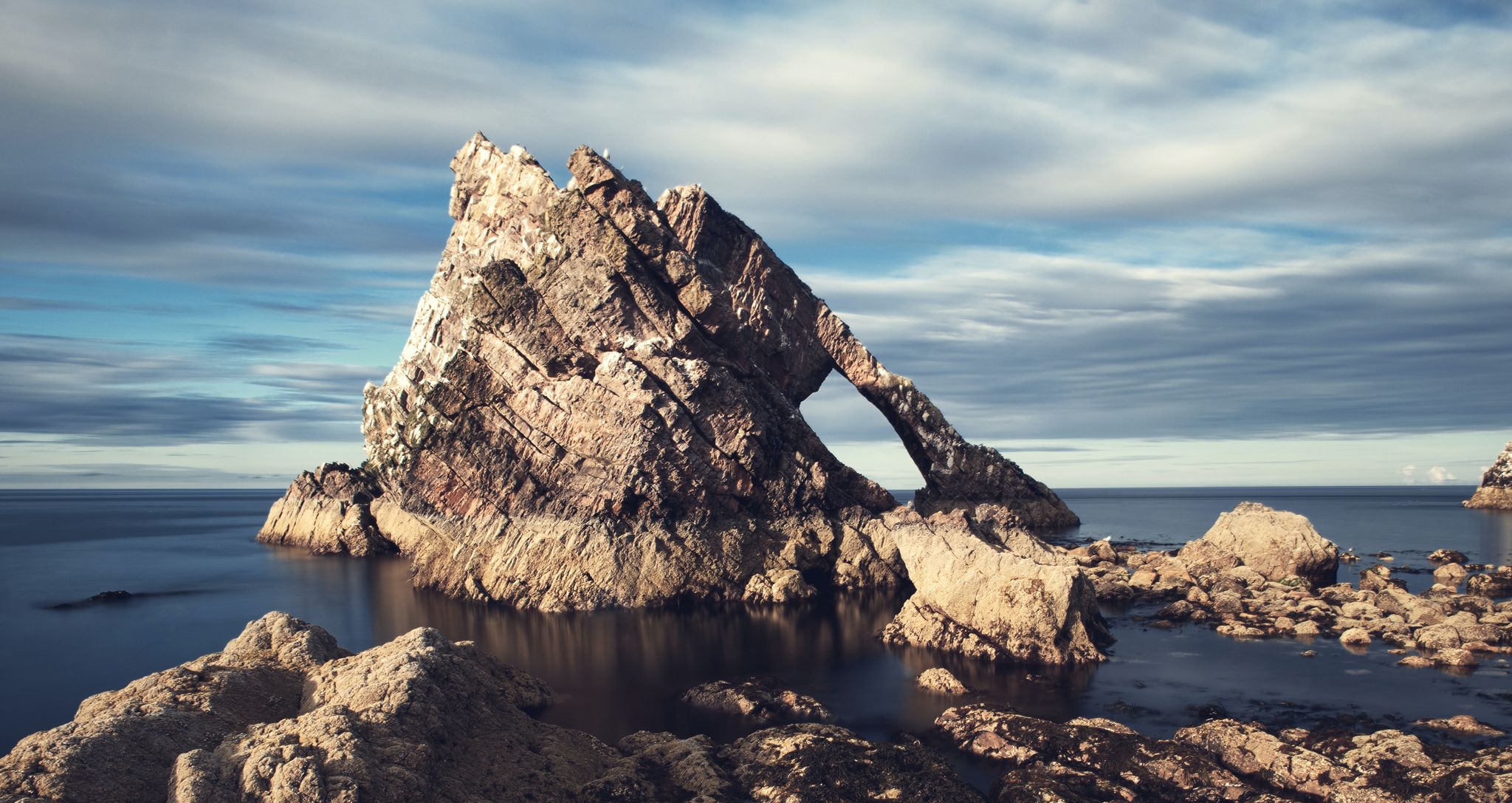
Hiking the Moray Coast Trail – Coast, coves, stacks and skerries
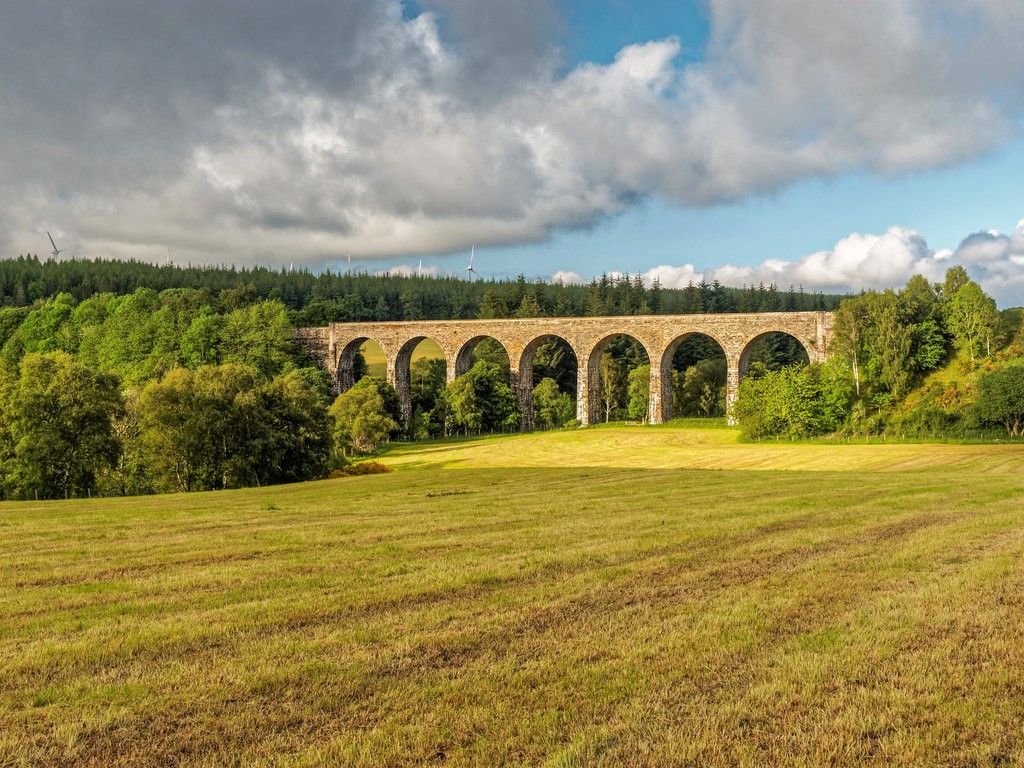
Dava Way — Hike an old railroad through a forgotten part of Scotland
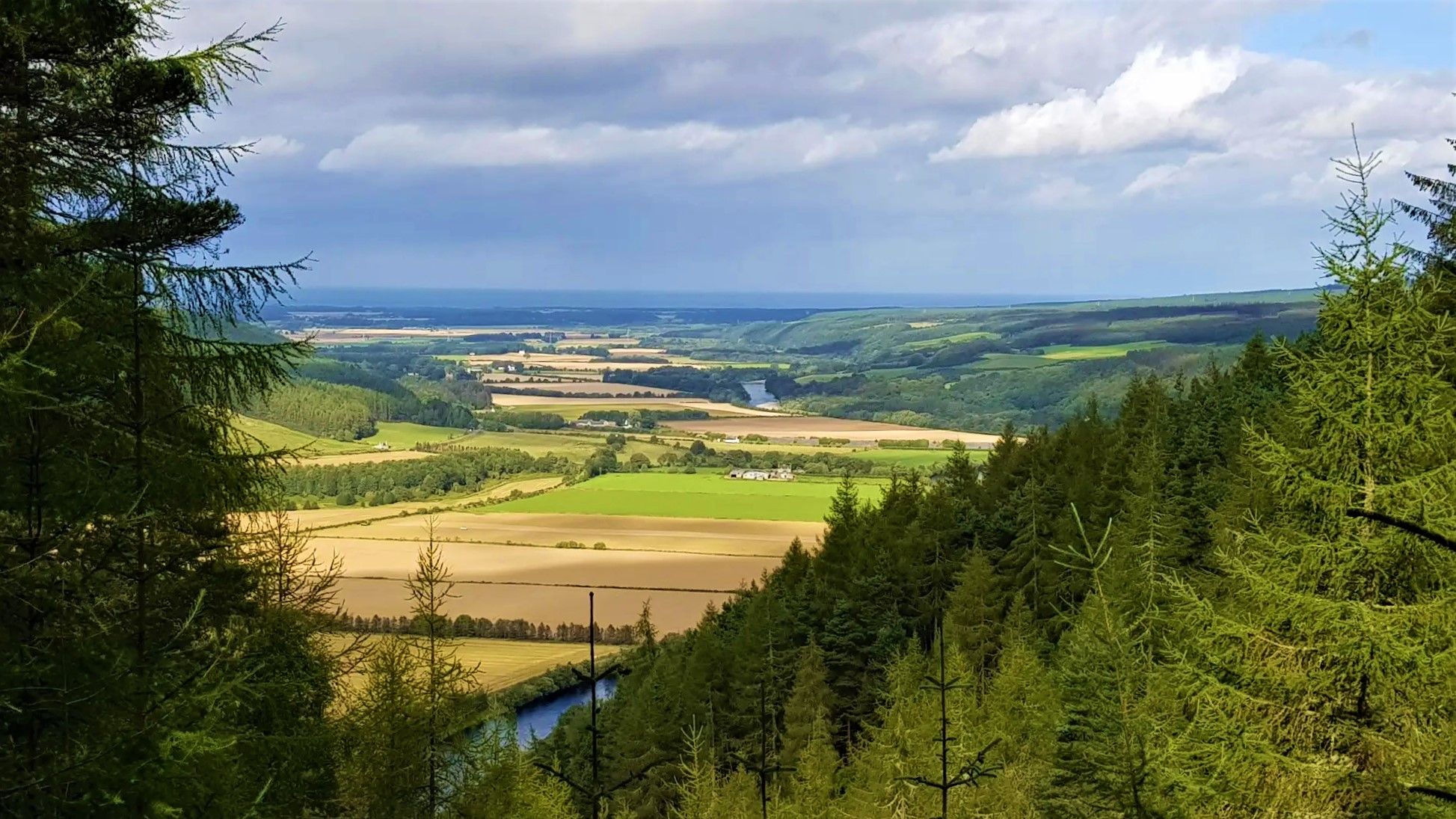
Speyside Way — Mountains, pines, wild moors and whiskey country
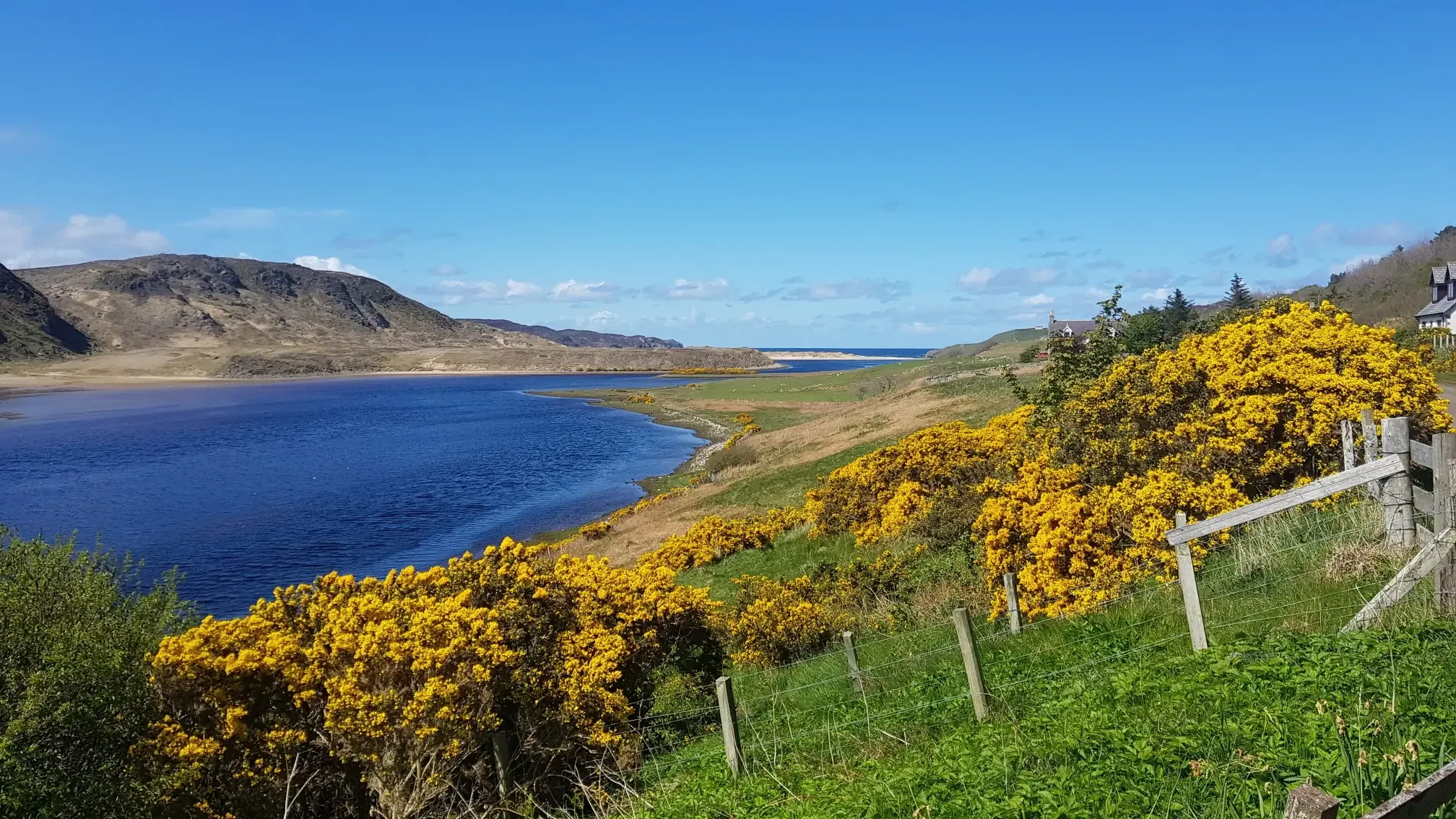
A fantastic journey along Britain’s entire East Coast – NCN 1
Intrusion into Scottish Territory – The Pictish Trail
Around the edge in 80 days — cycling the coastline of Britain
Spectacular rides in Scotland and Northern England – e-bike trials by Halfords
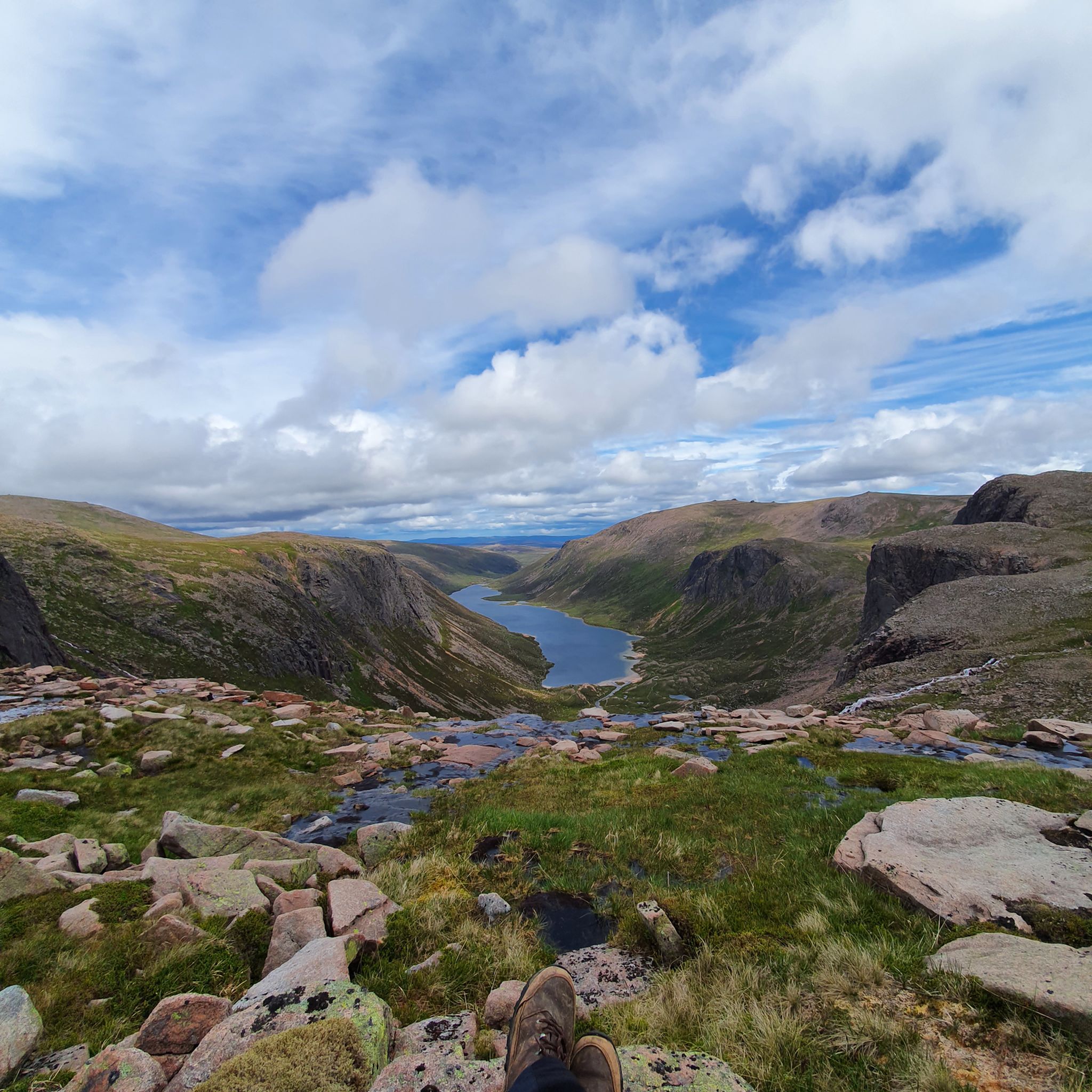
Hiking in Moray
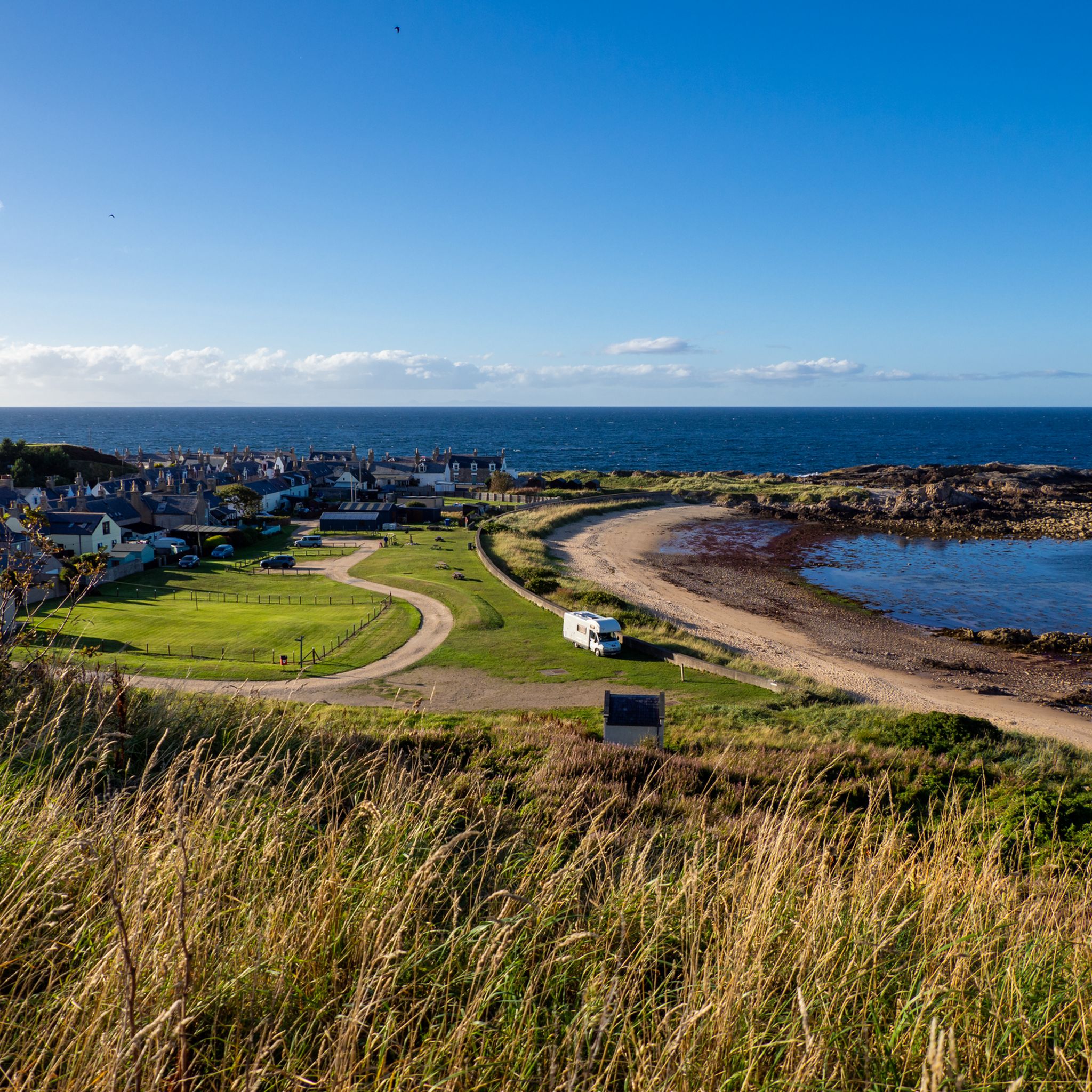
Cycling in Moray
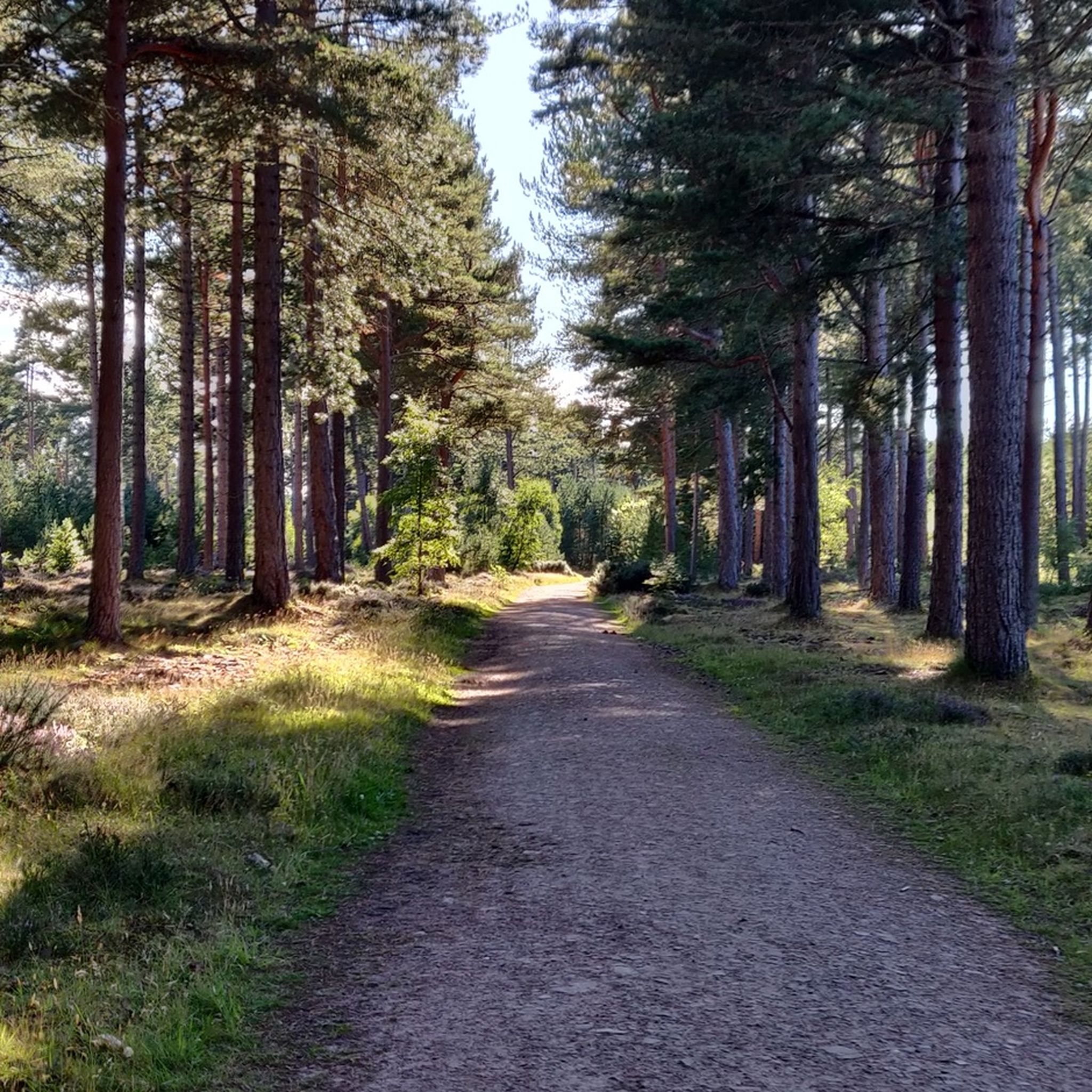
MTB Trails in Moray
Other adventures in Moray


Tips from the Community

Impressive Granite tors make for good scrambling!
0
0

Beautiful part of the moray coast. Loads of parking, picnic benches. Great swim spot on the beach when calm. Start here for a section of the Moray Coastal Trail.
0
0


Difficult to appreciate how impressive this is from the description and numbers. Great that this amazing piece of ancient history is being well looked after now.
0
0
A graceful rock arch which looks great from the shore and is even better to kayak through!
0
0

Impressive 7 m high Pictish stone monolith from the 5th-9th century under a glass case.
3
0

Rough and beautiful, this vastness is impressive... 😊
0
0

Have visited the stone 1991 - there it was not behind glass yet. I had put up my tent at the edge of the meadow near the stone. ---------------------------------------------------- Sueno's Stone is a Picto-Scottish standing stone on the north-easterly edge of Forres in Moray and is the largest surviving Pictish style cross-slab stone of its type in Scotland, standing 6.5 metres in height. It is situated on a raised bank on a now isolated section of the former road to Findhorn. The stone is named after Sweyn Forkbeard, but this association has been challenge and it has also been associated with the killing of King Dubh mac Ailpin in Forres in 966. The stone was erected c. 850–950 but by whom and for what, is unknown. https://en.wikipedia.org/wiki/Sueno%27s_Stone --------------------------------------------------- About 5 km south of the Sueno's Stone stands another similar stone. The Cross-Slab from Altyre House. https://www.komoot.com/de-de/highlight/1336285
0
0
Frequently Asked Questions
What unique geological features can I explore in Moray?
Moray is rich in geological wonders. You can visit Bow Fiddle Rock near Portknockie, an iconic natural sea arch carved from quartzite. The Hopeman Sandstone area is globally significant for its dinosaur footprints and fossils, revealing ancient desert environments. Additionally, the Laich Sandstones in the Elgin District contain internationally important fossils of extinct reptiles and fish, offering a glimpse into Scotland's prehistoric past.
What kind of wildlife can I expect to see at Moray's natural monuments?
The Moray Firth is a crucial natural habitat, famous for its resident population of bottlenose dolphins, often spotted from the shore. It's also home to grey and common seals, various seabirds, and ospreys, particularly around Findhorn Bay. Culbin Forest, with its mix of saltmarsh, mudflats, sand, and shingle, is an RSPB nature reserve providing vital feeding grounds for many bird species.
Are there family-friendly natural monuments in Moray?
Yes, several natural monuments in Moray are suitable for families. Bow Fiddle Rock is easily accessible and offers stunning views. The Scottish Dolphin Centre provides an excellent opportunity for wildlife spotting. Culbin Forest offers numerous walking trails, including the popular Hill 99 trail, which leads to a viewing tower with expansive views, perfect for a family outing.
When is the best time to visit Moray's natural monuments?
Moray's natural monuments can be enjoyed year-round, but the best time often depends on your interests. For wildlife spotting, particularly dolphins in the Moray Firth, summer months (May to August) are ideal. This period also offers the best chance to see the sun rising through Bow Fiddle Rock. Spring and autumn provide pleasant weather for hiking and fewer crowds, while winter can offer dramatic, stark landscapes, though some higher routes may require more preparation.
What outdoor activities can I do near Moray's natural monuments?
Moray offers a wide range of outdoor activities. You can explore numerous hiking trails, from easy coastal walks to challenging mountain ascents. Cycling is also popular, with options for both road cycling and mountain biking. For detailed routes and guides, you can check out the Road Cycling Routes in Moray, MTB Trails in Moray, and Easy Hikes in Moray guides.
Are there hiking trails suitable for different skill levels near these natural monuments?
Yes, Moray provides a variety of hiking trails. For easy walks, consider the Bow Fiddle Rock & Portknockie Coast loop or the Randolph's Leap loop. More intermediate options include sections of the Moray Coast Trail. For challenging mountain hikes, you can tackle summits like Cairn Gorm Summit or Ben Macdui summit, which are among Britain's highest peaks. You can find more details in the Easy Hikes in Moray guide.
What do visitors enjoy most about Moray's natural monuments?
Visitors frequently praise the breathtaking views and the sense of wild beauty. The dramatic coastal formations like Bow Fiddle Rock are often highlighted for their photographic opportunities. The geological significance of sites like Hopeman Sandstone and Laich Sandstones fascinates those interested in ancient history. Many also appreciate the chance to spot diverse wildlife, especially the bottlenose dolphins in the Moray Firth.
Are there any historical or ancient sites among Moray's natural monuments?
While primarily natural, some sites have historical connections. Randolph's Leap is a gorge with a dramatic legend. Additionally, the geological formations themselves, such as the fossil-rich Hopeman Sandstone and Laich Sandstones, offer a deep historical perspective on Earth's ancient past, dating back millions of years. Sueno's Stone is a significant historical monument, though man-made, it is often grouped with natural attractions due to its ancient origins and outdoor setting.
Where can I find cafes or accommodation near these natural sites?
Many towns and villages throughout Moray, such as Portknockie, Cullen, Elgin, and Forres, offer a range of cafes, pubs, and accommodation options. For specific locations, it's best to check local listings or tourist information resources. The VisitScotland website can provide comprehensive details on services available in the region.
What are the accessibility options for Moray's natural monuments?
Accessibility varies significantly between sites. Coastal paths and forest trails like those in Culbin Forest often have well-maintained sections suitable for easier access. However, many of the more dramatic geological sites and mountain summits involve rugged terrain. For detailed information on specific site accessibility, including parking and public transport options, it's advisable to consult local council resources, such as the Moray Council website, or individual attraction websites.
Can I go cycling or mountain biking near Moray's natural monuments?
Absolutely! Moray is a fantastic region for cycling. You'll find dedicated guides for both road cycling and mountain biking. For example, the MTB Trails in Moray guide features routes like the Culbin Forest loop, which takes you through a vast and varied forest. Road cyclists can explore routes such as the River Spey, Buckie & Cullen loop from Keith, detailed in the Road Cycling Routes in Moray guide.
Are there less crowded natural spots in Moray for a quieter experience?
While popular sites like Bow Fiddle Rock can attract visitors, Moray has many quieter natural areas. Exploring the less-trafficked sections of Culbin Forest or seeking out the Aultdearg Earth Pillars on the banks of the River Spey can offer a more secluded experience. The vastness of the Cairngorms National Park, which extends into Moray, also provides ample opportunities for solitude, especially on more challenging routes away from main access points.
Most popular routes in Moray
Most popular attractions in Moray

Get inspired with the komoot mobile app


Didn’t find what you were looking for?
Find even more amazing natural monuments in Moray by checking out the top Highlights region by region:
Explore more
Extend your search for the best caves by checking out these guides of the top ones in Moray:
