Top 20 Natural Monuments in Nottinghamshire
Best natural monuments in Nottinghamshire encompass ancient forests, unique geological formations, and vital nature reserves. The region's landscape features diverse natural areas, from the legendary Sherwood Forest to significant wetland habitats. These sites offer opportunities to explore the county's natural beauty and historical connections. Nottinghamshire provides a range of natural monuments, including ancient trees, sandstone outcrops, and protected wildlife areas.
Best natural monuments in Nottinghamshire
- The most popular natural monuments is The Major Oak, a natural monument located in…
Last updated: October 13, 2026
The Major Oak
Highlight • Natural Monument
Tip by

The Miner Statue
Highlight • Monument
Tip by

Sign up now to discover places like this
Get recommendations on the best single tracks, peaks, & plenty of other exciting outdoor places.
The Hemlock Stone
Highlight • Natural
Tip by

Fountain Dale Ponds
Highlight • Forest
Tip by
Strawberry Hill Heath SSSI Nature Reserve
Highlight • Forest
Tip by

St James' Church and Ancient Yew Tree, Papplewick
Highlight • Historical Site
Tip by

Kings Mill Reservoir
Highlight • Viewpoint
Tip by
Clumber Park Walled Kitchen Garden and Glasshouse
Highlight • Structure
Tip by

Medusa Oak (Sherwood Forest)
Highlight • Natural Monument
Unlike some of the other trees …
Translated by Google •
Tip by

Church Hole Cave
Highlight • Cave
Tip by

Sign up for free to discover even more natural monuments in Nottinghamshire.
Already have an account?
Start today with a free account
Your next adventure awaits.
Popular around Nottinghamshire
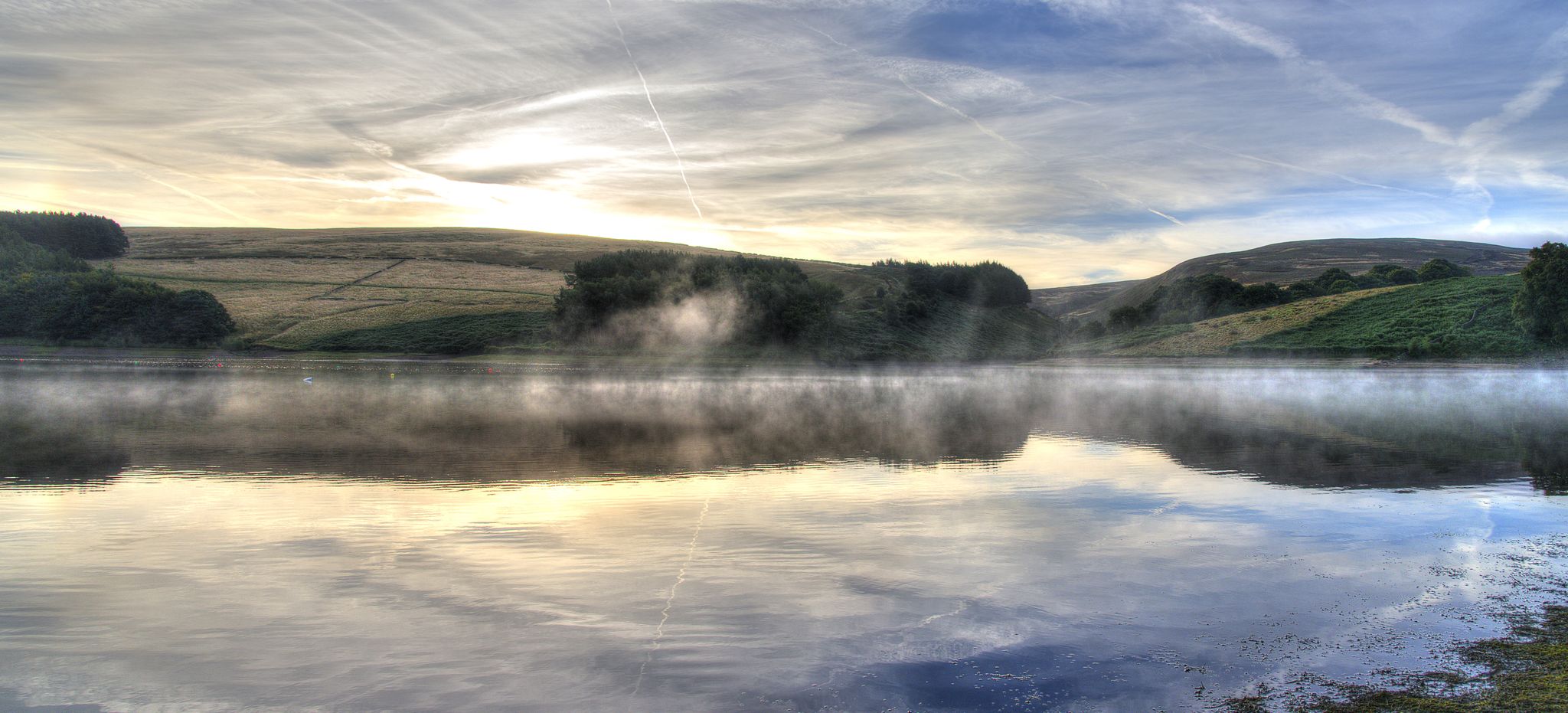
Midshires Way — An epic hike through England's rural heart
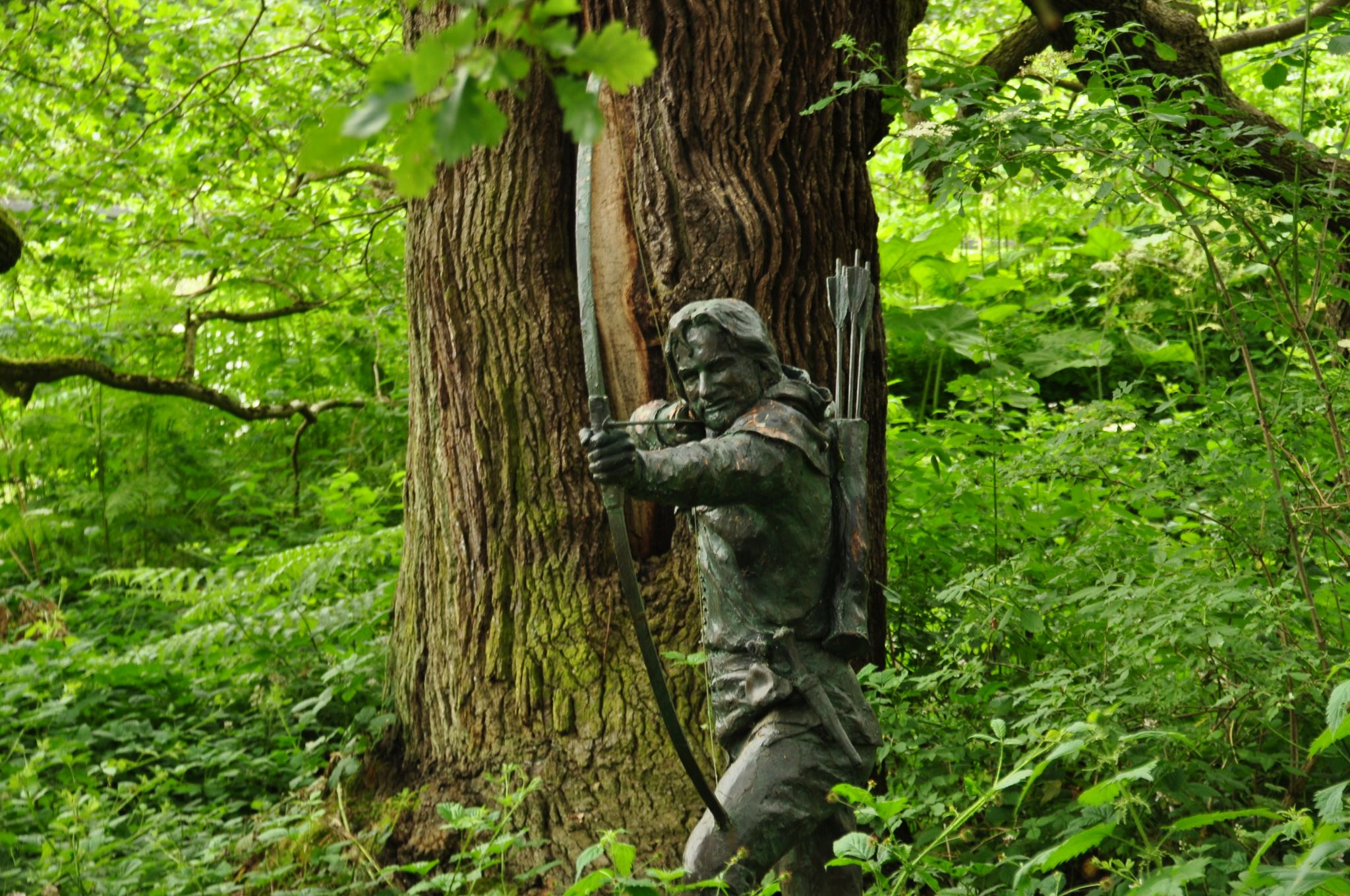
Hiking the Robin Hood Way — Merry trails steeped in legend
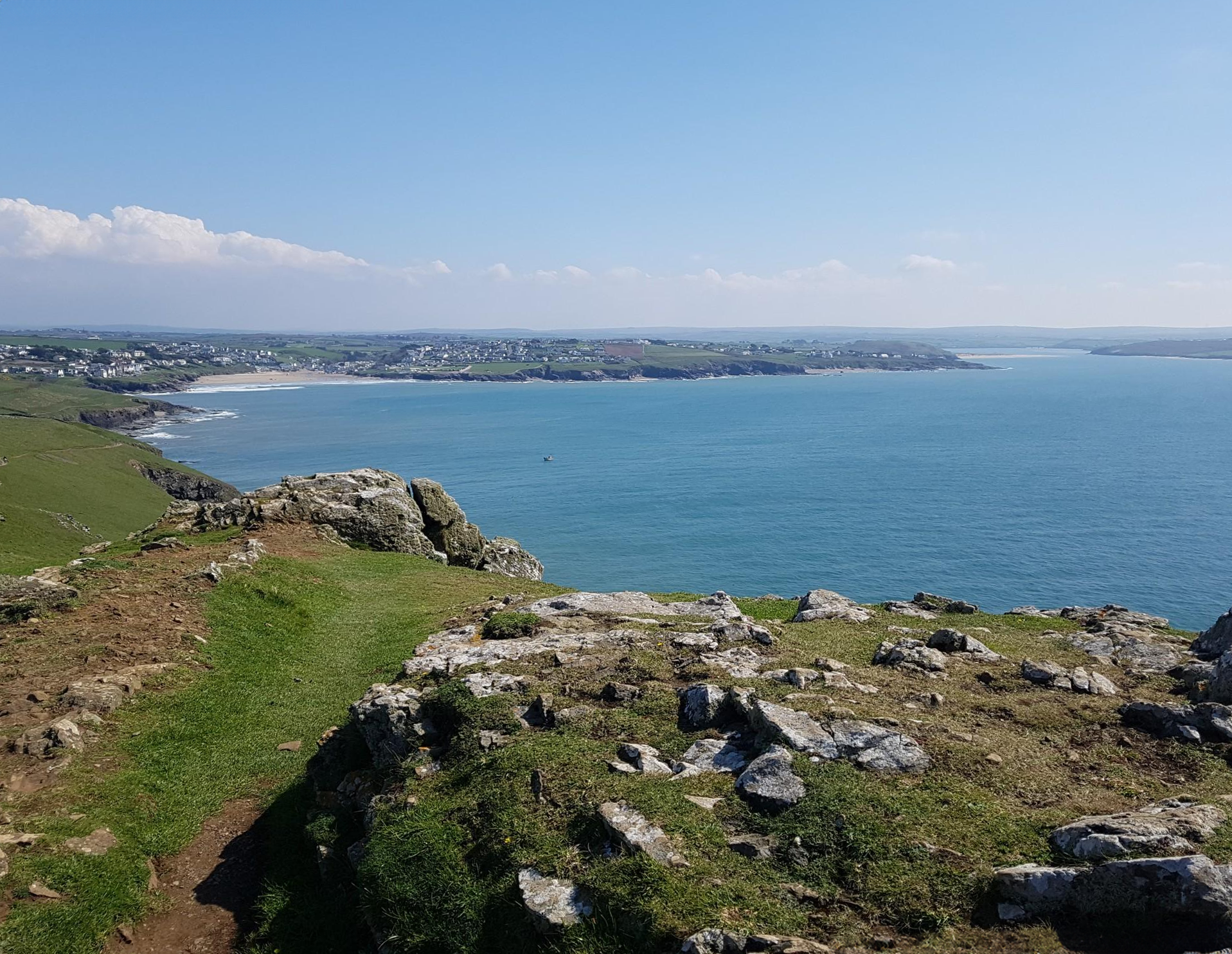
Trust10 – Trail Runs. In nature, for nature.

Spectacular rides in Central England – e-bike trials by Halfords
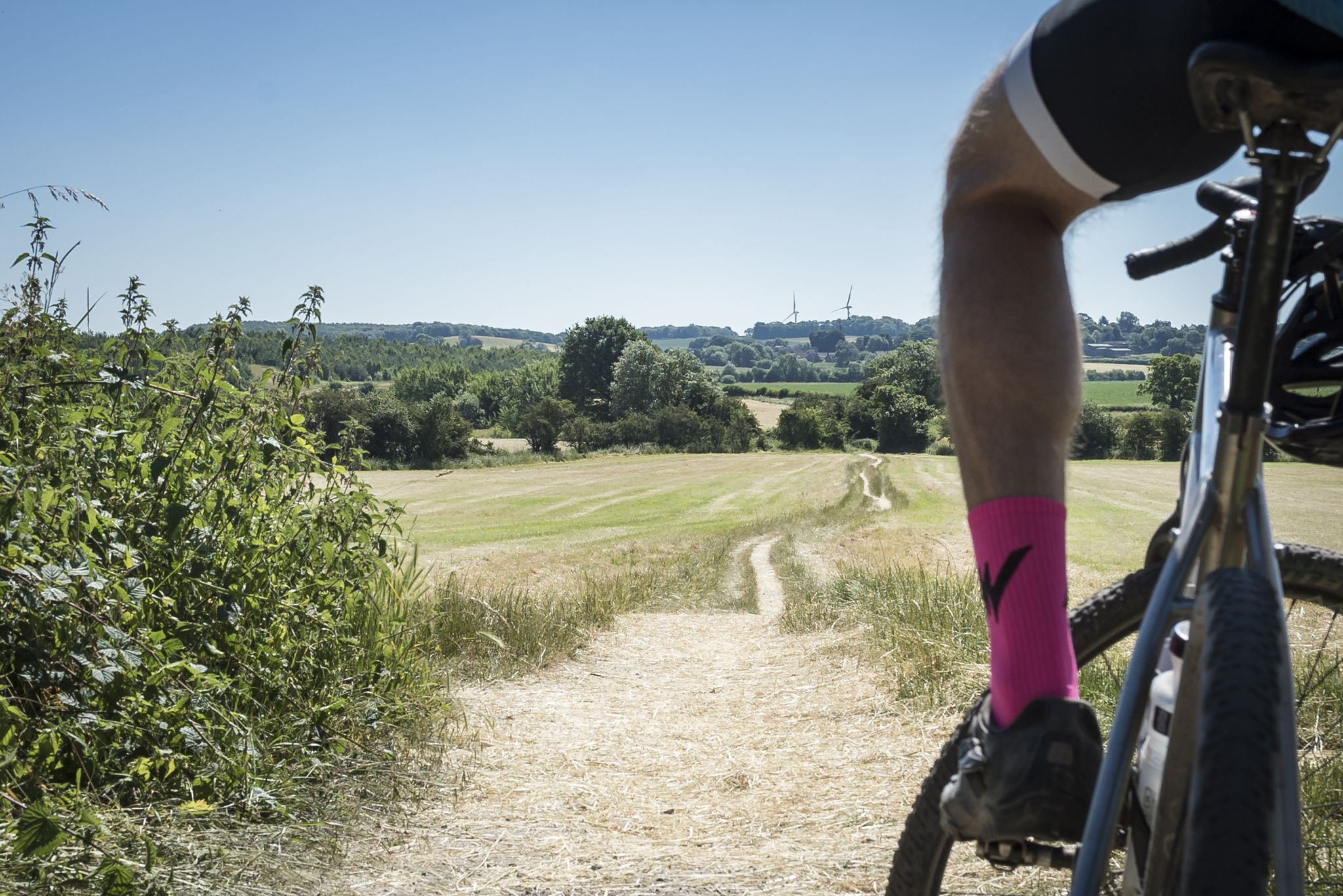
Premium gravel grinding through Nottinghamshire – Pens & Pits
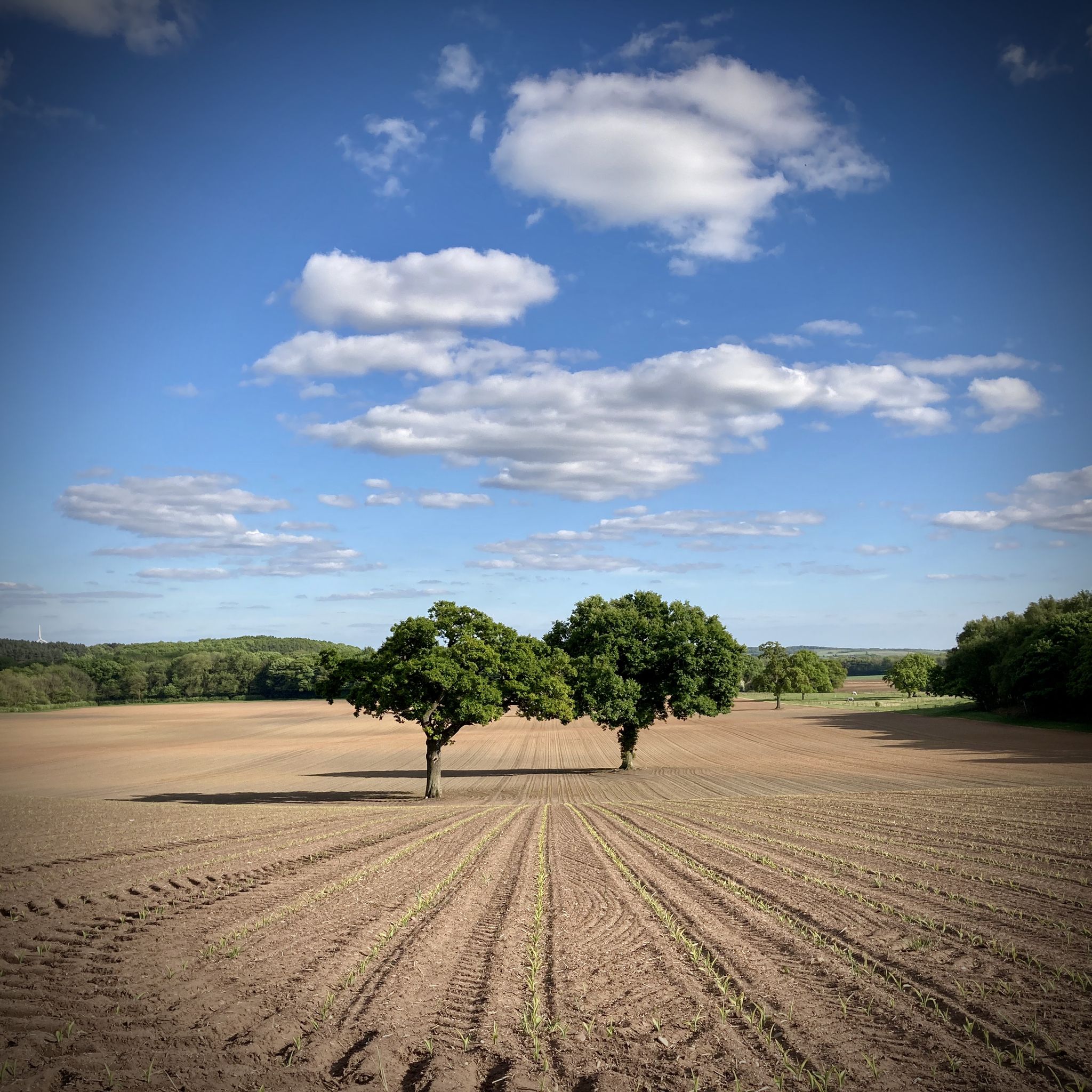
Hiking in Nottinghamshire
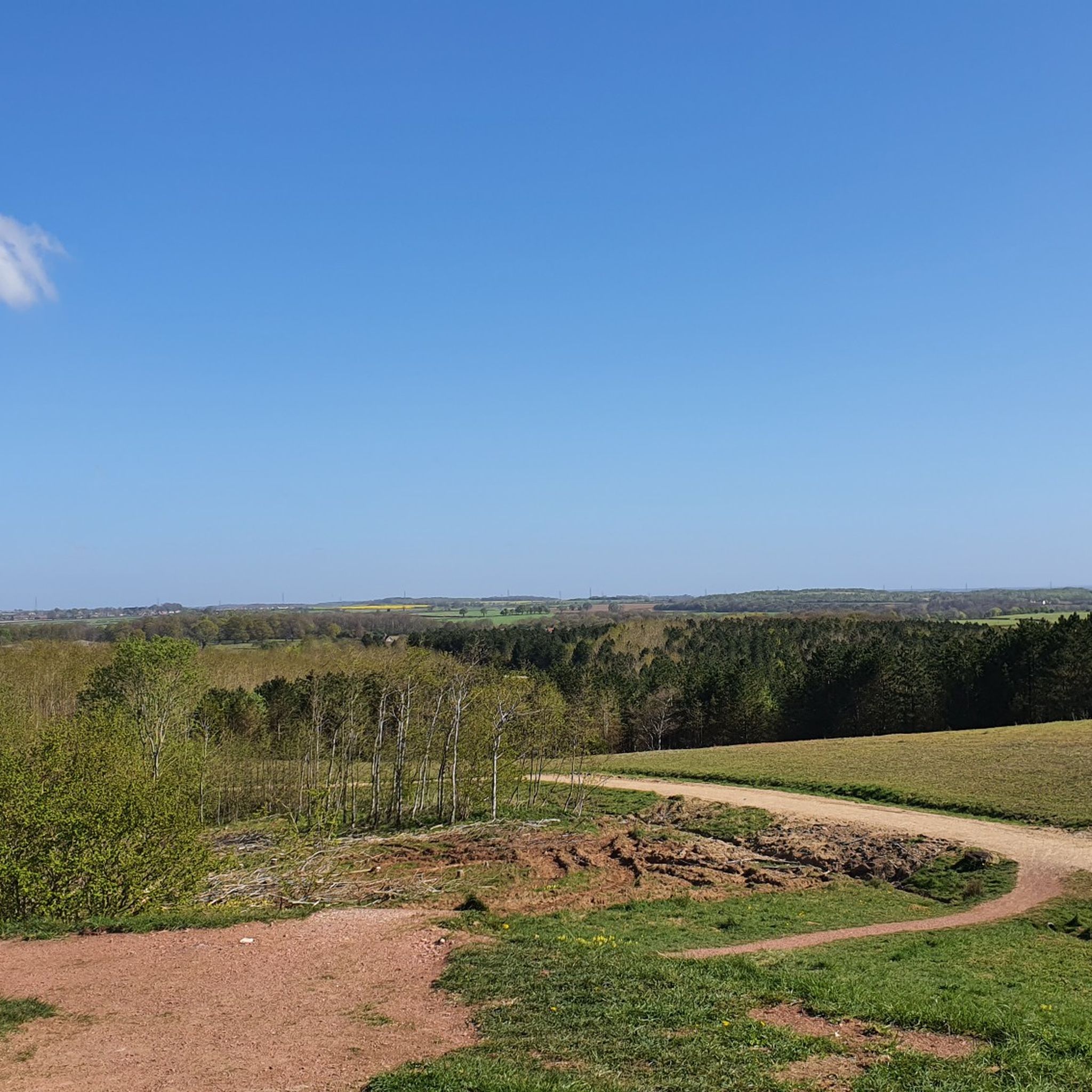
MTB Trails in Nottinghamshire
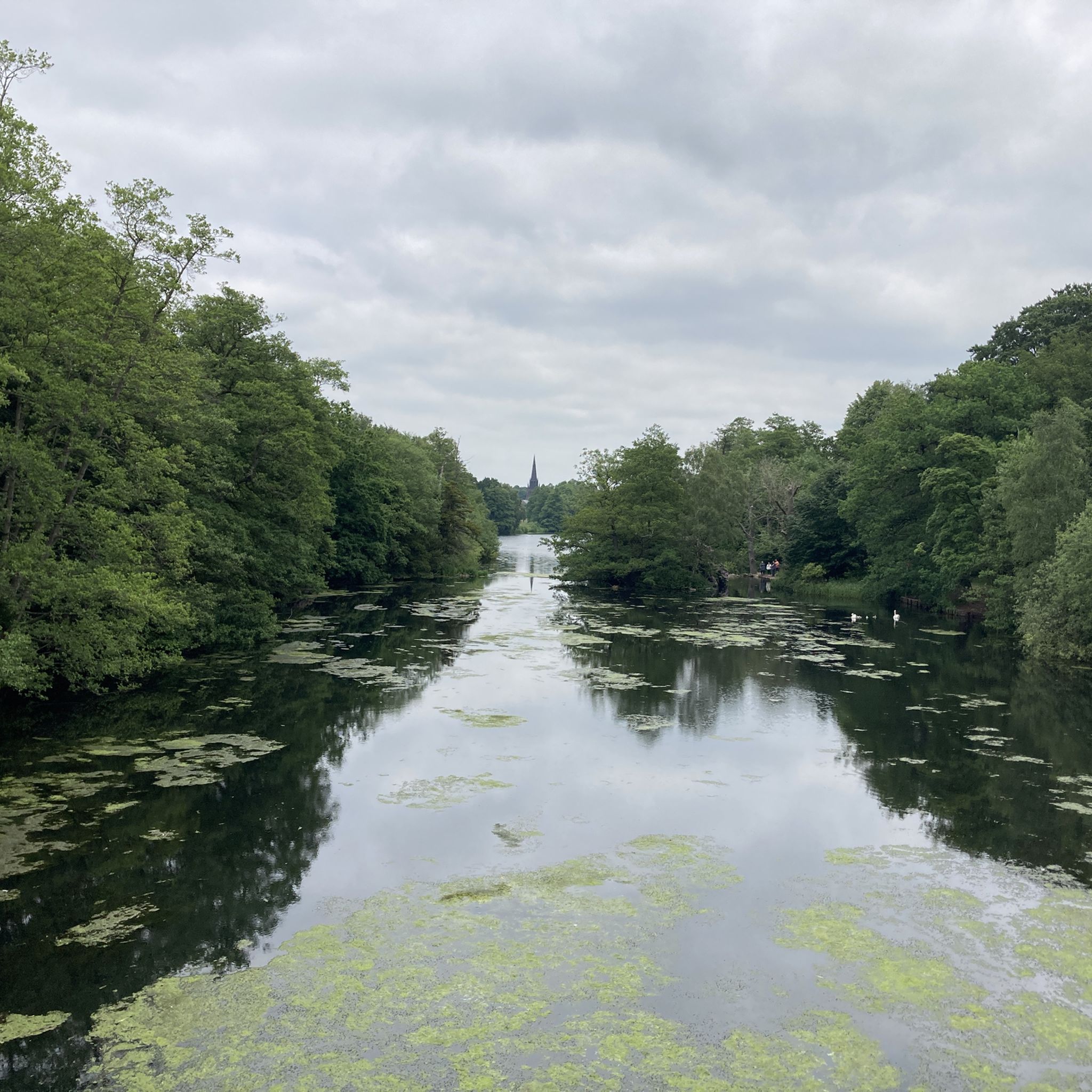
Running Trails in Nottinghamshire
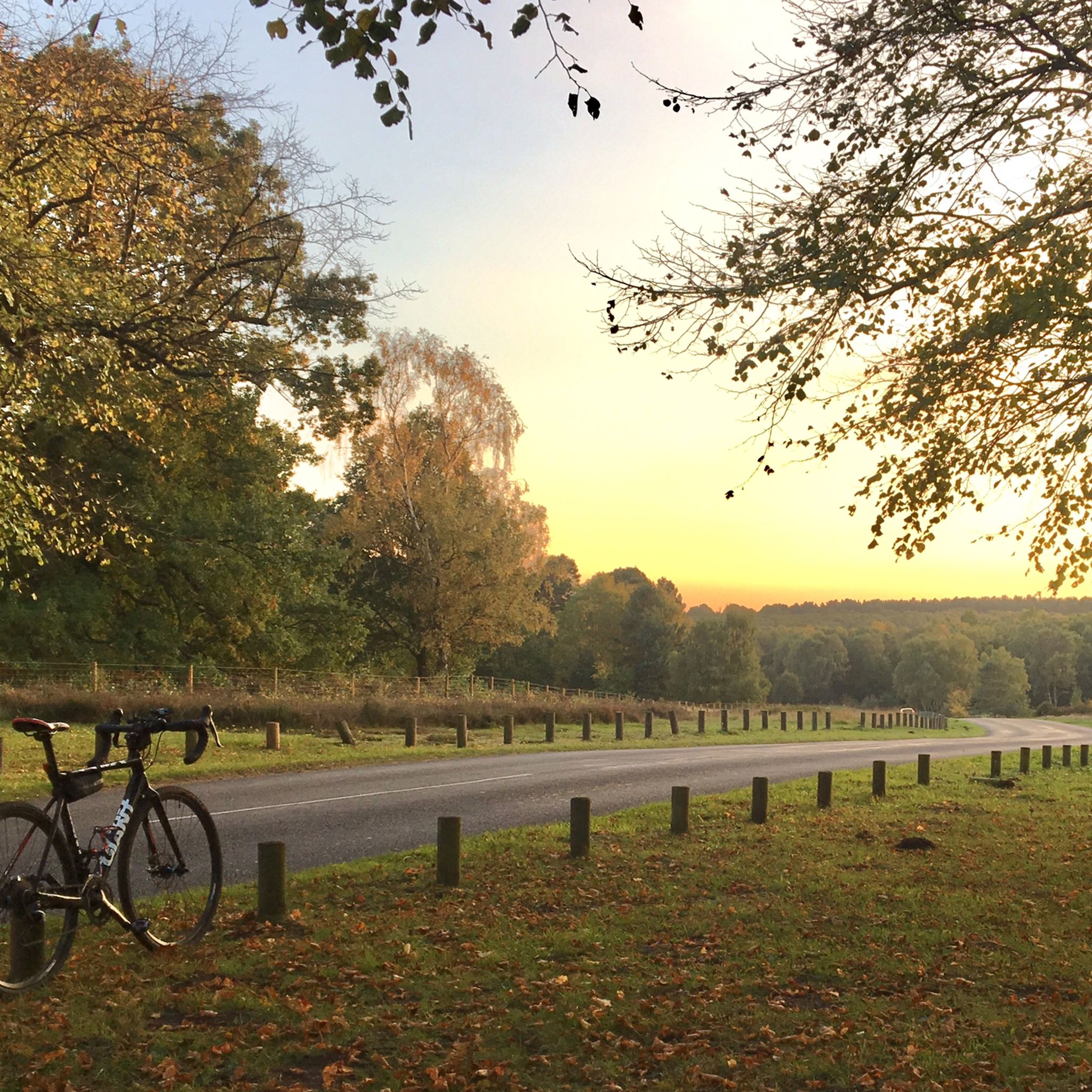
Road Cycling Routes in Nottinghamshire
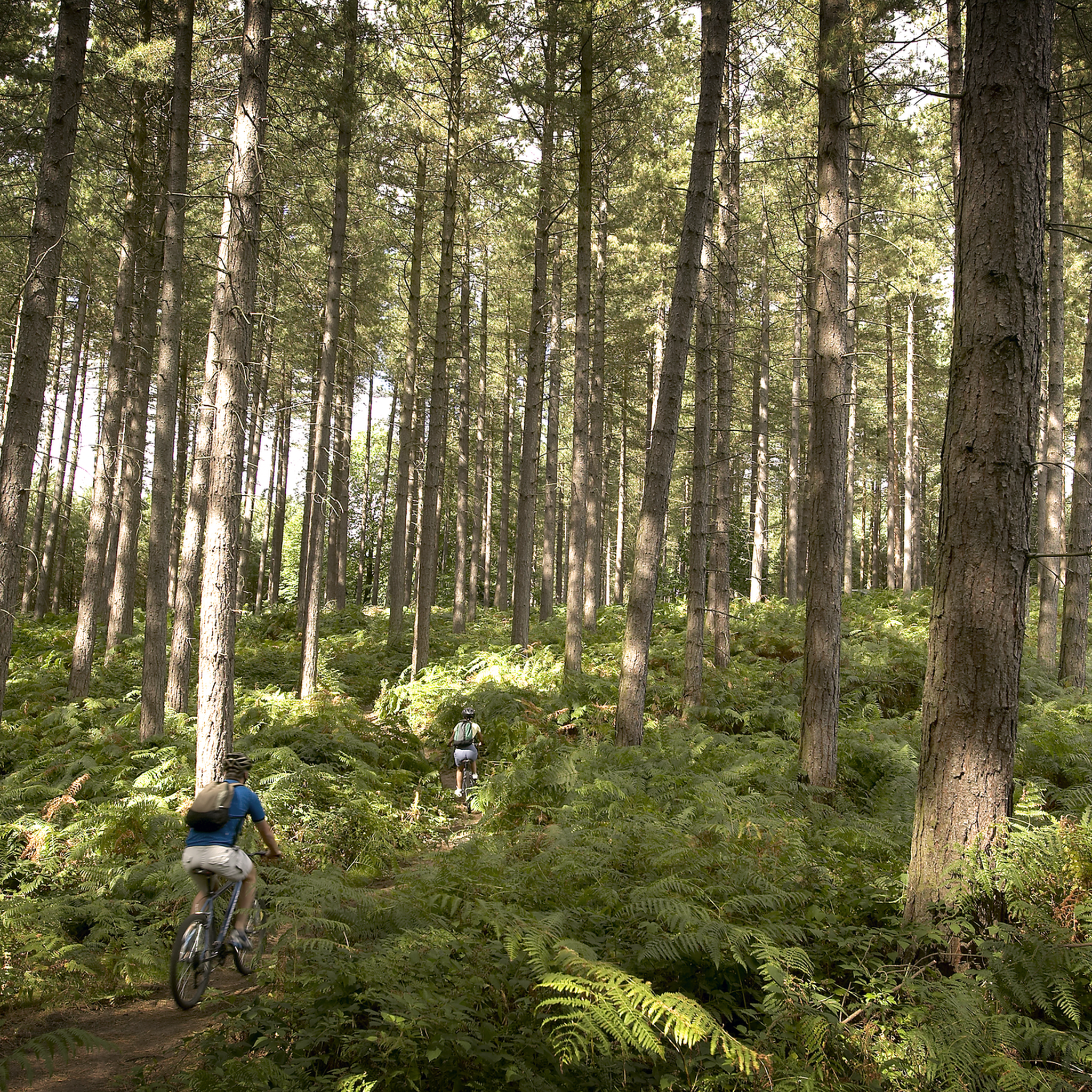
Cycling in Nottinghamshire
Other adventures in Nottinghamshire


Tips from the Community

Take the mtb route up/down through the wood to the North East of the statue, look out for it near the bench on the main gravel track
0
0

The church is thought to have been built in the 12th century. In the grant made by Henry II to Newstead Priory, part of the endowment was “The Town of Papplewick with the Church of the same name and the Mill.”. Legend has it that Alan A’Dale, one of Robin Hood’s men, was married here. The present tower dates from the 14th century. The nave and chancel were rebuilt by the Right Hon. Frederick Montagu in 1795 (after he had rebuilt the Hall.). In 1855, Papplewick was united with Linby. The Parish is now called ‘the Parish of St. Michael, Linby cum St. James, Papplewick‘. The building was further restored and repaired in 1938 in memory of John Chadburn, son of Mr. C. W. Chadburn who lived in the Parish.
0
0

Fascinating, beautiful spot. You can’t go in the caves without buying a tour
0
0

Dating from 1772, it supplied the sorts of exotic and unusual foods that the Dukes could impress their guests with. From asparagus to pineapples and strawberries at Christmas, this was an elite garden for an elite family. In its prime, the gardens would have provided employment for 30 people and had 6-acres under cultivation including a huge, heated Melon Yard and an orchard, which was re-established just outside the garden walls in 2021. At 451 feet, Clumber Park boasts the longest Glasshouse in National Trust care. It was installed by the 7th Duke of Newcastle and completed in 1910. By the 1970s it was derelict but the Trust has spent decades restoring it, most recently in 2023. Today, it boasts seasonal displays in its huge conservatory, an exotically planted Palm House and bays of grapes, figs, and peaches. Some of the utility rooms now serve as a museum displaying an extensive collection of gardening tools. The Apple Store and the Gardener's Mess have ever-changing displays.
0
0

Due to its venerable age, an old legend has manifested itself on this large oak tree: the story of ROBIN HOOD, which has been told over and over again for many centuries - although by no means historically confirmed - and is known and loved from literature and film far beyond the borders of England. This tree is said to have given him and his loyal followers, whose area of activity is located in Sherwood Forest, shelter here. You may want to believe it or not - the main thing is: the myth lives on!
0
0
Origins in the 12th Century, rebuilt in 1795 & restored in 1940, this Grade I listed building is still in weekly use. The Yew tree outside is 350 years old.
1
0
Strawberry Hill Heath SSSI Nature Reserve. What's left of the SW end of once mighty Sherwood Forest as big domestic & industrial developments move in. Great place to explore, lots of paths through the trees. Unfortunately a constant hum of traffic and an attraction for 4X4's & fly-tippers, plus two or three burned-out cars dotted around does spoil it in places.
1
0
Frequently Asked Questions
What are some of the most popular natural monuments in Nottinghamshire for visitors?
Visitors frequently enjoy exploring The Major Oak, an ancient English oak tree in Sherwood Forest, famous for its legendary connection to Robin Hood. Another striking site is The Hemlock Stone, a unique red sandstone outcrop with historical and geological significance. The 'Medusa Oak' in Sherwood Forest is also a beloved icon, known for its distinctive appearance.
Are there family-friendly natural monuments in Nottinghamshire?
Yes, many natural monuments in Nottinghamshire are suitable for families. The Major Oak and the surrounding Sherwood Forest offer engaging trails and the chance to explore a legendary woodland. Kings Mill Reservoir provides a pleasant setting for walks with facilities, and Fountain Dale Ponds offers a tranquil natural environment for younger explorers.
What kind of geological features can I observe in Nottinghamshire's natural monuments?
Nottinghamshire is rich in geological interest. You can see the striking New Red Sandstone formations at The Hemlock Stone, an impressive 10-meter high outcrop. The City of Caves in Nottingham also showcases extensive subterranean dwellings carved into the natural Sherwood Sandstone bedrock. Additionally, Creswell Crags, on the border, features an enclosed limestone gorge with prehistoric caves.
What outdoor activities can I do near these natural monuments?
Nottinghamshire offers a variety of outdoor activities. You can find numerous hiking trails, such as the 'Sherwood Forest Wildwood Trail to the Major Oak' or the 'Nottingham Canal Nature Reserve & the Hemlock Stone loop'. For running, consider routes like 'Clumber Park Curiosities Long Walk'. Cycling enthusiasts can explore options like 'A loop of Newstead Abbey' or 'Clumber Park & Ling Hurst Lakes loop'. You can find more details on these activities in the Hiking in Nottinghamshire, Running Trails in Nottinghamshire, and Road Cycling Routes in Nottinghamshire guides.
Are there any natural monuments with historical significance in Nottinghamshire?
Absolutely. Sherwood Forest, home to The Major Oak, is steeped in the legend of Robin Hood and is an ancient Royal Forest. Creswell Crags, a limestone gorge, contains caves with evidence of prehistoric human occupation and northernmost cave art in Europe. The City of Caves in Nottingham also offers a unique historical experience, with man-made caves dating back to 900 AD.
What is the best time of year to visit Nottinghamshire's natural areas?
The best time to visit Nottinghamshire's natural areas largely depends on your interests. Spring and summer offer lush greenery and warmer weather, ideal for exploring forests and nature reserves like Sherwood Forest and Attenborough Nature Reserve. Autumn brings beautiful foliage, particularly in wooded areas. Even winter offers unique charm for walks, especially in places like Sherwood Forest, though some facilities or tours might have reduced hours. Always check specific site opening times before your visit.
Where can I observe wildlife in Nottinghamshire's natural monuments?
Nottinghamshire offers excellent opportunities for wildlife observation. Attenborough Nature Reserve is an award-winning site, perfect for birdwatchers and nature enthusiasts, with diverse flora and fauna. The Idle Valley Nature Reserve is another crucial wetland SSSI, known for breeding wetland birds and a nationally important population of wintering gadwall. Sherwood Forest is also a haven for unique wildlife, including rare invertebrates that thrive on its ancient trees.
Are there accessible natural monuments for visitors with mobility considerations?
While specific accessibility details vary by site, Attenborough Nature Reserve is known for its fully accessible Nature Centre, bird hides, and nature walks, making it a good option for visitors with mobility considerations. The Major Oak area in Sherwood Forest also has some accessible paths, though it's always advisable to check the specific conditions of trails before visiting.
Can I find places to eat or drink near Nottinghamshire's natural monuments?
Yes, many natural monuments have amenities nearby. Sherwood Forest, for example, has cafes and visitor facilities. Attenborough Nature Reserve also has a Nature Centre which typically includes a cafe. For other locations, you can often find pubs and cafes in nearby villages and towns, providing options for refreshments and meals after your exploration.
What are some lesser-known or 'hidden' natural monuments worth exploring in Nottinghamshire?
Beyond the well-known sites, Nottinghamshire holds other natural gems. Strawberry Hill Heath SSSI Nature Reserve offers a tranquil natural environment. The ancient Yew Tree at St James' Church, Papplewick, provides a blend of natural beauty and historical context. These sites offer a quieter experience away from the busiest attractions.
How long should I plan for a visit to Nottinghamshire's natural monuments?
The duration of your visit depends on the specific monument and your interests. For iconic sites like The Major Oak in Sherwood Forest, you might spend 2-4 hours exploring the tree and nearby trails. Larger reserves like Attenborough Nature Reserve or Idle Valley Nature Reserve could easily fill half a day or more, especially for birdwatching or longer walks. Smaller sites like The Hemlock Stone might only require an hour or two.
Are there any natural monuments that are part of a larger park or garden?
Yes, the Nottingham Arboretum, while not listed as a highlight in the guide, is Nottingham's oldest public park and home to over 800 unique and historical trees, offering a peaceful urban sanctuary. Additionally, Clumber Park Walled Kitchen Garden and Glasshouse, though primarily man-made, is set within a larger natural park environment and features significant botanical displays.
Most popular routes in Nottinghamshire
Most popular attractions in Nottinghamshire

Get inspired with the komoot mobile app


Didn’t find what you were looking for?
Find even more amazing natural monuments in Nottinghamshire by checking out the top Highlights region by region:
Explore more
Extend your search for the best caves by checking out these guides of the top ones in Nottinghamshire:
