Top 5 Natural Monuments around Brighton and Hove
Best natural monuments around Brighton and Hove include a variety of natural features along England's south coast. The area is characterized by dramatic chalk cliffs, expansive beaches, and significant green spaces. These sites offer diverse landscapes and opportunities for outdoor activities. The region's geology provides unique insights into its ancient past.
Best natural monuments around Brighton and Hove
- The most popular natural monuments is White Chalk Cliffs of Seaford Head, a natural_monument that offers extensive views. This location is noted for its dramatic coastal scenery.
- Another must-see spot is View of Roedean School and White Cliffs from Undercliff Walk Breakwater, a viewpoint offering cliff views. Visitors can walk out onto the breakwater for optimal perspectives.
- Visitors also love Black Rock Raised Beach and Chalk Cliffs, an ice age "fossilised" beach and chalk cliff. This site is part of a geological Site of Special Scientific Interest.
- Brighton and Hove is known for its chalk cliffs, beaches, and rock gardens. The area offers a variety of natural monuments to see and explore, from coastal formations to urban green spaces.
- The natural monuments around Brighton and Hove are appreciated by the komoot community. These locations have received more than 150 upvotes and feature over 15 photos from visitors.
Last updated: October 13, 2026
White Chalk Cliffs of Seaford Head
Highlight • Natural Monument
Tip by

View of Roedean School and White Cliffs from Undercliff Walk Breakwater
Highlight • Viewpoint
Tip by

Sign up now to discover places like this
Get recommendations on the best single tracks, peaks, & plenty of other exciting outdoor places.
Wooden Gate to South Downs National Park
Highlight • Viewpoint
Translated by Google •
Tip by

The Cliffs of Brighton
Highlight • Viewpoint
Tip by

Start today with a free account
Your next adventure awaits.
Popular around Brighton and Hove
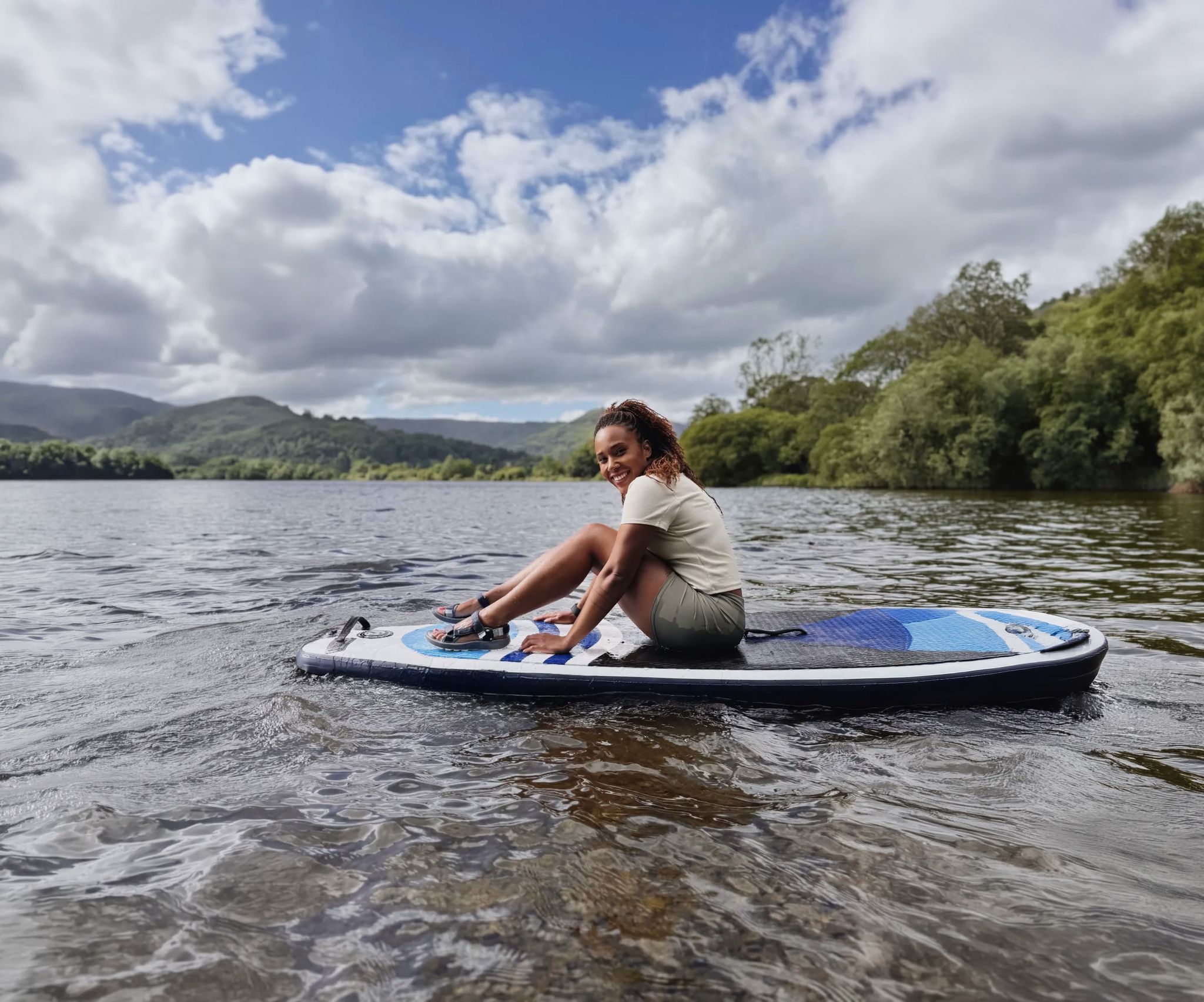
Scenic hikes to stand-up paddleboarding locations in the UK
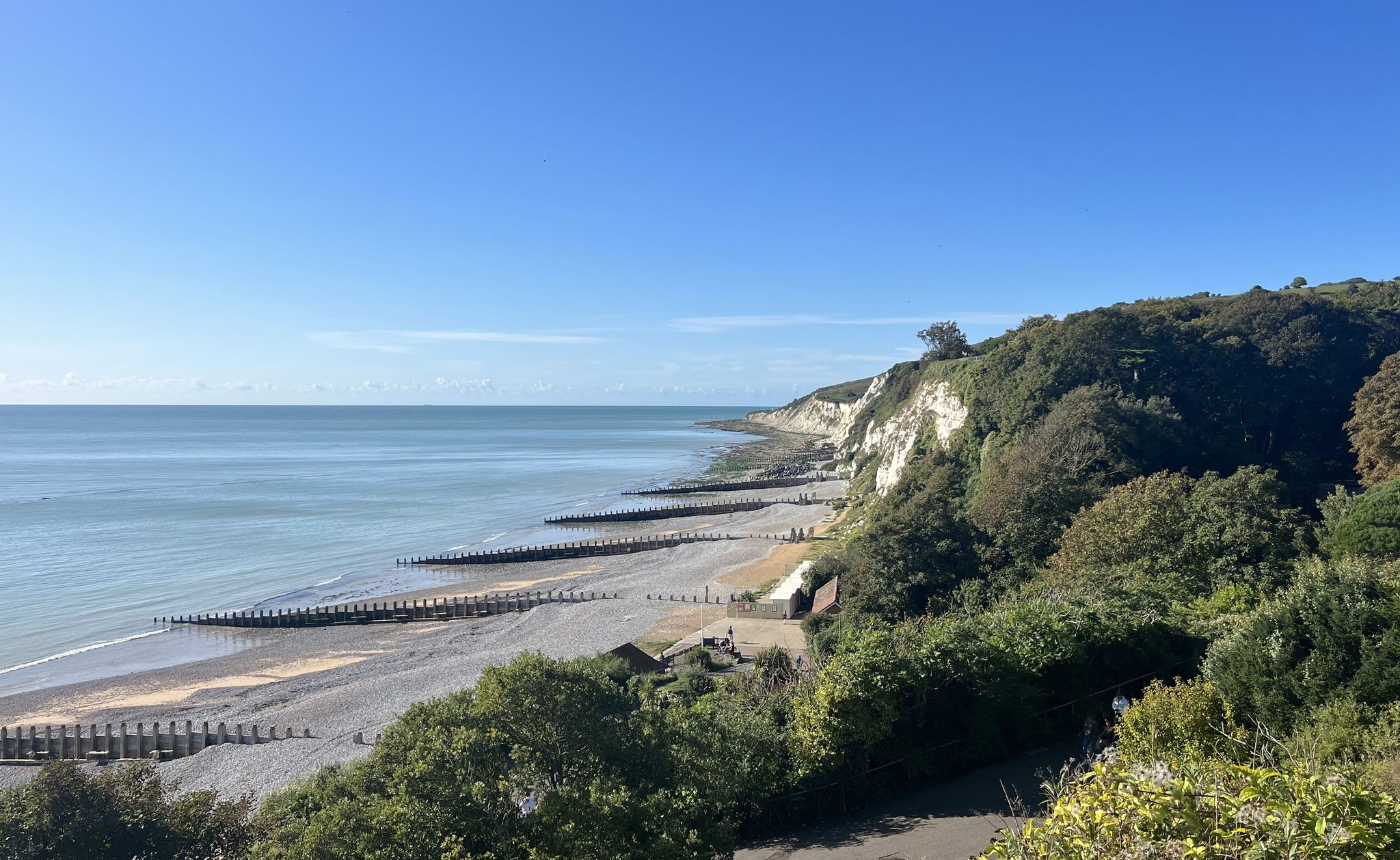
South Downs National Park – A Walk in the Parks
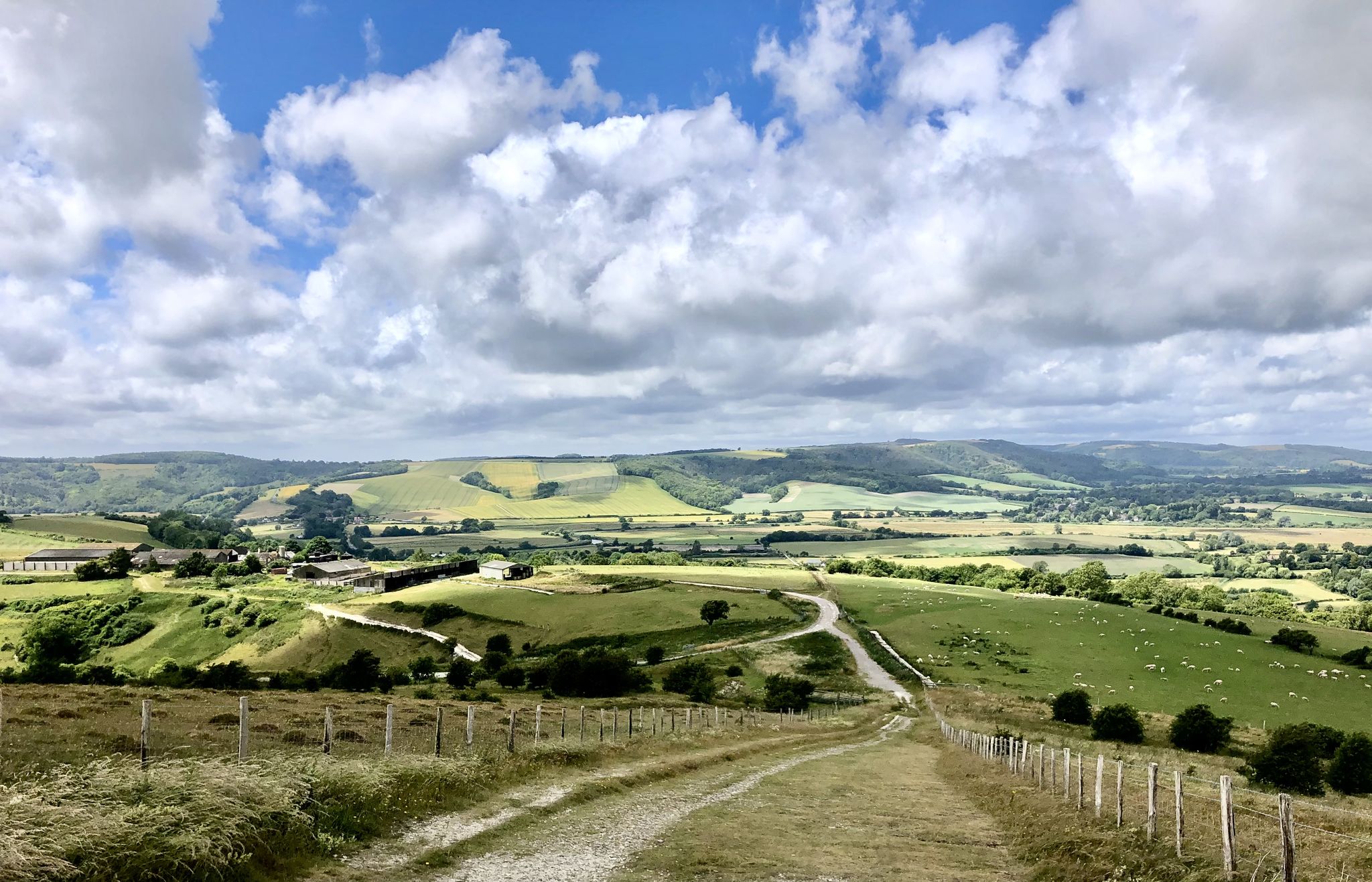
Bikepacking Brighton to Bristol — Ridges, canals and rail paths
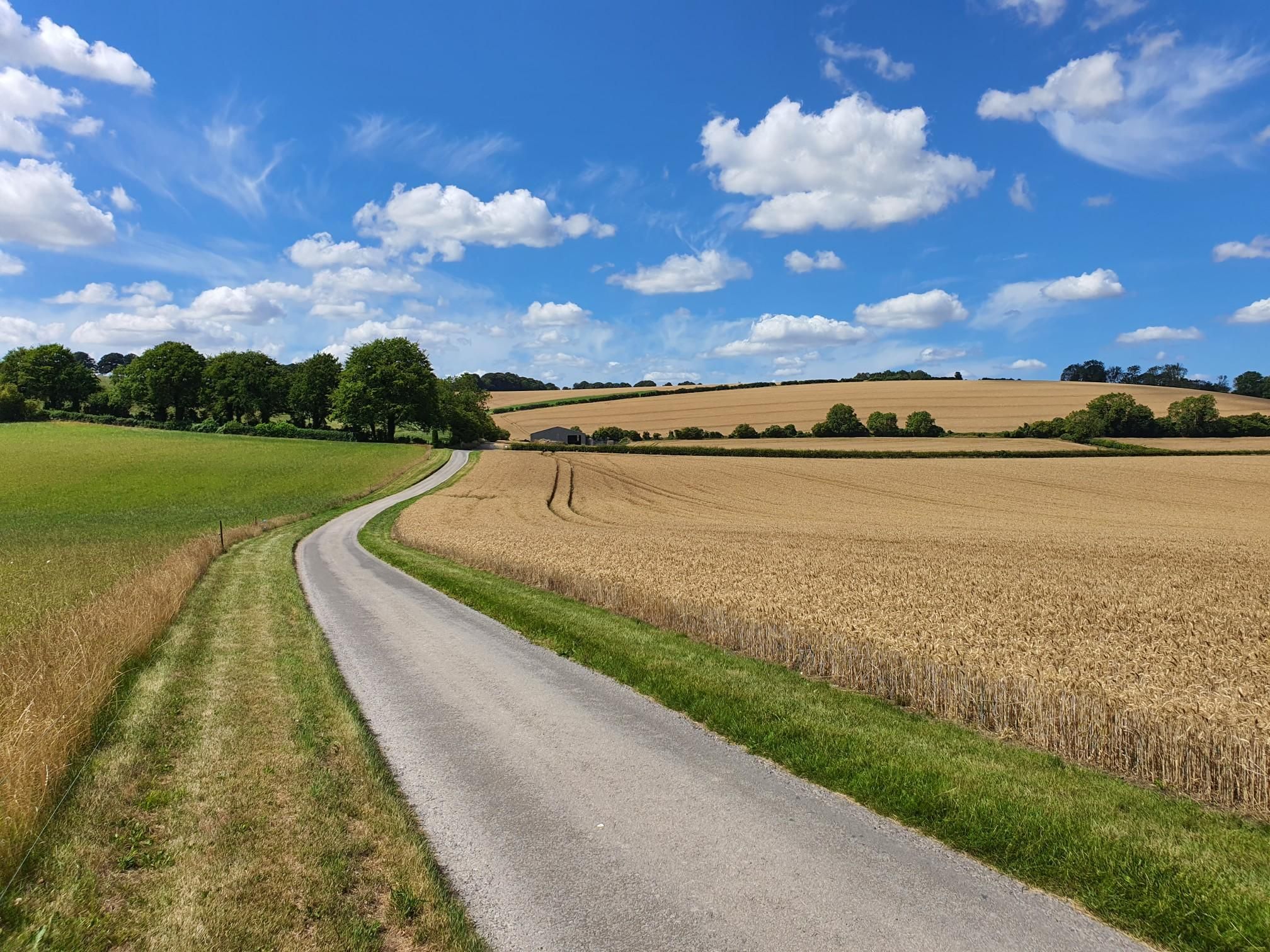
Spectacular ascents in the South Downs – Brighton to Winchester
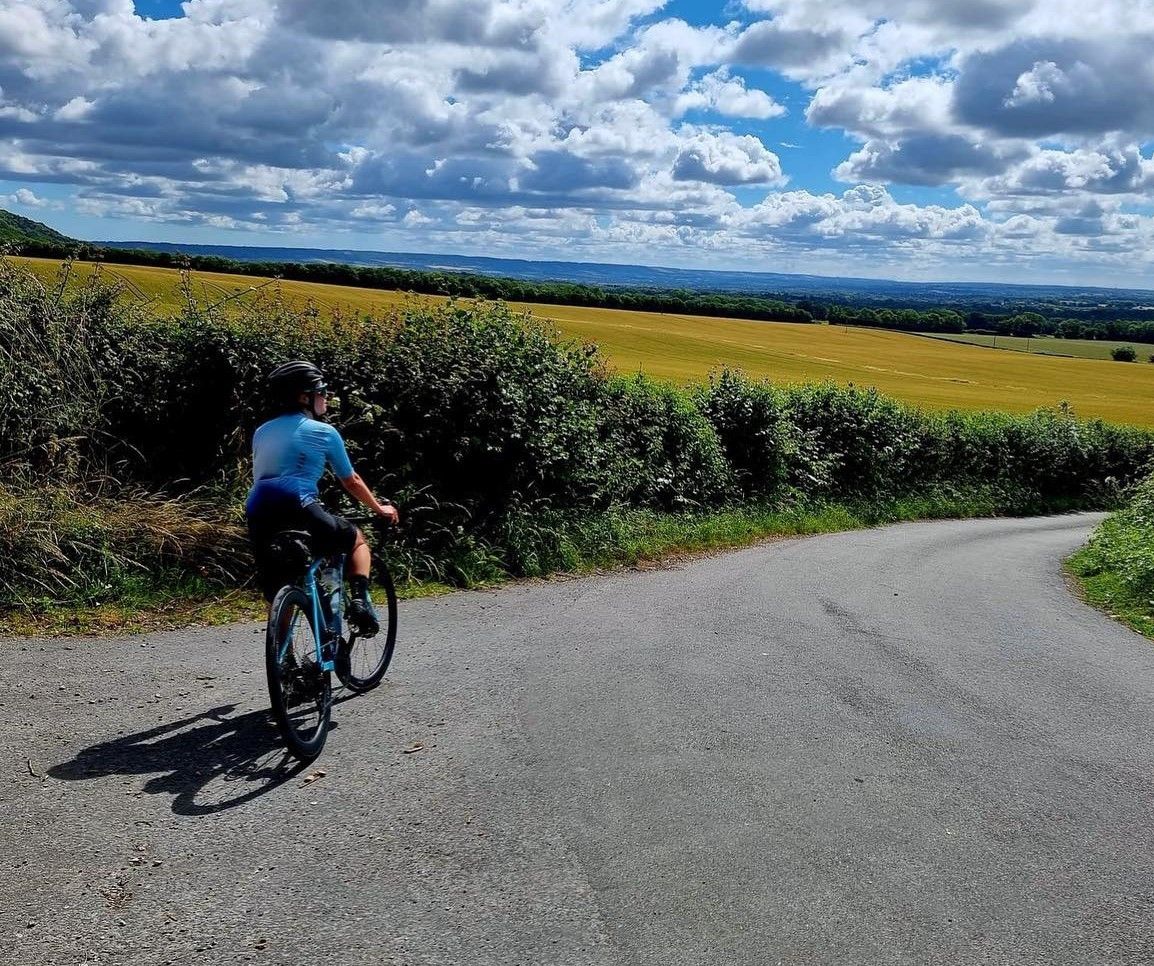
City to Sea – London to Brighton and back again
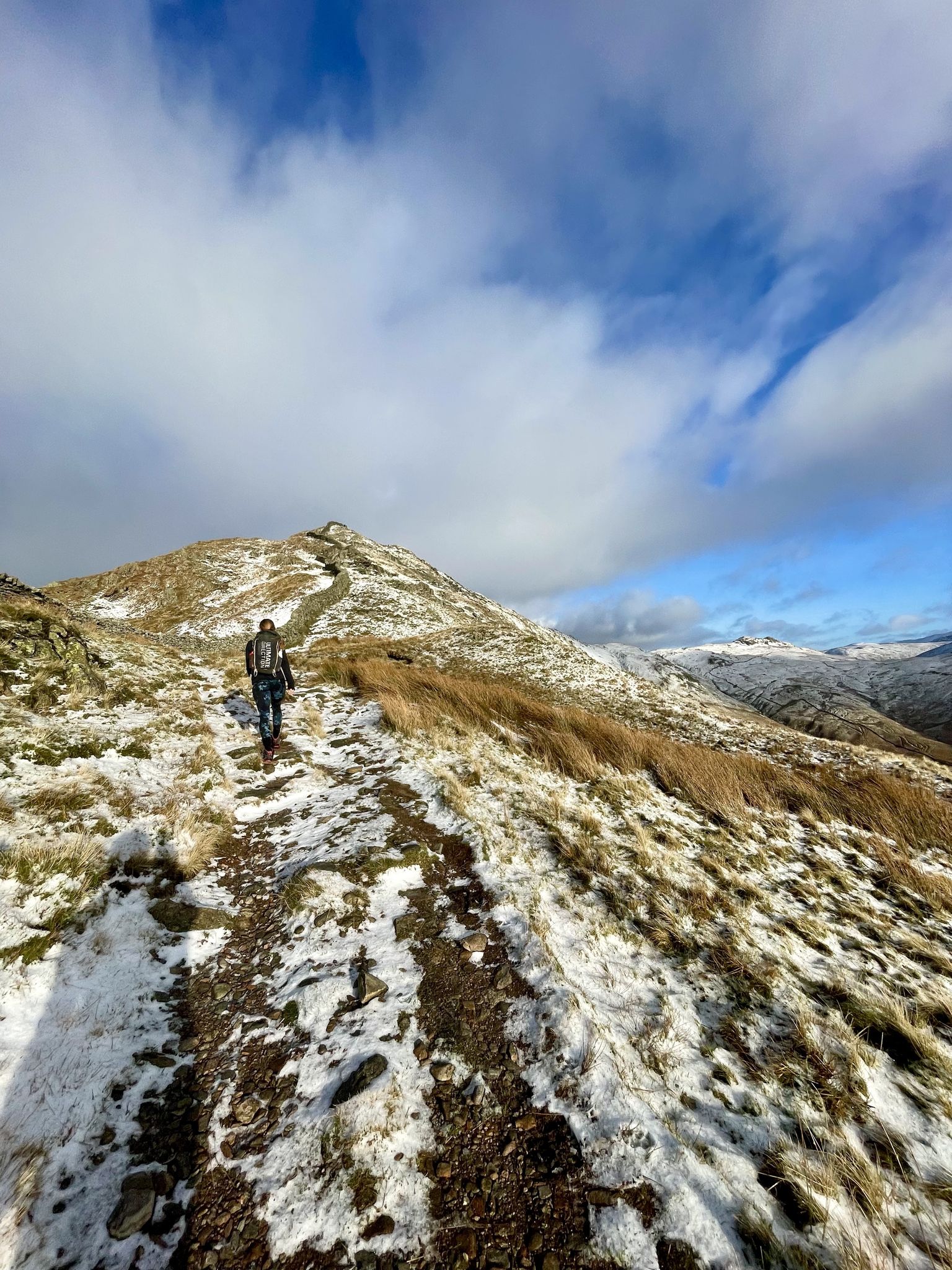
Walk Britain – 90 car-free adventures in England, Wales and Scotland
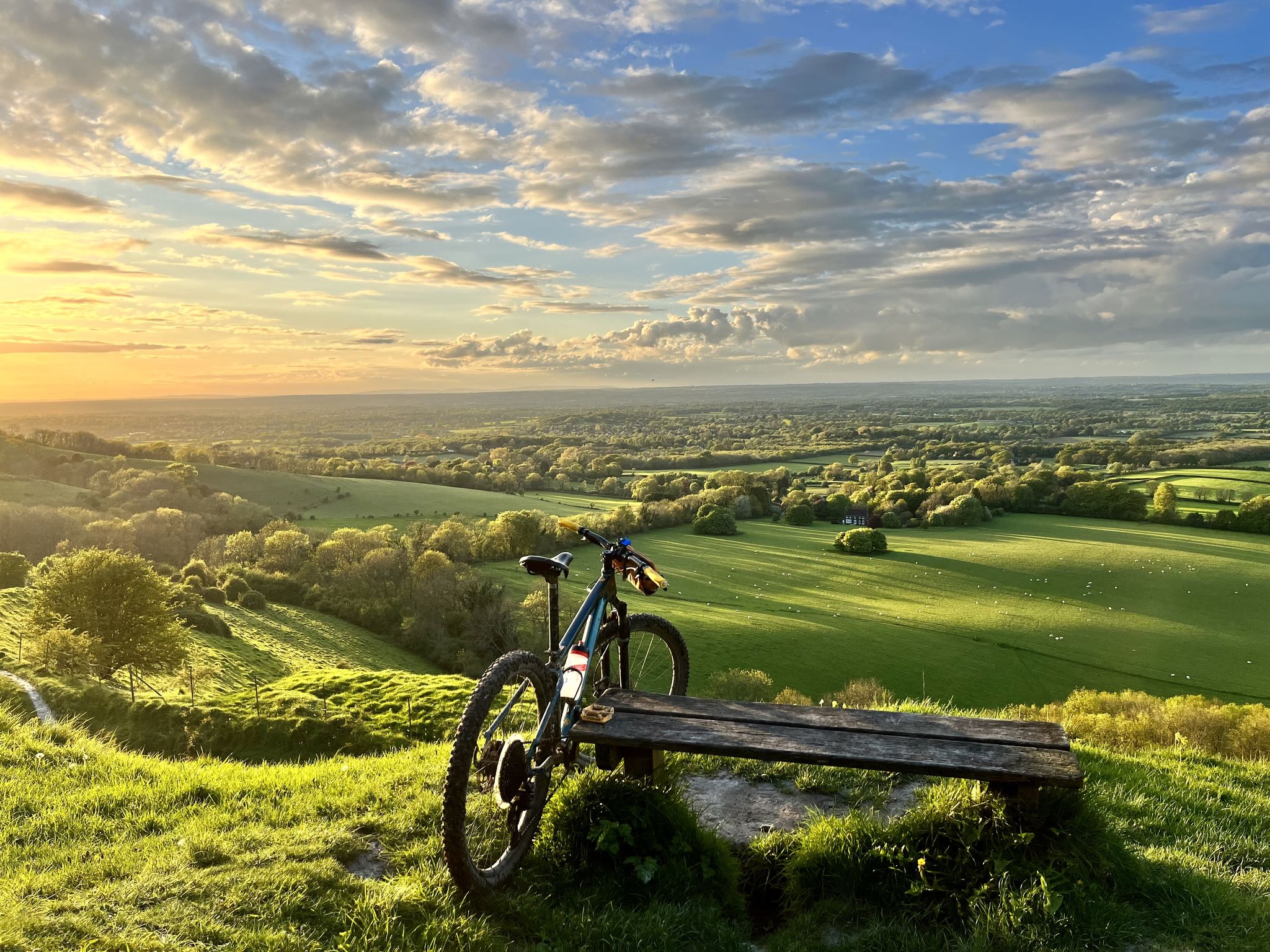
Discover the South Downs National Park — 20 rail to trail rides
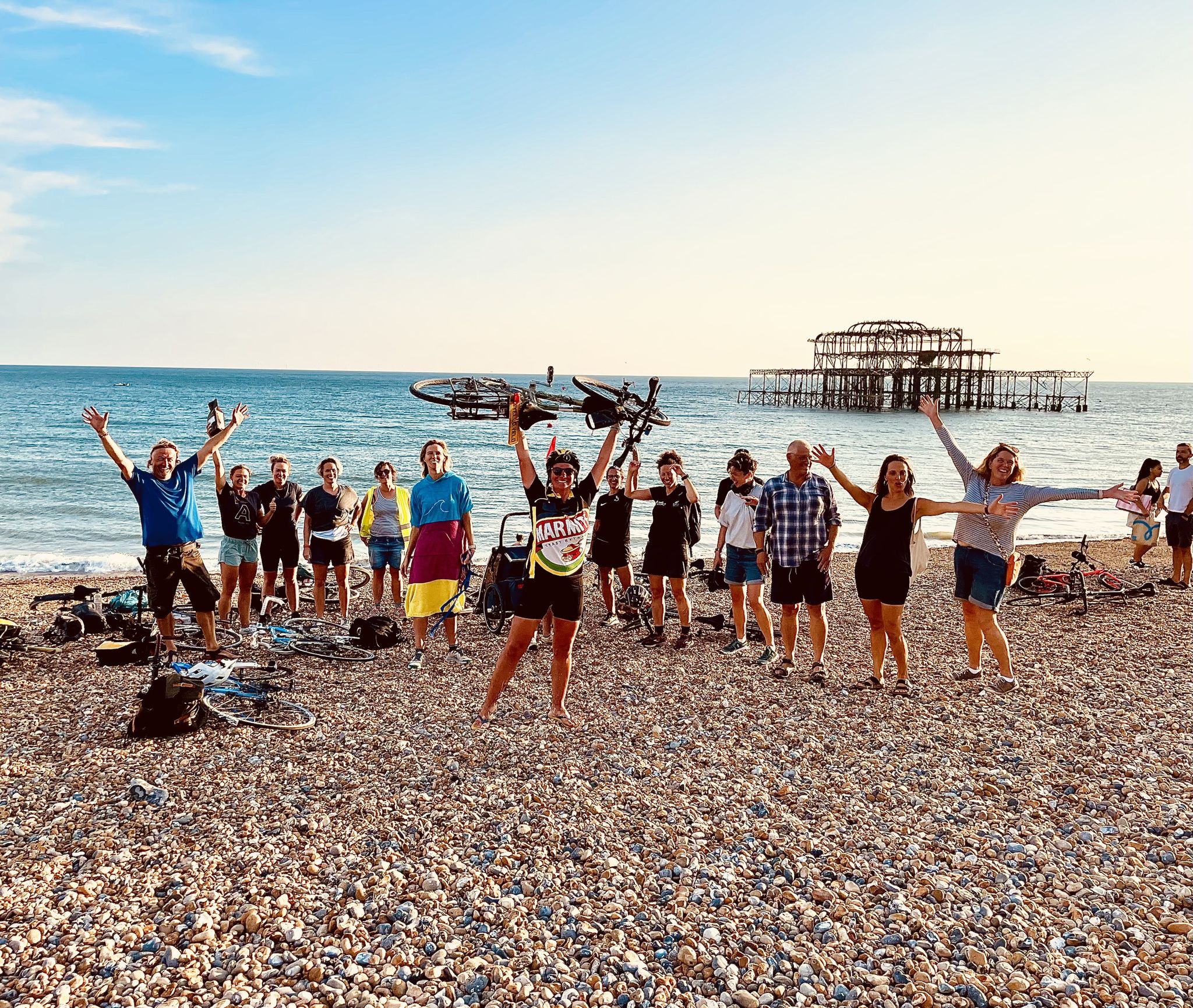
Around the edge in 80 days — cycling the coastline of Britain
So Sussex - The Living Coast by Mountain Bike

Spectacular rides in the South East of England and London – e-bike trials by Halfords
Other adventures around Brighton and Hove


Tips from the Community

You come up the hill, leave cars and traffic behind you, and after the gate you see a completely different landscape: wide fields, hills and horses grazing.
0
0

Traffic can be heavy at times - cycle paths are very good
0
0


If you were wondering, the building is Roedean School - a boarding school for girls.
0
0
Do walk out onto the breakwater for the best cliff views
0
0

Terrific views but can also be exposed to the elements if the weather isn't on your side.
0
0

Agree with the comment but I think this photo is actually of Seaford head, another 10k east?
2
0

The Ras- or footpath goes directly below the cliffs entland. Great to drive along here.
1
0
Frequently Asked Questions
What kind of natural features can I expect to see around Brighton and Hove?
Brighton and Hove offers a diverse range of natural features. You'll find dramatic chalk cliffs, expansive pebbly beaches, and significant green spaces. Notable examples include the pristine White Chalk Cliffs of Seaford Head and the unique geological formations of Black Rock Raised Beach and Chalk Cliffs, which provide insight into the region's ancient past.
Are there family-friendly natural monuments around Brighton and Hove?
Yes, several natural monuments are suitable for families. Preston Park Rock Garden is a lovely spot with twisting walkways, streams, and a pond with fish, frogs, and even turtles. The View of Roedean School and White Cliffs from Undercliff Walk Breakwater also offers accessible views that families can enjoy.
What outdoor activities can I do near these natural monuments?
The area around Brighton and Hove's natural monuments is excellent for outdoor activities. You can enjoy extensive walks along the South Downs Way near Devil's Dyke, or coastal hiking along the Seven Sisters Cliffs. Brighton Beach is popular for swimming and various watersports like windsurfing, sailing, and paddleboarding. For more structured activities, you can explore numerous hiking trails, cycling routes, and running trails throughout the region.
When is the best time of year to visit the natural monuments?
The natural monuments around Brighton and Hove offer beauty year-round. Spring brings wildflower meadows to the clifftops, attracting diverse wildlife. Summer is ideal for beach activities and long walks. Autumn showcases changing colors in green spaces like Preston Park, while winter offers dramatic coastal views and quieter trails for those who enjoy crisp walks.
What makes Devil's Dyke a significant natural monument?
Devil's Dyke, located within the South Downs National Park, is renowned for its panoramic views and is the UK's longest, deepest, and widest 'dry valley.' It features chalk grassland, diverse plant life, and butterflies. It's also home to England's tallest native tree, a majestic 44-meter Beech, and offers visible Iron Age hill fort ramparts, adding historical intrigue to its unique geological formation.
Are there any unique geological sites to visit?
Yes, the Black Rock Raised Beach and Chalk Cliffs offer a unique geological insight. This site is an "ice age 'fossilised' beach and chalk cliff," visible as a cross-section on the current cliff face, and is part of a geological Site of Special Scientific Interest. It provides a glimpse into the region's ancient past and the effects of the ice age.
How long is the Seven Sisters walk?
The famous Seven Sisters Cliffs offer a spectacular coastal hiking experience. The trail from Seaford to Eastbourne, which traverses the clifftops, is approximately 14 miles long. This route provides awe-inspiring views of the English Channel and the iconic white cliffs.
Are there dog-friendly natural monuments or walks?
Many natural areas around Brighton and Hove are dog-friendly, especially the extensive network of paths within the South Downs National Park, including areas around Devil's Dyke. Brighton Beach also welcomes dogs, though seasonal restrictions may apply to certain sections during peak times. Always check local signage for specific rules.
Where can I find the best viewpoints of the natural monuments?
For breathtaking views, Devil's Dyke offers panoramic vistas north over the Weald and south over the city to the sea. The White Chalk Cliffs of Seaford Head provide extensive coastal scenery. Additionally, the Undercliff Walk Breakwater allows you to walk out for optimal perspectives of the cliffs.
What kind of wildlife can I see at these natural monuments?
The natural monuments are home to diverse wildlife. The chalk grassland at Devil's Dyke teems with butterflies. The clifftops of the Seven Sisters transform into wildflower meadows in spring, attracting nesting seabirds, butterflies, and bees. Birdwatching is popular in Cuckmere Haven, and seals can occasionally be spotted near Birling Gap at low tide. Brighton Beach's Chalk Reef habitat hosts various marine creatures.
Is parking available at Devil's Dyke?
Yes, parking is available at Devil's Dyke. It is managed by the National Trust. For specific details on parking facilities and any associated fees, it's advisable to check the official National Trust website or the local council's information. You can find more information about Devil's Dyke on the Brighton & Hove Council website.
Are there any wheelchair-accessible viewpoints or natural monuments?
While many natural monuments involve uneven terrain, some areas offer more accessible options. The promenade along Brighton Beach provides flat access with sea views. For viewpoints, while specific wheelchair-accessible viewpoints at Devil's Dyke or Seven Sisters might require checking specific access routes, the general area around the Undercliff Walk Breakwater offers relatively flat access to coastal views.
What is the significance of Brighton Beach as a natural monument?
Beyond its lively pier, Brighton Beach is a significant natural monument due to its expansive pebbled shores and its importance for vegetated shingle, a nationally scarce habitat. The collapse of the South Downs into the sea has also formed rockpools, which are part of a globally rare Chalk Reef habitat, supporting diverse marine life.
Most popular routes around Brighton and Hove
Most popular attractions around Brighton and Hove

Get inspired with the komoot mobile app


Explore more
Extend your search for the best caves by checking out these guides of the top ones around Brighton and Hove:
