Top 20 Natural Monuments in Tasmania
Natural monuments in Tasmania showcase the island's exceptional geodiversity and biodiversity. The region features a collection of natural landmarks, from dramatic coastlines and ancient forests to glaciated peaks. These sites highlight Tasmania's wild and pristine landscapes, offering diverse natural features for exploration. The island's terrain includes unique geological formations and varied ecosystems.
Best natural monuments in Tasmania
- The most popular natural monuments is Wineglass Bay Lookout, a viewpoint that offers views of a perfect curve of white sand and…
Last updated: June 26, 2026
Wineglass Bay Lookout
Highlight • Viewpoint
Tip by

Dove Lake
Highlight • Lake
Tip by
Sign up now to discover places like this
Get recommendations on the best single tracks, peaks, & plenty of other exciting outdoor places.
Sign up for free
Marion's Lookout
Highlight • Viewpoint
Tip by

Overland Track: Ronny Creek
Highlight (Segment) • Trail
Tip by
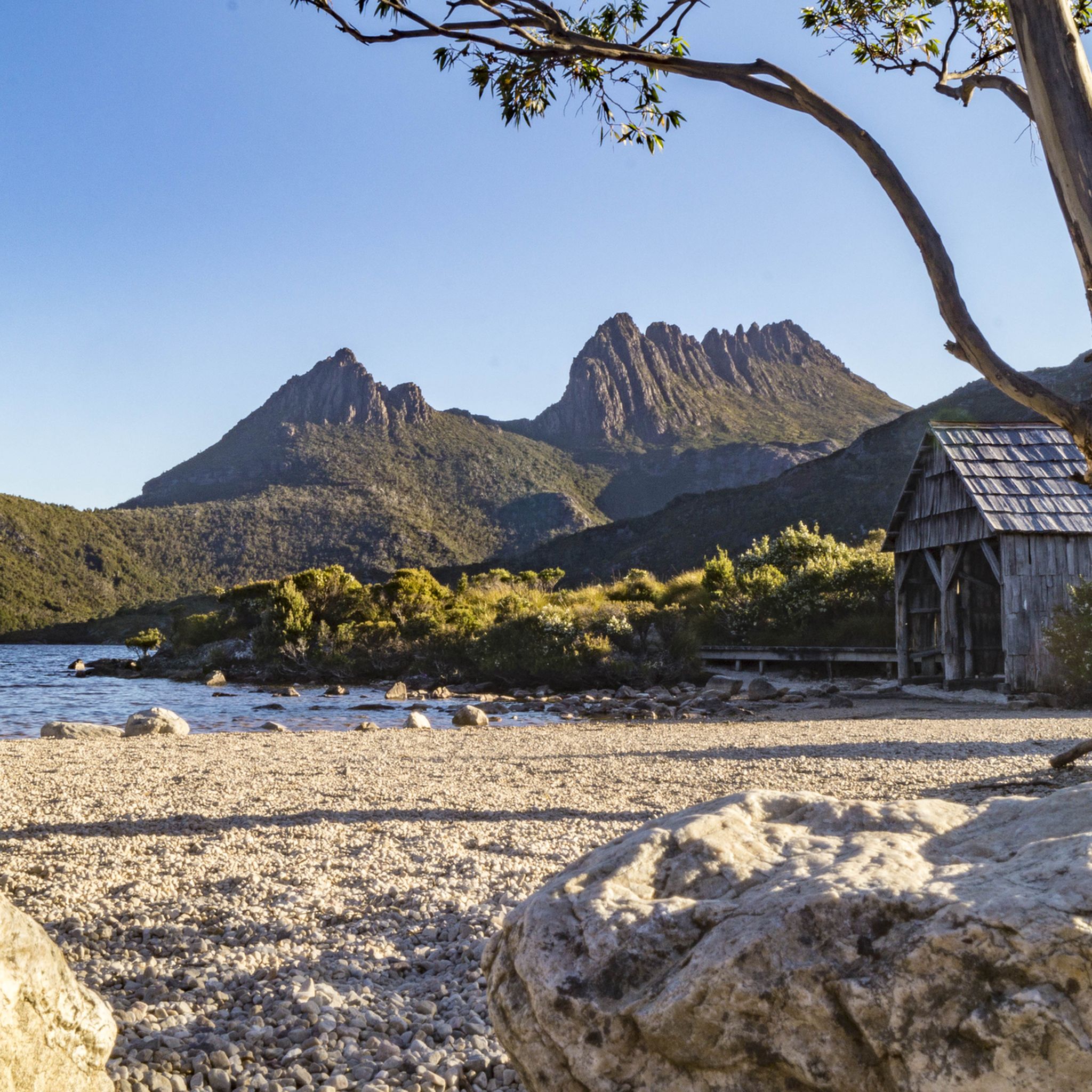
Cradle Mountain
Highlight • Summit
Tip by
Cape Hauy
Highlight • Viewpoint
Offers spectacular cliff views.
Tip by

Russell Falls
Highlight • Waterfall
Tip by
Crater Lake
Highlight • Lake
Tip by
Horseshoe Falls
Highlight • Waterfall
Tip by
Balanced Rock
Highlight • Natural Monument
Tip by
Sign up for free to discover even more natural monuments in Tasmania.
Sign up for free
Already have an account?
Start today with a free account
Your next adventure awaits.
Login or Signup

Other adventures in Tasmania

Tips from the Community

Cradle Mountain is a steep, jagged dolerite peak in Tasmania’s alpine north, where you climb through rocky terrain, subalpine forest, and exposed ridgelines with breathtaking views over Dove Lake and the surrounding peaks. The summit route is a demanding full-day walk that includes sustained uphill sections and scrambling over large boulders, requiring good fitness and careful footing rather than technical climbing gear. Reaching the summit is suitable only for very experienced bushwalkers, and the weather in the area can change rapidly from clear to cold, wet, or even snowy conditions, so you should be prepared for full alpine conditions on short notice.
0
0
Crater Lake is a small, picturesque glacial lake nestled beneath Cradle Mountain, surrounded by steep slopes and alpine vegetation. A well-formed walking track leads to the lake from several nearby routes, offering elevated views over the water and surrounding peaks. Its sheltered setting and reflective surface make it a lovely spot to pause and take in the scenery for anyone exploring this beautiful area.
0
0
Overland Track at Ronny Creek marks the northern trailhead of Tasmania’s iconic long-distance walk, set within Cradle Mountain–Lake St Clair National Park. Beginning across button grass plains and boardwalks, this section offers immediate views of Cradle Mountain and plenty of wildlife sightings, including wombats. It's a well-defined and easy start before the track climbs toward Marion’s Lookout and the alpine plateau.
0
0
Marion’s Lookout sits high above Dove Lake, with sweeping panoramic views of Cradle Mountain, Crater Lake, and the surrounding alpine plateau. Situated on a rocky outcrop, it offers a dramatic perspective of the jagged peaks and glacially carved landscape below. On clear days, it’s one of the park’s most impressive vantage points, perfect for photos and taking in the scenery.
0
0

This lookout point is quite the reward for the hike to get here! Turquoise water, a white-sand beach, and hills surrounding the bay, all seen from above. You may choose to descend to this beach via the "1000 Stairs," but be aware that you are descending first; that's the easy part. You then must climb back up.
1
0
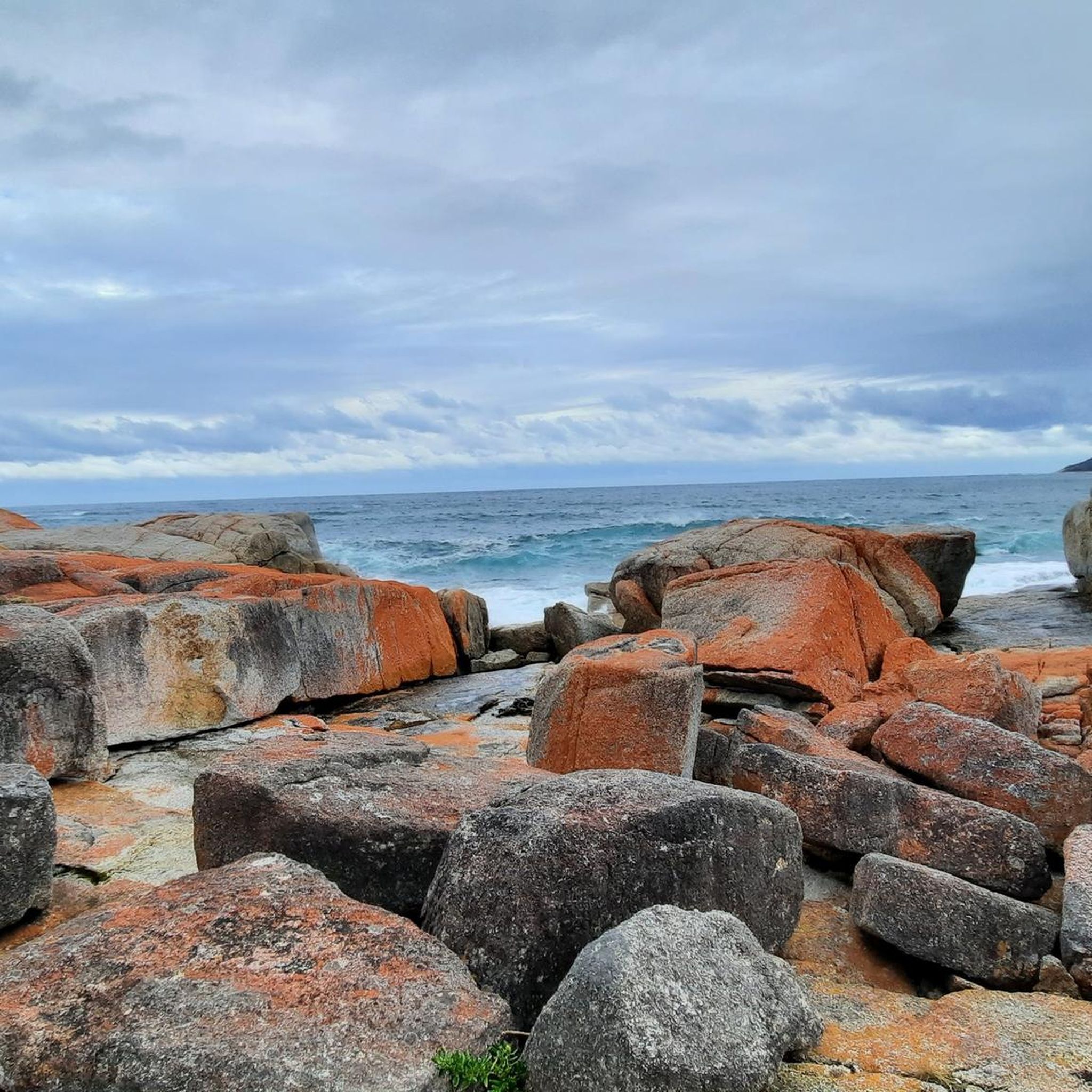
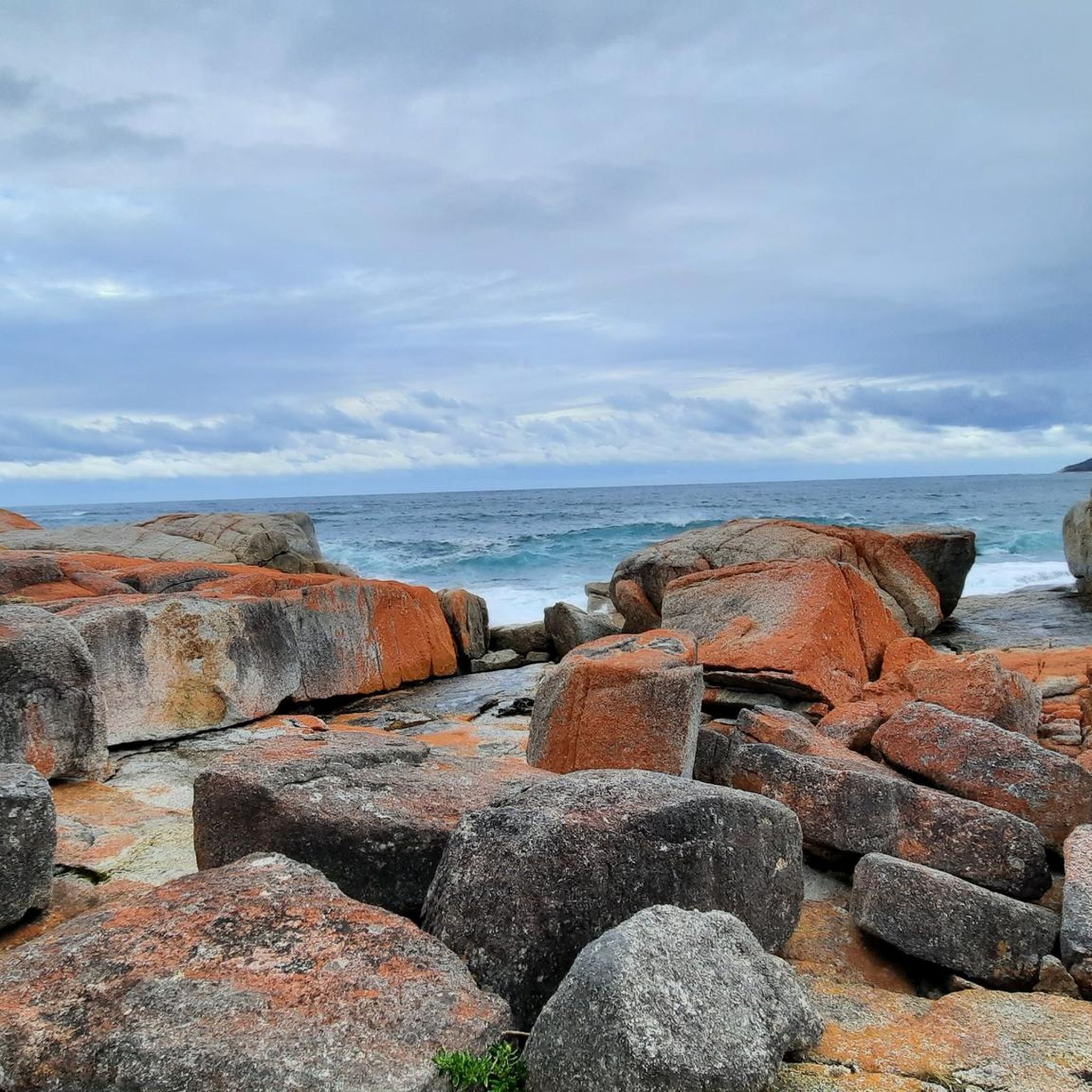
As you weave in and out of this impressive boulder field, check out this balanced rock; it's a great spot for a photo. This rock formation is one of Tasmania's famous pink-and-orange granite formations in the Hazards Mountain range. These huge, rounded boulders were created from ancient molten granite that slowly cooled far beneath the Earth's surface 370 million years ago. Over time, they became exposed through uplift and erosion.
1
0
Horseshoe Falls sits just upstream from Russel Falls, reached by a short uphill track through dense rainforest. The water fans over a curved rock face, giving the falls their distinctive horseshoe shape. There are elevated viewpoints offering a close-up view of the moss-covered rock and surrounding ferns.
0
0
Frequently Asked Questions
What are some of the most unique geological formations to see in Tasmania?
Tasmania is home to several remarkable geological features. You can explore the Wineglass Bay Lookout in Freycinet National Park, famous for its perfect curve of white sand and pink granite mountains. Tasman National Park offers the geometrically perfect Tessellated Pavement at Eaglehawk Neck, along with dramatic sea-carved formations like Tasman Arch and Devil's Kitchen. Maria Island National Park features the stunning Painted Cliffs with their swirling patterns of orange, red, and purple sandstone.
Are there family-friendly natural monuments in Tasmania?
Yes, several natural monuments in Tasmania are great for families. Russell Falls in Mount Field National Park is easily accessible via a sealed path through rainforest, and the nearby Horseshoe Falls and Lady Barron Falls are also suitable. The Dove Lake circuit in Cradle Mountain-Lake St Clair National Park is another family-friendly option, offering stunning views and diverse landscapes. Maria Island National Park is car-free and teeming with wildlife like wombats and wallabies, making it an engaging experience for all ages.
Where can I see wildlife in their natural habitat among Tasmania's natural monuments?
For wildlife encounters, Maria Island National Park is exceptional, known for its prolific wombats, wallabies, Cape Barren geese, and Tasmanian devils roaming freely. Cradle Mountain-Lake St Clair National Park is also a haven for wildlife, including Tasmanian devils, quolls, platypus, echidnas, and wombats, particularly around areas like Wombats at Ronnie Creek. Southwest National Park, though remote, is home to unique plant species and wildlife, including the critically endangered orange-bellied parrot in its more secluded areas.
What are the best natural monuments for hiking in Tasmania?
Tasmania offers world-class hiking opportunities among its natural monuments. The iconic Cradle Mountain area provides access to the renowned Overland Track. Tasman National Park features breathtaking cliff-top trails, including the Three Capes Track leading to Cape Hauy. In Freycinet National Park, you can hike to Wineglass Bay Lookout and descend to the beach. For multi-day challenging hikes, the remote Southwest National Park offers trails like the South Coast Track.
What outdoor activities can I do near natural monuments in Tasmania?
Beyond exploring the monuments themselves, Tasmania offers a range of outdoor activities. You can find numerous hiking trails, such as the easy Dove Lake Circuit or the moderate Wineglass Bay and Hazards Beach Circuit. Cycling is also popular, with routes like the Queen's Domain loop from Glenorchy. For mountain biking enthusiasts, there are trails like the Derby Tunnel loop from Derby. Freycinet National Park also offers sea kayaking and rock climbing.
When is the best time to visit Tasmania's natural monuments?
The best time to visit Tasmania's natural monuments largely depends on your preferred activities. Spring (September to November) brings wildflowers and pleasant temperatures. Summer (December to February) is ideal for hiking and coastal activities, though it's also the busiest. Autumn (March to May) is particularly stunning in Cradle Mountain-Lake St Clair National Park, when the Fagus (deciduous beech) turns brilliant gold and rust-red. Winter (June to August) offers a quieter experience, with snow-capped peaks in alpine areas, but some trails may be more challenging or inaccessible.
Are there any natural monuments in Tasmania that are particularly accessible?
Yes, Mount Field National Park is known for its accessibility. Russell Falls, for example, is easily reached via a sealed, wheelchair-friendly path. The Tall Trees Walk junction also offers a short boardwalk circuit through giant swamp gums, providing an accessible way to experience ancient forests.
What makes Cradle Mountain-Lake St Clair National Park a significant natural monument?
Cradle Mountain-Lake St Clair National Park is a jewel within the Tasmanian Wilderness World Heritage Area. It's renowned for its iconic, rugged peaks of Cradle Mountain rising above the serene, glacially formed Dove Lake. The park features ancient rainforests, alpine moorlands, and is home to Tasmania's only winter-deciduous tree, the Fagus. It offers diverse ecosystems of Gondwanan origin and opportunities for world-class hiking.
Can I see unique rock formations and sea stacks in Tasmania?
Absolutely. Tasman National Park is famous for its dramatic coastal formations, including the impressive Tasman Arch, Devil's Kitchen, and The Blowhole, all carved by the relentless power of the sea. The park also features Australia's highest sea cliffs and notable sea stacks like the Totem Pole near Cape Hauy, which is famous among rock climbers. You can also find Balanced Rock in the region.
What kind of natural monuments can I find in Mount Field National Park?
Mount Field National Park is one of Tasmania's oldest and most diverse national parks, particularly known for its stunning waterfalls within cool temperate rainforest. You can visit the elegant two-tiered Russell Falls, the distinctive Horseshoe Falls where water fans over a curved rock face, and Lady Barron Falls, which tumbles over broad rock steps. The park also features the Tall Trees Walk, showcasing giant swamp gums.
What makes Freycinet National Park a popular destination for natural monuments?
Freycinet National Park, located on Tasmania's east coast, is celebrated for its stunning coastal scenery and iconic landmarks. Its most famous natural monument is Wineglass Bay, frequently rated among the world's best beaches, known for its perfect curve of white sand, turquoise waters, and the dramatic backdrop of the pink granite Hazards mountains. The park also offers long stretches of pristine coastline like Friendly Beaches.
Are there any remote or truly wild natural monuments in Tasmania?
Yes, Southwest National Park is Tasmania's largest national park and represents a vast, remote wilderness area. It is part of the Tasmanian Wilderness World Heritage Area and is characterized by towering dolerite mountains, buttongrass moorlands, primeval rainforests, and wild rivers. Much of the park is inaccessible by vehicle, making it a destination for those seeking truly wild and untracked experiences, such as challenging multi-day hikes like the South Coast Track.
Most popular routes in Tasmania
Most popular attractions in Tasmania

Get inspired with the komoot mobile app


Didn’t find what you were looking for?
Find even more amazing natural monuments in Tasmania by checking out the top Highlights region by region:
Explore more
Extend your search for the best caves by checking out these guides of the top ones in Tasmania:
