Top 20 Natural Monuments in Brussels
Best natural monuments in Brussels include significant green spaces that serve as vital natural lungs within this urban center. The region features ancient forests, expansive parks, and serene lakes, offering ecological importance and recreational value. These areas provide opportunities to connect with nature and explore diverse landscapes. Brussels is known for its diverse natural monuments, including ancient forests, serene lakes, and expansive urban parks.
Best natural monuments in Brussels
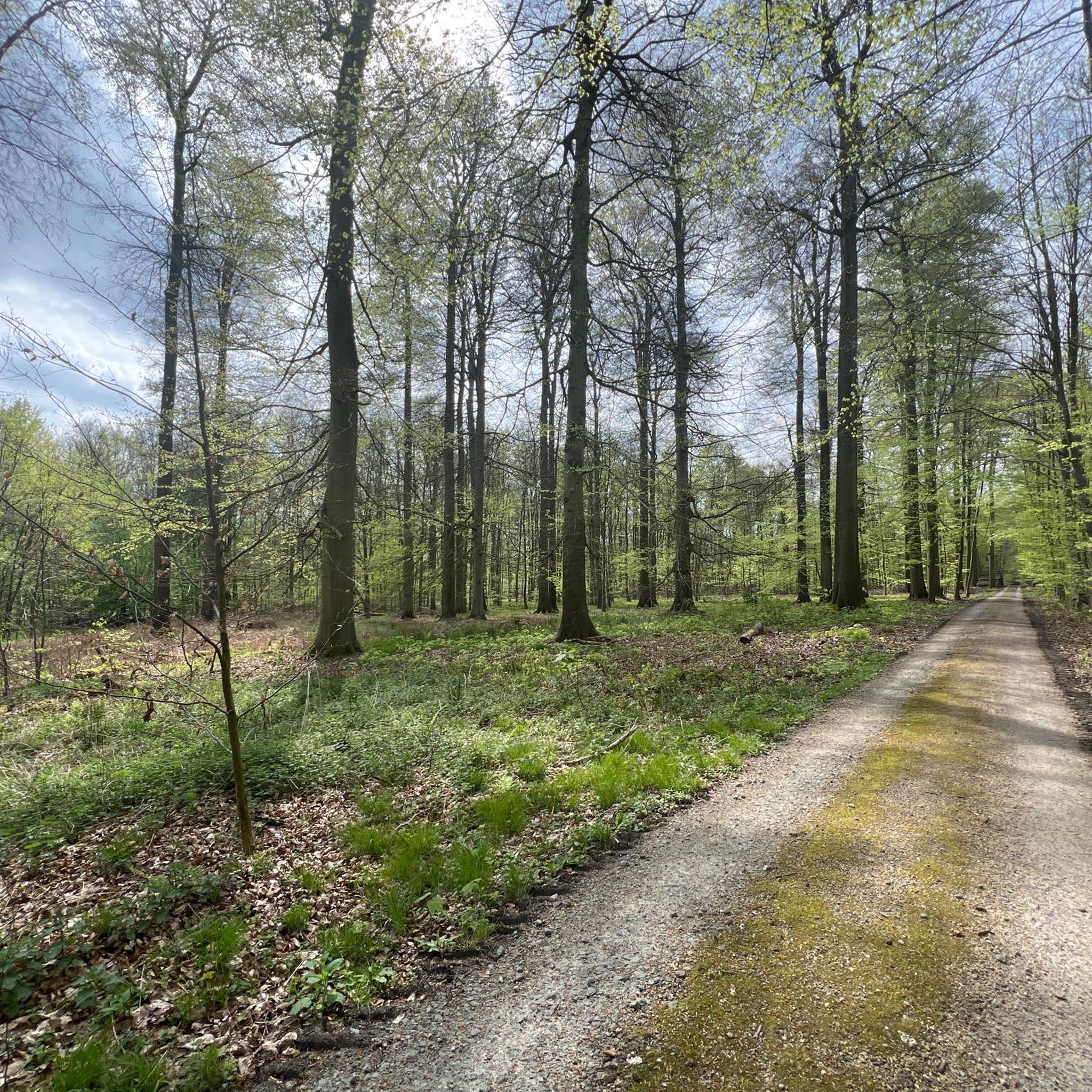
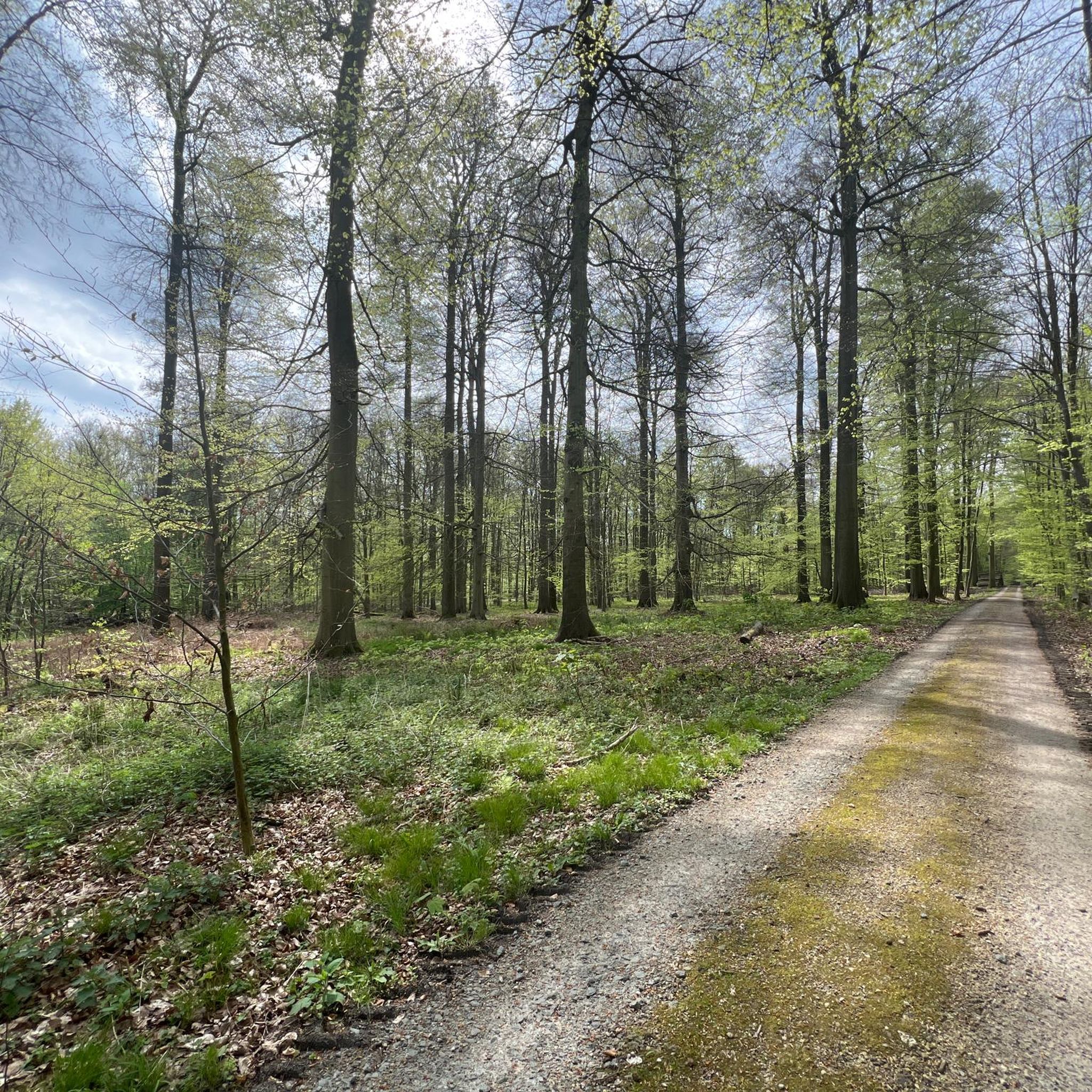
- The most popular natural monuments is Sonian Forest, a forest that is one of the largest forest areas in Flanders. This vast forest is recognized as a UNESCO World Heritage Site and features trees more than 200 years old.
- Another must-see spot is Drowned Children Ponds, a lake consisting of three large ponds located in a valley of the Sonian Forest. This nature reserve offers a peaceful setting for picnics and nature observation.
- Visitors also love Woluwe Park, a forest that is one of the largest parks in the capital with nearly 69 hectares. The park is distinguished by the variety of its trees with some 180 different species.
- Brussels is known for ancient forests, serene lakes, and expansive urban parks. These areas offer a variety of landscapes to explore, from dense woodlands to formal gardens and open water bodies.
- The natural monuments in Brussels are appreciated by the komoot community, with more than 600 upvotes and 34 photos shared by visitors.
Last updated: October 13, 2026
Drowned Children Ponds
Highlight • Lake
Tip by

Sonian Forest
Highlight • Forest
Translated by Google •
Tip by

Sign up now to discover places like this
Get recommendations on the best single tracks, peaks, & plenty of other exciting outdoor places.
Mont des Arts Garden
Highlight • Viewpoint
Translated by Google •
Tip by

Woluwe Park
Highlight • Forest
Landscape architect Emile Lainé will be entrusted with the development project. Earthworks will be undertaken, using in particular the earth removed during the construction of the four ponds to give the park its rugged relief of English inspiration. The park is also distinguished by the variety of its trees with some 180 different species.
Translated by Google •
Tip by

Cinquantenaire Park (Jubelpark)
Highlight • Natural Monument
Translated by Google •
Tip by

Warande Park (Brussels Park)
Highlight • Forest
Those times are long gone, after many redesigns this facility (incidentally the first public park in Brussels) is now an important local recreation area in the center of Brussels. Stroll along its wide avenues and let yourself be surprised by the exciting visual axes and perspectives. Sometimes concerts are held in the music pavilion.
Translated by Google •
Tip by

Vuylbeek Nature Reserve
Highlight • Forest
Translated by Google •
Tip by
Jette Marsh
Highlight (Segment) • Natural
This swamp is the habitat of the grass snake (a harmless animal), which has prevented many concrete projects.
The Ganshoren swamp is a nature reserve in the Brussels municipality of Ganshoren. The 11-hectare area is owned by the Brussels-Capital Region. Originally the swamp of Jette also belonged to this swamp, but in 1881 the swamp area was divided into two parts by the construction of railway line 60. In 1989 the swamp of Jette became part of the King Baudouin Park (third phase), which is located to the north and to the south. east of the Ganshoren swamp.
Due to the drying out of the area since the 1950s, the 'marsh' today consists mainly of moist meadows, and mostly higher shrubs and trees, and has thus actually become a lake.
Translated by Google •
Tip by
Botanical Garden of Brussels (Kruidtuin / Jardin Botanique)
Highlight • Natural
Translated by Google •
Tip by

Beaver Dam and Stream Ecosystem
Highlight • Natural
Tip by

Sign up for free to discover even more natural monuments in Brussels.
Already have an account?
Start today with a free account
Your next adventure awaits.
Popular around Brussels
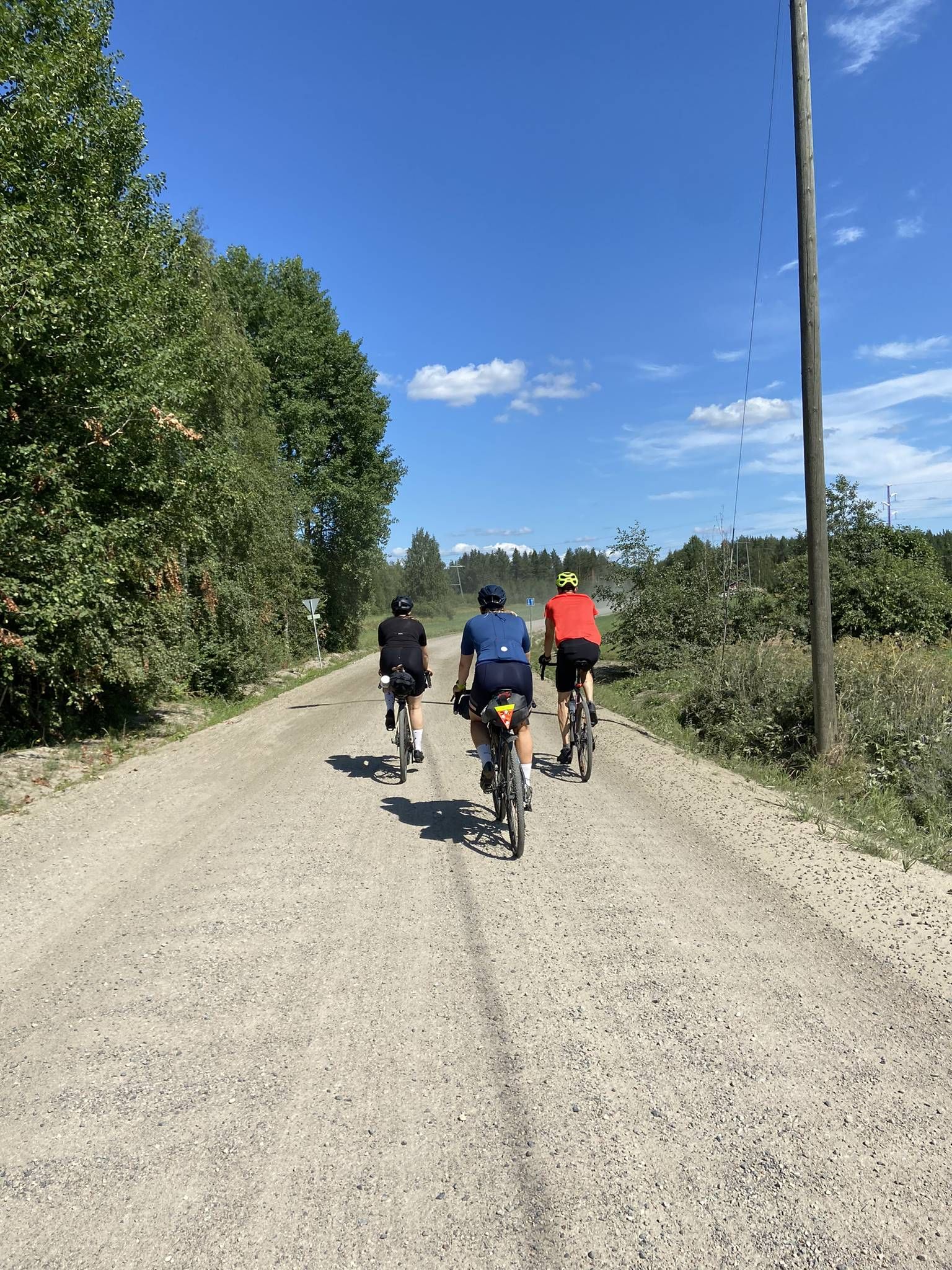
Naples to North Cape — Two friends, one purpose and many scoops of ice-cream
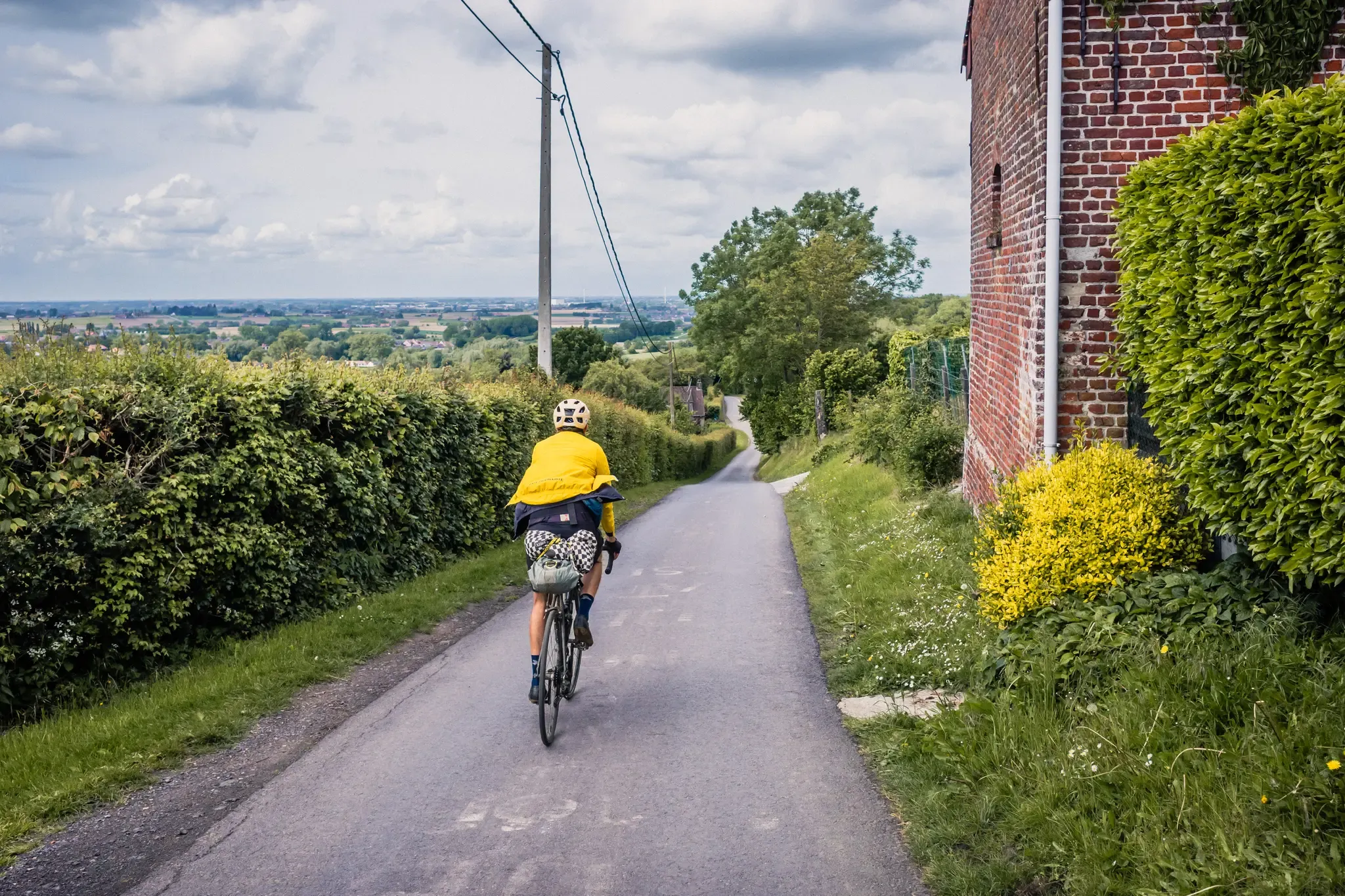
The Hilly Route from Brussels to Poperinge – bikepacking in Flanders
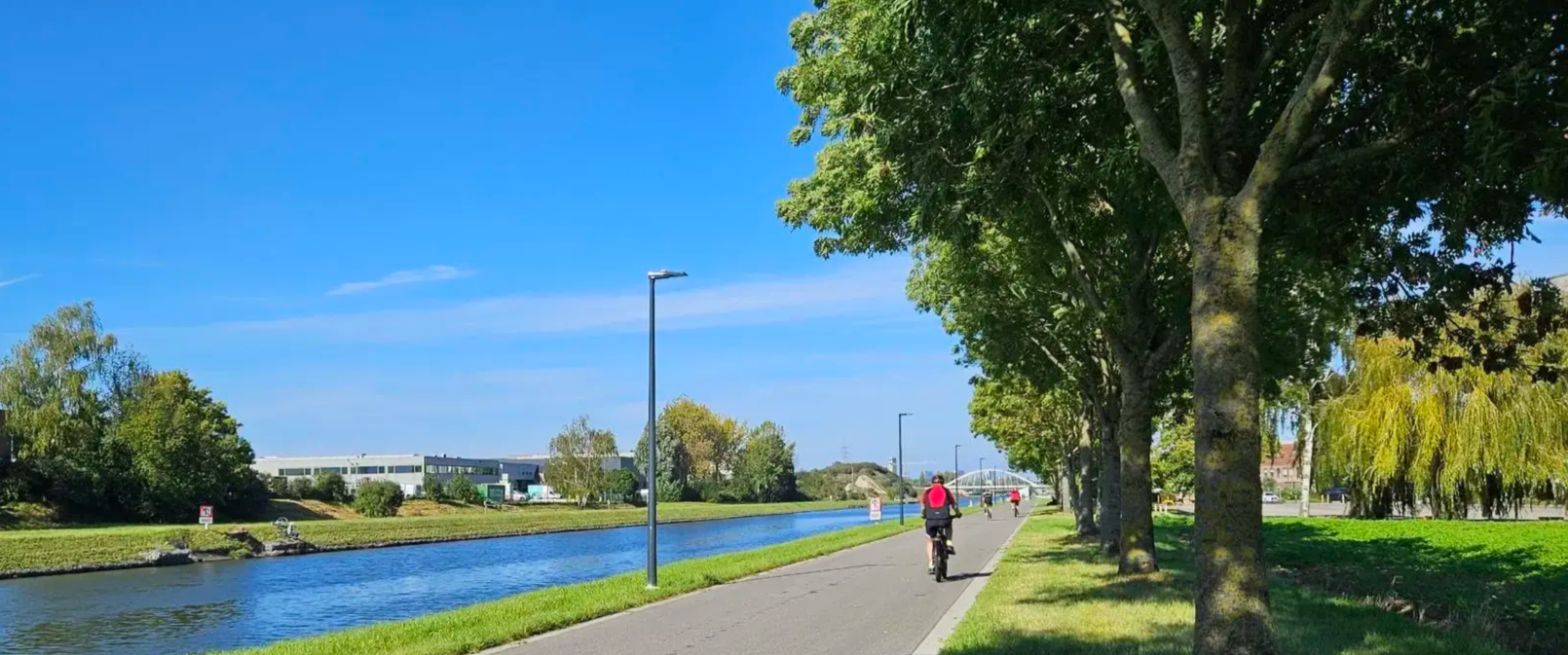
Wallonia by bike — RV1 : Along the water
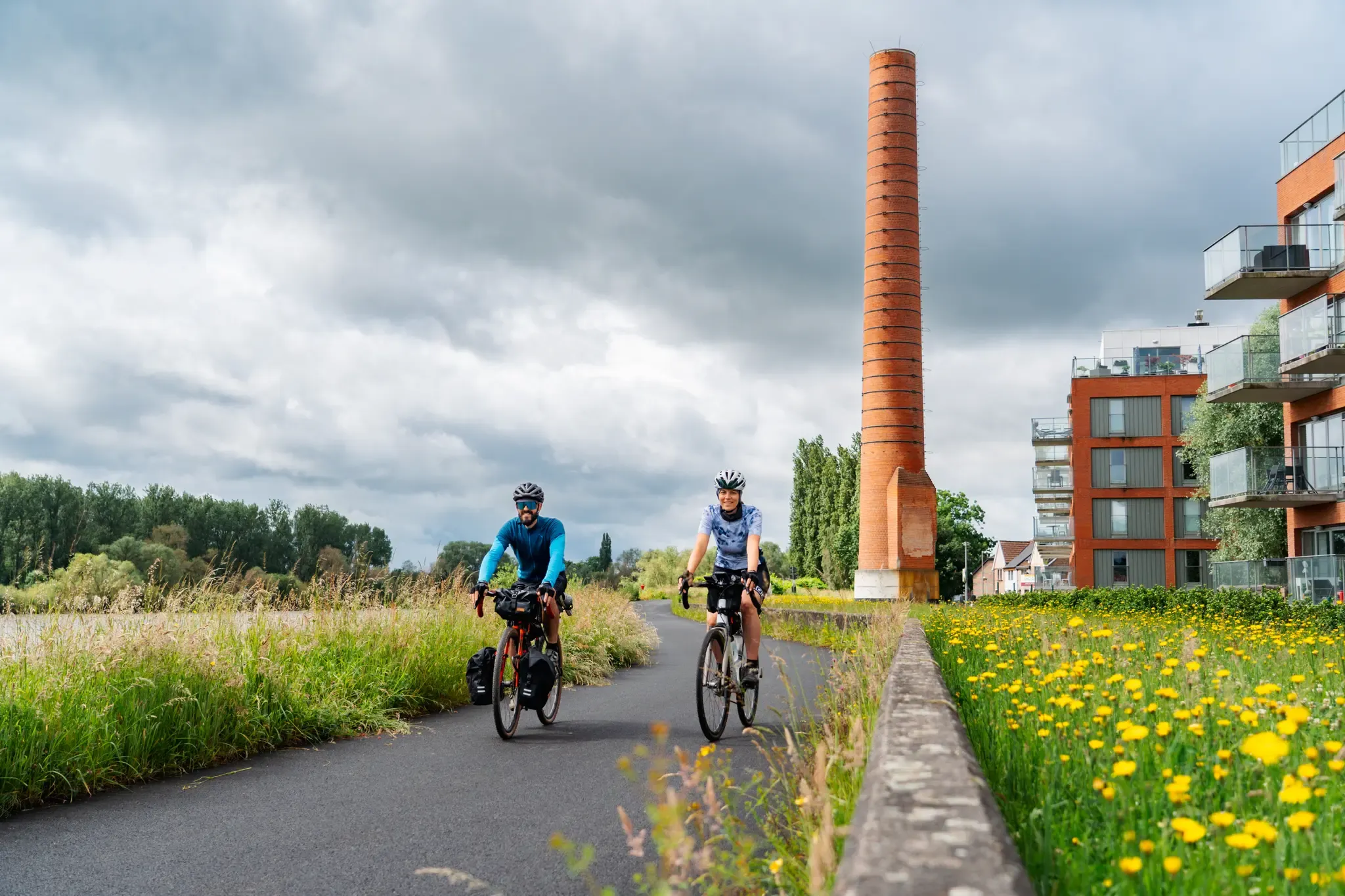
Fries, nature and beer – experience Flanders by bike
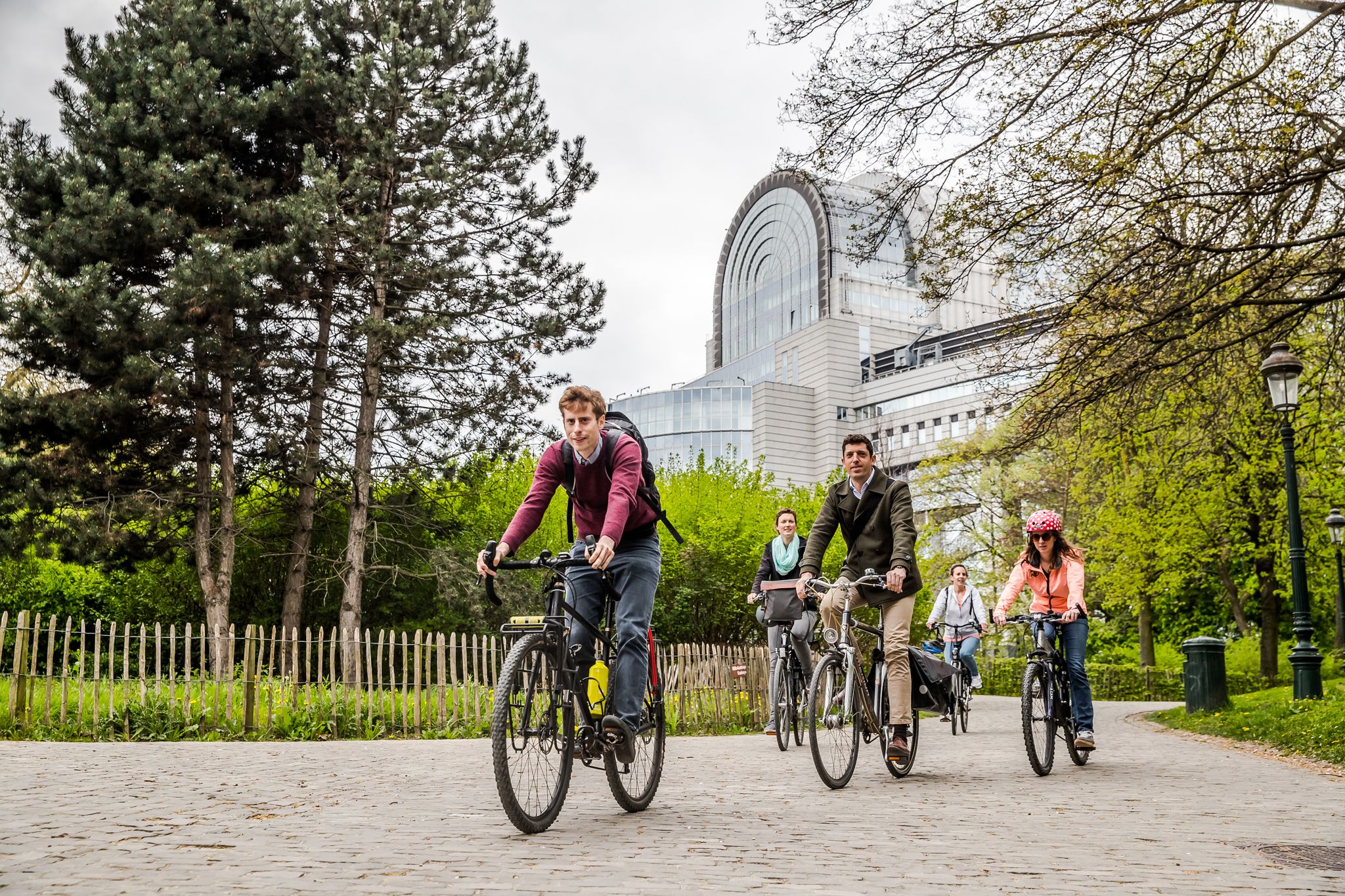
Brussels by bike – 8 themed rides
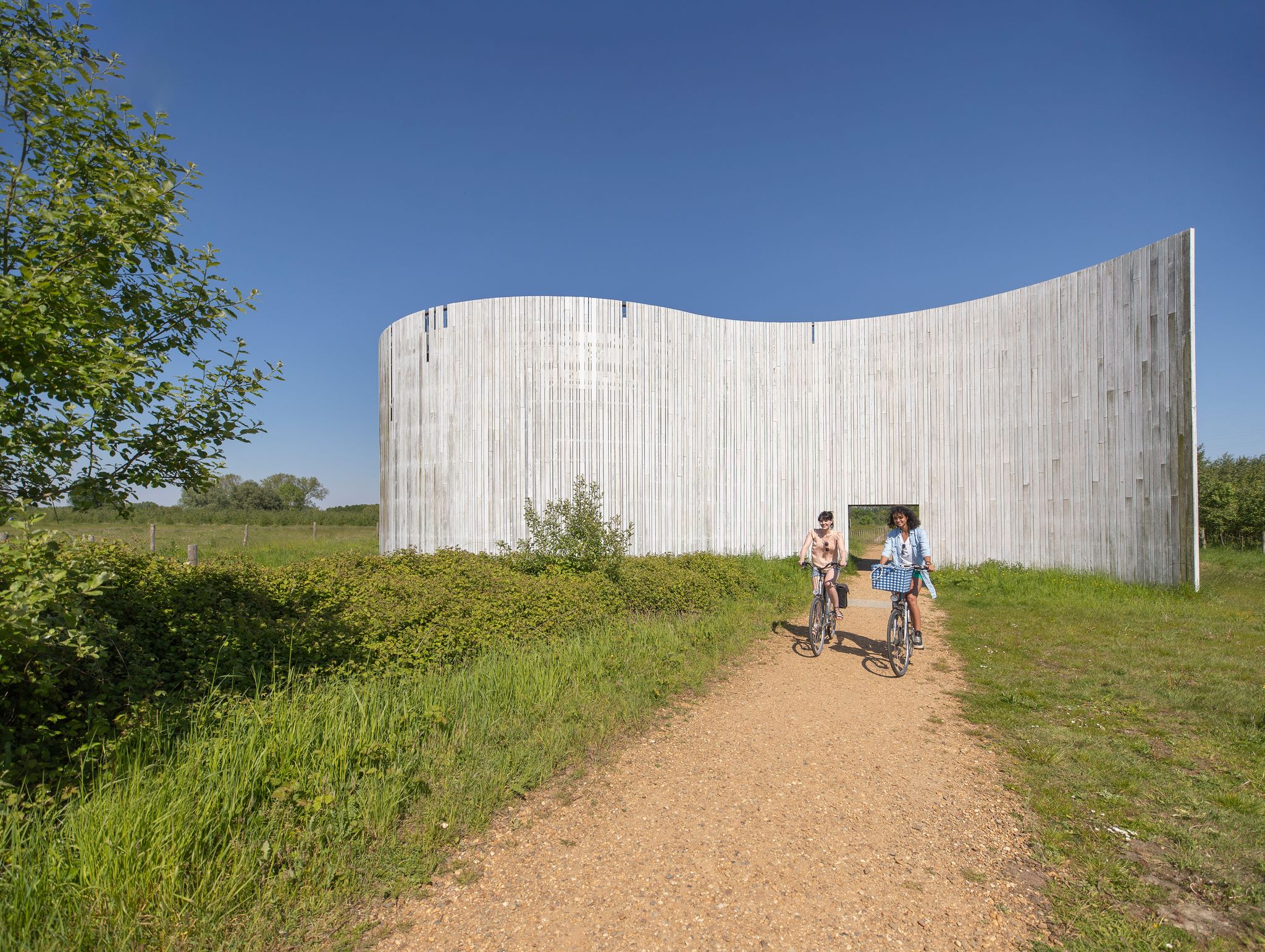
Flanders by bike – the Iconic Cultural Cycle Routes
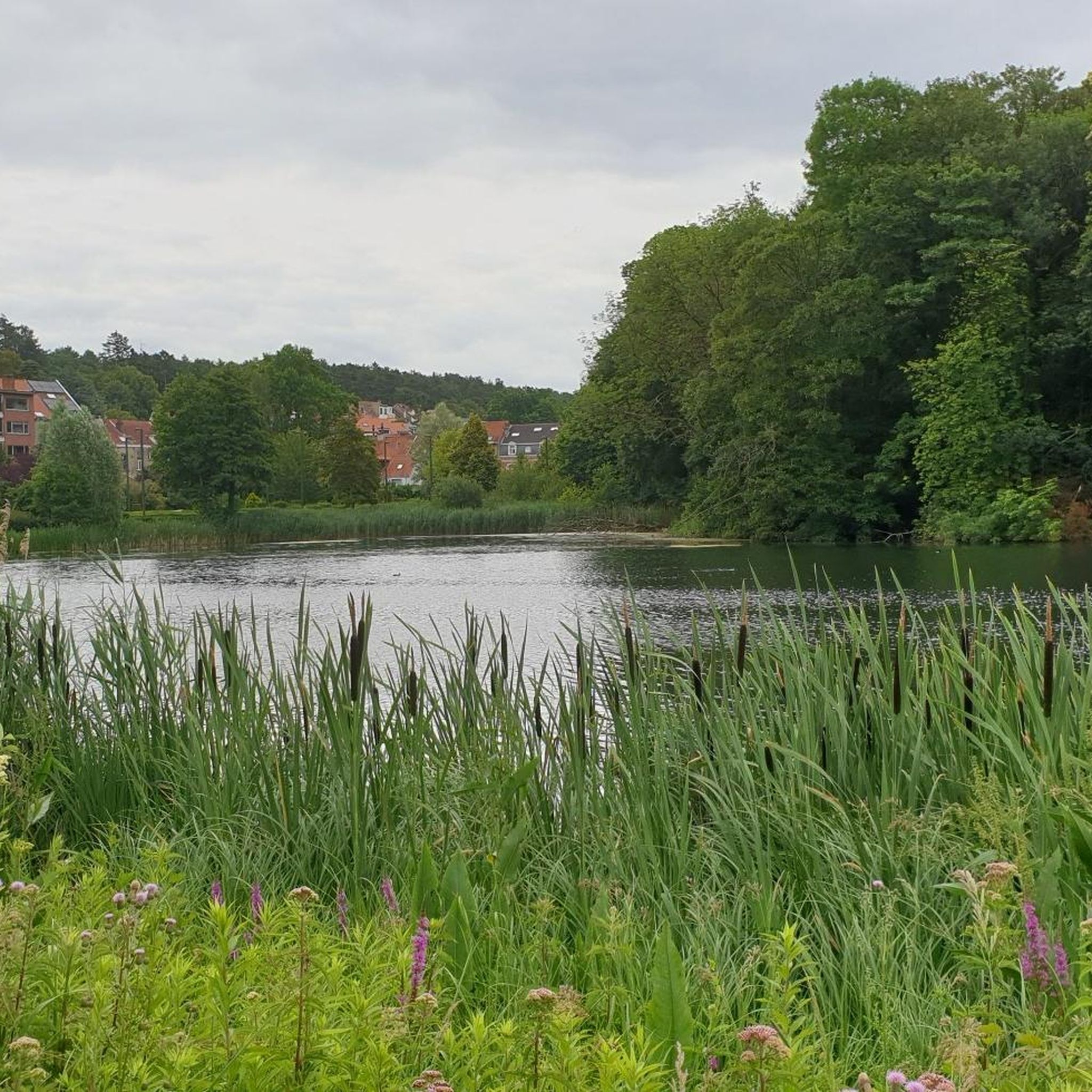
Running Trails in Brussels
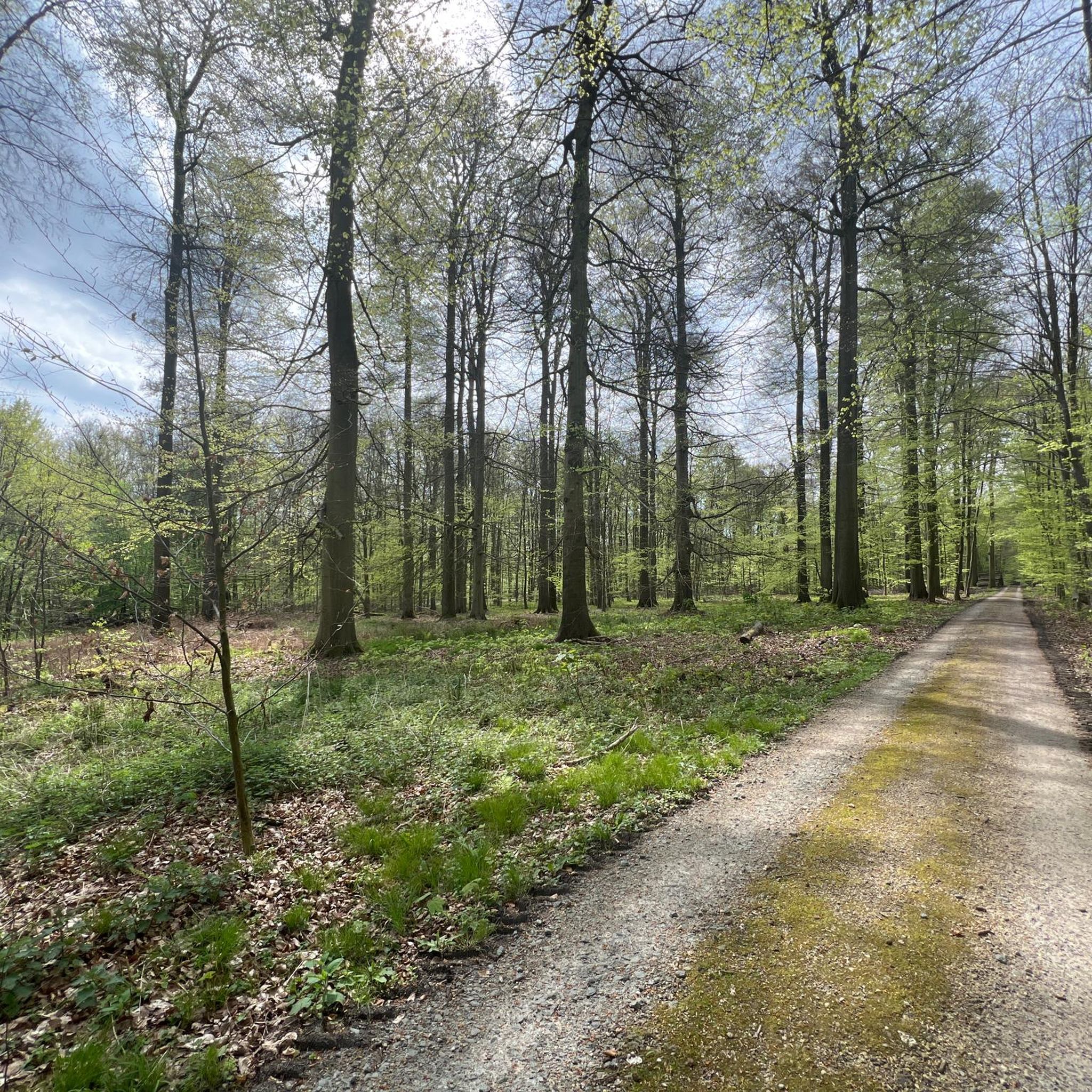
Road Cycling Routes in Brussels
Cycling in Brussels
Hiking in Brussels
Other adventures in Brussels


Tips from the Community

a very beautiful large forest with a lot of variety
0
0


A huge park to escape the hustle and bustle of the city for a moment. There are seating areas and few places to eat and drink. There are also many shady spots.
1
0

A place to slow down, recharge your batteries and discover beautiful plants.
1
0

Here we see a watercourse, which is enough for a beaver. If the beaver builds a dam here, it can become a pond or a lake in two or three years. The animal can change an entire ecosystem, simply because its dam retains water and rain. These natural beaver dams are very efficient in combating floods and droughts, because they regulate the flow of small watercourses. Locally, they can shape the forest through flooding by flooding parts of the forest, causing the tree vegetation to die. When the beavers leave their dam and their beaver pond, a succession from pioneer forest to climax forest can start again after the reservoir has drained.
1
0
Here we see a stream. For a beaver, that's enough. If the beaver builds a dam here, in two or three years it might be a pond or a lake. The animal can change an entire ecosystem simply because its dam holds back water and rain. These natural beaver dams are very effective in controlling floods and droughts because they regulate the flow of small streams. Locally, they can shape the forest by flooding parts of the forest, which causes the vegetation to die. When the beavers leave their dam and pond, a succession from pioneer forest to climax forest can resume after this reservoir dries up.
1
0
Here we see a course of water. For a beaver this is enough. If the beaver builds a dam here, in two or three years from now this could be a pond or a lake. The animal can change an entire ecosystem just because its dam would hold water and rain. These natural beaver dams are very efficient to combat floods and droughts, as they regulate the flow of small watercourses. Locally, they can shape the forest by flooding parts of the forest causing the tree vegetation to die. When the beavers leave their dam and pond, a succession from pioneer forest to climax forest can start growing again after this reservoir has been drained.
1
0

On the occasion of the 50th anniversary of the independence of Belgium and at the same time as the World Exhibition, King Leopold II had the Jubilee Park (Parc du Cinquantenaire) built in 1880. The architect Gédéon Bordiau drew up the plans. The intention was to create a green area with pavilions for various exhibitions. The triumphal arch (arcade) connects two wings covering a total area of 30 hectares. Note the beautiful symmetry of the French and English-inspired gardens, the lawns and the wide avenues.
16
1
Frequently Asked Questions
What are some popular natural monuments to explore in Brussels?
Beyond the well-known Sonian Forest, you can explore the serene Drowned Children Ponds, a nature reserve within the forest, perfect for peaceful observation. Another favorite is the Lake in the Bois de la Cambre, a picturesque spot ideal for cyclists and walkers, featuring Robinson Island. The Woluwe Park, one of the capital's largest, offers diverse trees and a rugged, English-inspired relief.
What is the best time of year to visit Brussels' natural monuments?
Brussels' natural monuments offer beauty year-round. Spring brings blooming flora, while summer is ideal for picnics and outdoor activities in parks like Bois de la Cambre. Autumn transforms the Sonian Forest into a spectacle of colors, making it a popular time for walks. Even in winter, the quiet, snow-dusted landscapes can be very atmospheric.
Are there family-friendly natural monuments in Brussels?
Yes, many natural monuments in Brussels are excellent for families. The Sonian Forest and Woluwe Park are great for walks and exploring. The Lake in the Bois de la Cambre offers wide paths and Robinson Island, accessible by electric boat, which is a fun experience for children. The Cinquantenaire Park (Jubelpark) also provides ample space for play and relaxation.
What kind of natural features can I expect to see in Brussels' natural monuments?
Brussels' natural monuments showcase a variety of features. You'll find ancient beech trees and diverse biodiversity in the Sonian Forest, including over 40 species of mammals and 132 bird species. Parks like Bois de la Cambre feature large artificial lakes with islands, while Parc de Bruxelles boasts formal gardens, fountains, and sculptures. Areas like Drowned Children Ponds are nature reserves with multiple ponds.
Are there historical sites within or near Brussels' natural monuments?
Absolutely. The Sonian Forest includes parts recognized as a UNESCO World Heritage site, part of the Ancient and Primeval Beech Forests of Europe, highlighting its long history. The Cinquantenaire Park (Jubelpark) was built for the 50th anniversary of Belgian independence and features a triumphal arch and museums. Parc de Bruxelles, with its neoclassical design, has origins tracing back to medieval hunting grounds and witnessed events of the Belgian Revolution.
How can I reach Brussels' natural monuments using public transport?
Many of Brussels' natural monuments are accessible by public transport. The Sonian Forest has various entry points, some reachable by tram or bus. Bois de la Cambre and Parc de Bruxelles are centrally located and well-served by trams, buses, and metro lines, making them easy to get to from anywhere in the city.
What outdoor activities can I do near these natural monuments?
Near Brussels' natural monuments, you can enjoy a range of outdoor activities. For hiking, explore routes like the 'Alsemberg Meadow – Begijnenbos loop' or 'Paper mill Herisem – Alsemberg Meadow loop' mentioned in the Waterfall hikes in Brussels guide. Cycling enthusiasts can find routes like 'Four-arm bicycle bridge – Leuven Town Hall loop' in the Cycling in Brussels guide. For mountain biking, check out trails like 'Grasdelle Trail Clearing – Grippensdelle MTB Singletrack loop' in the MTB Trails in Brussels guide.
Are there specific hiking trails recommended near Brussels' natural monuments?
Yes, the Waterfall hikes in Brussels guide features several trails near natural areas. For example, you can find moderate hikes like the 'Alsemberg Meadow – Begijnenbos loop' or the 'Paper mill Herisem – Alsemberg Meadow loop'. These trails offer a chance to explore the varied terrain and natural beauty surrounding Brussels' green spaces.
Can I bring my dog to natural monuments in Brussels?
Many natural monuments and parks in Brussels are dog-friendly, though specific rules may apply regarding leashes or designated off-leash areas. The Sonian Forest and Bois de la Cambre are popular spots for dog walkers, offering extensive paths and green spaces for your canine companions to enjoy.
Where can I find cafes or pubs near Brussels' natural monuments?
You'll find various options for refreshments near Brussels' natural monuments. Bois de la Cambre, for instance, has the Chalet Robinson restaurant on its island. Parc de Bruxelles is in the city center, surrounded by numerous cafes and restaurants. For the Sonian Forest, specific entry points like Rouge-Cloître and Groenendael often have nearby establishments or kiosks.
Are there any hidden natural gems in Brussels worth discovering?
While not entirely 'hidden,' areas like the Vuylbeek Nature Reserve offer a more secluded experience within the larger Sonian Forest. The Jette Marsh is another lesser-known natural monument that provides a unique ecological environment for exploration, offering a different perspective than the more manicured parks.
What kind of wildlife can I expect to see in Brussels' natural monuments?
The Sonian Forest is particularly rich in wildlife, home to over 40 species of mammals, including deer, wild boar, and various rodents, as well as 132 bird species. You might also spot numerous reptiles, amphibians, and insects. Even urban parks like Bois de la Cambre and Parc de Bruxelles host a variety of birdlife and smaller mammals, especially around their water features.
Most popular routes in Brussels
Most popular attractions in Brussels

Get inspired with the komoot mobile app


Didn’t find what you were looking for?
Find even more amazing natural monuments in Brussels by checking out the top Highlights region by region:
Explore more
Extend your search for the best caves by checking out these guides of the top ones in Brussels:
