Top 9 Natural Monuments in Burgas Province
Best natural monuments in Burgas Province are characterized by diverse landscapes, including coastal wetlands, ancient forests, and unique geological formations. The region is a significant area for biodiversity, particularly for bird species due to its location on migration routes. It features a mix of natural and historical sites, offering varied exploration opportunities. These sites contribute to the province's natural heritage.
Best natural monuments in Burgas Province
- The most popular natural monuments is Burgas Salt Pans & Mud Baths, a…
Last updated: July 10, 2026
Burgas Salt Pans & Mud Baths
Highlight • Structure
Blye is a product of salt harvesting (salt extraction) and contains only inorganic substances – sodium chloride, magnesium, potassium, sulfur, etc. It is obtained after evaporation …
Translated by Google •
Tip by

Neptune's Bed (Element 2), Beglik Tash
Highlight • Natural Monument
(Fig.8) which is 4,8 m long, 60 cm high, and 2 m wide. Its long axis is almost precisely oriented in …
Tip by

Sign up now to discover places like this
Get recommendations on the best single tracks, peaks, & plenty of other exciting outdoor places.
Sign up for free
Cape Emine Lighthouse
Highlight • Monument
Translated by Google •
Tip by

Beglik Tash Sacred Rock Formation
Highlight • Natural Monument
Tip by
Cape Emona
Highlight • Viewpoint
Translated by Google •
Tip by

Birdwatching Hide at Burgas Salinas
Highlight • Structure
The Hide is within the territory of Burgas, on the western shoreof the lake, near the roundabout and Lukoil gas station at the …
Tip by
Aquae Calidae – Roman Baths of Thermopolis
Highlight • Historical Site
Tip by
Monastery of the Holy Mother of God
Highlight • Religious Site
Legends say that in this place since Thracian times there was a pagan sanctuary. Probably the monastery was founded in the …
Tip by
Pontic Rhododendron Trail, Kondolovo
Highlight • Trail
Translated by Google •
Tip by

Pomorie Lake Visitor Centre
Highlight • Rest Area
Closes at 4 p.m. ... Birdwatching is available all day, of course.
Various hiking tours start from here.
Translated by Google •
Tip by
Start today with a free account
Your next adventure awaits.
Login or Signup
Popular around Burgas Province
Tips from the Community

Massages are also offered on the premises near the lye pools.
0
0
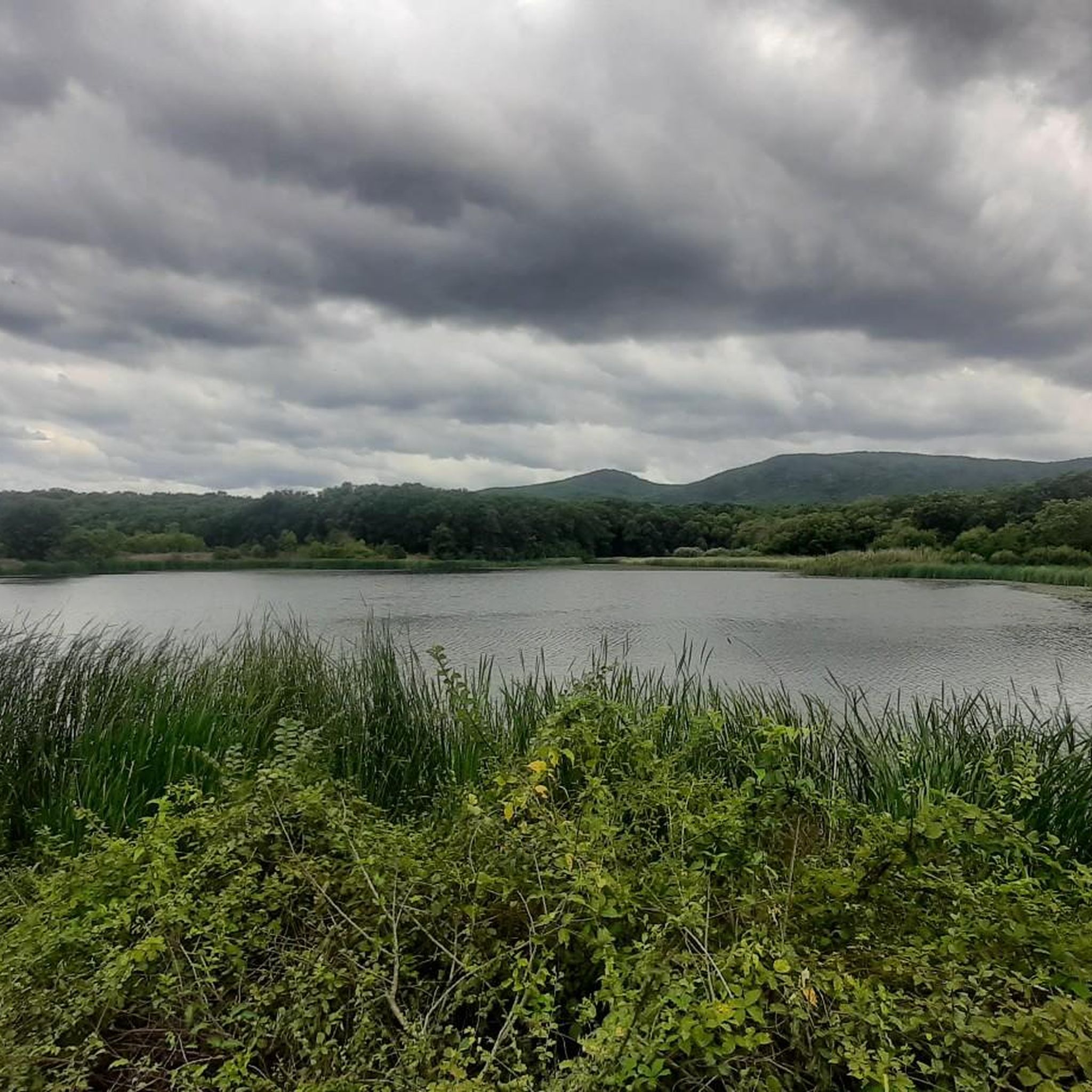
Information about the rich fauna of the salt lake not far from the Salt Museum. Closes at 4 p.m. ... Birdwatching is available all day, of course. Various hiking tours start from here.
0
0
BREY AND HEALING MUD Blye is a product of salt harvesting (salt extraction) and contains only inorganic substances – sodium chloride, magnesium, potassium, sulfur, etc. It is obtained after evaporation and concentration of salts in the lake water during the salt extraction process. Black Sea brine has proven medicinal properties – it is used in the treatment and prevention of diseases related to the musculoskeletal system, skin inflammations and wounds, varicose veins, and colds. It is recommended for osteoarthritis, arthritis, tendonitis, discopathy, joint dislocation, and sciatica. It is best not to sit in the brine for more than 20-30 minutes to avoid overloading the heart. It is not recommended for the treatment of skin diseases or for cosmetic purposes. It is contraindicated for the epidermis and subcutaneous tissue. Healing mud is a sedimentary product of the closed salt lake. It is clean and homogeneous, dark gray to black in color and has the odor of hydrogen sulfide from the numerous putrefactive microorganisms. It contains inorganic compounds such as silicates, sand, gypsum, iron and aluminum compounds, various hydroxides, and salts. This composition has been formed for thousands of years by the putrefaction of single-celled organisms, algae, fish, crabs, and mussels. One centimeter of healing mud is formed over a period of at least one year. The essence of the healing mud treatment is a complex effect on the entire peripheral nervous system. Its thermal properties dilate blood vessels and open new capillaries. This reduces swelling and pain, heals and injures scars, and improves metabolic and regenerative processes. In addition to healing, the mud beautifies and rejuvenates, as calcium, iodine, phosphorus, and other minerals pass through the skin. It treats almost the entire spectrum of skin diseases, arthritis, herniated discs, gynecological problems, and plexitis. It is only contraindicated in cases of tuberculosis, sexually transmitted diseases, and malignant diseases. Apply the healing mud to all or part of the body and let it dry in the sun. Do not apply the mud to the heart area. You can apply it to the face, but it is not recommended to apply it to the entire head. Once the mud has dried on the skin, wash it off with seawater.
1
0
BREY AND THERAPY MUD Blye is a product of salt harvesting (salt extraction) and contains only inorganic substances – sodium chloride, magnesium, potassium, sulfur, etc. It is obtained after evaporation and concentration of salts in the lake water during the salt extraction process. Black Sea brine has proven medicinal properties – it is used in the treatment and prevention of diseases related to the musculoskeletal system, skin inflammations and wounds, varicose veins, and colds. It is recommended for osteoarthritis, arthritis, tendonitis, discopathy, joint dislocation, and sciatica. It is best not to sit in the brine for more than 20-30 minutes to avoid overloading the heart. It is not recommended for the treatment of skin diseases or for cosmetic purposes. It is contraindicated for the epidermis and subcutaneous tissue. Therapeutic mud is a sedimentary product of the closed salt lake. It is clean and homogeneous, dark gray to black in color and has the odor of hydrogen sulfide from the numerous putrefactive microorganisms. It contains inorganic compounds such as silicates, sand, gypsum, iron and aluminum compounds, various hydroxides, and salts. This composition has been formed for thousands of years by the putrefaction of single-celled organisms, algae, fish, crabs, and mussels. One centimeter of healing mud is formed over a period of at least one year. The essence of the healing mud treatment is a complex effect on the entire peripheral nervous system. Its thermal properties dilate blood vessels and open new capillaries. This reduces swelling and pain, heals and injures scars, and improves metabolic and regenerative processes. In addition to healing, the mud beautifies and rejuvenates, as calcium, iodine, phosphorus, and other minerals pass through the skin. It treats almost the entire spectrum of skin diseases, arthritis, herniated discs, gynecological problems, and plexitis. It is only contraindicated in cases of tuberculosis, sexually transmitted diseases, and malignant diseases. Apply the healing mud to all or part of the body and let it dry in the sun. Do not apply the mud to the heart area. You can apply it to the face, but it is not recommended to apply it to the entire head. Once the mud has dried on the skin, wash it off with seawater.
1
0

At Cape Emons, the Balkan Mountains meet the Black Sea. The place can only be reached on a gravel road and is hardly influenced by tourism.
2
0

I did KOM-EMINE from 7/20/22 to 8/6/22. It was a journey of 18 days 603km through Bulgaria. From west to east always over Stara Planina mountains
0
0

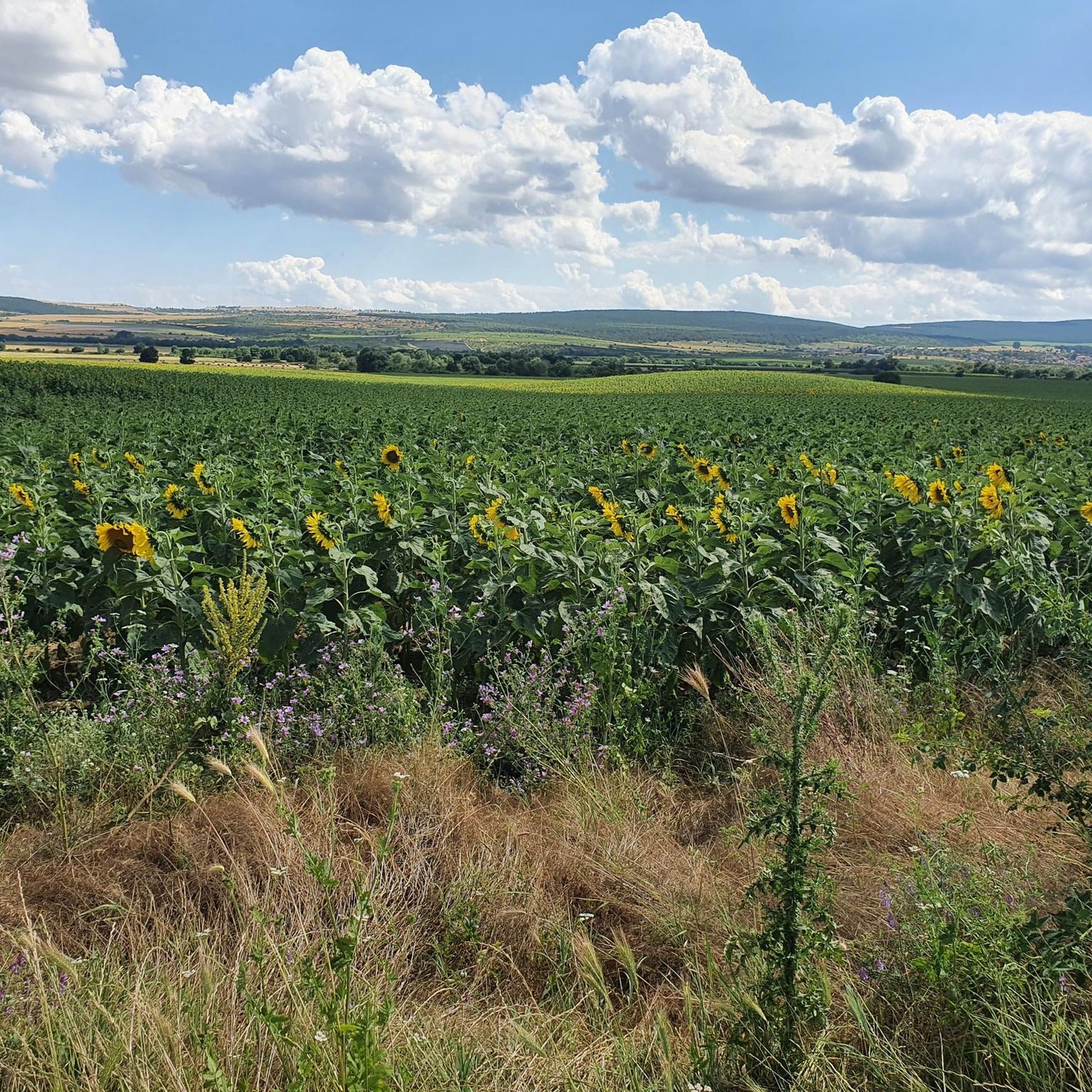
Not far from the Black Sea coast in the Strandzha Nature Park near the village of Kondolovo there is a short circular hiking trail, which is particularly nice to walk around in May when the Pontic rhododendrons are in bloom. Although only ... (5?) km long, it takes about 2.5 hours. Slowly descending you come to a stream. Slowly back up and to the next stream. Then a bit upwards again and you have reached the end or the beginning again. The rhododendrons accompany you about half the way. Lots of seating to take a break, lots of information boards (in Bulgarian).
0
0
Frequently Asked Questions
What unique natural features can I explore in Burgas Province?
Burgas Province offers diverse natural features. You can experience the vibrant pink waters and therapeutic mud of Lake Atanasovsko, especially noticeable in summer. The region also features distinctive geological formations like the Rock Phenomenon "The Three Brothers" in Aytos, and the ancient, dense forests within Strandzha Nature Park, Bulgaria's largest protected area.
Which natural monuments in Burgas Province are ideal for birdwatching?
For birdwatching, Lake Atanasovsko and the Poda Protected Area are exceptional. Both are crucial stops on the Via Pontica bird migration route. Lake Atanasovsko hosts over 316 bird species, including flamingos and pelicans, while Poda is one of Europe's richest ornithological sites with 315 species, offering observation terraces and expert guides. Lake Pomorie is also a vital bird area.
Are there any natural monuments in Burgas Province that offer therapeutic benefits?
Yes, both Lake Atanasovsko and Lake Pomorie are renowned for their therapeutic mud and lye. Visitors can use these for healing purposes, similar to the Dead Sea, with the mud being beneficial for various ailments and skin conditions. The Burgas Salt Pans & Mud Baths specifically highlight these healing properties.
What kind of outdoor activities can I do near the natural monuments in Burgas Province?
Near many natural monuments, you can find various outdoor activities. For instance, you can explore running trails, including routes like the "Burgas Seafront – Burgas Salt Pans & Mud Baths loop," which is a difficult 16.2 km run. There are also numerous mountain biking trails, such as the "Raykova Koliba – Tapana loop from Primorsko," a challenging 113 km ride. For a more relaxed experience, consider easy hikes like the "Nessebar Old Town loop." You can find more details on these activities in the Running Trails in Burgas Province, MTB Trails in Burgas Province, and Easy hikes in Burgas Province guides.
Which natural monuments are suitable for families with children?
Several natural monuments in Burgas Province are family-friendly. The Pomorie Lake Visitor Centre offers an engaging experience for all ages, providing insights into the lake's ecosystem. The Pontic Rhododendron Trail, Kondolovo, located within Strandzha Nature Park, is a pleasant forest trail suitable for families. Additionally, the Aquae Calidae – Roman Baths of Thermopolis offers a blend of natural and historical interest that can appeal to families.
Are there any historical or cultural sites integrated with the natural monuments?
Yes, Burgas Province features sites where natural beauty intertwines with rich history. The Neptune's Bed (Element 2), Beglik Tash, and the Beglik Tash Sacred Rock Formation are part of a prehistoric rock sanctuary, offering both unique geological formations and ancient cultural significance. The Aquae Calidae – Roman Baths of Thermopolis is another example, combining natural thermal springs with Roman historical ruins.
What is the best time of year to visit the natural monuments in Burgas Province?
The best time to visit is generally during spring (April-May) and autumn (September-October) for pleasant weather, ideal for hiking and birdwatching, especially along the migration routes. Summer (June-August) is excellent for enjoying the therapeutic mud baths and the pink waters of Lake Atanasovsko, though it can be warmer and more crowded. Winter conditions can vary, with some areas being less accessible.
Where can I see a waterfall in Burgas Province?
You can visit the Dokuzak Waterfall, located near Malko Tarnovo. It's about 7.5 km from the town, just before the village of Stoilovo. This waterfall provides a scenic and refreshing natural destination, accessible via a short and easy path from the road.
What makes Strandzha Nature Park a significant natural monument?
Strandzha Nature Park is significant as Bulgaria's largest protected area, covering 1,161 square kilometers. It's a UNESCO site and part of the Natura 2000 network, known for its incredible diversity of ecosystems, including ancient, dense forests (covering 80% of the park). It boasts the richest vertebrate fauna among all protected areas in Bulgaria, with 410 species, and contains five strict nature reserves.
Can I find any coastal natural monuments in Burgas Province?
Absolutely. The region's coastline offers several natural monuments. Cape Emine Lighthouse and Cape Emona mark the easternmost point of the Balkan Mountains where they meet the Black Sea, providing dramatic coastal scenery. These areas are known for their rugged beauty and panoramic views.
What do visitors particularly enjoy about the natural monuments in Burgas Province?
Visitors frequently appreciate the diverse landscapes, from the unique salt lakes and their therapeutic properties to the ancient forests and dramatic coastal views. The rich biodiversity, especially the birdlife at sites like Poda and Lake Atanasovsko, is a major draw. Many also enjoy the blend of natural beauty with historical and cultural elements found at places like Beglik Tash.
Most popular routes in Burgas Province
Most popular attractions in Burgas Province

Get inspired with the komoot mobile app


Explore more
Extend your search for the best caves by checking out these guides of the top ones in Burgas Province:
