Top 14 Natural Monuments in Krapina-Zagorje
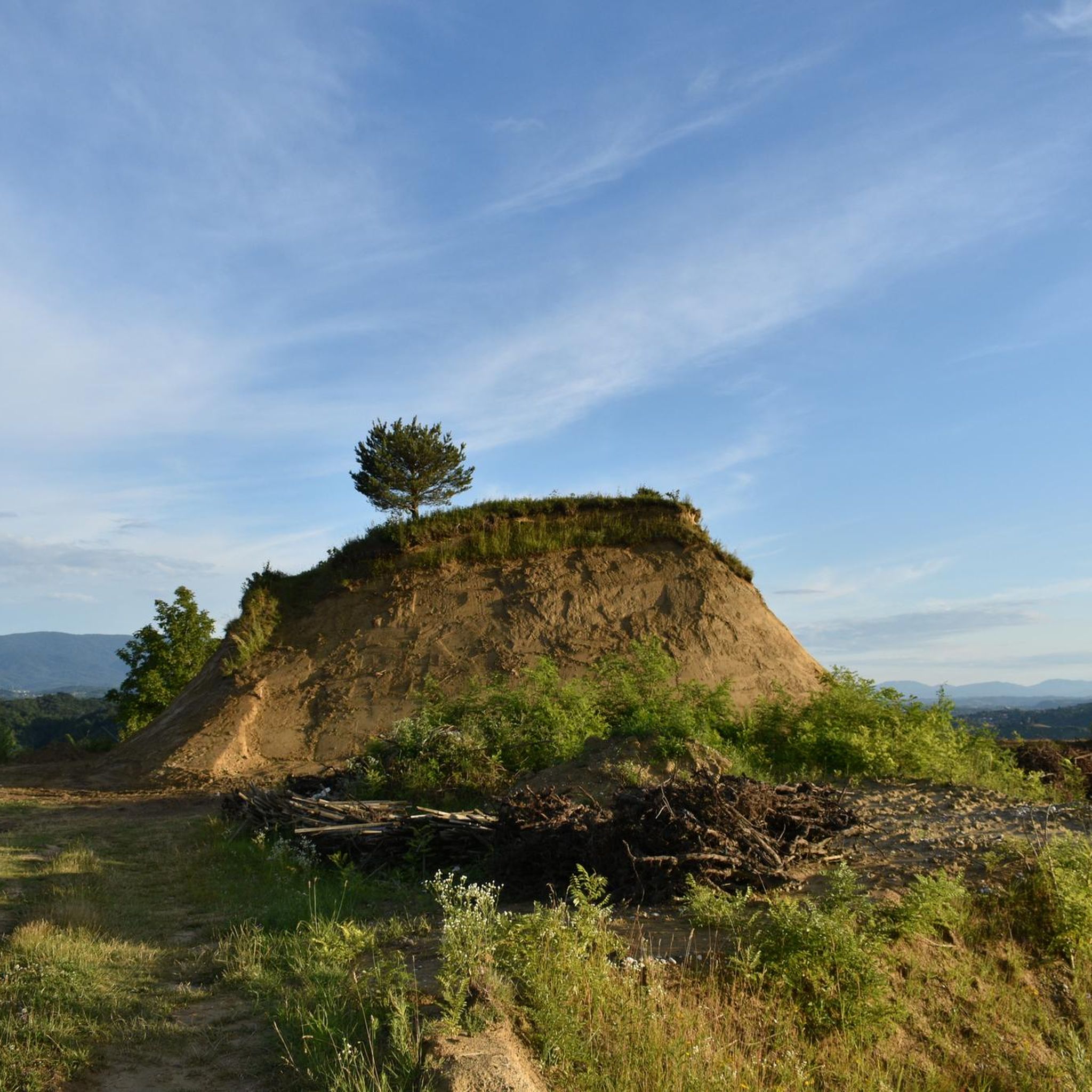
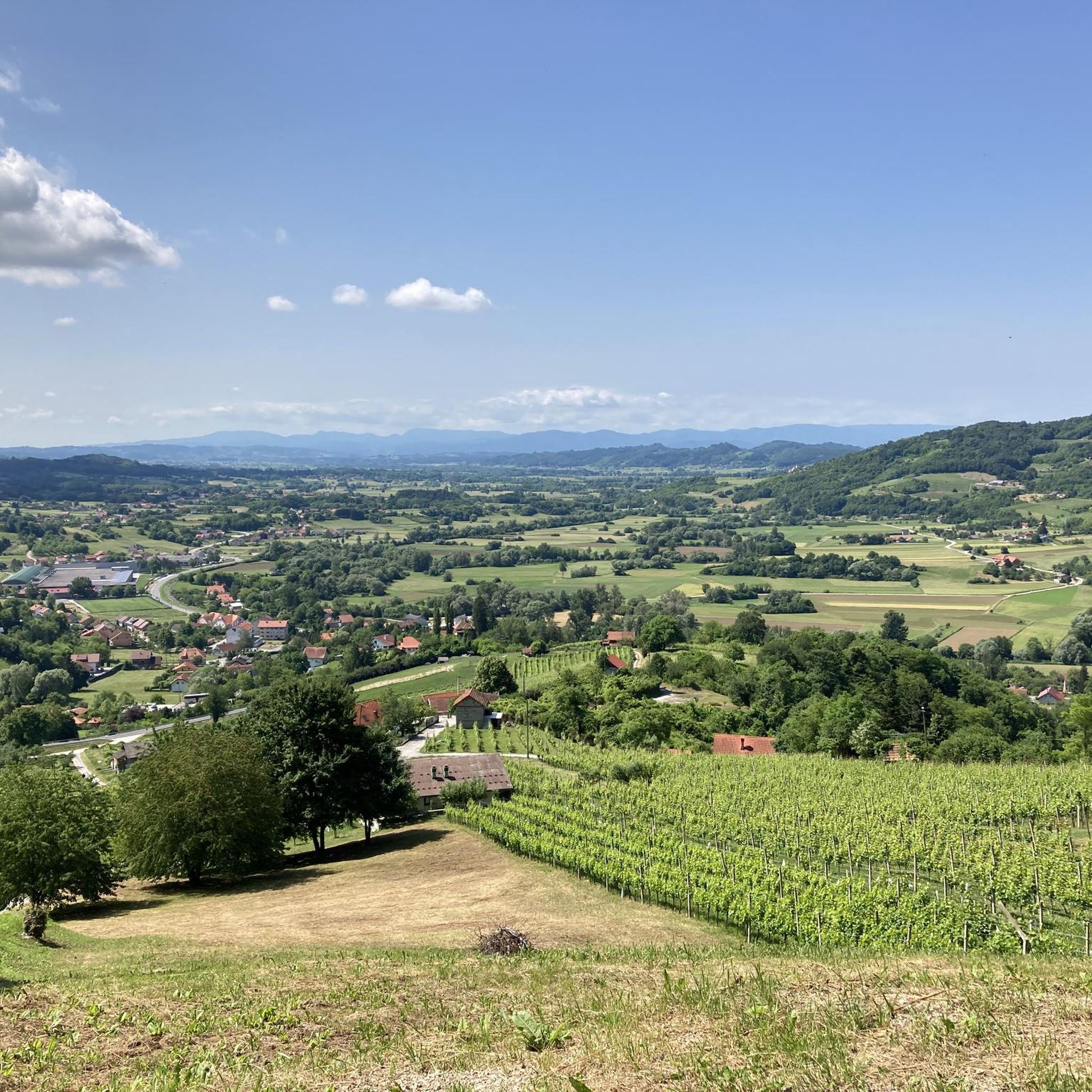
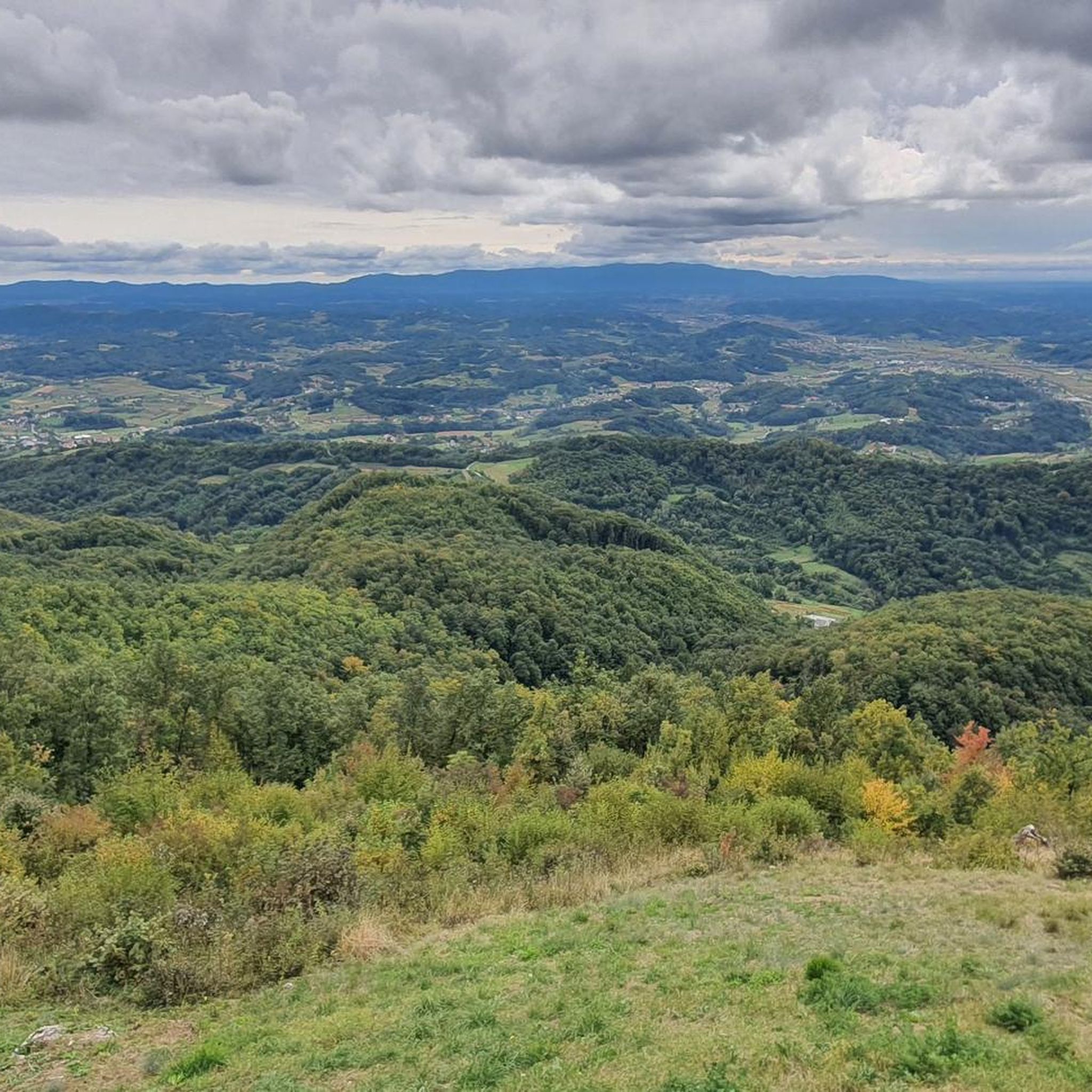
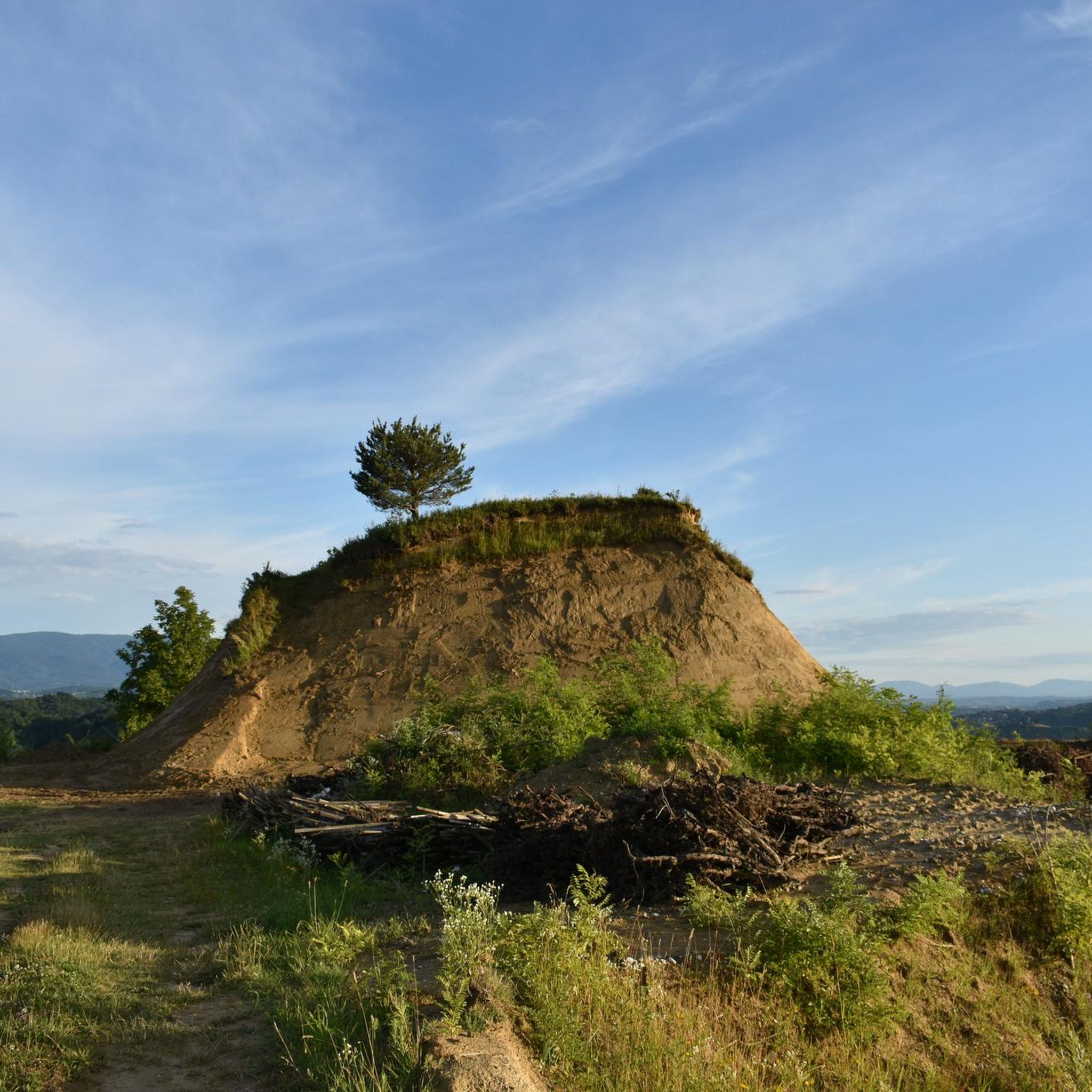
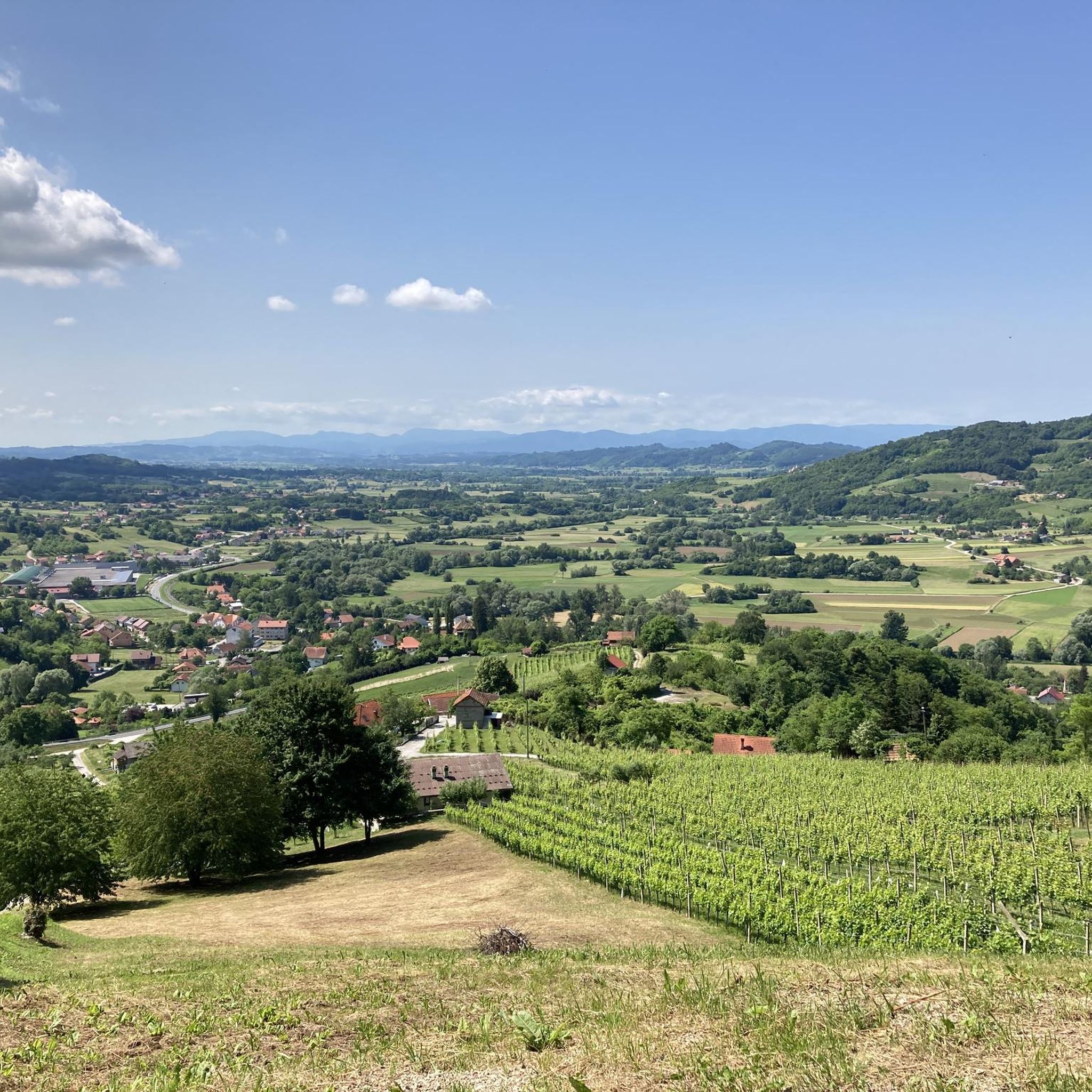
Best natural monuments in Krapina-Zagorje are found within a picturesque landscape of rolling green hills, vineyards, and forests. This region, often called "Hrvatsko Zagorje," offers several notable natural features and attractions. It is characterized by its preserved nature, providing numerous opportunities for outdoor activities and exploration. Visitors can discover diverse natural monuments across the county.
Best natural monuments in Krapina-Zagorje
- The most popular natural monuments is Horvat's Stairs, a trail that features 500 stone steps built over a 300-meter…
Last updated: June 26, 2026
Horvat's Stairs
Highlight • Trail
Translated by Google •
Tip by

Hunjka Pass and mountain huts
Highlight • Mountain Pass
Translated by Google •
Tip by

Sign up now to discover places like this
Get recommendations on the best single tracks, peaks, & plenty of other exciting outdoor places.
Sign up for free
Gubec Linden (Gupčeva Lipa)
Highlight • Natural Monument
Translated by Google •
Tip by

Jelenska Cave
Highlight (Segment) • Cave
Translated by Google •
Tip by
Medvednica Cave
Highlight • Cave
Translated by Google •
Tip by

Oštrcgrad Ruins
Highlight • Historical Site
Translated by Google •
Tip by
Dwarf's Crevice (Patuljkova Špiljica)
Highlight • Cave
Translated by Google •
Tip by
Krapina Neanderthal Museum and Archaeological Site
Highlight • Historical Site
Translated by Google •
Tip by

Šokot Salty Water Spring
Highlight • Natural Monument
Translated by Google •
Tip by
Dedek i Babica Rock Formation
Highlight • Natural Monument
The inspiration for the legend of "Grandfather, Grandmother and Granddaughter" are large natural boulders. The figure of "Grandfather and Grandmother" is located in the …
Translated by Google •
Tip by

Sign up for free to discover even more natural monuments in Krapina-Zagorje.
Sign up for free
Already have an account?
Start today with a free account
Your next adventure awaits.
Login or Signup
Tips from the Community

A real dwarf cave, no kidding.
0
0

Hunjka (877 m) is an important pass on the Medvednica ridge, over which the road from Zagreb to Stubičke Toplice passes. Next to it is the new mountain hut "Mala Hunjka", built on the foundations of the old Rauch forester's lodge, and the large Craftsmen's Lodge (Zvonimirov Dom, formerly the "Janica" hotel). Hunjka is also known as a beautiful meadow with beautiful views of Zagorje and the Slovenian mountains.
0
0

The first bones were found in 1899, it is the largest site in the world.
7
0

The museum has an indoor section with many visual elements and an outdoor section with the original sites of many bones and other remains.
19
0
This modern museum provides a very insightful insight into the possible developments from ape-like to human. The 3D animations of bones and how they fit together are impressive. The timeline from 13 billion years ago to the present with all possible evolutionary probabilities is also very well illustrated. A truly valuable museum.
19
0

The more than 400-year-old linden tree is considered the only living witness of the Peasants' Revolt that took place in 1573. It is a protected cultural monument. Next to it is the "Pod lipom" pub, a traditionally decorated restaurant.
1
0
"Dwarf's cave", a crack in the rock into which a smaller man (dwarf) could crawl.
0
0

Legend of "Grandfather, Grandmother and Granddaughter" The inspiration for the legend of "Grandfather, Grandmother and Granddaughter" are large natural boulders. The figure of "Grandfather and Grandmother" is located in the composition of the mountain peak, and the monstrous figure of "GRANDCHILDREN" is a stone boulder of supernatural size, at the foot of a small bay, where there is a mountain well that is centuries old, from which a clear spring flows, and the excess water in the form of a stream murmurs at the foot of the hamlet of KAMENEČKI (Radobojsko Strahinje). The aforementioned folk tale reads: "Grandfather and midwife had a granddaughter." Their house was on top of a hill, and the well was in a ditch. More than once they sent the little girl to the well near the "Pustača" to fetch water. One day, their granddaughter made them angry, so they told her to bring them water in a "sieve". The girl went to get water. When it caught the water, and as soon as it was a little far from the well, it leaked out through the bottom of the grate. The grandparents still expected water to be brought to them, believing in a miracle. As she was gone for a long time, they stopped cursing their granddaughter. And just as they said: "God let you turn to stone where you are!", a miracle truly happened. The granddaughter turned into stone and remained standing on the "savior" in human form, but at the same time the grandfather, grandmother, house and everything they had were petrified."
0
0
Frequently Asked Questions
What are some of the most popular natural monuments in Krapina-Zagorje?
Among the most popular natural monuments in Krapina-Zagorje is Horvat's Stairs, known for its 500 stone steps and diverse karst forms including caves and sinkholes. Another significant site is the Gubec Linden (Gupčeva Lipa), a more than 400-year-old tree with historical importance. Visitors also appreciate Medvednica Cave, which is part of the Horvat's Stairs area.
Are there family-friendly natural monuments in Krapina-Zagorje?
Yes, several natural monuments are suitable for families. The Gubec Linden (Gupčeva Lipa) is a historical and natural rarity that can be enjoyed by all ages. Additionally, the Krapina Neanderthal Museum and Archaeological Site offers an educational and engaging experience for families, combining natural history with cultural insights.
What kind of natural features can I expect to see in Krapina-Zagorje?
Krapina-Zagorje is characterized by rolling green hills, vineyards, and forests. You can explore significant mountains like Ivanščica and Strahinjčica, which offer panoramic viewpoints. The region also features unique geological formations such as caves, sinkholes, and rock formations, notably around Horvat's Stairs, where you'll find Medvednica Cave and Dwarf's Crevice (Patuljkova Špiljica). Ancient trees, like the Gubec Linden, are also prominent natural rarities.
What cultural or historical sites are integrated with natural monuments in Krapina-Zagorje?
The region beautifully blends natural beauty with rich history. The Gubec Linden (Gupčeva Lipa) is not only a natural monument but also a protected cultural monument, a living witness to the Peasant Revolt of 1573. The Krapina Neanderthal Museum and Archaeological Site is built around a significant natural cave where Neanderthal remains were found, offering immense historical and scientific value. Additionally, the Oštrcgrad Ruins, a historical castle, is situated on a pointed hill offering scenic vistas, making it a natural viewpoint with historical context.
What outdoor activities can I do near these natural monuments?
Krapina-Zagorje offers numerous opportunities for outdoor activities. You can enjoy hiking, road cycling, and general cycling. Popular hiking routes include the loop to Ivanščica Peak (1,060 m) and trails around Strahinjčica Mountain. For cyclists, there are various road cycling routes and touring bicycle paths that allow you to explore the scenic landscapes.
Are there hiking trails near the natural monuments in Krapina-Zagorje?
Yes, Krapina-Zagorje is a popular destination for hikers. You can find trails with varying difficulty levels. For example, the area around Horvat's Stairs offers an intermediate trail experience with unique karst features. Higher peaks like Ivanščica and Strahinjčica also have dedicated hiking routes, ranging from moderate to difficult, providing stunning views from lookout points like Stricevo and Dedek.
What are the difficulty levels of trails associated with these natural monuments?
The trails vary in difficulty. For instance, Horvat's Stairs is generally considered an intermediate trail due to its 500 stone steps and height difference. Other natural monuments, especially those on mountains like Ivanščica and Strahinjčica, can involve moderate to difficult hiking, such as the Pasarićeva Kuća Mountain Hut – Ivanščica Peak loop, which is rated difficult. Always check specific route details for the most accurate difficulty assessment.
Are there any unique geological formations to explore in the region?
Absolutely. The region is rich in karst topography. The area around Horvat's Stairs is particularly notable for its diverse karst forms, including Patuljka's Cave, Tisa's sinkhole, and Medvednica Cave. You can also find other caves like Jelenska Cave, and interesting rock formations such as Dedek i Babica Rock Formation, offering unique natural exploration opportunities.
What do visitors enjoy most about the natural monuments in Krapina-Zagorje?
Visitors frequently praise the preserved nature and the opportunities for outdoor activities. Many appreciate the unique blend of natural beauty and historical significance, such as the ancient Gubec Linden. The diverse karst landscapes, including caves and sinkholes along Horvat's Stairs, are also highly valued for their natural beauty and sense of discovery. The scenic vistas from various viewpoints, like those near Oštrcgrad Ruins or on Strahinjčica Mountain, are also a major draw.
Are there any natural springs or unique water features in Krapina-Zagorje?
Yes, the region is known for its natural water features. Besides the Bistri Jarek stream found along Horvat's Stairs, Krapina-Zagorje also features thermal springs, such as those in Tuhelj, which are known for their natural healing waters. You can also find unique features like the Šokot Salty Water Spring, adding to the diverse natural landscape.
What is the best time to visit the natural monuments in Krapina-Zagorje?
The best time to visit Krapina-Zagorje's natural monuments generally depends on the activities you plan. Spring and autumn offer pleasant temperatures for hiking and cycling, with vibrant foliage in autumn and blooming nature in spring. Summer is also popular, especially for enjoying the green hills and outdoor activities, though it can be warmer. Winter can offer a different, serene experience, particularly for those interested in snow-covered landscapes, but some trails might be less accessible.
Most popular routes in Krapina-Zagorje
Most popular attractions in Krapina-Zagorje

Get inspired with the komoot mobile app


Explore more
Extend your search for the best caves by checking out these guides of the top ones in Krapina-Zagorje:
