Top 7 Mountain Passes in Mtskheta-Mtianeti
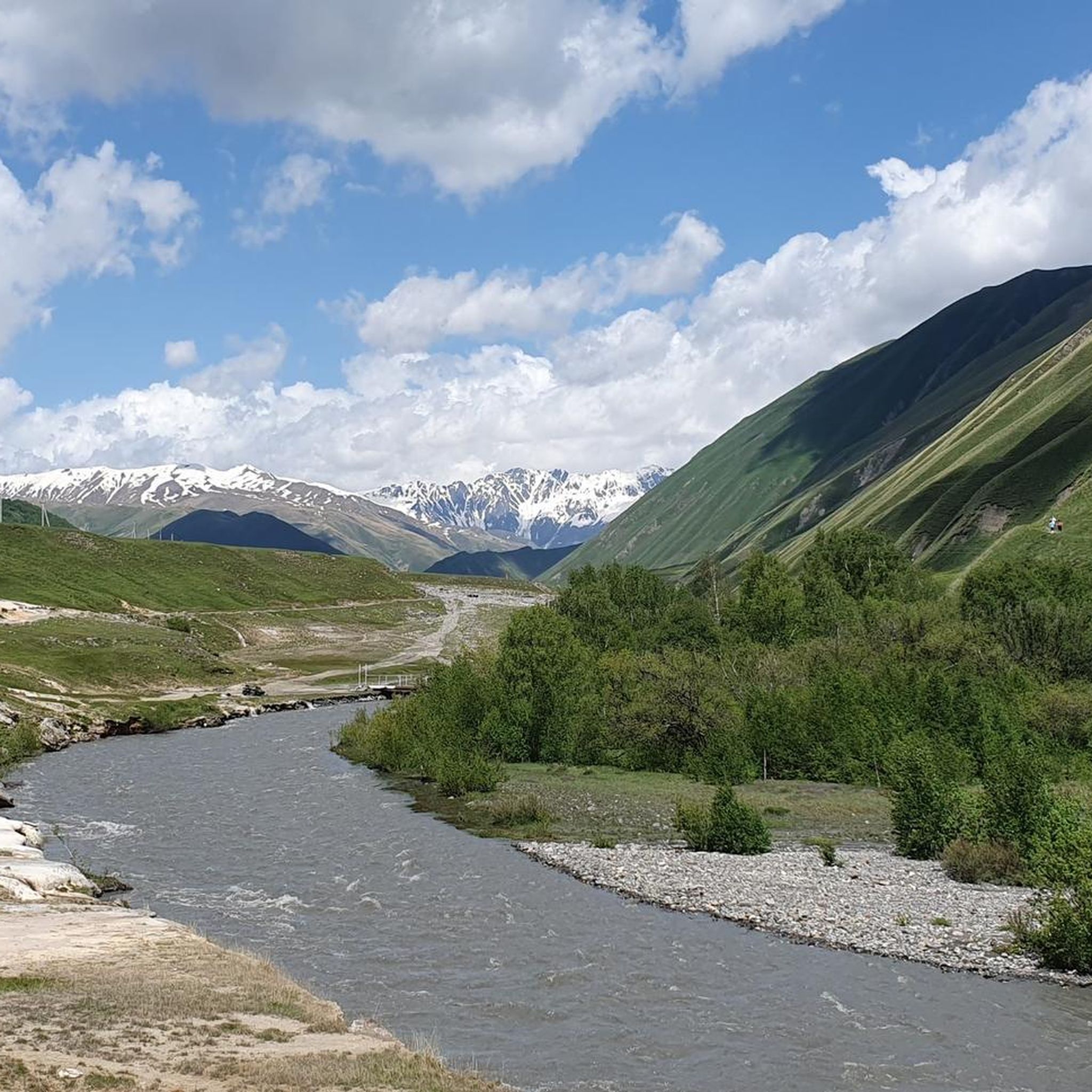
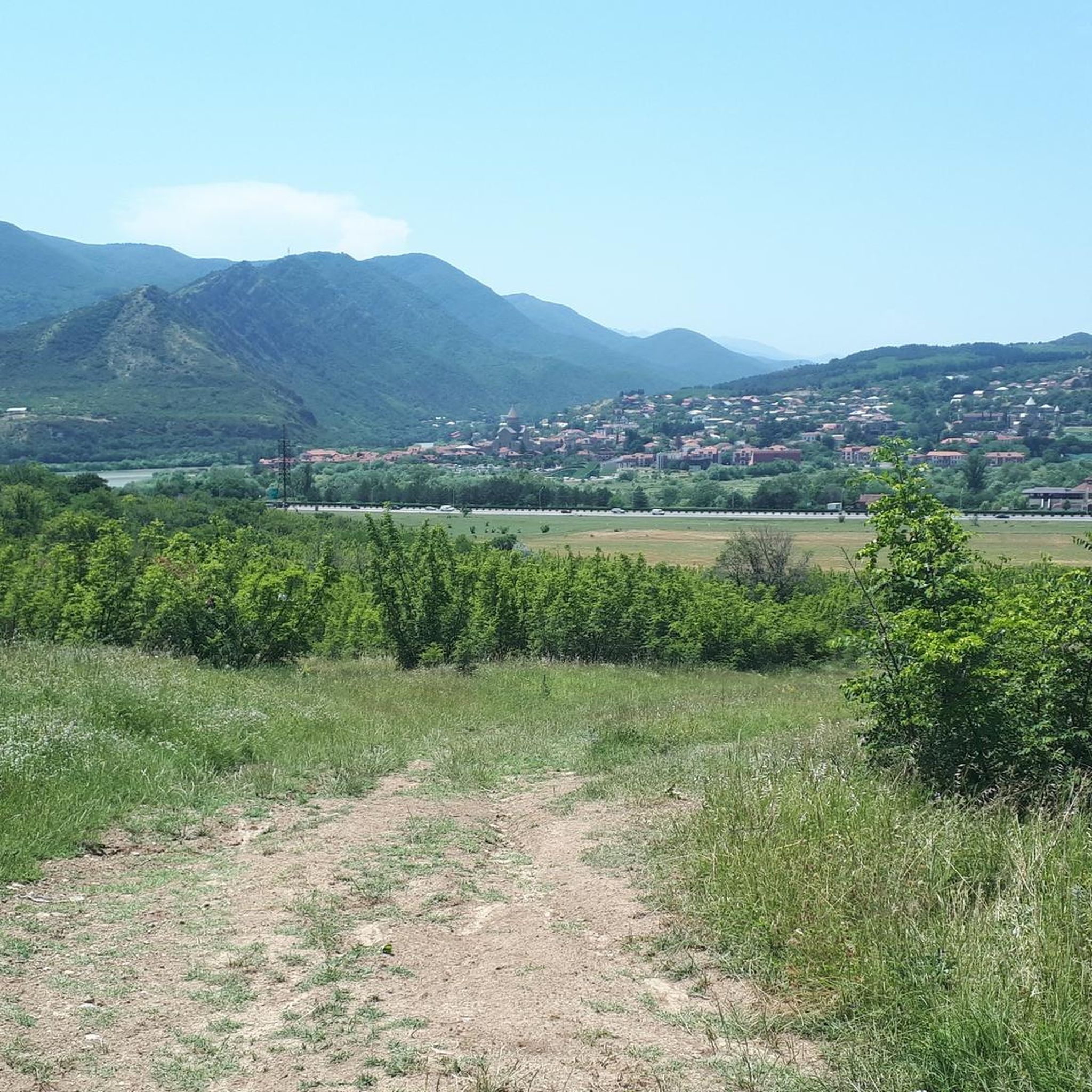
Mountain passes in Mtskheta-Mtianeti, a region in eastern Georgia, are characterized by the Greater Caucasus Mountains, featuring peaks ranging from 3,500 to 5,000 meters, deep valleys, and fast-flowing rivers. The area offers a diverse landscape for exploration. These passes serve as historic routes and provide access to remote areas. The region's terrain includes both accessible routes and challenging high-altitude trails.
Best mountain passes in Mtskheta-Mtianeti
- The most popular mountain passes is Rocky Path to Saberze Pass, a trail that…
Last updated: October 13, 2026
Atsunta Pass
Highlight • Mountain Pass
Translated by Google •
Tip by

Rocky Path to Saberze Pass
Highlight • Trail
Translated by Google •
Tip by

Sign up now to discover places like this
Get recommendations on the best single tracks, peaks, & plenty of other exciting outdoor places.
Jvari Mountain Pass (2395 m)
Highlight • Mountain Pass
Translated by Google •
Tip by

The Cross Pass
Highlight • Mountain Pass
Translated by Google •
Tip by

Borbalo Pass (2,996 m)
Highlight (Segment) • Mountain Pass
Translated by Google •
Tip by

Boghovachosghele Pass
Highlight (Segment) • Mountain Pass
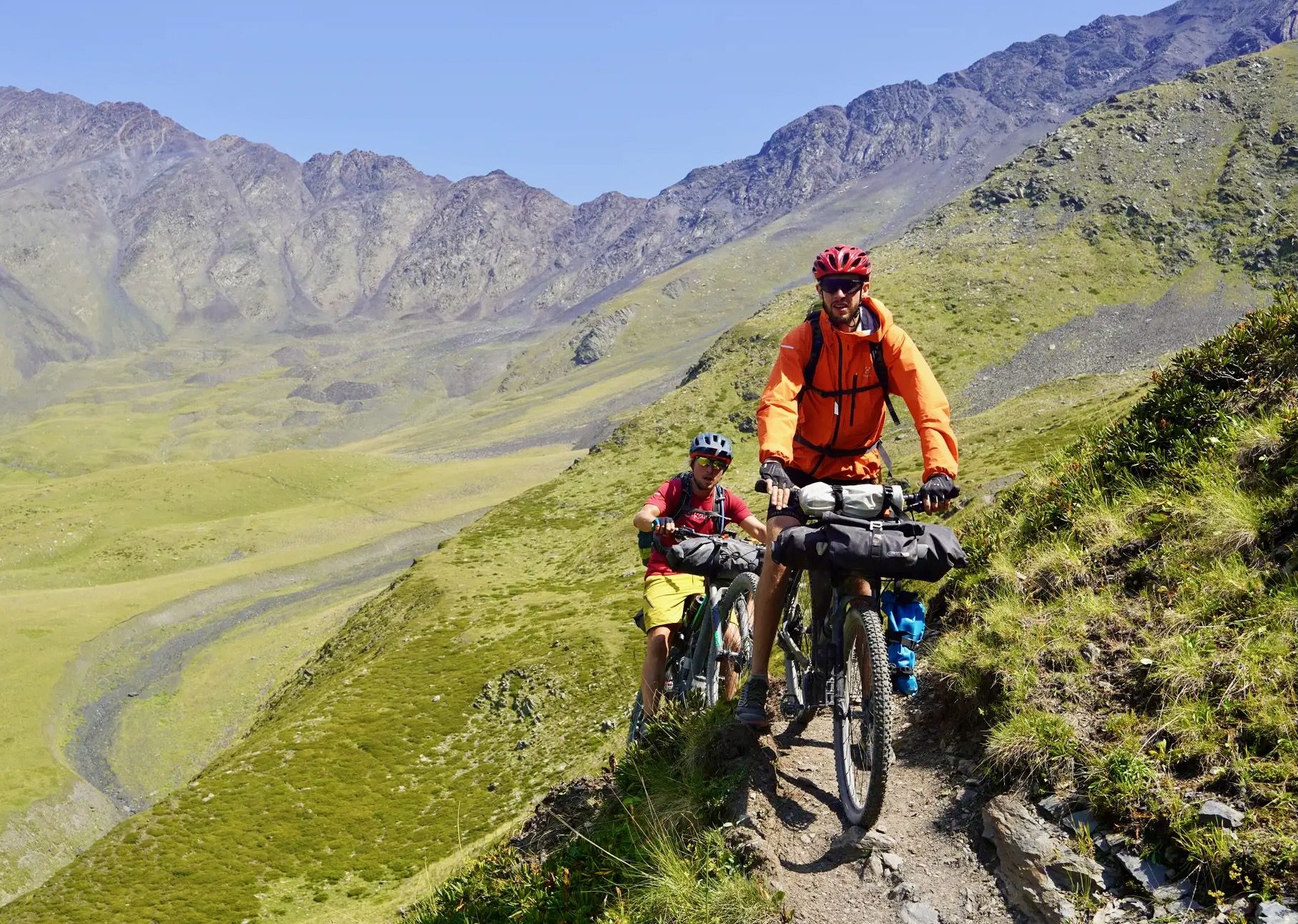
It's steep and loose in places - suggest low gearing and fat tyres!
Tip by

View of Mount Tschauchebi (3,842 m)
Highlight • Viewpoint
Translated by Google •
Tip by
Start today with a free account
Your next adventure awaits.
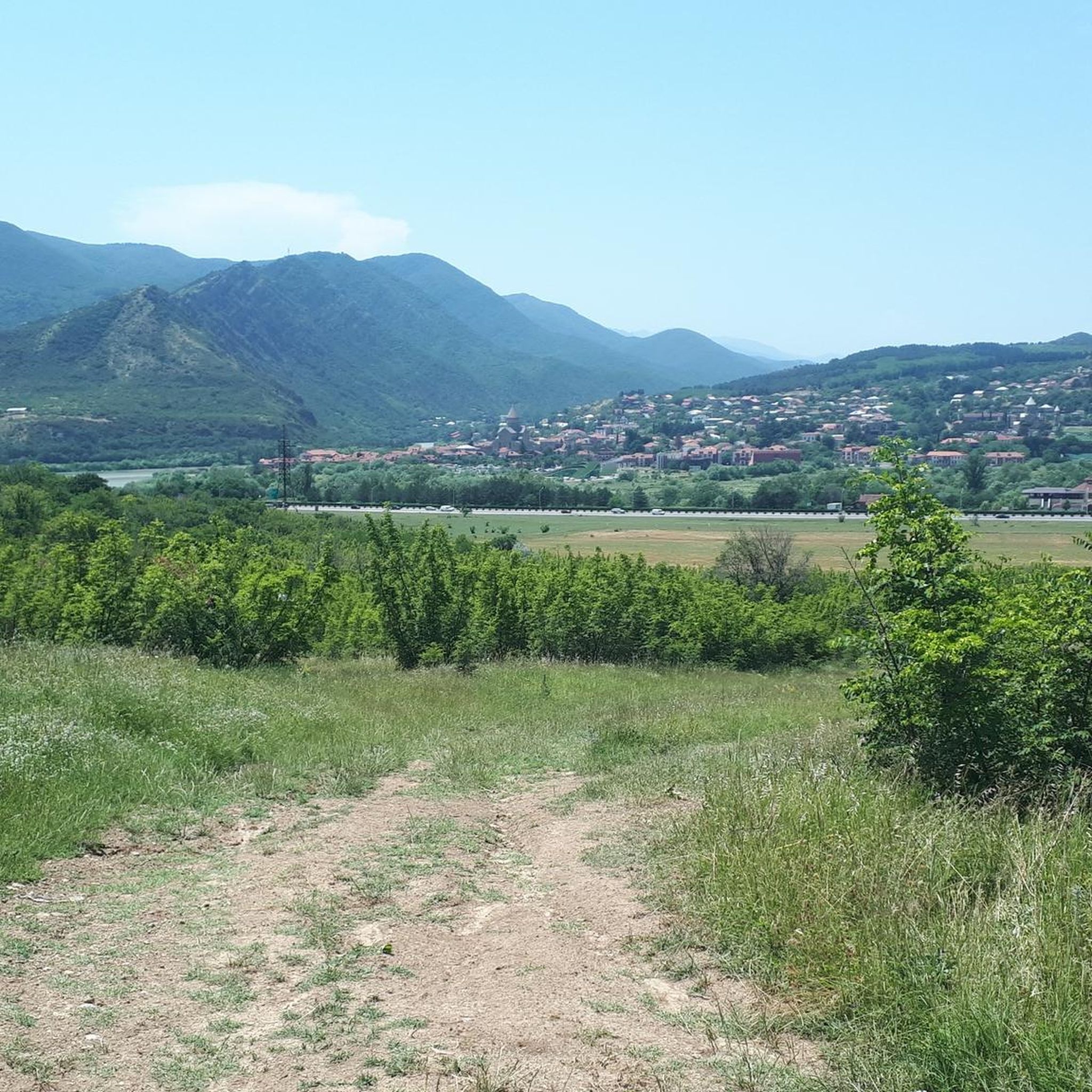
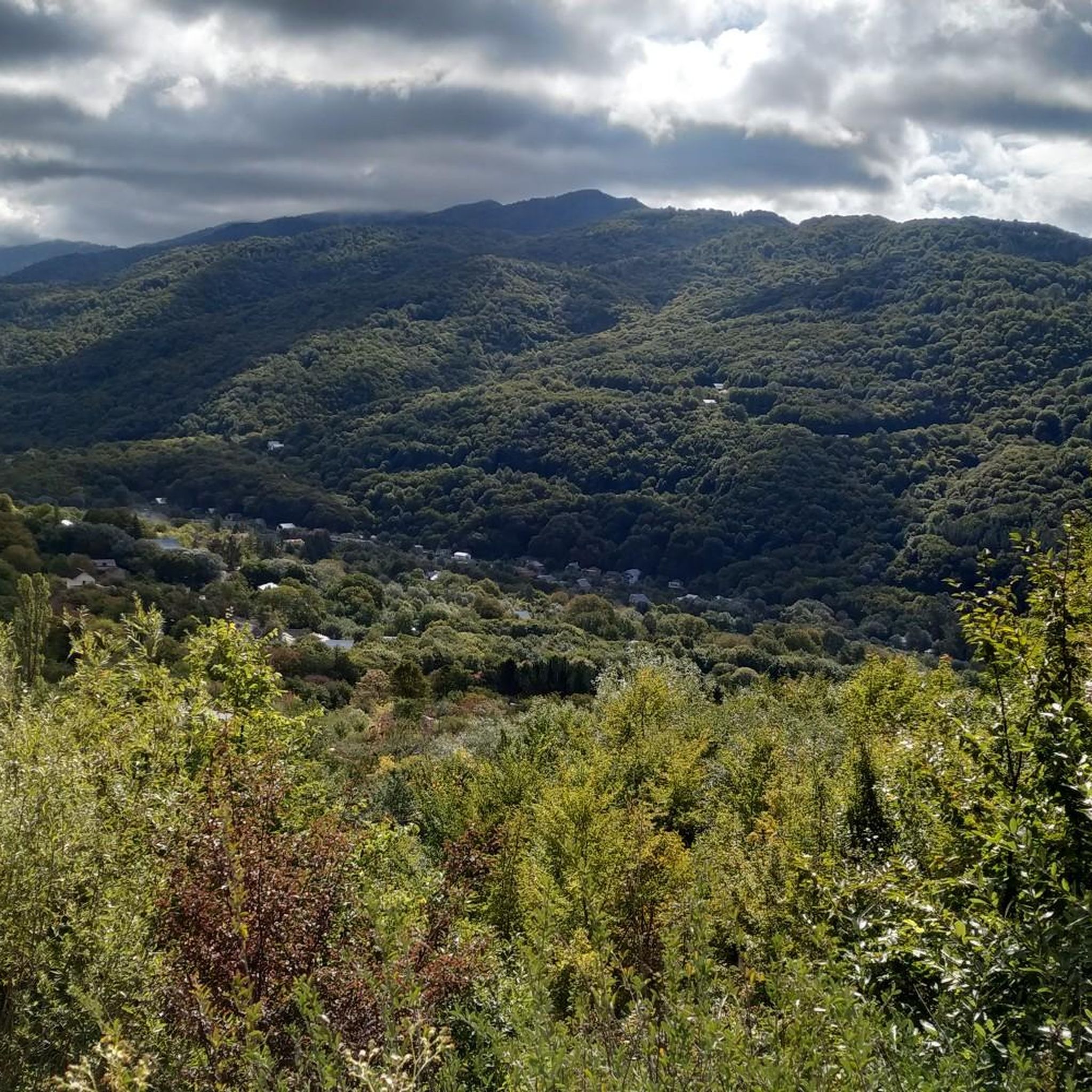
Other adventures in Mtskheta-Mtianeti

Tips from the Community

The pass is at an altitude of 2,379 m. The Georgian Military Highway runs over the Cross Pass from Tbilisi through the Darial Gorge, located north of the pass, to Vladikavkaz in Russia. The border with Russia is just under 40 km further north.
7
0

Jvari Pass. Here, the road reaches its highest point (2395 metres above sea level) – and your trip will reach its crescendo – as you glide along the Jvari Pass down into Kazbegi.
1
0

In good weather great views in both directions
0
0
On and around the pass you walk on super beautiful ridge paths that offer wide views over Khevsureti. But only when the weather is good.
1
0
Here you stand directly in front of the imposing peak of the Chaukhebi and have a wonderful view of the summit and the surrounding mountains
0
0

Anyone who arrives here has made it: 3510m, the whole thing is a huge pile of slate and gravel. In some places there is no path anymore because the slate has slipped over it (on both sides).
0
0

Up here at the Cross Pass there is still a monument, the remains of former fortresses, a small monastery and a cemetery where German prisoners of war are buried.
1
0

... and the paths of the herds of sheep, felt to have been well-trodden for centuries, are not without problems, especially when going downhill.
0
0
Frequently Asked Questions
What are some of the most popular mountain passes in Mtskheta-Mtianeti?
Among the most popular passes are Jvari Mountain Pass (2395 m), known for its historical significance and accessibility on the Georgian Military Road, and Atsunta Pass, which offers a challenging ascent to 3520 meters with stunning views.
What is the best time of year to visit the mountain passes in Mtskheta-Mtianeti?
The best time to visit depends on the pass. Jvari Pass is generally accessible year-round, though heavy snowfall can cause temporary closures. For higher, unpaved passes like Datvisjvari Pass, the season is typically from May to October due to heavy snow conditions.
Are there any historical sites or monuments near the mountain passes?
Yes, Jvari Pass, also known as The Cross Pass, is rich in history. It features a monument, remains of former fortresses, a small monastery, and a cemetery where German prisoners of war are buried. The pass itself has been a vital route for centuries.
What kind of views can I expect from the mountain passes in Mtskheta-Mtianeti?
You can expect breathtaking panoramic views of the Greater Caucasus Mountains. Jvari Pass offers stunning vistas of snow-capped peaks and verdant valleys, with Mount Kazbek often visible on clear days. Datvisjvari Pass provides sweeping 360-degree panoramas, sometimes including the towering Chaukhi Massif.
Are there challenging mountain passes for experienced hikers or off-road enthusiasts?
Absolutely. Atsunta Pass is physically demanding due to its altitude (3520m), muddy conditions, and terrain of scree and blocks. Datvisjvari Pass is considered one of Georgia's most exhilarating off-road destinations, requiring a 4x4 vehicle for its narrow, unpaved, and sometimes treacherous path.
What outdoor activities can I do near the mountain passes?
The region offers a variety of outdoor activities. You can find numerous mountain hikes, including challenging routes like the one to Rocky Path to Saberze Pass. For more options, explore the Mountain Hikes in Mtskheta-Mtianeti guide. There are also MTB Trails and Road Cycling Routes available in the region.
What is the accessibility like for the mountain passes?
Accessibility varies significantly. Jvari Pass is relatively accessible as it's part of the paved Georgian Military Highway. In contrast, Datvisjvari Pass is largely unpaved and requires a 4x4 vehicle, typically only open from May to October. Passes like Atsunta are only accessible via challenging hiking trails.
What do visitors say about the mountain passes in Mtskheta-Mtianeti?
Visitors often highlight the challenging yet rewarding nature of the passes. For instance, the ascent to Atsunta Pass is described as 'quite exhausting because of the altitude and the muddy path,' but reaching the pass offers views of the 5000m high Kasbeck. The Rocky Path to Saberze Pass is noted for its 'well-trodden paths of the herds of sheep' which can be problematic downhill.
Are there any passes that lead to remote or culturally significant areas?
Yes, Datvisjvari Pass serves as the sole access route to the remote and historically significant region of Khevsureti, including the unique medieval tower village of Shatili. Exploring these ancient villages offers a glimpse into Georgia's rich cultural past.
Can I see Mount Kazbek from any of the mountain passes?
Yes, on clear days, the towering presence of Mount Kazbek can often be seen from Jvari Pass. Additionally, from Atsunta Pass, looking back, you can see the 5000m high Kasbeck in the distance.
What is the highest mountain pass in Mtskheta-Mtianeti mentioned in the guide?
The highest mountain pass mentioned in the guide is Atsunta Pass, reaching an elevation of 3520 meters.
Are there any passes suitable for intermediate hikers?
Yes, Jvari Mountain Pass (2395 m) is categorized as intermediate, offering a rewarding experience without the extreme difficulty of some higher passes. It's part of the Georgian Military Highway and features historical sites.
Most popular routes in Mtskheta-Mtianeti
Most popular attractions in Mtskheta-Mtianeti

Get inspired with the komoot mobile app


Explore more
See even more epic mountain passes by checking out these guides in Mtskheta-Mtianeti:
