Top 13 Natural Monuments in Mtskheta-Mtianeti
Best natural monuments in Mtskheta-Mtianeti showcase a diverse landscape of geological wonders and alpine environments. The region features dramatic mountain ranges, high-altitude lakes, and unique geological formations shaped by volcanic activity and mineral springs. These natural landmarks offer opportunities to explore pristine wilderness and observe varied ecosystems. Mtskheta-Mtianeti is characterized by its rugged terrain, including snow-capped peaks, glaciers, and river valleys.
Best natural monuments in Mtskheta-Mtianeti
- The most popular natural monument is Mineral Spring and Pond in Truso Valley,…
Last updated: October 13, 2026
Travertine Terraces of Truso Valley
Highlight • Natural Monument
Tip by

Mineral Spring and Pond in Truso Valley
Highlight • Natural Monument
Tip by

Sign up now to discover places like this
Get recommendations on the best single tracks, peaks, & plenty of other exciting outdoor places.
View of Gergeti Trinity Church and Mount Kazbek
Highlight • Viewpoint
Translated by Google •
Tip by

Chaukhi Lake
Highlight • Lake
Translated by Google •
Tip by

Mutso Fortress
Highlight • Historical Site
Translated by Google •
Tip by

Atsunta Pass
Highlight • Mountain Pass
Translated by Google •
Tip by
Kazbegi Boulders Climbing Area
Highlight • Climb
Tip by

Gveleti Waterfall
Highlight • Waterfall
Translated by Google •
Tip by

Kasbek
Highlight • Summit
Translated by Google •
Tip by

Rock Pinnacles and Towers in Pshav-Khevsureti National Park
Highlight • Natural Monument
The Caucasus is a young mountain range (and …
Translated by Google •
Tip by

Sign up for free to discover even more natural monuments in Mtskheta-Mtianeti.
Already have an account?
Start today with a free account
Your next adventure awaits.
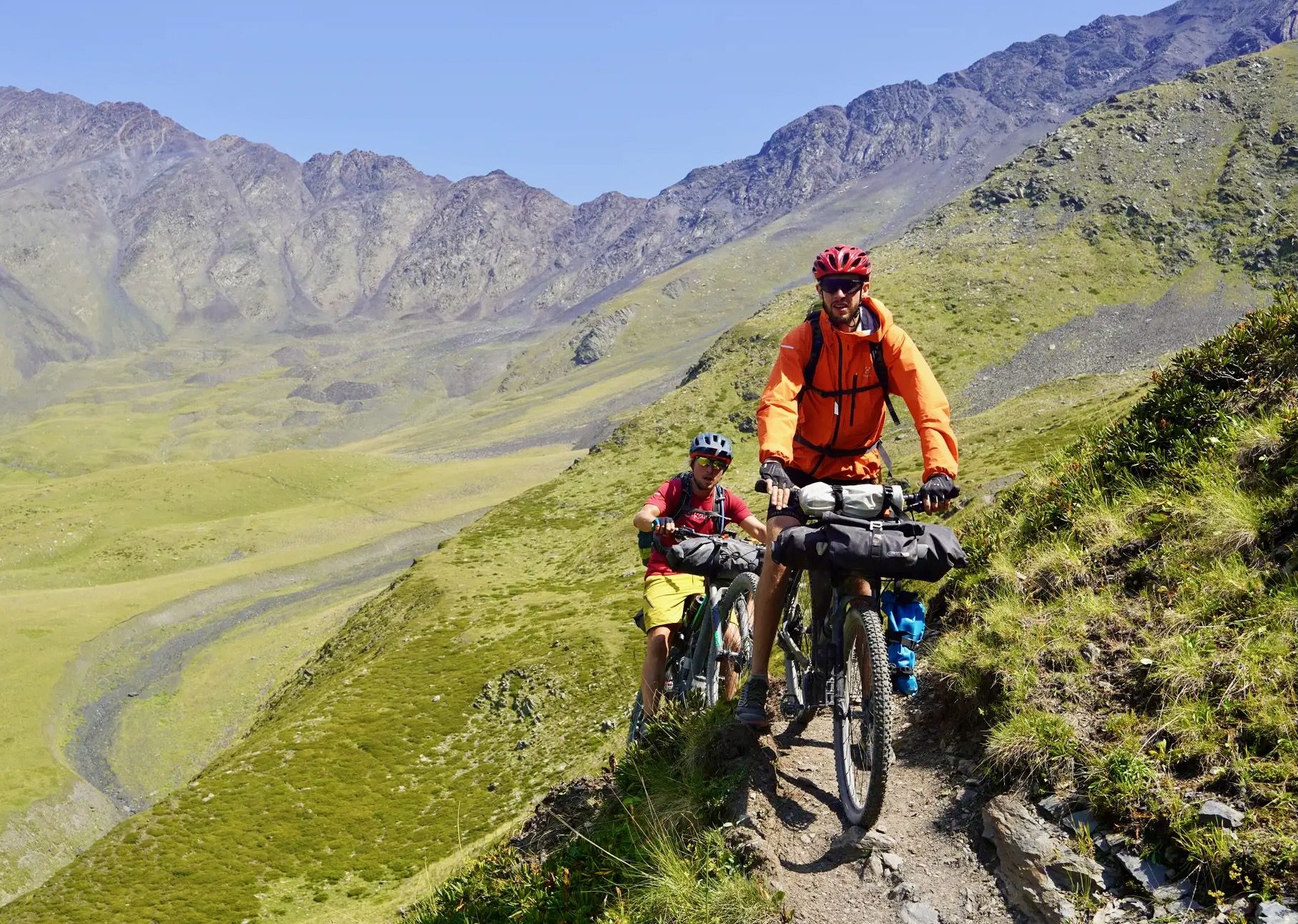
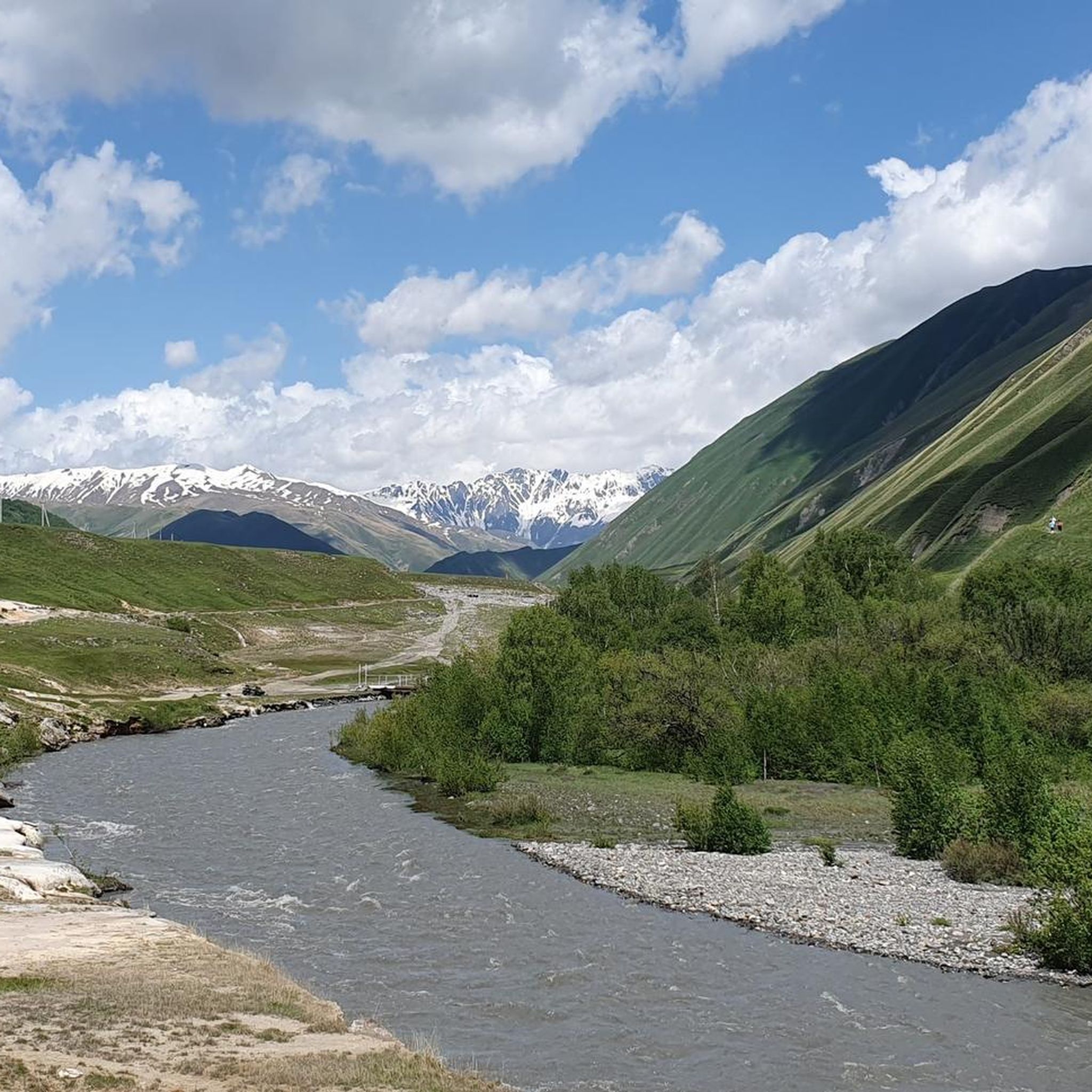
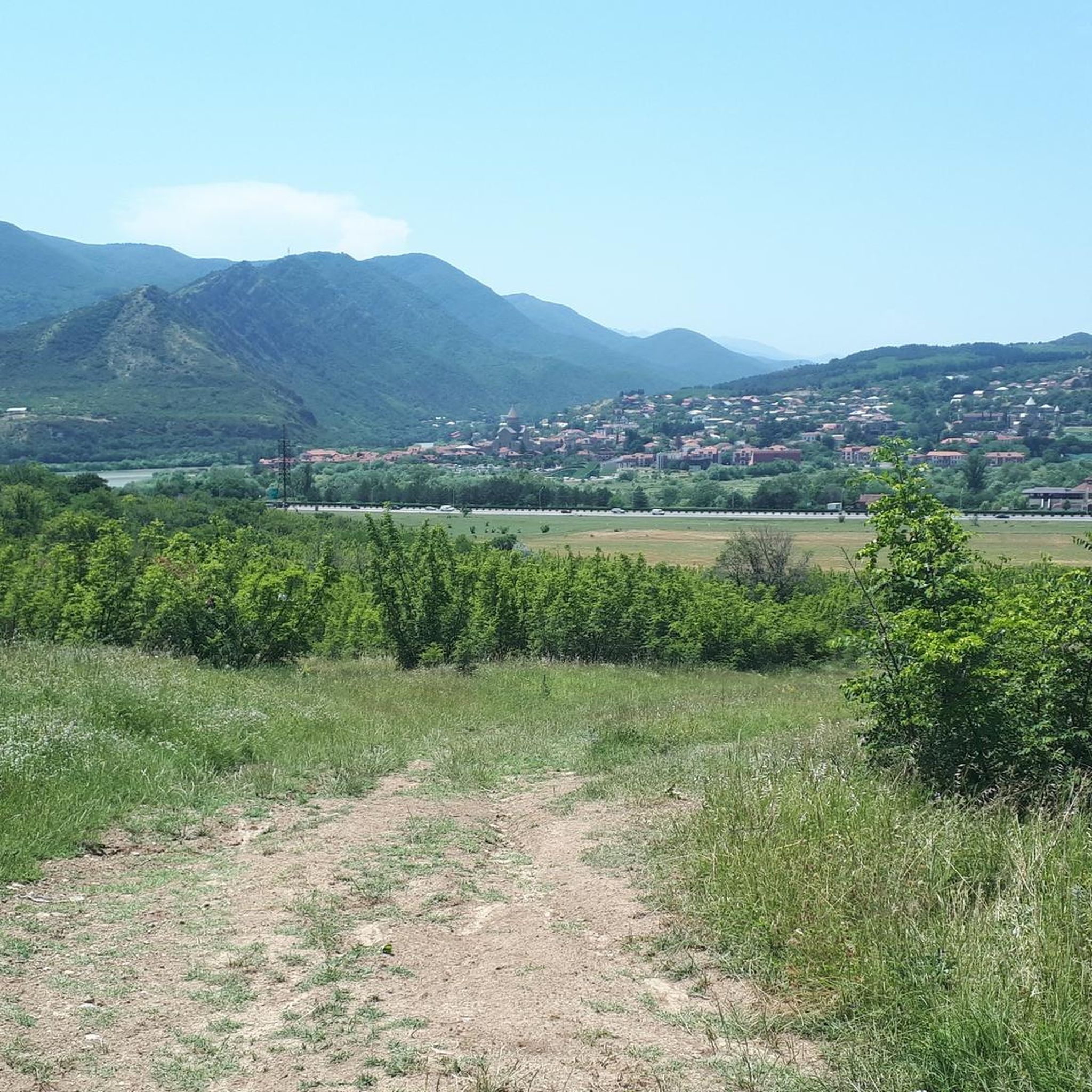


Other adventures in Mtskheta-Mtianeti

Tips from the Community

The small Chaukh lake is located at about 2550m above sea level. Hikers on their way to the Chaukhi pass sometimes take a refreshing(!) foot bath or swim a little. A dive is not possible - given the shallow depth. For many tourists with less hiking ambition, it is the final destination of their walk.
1
0
Travertine is the rock from which the entire Sacré-Coeur in Paris is built. A bit more technically: a limestone formed by the precipitation of lime from calcium carbonate-supersaturated water from hot springs. ... but don't just think of white, but also of the red and orange traces left by mineral springs. This is the case in Keteresi and Abano, two almost abandoned villages, a little further down the valley, among others.
2
0

The Gergeti Trinity Church was the cultural highlight of a tour. Easily accessible from Stepantsminda, a visit is worthwhile just for the great view.
0
0


In good weather great views in both directions
0
0

On the opposite bank, high rock pillars and needles made of sedimentary rock stand close together, like in Cappadocia or the USA. The Caucasus is a young mountain range (and is still growing, 2.5cm a year, because the Arabian plate is pushing over the Eurasian one) and as it was constantly folding, it took up all the sediments from the sea floor, which are now being washed out (with varying degrees of compaction) and are forming the rock needles. A second, similar, smaller spot can be found about 2km towards Mutso.
0
0
Mutso towers high above the river and looks truly defensive.
0
0
Anyone who arrives here has made it: 3510m, the whole thing is a huge pile of slate and gravel. In some places there is no path anymore because the slate has slipped over it (on both sides).
0
0
Frequently Asked Questions
What are some of the most popular natural monuments to visit in Mtskheta-Mtianeti?
The region offers a variety of stunning natural monuments. Among the most popular are the Mineral Spring and Pond in Truso Valley, known for its striking mineral-rich springs and colorful travertine layers. Another highly appreciated spot is Gveleti Waterfall, especially beautiful after rainfall, and the Kazbegi Boulders Climbing Area, which features volcanic rock with varied routes for climbers.
What unique geological features can I expect to see in Mtskheta-Mtianeti?
Mtskheta-Mtianeti is rich in unique geological formations. In Truso Valley, you'll find dramatic orange, yellow, and red travertine layers formed by mineral-rich springs, as well as the turquoise waters of Abano Mineral Lake. The Abudelauri Lakes are notable for their distinct colors—Green, Blue, and White—each with unique mineral compositions. The Chaukhi Mountains, often called the 'Georgian Dolomites,' present dramatic rock massifs and peaks.
Are there any high-altitude lakes or glaciers to explore in the region?
Yes, the region is home to several high-altitude natural wonders. The Mount Kasbek area within Kazbegi National Park features the impressive Gergeti Glacier, one of Georgia's largest. Additionally, the Abudelauri Lakes, located between 2,600 and 2,800 meters above sea level, offer stunning views of three distinctively colored lakes fed by underground sources.
What outdoor activities can I do near the natural monuments in Mtskheta-Mtianeti?
The natural monuments in Mtskheta-Mtianeti are perfect for various outdoor activities. You can enjoy hiking, running, and even road cycling. For hiking, consider routes like the Gergeti Holy Trinity Church loop or trails around Juta Village. Running enthusiasts can explore routes near Stepantsminda or in Truso Valley. For more details on routes, you can check the Hiking in Mtskheta-Mtianeti, Running Trails in Mtskheta-Mtianeti, and Road Cycling Routes in Mtskheta-Mtianeti guides.
Which natural monuments are suitable for families or those looking for easier trails?
While many trails in Mtskheta-Mtianeti can be challenging, some areas offer more accessible experiences. The Gveleti Waterfall is a relatively accessible natural monument that provides a scenic natural experience. For a more relaxed exploration, parts of Truso Valley can be explored by off-road vehicle or on horseback, offering a peaceful immersion in nature without strenuous hiking.
What is the best time of year to visit the natural monuments in Mtskheta-Mtianeti?
The best time to visit largely depends on the specific monument and desired activity. For the Abudelauri Lakes, July is particularly enchanting when rhododendron thickets bloom. The Sabaduri Forest is beautiful in all seasons, especially in autumn for golden leaves or winter for snow-covered landscapes. Generally, late spring to early autumn (May to October) offers the most favorable weather for hiking and exploring high-altitude areas.
Are there any natural monuments that are also historically significant?
Yes, the region blends natural beauty with historical significance. While primarily a historical site, Mutso Fortress is nestled dramatically in the rocks, making it a natural monument in its own right. The Truso Valley also contains remnants of over ten abandoned villages, adding a mysterious historical charm to its unique landscape.
What do visitors enjoy most about the natural monuments in Mtskheta-Mtianeti?
Visitors frequently praise the breathtaking scenery and the sense of tranquility. For instance, the Gveleti Waterfall is often described as 'very beautiful' and offering a 'fantastic landscape.' The Mineral Spring and Pond in Truso Valley is appreciated for its unique colors and the opportunity to take a break by a small mineral lake. The overall appeal lies in the pristine wilderness and diverse geological formations.
Can I find unique flora and fauna around the natural monuments?
Yes, the diverse landscapes of Mtskheta-Mtianeti support varied ecosystems. The Abudelauri Lakes area is characterized by alpine meadows and, in July, blooming rhododendron thickets. The Chaukhi Mountains also feature alpine scenery and wildflower meadows. Kazbegi National Park, encompassing Mount Kazbek, offers diverse landscapes with abundant rivers, lakes, streams, and waterfalls, providing habitats for various wildlife.
Are there any natural monuments known for their dramatic mountain views?
Absolutely. The Mount Kasbek (Mkinvartsveri) itself is a majestic peak offering dramatic views. The Chaukhi Mountains near Juta Village are renowned for their dramatic rock massif, often compared to the Dolomites. The Atsunta Pass and the Khidotani Range also provide expansive and stunning mountain vistas.
Where can I experience unique rock formations in the region?
For unique rock formations, visit the Rock Pinnacles and Towers in Pshav-Khevsureti National Park. The Truso Valley is also famous for its striking orange, yellow, and red travertine layers. Additionally, the Travertine Rock Formation in Kazbegi Protected Areas offers another example of these distinctive geological features.
Are there any natural monuments that are particularly beautiful in winter?
The Sabaduri Forest is especially beautiful in winter, offering a fairytale-like experience with its snow-covered landscapes, making it ideal for walking and photography. While some high-altitude areas may be less accessible, the snow-capped peaks and glaciers around Mount Kasbek also present a magnificent winter spectacle.
Most popular routes in Mtskheta-Mtianeti
Most popular attractions in Mtskheta-Mtianeti

Get inspired with the komoot mobile app


Explore more
Extend your search for the best caves by checking out these guides of the top ones in Mtskheta-Mtianeti:
