Top 6 Natural Monuments in Húnavatnshreppur
Natural monuments in Húnavatnshreppur, a former municipality in northwestern Iceland, offer a range of geological features. The region is characterized by its unique natural landscape, including geothermal areas and historical caves. Visitors can explore various natural attractions that showcase Iceland's powerful geological activity and historical connections. Húnavatnshreppur provides opportunities to experience these natural features.
Best natural monuments in Húnavatnshreppur
- The most popular natural monuments is Hveravellir Geothermal Area, a natural_monument that features hot springs, solfataras, mud pots, and a…
Last updated: July 10, 2026
Hveravellir Geothermal Area
Highlight • Natural Monument
All sights can be reached safely …
Translated by Google •
Tip by

Eyvindarhellir Cave
Highlight • Cave
Fjalla-Eyvindur's real name was Eyvindur Jónsson and he was convicted of theft around 1760 and fled to the highlands. He is …
Translated by Google •
Tip by

Sign up now to discover places like this
Get recommendations on the best single tracks, peaks, & plenty of other exciting outdoor places.
Sign up for free
Fagrihver Hot Spring
Highlight • Natural Monument
Translated by Google •
Tip by
Eyvindarrétt
Highlight • Natural Monument
Translated by Google •
Tip by
Strýtur Volcanic Rock Formations
Highlight • Volcano
Translated by Google •
Tip by

Glerárgil Canyon
Highlight • Canyon
Translated by Google •
Tip by

Start today with a free account
Your next adventure awaits.
Login or Signup
Popular around Húnavatnshreppur
Other adventures in Húnavatnshreppur

Tips from the Community

Geothermal area easily accessible via wooden walkways.
0
0

Be sure to stop if you are traveling on the F35 in the highlands. Don't forget your swimwear.
0
0

Sensational landscape on the edge of the highlands!
0
0

After a descent, you have a beautiful view of the gorges. Here we find remains of fossilized trees. Further on, you find the beautiful asphalt of Route 1.
1
0
A must if heading into the high country and driving the F35. Don't forget swimwear.
2
0

Natural cave named after Fjalla-Eyvindur. (Eyvindur from the mountains) Fjalla-Eyvindur's real name was Eyvindur Jónsson and he was convicted of theft around 1760 and fled to the highlands. He is said to have lived in this cave temporarily with his wife.
3
0
Lava mound which, due to its shape, was used by Eyvindur as a sheep pen. Eyvindur was an Icelander convicted of theft around 1760 who fled to the highlands with his wife.
2
0
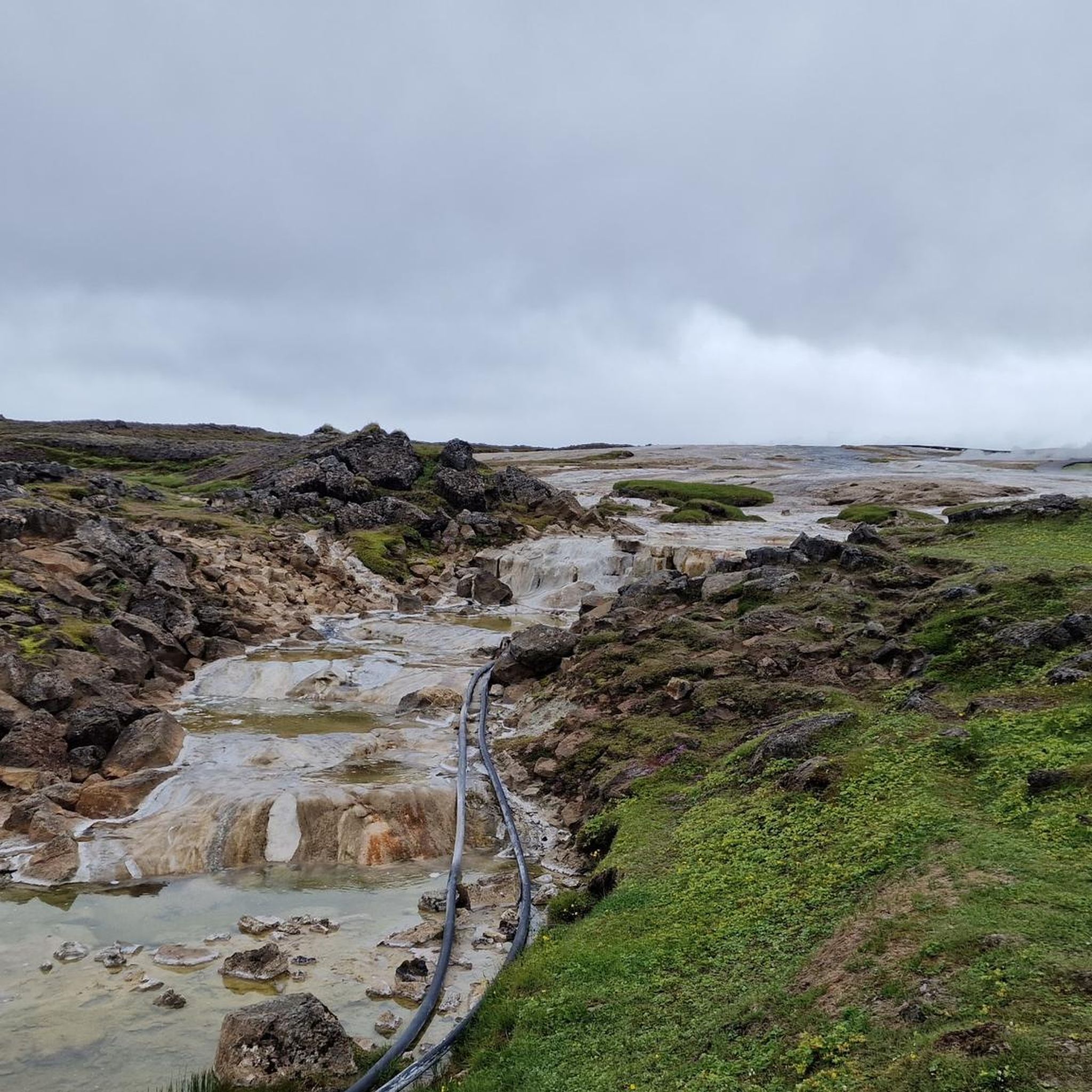
Hot smoking spring in Hveravellir geothermal area
2
0
Frequently Asked Questions
What natural features can I expect to see in Húnavatnshreppur?
Húnavatnshreppur is known for its diverse natural landscape, primarily featuring geothermal areas with hot springs, solfataras, and mud pots. You can also explore historical caves, impressive volcanic rock formations, and scenic canyons. A prime example is the Hveravellir Geothermal Area, which showcases many of these phenomena.
Are there any historical natural monuments in Húnavatnshreppur?
Yes, the region has natural monuments with historical connections. The Eyvindarhellir Cave is named after Fjalla-Eyvindur, a historical figure who is said to have temporarily resided there. Another site, Eyvindarrétt, is a lava mound believed to have been used by Eyvindur as a sheep pen.
Is Hveravellir Geothermal Area accessible for all visitors?
Yes, the Hveravellir Geothermal Area is designed with accessibility in mind. All sights, including hot springs and mud pots, are reachable via well-maintained wooden walkways, making it suitable for a wide range of visitors.
Are there family-friendly natural monuments in Húnavatnshreppur?
The Hveravellir Geothermal Area is considered family-friendly. Its well-maintained wooden walkways make it easy to navigate, and the diverse geothermal phenomena offer an engaging experience for all ages. The natural hot pot also provides a unique bathing opportunity.
What kind of hiking trails are available near the natural monuments?
Near the natural monuments, particularly around Hveravellir, you can find various hiking trails. There are easy loops like the "Hveravellir Geothermal Area – Fagrihver Hot Spring loop from Hveravellir" which is about 2.8 km. For more options, you can explore the easy hikes in Húnavatnshreppur or the broader hiking guide for Húnavatnshreppur.
What amenities are available at Hveravellir Geothermal Area?
At the Hveravellir Geothermal Area, visitors can find a restaurant offering simple dishes. There is also a natural hot pot available for bathing, providing a unique way to relax amidst the geothermal landscape.
When is the best time to visit the natural monuments in Húnavatnshreppur?
The natural monuments in Húnavatnshreppur, especially those in the highlands like Hveravellir, are generally best visited during the summer months (June to August) when roads are more accessible and weather conditions are milder. This allows for easier exploration of the outdoor attractions.
Can I find unique geological formations beyond geothermal areas?
Yes, beyond the geothermal areas, Húnavatnshreppur also features other unique geological formations. You can visit Strýtur Volcanic Rock Formations, which are part of a shield volcano, offering interesting structures to explore.
Are there any canyons to explore in the region?
Yes, the region offers natural canyons for exploration. The Glerárgil Canyon is a notable natural monument, providing scenic views and a glimpse into the area's geological history.
What do visitors enjoy the most about the natural monuments in Húnavatnshreppur?
Visitors frequently praise the vivid display of Iceland's powerful geothermal activity, particularly at Hveravellir Geothermal Area. The accessibility provided by wooden walkways and the opportunity to relax in a natural hot pot are also highly appreciated. Many find the experience impressive and less crowded due to the remote location.
Are there any natural hot pots for bathing in Húnavatnshreppur?
Yes, the Hveravellir Geothermal Area features a natural hot pot where visitors can enjoy a unique bathing experience. It's a popular spot for relaxation after exploring the geothermal phenomena.
How long does it take to explore the Hveravellir Geothermal Area?
Exploring the main sights of the Hveravellir Geothermal Area, including the hot springs, solfataras, and mud pots via the wooden walkways, can typically take a few hours. If you plan to bathe in the hot pot or enjoy a meal at the restaurant, allocate more time.
Are there options for longer hikes around the natural monuments?
Yes, for those seeking longer hikes, there are options available. For instance, a marked hiking trail from Hveravellir leads to the Strýtur Volcanic Rock Formations, which is approximately a 14 km circuit and takes about 3 hours. You can find more challenging routes in the Húnavatnshreppur hiking guide.
Most popular routes in Húnavatnshreppur
Most popular attractions in Húnavatnshreppur

Get inspired with the komoot mobile app


Explore more
Extend your search for the best caves by checking out these guides of the top ones in Húnavatnshreppur:
