Top 12 Natural Monuments in Siauliai County
Best natural monuments in Siauliai County include diverse landscapes, from regional parks to unique geological formations. This region in Lithuania features significant natural sites, including forested areas, lakes, and historical mounds. Siauliai County offers a variety of natural attractions for exploration and outdoor activities. The landscape provides opportunities to observe diverse flora and fauna.
Best natural monuments in Siauliai County
- The most popular natural monuments is Mūša Tyrelis Moor Lake, a lake surrounded by forest. It features the longest…
Last updated: June 26, 2026
Mūša Tyrelis Moor Lake
Highlight • Lake
Translated by Google •
Tip by

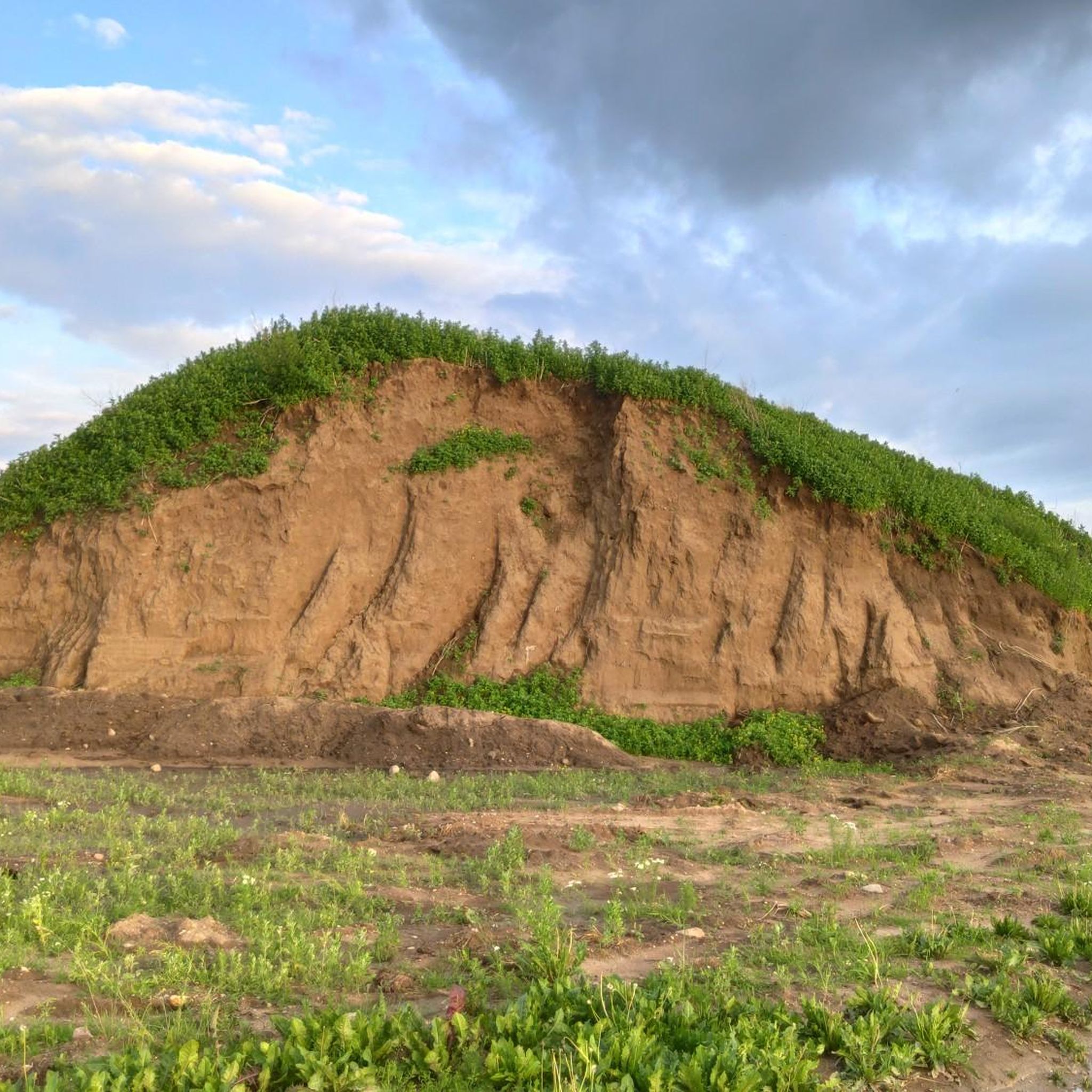
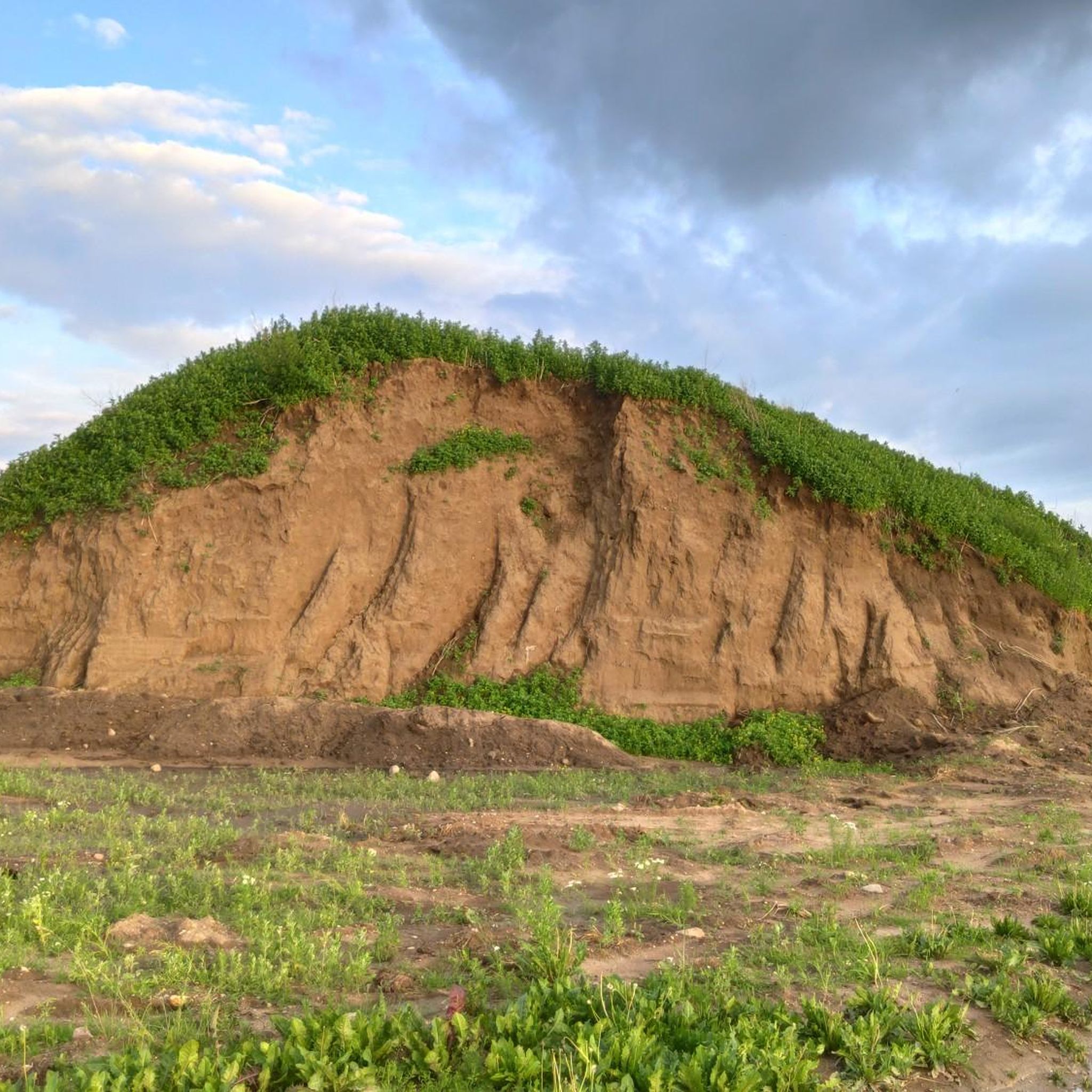
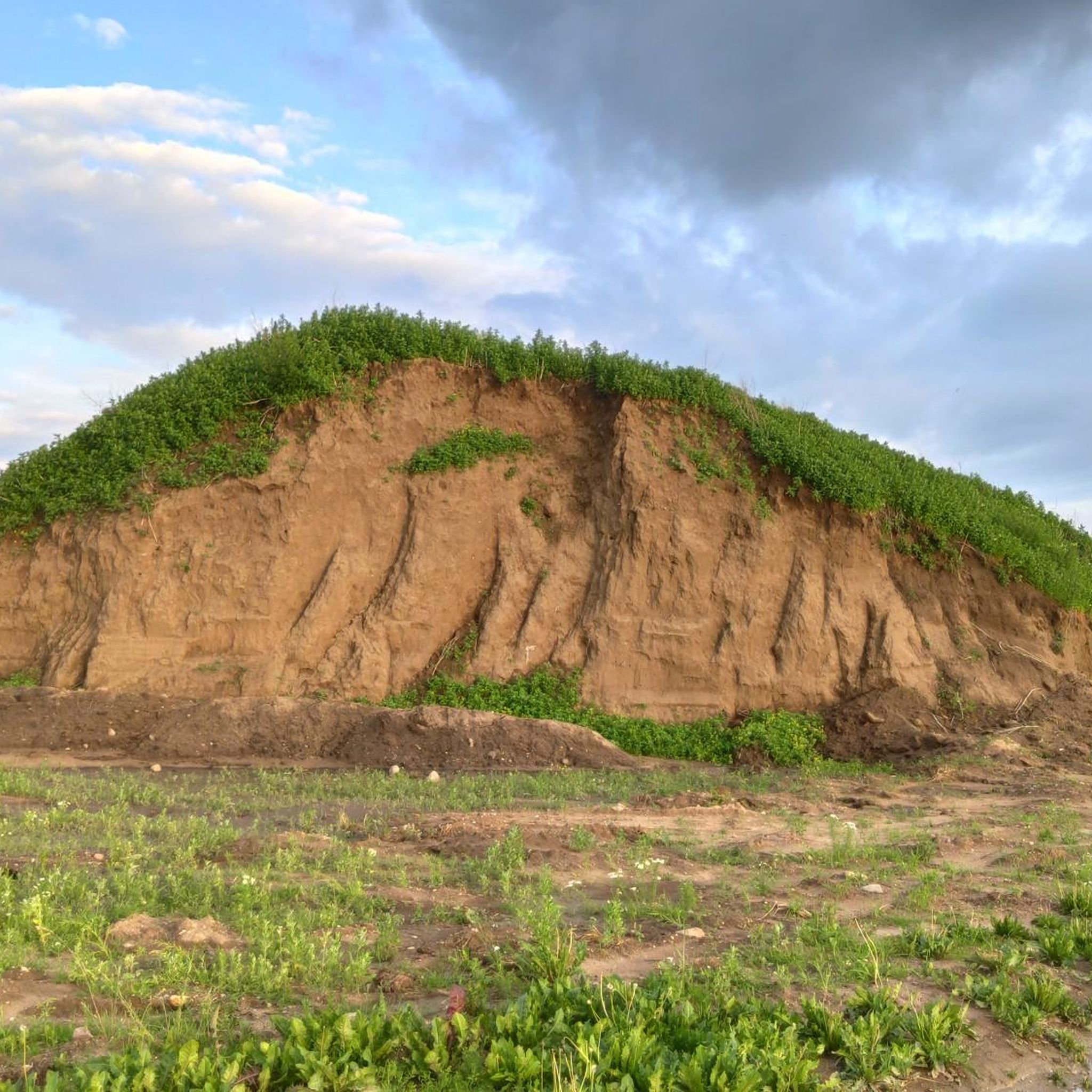
Salduvė Hillfort
Highlight • Historical Site
Tip by

Sign up now to discover places like this
Get recommendations on the best single tracks, peaks, & plenty of other exciting outdoor places.
Sign up for free
Žagarė Oza Nature Trail
Highlight • Trail
Translated by Google •
Tip by

Girnikai Hill
Highlight • Viewpoint
Tip by
Žagarė Dolomite Outcrop
Highlight • Natural Monument
Translated by Google •
Tip by
Pustlaukio Duobė
Highlight • Natural Monument
Translated by Google •
Tip by

Stone With the 'Footprint of God'
Highlight • Natural Monument
Translated by Google •
Tip by

Naryshkin Park (Žagarė Regional Park)
Highlight (Segment) • Forest
Translated by Google •
Tip by

Napoleon Pine
Highlight • Natural Monument
Translated by Google •
Tip by
Bubių Poplars
Highlight • Natural Monument
Translated by Google •
Tip by
Sign up for free to discover even more natural monuments in Siauliai County.
Sign up for free
Already have an account?
Start today with a free account
Your next adventure awaits.
Login or Signup
Tips from the Community

The three-stemmed Napoleon pine is one of the most impressive in Kurtuvėnai Regional Park. Height – 22 m, trunk circumference – 3.3 m, diameter – over a meter. It is believed that this tree could be about 300 years old. It is said that Napoleon's treasure is hidden under the pine. At dusk, the wind rises in that place and a brown dog barks. Therefore, people built a chapel in the pine.
0
0
This stone used to lie in a swampy part of the Kurtuvėnai forest near Rimas Hill. It was saved from destruction by a resident of the village of Mekiai. The man kept it in his homestead for several decades. In 2008, at the initiative of the Kurtuvėnai community, the stone with the “Footprint of God” was brought back and placed near its former location, at the foot of Ribiškės hill. People used to say that God descended from heaven and left his footprints on the stone. Others believed that angels flew and stamped their footprints on the stone. Footprint stones are called footprint stones because of their elongated depressions 10–40 cm long, 4–15 cm wide, and 2–7 cm deep (rarely larger). Some resemble a barefoot or shod human foot, while others resemble the footprints of animals and domestic animals. https://www.siauliurajonas.lt/lankytinos-vietos/akmuo-su-dievo-peda/
0
0
The five state-protected Bubiai poplars are the largest trees of this species in Lithuania. Their tops reach a height of 31–33 meters. The trunk diameter is from 1.5 to 1.8 meters. The thickest of these five is the two-stemmed poplar, the circumference of which at chest height is 5.73 meters.
0
0

Pustlaukios Hole is a thermokarst ravine, a geomorphological natural heritage site. The ravine is located in Kelmė district, 1.5 km W-NE from the village of Vainagiai, in the western part of Kurtuvėnai Regional Park, in the Pustlaukios Geomorphological Reserve.
0
0

You can take a nice break here.
0
0

The estate's park, which covers an area of 72 hectares, was founded in the 18th century and redesigned in 1900. It was largely shaped by the German landscape architect Georg Kuphaldt (1853–1938). It was originally bequeathed by Catherine the Great to her last lover, Platon Zubov. He passed the park on to the noble Naryshkin family. It is therefore also called Naryshkin Park. The park has an impressive old tree population, which was unfortunately recently badly damaged by a storm.
2
0

Beautiful, enchanting peace, well-equipped path through the swamp.
1
0

About 360 million years ago (Devonian period of the Paleozoic era), sedimentary rocks - dolomites - formed on the bottom of a warm salty sea. And 13,000 years ago, the latest retreating glacier from Lithuania left sediments - sand and gravel - which settled on the dolomite surface. After the ice melted, a mixture of boulders, sand and clay lay on the surface. In the vicinity of Žagare, dolomite was found at a depth of 0.3-6 m. The layers of these rocks can be seen on the banks of Švėtė, at the bottom and in the former dolomite quarry - in the outcrop of Žagarė. Žagarė outcrop - a geological object of natural heritage - a dolomite wall 2.5 - 3.5 m high and about 200 m long, known since the 19th century. In the quarry, dolomite was mined by hand even before the Second World War for burning lime, and later also as crushed stone for road construction. The people of Žagar, who worked in the quarry, said that they filled the excavated dolomite into furnaces, which they burned with firewood and stumps. The lime burned out in 4-5 days. They were taken to the Joniškis railway station, where they were sent in wagons according to orders, usually to Russia. Lime burning furnaces (lubricators) were installed right next to the quarry. The remains of one of them have survived to this day. The exploitation of the dolomite quarry was stopped in 1964. in 2012 the works of organizing and adapting the Žagarė exposure for visitors have been completed, during which the area of the exposure has been improved, stairs, a canopy, and an information stand have been installed.
2
0
Frequently Asked Questions
What are some unique natural features to explore in Siauliai County?
Siauliai County offers a variety of unique natural features. You can visit Mūša Tyrelis Moor Lake, known for its beautiful moor lake surrounded by forest and Lithuania's longest boardwalk. Another interesting spot is the Napoleon Pine, a three-stemmed tree believed to be around 300 years old, located in Kurtuvėnai Regional Park. Additionally, the Pustlaukio Duobė is a thermokarst ravine, a geomorphological natural heritage site.
Are there any family-friendly natural attractions in Siauliai County?
Yes, several natural monuments in Siauliai County are great for families. Mūša Tyrelis Moor Lake features a long boardwalk that's easy to navigate. Rabbit Island in Naisiai is a charming spot with free-roaming purebred rabbits and artistic installations, perfect for a playful escape. Žagarė Oza Nature Trail and Naryshkin Park are also noted as family-friendly options.
What historical or cultural sites can be found among the natural monuments?
Many natural sites in Siauliai County also boast rich history. Salduvė Hillfort is an archaeological and natural object with evidence of ancient settlement. Rekčiai Mound, on the Venta River, is steeped in local legends and shows human activity from the 1st millennium BC. Žagarė Dolomite Outcrop and the Stone With the 'Footprint of God' also have historical significance. Girniki Špetkalnis is considered a sacred place, commemorating the Battle of Saulė annually.
What kind of wildlife can I expect to see in Siauliai County's natural areas?
Siauliai County's natural monuments are home to diverse wildlife. Kurtuvėnai Regional Park is known for its varied flora and fauna, offering opportunities for birdwatching. Lake Rėkyva, a large swampy lake, supports diverse ecosystems and is a habitat for rare butterflies like the marsh fritillary and large copper, as well as pond bats. Lake Talkša is notable for its rare plant species and approximately 150 species of butterflies.
Are there good places for hiking or walking near these natural monuments?
Absolutely! Siauliai County offers several excellent spots for hiking and walking. The Mūša Tyrelis Moor Lake features a well-equipped path through the swamp, making for a unique walk. Lake Talkša has a 5-kilometer ecological path with informational stands. For more options, you can explore various routes in the region, including easy hikes in Siauliai County.
What are the best natural monuments for panoramic views?
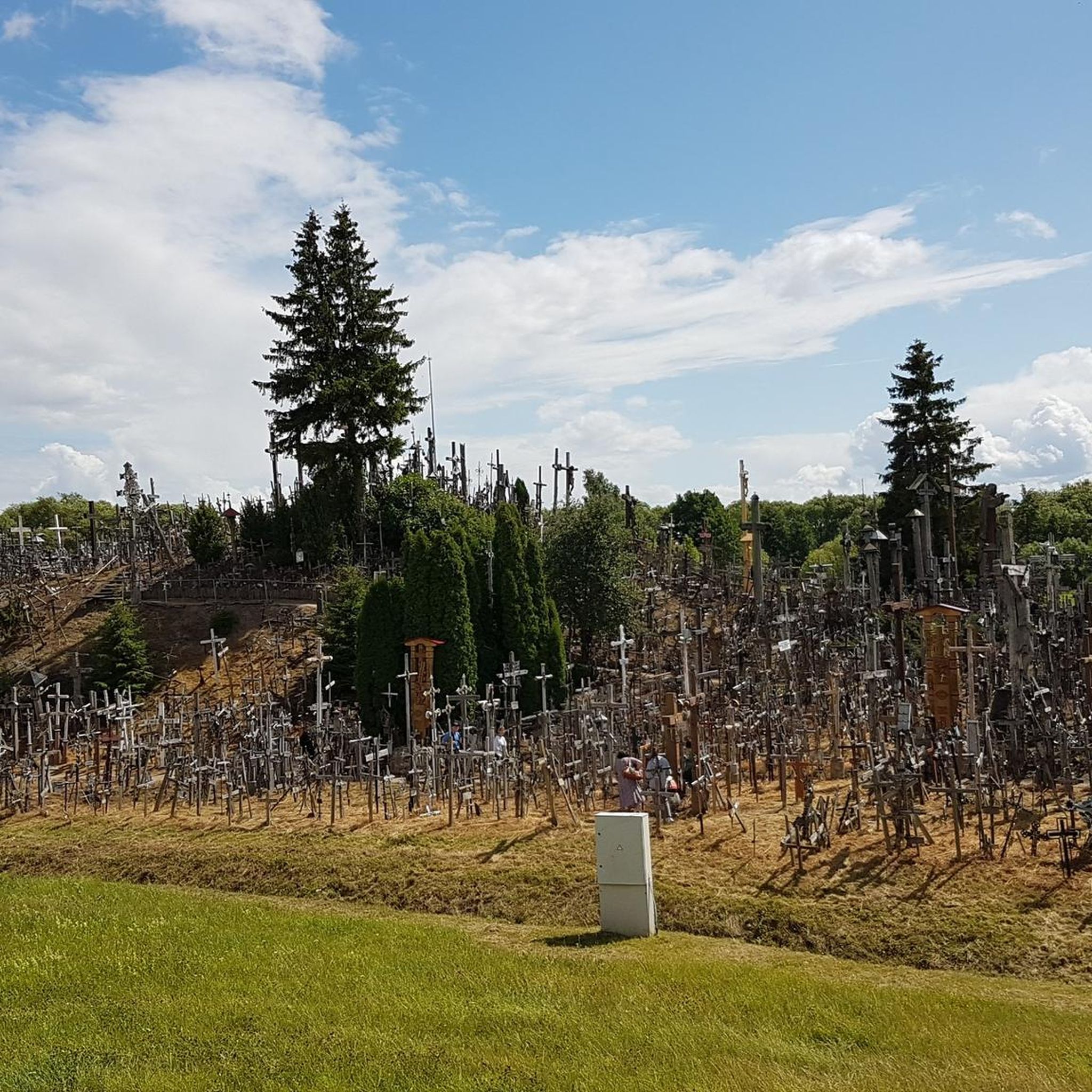
For breathtaking panoramic views, you should visit Girnikai Hill. As the highest point in Šiauliai district, it stands at 183.4 meters and provides extensive views of the entire regional park, the Samogitia highlands, and the cities of Šiauliai, Kuršėnai, and Kurtuvėnai.
What outdoor activities can I do near the natural monuments in Siauliai County?
Beyond hiking, Siauliai County offers various outdoor activities. Lake Rėkyva is popular for relaxation, fishing, and water sports like kiteboarding and windsurfing. The surrounding forests are excellent for picking berries and mushrooms. You can also find numerous cycling and gravel biking routes, such as those listed in the gravel biking guide and cycling guide for Siauliai County.
What is the best time to visit the natural monuments in Siauliai County?
The best time to visit depends on your interests. Spring and summer offer lush greenery, vibrant water lilies, and active wildlife, ideal for nature observation and water sports. However, some visitors recommend visiting viewpoints like Girnikai Hill during winter, early spring, or late autumn to avoid mosquitoes and hornets. Autumn is also great for picking berries and mushrooms in the forests around Lake Rėkyva.
Are there any botanical gardens or places to see diverse plant collections?
Yes, the Šiauliai University Botanical Garden is an excellent destination for plant enthusiasts. Spanning 6.5 hectares, it cultivates over 4,600 species and varieties of plants, including one of Lithuania's largest collections of endangered and rare plants, mountain plants, and specific sections for Lithuanian flora and medicinal plants.
Where can I find information about Kurtuvėnai Regional Park?
Kurtuvėnai Regional Park is renowned for its diverse landscapes, including forests, lake-like hills, and various preserves. Its Visitor Centre provides extensive information about the park's landscape, evolution, and conservation efforts. You can find more details about the visitor centre at visitsiauliai.lt.
What do visitors enjoy most about the natural monuments in Siauliai County?
Visitors frequently praise the tranquility and natural beauty of the region. Many enjoy the peaceful atmosphere and well-equipped paths, such as the boardwalk at Mūša Tyrelis Moor Lake. The impressive old tree population at Naryshkin Park also provides a nice break. The diverse outdoor experiences, from hiking to water sports, are highly appreciated by the komoot community.
Are there any natural monuments suitable for easy walks or beginner hikers?
For easy walks, the Mūša Tyrelis Moor Lake offers a flat, accessible boardwalk. Lake Talkša also features a 5-kilometer ecological path that is suitable for leisurely strolls. These locations provide gentle terrain and are ideal for beginners or those looking for a relaxed outdoor experience.
Most popular routes in Siauliai County
Most popular attractions in Siauliai County

Get inspired with the komoot mobile app


Didn’t find what you were looking for?
Find even more amazing natural monuments in Siauliai County by checking out the top Highlights region by region:
Explore more
Extend your search for the best caves by checking out these guides of the top ones in Siauliai County:
