Top 10 Natural Monuments in Trnava
Best natural monuments in Trnava include a diverse range of geological formations, protected natural reserves, and significant botanical specimens. The region is characterized by its karst landscapes, river systems, and remnants of ancient forests. These areas offer opportunities to observe unique ecosystems and natural features.
Best natural monuments in Trnava
- The most popular natural monuments is Záruby Summit Cross, a summit that marks the highest point of the Little Carpathians. The ascent is considered challenging, with well-marked paths.
- Another…
Last updated: April 28, 2026
Záruby Summit Cross
Highlight • Summit
Translated by Google •
Tip by

Confluence of the Thaya and Morava rivers
Highlight • River
Translated by Google •
Tip by
Sign up now to discover places like this
Get recommendations on the best single tracks, peaks, & plenty of other exciting outdoor places.
Sign up for free
Havranica 717
Highlight • Summit
Translated by Google •
Tip by

Havrania Skala
Highlight • Natural Monument
Translated by Google •
Tip by
Driny Cave
Highlight • Cave
Translated by Google •
Tip by
Cséfalvay Watermill (Dunajský Klátov Watermill)
Highlight • Monument
Translated by Google •
Tip by

Zelenka Nature Reserve
Highlight • Natural Monument
Translated by Google •
Tip by

View of the Malé Karpaty Mountains
Highlight (Segment) • Viewpoint
Tip by

Visiace Skaly Viewpoint
Highlight • Viewpoint
The access path is in good condition and …
Translated by Google •
Tip by

Start today with a free account
Your next adventure awaits.
Login or Signup

Tips from the Community

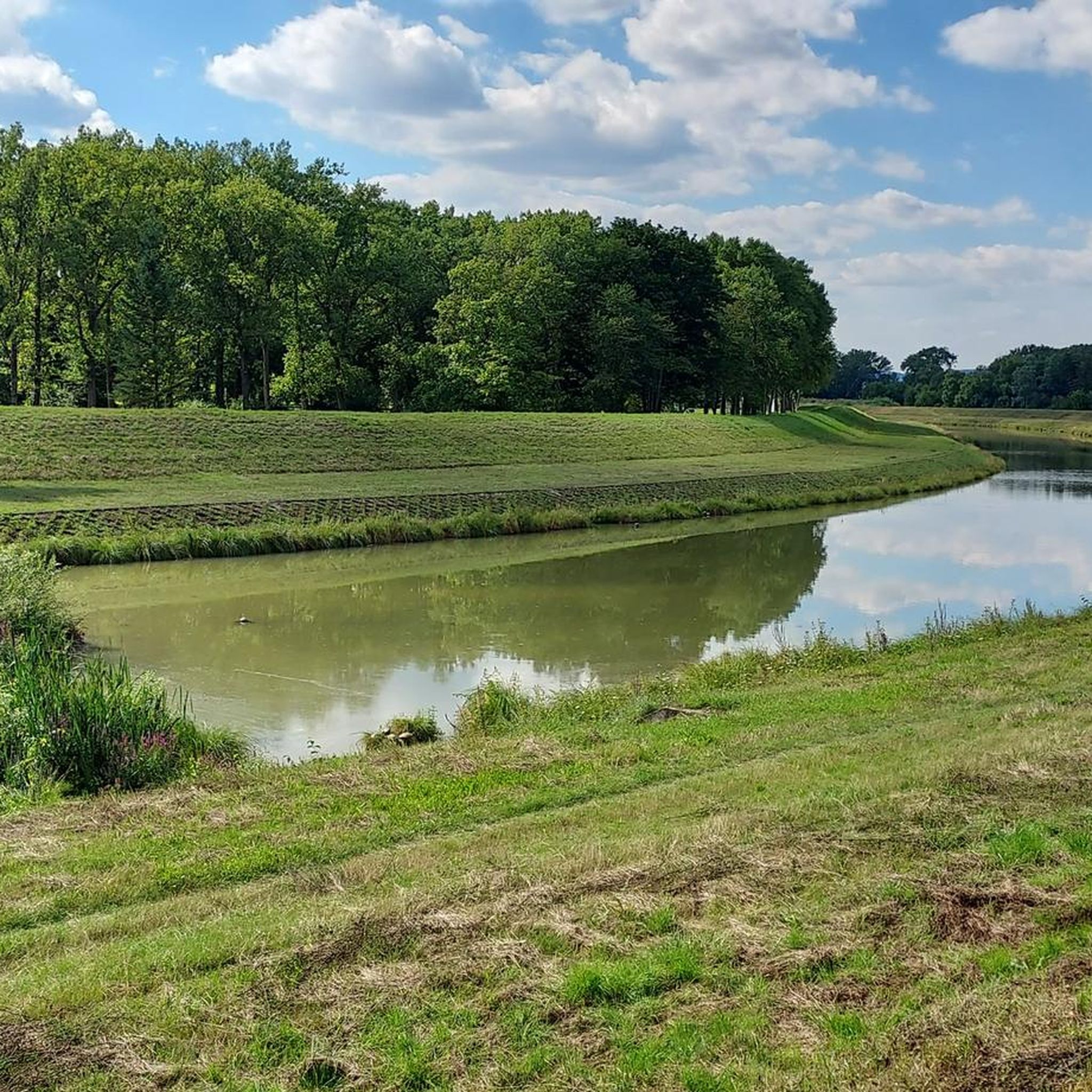
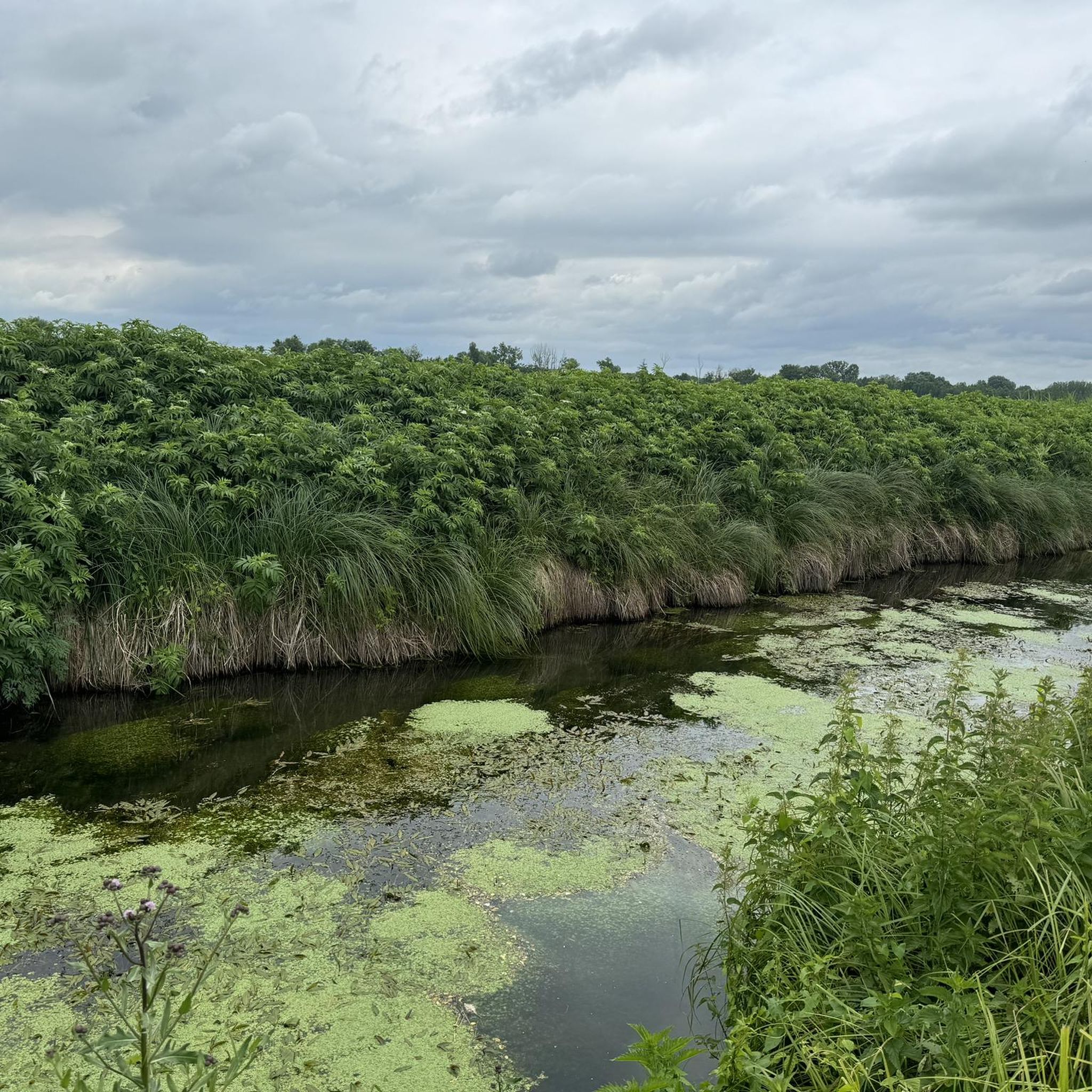
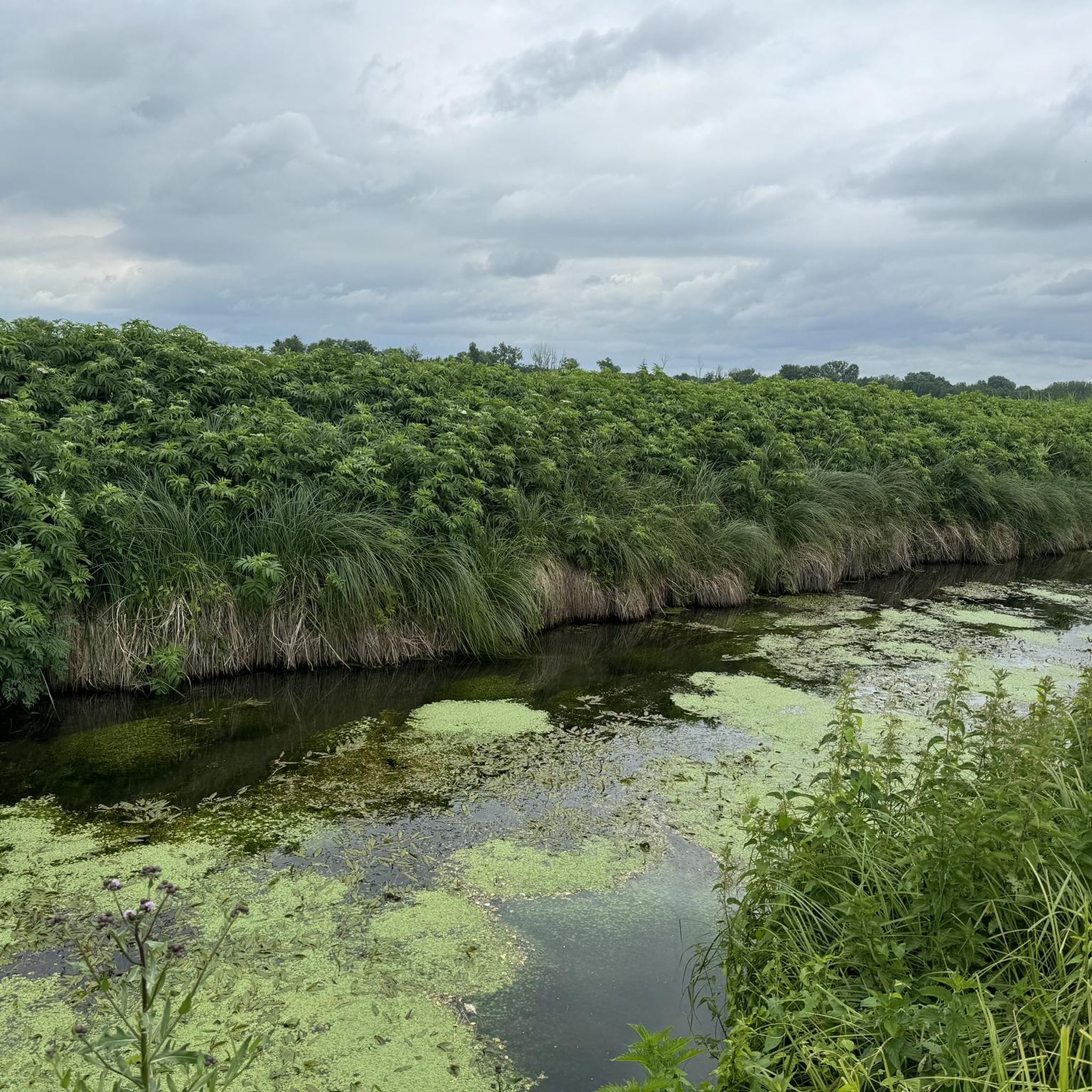
Zelenka is a wetland in a dune landscape designated since 1980, part of the "European Green Belt," a network of nature reserves along the former Iron Curtain.
1
0

While climbing Záruby, we also visited the Drina caves. Interesting visit and good guide. But we were surprised by the fee for photography 😩
3
0
On the way to the top of Záruby in the Little Carpathians, you will pass several signposts and crossroads. They are very well marked. The path from the Drina cave to the top of Záruby is quite difficult. We sweated a lot.
3
0
On the way to the top of Záruby in the Little Carpathians, you will pass several signposts and crossroads. They are very well marked. The path from the Drina cave to the top of Záruby is quite difficult. We sweated a lot.
3
0
On the way to the top of Záruby in the Little Carpathians, you will pass several signposts and crossroads. They are very well marked. The path from the Drina cave to the top of Záruby is quite difficult. We sweated a lot.
3
0
Raven Rock - on the way from the top of Záruba we went over Raven Rock. There are beautiful views of the landscape.
3
0
Driny is a fissure cave in the Little Carpathians in Slovakia, protected as a national natural monument. It is located in the cadastral area of Smolenice in the Trnava District of the Trnava Region. The area was declared a national natural monument in 1968.
3
0

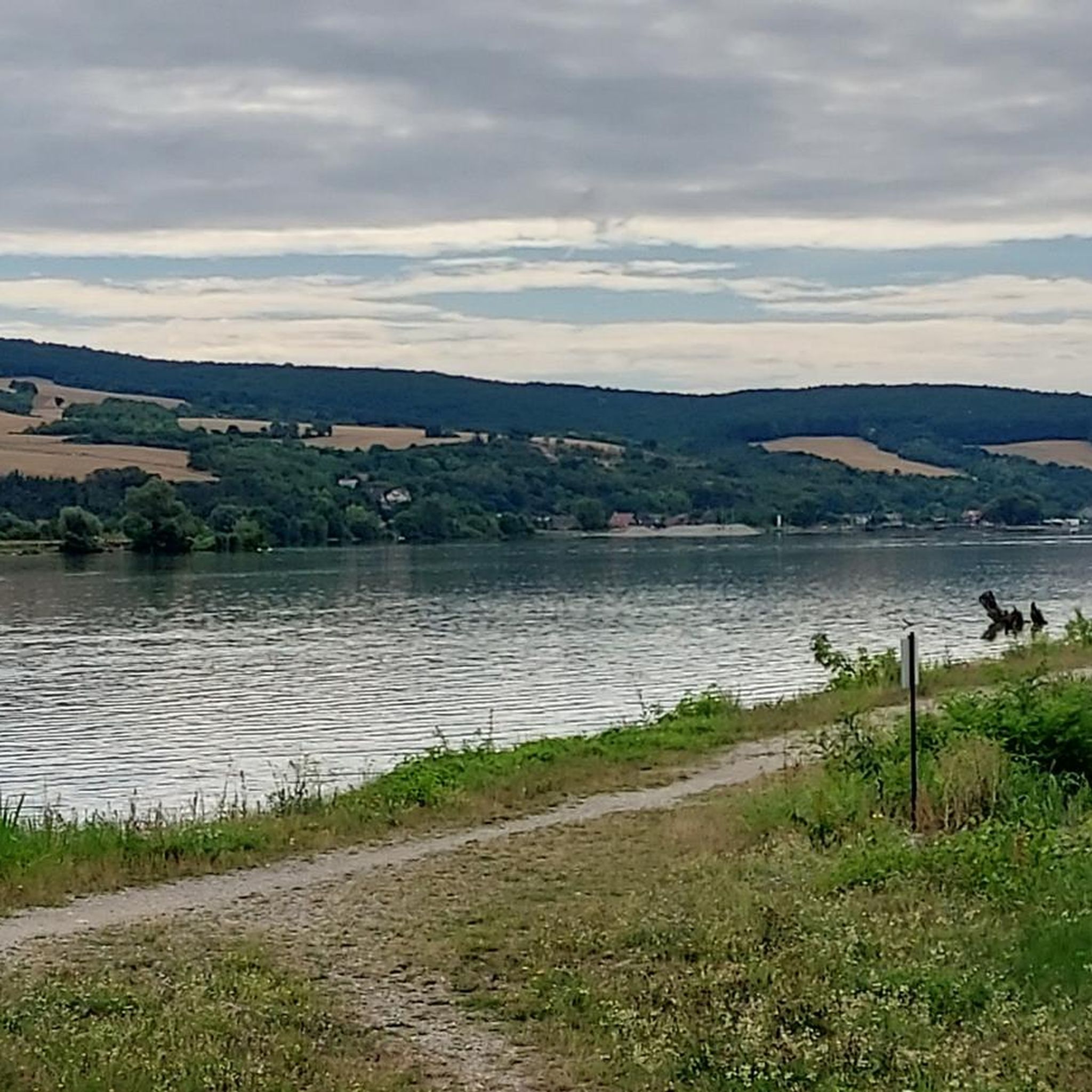
Cséfalvay water mill, on the bank of the Klátovský branch of the Little Danube. The mill is a state-protected technical monument, the surroundings of the mill are the Klátovské rameno National Nature Reserve. Since August 1987, it has been under the management of the Žitnoostrovský Museum and forms a permanent outdoor exhibition on the theme of water milling.
0
0
Frequently Asked Questions
What are some unique natural features to explore in the Trnava region?
The Trnava region offers diverse natural features. You can explore the unique dripstone ornamentation of Driny Cave, the only accessible show cave in western Slovakia. Another notable feature is the Hlbočiansky Waterfall, the only waterfall in the Little Carpathians, which is particularly impressive after heavy rains. The region also boasts the protected water and swamp biotope of the Ponds of Trnava, significant for birdwatching.
Are there any challenging hiking trails among the natural monuments in Trnava?
Yes, for those seeking a challenge, the ascent to Záruby Summit Cross, the highest point of the Little Carpathians, is considered difficult. The path from Driny Cave to the top of Záruby is also quite demanding. Another challenging summit is Havranica 717, which offers rewarding views.
Which natural monuments are suitable for families with children?
Several natural monuments in Trnava are family-friendly. The Confluence of the Thaya and Morava rivers offers a tranquil setting with a rest bench, perfect for families. Driny Cave is also considered family-friendly, offering an interesting guided tour. Additionally, the Visiace Skaly Viewpoint is accessible via a family-friendly trail.
Where can I find panoramic viewpoints of the Trnava landscape?
For stunning panoramic views, visit Havrania Skala, located along routes leading from Záruby. The View of the Malé Karpaty Mountains also provides excellent vistas of the surrounding natural beauty.
Are there any natural monuments that are particularly good for birdwatching?
Absolutely. The Ponds of Trnava, located on the western edge of Trnava, are a protected area and a significant ornithological site. Over 150 bird species have been identified here, including many nesting and migratory birds like Mute Swans, Eurasian Coots, and Grey Herons, making it an excellent spot for birdwatching.
What kind of historical or cultural sites are integrated with the natural monuments?
While primarily natural, some sites have historical connections. The Forest in Kamenný mlyn, for instance, is a remnant of an original wet flooded forest that also holds historical significance as a former mill site. Additionally, the ancient lime trees are located within the reverent Park at Calvary, which features historical sites alongside these botanical specimens.
What outdoor activities can I do near the natural monuments in Trnava?
The Trnava region offers various outdoor activities. You can find numerous running trails, such as the "Sĺňava – Biskupický kanál loop from Piešťany," which are generally moderate in difficulty. For gravel biking enthusiasts, there are routes like the "Baťův Kanál Cycle Path – Milotice Castle loop from Sudoměřice nad Moravou." Hiking is also popular, with trails like the "Záruby Summit Cross – Havrania Skala loop from Smolenice." You can find more details on these activities in the Running Trails in Trnava, Gravel biking in Trnava, and Waterfall hikes in Trnava guides.
Are there any natural reserves with high protection levels in the Trnava region?
Yes, the Hlboča Valley, which is home to the Hlbočiansky Waterfall, has been designated a national nature reserve since 1995. It enjoys the highest level of protection due to its diverse rock formations, largely untouched wilderness, and rare plant and animal species, making it a valuable site for biodiversity.
What is the best time to visit the Hlbočiansky Waterfall?
The Hlbočiansky Waterfall is often referred to as an "occasional" waterfall because its flow is heavily dependent on rainfall. It appears most abundant and impressive in spring or after heavy rains, so planning your visit during these times will offer the best experience.
Are there any ancient trees designated as natural monuments in Trnava?
Yes, within the Park at Calvary, you can find two robust and broad lime trees that are estimated to be around 260 years old. These impressive trees stand 15-20 meters tall with a circumference of 500-555 cm, making them significant botanical specimens and natural monuments.
What kind of natural monuments can be found in the Little Carpathians area of Trnava?
The Little Carpathians in the Trnava region are home to several significant natural monuments. These include the unique Driny Cave, the highest point of the range at Záruby Summit Cross, and the Hlbočiansky Waterfall. The Hlboča Valley, a national nature reserve, is also located within this mountain range.
Can I find any natural monuments that are forested areas?
Yes, the Trnava region features forested natural monuments. The Forest in Kamenný mlyn is a remnant of an original wet flooded forest, now adjusted to serve as a park, with an educational trail. Additionally, the Zelenka Nature Reserve is a forested natural monument offering intermediate trails.
Most popular routes in Trnava
Most popular attractions in Trnava

Get inspired with the komoot mobile app


Didn’t find what you were looking for?
Find even more amazing natural monuments in Trnava by checking out the top Highlights region by region:
Explore more
Extend your search for the best caves by checking out these guides of the top ones in Trnava:
