Top 20 Natural Monuments in Bratislava
Best natural monuments in Bratislava offer a diverse range of ecological features and recreational opportunities within the city's limits. The region is characterized by its position at the southernmost part of the Malé Karpaty mountains and the confluence of the Danube and Morava rivers. These areas provide significant natural landscapes, including protected forests and unique geological formations. Visitors can explore a variety of natural sites that showcase the area's biodiversity and historical context.
Best natural monuments in Bratislava
- The most…
Last updated: October 13, 2026
Devín Castle
Highlight • Castle
Translated by Google •
Tip by

Slavín War Memorial and Military Cemetery
Highlight • Monument
Tip by

Sign up now to discover places like this
Get recommendations on the best single tracks, peaks, & plenty of other exciting outdoor places.
Fountain of the Planet of Peace at the Presidential Palace
Highlight • Monument
Translated by Google •
Tip by

Družba Fountain (Linden Blossom) – Námestie Slobody
Highlight • Monument
Translated by Google •
Tip by

Girl With a Fawn Fountain (Fontána Dievča so Srnkou)
Highlight • Monument
Showing Translation
Tip by

Franciscan Nymph Fountain
Highlight • Monument
Showing Translation
Tip by

Kršlenica Summit
Highlight • Summit
„Some climb mountains in a hurry
and take …
Showing Translation
Tip by

Vápenná Peak (752 m)
Highlight • Summit
Translated by Google •
Tip by

Chapel of the Miraculous Spring and Healing Water Source
Highlight • Religious Site
Translated by Google •
Tip by

Čermák Spring
Highlight • Natural Monument
Tip by

Sign up for free to discover even more natural monuments in Bratislava.
Already have an account?
Start today with a free account
Your next adventure awaits.
Popular around Bratislava
The Danube Cycle Path – From Donaueschingen to Budapest
Riding two Koppels through five countries
Jubiläumsradweg cycle path through Burgenland
From Vienna to Košice – a bikepacking adventure in Slovakia
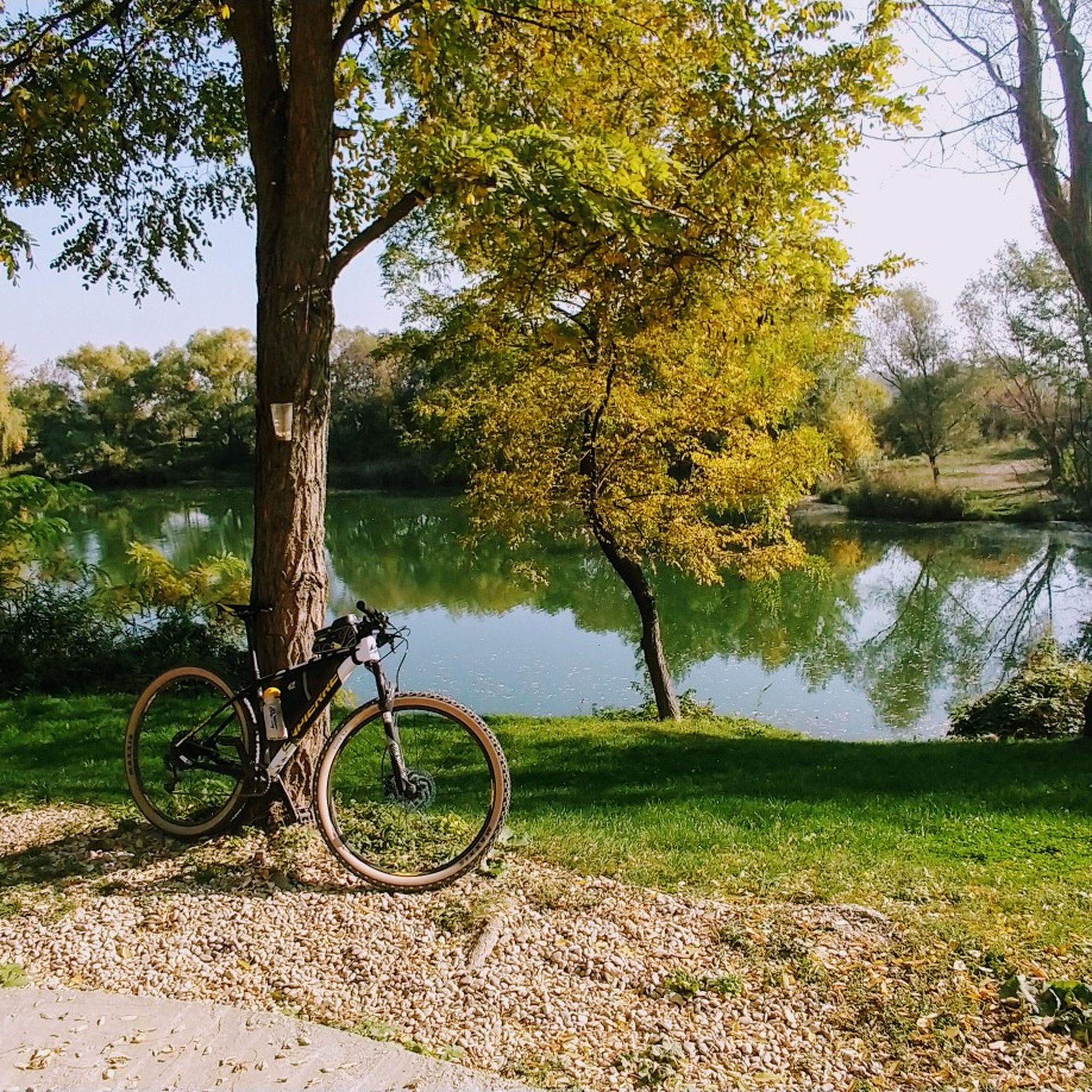
Cycling in Bratislava
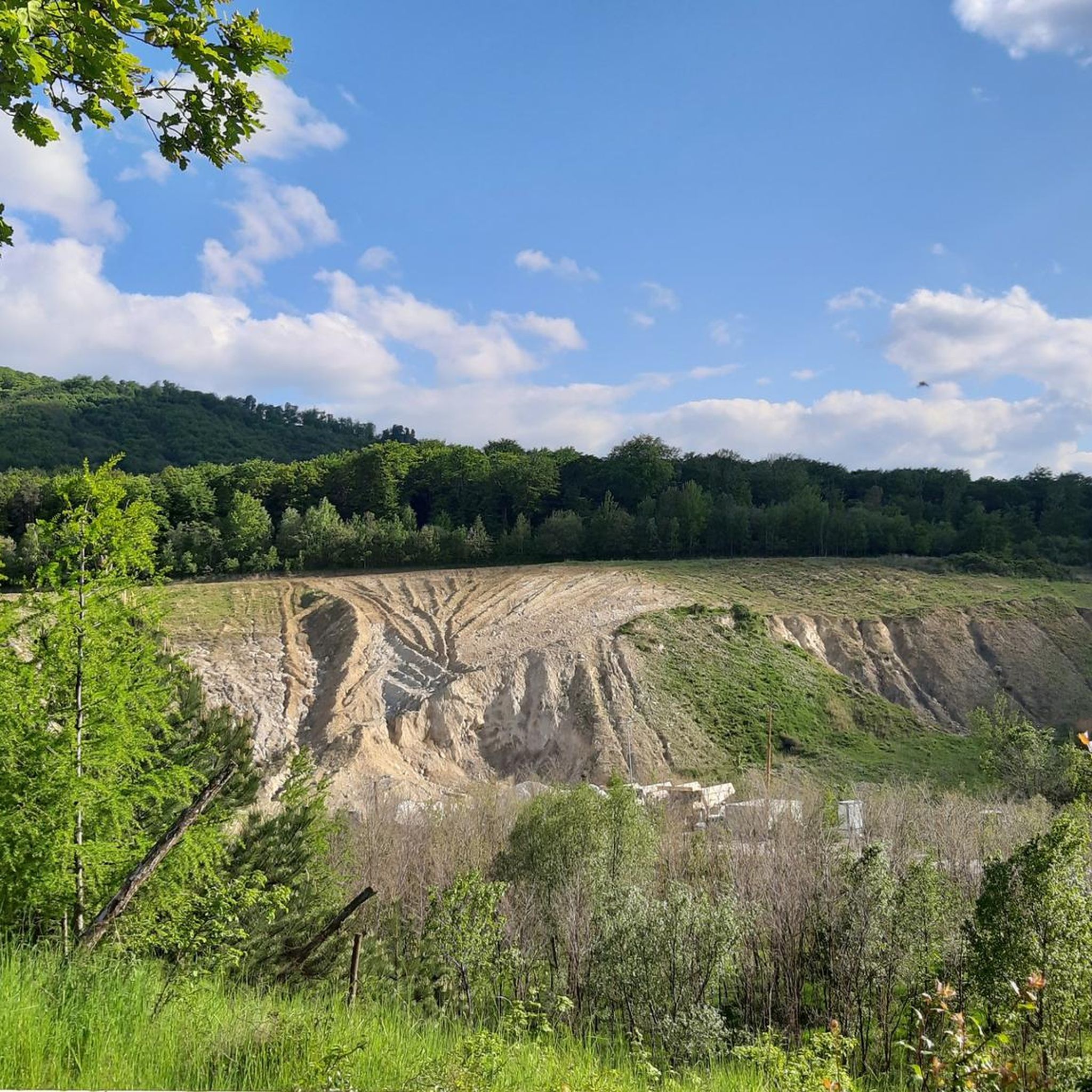
Road Cycling Routes in Bratislava
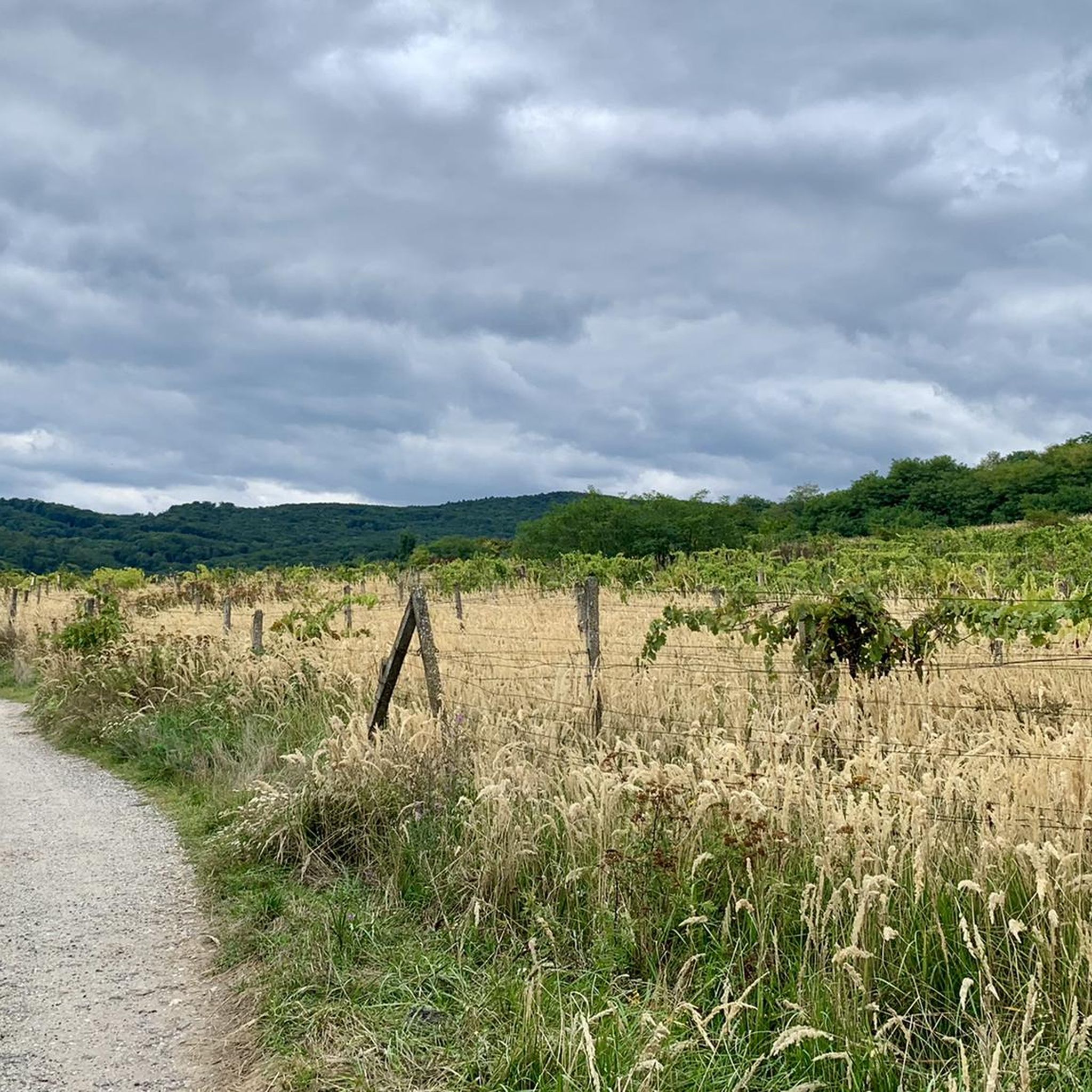
Running Trails in Bratislava
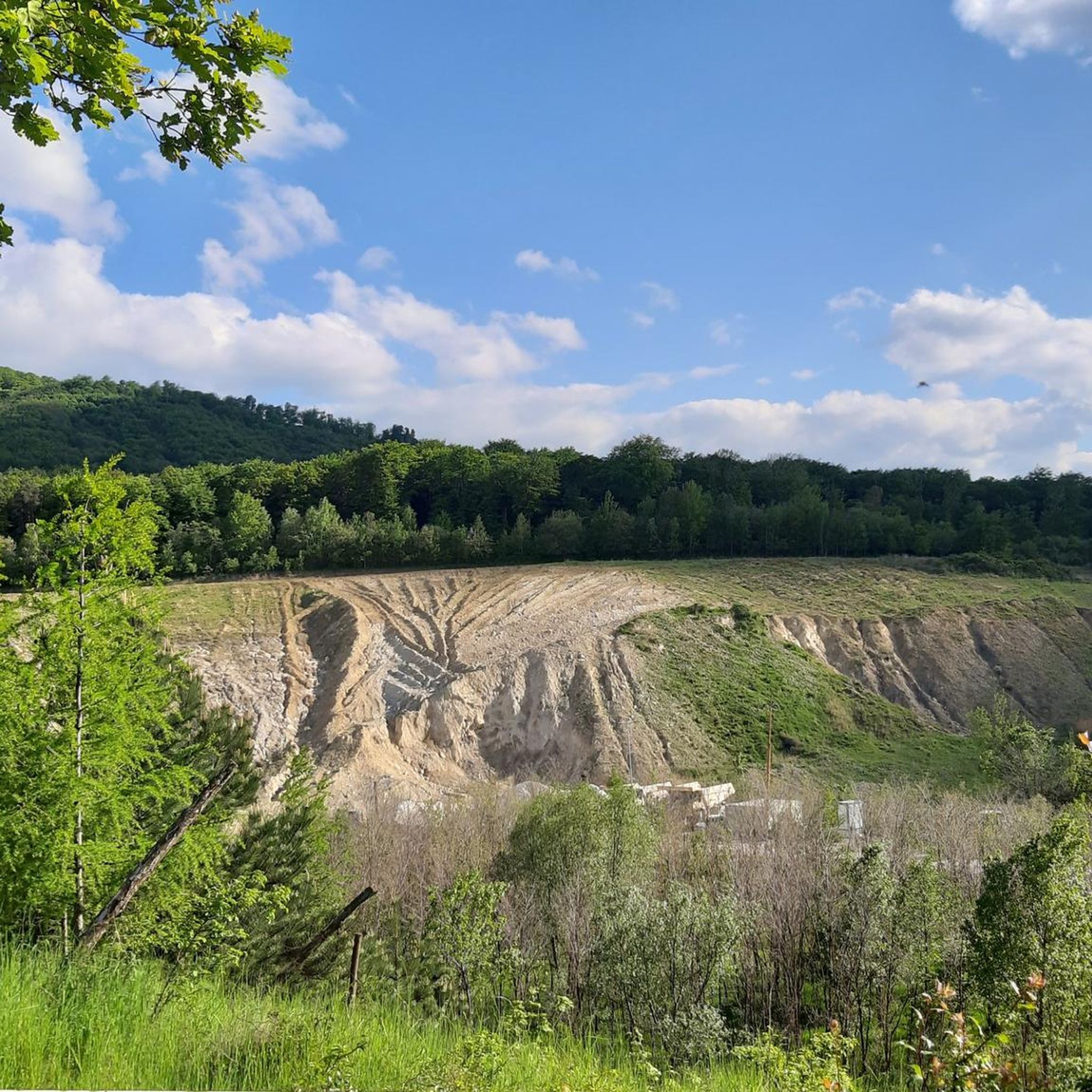
Hiking in Bratislava
MTB Trails in Bratislava

Gravel biking in Bratislava
Other adventures in Bratislava


Tips from the Community

The fountain is the Franziskaner-Nymphenbrunnen (also Nymfa Františka) on Franziskanerplatz. The fountain originally dates from the 16th century (approx. 1592). The nymph figure and basin visible today date back to 1804 and were created by the Feigler stonemason family. The fountain was previously moved to the inner courtyard of the town hall and was returned to its original location in 1998.
1
0

The German narrator and poet Reinhold BRAUN (1879-1959) recommended in the following poem a deep, blissful summit rest for the mountain hiker: „Some climb mountains in a hurry and take too short a summit rest and see neither beauty nor sunshine, they just want to have been 'up there', and return with everyday senses and outlook to the valleys of life. Do you truly want to be blessed, your soul to wander bright and pure: Enjoy what you have hiked, in a deep, blissful summit rest!“
0
0

Alois Rigele, a master of sculpture and painting, embodies the symbiosis of Classicism and Art Nouveau in his outstanding works. Particularly noteworthy is the figure of the "Girl with a Fawn", which conveys an impressive expression of elegance and grace. This sculpture, presented in Hviezdoslav Square, demonstrates not only Rigele's technical skill but also his ability to capture emotions and the relationship between humans and animals. The attention to detail and the harmonious composition of his works testify to his deep understanding of the human form and nature. In addition to his chamber and figurative sculptures, Rigele also created numerous portrait plaques and monuments that bring the character and essence of their subjects to life. However, Rigele found his expression not only in sculpture – he also left his mark in mural painting, as can be seen in the magnificent choir of the Jesuit Church in Pressburg.
2
0

The elegant fountain directly in front of the Presidential Palace draws all eyes with its clear water jets and ornate bronze sculptures. Surrounded by manicured green spaces and benches, it invites you to take a refreshing break while admiring the palace's magnificent façade. An ideal photo stop and place to take a breather on your tour of Bratislava.
6
0

The fountain with a double tank made of white material is decorated in the upper part with a sculpture depicting a sitting girl with a doe. The sculpture is made of reddish stone. On the north side, at the girl's foot, there is an inscription engraved: "A. Rigele 1938, R. Kuhmayer 1942". The sculpture is the work of the famous Bratislava sculptor Alojz Rigele, who, however, did not have time to finish it. After his death, another famous Bratislava sculptor, Robert Kuhmayer, completed it in 1942. The theme of the sculpture was based on a Grimm's fairy tale, and accordingly the name "Braček a sestrichka" (Little Brother and Sister) was also used. https://muop.bratislava.sk/fontana-dievca-so-srnkou/d-2391
1
0

Freedom Square is the largest square in Bratislava. In the Middle Ages, there were vineyards on the current square. The square probably came into being in the 17th century after the construction of the Archbishop's Summer Palace on the west side of the square, which now serves as a government building. In the period after World War II, the square and its surroundings were rebuilt. In 1946–1951, the Postal Palace was built on the north side, which now houses the Ministry of Transport of the Slovak Republic; on the south and east sides, buildings of the current Slovak Technical University were built. In 1980, the whole square was turned into a park; in the center there is a fountain called Družba (Friendship). In the middle of the fountain there is a stainless steel linden blossom with a diameter of 9 meters, a Slavic symbol. Excerpts from https://de.wikipedia.org/wiki/N%C3%A1mestie_slobody
2
0
Girl with deer on the big avenue.
1
0

The gigantic Slavín war memorial can be seen from many places in the city. Located on a hill above the castle, it commemorates the liberation of the city by the Red Army in April 1945. The largest war memorial in Central Europe, at 52 meters, towers over the city as an unmissable dominant feature. The gigantic Slavín memorial stands on a hill with a view of Bratislava Castle and most of the city. 6845 soldiers of the Soviet Army found their resting place in this military cemetery. All of them fought for the liberation of Bratislava during the last weeks of World War II. The city was finally liberated in April 1945. The 39.5 meter high pillar is dominated by the memorial, a statue of a victorious Soviet soldier with a flag. The central hall of honor with various statues is decorated with inscriptions of Slovak cities that the Soviet Army liberated in 1944-1945. Slavín was built between 1957 and 1960 on the site of a Soviet war cemetery and opened to the public on April 3, 1960, on the 15th anniversary of the liberation of the city. In 1961 it was declared a national cultural monument. It is an example of the monumental style of Soviet architecture. The monument was placed in the middle of a wealthy district with villas from the Austro-Hungarian Empire, the interwar period and modern architectural showpieces. Not far away is a beautiful mountain park - Horský park, which invites you to take a peaceful walk in the green.
2
0
Frequently Asked Questions
What unique natural features can I explore in Bratislava's natural monuments?
Bratislava's natural monuments offer diverse features. You can discover the rich biodiversity and paleontological significance of the Devínska Kobyla National Nature Reserve, particularly the ancient marine fossils at Sandberg. The area also boasts several natural springs, such as Marianka Spring and Čermák Spring, which are popular for their serene settings and historical connections.
Are there family-friendly natural monuments in Bratislava?
Yes, several natural monuments are suitable for families. The Bratislava Forest Park, with its recreational hubs like Železná studnička, is ideal for a day out. Within the guide, you'll find places like the Slavín War Memorial and Military Cemetery, Marianka Spring, and Čermák Spring listed as family-friendly. The Chapel of the Miraculous Spring and Healing Water Source also offers a peaceful, family-friendly atmosphere.
What historical context do Bratislava's natural monuments offer?
Many natural monuments in Bratislava are intertwined with history. The Devínska Kobyla area has been inhabited for millennia, with the Amber Road passing through it and settlements by Celts and Romans. The nearby Devín Castle, while not strictly natural, is a historical crossroads with Roman military significance and offers views of the Morava and Danube rivers. The Slavín War Memorial and Military Cemetery, though man-made, is set on a hill offering panoramic views and commemorates the city's liberation.
What kind of views can I expect from Bratislava's natural monuments?
Bratislava's natural monuments offer breathtaking panoramic views. From Vápenná Peak (752 m), you can enjoy fantastic vistas far into the country. Devínska Kobyla, as the highest peak in Bratislava, provides enchanting views of Bratislava, Austria, Hungary, and the confluence of the Danube and Morava rivers, with a lookout tower enhancing these sights towards Zobor, Vienna, and even the Alps.
Are there opportunities for outdoor activities like hiking or cycling near these natural monuments?
Absolutely. The Bratislava Forest Park is excellent for hiking and cycling, with the Vydrica stream adding to its picturesque quality. For specific routes, you can explore options like running trails in Bratislava, including routes around the Danube Riverside, or cycling tours that take you through various parts of the city and its natural surroundings. Find more details on routes in the Running Trails in Bratislava or Cycling in Bratislava guides.
What is Sandberg and why is it significant?
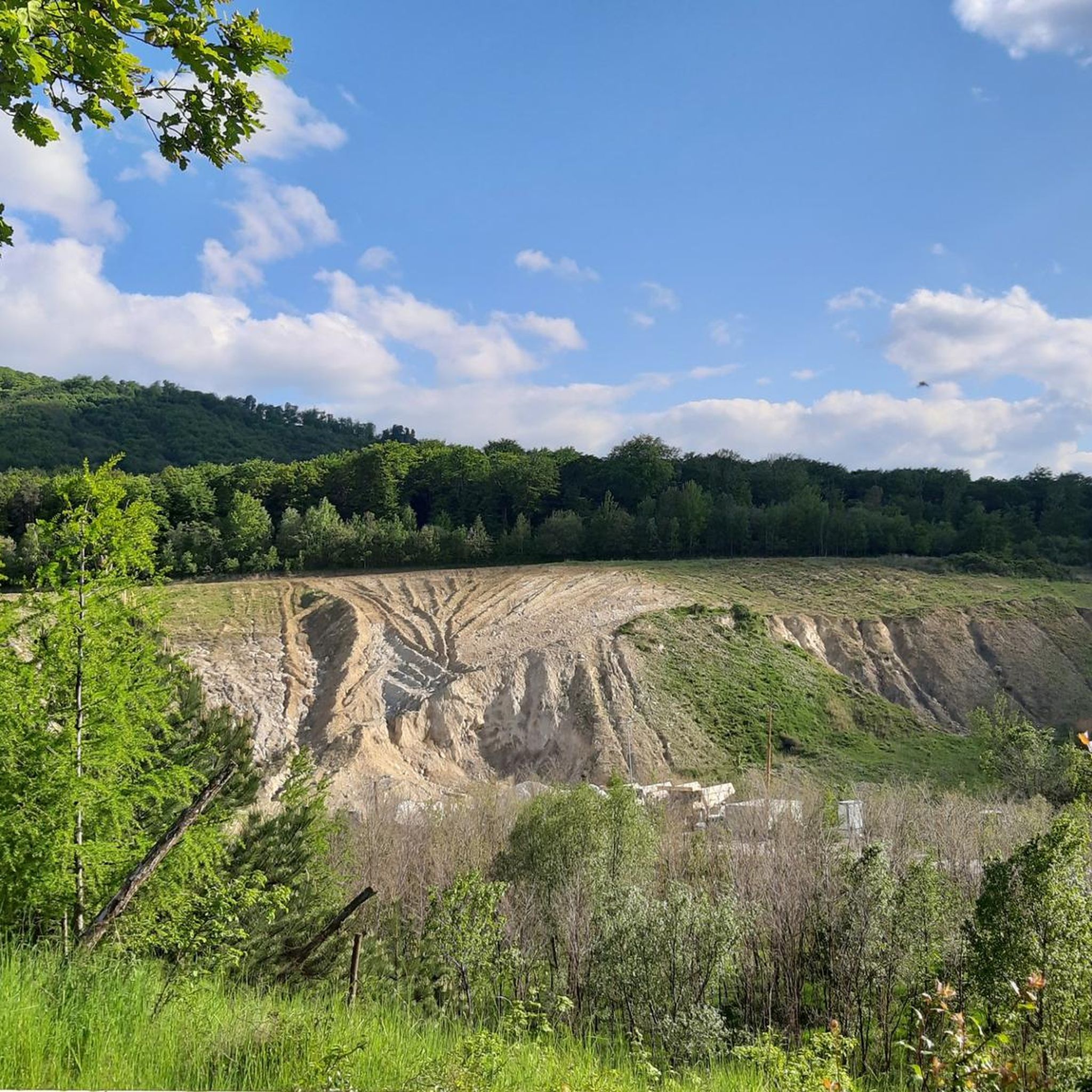
Sandberg is a highly significant paleontological site located within the Devínska Kobyla National Nature Reserve. It's an old sandpit containing remnants of a Tertiary Sea that existed 14 to 16 million years ago. Visitors can observe horizontally deposited rock layers and discover fossils of ancient marine animals, such as bivalve shellfish, shark teeth, and whale vertebrae, offering a unique glimpse into prehistoric marine life.
Are there any wheelchair-accessible natural monuments or related sites?
Yes, some sites are wheelchair-accessible. For instance, the Fountain of the Planet of Peace at the Presidential Palace, the Družba Fountain (Linden Blossom) – Námestie Slobody, and the Girl With a Fawn Fountain (Fontána Dievča so Srnkou) are listed as wheelchair-accessible. While these are man-made monuments, they are often integrated into natural or park-like settings within the city.
What can I expect at the Bratislava Forest Park?
The Bratislava Forest Park is a vast protected area that serves as the city's green lung. It features extensive forested areas, valuable meadow areas, and popular recreational spots like Železná studnička and Kačín. You can enjoy hiking, cycling, and nature observation along the Vydrica stream. Kamzík Hill, within the park, offers a TV tower with a revolving restaurant and clearings with beautiful views, and even bobsledding in winter.
What do visitors particularly enjoy about the natural monuments in Bratislava?
Visitors appreciate the diverse experiences offered. Many enjoy the panoramic views from elevated points like Vápenná Peak and Devínska Kobyla. The historical significance of sites like Devín Castle and the paleontological wonders of Sandberg are also highly valued. The serene atmosphere of springs and the recreational opportunities in the Bratislava Forest Park are frequently highlighted by visitors.
Are there any designated rest areas or picnic spots within the natural monuments?
Yes, there are. The Malý Slavín Memorial is noted as a resting place with the possibility of grilling and is an idyllic area for a picnic. The Bratislava Forest Park also contains various recreational zones, such as Železná studnička, which are perfect for relaxation and picnics.
What is the best time of year to visit Bratislava's natural monuments?
The natural monuments in Bratislava can be enjoyed year-round, with each season offering a different charm. Spring and autumn provide pleasant temperatures for hiking and exploring the rich flora. Summer is ideal for recreational activities in the Bratislava Forest Park. Even in winter, areas like Kamzík Hill offer opportunities for bobsledding, and the landscapes can be beautiful under snow.
Most popular routes in Bratislava
Most popular attractions in Bratislava

Get inspired with the komoot mobile app


Didn’t find what you were looking for?
Find even more amazing natural monuments in Bratislava by checking out the top Highlights region by region:
Explore more
Extend your search for the best caves by checking out these guides of the top ones in Bratislava:
