Top 11 Natural Monuments in Uppsala
Best natural monuments in Uppsala include a variety of historical gardens, ancient burial sites, and expansive nature reserves. The region's landscape features significant cultural landmarks alongside natural beauty, offering diverse outdoor experiences. Uppsala is characterized by its blend of historical importance and accessible green spaces, providing opportunities for both relaxation and exploration. These locations present a range of natural features, from cultivated botanical collections to ancient geological formations.
Best natural monuments in Uppsala
- The most popular natural monuments is Uppsala Baroque Garden (Uppsala Castle Garden), a natural_monument designed around 1750. It features dense spruce hedges, a rosarium, and a fine assortment of peonies.
- Another must-see spot is King Björn's Mound, a historical_site. This monumental burial mound is traditionally associated with a legendary Swedish ruler from the Viking Age.
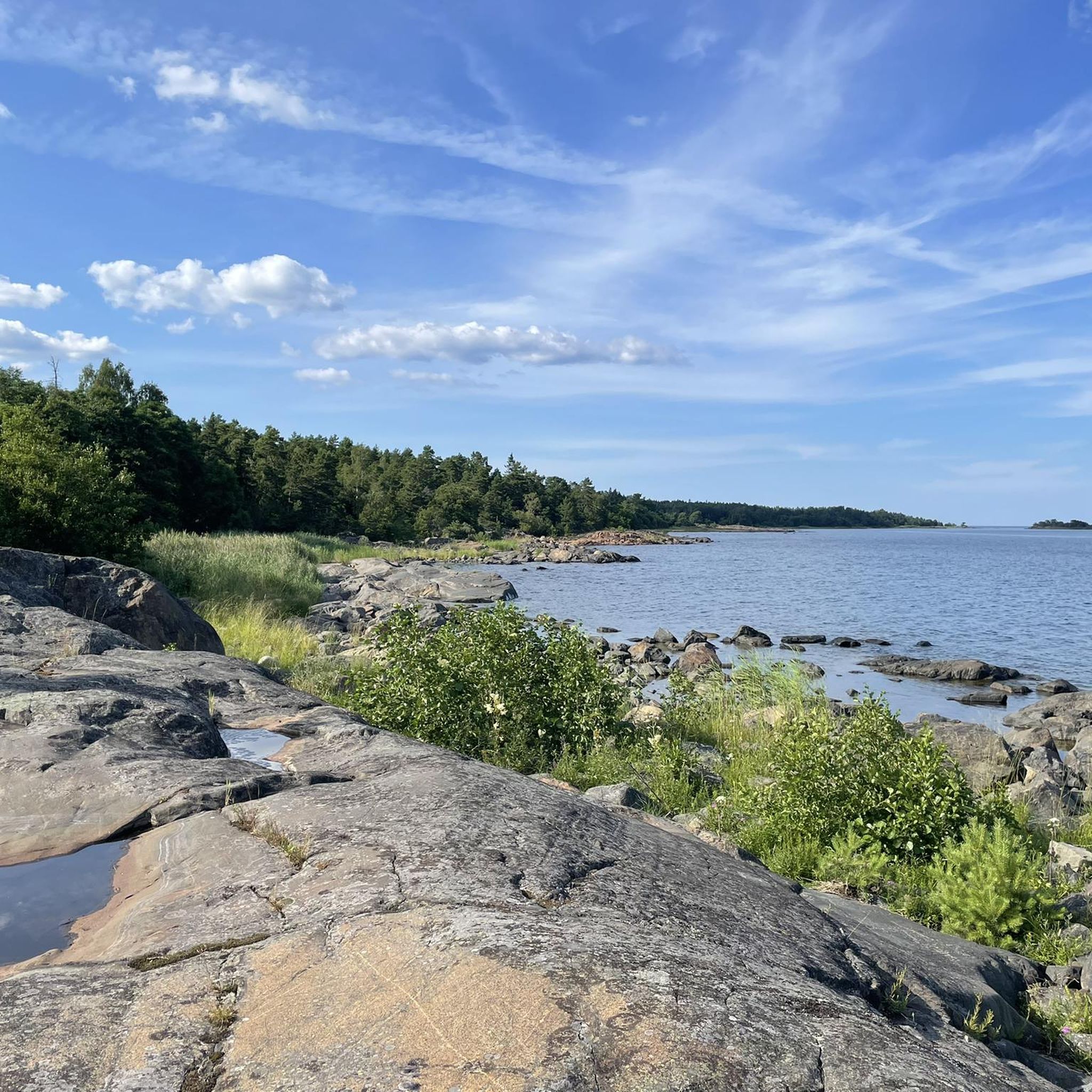
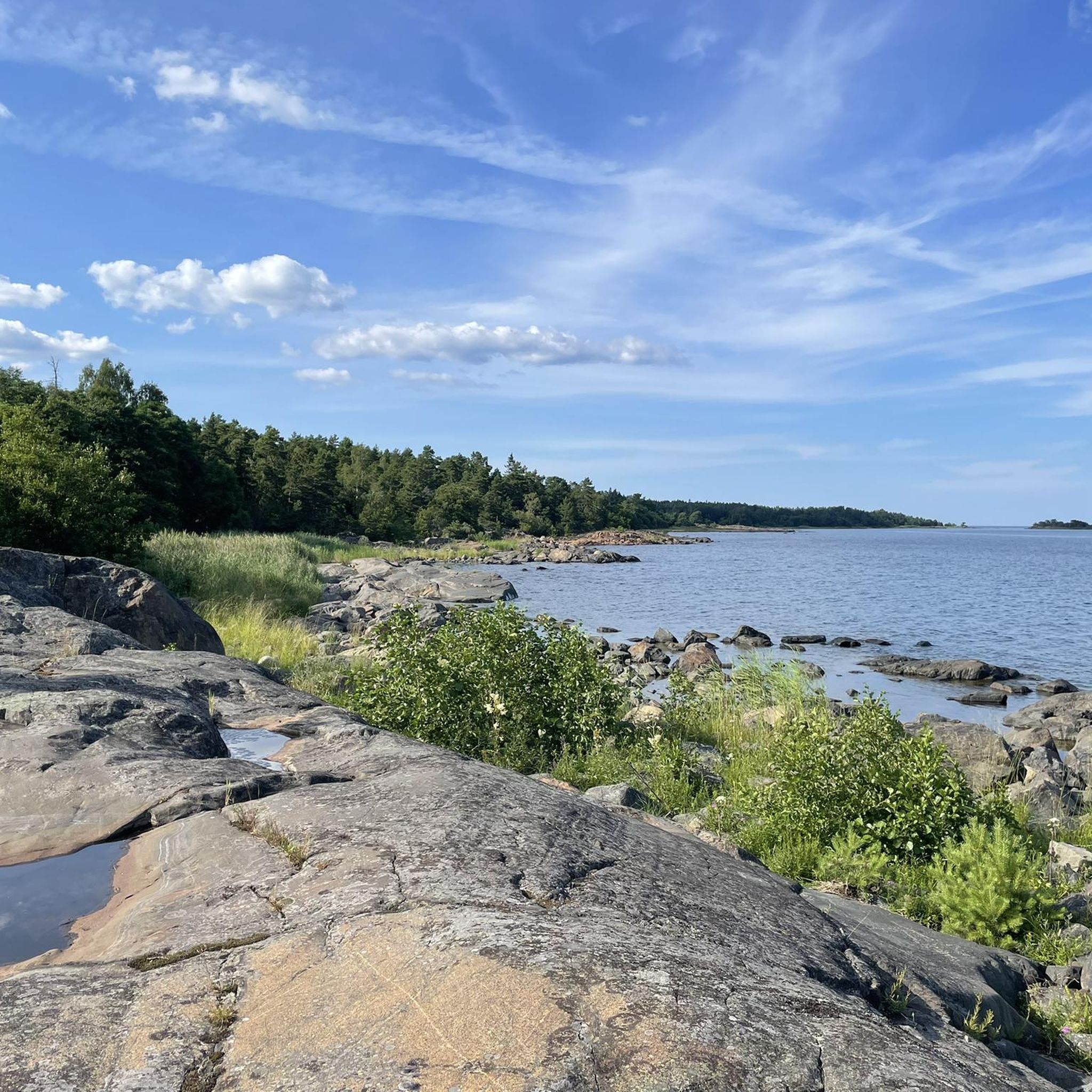
- Visitors also love Observation Hut at Billudden Nature Reserve, a hut that offers clear views of the Baltic Sea.
- Uppsala is known for its historical gardens, ancient burial mounds, and nature reserves. These sites offer a variety of natural monuments to see and explore, from botanical collections to viewpoints.
- The natural monuments in Uppsala are appreciated by the komoot community, with more than 40 upvotes and over 30 photos shared.
Last updated: October 13, 2026
Uppsala Baroque Garden (Uppsala Castle Garden)
Highlight • Natural Monument
Tip by

King Björn's Mound
Highlight • Historical Site
Showing Translation
Tip by

Sign up now to discover places like this
Get recommendations on the best single tracks, peaks, & plenty of other exciting outdoor places.
Gamla Uppsala (Old Uppsala)
Highlight • Historical Site
Showing Translation
Tip by
Old Tree with Ant Hill
Highlight • Natural Monument
Showing Translation
Tip by
Observation Hut at Billudden Nature Reserve
Highlight • Mountain Hut
Translated by Google •
Tip by

Värdsätra Farm
Highlight • Natural Monument
Showing Translation
Tip by
Rock Formations in Hagadalen
Highlight • Natural Monument
Showing Translation
Tip by
Iron Age Burial Site and Runestone
Highlight • Historical Site
Tip by

Storskogen Nature Reserve Trail
Highlight • Trail
Tip by

Birdwatching Tower in Årike Fyris Nature Reserve
Highlight • Viewpoint
Translated by Google •
Tip by

Sign up for free to discover even more natural monuments in Uppsala.
Already have an account?
Start today with a free account
Your next adventure awaits.

Tips from the Community

Gamla Uppsala is one of Sweden's most important historical sites and was a major political, religious, and social center during the Iron and Vendel periods. The site is particularly famous for its monumental royal mounds, built in the 6th century for members of the elite of the time, as well as for the medieval church, which was at times the seat of the Swedish archbishop. Archaeological finds and written records also connect Gamla Uppsala with pre-Christian cult traditions and the legendary rulers of the Yngling dynasty, making the extensive site a special insight into Sweden's early history.
3
0
The old tree with the anthill is a small but interesting natural highlight by the wayside. The mighty tree, marked by age and weather, together with the large anthill, offers a good insight into the lively ecosystem of the forest. Those who stop here for a moment can observe the busy activity of the forest ants and discover a completely different side of the inconspicuous details along the hiking trail.
3
0
The King Björn's mound (Hågahögen) in the Hågadalen–Nåsten Nature Reserve is a monumental burial mound from the late Bronze Age, built around 1000 BC. With a diameter of just under 50 meters and a height of around seven meters, it is one of Sweden's most significant Bronze Age burial sites; excavations have uncovered, among other things, a gold-adorned bronze sword, a fibula, and a razor. The mound got its present name after the legendary King Björn, who, according to tradition, is said to have lived in Håga during the Viking Age; from the summit, there is also a wide view over the Hågadalen.
2
0
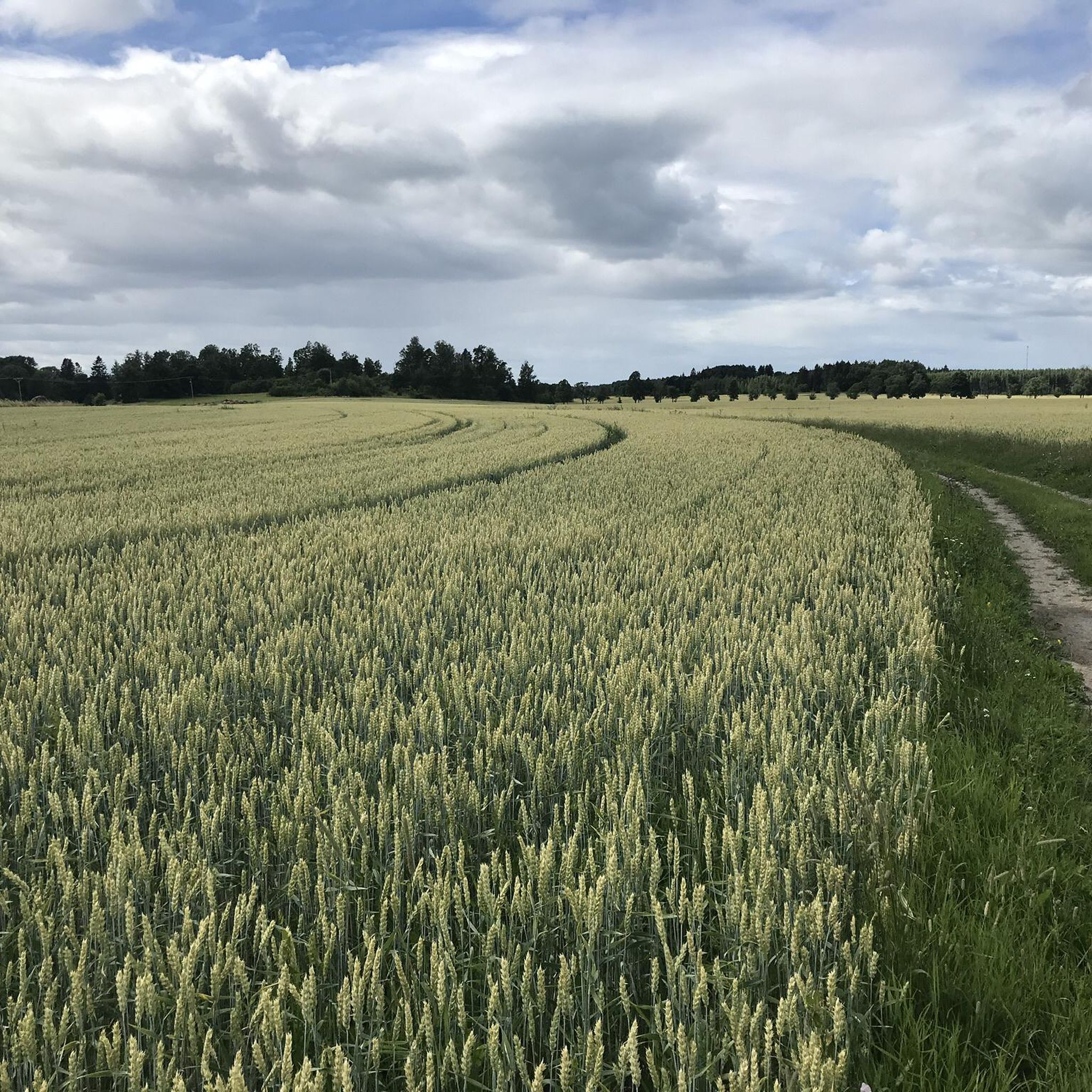
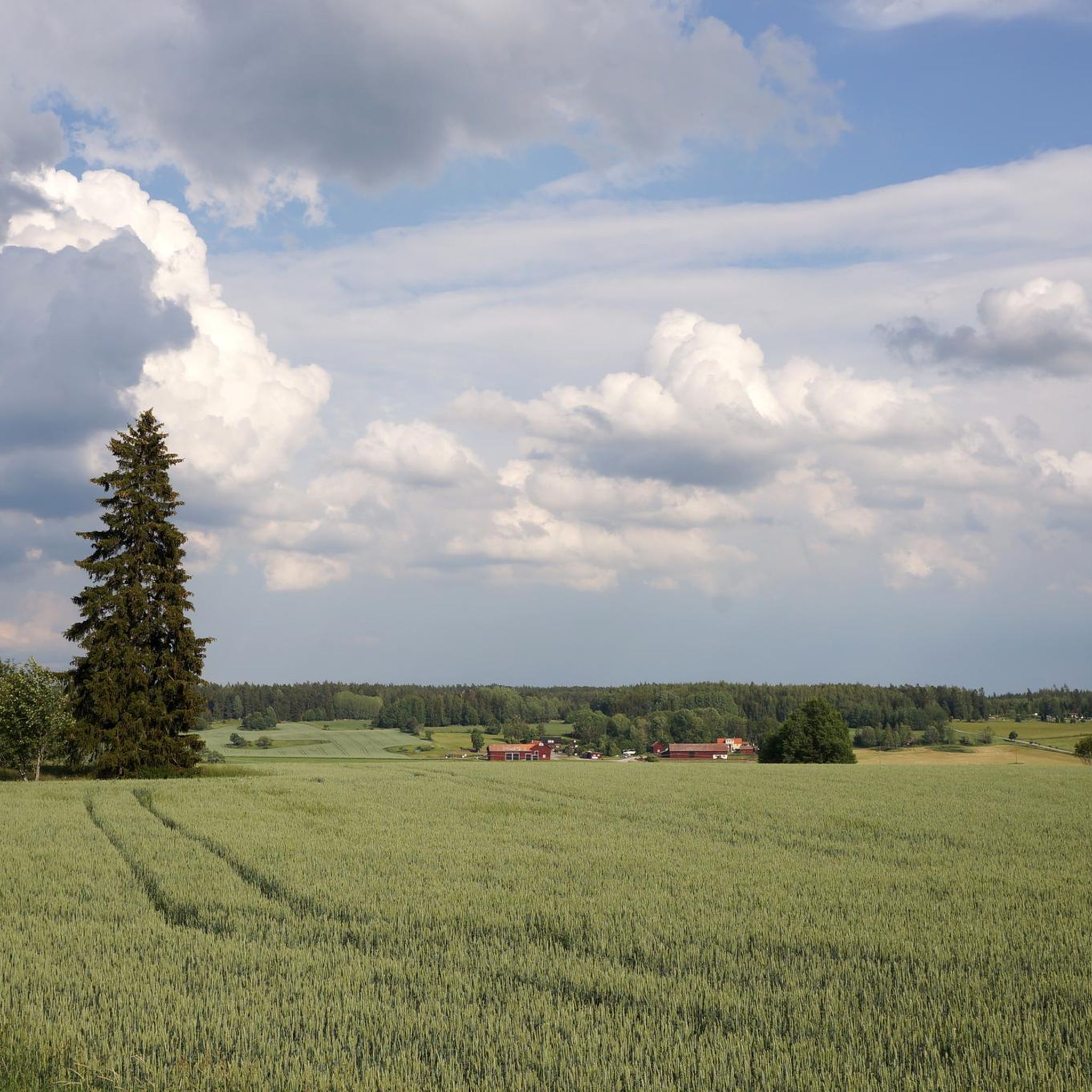
The Värdsätra estate is located southwest of Uppsala on the edge of Hågadalen and is part of an old cultural landscape of fields, meadows, and forest areas. The historic estate is reminiscent of the long agricultural use of the surrounding area and blends harmoniously into the landscape with its buildings and avenues. On hikes through the Hågadalen–Nåsten nature reserve, Värdsätra forms a charming transition between open agricultural landscape and natural forest sections.
3
0
The rock formations in Hågadalen shape parts of the landscape west of Uppsala and emerge particularly impressively between forests, meadows, and open valley areas. Smoothly polished rock slabs, smaller cliffs, and stone surfaces overgrown with mosses and lichens bear witness to the glacial formation of the terrain. During a hike, these rocky passages provide landscape diversity and repeatedly offer beautiful views over the Hågadalen.
3
0
The Iron Age burial ground of Lillängen is located near Kvarnbo in the northern part of the Hågadalen–Nåsten Nature Reserve. The site dates from the early Iron Age and comprises around 50 graves and about 30 standing stones; there is also a runestone here. The burial ground provides an impressive impression of the long settlement history of the landscape west of Uppsala and forms an exciting historical contrast to the surrounding nature.
3
0
The Baroque Garden of Uppsala (Uppsala Slottsträdgård) is located directly below the castle and today forms the historical core of the Uppsala University's Botanical Garden. Its strictly symmetrical design with straight axes, trimmed hedges, and geometric beds dates back to plans by architect Carl Hårleman from the 1750s. In 1787, Gustav III donated the castle garden to the university, which integrated it into its Botanical Garden; in 1974, the site was extensively restored according to Hårleman's original design and is now a listed monument.
3
0

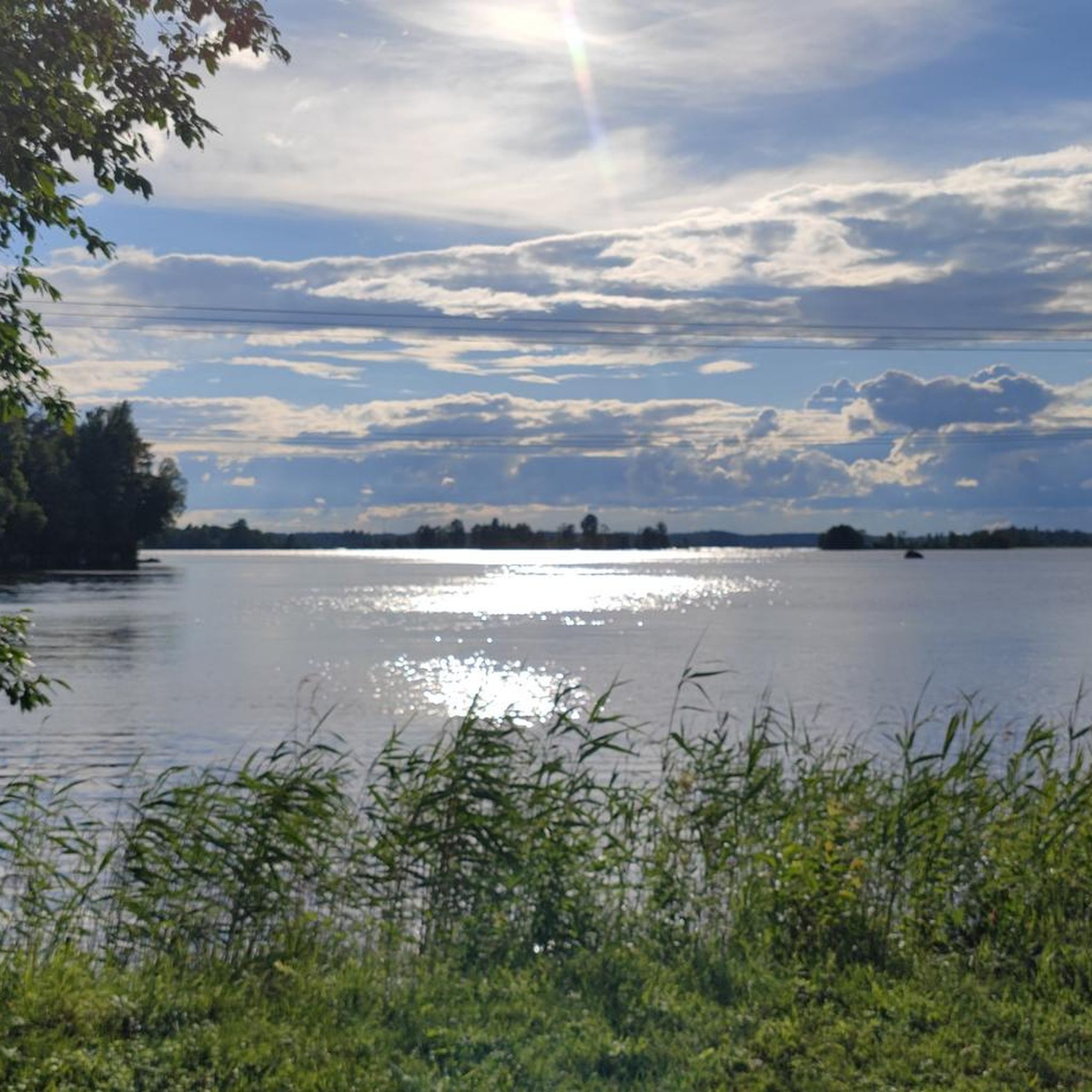
A beautiful trail running through the trees on a slightly elevated boardwalk for some stretches. The path has some rocky sections, so take care.
0
0
Frequently Asked Questions
What kind of natural landscapes can I expect to see in Uppsala?
Uppsala offers a diverse range of natural landscapes, from meticulously cultivated historical gardens like the Uppsala Baroque Garden and the Linnaean Gardens, to expansive recreation areas such as Hammarskog and Fjällnora. You'll also find ancient burial mounds at Gamla Uppsala, dense forests, lakes like Dalkarskärret Lake, and nature reserves like Arnhövd Nature Reserve with varied flora and fauna.
Are there any historical natural monuments in Uppsala?
Yes, Uppsala is rich in historical natural monuments. The Linnaean Gardens (Linnaeus Garden, Linnaeus Hammarby, and the Botanical Garden) preserve the legacy of Carl Linnaeus with their botanical collections. Additionally, Gamla Uppsala features ancient burial mounds, including King Björn's Mound, which are significant historical sites set within a unique natural landscape.
Which natural monuments are suitable for families with children?
Many natural monuments in Uppsala are family-friendly. The Uppsala Baroque Garden and the City Garden offer serene environments and playgrounds. Recreation areas like Hammarskog, Fjällnora, and Sunnersta provide diverse activities such as swimming, boat rentals, and even ski slopes in winter. King Björn's Mound and Birdwatching Tower in Årike Fyris Nature Reserve are also great for family outings.
What are the best natural monuments for birdwatching in Uppsala?
For birdwatching, the Birdwatching Tower in Årike Fyris Nature Reserve is an excellent spot, offering views of the outlet from Sevjaån in Fyrisån where many birds reside. The Observation Hut at Billudden Nature Reserve also provides clear views, including of the Baltic Sea, making it suitable for observing coastal birdlife.
Can I visit Uppsala's natural monuments during winter?
Yes, several natural monuments in Uppsala are accessible and offer unique experiences during winter. The Botanical Garden is open year-round, with its Tropical Greenhouse providing a warm escape. Recreation areas like Hammarskog, Fjällnora, and Sunnersta transform into winter activity hubs, offering opportunities for cross-country skiing, ice skating, sledding, and snowshoeing.
Are there natural monuments suitable for easy walks or leisurely strolls?
Absolutely. The Uppsala Baroque Garden, the Linnaean Garden, and the Botanical Garden are perfect for leisurely strolls amidst beautiful flora. The City Garden is also a central green oasis ideal for a relaxed walk or picnic. Many parts of the recreation areas like Hammarskog and Sunnersta also offer easy trails suitable for gentle walks.
What outdoor activities can I do near Uppsala's natural monuments?
Near Uppsala's natural monuments, you can enjoy a variety of outdoor activities. The recreation areas offer hiking, fishing, swimming, kayaking, and in winter, cross-country skiing and ice skating. For more structured activities, you can find numerous running trails, road cycling routes, and general cycling routes throughout the region, often passing by or through these natural areas.
Are there any unique geological features among Uppsala's natural monuments?
While Uppsala is not primarily known for dramatic geological formations, you can find interesting features such as the Rock Formations in Hagadalen. The ancient burial mounds at Gamla Uppsala, though man-made, are integrated into the natural landscape and offer a unique blend of historical and geological interest, providing panoramic viewpoints.
What do visitors enjoy most about Uppsala's natural monuments?
Visitors particularly enjoy the blend of history and nature, the tranquility of the gardens, and the diverse outdoor activities available. Many appreciate the clear views of the Baltic Sea from places like the Observation Hut at Billudden Nature Reserve, the historical significance of sites like King Björn's Mound, and the opportunity to spot rare birds from towers like the one in Årike Fyris Nature Reserve.
How can I find the largest spruce tree in Uppsala?
You can locate The Largest Spruce, which is recognized as a natural monument in Uppsala. This impressive tree stands as a notable landmark within a forest setting, offering a unique natural sight for visitors.
Are there any nature reserves in Uppsala that are good for hiking?
Yes, Uppsala has several nature reserves ideal for hiking. Arnhövd Nature Reserve and Kungsängen Nature Reserve both offer trails through forests and other natural landscapes. Additionally, recreation areas like Hammarskog provide hiking trails through open fields, oak groves, and dense forests.
Most popular routes in Uppsala
Most popular attractions in Uppsala

Get inspired with the komoot mobile app


Didn’t find what you were looking for?
Find even more amazing natural monuments in Uppsala by checking out the top Highlights region by region:
Explore more
Extend your search for the best caves by checking out these guides of the top ones in Uppsala:
