Top 20 Natural Monuments in Montana
Best natural monuments in Montana showcase the region's diverse landscapes and rich geological heritage. Montana features vast wilderness, glacial-carved peaks, and significant river systems. The state's natural areas offer opportunities to explore unique geological formations, historical sites, and diverse ecosystems. These protected natural areas Montana provide insights into the region's natural and cultural history.
Best natural monuments in Montana
- The most popular natural monuments is St. Mary Falls, a waterfall that can be reached via a short, flat path.…
Last updated: October 13, 2026
Logan Pass
Highlight • Mountain Pass
Translated by Google •
Tip by

Granite Park Chalet
Highlight • Mountain Hut
Tip by

Sign up now to discover places like this
Get recommendations on the best single tracks, peaks, & plenty of other exciting outdoor places.
Highline Trail
Highlight (Segment) • Trail
Tip by
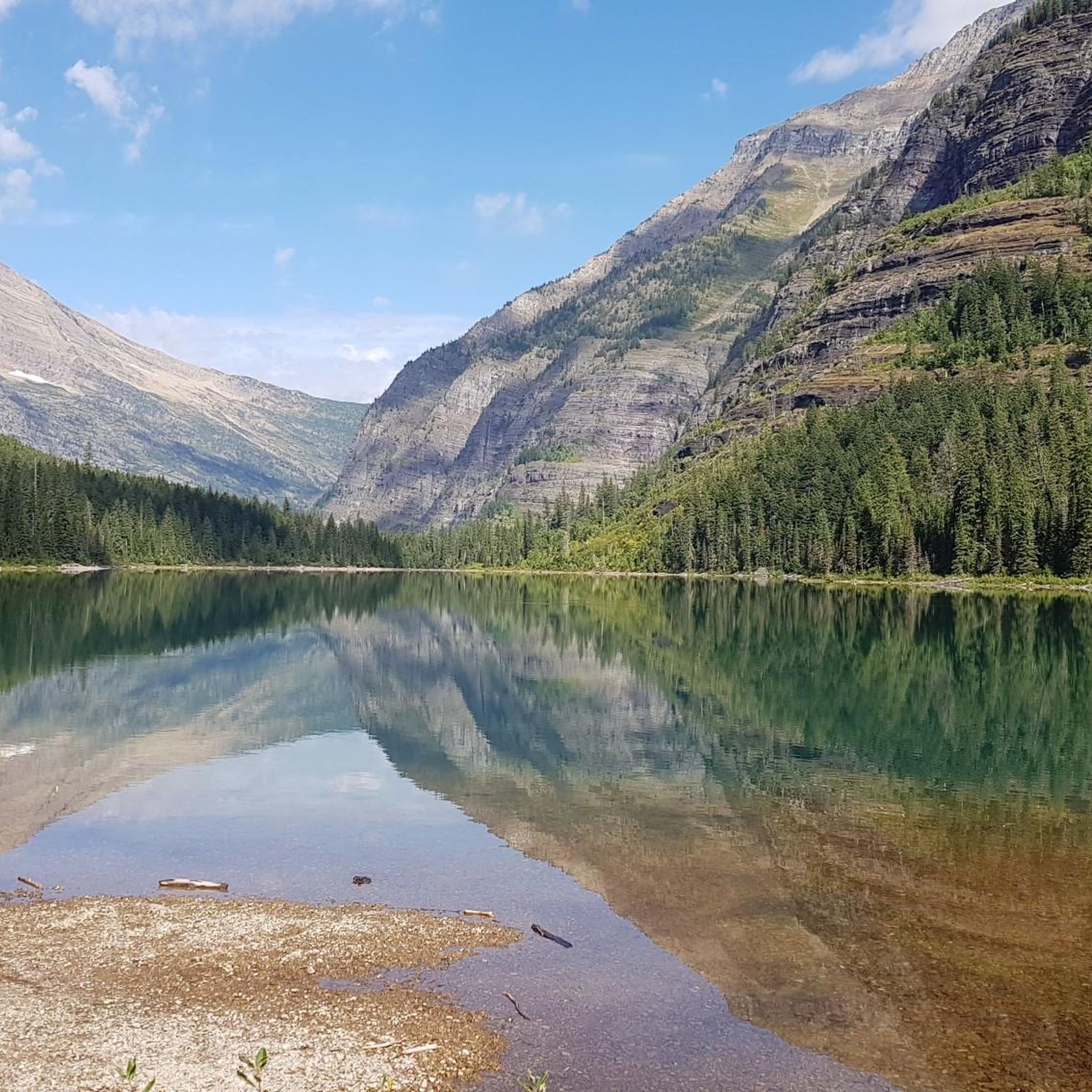
Avalanche Lake
Highlight (Segment) • Lake
At the lake there is a nice beach and even a toilet.
Better to be there early as it gets very crowded during the morning.
Translated by Google •
Tip by

Grinnell Glacier Overlook
Highlight • Viewpoint
Tip by
St. Mary Falls
Highlight • Waterfall
Translated by Google •
Tip by

Fairy Lake
Highlight • Lake
Tip by

Virginia Falls
Highlight • Waterfall
Tip by
Jackson Glacier Overlook
Highlight • Viewpoint
Showing Translation
Tip by

Glacier National Park
Highlight • Natural Monument
Tip by

Sign up for free to discover even more natural monuments in Montana.
Already have an account?
Start today with a free account
Your next adventure awaits.
Popular around Montana
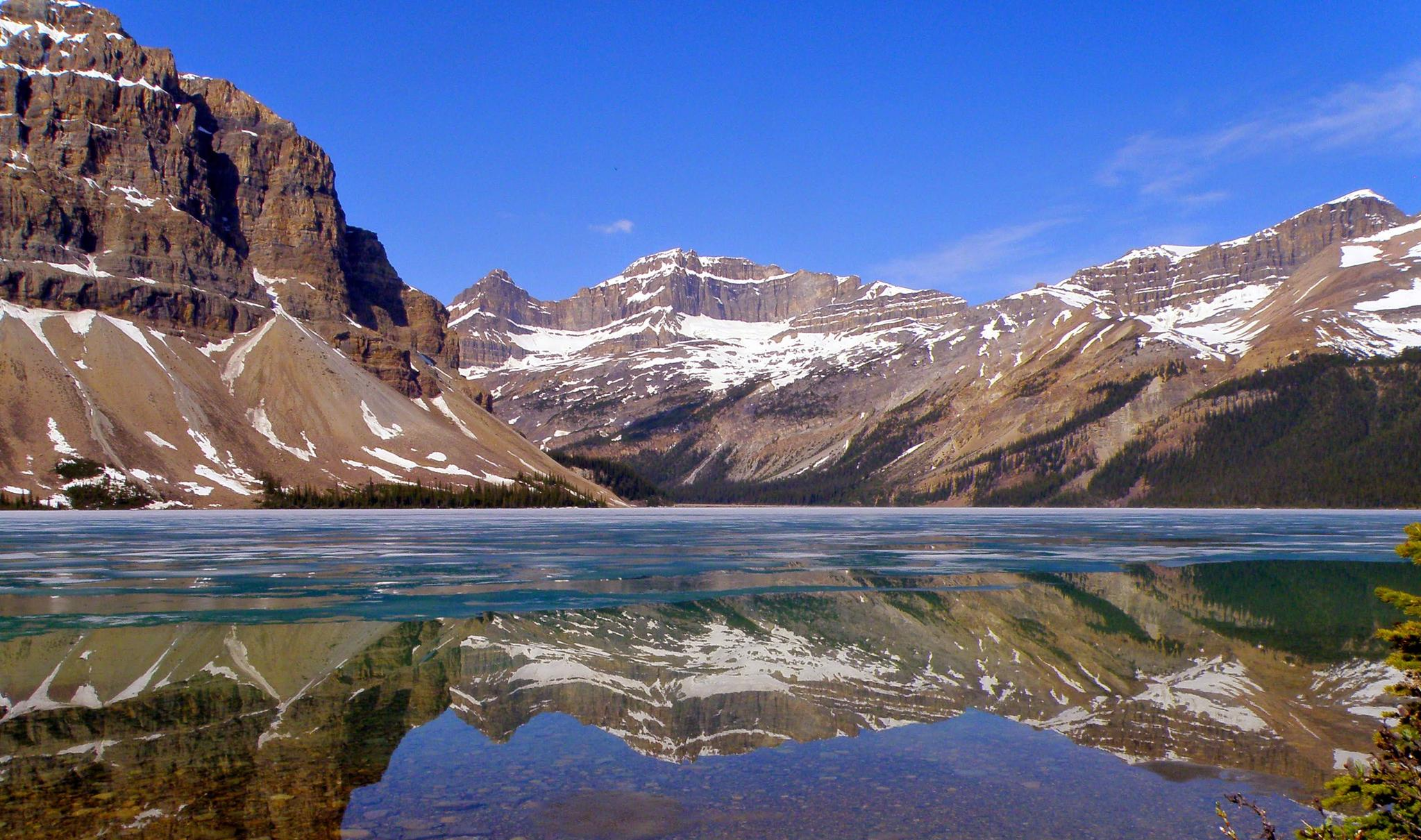
The Lewis & Clark Trail — Following the Corps of Discovery
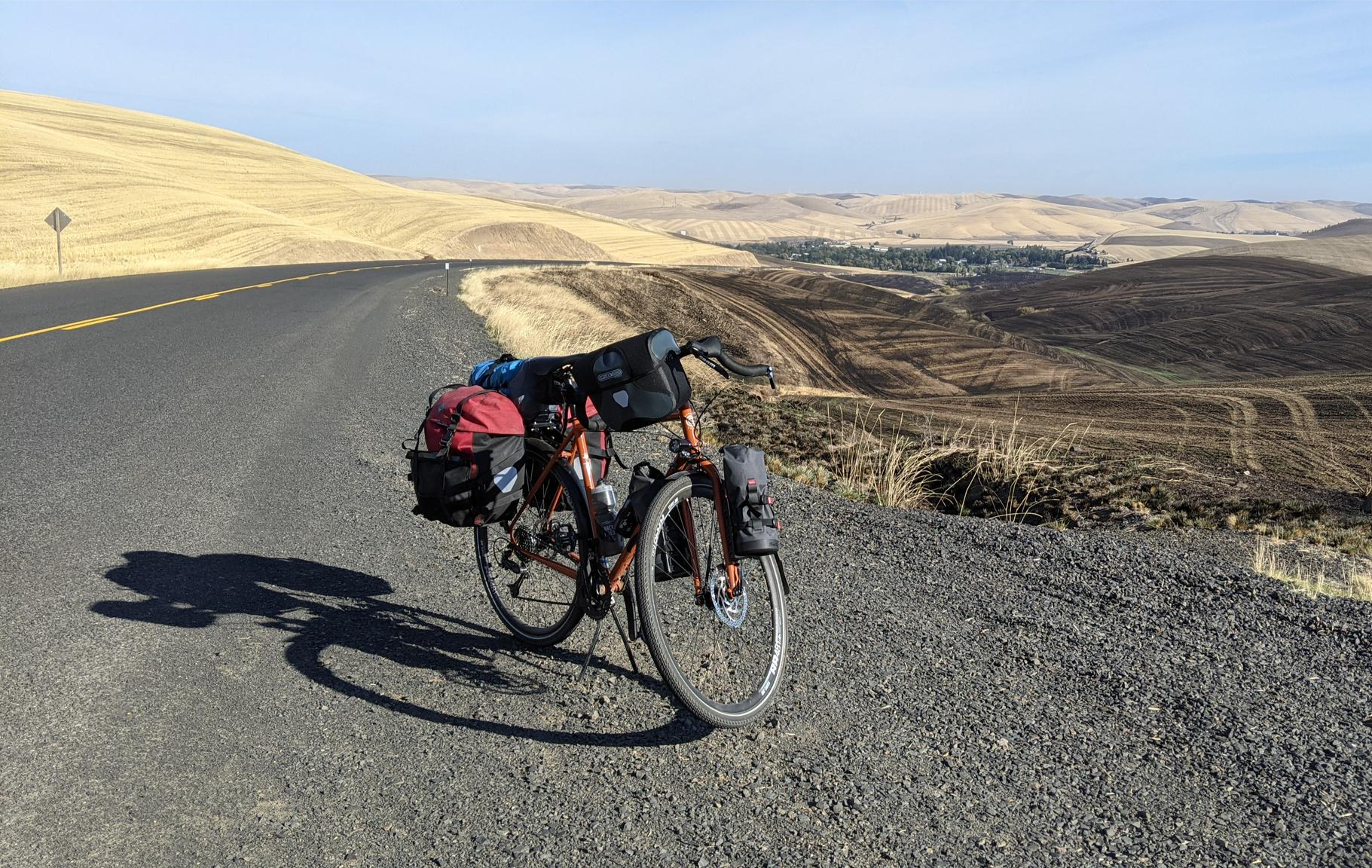
Great Divide Mountain Bike Route — Cycling the spine of a continent
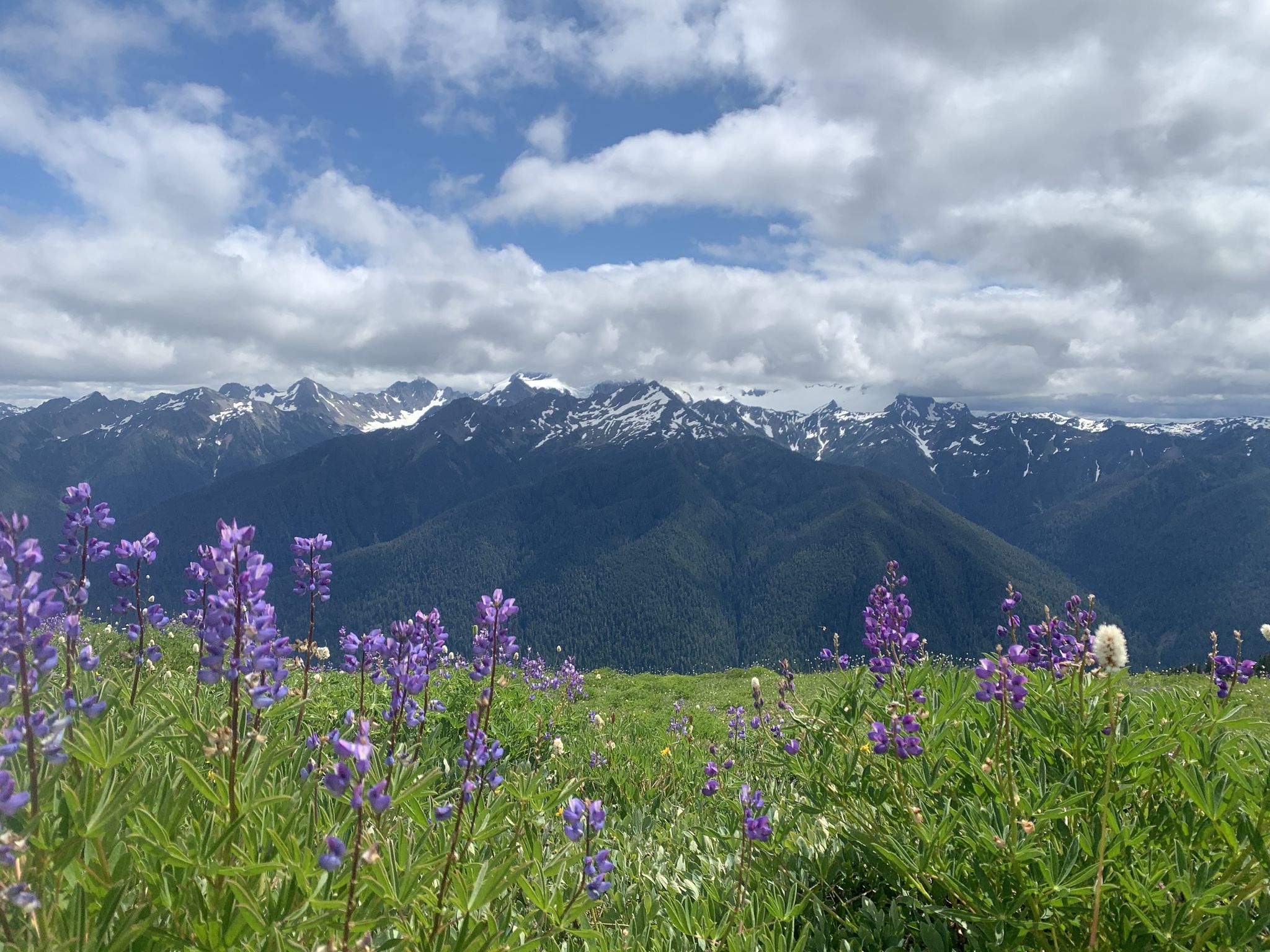
Pacific Northwest National Scenic Trail — From Alpine to Alava through the untamed Northwest
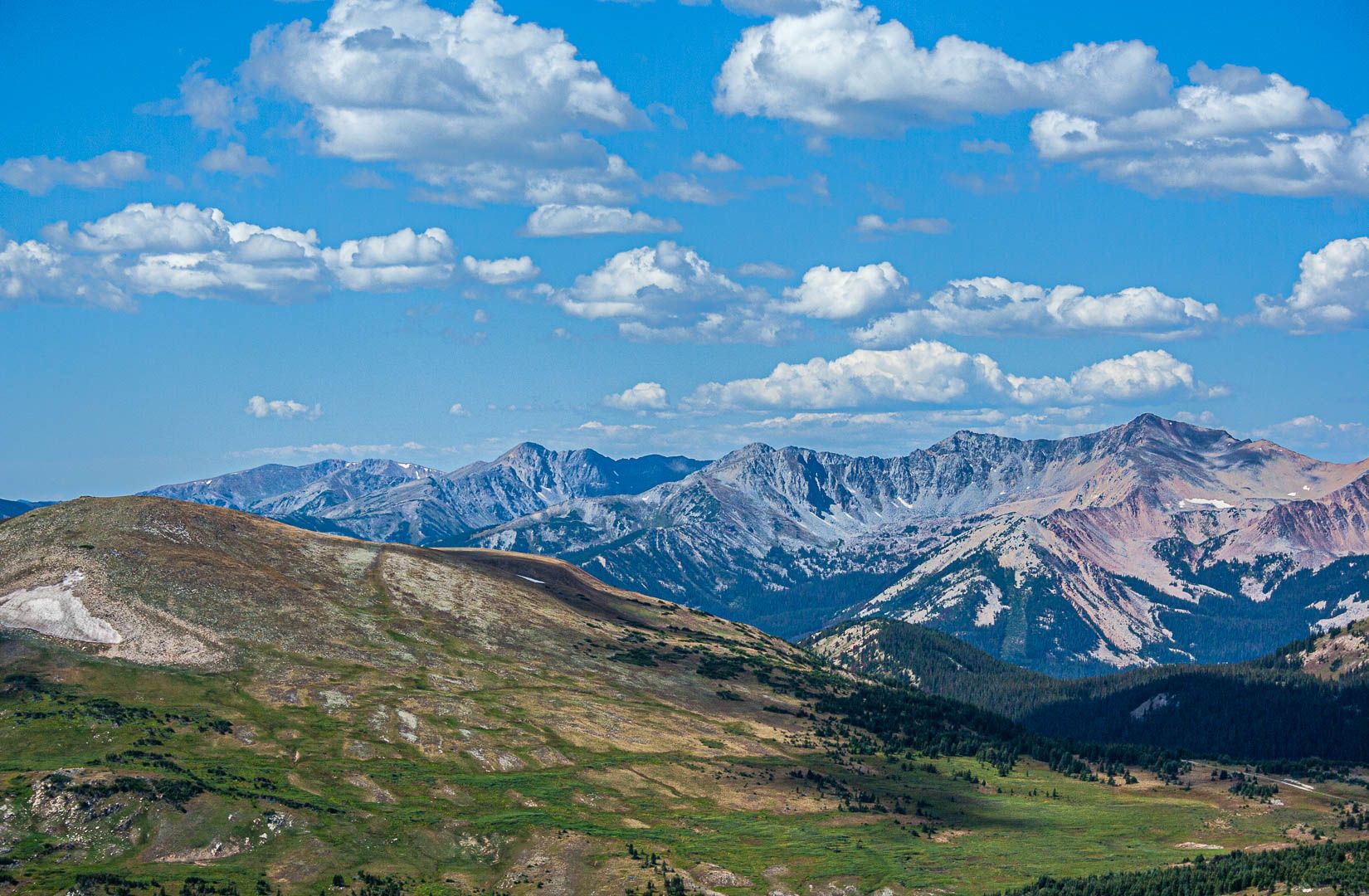
The Continental Divide Trail — Across the sky of America
From the Arctic Ocean to the Panama Canal — North American Epic
Unforgettable MTB Adventures – IMBA Epic Trails in USA and Canada
The pristine beauty of the US National Parks
Hiking in Montana
Cycling in Montana
MTB Trails in Montana
Other adventures in Montana


Tips from the Community


At about 2100 m you have a wonderful view of both sides of the pass. It is often still snow-covered and you feel like you are in a ski lodge
2
0

This area is really so incredibly beautiful.
3
0

Reaching the summit of Logan Pass by bike is a true high point—literally and figuratively—of any ride in Glacier National Park. At 6,646 feet, the pass straddles the Continental Divide and offers sweeping views of alpine meadows, rugged peaks, and likely some mountain goats. The visitor center at the top has restrooms, water, interpretive displays, and rangers on hand to answer questions. It’s also a jumping-off point for iconic hikes like the Hidden Lake Overlook and Highline Trail.
0
0

Beautiful mountain lake, the earlier the fewer people
0
0

Great alpine lake sitting in a cirque/basin at the base of Sacajawea Peak. The main access trail is a gentle grade of switchbacks to the lake's edge for magnificent views of the pristine lake and the dramatic mountains behind. There is a rougher rooted out trail that encircles the lake, and you can take the steps back up to the trail head, which is a "shortcut". Highly recommended! There are longer trails that access the lake, too, if you want a longer hike and better workout. Campground nearby, mostly just tents, since trailers can't be hauled up the rough access road.
0
0

The Virginia Falls are a waterfall in Glacier National Park that is worth seeing. They are relatively easy to reach on foot from the Going-to-the-Sun Road. The distance is about 3 km, and the elevation changes are moderate. The challenge, however, will be to get one of the few parking spaces.
2
0

Jackson Glacier Overlook has one of the best views of a glacier on the Going-to-the-Sun Road. In 1966, Jackson Glacier measured 316 acres but by 2015 it had receded 187 acres. Jackson Glacier is visible from the parking area and road, and is where the Gunsight Lake begins.
0
0
Frequently Asked Questions
What unique geological features can I explore in Montana's natural monuments?
Montana's natural monuments showcase a diverse range of geological wonders. You can explore the impressive limestone formations, including stalactites and stalagmites, within Lewis and Clark Caverns State Park. The badlands topography of Makoshika State Park features sandstone formations and fluted hillsides, while Medicine Rocks State Park is known for its unusual sandstone pillars sculpted by erosion. Additionally, the state is home to Glacier National Park, famous for its glacial-carved peaks and pristine lakes, and the giant flood ripples of Glacial Lake Missoula, a National Natural Landmark.
Which natural monuments in Montana offer significant historical insights?
Montana's natural monuments are rich in history. Pompey's Pillar National Monument is historically significant for bearing William Clark's signature from the Lewis and Clark Expedition in 1806, alongside Native American petroglyphs. The Upper Missouri River Breaks National Monument offers a glimpse into the landscape as it was during the Lewis and Clark Expedition, with cultural sites tied to Native American history and early homesteaders. Lewis and Clark Caverns State Park, Montana's first state park, also holds historical significance as a natural landmark.
Are there natural monuments in Montana suitable for families with children?
Yes, several natural monuments in Montana are great for families. St. Mary Falls is easily accessible via a short, flat path, making it ideal for all ages. Jackson Glacier Overlook is also family-friendly and offers accessible viewing. Logan Pass in Glacier National Park has a visitor center and a well-maintained path to Hidden Lake Lookout, suitable for families. Fairy Lake and Virginia Falls are also noted as family-friendly options.
What kind of wildlife can I expect to see at Montana's natural monuments?
Montana's natural monuments are teeming with diverse wildlife. In Glacier National Park, you might spot grizzly bears, mountain goats, and wolverines. The Montana portions of Yellowstone National Park are famous for bison, elk, and grizzly bears. Bighorn Canyon National Recreation Area is a haven for bird watching. On Wild Horse Island in Flathead Lake, you can find wild horses, bighorn sheep, and bald eagles. Keep an eye out for mountain goats near Mount Blackmore.
Are there hiking trails near these natural monuments for different skill levels?
Yes, Montana offers a wide range of hiking trails. For an easy, scenic walk, consider the path to St. Mary Falls. The Highline Trail in Glacier National Park offers stunning views for intermediate hikers, though a section with drop-offs might challenge those with a fear of heights. For more challenging routes, the ascent to Mount Blackmore provides rewarding views. You can find more hiking options in the region by exploring the Running Trails in Montana guide.
What outdoor activities, besides hiking, can I do near Montana's natural monuments?
Beyond hiking, Montana's natural monuments offer numerous outdoor activities. The Upper Missouri River Breaks National Monument is excellent for canoeing and camping. Bighorn Canyon National Recreation Area is known for world-class trout fishing, bird watching, and camping. Flathead Lake is perfect for sailing, swimming, boating, waterskiing, and fishing. For cycling enthusiasts, routes like the Going-to-the-Sun Road are available, as detailed in the Cycling in Montana guide. Mountain biking trails, such as the Blacktail Mountain Trail, can be found in the MTB Trails in Montana guide.
When is the best time to visit Montana's natural monuments?
The best time to visit Montana's natural monuments largely depends on the specific location and desired activities. Generally, late spring through early fall (June to September) offers the most favorable weather for hiking and outdoor recreation, with many roads and facilities, like Granite Park Chalet, open during this period. Winter offers opportunities for snowshoeing and cross-country skiing in some areas, but many roads and visitor centers may be closed due to snow.
Are there any natural monuments in Montana that are wheelchair accessible?
Yes, some natural monuments in Montana offer accessibility features. Jackson Glacier Overlook is noted as being wheelchair accessible, providing an opportunity for everyone to enjoy the stunning views of the glacier. It's always recommended to check specific park websites for the most current accessibility information before your visit.
What can I expect at <a href="https://www.komoot.com/highlight/952994" target="_blank" rel="noopener">Logan Pass</a> in Glacier National Park?
Logan Pass is a popular mountain pass in Glacier National Park, featuring a visitor center. From here, a well-maintained path leads to the Hidden Lake Lookout, offering fantastic views down to the lake. It's a great spot for short, scenic walks and provides good insights into the magnificent nature of the park. The area is known for its stunning beauty and is a popular starting point for various hikes.
Can I stay overnight at any of the natural monuments?
Yes, some natural monuments offer overnight accommodations or camping. For a unique backcountry experience, Granite Park Chalet in Glacier National Park provides overnight stays and serves as a base for day hikes. It's typically open from late June to early September. Camping is also available in areas like Bighorn Canyon National Recreation Area and the Upper Missouri River Breaks National Monument, allowing for extended exploration of these remote areas.
What are some of the most scenic viewpoints among Montana's natural monuments?
Montana offers numerous breathtaking viewpoints. Logan Pass provides stunning vistas, especially from the path leading to Hidden Lake Lookout. The Highline Trail in Glacier National Park rewards hikers with continuous spectacular views. For glacier views, Jackson Glacier Overlook is a must-see. Additionally, Mount Blackmore offers amazing panoramic views of the Gallatin Range from its summit.
Are there any natural monuments in Montana known for dinosaur fossils?
Yes, Makoshika State Park, Montana's largest state park, is a significant site for paleontology. Located in the unique badlands topography of eastern Montana, it's a treasure trove for dinosaur fossils, including some of the world's best-preserved specimens of Tyrannosaurus rex and Triceratops. The park features a visitor center that displays these impressive fossils.
Where can I find one of the largest freshwater springs in the country?
You can find one of the largest freshwater springs in the country at Giant Springs State Park in Great Falls. This park is home to springs that release over 150 million gallons of water daily. It's also notable for housing the Roe River, recognized as the shortest river in the world. The area was discovered by the Lewis and Clark Expedition and now offers opportunities for hiking and visiting a fish hatchery.
Most popular routes in Montana
Most popular attractions in Montana

Get inspired with the komoot mobile app


Didn’t find what you were looking for?
Find even more amazing natural monuments in Montana by checking out the top Highlights region by region:
Explore more
Extend your search for the best caves by checking out these guides of the top ones in Montana:
