Top 14 Natural Monuments in Jennersdorf
Best natural monuments in Jennersdorf encompass a range of protected natural features, including significant trees, riverine landscapes, and scenic viewpoints. The region's natural landscape is characterized by its diverse ecosystems, offering opportunities to explore forests, rivers, and historical natural sites. With 13 natural monuments, Jennersdorf provides varied outdoor experiences for visitors. These sites highlight the area's natural heritage and ecological significance.
Best natural monuments in Jennersdorf
- The most popular natural monuments is Three-country border point Austria–Hungary–Slovenia, a man-made monument…
Last updated: June 26, 2026
Three-country border point Austria–Hungary–Slovenia
Highlight • Monument
Translated by Google •
Tip by

Roman burial mounds
Highlight • Historical Site
Translated by Google •
Tip by

Sign up now to discover places like this
Get recommendations on the best single tracks, peaks, & plenty of other exciting outdoor places.
Sign up for free
Tschartake and Fish Ladder at Hohenbrugg-Schiefer Nature Reserve
Highlight • River
Translated by Google •
Tip by

Maria Theresa Border Stone
Highlight • Historical Site
Translated by Google •
Tip by

Raabauen Trail
Highlight • River
Translated by Google •
Tip by

Rax Burial Mounds (Grabhügel) in Naturpark Raab
Highlight • Historical Site
Translated by Google •
Tip by

View from Stoagupf in Grieselstein
Highlight • Viewpoint
Translated by Google •
Tip by
View of Riegersburg
Highlight • Viewpoint
Translated by Google •
Tip by

Lafnitz Waterfall
Highlight • Waterfall
Translated by Google •
Tip by

View of the Raab Valley
Highlight • Viewpoint
Tip by

Sign up for free to discover even more natural monuments in Jennersdorf.
Sign up for free
Already have an account?
Start today with a free account
Your next adventure awaits.
Login or Signup
Popular around Jennersdorf

Tips from the Community

Someone has clearly gone to great lengths to bring history to life here. Kudos! The excavated grave and its accompanying description are just as interesting as the three reconstructed burial mounds. And when you've had your fill of learning, you can also rest comfortably in the shade. Perfect!
0
0

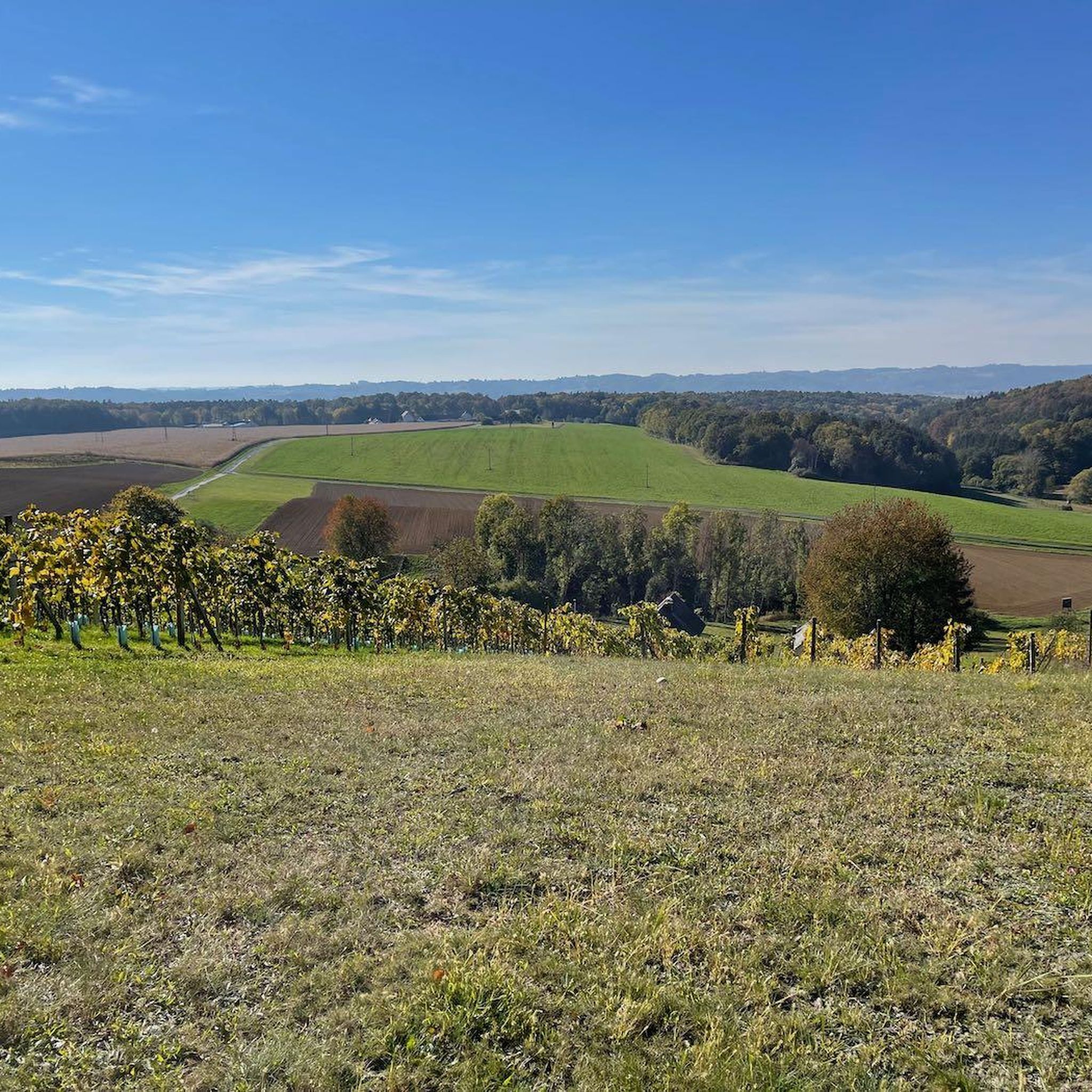
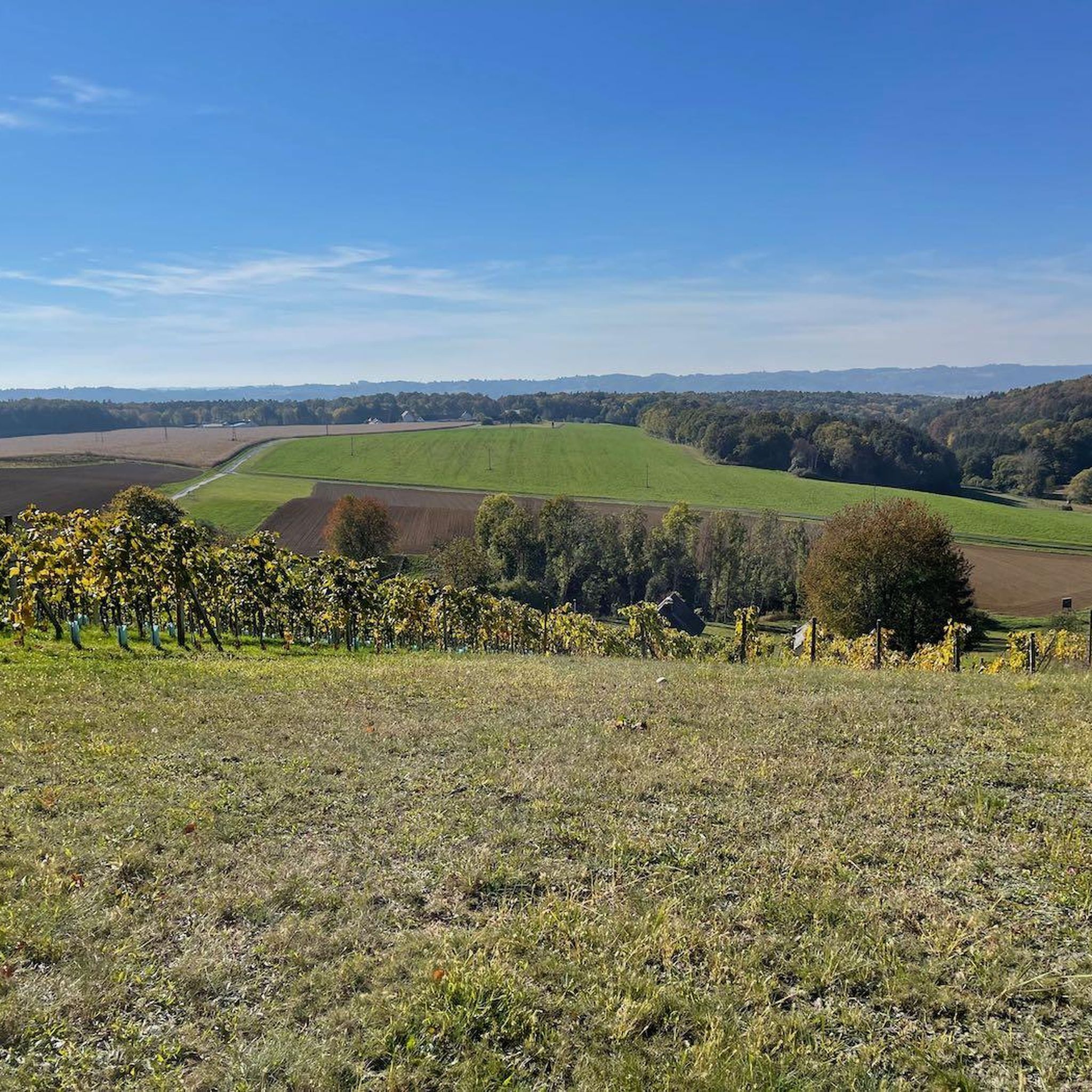
This offers a beautiful, expansive view. It's a good spot for photos.
0
0

The burial mound field in Rax, with 72 preserved burial mounds, is one of the largest Noric-Pannonian burial grounds in Burgenland. Known to the local population since the 19th century, eight tumuli were examined and dated to the 1st and 2nd centuries during archaeological excavations by the Burgenland State Museum in 1956. The construction of these burial mounds was particularly common among the local Celtic population of the early Roman Imperial period. They cremated their deceased on a pyre along with various grave goods. Various burial structures, such as stone settings, stone packings, stone burial chambers, and even brick and plastered burial chambers with an entrance, are often found beneath the mound. These were intended to accommodate and protect the cremated human remains and grave goods. Equally numerous are simple cremation graves without any built-in features, as is demonstrably the case with the burial mounds examined in Rax.
0
0

Natural landscapes beautiful
0
0

Walkable, but the view from above is not much different than from below ;-)
0
0

The place shows the permanence and also the transience of national borders. Very nicely done!
3
0
There is a beautiful view here and a quick photo stop is worth it.
0
0
One of the historical boundary stones.
0
0
Frequently Asked Questions
What types of natural monuments can I explore in Jennersdorf?
Jennersdorf offers a diverse range of natural monuments, from ancient protected trees to significant riverine landscapes and historical sites. You can discover individual protected trees like Winter Lindens and Pedunculate Oaks, explore the expansive Raab Nature Park with its unique river ecosystems, or visit sites combining nature with history such as the Roman burial mounds. The region also features various viewpoints and natural recreational areas like Königsdorf Bathing Lake.
Are there family-friendly natural attractions in Jennersdorf?
Yes, many natural monuments in Jennersdorf are suitable for families. Highlights include the Roman burial mounds, which offer an interesting historical context, and the Tschartake and Fish Ladder at Hohenbrugg-Schiefer Nature Reserve, where children can observe riverine ecosystems. The Raabauen Trail and Lafnitz Waterfall are also great for family walks. Additionally, the Königsdorf Bathing Lake provides a natural escape for swimming and relaxation during warmer months.
What outdoor activities can I do near these natural monuments?
The Jennersdorf region provides excellent opportunities for various outdoor activities. You can enjoy road cycling on routes like the "Roman burial mounds – Jennersdorf Parish Church loop from Tauka," or explore mountain biking trails such as the "Jennersdorf Parish Church – Stream in Raab Nature Park loop from Jennersdorf." For runners, there are numerous trails, including the "Loipersdorf Thermal Spa loop from Neubrennten." Find more details on these activities in our dedicated guides: Road Cycling Routes in Jennersdorf, Running Trails in Jennersdorf, and MTB Trails in Jennersdorf.
Are there historical natural monuments in Jennersdorf?
Yes, Jennersdorf features several natural monuments with significant historical connections. The Three-country border point Austria–Hungary–Slovenia is a man-made monument in a wooded area marking a historical and geographical location. The Roman burial mounds offer insights into ancient Roman rituals, and the Maria Theresa Border Stone marks another historical boundary. These sites blend natural beauty with rich historical narratives.
What are some notable viewpoints among Jennersdorf's natural monuments?
Jennersdorf offers several natural viewpoints that provide scenic vistas. The View from Stoagupf in Grieselstein is a good vantage point, though not always easy to reach. You can also find a beautiful, expansive view from the View of Riegersburg, which overlooks the well-preserved castle on a volcanic rock. Another scenic spot is the View of the Raab Valley, offering picturesque views of the river landscape.
What is the best time to visit the natural monuments in Jennersdorf?
The best time to visit Jennersdorf's natural monuments largely depends on your preferred activities. Spring and autumn offer pleasant temperatures for hiking and cycling, with vibrant foliage or blooming nature. Summer is ideal for enjoying recreational areas like Königsdorf Bathing Lake. While some sites are accessible year-round, winter can offer a serene, snow-covered landscape, though some trails might be less accessible.
Are there any unique natural features to see in Jennersdorf?
Beyond the individual protected trees, Jennersdorf is home to unique natural features like the Tschartake and Fish Ladder at Hohenbrugg-Schiefer Nature Reserve, which showcases ecological engineering in a riverine setting. The Lafnitz Waterfall provides a picturesque natural water feature. The cross-border Raab Nature Park itself is a significant natural area, characterized by its unique riverine landscapes and diverse flora and fauna.
What do visitors enjoy most about the natural monuments in Jennersdorf?
Visitors frequently appreciate the blend of natural beauty and historical significance. The Three-country border point is noted for its tranquil, wooded atmosphere and historical resonance. The Tschartake and Fish Ladder is praised for its fascinating ecological engineering and as a wonderful place to rest. The Roman burial mounds are valued for providing insights into ancient history. Overall, the serene environment, opportunities for relaxation, and the chance to connect with both nature and history are highly valued.
Are the natural monuments in Jennersdorf dog-friendly?
Many natural monuments and trails in Jennersdorf are suitable for walks with dogs, especially those in forested or open natural areas like the Raabauen Trail or around the protected trees. When visiting, always ensure your dog is on a leash, especially in nature reserves or near wildlife, and remember to clean up after your pet. Specific rules may apply in certain protected areas, so it's always good to check local signage.
What should I wear when visiting natural monuments in Jennersdorf?
For most visits to Jennersdorf's natural monuments, comfortable walking shoes or hiking boots are recommended, as many sites involve walking on unpaved paths or trails. Dress in layers to adapt to changing weather conditions, and consider bringing rain gear, especially during spring and autumn. Sun protection (hat, sunscreen) is advisable during warmer months, and insect repellent can be useful in wooded or riverside areas.
Are there any natural monuments suitable for beginner hikers?
Yes, many of Jennersdorf's natural monuments are accessible via relatively easy paths, making them suitable for beginner hikers. Sites like the Roman burial mounds and the Tschartake and Fish Ladder are generally easy to reach and explore. The Raabauen Trail also offers gentle terrain for leisurely walks. These locations provide a great introduction to the region's natural beauty without requiring strenuous effort.
How long does it typically take to visit the natural monuments?
The time required to visit Jennersdorf's natural monuments varies. Individual tree monuments or historical markers like the Maria Theresa Border Stone might only take a short stop of 15-30 minutes. Larger sites such as the Tschartake and Fish Ladder or the Roman burial mounds could take 1-2 hours, especially if you combine them with a short walk. Exploring parts of the Raab Nature Park or completing a specific trail could take half a day or more.
Are there cafes or accommodation options near the natural monuments?
Yes, the Jennersdorf region offers various cafes, guesthouses, and accommodation options. While not directly adjacent to every single natural monument, you'll find amenities in nearby towns and villages. For example, the area around the Tschartake and Fish Ladder has a vending machine and seating, and the Uhudlerviertel in Eltendorf combines scenic vineyards with local wine taverns. Jennersdorf town itself and surrounding communities provide a range of services for visitors.
Most popular routes in Jennersdorf
Most popular attractions in Jennersdorf

Get inspired with the komoot mobile app


Didn’t find what you were looking for?
Find even more amazing natural monuments in Jennersdorf by checking out the top Highlights region by region:
Explore more
Extend your search for the best caves by checking out these guides of the top ones in Jennersdorf:
