Attractions and Places To See in Salinas Do Samouco - Top 5
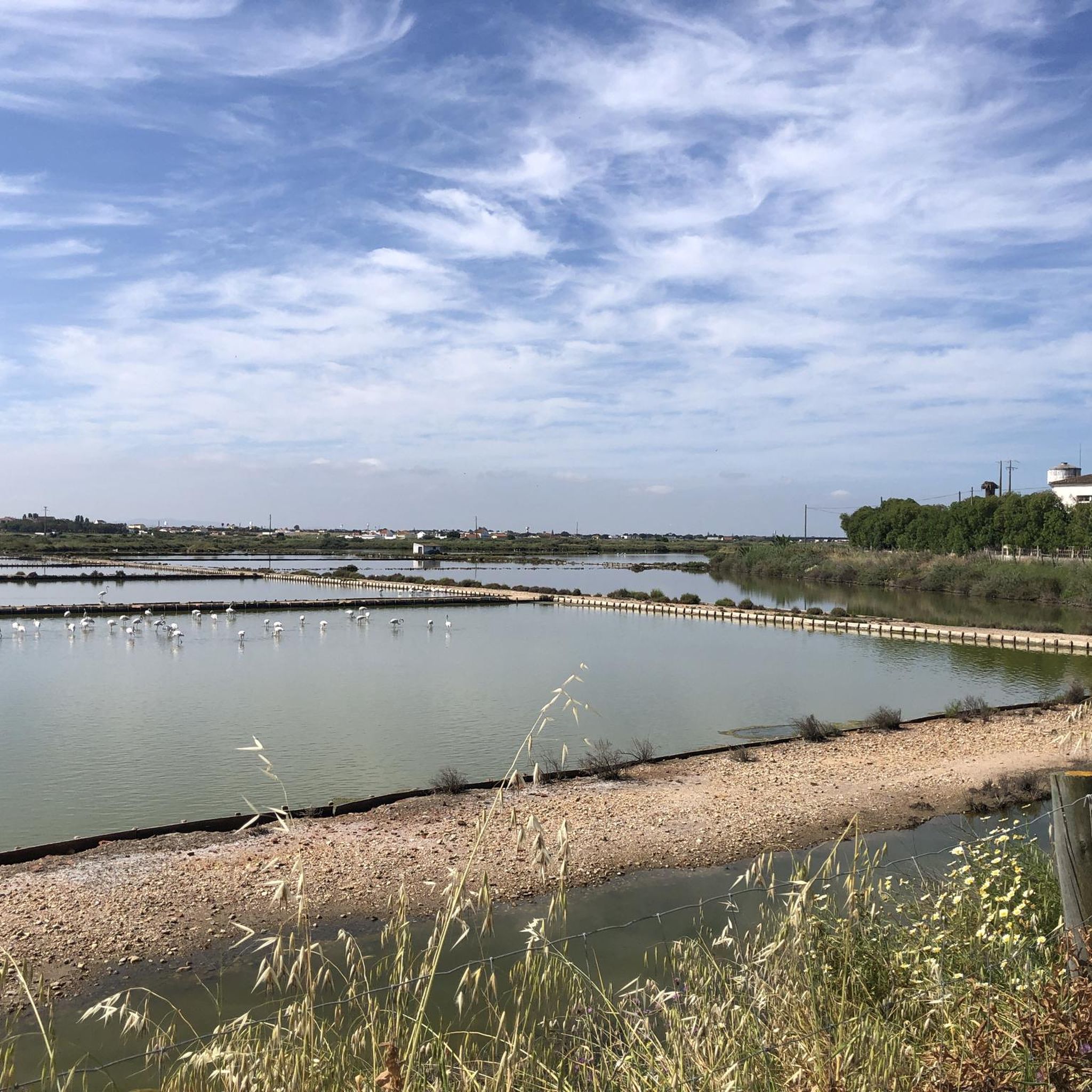
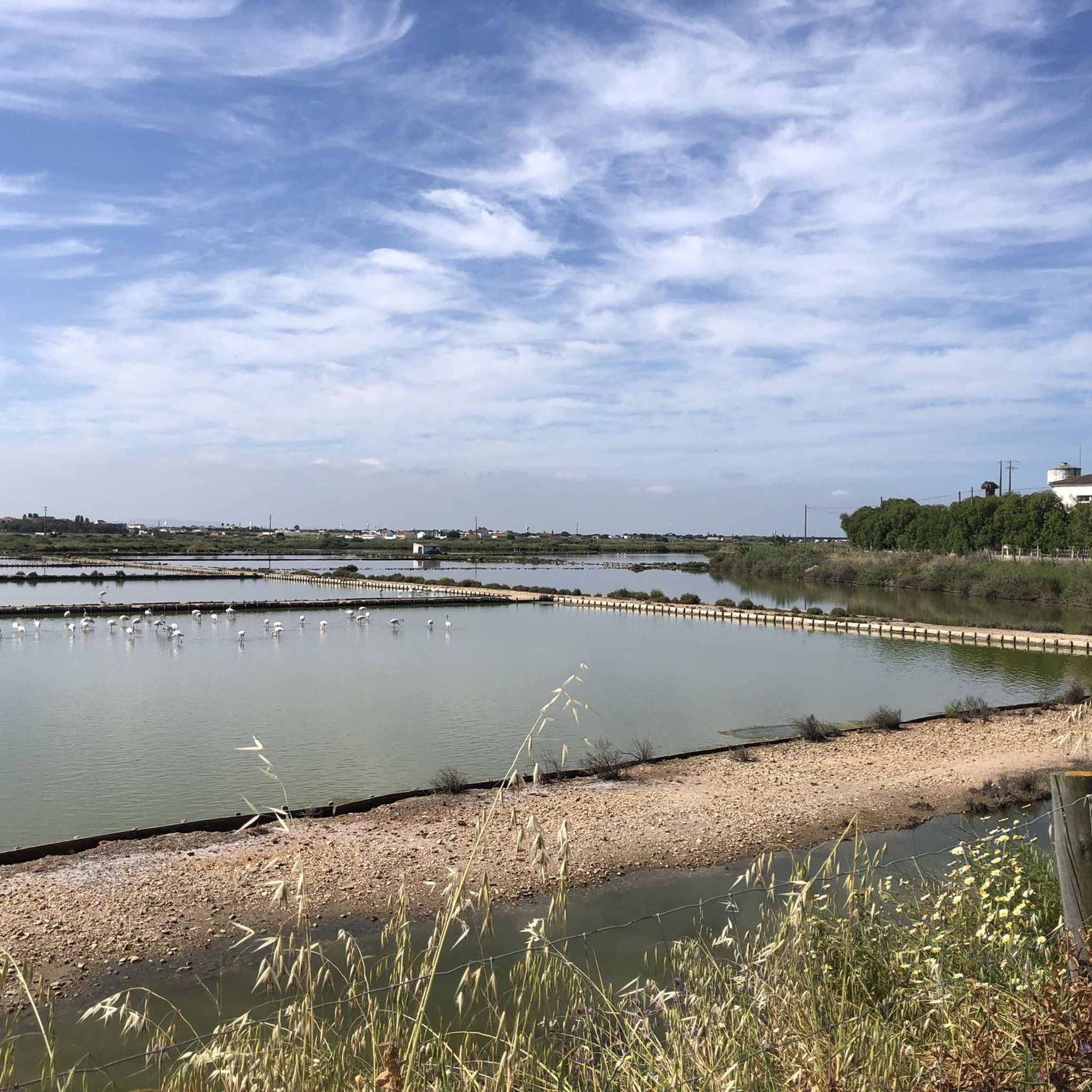
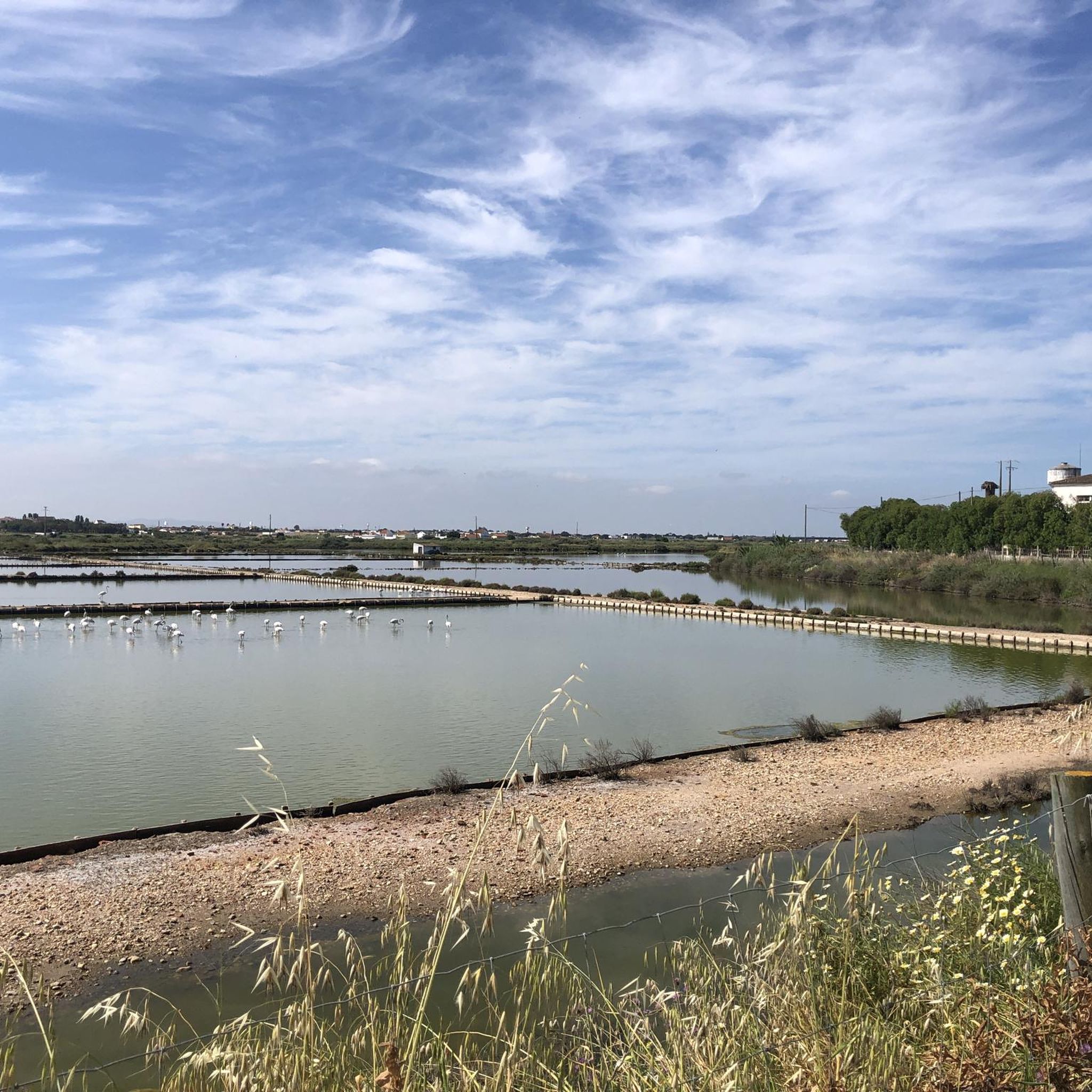
Best attractions and places to see in Salinas Do Samouco include a significant ecological sanctuary on the Tagus estuary, known for its active salt pans and diverse ecosystems. This 360-hectare complex serves as a vital protected area for numerous bird species, making it an internationally important wetland. The region combines natural beauty with cultural heritage, showcasing a millennia-old tradition of artisanal salt extraction. Visitors can explore a unique landscape shaped by salt pans, canals, and tanks, offering opportunities for wildlife…
Last updated: June 23, 2026
Salinas do Samouco
Highlight • Natural
Between 1930 and 1970, cod were dried there.
Cod is a fish caught in cold northern waters such as Newfoundland.
Portugal in the 1920s imported all the cod consumed. In the 1920s, Portugal experienced hunger.
Translated by Google •
Tip by

Ruins of the Old Seca do Bacalhau Factory
Highlight • Historical Site
Tip by

Sign up now to discover places like this
Get recommendations on the best single tracks, peaks, & plenty of other exciting outdoor places.
Sign up for free
Witches’ Beach
Highlight • Beach
Translated by Google •
Tip by
Mirandesa Donkeys
Highlight • Natural
Translated by Google •
Tip by
Bridge over the Esteiro
Highlight • Bridge
Translated by Google •
Tip by

Start today with a free account
Your next adventure awaits.
Login or Signup

Tips from the Community

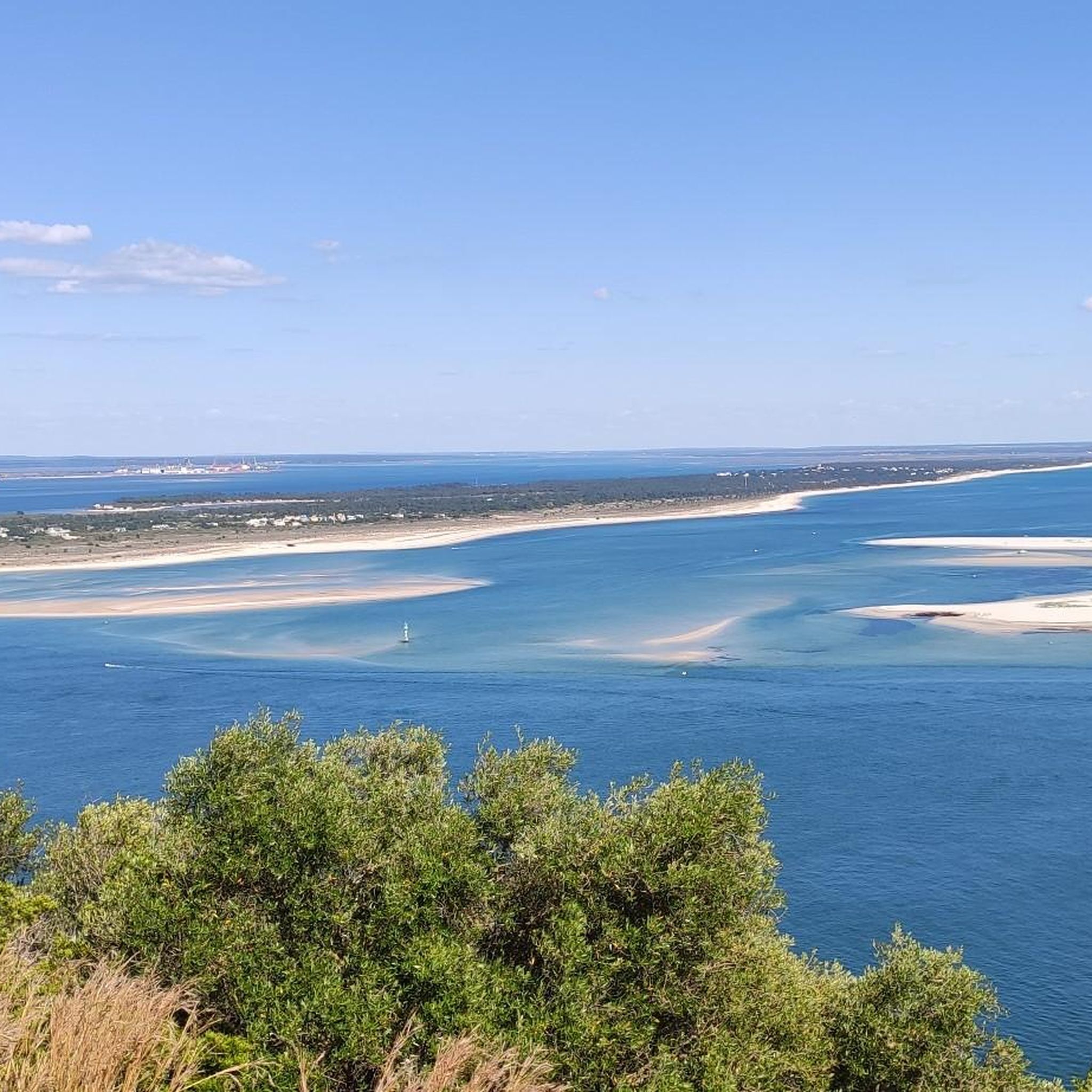
Surrounded by the Samouco Salt Pans, which have restricted access, this small beach can only be reached via the sandy river beach. It offers magnificent views of the Vasco da Gama Bridge, the Tagus River, and Lisbon on the opposite bank. It's worth taking a walk there, especially at low tide.
3
0

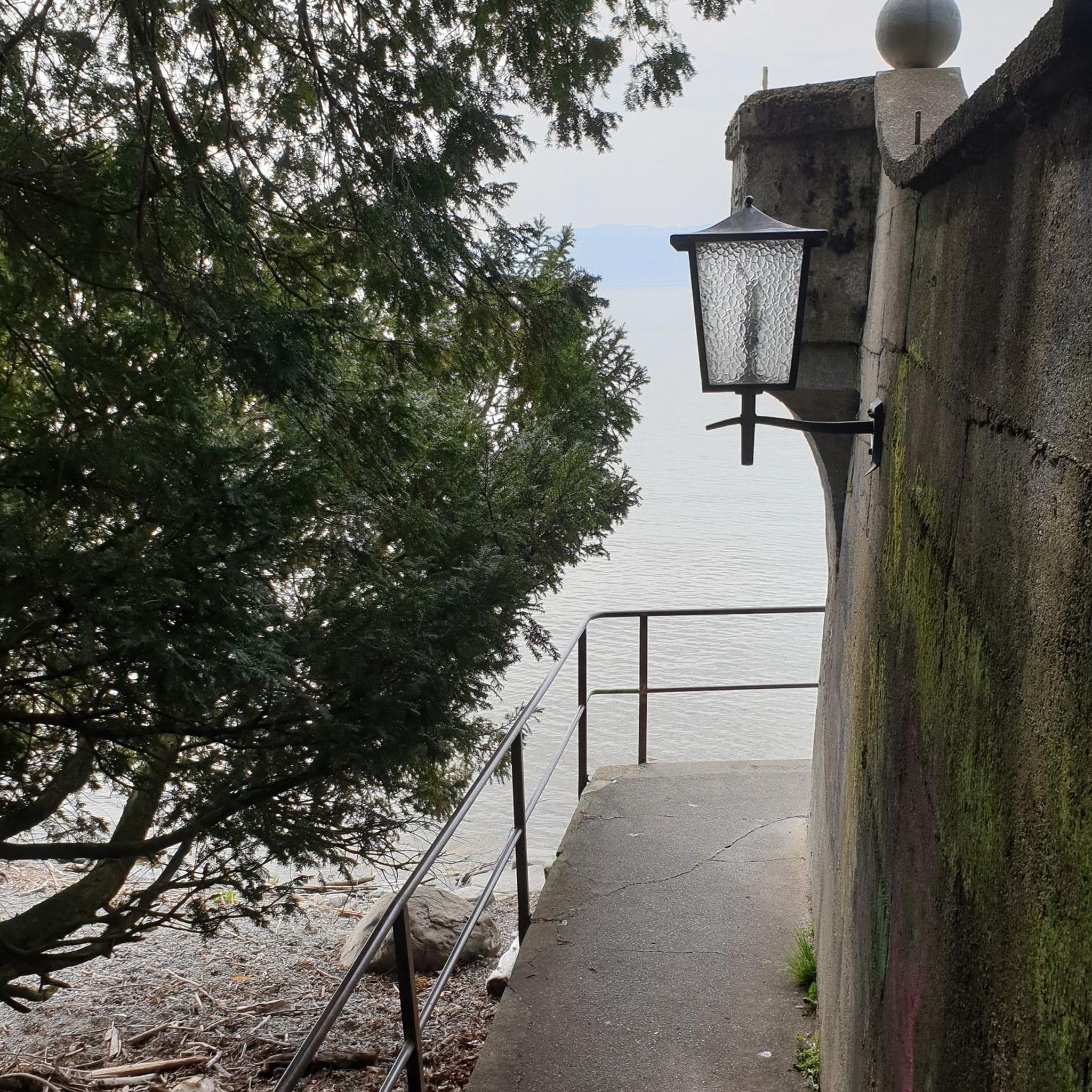
It's a good thing they built that bridge/walkway there, so you can travel from one side of the estuary to the other.👍
5
0
A visit to the Tagus estuary.👍
5
0
This breed of donkey, the Mirandesa, was used for various types of work in the salt flats, due to its robustness, sociability, and ability to adapt to unhealthy environments... This small herd now roams freely around the area of the former salt flats...
7
0
The three cod drying areas of Alcochete have been closed and abandoned for over four decades. With one exception, the land was sold to companies whose activities have nothing to do with curing or selling the "faithful friend." Since the municipality was interested in the added value of future businesses, the local Master Plan (PDM) began in 1997 to allow these spaces to be used for tourism and leisure activities. There are already plans to build hotels.
10
0
This was a former cod factory founded in the 1950s, ‘Seca do Bacalhau’ meaning ‘Dry of Cod’ in Portuguese. It’s a large site with a lighthouse, water tower, fish farming area, and living quarters for the workers. There was a documentary made of the women workers who worked there, mostly in slave like conditions (As raparigas da Murtosa e a seca do bacalhau). It’s quite a sad site really knowing the history. The site was heavily vandalised and open to explore, I didn’t dare to go up the inside of the lighthouse though. It’s the scale, history and setting which make this site interesting.
10
0

The "secadouro de Alcochete". Between 1930 and 1970, cod were dried there. Cod is a fish caught in cold northern waters such as Newfoundland. Portugal in the 1920s imported all the cod consumed. In the 1920s, Portugal experienced hunger. To remedy this problem, the former dictator Salazar had Portugal fish its cod and dry it industrially in Portugal. The secadouro de Alcochete was one of those places. Salazar popularized cod.
15
0
Frequently Asked Questions
What natural features and wildlife can I observe in Salinas Do Samouco?
Salinas do Samouco is an internationally important wetland, renowned as a birdwatching paradise. You can spot over 200 species, including flamingos, herons, black-winged stilts, and avocets. The area features active salt pans, canals, and tanks that support this diverse ecosystem. Don't miss the Salinas do Samouco itself, which offers great views of this natural habitat.
Are there any historical or cultural sites to explore?
Yes, Salinas do Samouco has a rich cultural heritage. You can visit the Ruins of the Old Seca do Bacalhau Factory, a significant historical site that was once a cod drying facility. This large complex includes a lighthouse, water tower, and former living quarters, reflecting its past importance. The region also continues a millennia-old tradition of artisanal salt extraction.
What family-friendly attractions are available in Salinas Do Samouco?
Salinas do Samouco is very family-friendly. A delightful attraction, especially for families, is visiting the Mirandesa Donkeys. This small herd of an endangered native Portuguese breed roams freely, offering a unique interaction opportunity. The main Salinas do Samouco area is also considered family-friendly, providing open spaces for exploration and birdwatching.
What outdoor activities and routes can I find near these attractions?
The area around Salinas do Samouco offers various outdoor activities. You can explore well-marked walking trails like the 'Flamingo Trail' (4.7 km, easy) and the 'Shank Trail' (6 km). For cycling enthusiasts, there are numerous routes, including those for road cycling and general cycling. Runners can also find suitable running trails, such as the 'Miradouro Amália Rodrigues loop'.
When is the best time to visit Salinas Do Samouco for birdwatching?
Salinas do Samouco is an excellent birdwatching destination year-round, but it's particularly vibrant during migration seasons (spring and autumn) and in winter when many species seek refuge. Flamingos are often spotted, especially at sunrise and sunset. High tide is generally the best time to observe the highest richness and abundance of birds in the Tagus estuary.
What makes the Mirandesa Donkeys special?
The Mirandesa Donkeys are an endangered native Portuguese breed, and their presence in Salinas do Samouco is part of a preservation effort. Historically, these robust and sociable donkeys were used for various types of work in the salt flats. Visitors can interact with this small herd that now roams freely, showcasing their unique role in the area's history and ecosystem.
Can I learn about salt production in Salinas Do Samouco?
Yes, Salinas do Samouco is known for its active salt production, continuing a millennia-old tradition of artisanal salt extraction. The complex offers educational visits that delve into the biology, history, geography, and the traditional process of salt production, connecting the past with the present.
What do visitors enjoy most about Salinas Do Samouco?
Visitors frequently praise the stunning views and the unique insights into the region's natural and historical significance. Many appreciate the opportunity for birdwatching and the chance to see flamingos. The scale, history, and setting of sites like the Ruins of the Old Seca do Bacalhau Factory are also highly regarded for their intriguing past.
Is there a bridge or walkway to cross parts of the estuary?
Yes, there is a Bridge over the Esteiro. This bridge/walkway allows visitors to travel from one side of the estuary to the other, enhancing accessibility and providing additional exploration opportunities within the complex.
What should I wear when visiting Salinas Do Samouco?
Given the outdoor nature of the attractions and the potential for walking trails, it's advisable to wear comfortable walking shoes. Depending on the season, layers are recommended, and a hat and sunscreen can be beneficial, especially during warmer months or for prolonged birdwatching sessions. Binoculars are also a good idea for wildlife observation.
Are there guided tours available for the Salinas Do Samouco complex?
Yes, guided tours are often available. These tours are typically led by passionate environmentalists who provide insights into wildlife conservation, birdwatching, and the unique ecosystem of the salt pans. They can enhance your understanding and appreciation of the area's natural and cultural heritage.
Most popular routes in Salinas Do Samouco

Get inspired with the komoot mobile app


Explore more
Still not found the Highlight you’re looking for? See guides of the top attractions in other regions:
