Top 5 Castles around Palmela
Best castles around Palmela are situated in a region known for its strategic historical importance and diverse landscapes. Palmela is located on the eastern edge of the Serra da Arrábida hills, offering extensive views across the Tagus and Sado estuaries. The area features a rich history with fortifications dating back to ancient times, including Roman and Moorish influences. This region combines historical sites with natural beauty, making it a notable destination for exploration.
Best castles around Palmela
- The most popular…
Last updated: June 25, 2026
Fort of São Filipe, Setúbal
Highlight • Castle
Tip by

Castle of Palmela
Highlight • Castle
en.m.wikipedia.org/wiki/Castle_of_Palmela
Translated by Google •
Tip by

Sign up now to discover places like this
Get recommendations on the best single tracks, peaks, & plenty of other exciting outdoor places.
Sign up for free
São Filipe Fort
Highlight • Historical Site
Translated by Google •
Tip by

Pousada Castelo de Palmela
Highlight • Castle
During the Islamic period and the Christian offensive in the 12th and …
Translated by Google •
Tip by
Rio Frio Palace
Highlight • Castle
Translated by Google •
Tip by

Start today with a free account
Your next adventure awaits.
Login or Signup
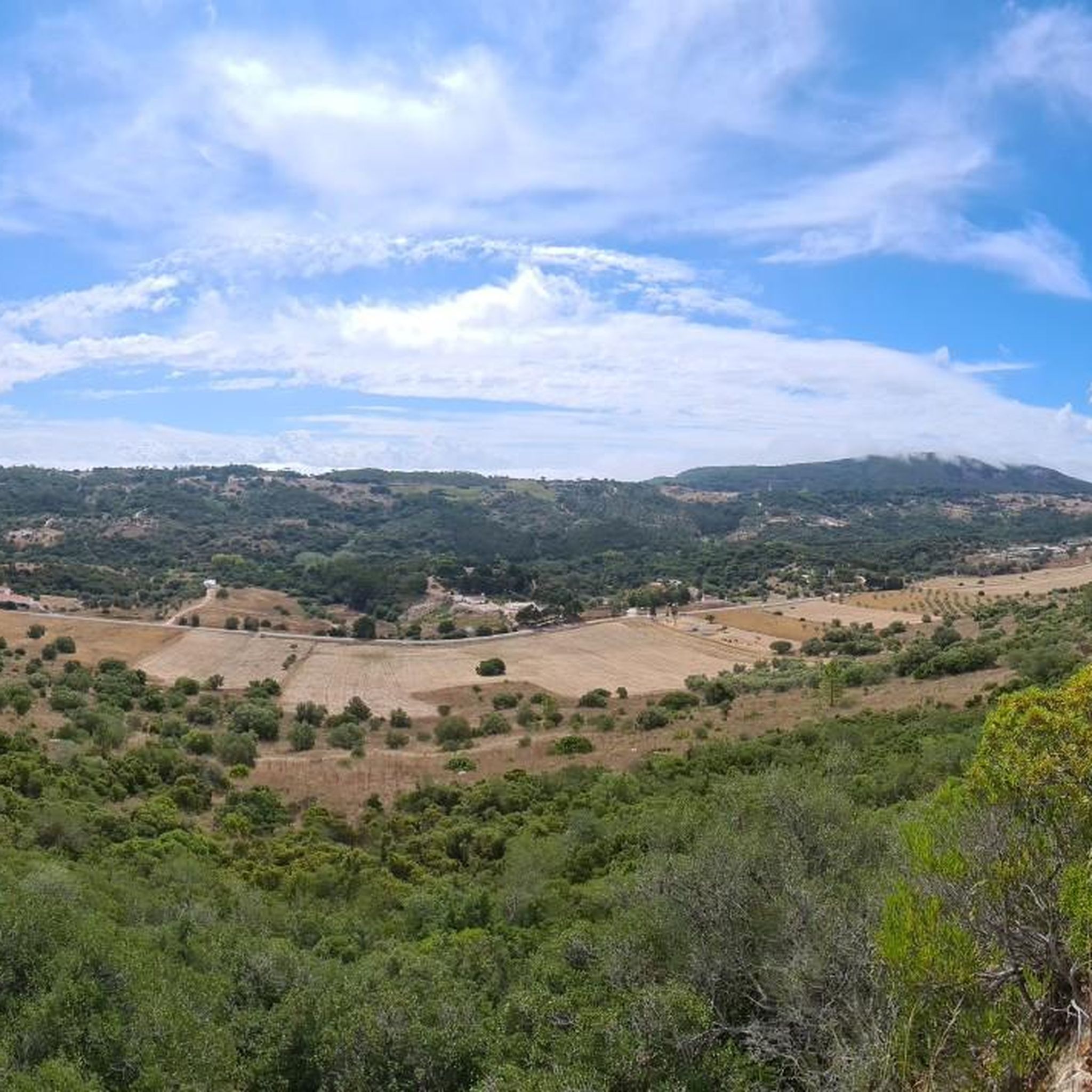
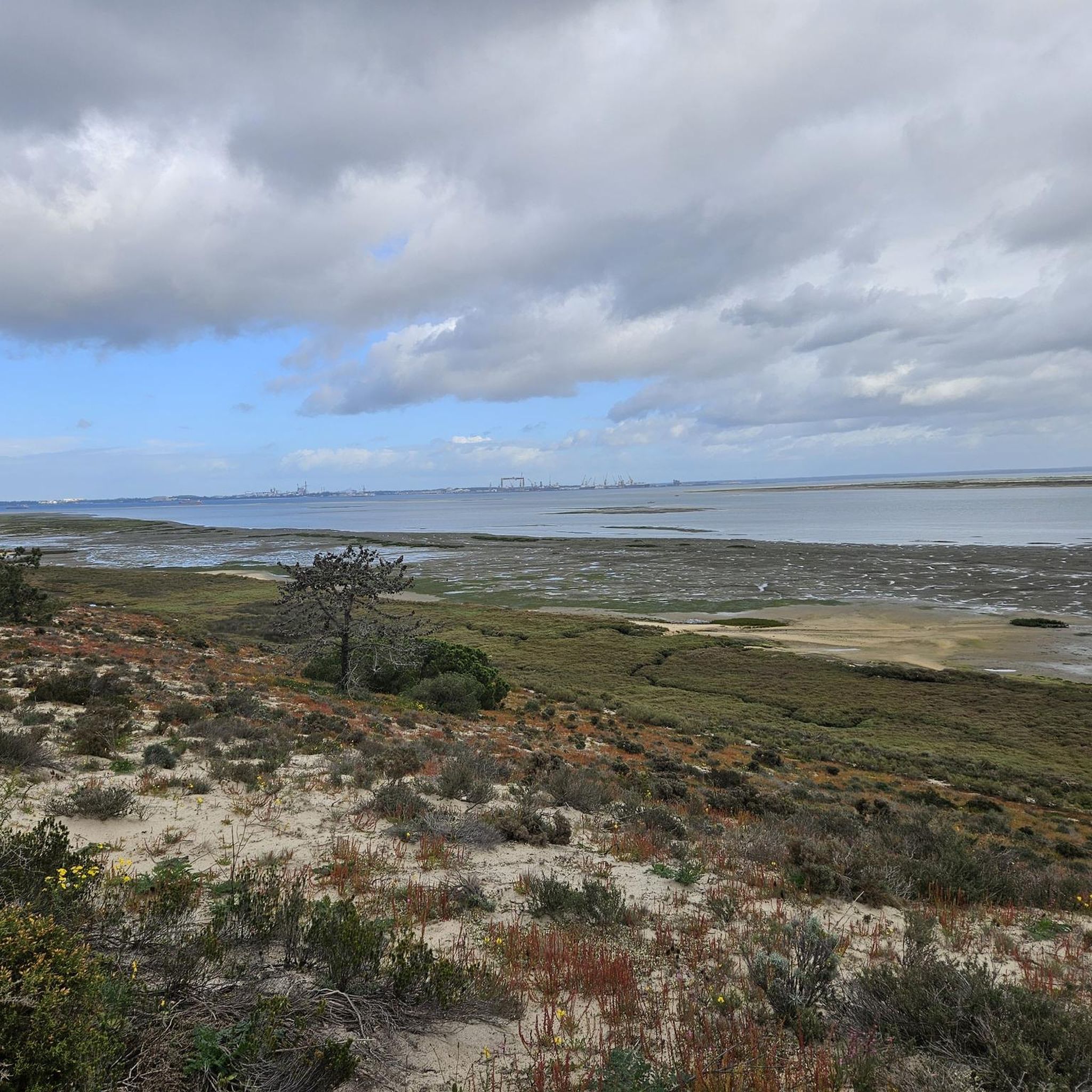
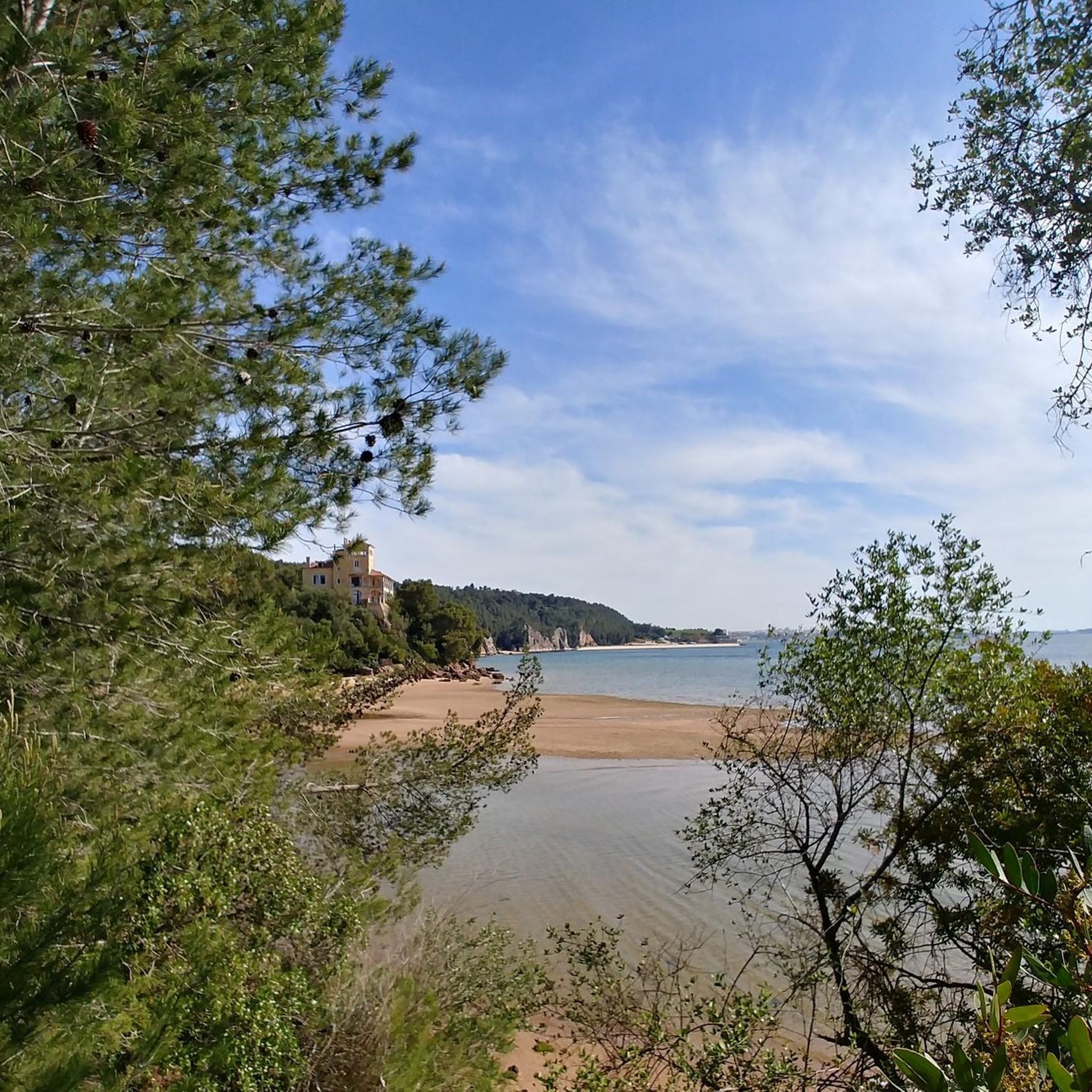
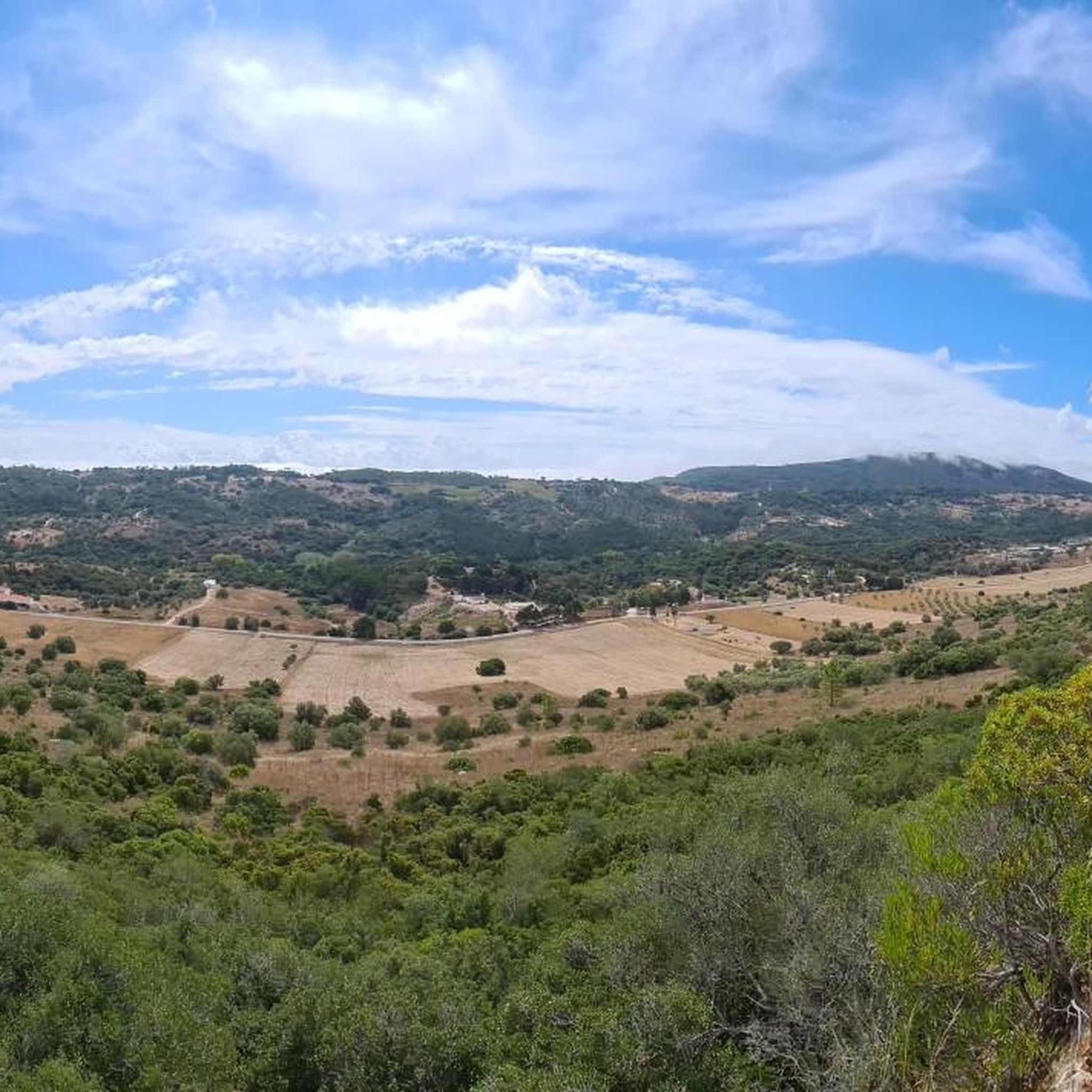
Tips from the Community

The Rio Frio Palace was built in the early 20th century, in a privileged location near Montijo, Alcochete, and the banks of the Tagus River. Once, the property, covering approximately 17,000 hectares, was considered one of the largest estates in the country, primarily producing wine. In subsequent generations, the estate was inherited by a nephew of José Maria dos Santos, Alfredo Santos Jorge, who commissioned the construction of the Rio Frio Palace. Dona Maria de Lourdes Pereira Lupi d'Orey, the current owner of the Rio Frio Palace and great-niece of Alfredo Santos Jorge, recalls the magic of life on the estate. From a large family deeply connected to the countryside and agriculture, her brother José Samuel Lupi stands out as a bullfighting figure. The house offers elegant décor, with a magnificent collection of tiles by Jorge Colaço. It offers an enchanting journey through the gardens and woods, providing a unique experience. (Source: www.solaresdeportugal.pt)
18
0

Panoramic Views – Hotel Palmela Formerly a Convent of the Order of Santiago, nestled in a medieval castle, the Pousada of Palmela, also known as Hotel Palmela, has retained its majesty and the dignity of its former use, whilst offering luxurious accommodation. The cloisters remain intact within the surrounding gallery and are now used as a haven of peace and tranquillity for guests to enjoy. The former convent rooms are now sitting rooms and the convent refectory is now the hotel dining room. The Hotel Palmela is situated 40 kms from Lisbon and its hilltop setting offers breathtaking panoramic views of the surrounding area. This historic Hotel Castelo De Palmela has 28 rooms, including 7 superior rooms and 7 suites. All rooms have en-suite bathroom, air conditioning/heating, minibar, hairdryer, safe, telephone, cable TV and internet access. The Pousada Palmela is set in a charming hilltop town centred round the castle which was built by the Moors following their reconquest in the 12th century. It lies at the heart of one of Portugal’s famous wine producing regions. Other Information Lisbon airport is 46 kms Adjoining rooms available Excellent conference/meeting facilities Stunning wedding location Palmela Railway Station 3 kms RNET 1551
4
0
In wartime situations, it controlled the space between Lisbon and the South, between the Tagus and Sado rivers. During the Islamic period and the Christian offensive in the 12th and 13th centuries, this geostrategic position was compatible with other fortified sites—Coina, Sesimbra, and the Sado riverbank. In the surrounding area—with good conditions for grazing and a large area of agricultural land—some rural communities settled during the Islamic period, such as the village of Alto da Queimada (Serra do Louro). Inside the wall, the ruins of the Church of Santa Maria do Castelo welcome visitors: Palmela's first parish church, probably from the 12th century (founded by King Afonso Henriques?), subject to interventions mainly in the 16th and 17th centuries and severely damaged by the 1755 earthquake. The walls, the pentagonal Keep—a 16th-century construction—are part of the original structure. The castle dates back to the 14th century, where the Bishop of Évora, D. Garcia de Meneses, was imprisoned in the waterless cistern for conspiring against King John II. The bishop died there from poisoning in 1484. The parade ground and barracks are worth visiting. As it stands, the castle is the result of several construction campaigns—repairs, reconstructions, and expansions—up until the 18th century. Archaeological work has identified some sections of the wall from the Islamic period, and other construction phases are recognized, likely dating from the post-reconquest period and, later, from the reign of King John I. The bastion system that surrounds the first line of fortification was commissioned by King Pedro II. In the house of the Prior-Major of the Order, or the military commander of the fortress—after the abolition of the orders (in 1834)—the explorer of African lands, Hermenegildo Carlos de Brito Capelo, son of the fortress's governor, was born on February 4, 1841. Palmela Castle was classified as a National Monument by Decree-Law of June 16, 1910. Parking outside the walls is recommended.
6
0
In wartime situations, it controlled the space between Lisbon and the South, between the Tagus and Sado rivers. During the Islamic period and the Christian offensive in the 12th and 13th centuries, this geostrategic position was compatible with other fortified sites—Coina, Sesimbra, and the Sado riverbank. In the surrounding area—with good conditions for grazing and a large area of agricultural land—some rural communities settled during the Islamic period, such as the village of Alto da Queimada (Serra do Louro). Inside the wall, the ruins of the Church of Santa Maria do Castelo welcome visitors: Palmela's first parish church, probably from the 12th century (founded by King Afonso Henriques?), subject to interventions mainly in the 16th and 17th centuries and severely damaged by the 1755 earthquake. The walls, the pentagonal Keep—a 16th-century construction—are part of the original structure. The castle dates back to the 14th century, where the Bishop of Évora, D. Garcia de Meneses, was imprisoned in the waterless cistern for conspiring against King John II. The bishop died there from poisoning in 1484. The parade ground and barracks are worth visiting. As it stands, the castle is the result of several construction campaigns—repairs, reconstructions, and expansions—up until the 18th century. Archaeological work has identified some sections of the wall from the Islamic period, and other construction phases are recognized, likely dating from the post-reconquest period and, later, from the reign of King John I. The bastion system that surrounds the first line of fortification was commissioned by King Pedro II. In the house of the Prior-Major of the Order, or the military commander of the fortress—after the abolition of the orders (in 1834)—the explorer of African lands, Hermenegildo Carlos de Brito Capelo, son of the fortress's governor, was born on February 4, 1841. Palmela Castle was classified as a National Monument by Decree-Law of June 16, 1910. Parking outside the walls is recommended.
7
0
The project for a modern fortification to defend this stretch of the Portuguese coast dates back to the 14th century, with the construction of the Fort of Santiago do Outão, intended to control the entrance to the river bar and access to the medieval town. Aiming to expand this defense, during the reign of D. João III (1521-1557), Brás Dias was given a regiment to be the administrator of the works of the Plaza and Castle of Setúbal (July 31, 1526). Financial difficulties, which even led to the abandonment of overseas positions in North Africa (Fortress of Azamor, Fortress of Arzila, Fortress of Alcácer-Ceguer and Fortress of Safim), may have delayed the development of these works. Dating back to the time of the Philippine dynasty, its relevance is demonstrated by the fact that the sovereign Philip I (1580-1598) himself attended in person, in 1582, the laying of the foundation stone of the new fortification, designed by the Italian architect and military engineer Filippo Terzi (1520-1597). This engineer worked on the works until mid-1594, when he signed a plan and section of the fortification (8 July 1594), which was sent to the Spanish War Council. After his death, the military engineer and architect from Cremona, Leonardo Torriani, was appointed to carry out the works, and they were completed in 1600. In the context of the restoration of independence, during the reign of King John IV (1640-1656), the Governor of Arms of Setúbal, João de Saldanha, expanded this defence by adding a low battery between 1649 and 1655. It is believed that this new structure was intended to make up for the lack of artillery in covering river access to the port. In the 18th century, the chapel inside acquired its tile covering, designed by Policarpo de Oliveira Bernardes (1736). During the Pombaline consulship (1750-1777), it was not immune to the earthquake of 1755 and was used as a School of Artillerymen. In the mid-19th century, a fire destroyed the Casa do Comando, then the residence of the Governor of Arms of Setúbal.
6
0
The Fort of São Filipe de Setúbal, also referred to as the São Filipe Castle or the São Filipe Fortress, is in the city of Setúbal in the Setúbal District, of Portugal. The fort was built on the orders of Philip II of Spain (Philip I of Portugal), who personally witnessed the laying of the cornerstone of the new fortification in 1582. It stands in a dominant position on the right bank of the mouth of the Sado River, overlooking the centre of Setúbal to its east and guarding access to the river. Named after the king during the Iberian Union, the fortress was designed by Giovan Giacomo Paleari Fratino and had the Italian military engineer Filipe Terzi, who worked for the Spanish Royal Court, as its chief engineer. It was completed in 1600 under the guidance of Leonardo Torreano due to the death of Terzi.
6
0

A great place to enjoy the views over Setúbal and Troia.
1
0
The absolute highlight is the location. Fantastic panoramic view from the Atlantic to Lisbon. The rooms are large and functionally furnished, the bathroom is large and has a bathtub. Breakfast - the usual as in all PESTANA hotels, not really great, but sufficient. The staff is friendly. Anyone looking for absolute peace and quiet and a starting point for exploring the Alentejo and Lisbon is in good hands here.
4
3
Frequently Asked Questions
What is the historical significance of the castles in the Palmela region?
The castles in the Palmela region, particularly the Castle of Palmela, hold immense historical significance. Its strategic location has been coveted since ancient times, with fortifications dating back to the Romans around 310 BC. The Moors significantly enhanced its defenses in the 8th and 9th centuries, and after the Christian reconquest, it became a crucial stronghold for early Portuguese dynasties, granted to the Order of Sant'Iago de Espada.
What kind of architectural styles can I expect to see in Palmela's castles?
The castles in the Palmela region showcase a rich blend of architectural styles, reflecting their long history. You can observe Roman influences with primitive round towers, Moorish additions like square towers and horseshoe-shaped arches, and later Portuguese enhancements, including 15th-century donjon towers and 17th-century cannon fortifications. The Castle of Palmela is a prime example of this mixed architectural evolution.
Which castles offer the best panoramic views in the Palmela area?
For spectacular panoramic views, the Castle of Palmela is unparalleled. Perched at 240 meters, it offers breathtaking 360-degree vistas across the Tagus and Sado estuaries, the Arrábida Natural Park, and even Lisbon on clear days. The Fort of São Filipe, Setúbal also provides great views over the Sado River, the sea, and the Troia peninsula.
Are there any castles in the region that offer unique accommodation?
Yes, the Pousada Castelo de Palmela offers a unique accommodation experience. Part of the historic Castle of Palmela, this luxury Pousada hotel is converted from former convent buildings, allowing visitors to stay within the ancient walls and blend medieval architecture with modern comfort.
What cultural and historical sites can I explore within the castles?
Within the walls of the Castle of Palmela, you can explore the Gothic Igreja de Santiago church, known for its intricate stonework, and the ruins of the Igreja de Santa Maria. There's also an espaços museum housing archaeological finds that narrate the region's rich history. The São Filipe Fort in Setúbal features a small chapel decorated with 18th-century tiles by Policarpo de Oliveira Bernardes.
Are there family-friendly castles to visit around Palmela?
Yes, the São Filipe Fort is considered family-friendly, offering historical exploration and great views. The Pousada Castelo de Palmela, located within the main castle, is also noted as family-friendly, providing a unique historical setting for all ages.
Are any of the castles in the Palmela region wheelchair accessible?
The São Filipe Fort in Setúbal is noted as being wheelchair accessible, making it a good option for visitors with mobility needs to enjoy the historical site and its views.
What outdoor activities can I do near the castles in Palmela?
The area around Palmela's castles is excellent for outdoor activities. You can find various routes for cycling and running. For cycling, explore guides like Traffic-free bike rides around Palmela or Cycling around Palmela. If you prefer running, check out Running Trails around Palmela, which includes challenging routes through Serra da Arrábida.
Are there hiking trails around the castles in Palmela?
Yes, the region offers several hiking opportunities. While specific hiking trails directly around the castles are not detailed, the nearby Serra da Arrábida Natural Park, visible from the Castle of Palmela, is known for its natural beauty and trails. You can find running guides like Running Trails around Palmela that include routes like the 'Complete Crossing of Serra da Arrábida'.
Where can I find cafes and restaurants near the castles?
The castle grounds of Palmela Castle feature a café and restaurant, such as the Casa do Castelo tapas bar, which offers excellent views. The São Filipe Fort also has a small cafe. Additionally, the charming medieval town of Palmela, located at the castle's base, offers traditional houses and local shops where you can find dining options.
Is there parking available when visiting Palmela Castle?
Yes, parking outside the walls of the Castle of Palmela is recommended. The São Filipe Fort also has parking facilities available for visitors.
What is the best time to visit the castles in Palmela?
The castles in Palmela can be visited year-round. However, for comfortable exploration and to fully enjoy the panoramic views, spring (April-May) and autumn (September-October) offer pleasant weather. During these seasons, temperatures are mild, making it ideal for walking around the castle grounds and exploring the surrounding town.
Most popular routes around Palmela
Most popular attractions around Palmela

Get inspired with the komoot mobile app


Explore more
Looking for the best castles somewhere else? Discover other guides around Palmela:
