Top 4 Castles around Fleurigné
Best castles around Fleurigné are found in a commune in France, providing insight into the region's historical and architectural legacy. The area is notable for its proximity to the historic town of Fougères, offering a setting for exploring medieval fortifications and historical estates. This region has historically been significant for defense and trade routes, with its landscape featuring natural ponds and scenic countryside.
Best castles around Fleurigné
- The most popular castles is Fougères Castle, a castle that is considered…
Last updated: June 22, 2026
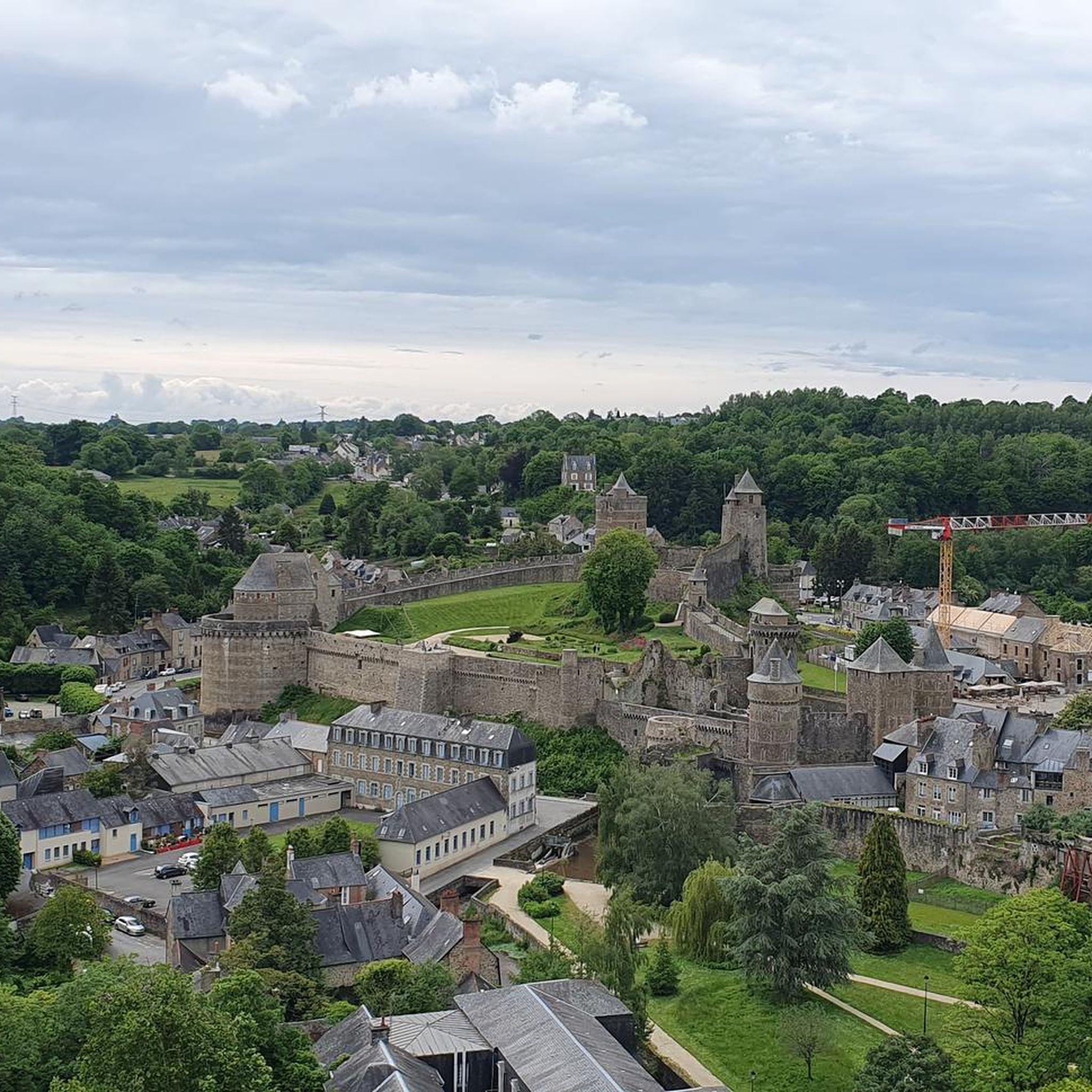
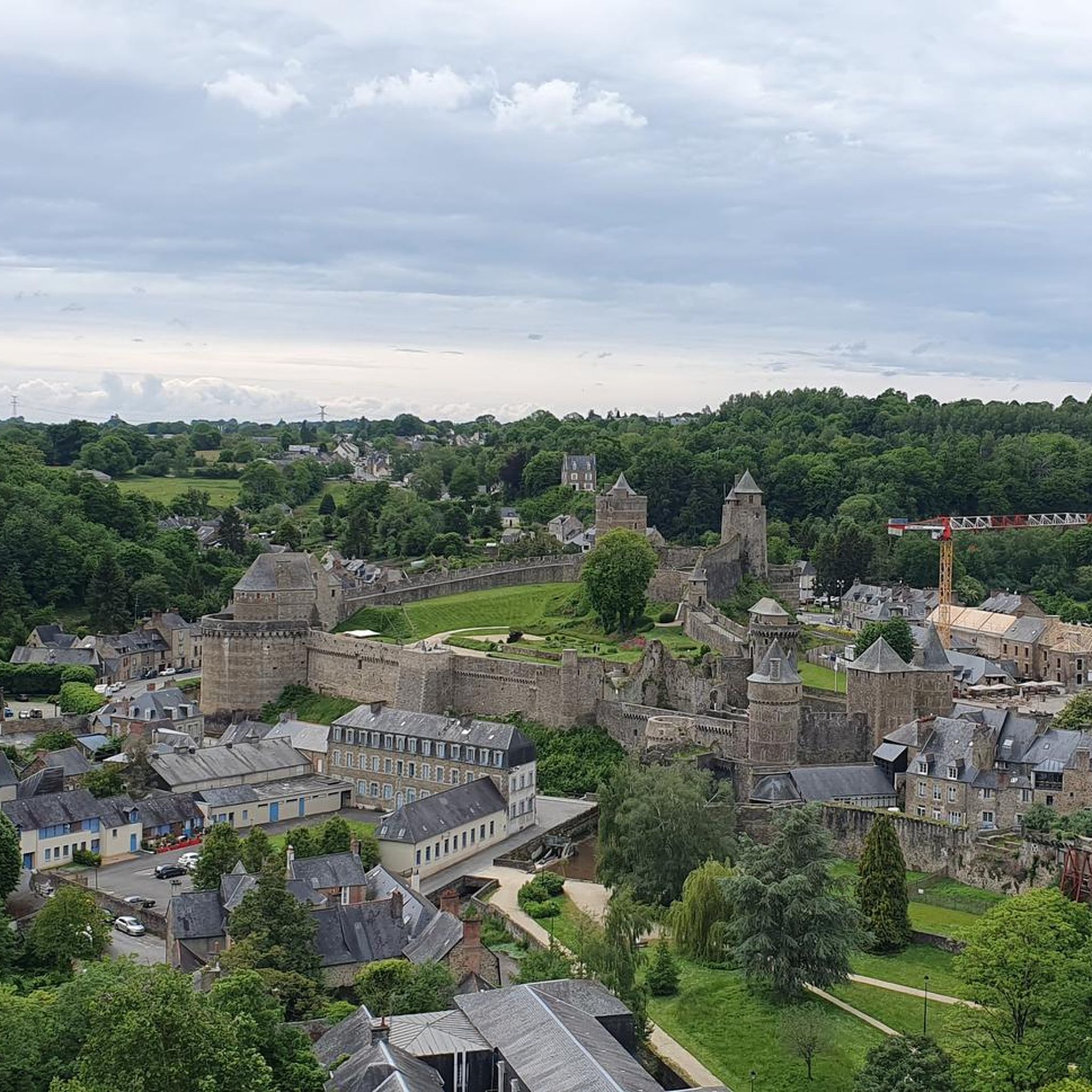
Fougères Castle
Highlight • Castle
Translated by Google •
Tip by

Surienne Tower
Highlight • Castle
Translated by Google •
Tip by

Sign up now to discover places like this
Get recommendations on the best single tracks, peaks, & plenty of other exciting outdoor places.
Sign up for free
Panoramic view from the public garden
Highlight • Viewpoint
Refreshment bar in the park that opens at the end of the day.
Public toilets present in the park.
Translated by Google •
Tip by

Tour Desnos
Highlight • Castle
Translated by Google •
Tip by

Start today with a free account
Your next adventure awaits.
Login or Signup
Tips from the Community

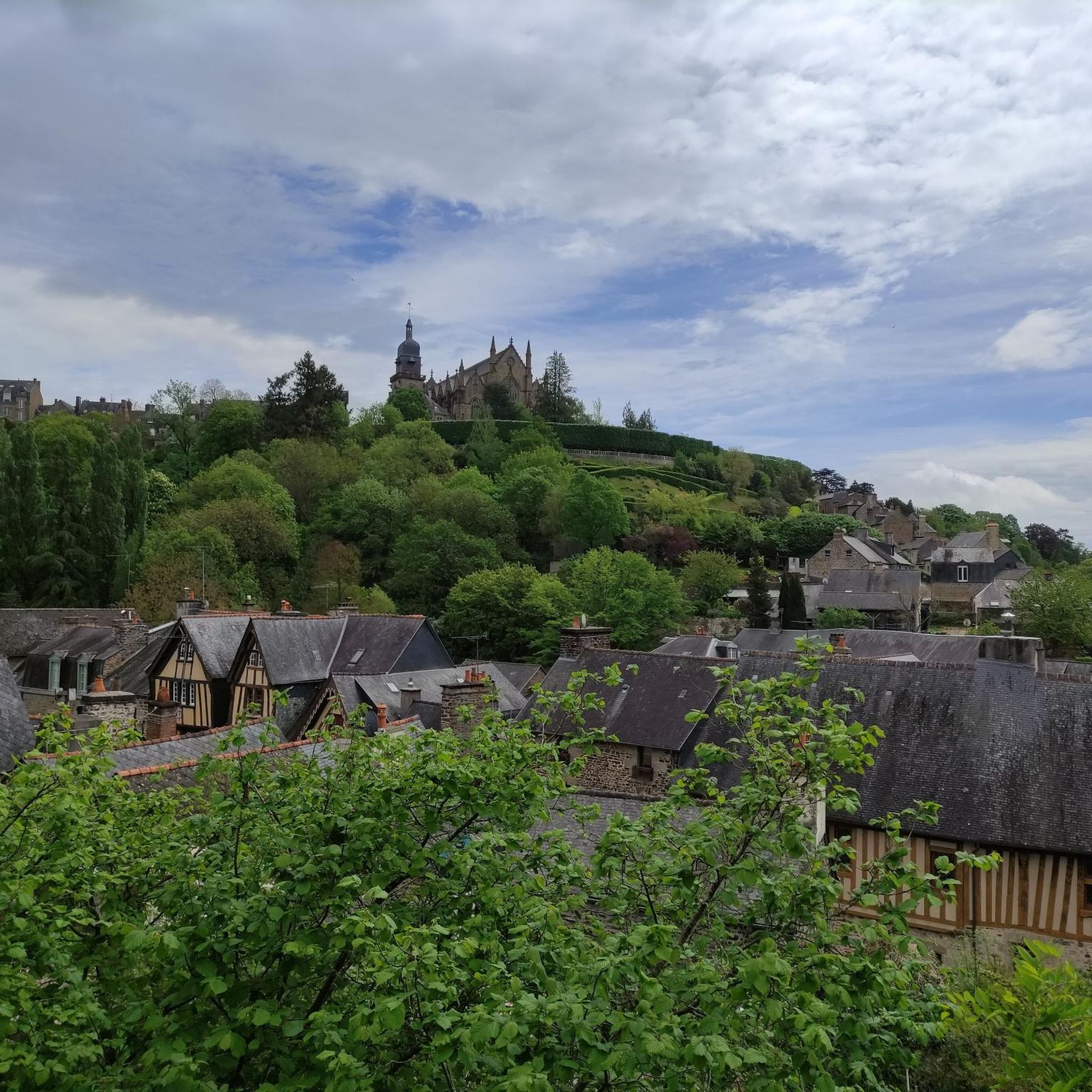
The Desnos Tower is a medieval defensive tower dating back to the early 15th century. It is one of the few remaining towers of the northern city wall and was originally part of the fortifications of the "Bourg-Neuf," the newer district above the castle. It probably owes its name to Colin Desnos, a citizen of the city on whose land the tower was built. Over the centuries, the Desnos Tower served various purposes: initially for defense, later as a prison, and in the 19th century as part of a shoe factory.
1
0
The cadastral records of the Château Fort de Fougères mention two towers—the Tour Raoul and the Tour Surienne (also called "tour de Surienne")—dated between 1480 and 1485. The tower was part of the fortifications that were reinforced or rebuilt in the 15th century.
1
0

The Tour Surienne was named after Françoise de Surienne. In March 1449, in the midst of a truce between France and England, François de Surienne, a Spanish mercenary in the pay of the English, attacked in the dead of night with his 600 men. The inhabitants were slaughtered and the city plundered. In 1450, Surienne settled there and entrenched himself. Only after a two-month siege by Francis I, Duke of Brittany, who was aided by a plague epidemic, did Surienne surrender.
0
0
The largest fortress in Europe, the castle of Fougères stands on a rocky outcrop surrounded by marshland. The first castle of Fougères was built around the turn of the millennium to defend the north-eastern part of the border area of the Duchy of Brittany. Built at the crossroads of important trade routes, this primitive fortress had the main objective of monitoring the powerful neighbors and preventing their raids on Breton lands. To the north, Normandy belonged to the kings of England at the time.
4
1

Park closed to bicycles, but there is a rack just in front of the entrance. Refreshment bar in the park that opens at the end of the day. Public toilets present in the park.
0
0

The tower of the Château de Fougères.
2
0

Magnificent castle in a good state of preservation. A visit is essential. The guide is a plus at no extra cost.👍
3
0

Perhaps the best medieval castle in the whole region! It is not very big, but nestled in the valley which offers superb views. Do not hesitate to climb the streets of the city!
5
0
Frequently Asked Questions
What are the most historically significant castles in the Fleurigné area?
The region around Fleurigné is rich in history. The most prominent is Fougères Castle, renowned as one of the largest medieval fortresses in Brittany and Europe. It played a crucial role in defending the Duchy of Brittany. Within Fleurigné itself, the 14th-century Château de Montbrault and the Château du Bois Février, originally a small fortress from the early 14th century, offer deep historical insights into the area's past.
Are there family-friendly activities or castles suitable for families near Fleurigné?
Yes, families can enjoy the Panoramic view from the public garden near Fougères Castle. This viewpoint is listed as family-friendly and offers facilities like public toilets and a refreshment bar. While the Château de Montbrault is a private property, its sprawling 10-hectare park with natural ponds and statues could be a pleasant environment for a family stroll if access is permitted.
What kind of natural features can I expect to see around the castles near Fleurigné?
The castles in and around Fleurigné are often set amidst beautiful natural landscapes. The Château de Montbrault, for instance, is situated within a 10-hectare park featuring natural ponds. From viewpoints like the View of Fougères from Rocher Coupé, you can enjoy impressive panoramic views that often include lakes and the surrounding countryside.
Can I find hiking or cycling routes near the castles in Fleurigné?
Absolutely! The area around Fleurigné offers various outdoor activities. You can find numerous routes for mountain biking, traffic-free cycling, and road cycling. For example, there are routes like the 'Fougères Castle – Saint Léonard Church loop' for both MTB and road cycling. You can explore these options further in the MTB Trails around Fleurigné, Traffic-free bike rides around Fleurigné, and Road Cycling Routes around Fleurigné guides.
What do visitors particularly enjoy about the castles and surrounding area?
Visitors frequently praise Fougères Castle for its superb views and its impressive medieval architecture, often described as the best in the region. The charming atmosphere, stunning views, and warm welcome from owners are also highlighted at places like Château de Montbrault. The panoramic viewpoints, such as the View of Fougères, are also highly appreciated for their scenic beauty.
Are there any specific towers or defensive structures worth seeing near Fleurigné?
Yes, within the fortifications of Fougères Castle, you can find the impressive Surienne Tower, a 15th-century defense tower. Additionally, the Tour Desnos, an early 15th-century medieval defensive tower, is a notable remnant of the northern city wall of Fougères, which has served various purposes over the centuries, including as a prison.
What is the best time to visit the castles and the Fleurigné region?
While specific opening times vary by castle, the region's natural beauty, especially the parks and viewpoints, can be enjoyed throughout the warmer months. Spring and autumn offer pleasant weather for exploring the castle grounds and nearby outdoor routes. For specific castle visits, it's always advisable to check their individual operating hours.
Is there parking available near the castles or viewpoints?
Yes, for the Panoramic view from the public garden, parking is available. While the park itself is closed to bicycles, there is a rack just in front of the entrance. For other castles, parking availability may vary, so it's recommended to check local signage or specific castle websites.
Can I visit the interiors of all castles in the Fleurigné area?
Access varies by property. Fougères Castle is a major historical site with accessible interiors. However, private properties like the Château du Bois Février typically limit visits to their exteriors. The Château de Montbrault, while offering classically decorated rooms, is often a guesthouse, so interior access might be for guests only. It's best to confirm access policies for each specific castle.
Are there any lesser-known historical sites or architectural details to look out for?
Beyond the main castles, keep an eye out for remnants of fortified pasts. At Château du Bois Février, despite being largely rebuilt, you can still see large moats and interior walls over a meter thick. Its elegant Louis XV pavilion and a large cedar of Lebanon planted around 1860 are also notable. The Tour Desnos in Fougères, originally part of the city's fortifications, also offers a glimpse into medieval defensive architecture.
What is the significance of Fougères Castle in the region's history?
Fougères Castle holds immense historical significance as the largest medieval fortress in Brittany and one of the largest in Europe. It was strategically built on a rocky outcrop to defend the north-eastern border of the Duchy of Brittany, particularly against attacks from Normandy. Its location at the crossroads of important trade routes made it crucial for monitoring powerful neighbors and preventing raids on Breton lands.
Most popular routes around Fleurigné
Most popular attractions around Fleurigné

Get inspired with the komoot mobile app


Explore more
Looking for the best castles somewhere else? Discover other guides around Fleurigné:
