Top 5 Castles around Dun-Le-Palestel
Castles around Dun-Le-Palestel are situated in the Creuse department of the Nouvelle-Aquitaine region. The town itself has historical ties to a "Castle of Dun," with its former structure now housing the post office. The surrounding Creuse area features several châteaux, offering historical and architectural interest. These sites provide insights into medieval history and regional heritage.
Best castles around Dun-Le-Palestel
- The most popular castles is Crozant Ruins, a castle located above the Creuse, at the confluence of the Creuse and…
Last updated: July 5, 2026
Crozant Ruins
Highlight • Castle
Translated by Google •
Tip by

Cazine Castle
Highlight • Castle
Translated by Google •
Tip by

Sign up now to discover places like this
Get recommendations on the best single tracks, peaks, & plenty of other exciting outdoor places.
Sign up for free
Château de Saint-Germain-Beaupré
Highlight • Castle
This castle is classified as a historical monument, but it is not possible to visit it.
Translated by Google •
Tip by

Start today with a free account
Your next adventure awaits.
Login or Signup

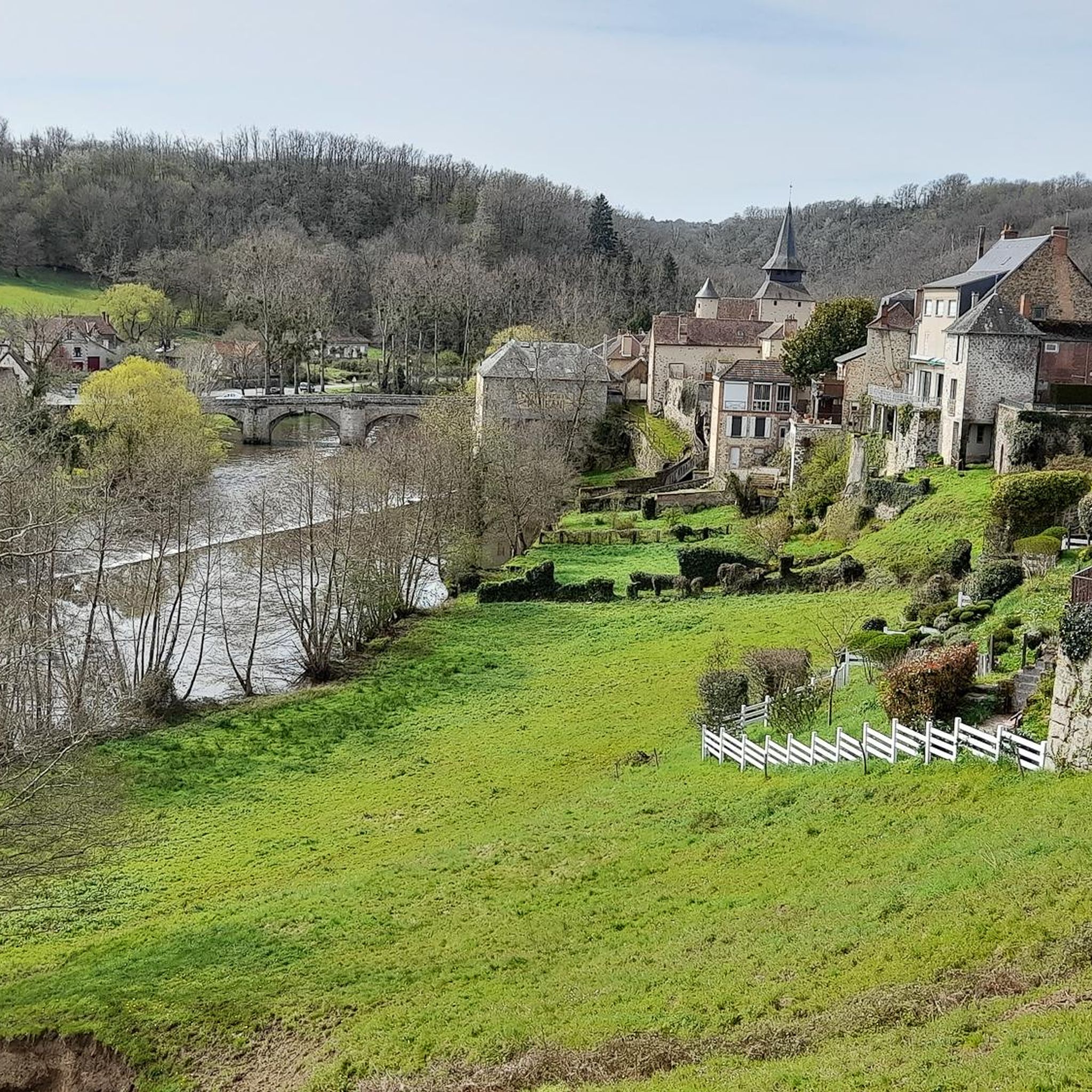
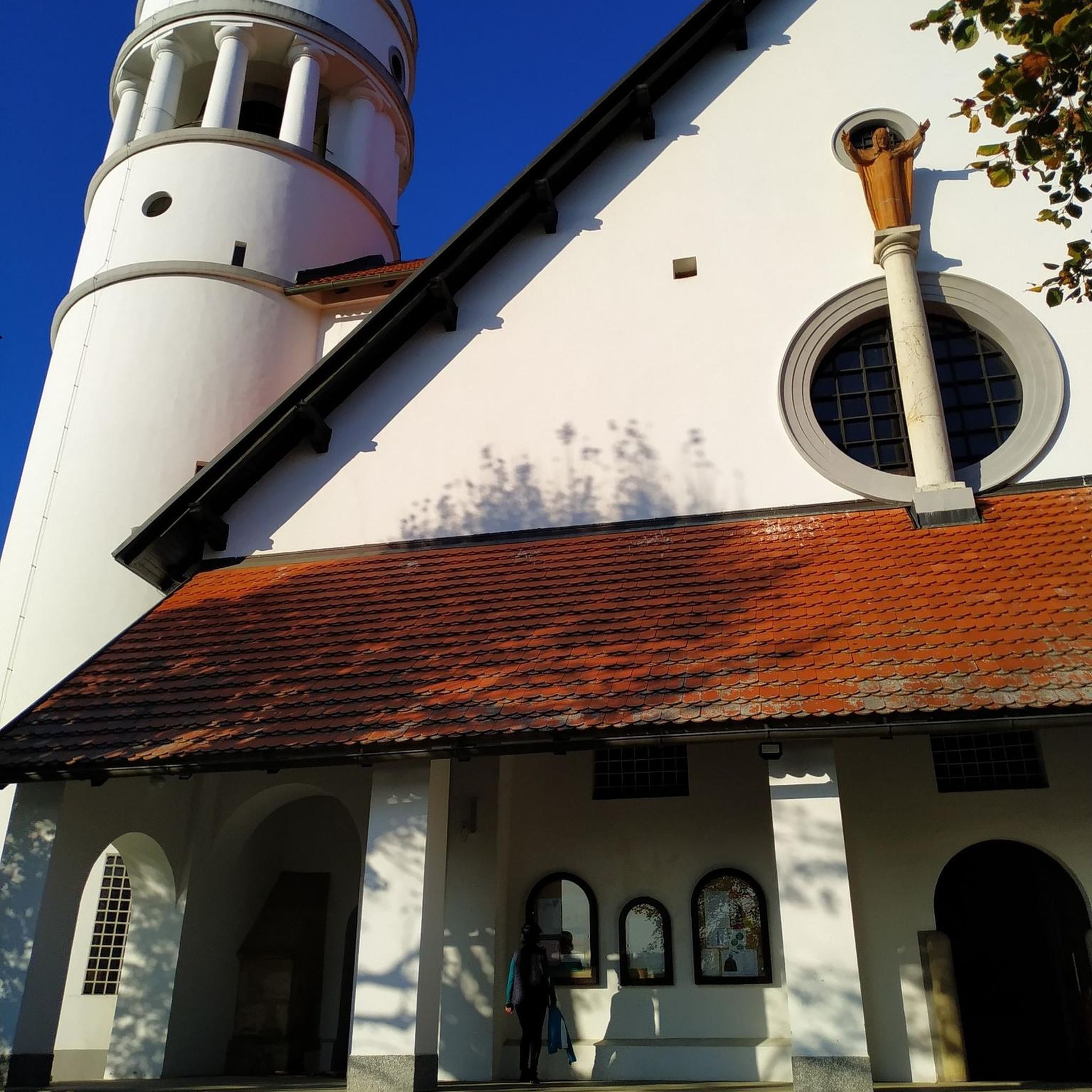


Tips from the Community

In a word: beautiful. A breathtaking setting with stunning hiking trails, the ruins, the river, the rocks, and enchanting trails. One of the most beautiful hikes I've ever taken.
2
0

At the confluence of the two rivers Creuse and Sédelle, stand on top of a rocky promontory the remains of the ancient fortress of Crozant. Considered one of the most powerful strongholds in France in the Middle Ages. Source: Toute la Creuse
1
0

This castle, also called Château de la Fôt, was built in 1894 under the aegis of Viscount Paul de Curel, then owner. He called on the architects Louis Chauvet and Alfred Coulomb. Absolutely remarkable, it was transformed into a hotel in the 1980s.
0
0

At the confluence of the Creuse and the Sédelle, the ruins of the fortress of Crozant sit on a rocky promontory. A powerful fortress in the Middle Ages, it has more recently inspired painters like Monet and the composer Frédéric Chopin.
2
0

A great and worth seeing ruin located above the Creuse.
2
0

The Château de Saint-Germain-Beaupré was built in the 16th century in a Renaissance style, while it replaced a fortified castle built on this site. This castle is classified as a historical monument, but it is not possible to visit it.
1
0
Frequently Asked Questions
What types of castles can I expect to see around Dun-Le-Palestel?
You'll find a mix of historical sites, from medieval ruins to more preserved châteaux. The area features impressive fortress ruins like Crozant Ruins, Renaissance-style castles such as Château de Saint-Germain-Beaupré, and even a castle transformed into a hotel, like Cazine Castle. Dun-Le-Palestel itself has the former Castle of Dun, now housing the post office, offering a glimpse into its medieval past.
Are there any castle ruins I can explore near Dun-Le-Palestel?
Yes, the most notable are the Crozant Ruins, located approximately 10.7 km from Dun-Le-Palestel. These dramatic fortress ruins overlook the confluence of the Creuse and Sédelle rivers. You can explore the remnants of the keep, walls, and towers while enjoying breathtaking views.
Which castles are known for their historical significance or famous residents?
Crozant Ruins were a powerful medieval stronghold and later inspired Impressionist artists like Monet. Further afield, the Château de Boussac is notable for its association with the renowned French writer George Sand, who frequently stayed there.
Can I visit the Castle of Dun in Dun-Le-Palestel?
The original Castle of Dun in the town is no longer a traditional castle open for tours. Its historical structure now houses the local post office. While you can see the building and imagine its past, it doesn't offer a typical castle visit experience.
Are there any castles near Dun-Le-Palestel that have been repurposed?
Yes, Cazine Castle, also known as Château de la Fôt, was built in 1894 and later transformed into a hotel in the 1980s. This allows visitors to experience a historical setting with modern amenities.
What outdoor activities can I do near these castles?
The area around Dun-Le-Palestel offers various outdoor activities. You can find numerous hiking routes, including scenic trails around the Crozant Ruins. There are also road cycling and general cycling routes available. For more details, explore the Hiking around Dun-Le-Palestel, Road Cycling Routes around Dun-Le-Palestel, and Cycling around Dun-Le-Palestel guides.
Are there hiking trails that incorporate castle views?
Absolutely. The area around Crozant Ruins is particularly known for its stunning hiking trails that offer views of the ruins, the river, and the surrounding natural landscape. One popular route is the 'Fresselines at Crozant – Creuse loop'.
What is the best time of year to visit the castles around Dun-Le-Palestel?
The spring and autumn months generally offer pleasant weather for exploring the castles and their surroundings, with comfortable temperatures for walking and enjoying the scenic views. Summer can also be a good time, though it might be warmer.
Are there any castles that are not open to the public?
Yes, the Château de Saint-Germain-Beaupré, a 16th-century Renaissance-style castle, is classified as a historical monument but is not open for public visits.
What do visitors enjoy most about the castles in this region?
Visitors frequently praise the breathtaking settings and historical atmosphere. The Crozant Ruins, for example, are highly regarded for their dramatic location above the Creuse and the enchanting hiking trails that surround them, offering a strong sense of medieval history and beautiful views.
Are there any viewpoints near the castles?
The Crozant Ruins themselves serve as an excellent viewpoint, offering panoramic vistas over the confluence of the Creuse and Sédelle rivers and the picturesque valleys. The strategic location of these ruins provides a natural elevated perspective of the surrounding landscape.
How long should I plan for a visit to the castles?
For sites like the Crozant Ruins, you could easily spend a few hours exploring the remnants and enjoying the surrounding hiking trails. For a more complete experience including travel time to multiple locations like Crozant and Château de Boussac, a full day or even two days would allow for a more relaxed pace.
Most popular routes around Dun-Le-Palestel
Most popular attractions around Dun-Le-Palestel

Get inspired with the komoot mobile app


Explore more
Looking for the best castles somewhere else? Discover other guides around Dun-Le-Palestel:
