Top 9 Lakes around Parc national des Calanques (cœur)
Best lakes around Parc national des Calanques (cœur) are primarily characterized by the dramatic coastal inlets known as calanques, rather than traditional inland lakes. This region features the turquoise waters of the Mediterranean Sea nestled within rocky coves, offering a unique marine environment. The landscape is defined by towering cliffs, clear waters, and secluded beaches, providing diverse opportunities for exploration.
Best lakes around Parc national des Calanques (cœur)
- The most popular lakes is View of the Port Miou calanque,…
Last updated: July 12, 2026
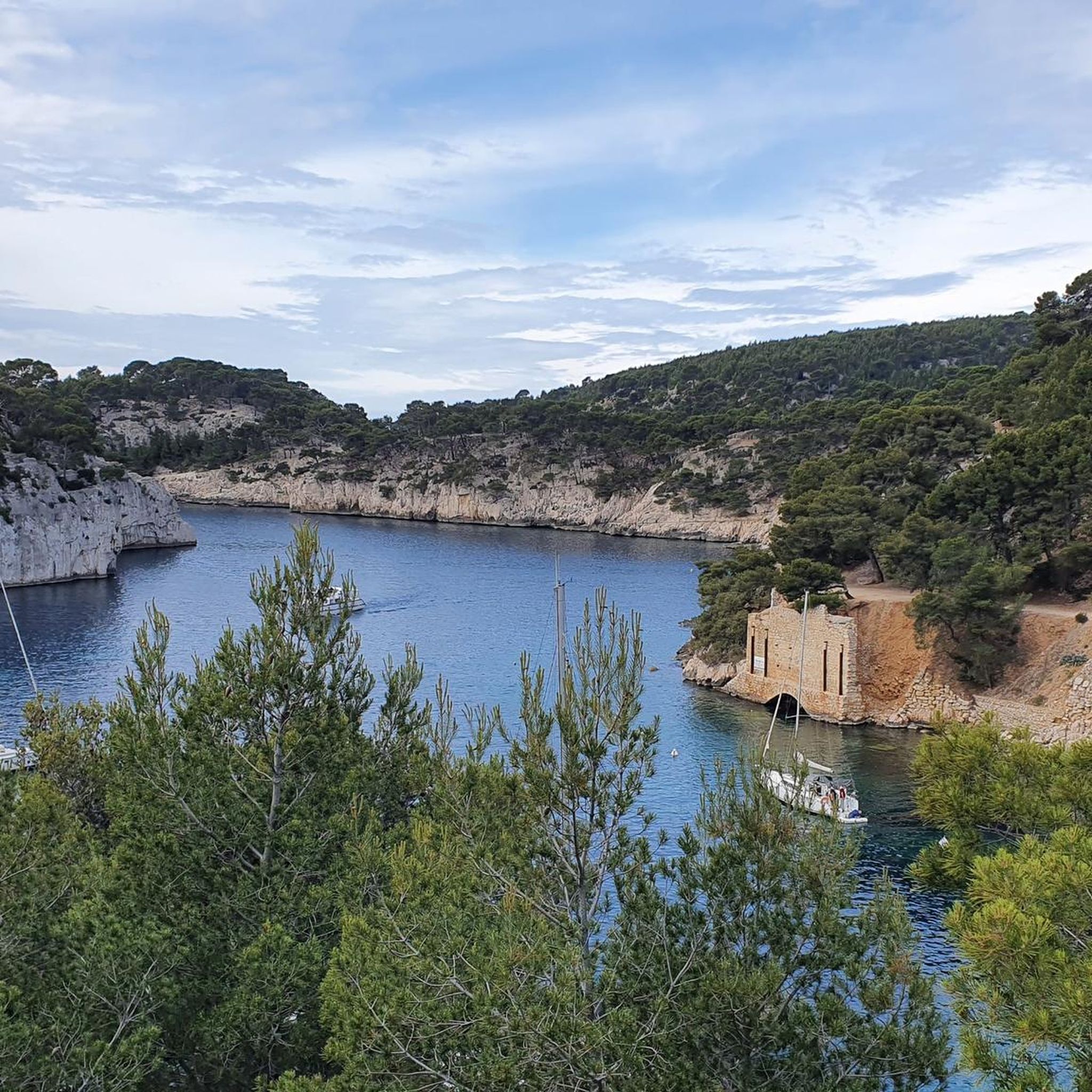
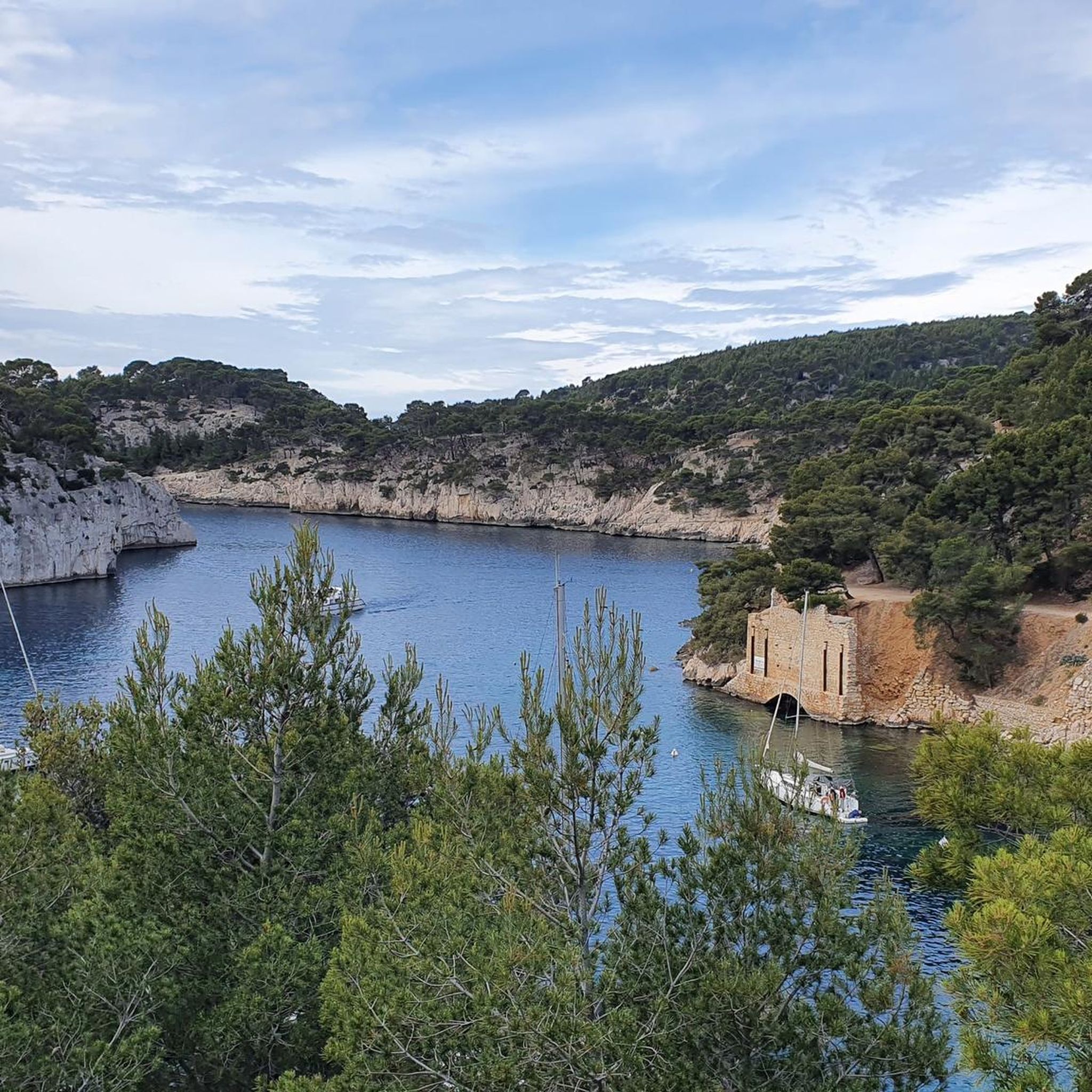
View of the Port Miou calanque
Highlight • Lake
Translated by Google •
Tip by

Calanque of Marseilleveyre
Highlight • Lake
Translated by Google •
Tip by

Sign up now to discover places like this
Get recommendations on the best single tracks, peaks, & plenty of other exciting outdoor places.
Sign up for free
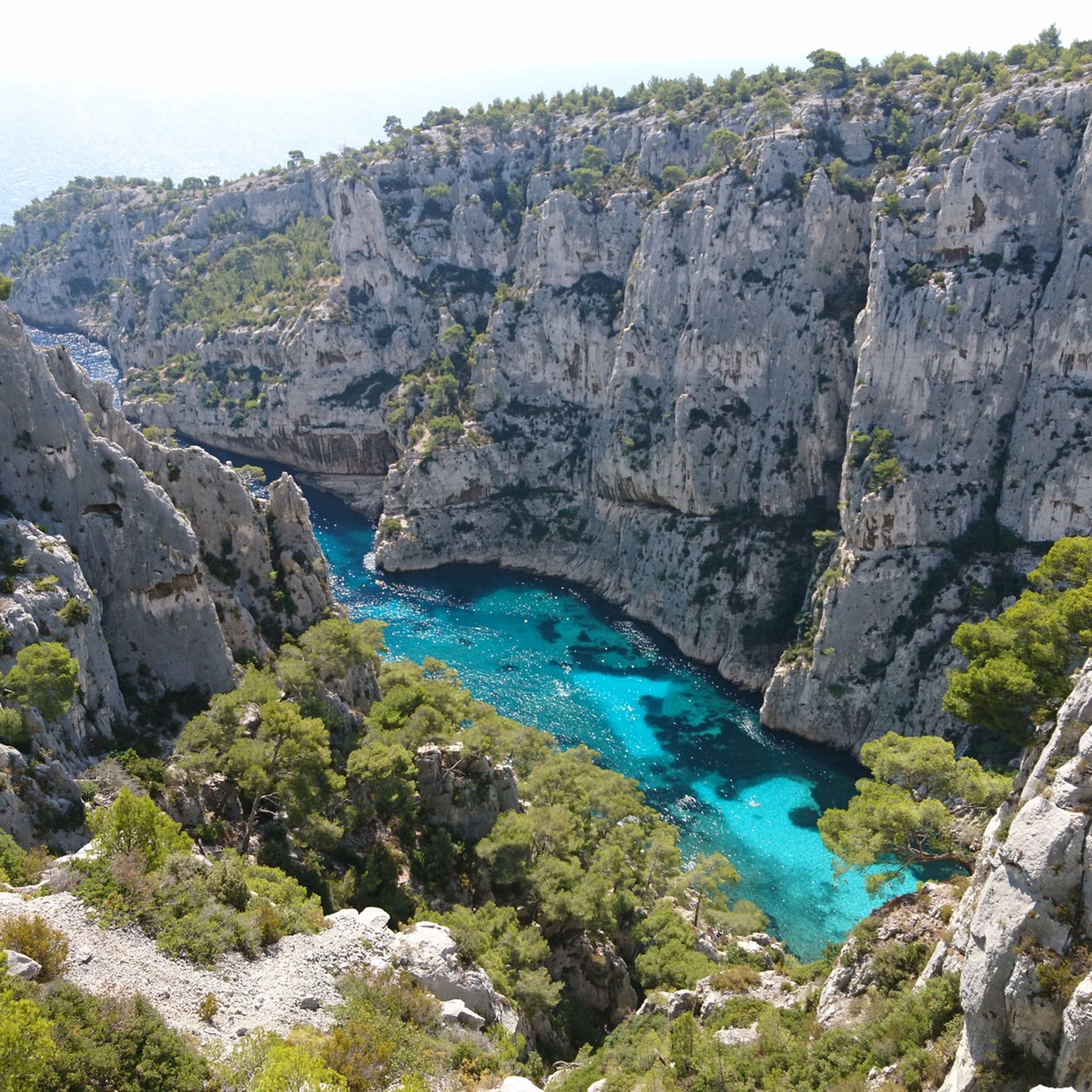
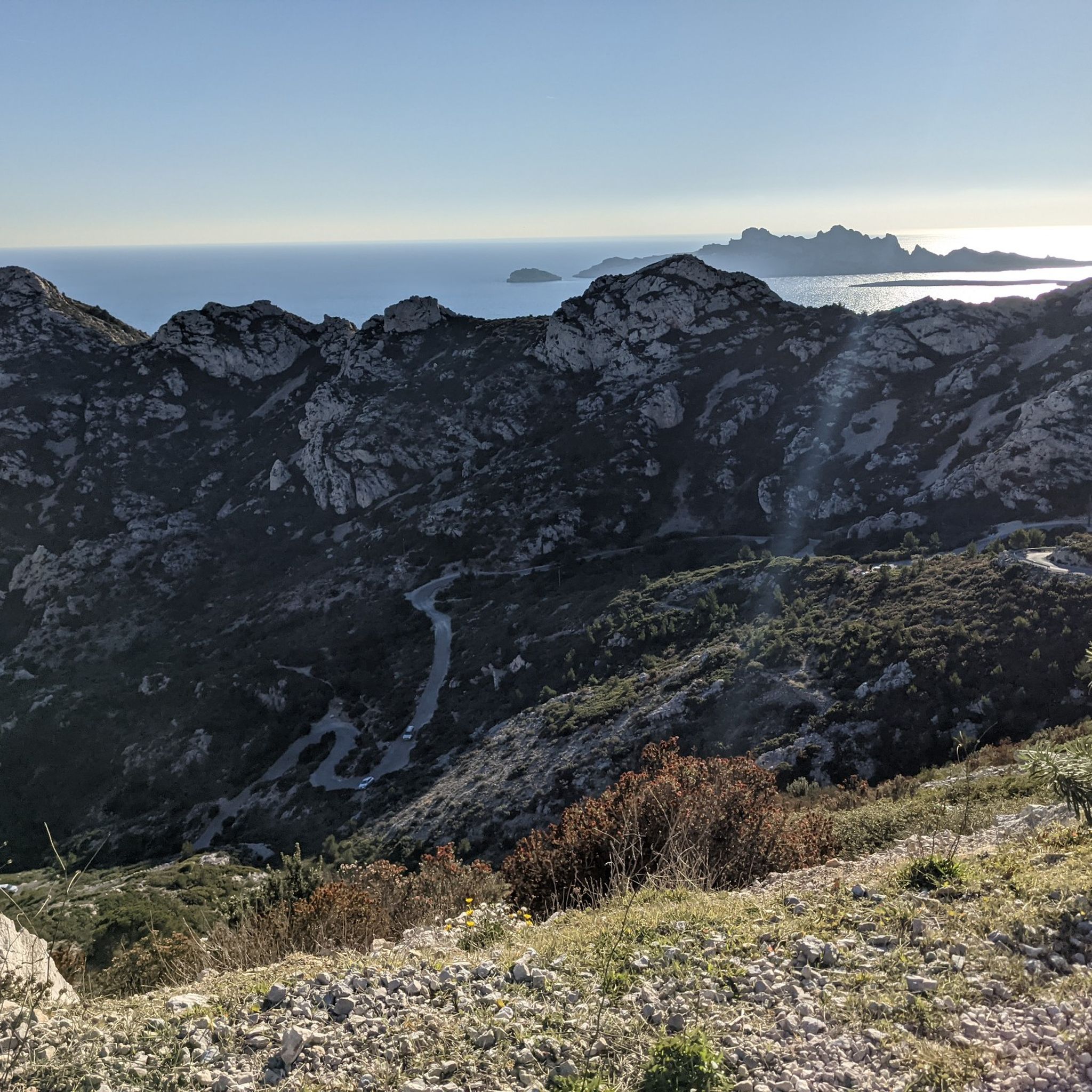
View over the Calanque de la Mounine
Highlight • Canyon
Translated by Google •
Tip by
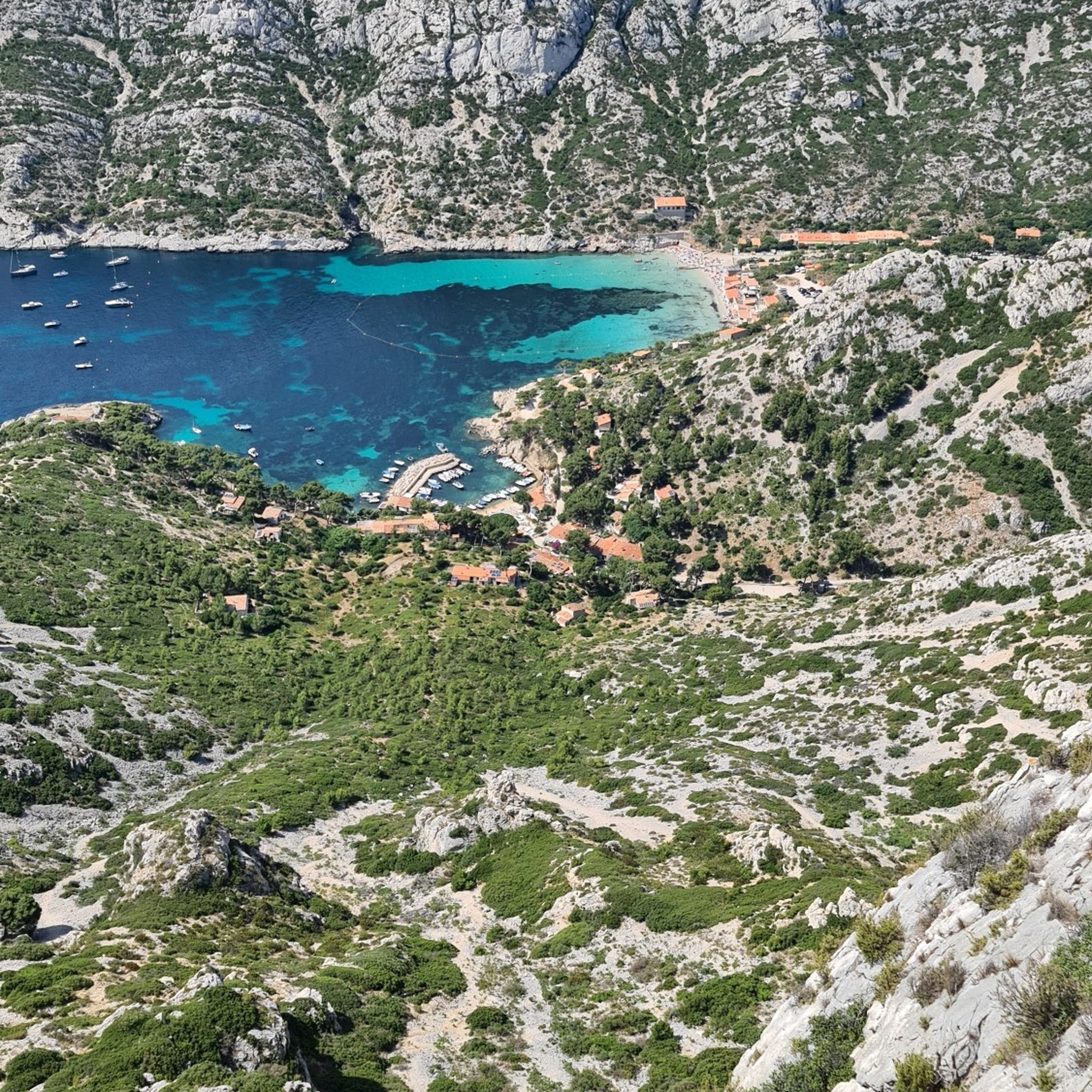
Towards the aiguille de Sormiou
Highlight • Lake
Translated by Google •
Tip by

Maronaise Cove
Highlight • Beach
Tip by

Sign up for free to discover even more lakes around Parc national des Calanques (cœur).
Sign up for free
Already have an account?
Start today with a free account
Your next adventure awaits.
Login or Signup
Popular around Parc national des Calanques (cœur)
La Madrague to the Sainte-Baume – GR 98
Cliffs, creeks and ridges – 10 sporty hikes in France’s Calanques
Hiking around Parc national des Calanques (cœur)
Road Cycling Routes around Parc national des Calanques (cœur)
Running Trails around Parc national des Calanques (cœur)
Cycling around Parc national des Calanques (cœur)
MTB Trails around Parc national des Calanques (cœur)
Gravel biking around Parc national des Calanques (cœur)
Mountain Hikes around Parc national des Calanques (cœur)
Other adventures around Parc national des Calanques (cœur)


Tips from the Community

This little calanque is charming. Very narrow, easy to get to. When the sea is rough, it crashes in with great force.
0
0

From above, this bay looks rather inconspicuous, but when you walk down the path and stand in front of it, you'll be amazed at the force with which the water rushes in. It's worth it!
0
0
A beautiful little bay with turquoise water. Deserted in winter and with a charm all its own.
0
0

A small rocky bay with a beach that invites you to swim.
1
0

EN From Callelongue, the Mounine cove is located halfway between the Semaphore pass and the Marseilleveyre cove. This small, very narrow and shallow cove is home to exceptional flora and fauna. Its many cavities provide natural shelter for scorpion fish, sea bream, starfish and other sea urchins. At the exit of the cove, the depth becomes greater and remains so until the Mounine islet. From this islet, sometimes subject to violent winds, begins the Plateau des chèvres (about 10 meters deep) which connects the coast to the islands of Jarre and Jarron located opposite. EN Departing from Callelongue, the Calanque de la Mounine is located halfway between the Col du Sémaphore and the Calanque de Marseilleveyre. This small, very narrow and shallow cove is home to exceptional flora and fauna. Its numerous cavities provide natural shelter for scorpionfish, sea bream, starfish and other sea urchins. At the exit of the cove, the depth becomes greater and remains so until the islet of La Mounine. From this islet, sometimes subject to violent current winds, begins the Plateau des Chèvres (approximately 10 meters deep) which connects the coast to the islands of Jarre and Jarron located opposite. SOURCE TEXT TOURISM OFFICE
2
0
FR The bustling Marseille forgotten, here we are very close and so far from the urban hustle and bustle! A few cables from the Old Port we find ourselves in a magnificent mineral landscape. Marseilleveyre is the second of Marseille's coves, when you follow the coast. From the port of Callelongue, a 45-minute walk along the marked GR 98 path is enough to take you into a corner of paradise as you follow this coastal path, a real balcony overlooking the sea! Around ten cabins without water or electricity still remain exceptional gems in this wild cove at the gates of the second largest city in France. What a contrast! A very rustic life far from city comfort. Bathed in sunshine, often swept by the Mistral, populated by tourists or deserted, the Calanque de Marseilleveyre is all of these things at the same time! . IN The bustling Marseille forgotten, here we are very close and so far from the urban hustle and bustle! A few cables from the Old Port we find ourselves in a magnificent mineral landscape. Marseilleveyre is the second of Marseille's coves, when you follow the coast. From the port of Callelongue, a 45-minute walk along the marked GR 98 path is enough to take you into a corner of paradise as you follow this coastal path, a real balcony overlooking the sea! Around ten cabins without water or electricity still remain exceptional gems in this wild cove at the gates of the second largest city in France. What a contrast! A very rustic life far from city comfort. Bathed in sunshine, often swept by the Mistral, populated by tourists or deserted, the Calanque de Marseilleveyre is all of this at the same time! SOURCE TEXT TOURISM OFFICE
1
0

Small, quiet cove less busy than others
1
0
Frequently Asked Questions
Are there traditional freshwater lakes within the Parc national des Calanques (cœur)?
The Parc national des Calanques (cœur) is primarily known for its dramatic coastal inlets, called 'calanques,' which are filled with the turquoise waters of the Mediterranean Sea. Traditional freshwater lakes are not characteristic of the park's core area; its allure lies in its unique marine environment and rocky coves.
What are the most popular calanques to visit in the Parc national des Calanques (cœur)?
Visitors highly appreciate several calanques for their beauty and activities. Among the most popular are View of the Port Miou calanque, known for its views of Cap Canaille, and Calanque of Marseilleveyre, which features an idyllic pebble beach and a small cafe during summer months. The Sormiou Beach is also a favorite, being one of the widest calanques with shallow, clear waters ideal for swimming and diving.
What natural features can I expect to see around the calanques?
The region is defined by towering cliffs, crystal-clear Mediterranean waters, and secluded beaches. You'll encounter dramatic coastal viewpoints, such as the View over the Calanque de la Mounine, and unique rock formations. The calanques themselves are natural monuments, offering stunning geological landscapes.
What activities can I do in and around the calanques?
The calanques offer diverse activities including swimming, snorkeling, and diving in the clear Mediterranean waters. Hiking is very popular, with trails leading to various calanques and viewpoints. Kayaking is also a great way to explore the coves. For those interested in land-based activities, there are numerous cycling and running routes nearby. For example, you can find challenging road cycling routes like the 'Climb to Col de l'Espigoulier' or scenic running trails such as the 'View of Calanque de Sormiou loop from Luminy'. You can explore more options in the Road Cycling Routes, Cycling, and Running Trails guides for the area.
Are there family-friendly options among the calanques?
Yes, some calanques are more suitable for families. Sormiou Beach is considered family-friendly due to its wider beach and shallow, crystal-clear waters. Calanque de Port Pin, mentioned in regional research, is also known for its beautiful swimming beach and calm waters, making it a local favorite for family outings.
What is the best time to visit the calanques?
The best time to visit the calanques is generally during the spring (April-June) and early autumn (September-October) when the weather is pleasant for hiking and swimming, and the crowds are smaller than in peak summer. Summer (July-August) is popular for swimming but can be very hot and crowded, and access to some areas might be restricted due to fire risk.
Are there any cafes or amenities available at the calanques?
Facilities are generally minimal, emphasizing the wild and preserved nature of the park. However, some calanques do offer limited amenities. For instance, the Calanque of Marseilleveyre has a small cafe open during the summer months. Calanque de Sormiou also has some amenities, including restaurants, as it's one of the more developed calanques.
What do visitors enjoy most about the calanques?
Visitors consistently praise the breathtaking views, the exceptionally clear and turquoise waters, and the unique natural surroundings. Many highlight the rewarding experience of hiking to a secluded cove for a swim. The dramatic cliffs and the sense of wildness are frequently mentioned as major draws, with the colors of the landscape often described as overwhelming.
How accessible are the calanques, and what are the parking options?
Access to many calanques can be challenging, often requiring walks on rocky paths. Some calanques, like Port Miou, are best accessed on foot from nearby towns like Cassis. Parking can be difficult, especially during peak season, so arriving early (e.g., 8-9 am for Port Miou) is often recommended. Public transport options to the park's entry points are available, but reaching individual calanques often involves significant walking.
Can I go wild swimming in the calanques?
Yes, the calanques are renowned for wild swimming in their clear, calm Mediterranean waters. Calanque de Port Pin and Sormiou Beach are particularly popular for swimming. The Calanque of Marseilleveyre also offers an idyllic pebble beach for a swimming break. Always be mindful of local regulations and safety, as conditions can vary.
Are there any less-frequented or 'hidden gem' calanques?
While popular calanques can get busy, some offer a more secluded experience. The Calanque de la Mounine is noted as being less frequented than others, with a steep descent that is considered very rewarding. Calanque de Morgiou also offers a glimpse into charming fishing villages, providing a unique atmosphere away from the busiest spots.
Most popular routes around Parc national des Calanques (cœur)
Most popular attractions around Parc national des Calanques (cœur)

Get inspired with the komoot mobile app


Explore more
Still not found your perfect lake around Parc national des Calanques (cœur)? Check out the guides of these regions to see even more beautiful places.
