The 2 Most Amazing Peaks around Südliches Anhalt
Best mountain peaks around Südliches Anhalt include the Petersberg and Schlangenberg, offering distinct natural features and historical significance. The region features varied terrain, from the elevated Petersberg with its historical sites to the smaller, forested Schlangenberg. These peaks provide opportunities for exploration and offer viewpoints across the landscape. The area is characterized by its local elevations rather than prominent mountain ranges.
Best mountain peaks around Südliches Anhalt
- The most popular mountain peaks is Petersberg Monastery and Collegiate Church of St.…
Last updated: October 14, 2026
Petersberg Monastery and Collegiate Church of St. Peter
Highlight • Religious Site
Translated by Google •
Tip by

Petersberg Monastery Ruins
Highlight • Historical Site
Translated by Google •
Tip by

Sign up now to discover places like this
Get recommendations on the best single tracks, peaks, & plenty of other exciting outdoor places.
Schlangenberg
Highlight • Summit
Translated by Google •
Tip by

Start today with a free account
Your next adventure awaits.
Tips from the Community


The ruins of the monastery church are the central element of the complex. The monastery on the Petersberg was founded in the 12th century and was initially a Benedictine monastery. Over the centuries, the monastery was rebuilt and expanded several times before it was dissolved in the 16th century during the Reformation.
0
0

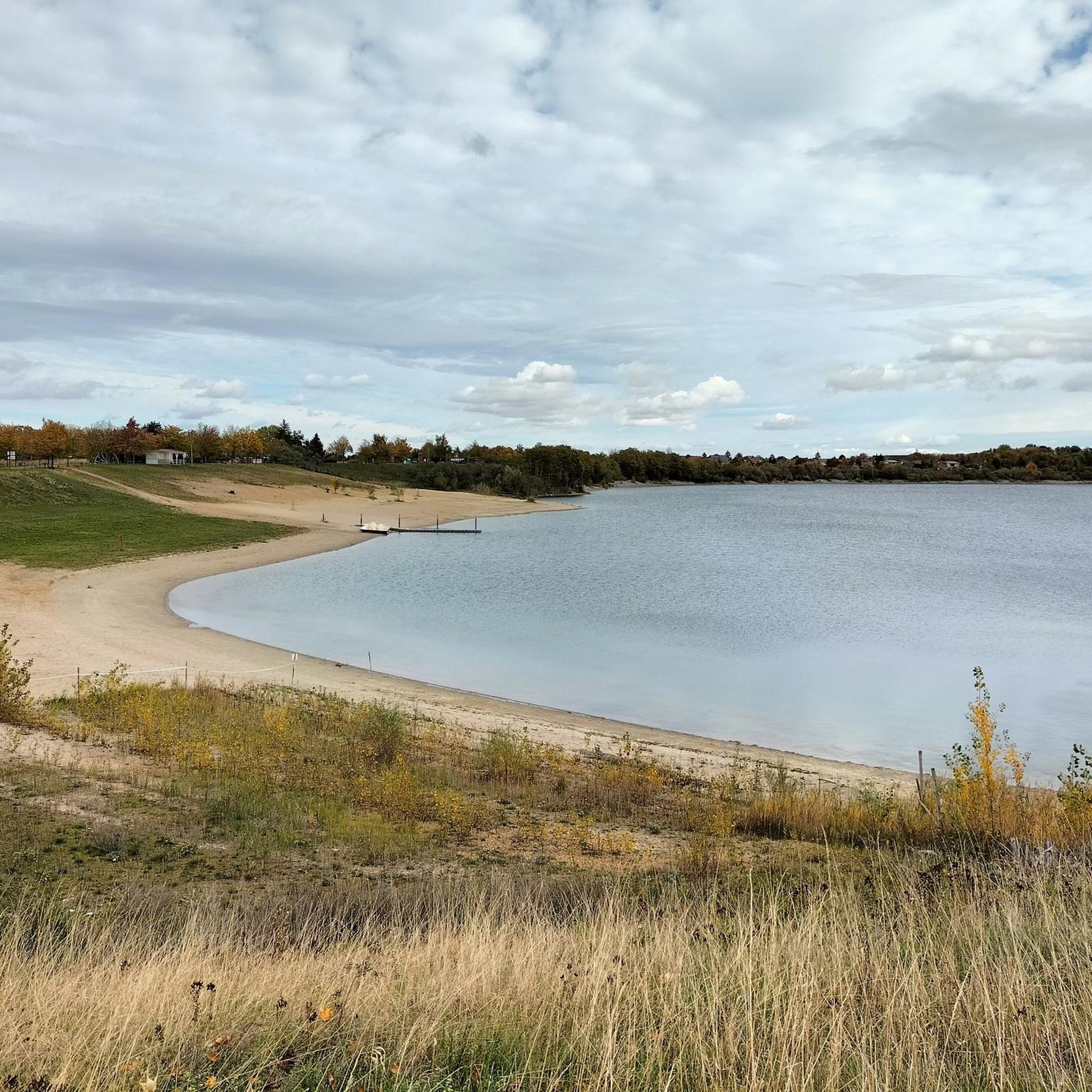
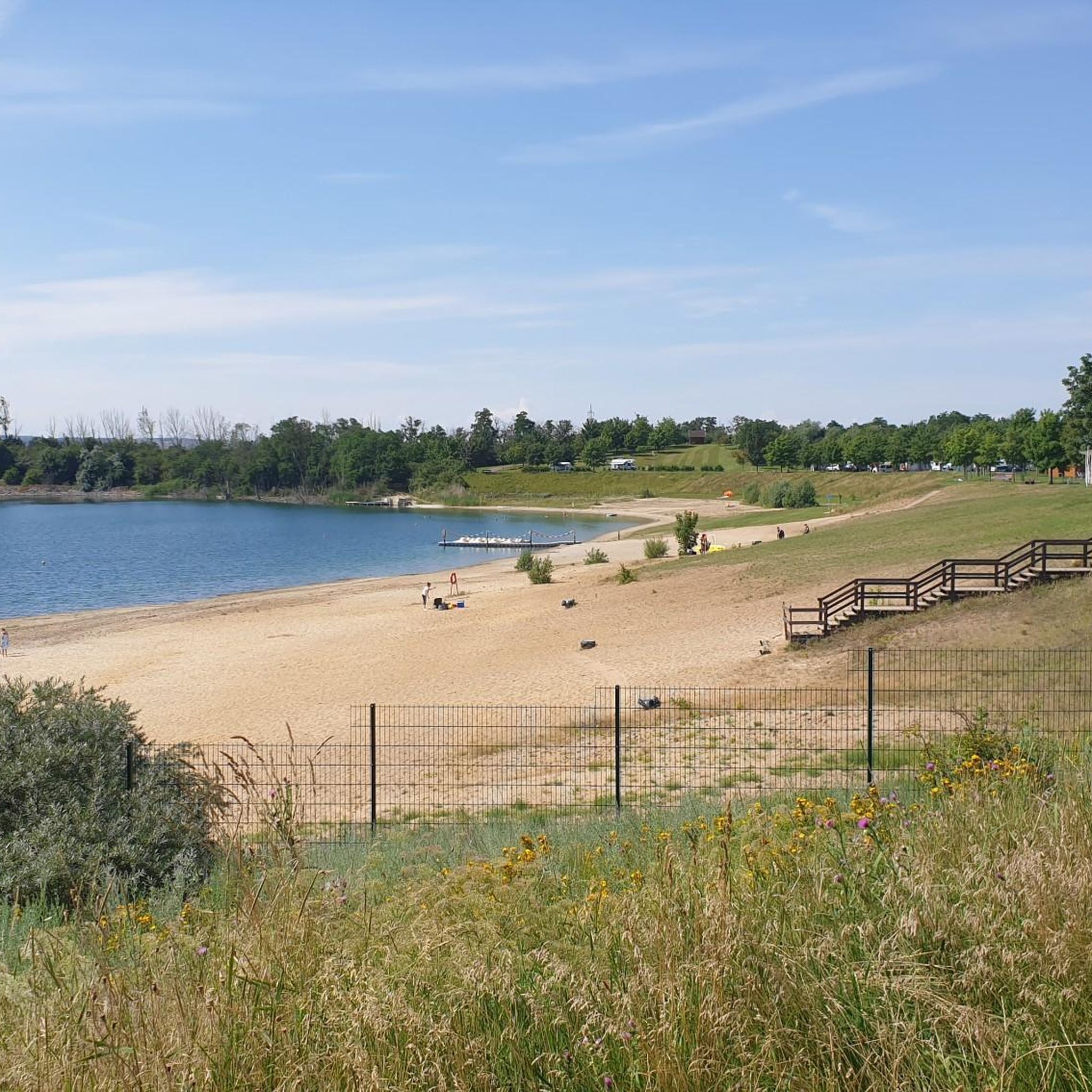
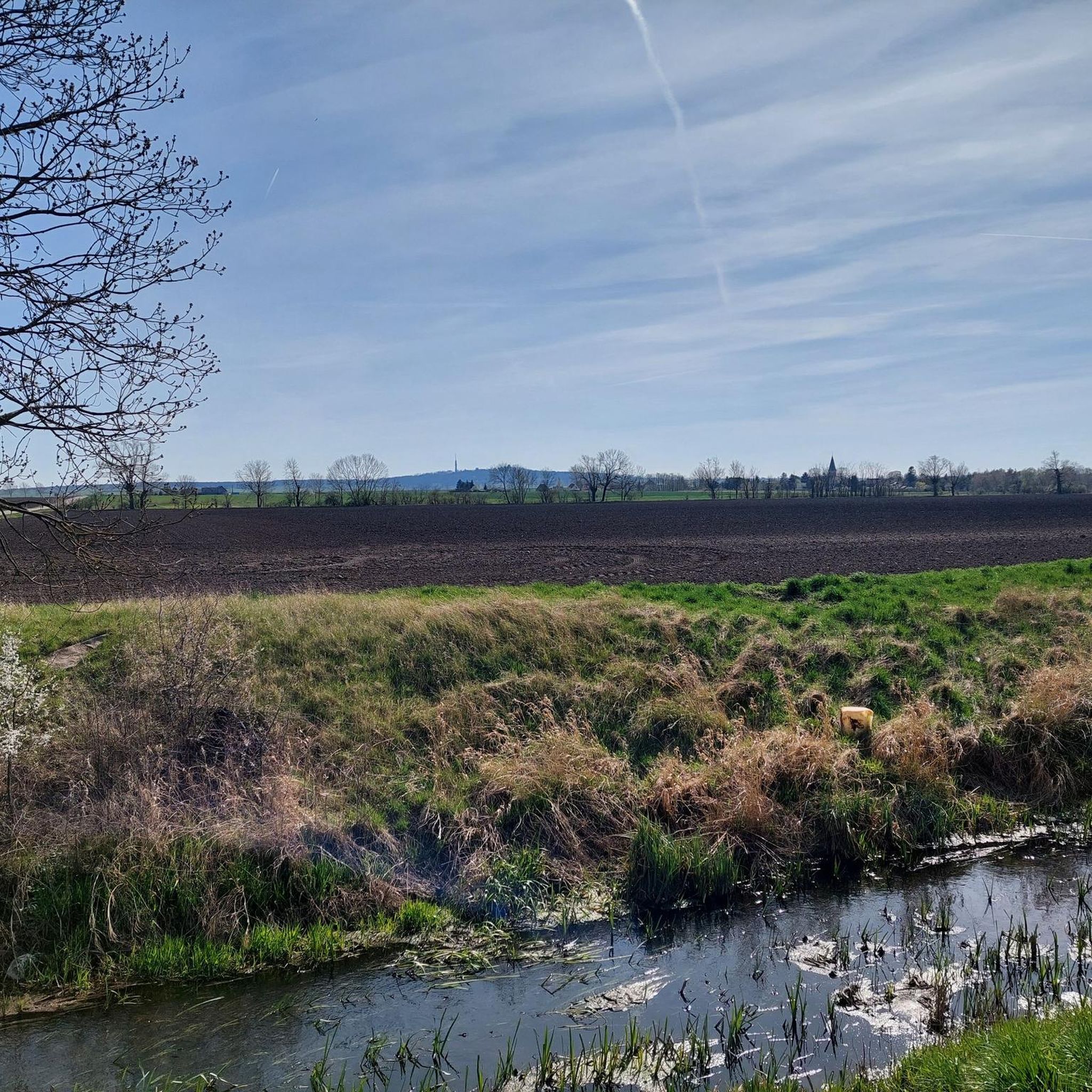
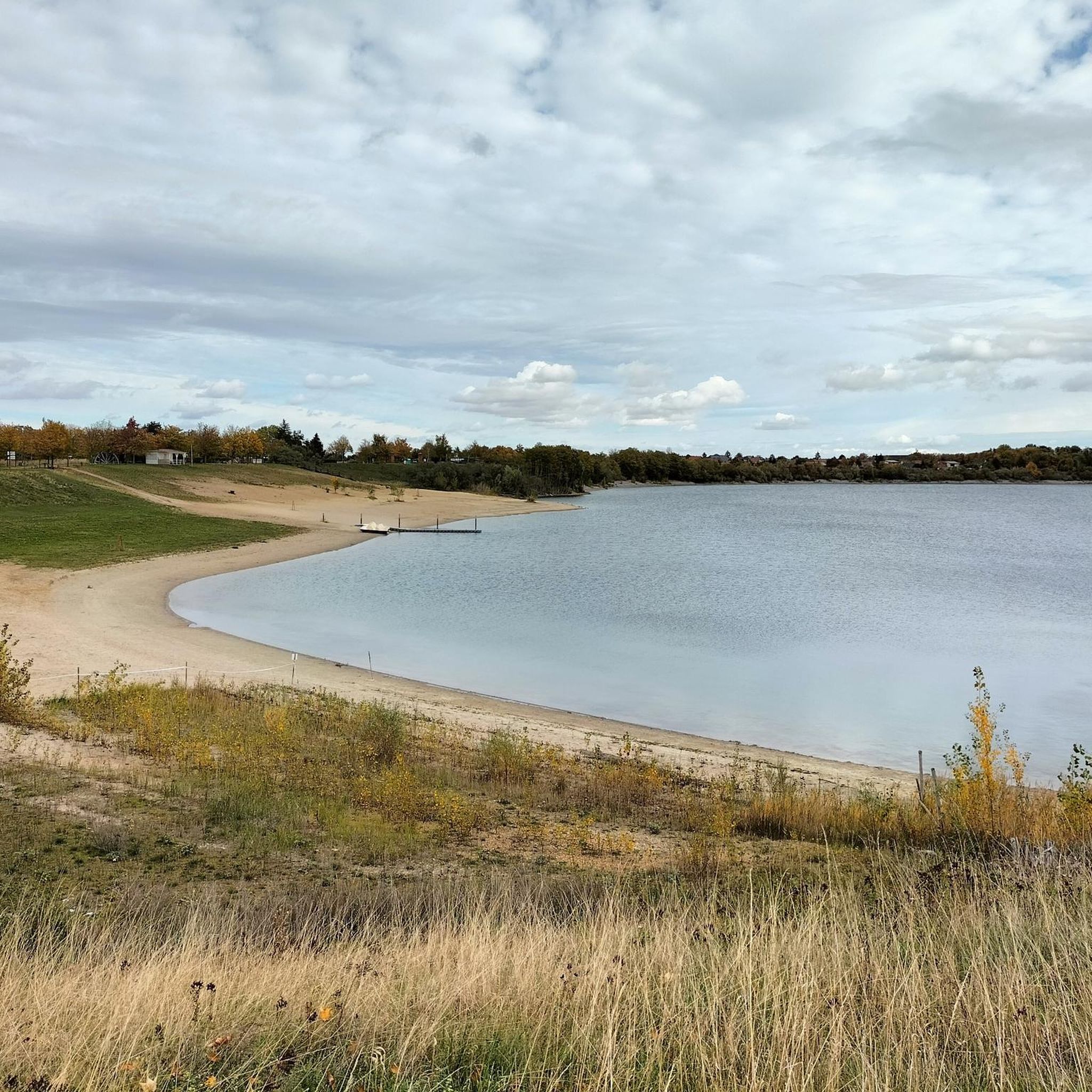
the Schlangenberg is a small peak at the Spittelwasser (small stream)
8
0
The ascent is worth it. A little below is the zoo
2
0
Magnificent all-round view of the surrounding area
0
0

The 2nd highest elevation at ⛰️ 250.5 meters above sea level in the Saale district after the Kahle Berg...
1
0
Below the animal enclosure is a refreshment stop
0
0

Nice view, with good visibility you can see the tooth in Leipzig
1
0
Frequently Asked Questions
What are the most notable peaks around Südliches Anhalt?
While Südliches Anhalt itself features more modest elevations, the most prominent peak directly within the area is Petersberg. It's known for its historical significance and panoramic views. Another smaller, family-friendly option is Schlangenberg.
What makes Petersberg a significant peak to visit?
Petersberg is significant for its combination of natural beauty, historical depth, and cultural importance. Visitors particularly enjoy the Petersberg Monastery and Collegiate Church of St. Peter and the Monastery Ruins, which offer a glimpse into the region's past. The summit also provides rewarding views.
Are there historical sites on or near the peaks in Südliches Anhalt?
Yes, Petersberg is rich in history. You can explore the Petersberg Monastery and Collegiate Church of St. Peter, which is still active, and the atmospheric Petersberg Monastery Ruins. These sites offer insights into the region's religious and architectural heritage.
What kind of views can I expect from the peaks?
From Petersberg, you can expect panoramic vistas of the surrounding landscape. Visitors often praise the rewarding views after the climb. Schlangenberg also offers pleasant viewpoints, particularly of the Spittelwasser stream area.
Are there family-friendly options for visiting peaks around Südliches Anhalt?
Absolutely. Both Petersberg and Schlangenberg are considered family-friendly. Petersberg offers historical sites and views that can engage various ages, while Schlangenberg is a smaller peak suitable for easier outings.
What outdoor activities can I do near the peaks around Südliches Anhalt?
The region around Südliches Anhalt offers a variety of outdoor activities. You can find numerous hiking trails, including easy to moderate routes, as well as options for mountain biking and touring bicycle rides. For detailed routes, explore guides like Hikes from bus stations around Südliches Anhalt, MTB Trails around Südliches Anhalt, and Traffic-free bike rides around Südliches Anhalt.
Are there hiking trails near Petersberg?
Yes, there are several hiking opportunities around Petersberg. The ascent to the summit is a popular route, and the area offers trails that allow you to explore the monastery, ruins, and surrounding nature. You can find various routes in the broader region, including those accessible from bus stations, in the Hikes from bus stations around Südliches Anhalt guide.
What is the best time to visit the peaks in this region?
The best time to visit the peaks around Südliches Anhalt generally depends on your preferred activity. Spring and autumn offer pleasant temperatures for hiking and cycling, with beautiful foliage in the fall. Summer is ideal for longer days and warmer weather, while winter can provide a unique, serene experience, though some trails might be more challenging due to snow or ice.
Where can I find more prominent mountain experiences near Südliches Anhalt?
For more prominent mountain experiences, you'll need to venture slightly further to the Harz Mountains, which are part of Saxony-Anhalt. Here, you'll find the highest peak in Northern Germany, the Brocken (1,141 m), known for its unique microclimate, historic steam railway, and panoramic views. Other significant peaks in the Harz include Heinrichshöhe and Königsberg, though access to their summits might be restricted due to national park regulations.
What natural features characterize the Harz Mountains near Südliches Anhalt?
The Harz Mountains, while not directly in Südliches Anhalt, are the closest significant mountain range. They are characterized by dense forests, granite rock formations, and a subalpine microclimate at higher elevations like the Brocken. The Harz National Park protects much of this natural beauty, featuring dwarf shrub heathland and diverse flora and fauna. You can find more information about the region at saxony-anhalt-tourism.com.
Are there any unique natural formations or landmarks on Petersberg?
Near Petersberg, a notable natural feature is the Goethebruch, a former quarry in the quartz porphyry of the Petersberg, which is worth a detour. The mountain itself, with its distinct elevation, serves as a significant landmark in the flat landscape of the region.
Most popular routes around Südliches Anhalt
Most popular attractions around Südliches Anhalt

Get inspired with the komoot mobile app


Explore more
See even more amazing summits around Südliches Anhalt with these guides:
