The 3 Most Amazing Peaks around Dreis
Best mountain peaks around Dreis are characterized by the Vulkaneifel's distinctive volcanic landscape, featuring maars and undulating hills rather than towering, jagged peaks. This unique geological history provides numerous elevated points offering expansive views and outdoor opportunities. The region's elevated points are integral to the Vulkaneifel's appeal, showcasing unique volcanic scenery and rich historical sites. These sites provide panoramic views of the maars and surrounding forested hills.
Best mountain peaks around Dreis
- The most popular mountain peaks is Kellerberg Observation…
Last updated: August 21, 2026
Kellerberg Observation Tower
Highlight • Viewpoint
Translated by Google •
Tip by

Neuerburger Kopf 🌄🏔️🤓 #homehill #summit 🚵♂️🏃♂️❤️
Highlight • Viewpoint
Translated by Google •
Tip by

Sign up now to discover places like this
Get recommendations on the best single tracks, peaks, & plenty of other exciting outdoor places.
Sign up for free
Alpine meadow Scheuerhof 🐄🐷🌄❤️
Highlight • Viewpoint
Translated by Google •
Tip by

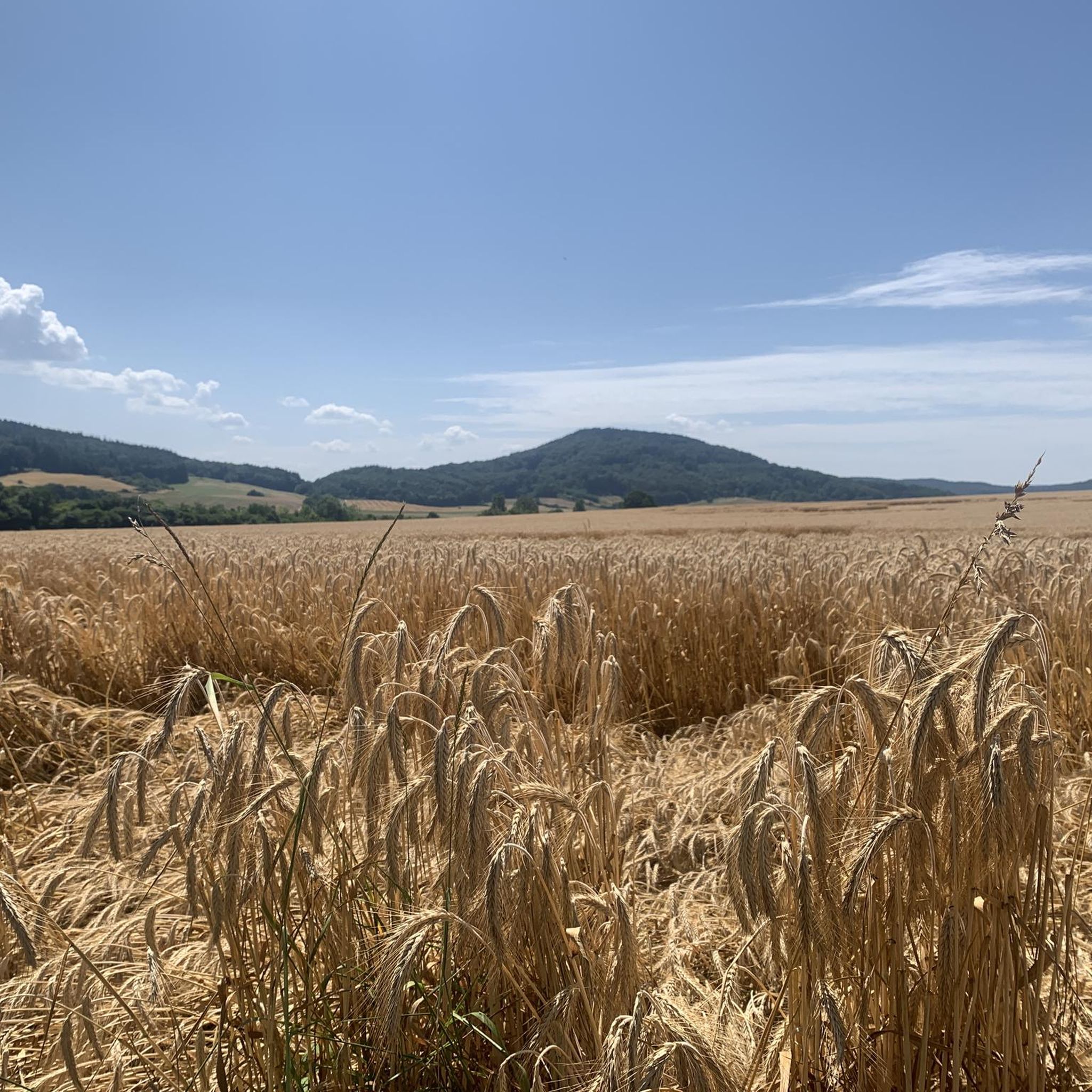
View of Erbeskopf, Highest Peak in Rhineland-Palatinate
Highlight • Viewpoint
Translated by Google •
Tip by

Start today with a free account
Your next adventure awaits.
Login or Signup
Other adventures around Dreis

Tips from the Community

The Neuerburger Kopf is a volcano that became extinct 10 million years ago. There is a shelter on the summit. Below the summit, there is a place of prayer (cross) in nature.
0
0

Perfect spot for a circular hike up Neuerburger Kopf. You can see goats, sheep, pigs, and the large herd of cattle from the Scheuerhof farm all around. A lovely savannah feeling! ❤️
1
0
Trail up to the cross, then a final sprint and then back down the wide path with the great view. Fun! 🌄🏃♂️📯
1
0

You have to know it, otherwise you won't notice it. The mountain is quite far away.
1
0

Great to ride up on a mountain bike. But it's better to push the last 10m
2
0

The volcanic cone was formed 108 million years ago. Magma penetrated the Devonian sandstone layers and solidified below the earth's surface. This passage or chimney made of hard basalt protected the surrounding sandstone from erosion, leaving the conical shape of the Neuerburger Kopf, which is still clearly visible today. Classified as belonging to the Cretaceous period, the Neuerburger Kopf and the neighboring Lüxeberg are the oldest volcanic features in the Eifel. The Neuerburger Kopf was formerly called Merkuriusberg (Mercurius, Roman god of trade). The former name is explained by the Roman trade and military roads that crossed next to it. The current name refers to a castle. Archbishop Albero (1131-1152) had a "novum castrum" (= new castle) built, which was completed in 1168 by Archbishop Hillin and expanded by Archbishop Henry II (1260-1286). The castle was used primarily to collect customs duties on the neighboring trade route and was one of the seven castles of the Electorate of Trier, along with Manderscheid, Arras, Saarburg, Grimburg, Welschbillig and Ehrenbreitstein. The last inhabitants of Hatzdorf, which had been ravaged by the plague and abandoned, settled under the protection of the castle and founded the village of Neuerburg. Neuerburg Castle was most likely destroyed in 1689 by the French Marshal François de Créquy, who also had Wittlich destroyed from Mont Royal. Today only a few remains of the walls can be found.
2
0

The tower is still closed, a decision on how to proceed has not yet been made. Hikes through the eventful Meulenwald, even without climbing the tower, are always recommended.
1
0

The ski slope is clearly visible
0
1
Frequently Asked Questions
What are the most notable elevated points or 'peaks' in the Dreis region?
The Dreis region, part of the Vulkaneifel, features several elevated points offering unique views and experiences. Key highlights include the historic Freudenkoppe Castle Ruins, the Kellerberg Observation Tower, the Dronke Tower on Mäuseberg, the Dietzenley Observation Tower, and the ancient Neuerburger Kopf. Ernstberg is also significant as the highest volcano in the Western Eifel.
What kind of views can I expect from the elevated points in Dreis?
From many elevated points, you can expect sweeping panoramic views of the Vulkaneifel's distinctive landscape. This often includes the 'blue eyes of the Eifel' – the picturesque maars (volcanic lakes) like Gemündener Maar, Weinfelder Maar, and Schalkenmehrener Maar, as well as rolling forested hills and basalt formations. The Kellerberg Observation Tower, for instance, offers excellent views on a clear day.
Are there any historical sites among the peaks in the Dreis area?
Yes, several elevated points in the Dreis region are rich in history. The Freudenkoppe Castle Ruins, perched on a basalt cone, date back to the 14th century. The Dietzenley Observation Tower site was once a Celtic settlement around 2,500 years ago. Additionally, the Neuerburger Kopf once hosted a robber baron's castle and has a history stretching back 108 million years as a volcanic feature.
What are the best mountain peaks for families with children in the Dreis region?
For families, the Alpine meadow Scheuerhof is a great starting point for a circular hike, offering a 'savannah feeling' with farm animals. While the View of Erbeskopf is a distant viewpoint, it's generally accessible for families. Many trails leading to viewpoints are suitable for family outings, though some ascents can be moderate.
What outdoor activities can I do near these mountain peaks?
The Vulkaneifel region around Dreis offers a dense network of well-signposted trails for various outdoor activities. You can enjoy hiking on routes like the 'Pillory cross at the village well – Dreis Orchid Trail' or the 'Dreis Orchid Trail – Werthelstein Rock Formation loop'. There are also running trails and road cycling routes available. For more details on hiking, visit the Hiking around Dreis guide.
Are there challenging hikes to any of the peaks?
Yes, for those seeking a more challenging experience, Ernstberg, as the highest volcano in the Western Eifel, presents a rewarding hike. While its summit is densely forested, its slopes feature fascinating rock formations. The climb to Freudenkoppe Castle Ruins can also be challenging but offers great rewards.
What is the best time of year to visit the peaks around Dreis?
The Vulkaneifel region is beautiful year-round. Spring and autumn offer pleasant temperatures for hiking and vibrant natural scenery. Summer is also popular, especially for enjoying the maars. While winter hiking is possible, some trails might be more challenging due to weather conditions. Always check local weather forecasts before your visit.
Can I find any unique geological features near the peaks?
Absolutely. The entire Vulkaneifel region is a geological marvel. You'll find maars (volcanic lakes), basalt cones, and unique rock formations, especially on the slopes of Ernstberg. The Neuerburger Kopf itself is a 108-million-year-old volcanic cone made of sandstone and basalt, showcasing the region's ancient volcanic past.
Are there any easy hiking trails to viewpoints in the Dreis area?
Yes, there are several easy hiking options that lead to scenic viewpoints. For example, the 'Pillory cross at the village well – Dreis Orchid Trail loop' is an easy hiking route. Many paths around the maars also offer gentle ascents to viewpoints, providing accessible ways to enjoy the landscape.
What makes the Dreis region's 'mountain peaks' unique compared to other mountain ranges?
The 'mountain peaks' in the Dreis region are unique due to their volcanic origin. Unlike jagged alpine ranges, these are primarily elevated points, basalt cones, and hills formed by ancient volcanic activity, often featuring maars (volcanic lakes) in their vicinity. This geological history creates a distinct landscape found nowhere else in Germany, offering a blend of natural beauty, panoramic views, and rich historical context.
Are there options for running or cycling near the peaks?
Yes, the area around Dreis is well-suited for running and cycling. You can find various running loops, including a 'Running loop from Dreis'. For cyclists, there are numerous road cycling routes, such as the 'Mosel-Maare Cycle Path' which offers moderate to difficult options. For more information, check the Running Trails around Dreis guide and the Road Cycling Routes around Dreis guide.
Most popular routes around Dreis
Most popular attractions around Dreis

Get inspired with the komoot mobile app


Explore more
See even more amazing summits around Dreis with these guides:
