Top 5 Castles around Kobiór
Best castles around Kobiór are situated in Silesia, Poland, an area characterized by its historical significance and natural landscapes. The region features a blend of architectural styles, including English Neo-Gothic and French Baroque, reflecting centuries of aristocratic influence. Kobiór is located near Lake Paprocańskie and dense forests, offering a tranquil environment. This area provides opportunities to explore historical sites and enjoy nature.
Best castles around Kobiór
- The most popular castles is Pszczyna Castle, a castle that was rebuilt in…
Last updated: June 18, 2026
Pszczyna Castle
Highlight • Castle
Translated by Google •
Tip by

Promnice Hunting Palace
Highlight • Castle
Translated by Google •
Tip by
Sign up now to discover places like this
Get recommendations on the best single tracks, peaks, & plenty of other exciting outdoor places.
Sign up for free
Gate of the Chosen (Brama Wybrańców)
Highlight • Monument
Tip by

View of the Hunting Lodge in Promnice
Highlight • Viewpoint
Translated by Google •
Tip by

Start today with a free account
Your next adventure awaits.
Login or Signup

Tips from the Community

The combination of English Neo-Gothic architecture with Swiss-style architecture produced a remarkable effect. The palace, built of brick and wood, has three stories. The octagonal tower is topped with a pointed dome. The building's form is embellished by numerous bay windows, attics, and turrets. The interior is highly ornate, with intricately carved paneling, stained-glass windows, and paintings making an impression. A spiral staircase in the vestibule attracts attention, while a tiled stove in the Fireplace Room displays hunting trophies. Hunting trophies hang on the walls. In front of the palace stands a historic sculpture of St. Hubert, the patron saint of hunters. After being converted into a hotel, the hunting lodge has regained its former glory. Noma Hotel Residence is undoubtedly one of the most beautiful properties of its kind in Poland. This reputation is all the more justified by the hotel's charming location – it is surrounded by a park and the waters of Lake Paprocańskie. For more information, please visit here... https://www.slaskie.travel/poi/3132/palacyk-mysliwski-w-promnicach
1
0
Promnice takes its name from the Promnitz family – Silesian nobility who ruled the Pszczyna estate from the mid-16th to the mid-18th century. After their death, the estate passed into the hands of the Anhalt family. It was a member of this family who built the first hunting lodge in the Pszczyna Forest. However, the time of greatest prosperity came with the takeover of Pszczyna by the Hochberg family, aristocrats considered part of the elite of the German Reich.
1
0

former hunting lodge of the Hochberg family, designed by court architect Olivier Pavelt
0
0

The castle guards were called "wybrańcy" (the chosen ones) because they were selected by the Promnitz family from among peasants in their territories, and they continued to guard the castle until 1875
2
0
Gate of the Chosen, built in 1687, is the oldest preserved part of the castle complex in its original form and served as the main entrance to the castle grounds. Constructed by builder Consilio Milius for castle owner Baltazar Promnitz, it replaced a 15th-century gatehouse with a drawbridge over the moat and housed quarters for castle guards. The gate features a stone portal with coats of arms of the Promnitz family and a Latin inscription containing a chronostich that reveals the construction date.
2
0

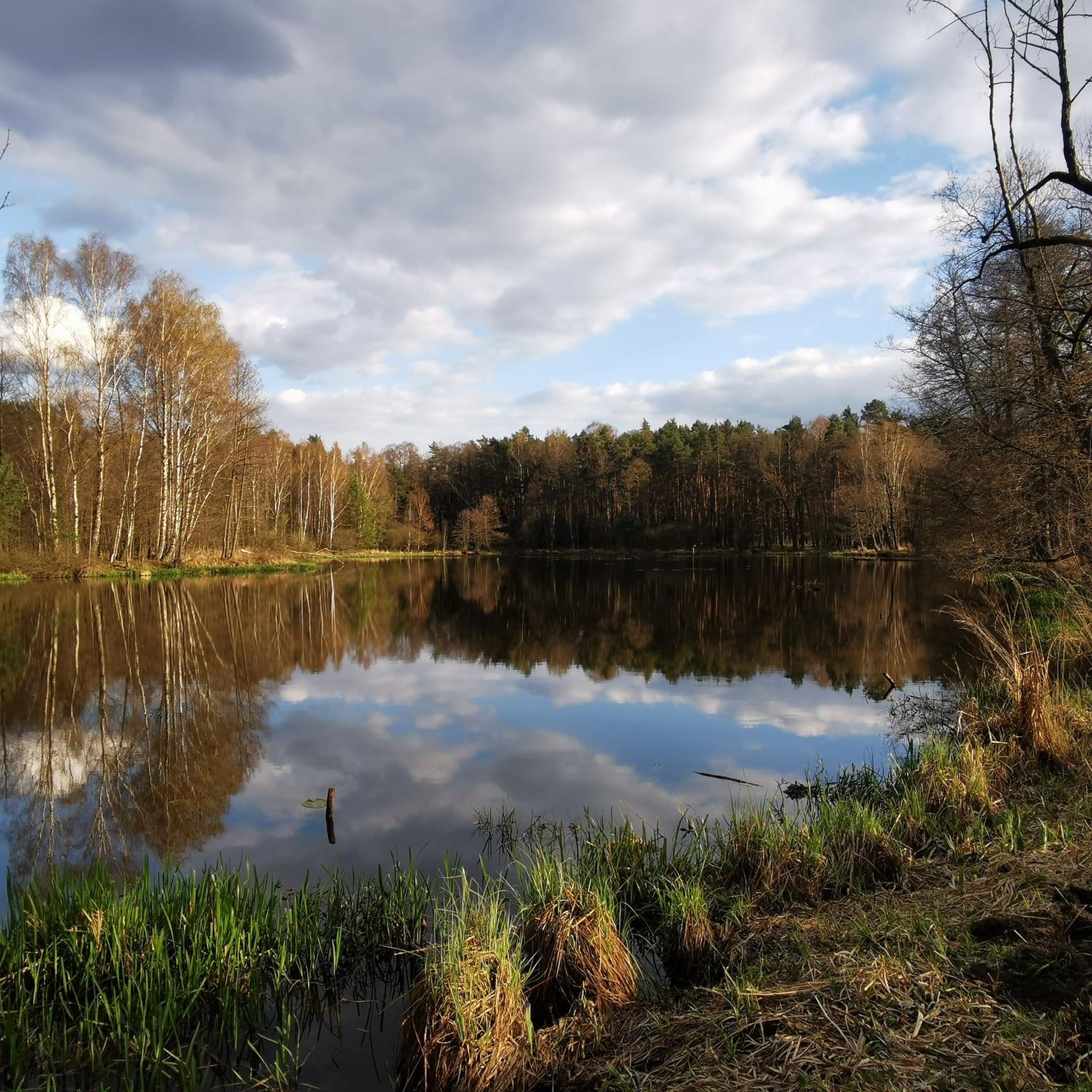
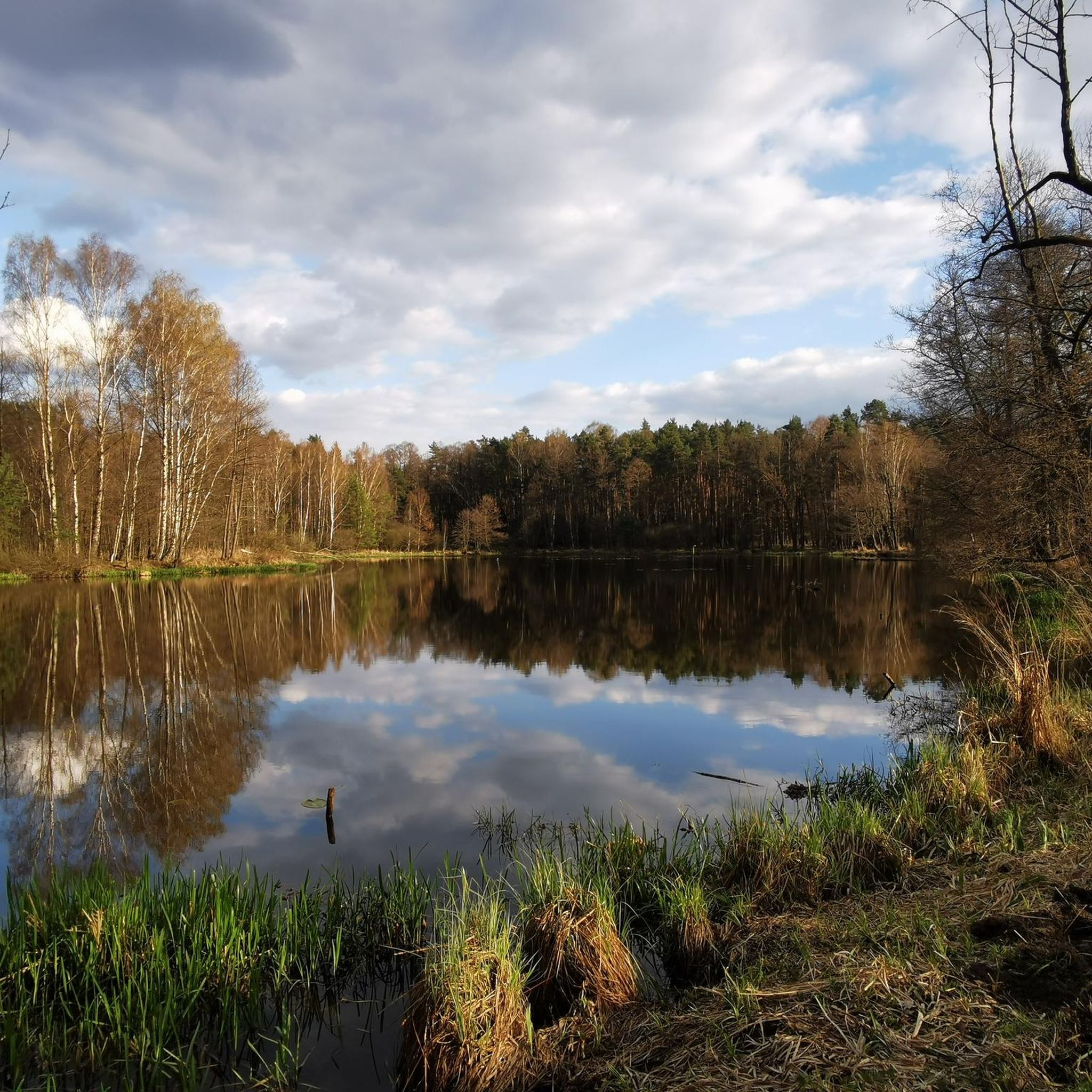
Beautiful view of Lake Paprocany and the Hunting Castle. I recommend
0
0

Beautiful palace of Hochberg family (owners of Książ / Fuerstenstein Castle)
0
0

Castle in Pszczyna - in fact, a palace, a former magnate residence in Pszczyna (German: Pless) in Upper Silesia, which was built on the site of a defensive Gothic castle from the early 15th century[2], probably built on the site of an earlier fortification. The castle was then rebuilt in the 16th century in the Renaissance style, in the 18th century in the Baroque style, and again in the 19th century in the French Baroque style from the time of Louis XIII. In the Middle Ages, it was owned by, among others, the Dukes of Opole-Racibórz, the Dukes of Opava and the Dukes of Cieszyn. In the years 1548–1765 it belonged to the Silesian Promnitz family, from 1765–1847 to the princes of Anhalt-Köthen-Pless, and from 1847 to the princes Hochberg von Pless of Książ. In the years 1870–1876, they rebuilt the castle, as a result of which it acquired its current architectural shape in the neo-baroque style. Source: Wikipedia
2
0
Frequently Asked Questions
What architectural styles can I expect to see in the castles around Kobiór?
The region showcases a blend of architectural styles. For instance, the Promnice Hunting Palace is a notable example of English Neo-Gothic with German influences and Swiss-style details. Pszczyna Castle, on the other hand, was rebuilt in the 19th century in the French Baroque style.
What is the history behind the Promnice Hunting Palace?
The Promnice Hunting Palace was originally built in 1861 for Jan Henryk XI Hochberg, Duke of Pszczyna. It served as a grand hunting lodge for the Hochberg family, hosting esteemed guests like King Wilhelm I of Prussia and German Emperor Wilhelm II. Its lavish interiors, largely unaltered, reflect its rich aristocratic past.
Are there other historical structures besides castles in the area?
Yes, near Pszczyna Castle, you can find the Gate of the Chosen (Brama Wybrańców). Built in 1687, it's the oldest preserved part of the castle complex in its original form and served as the main entrance to the castle grounds.
Are the castles around Kobiór family-friendly?
Yes, both Pszczyna Castle and the Promnice Hunting Palace are considered family-friendly. The surrounding areas, like the park near Pszczyna Castle and the natural setting of Promnice, offer pleasant environments for families to explore.
What outdoor activities can I do near these castles?
The area around Kobiór and its castles offers various outdoor activities. You can enjoy gravel biking, running, and road cycling. For example, there are routes like the 'Pszczyna Castle – Pszczyna Castle Park loop' for gravel biking or 'Wild Beach loop' for running. You can find more details on these activities in the Gravel biking around Kobiór, Running Trails around Kobiór, and Road Cycling Routes around Kobiór guides.
Are there good viewpoints to see the castles?
Yes, there is a dedicated highlight called View of the Hunting Lodge in Promnice, which offers picturesque perspectives of the Promnice Hunting Palace and Lake Paprocańskie.
Can I stay overnight or dine at any of the castles?
The Promnice Hunting Palace operates as the Noma Residence hotel, allowing visitors to experience the charm of a 19th-century hunting lodge firsthand. It also features a restaurant where you can dine.
What is the best time of year to visit the castles around Kobiór?
The castles and surrounding natural areas are enjoyable throughout the year. Spring and autumn offer pleasant weather for exploring the grounds and nearby trails. Summer is also popular, though it can be warmer. Visiting in winter can provide a unique, picturesque experience, especially if there's snow.
Is parking available at the castles?
Yes, parking is available at Pszczyna Castle. For the Promnice Hunting Palace, parking is generally available for guests of the hotel and restaurant.
Are the castles accessible for visitors with mobility needs?
The Gate of the Chosen, part of the Pszczyna Castle complex, is noted as wheelchair accessible. For specific accessibility details regarding the interiors of Pszczyna Castle or Promnice Hunting Palace, it's advisable to check directly with the venues before your visit.
Can I bring my dog to the castle grounds or nearby trails?
While specific rules for castle interiors may vary, the surrounding natural areas and many trails around Kobiór are generally dog-friendly. For instance, the Pszczyna Castle Park often allows dogs on leashes. Always check local regulations and signage for specific areas, especially within protected parklands.
What do visitors appreciate most about the castles around Kobiór?
Visitors frequently appreciate the unique architectural styles, the rich history connected to European royalty, and the stunning natural settings. The picturesque location of the Promnice Hunting Palace on Lake Paprocańskie and the historical significance of Pszczyna Castle are often highlighted. The komoot community has shared over 340 photos and given more than 780 upvotes, reflecting a high level of appreciation for these sites.
Most popular routes around Kobiór
Most popular attractions around Kobiór

Get inspired with the komoot mobile app


