Attractions and Places To See around Vilar Maior - Top 8
Best attractions and places to see around Vilar Maior include a variety of historical sites, traditional villages, and natural landscapes. This historic village in Sabugal, Portugal, is characterized by its medieval charm and strategic border location. The region features ancient castles, river valleys, and cultural landmarks. It provides opportunities to explore Portuguese heritage and outdoor environments.
Best attractions and places to see around Vilar Maior
- The most popular attractions is Castelo Mendo Historic Village, a historical site that is…
Last updated: July 2, 2026
Castelo Mendo Historic Village
Highlight • Historical Site
Translated by Google •
Tip by

Aldeia da Ponte Stream
Highlight • Bridge
Translated by Google •
Tip by

Sign up now to discover places like this
Get recommendations on the best single tracks, peaks, & plenty of other exciting outdoor places.
Sign up for free
Alfaiates
Highlight • Castle
Translated by Google •
Tip by
Alfaiates River Beach
Highlight • Beach
Translated by Google •
Tip by
Freineda
Highlight • Settlement
Translated by Google •
Tip by
Sign up for free to discover even more attractions around Vilar Maior.
Sign up for free
Already have an account?
Start today with a free account
Your next adventure awaits.
Login or Signup
Other adventures around Vilar Maior

Tips from the Community

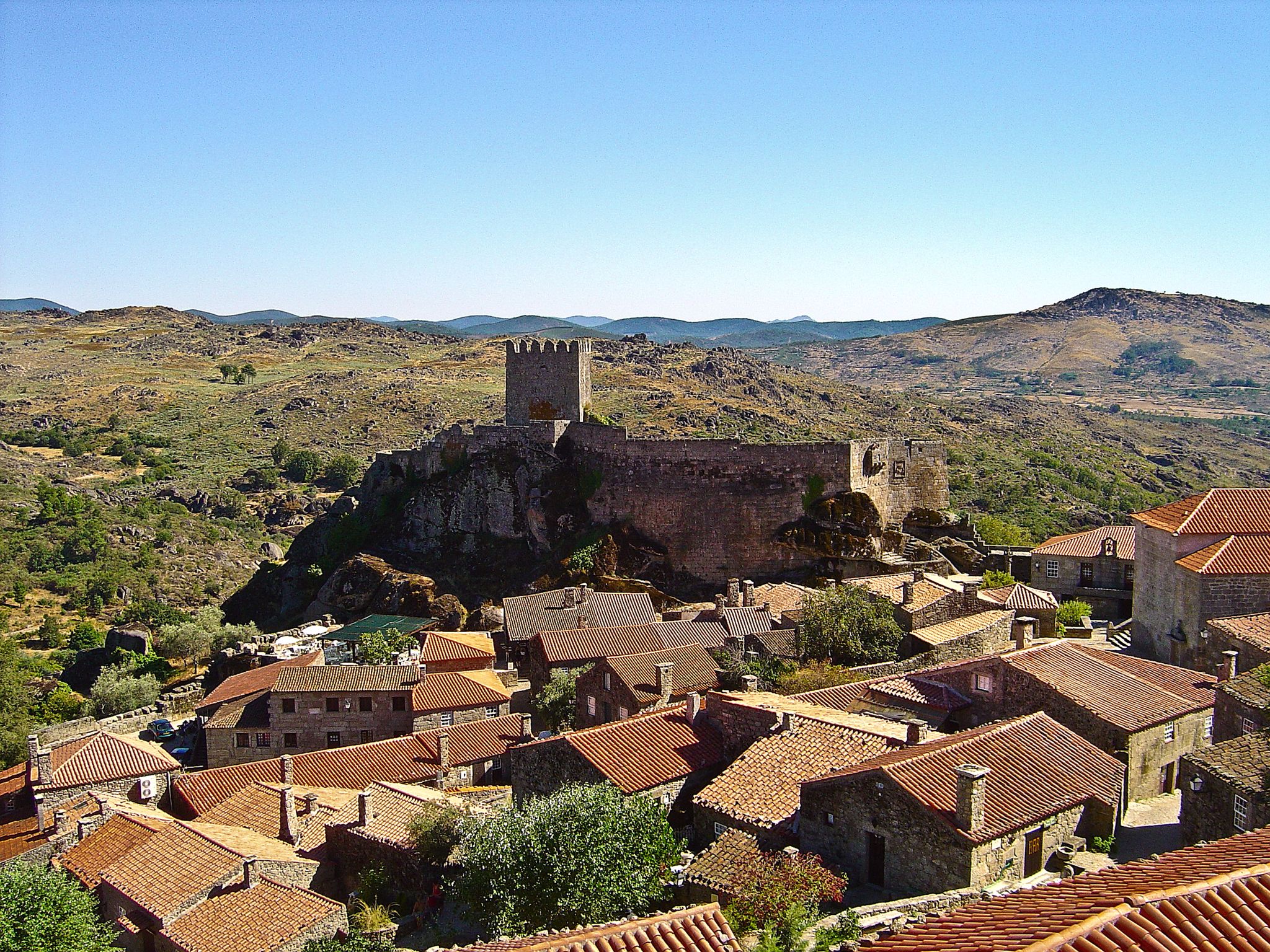
Castelo Mendo is a historic village with medieval roots, marked by two walls: the oldest, dating from the 12th century, surrounds the old town with its castle and the church of Santa Maria; the second, built by King Dinis in the 14th century, protected the Gothic suburb. The site was a living border between Portugal and León until the Treaty of Alcanices (1297), guarding strategic passages over the Côa River. At the entrance, two Vetón bellows, stone figures in the shape of wild boars, recall even more remote origins. Classified as a Property of Public Interest since 1984, Castelo Mendo today stands as a rare testament to the border region's history and Portuguese medieval splendor.
2
0
Freineda, a small border village, welcomed Lord Wellington between late 1812 and the spring of 1813, during the Peninsular War. In a stone house next to the church, the general established his headquarters, while the rest of the general staff dispersed to neighboring villages. Although described at the time as poverty-stricken, the village became the scene of major military decisions. Today, it remains modest and small, but keeps the memory of that time alive: on the facade of the house where Wellington lived, a plaque commemorates his visit.
2
0
Alfaiates holds centuries of history intertwined with the very formation of Portugal. Its castle, once called Castillo de la Luna (Moon Castle) because it seemed to touch the sky, was built in the 13th century and passed to Portuguese territory by the Treaty of Alcañices in 1297. Between charters, royal alliances, and battles, it was the scene of moments of glory and strategic defense, even withstanding the French invasions. Today, amid crumbling walls and living traditions like the capeia arraiana (a bullfight in which the bull is faced by 20 or 30 men who hold off its charges with a huge pitchfork), Alfaiates continues to reveal the charm of its legendary memory.
2
0
Opened in 2017, this river beach transformed the old dam, previously used for irrigation and fishing, into a leisure haven. The dam is fed by the Ribeira de Alfaiates, which flows until it flows into the Côa River. Surrounded by verdant slopes and trees that paint the landscape with vibrant colors, the beach features a lawn, sand, a bar with a terrace, and a picnic area. And for those seeking more activity: a soccer field, a playground, canoes, pedal boats, and even an area dedicated to group games. A nearby motorhome park completes the offerings.
3
0

Castelo Mendo is surrounded by a fortified wall with six medieval gates. Two wild boar sculptures stand to the left and right of the main entrance. The simple stone houses originally consisted of two floors. The ground floor housed livestock, while the upper floor served as a residential building. The extremely narrow streets made it relatively easy to defend the town, which was repeatedly a battlefield during the wars in which Portugal participated, especially against Spain.
2
2

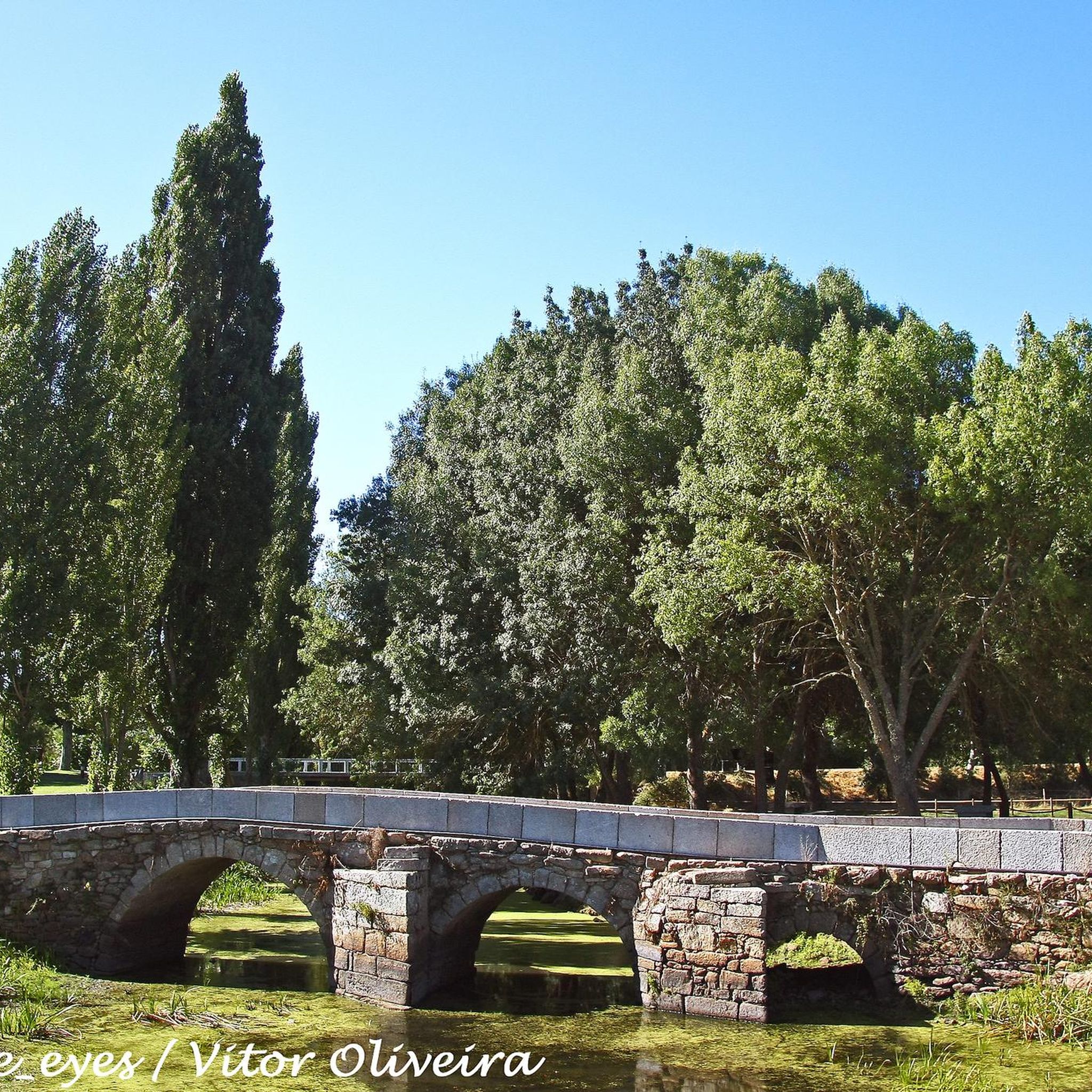
Wetland where a pond full of water appears with a beautiful bridge that crosses it. Nearby, there is the Chapel of Santo António, close to the road and small at the same time!
1
0
Frequently Asked Questions
What historical sites can I explore in and around Vilar Maior?
Vilar Maior is rich in history. You can visit the well-preserved Vilar Maior Castle, which offers extensive views and played a crucial role in Portuguese border defense. Don't miss the Castelo Mendo Historic Village, a medieval settlement with two fortified walls and ancient Vetón bellows sculptures. Another significant site is Alfaiates, known for its 13th-century castle and strategic importance. The village of Freineda also holds historical significance, having served as Lord Wellington's headquarters during the Peninsular War.
Are there any family-friendly attractions near Vilar Maior?
Yes, several attractions are suitable for families. The Alfaiates River Beach is a great spot, offering a lawn, sand, a bar, picnic area, soccer field, playground, canoes, and pedal boats. The Aldeia da Ponte Stream, with its pond and bridge, provides a tranquil setting for a family outing. Additionally, the historic village of Freineda is considered family-friendly, offering a glimpse into local history in a modest setting.
What natural features or outdoor spots can I discover in the Vilar Maior region?
The region boasts beautiful natural landscapes. The Cesarão River, an affluent of the Côa River, flows through Vilar Maior, featuring 'giant's kettles' in the rocks and areas of Pyrenean oak. You can also visit the Aldeia da Ponte Stream, a wetland with a picturesque pond and bridge. For relaxation and recreation, the Alfaiates River Beach offers a pleasant environment with facilities. The Vale Carapito Reserve – Rewilding Portugal, part of the Natura 2000 Network, is nearby for those interested in conservation and nature-based tourism.
Are there opportunities for hiking or cycling around Vilar Maior?
Absolutely! The Vilar Maior area is excellent for outdoor activities. You can explore various routes, including road cycling. For detailed road cycling routes, check out the Road Cycling Routes around Vilar Maior guide. A notable walking trail is the PR2 - Cesarão Valley, which allows you to immerse yourself in the natural beauty of the Cesarão River valley.
What is the Vilar Maior Castle and what can I see there?
The Vilar Maior Castle is a significant medieval fortress perched on an elevation, offering panoramic views of the Beira Interior landscape. It played a vital role as a border defense line. You can see sections of its original walls, remnants of the keep, and its granite construction. Archaeological findings suggest occupation dating back to the Neolithic, late Bronze Age, and Roman periods, making it a site of deep historical importance.
Where can I find unique cultural insights or local traditions in Vilar Maior?
Vilar Maior itself is one of the five medieval villages of Sabugal, offering a journey back in time with its narrow streets and preserved stone houses. The Vilar Maior Museum, housed in the former town hall, court, and prison, provides insights into the village's history, archaeology, and sacred art. You can also discover traditional gastronomy and unique local traditions that offer an authentic cultural experience of the region.
Are there any ancient or prehistoric sites in the area?
Yes, the region has ancient roots. Near the Vilar Maior Museum, you can find Gravuras Rupestres (Rock Engravings) on a granite slab, possibly dating back to the Middle Bronze Age (3500-4000 years ago), indicating early human settlement. The Vilar Maior Castle site also has evidence of Neolithic, late Bronze Age, and Roman occupation. Additionally, you can find Roman Fountains and Anthropomorphic Graves scattered throughout the area, offering further glimpses into the past.
What is the significance of Castelo Mendo Historic Village?
Castelo Mendo Historic Village is a rare testament to the border region's history and Portuguese medieval splendor. It features two sets of fortified walls, the oldest from the 12th century and a second built by King Dinis in the 14th century. The village guarded strategic passages over the Côa River and was a living border between Portugal and León. At its entrance, two ancient Vetón bellows sculptures recall even more remote origins.
Can I find any viewpoints or scenic spots in the Vilar Maior area?
For breathtaking views, the Vilar Maior Castle offers comprehensive panoramas of the surrounding Beira Interior landscape. Another excellent spot is the Panoramic Swing of Chão da Forca (Baloiço Panorâmico do Chão da Forca), which provides stunning vistas of the natural surroundings. The Aldeia da Ponte Stream is also noted as a viewpoint, offering picturesque scenery.
What is the Alfaiates River Beach like, and what facilities does it offer?
The Alfaiates River Beach, opened in 2017, transformed an old dam into a vibrant leisure area. It features a lawn, sand, a bar with a terrace, and a picnic area. For activities, there's a soccer field, a playground, canoes, pedal boats, and an area for group games. A nearby motorhome park completes the offerings, making it a well-equipped spot for a day out.
Are there any notable manor houses or unique architecture in Vilar Maior?
Vilar Maior is home to several impressive manor houses, known as Solares, some of which may date back to the 15th century. Examples include Solar dos Rebochos and Solar de Quevedo Pessanha. These historical residences contribute to the village's medieval charm and architectural heritage, showcasing the traditional building styles of the region.
What is the best time to visit Vilar Maior for outdoor activities?
While specific seasonal data isn't provided, the region's natural features like the Cesarão River and various trails suggest that spring and autumn would be ideal for outdoor activities. During these seasons, the weather is typically milder, making hiking, cycling, and exploring the historical sites more comfortable. Summer can be warm, but river beaches like Alfaiates River Beach offer refreshing options.
Most popular routes around Vilar Maior

Get inspired with the komoot mobile app


Explore more
Still not found the Highlight you’re looking for? See guides of the top attractions in other regions:
