The best gravel rides around Colmenar
33
riders
4
rides
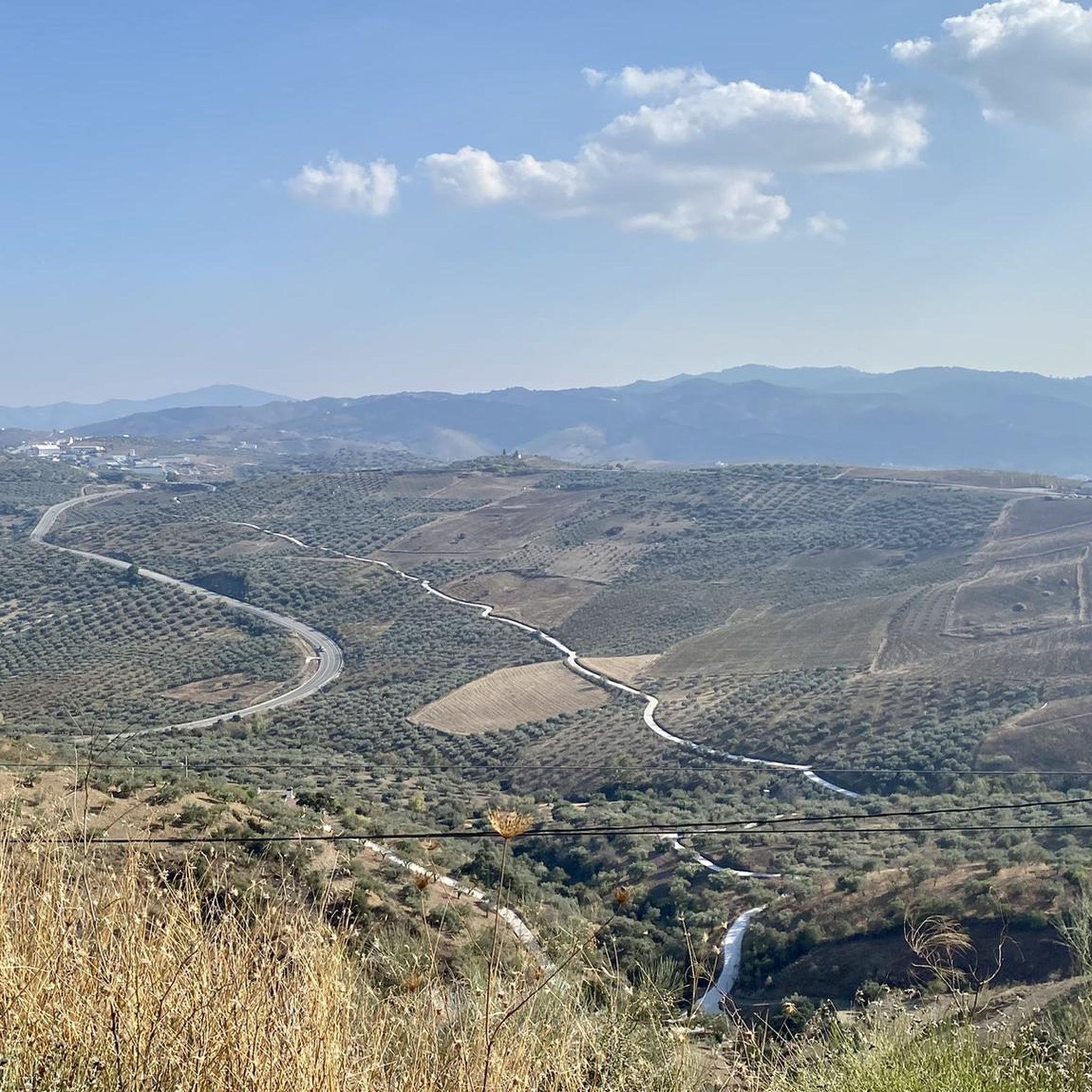
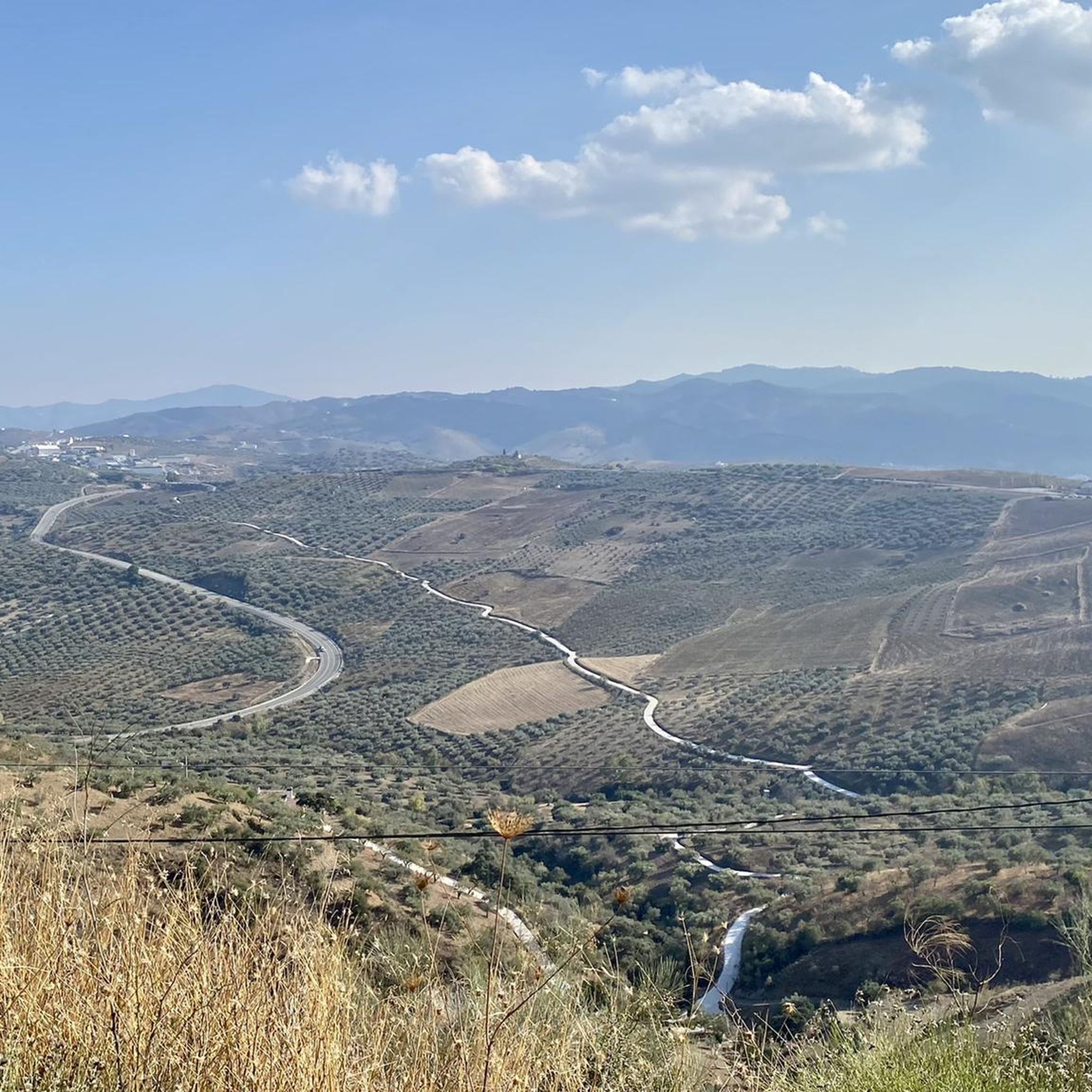
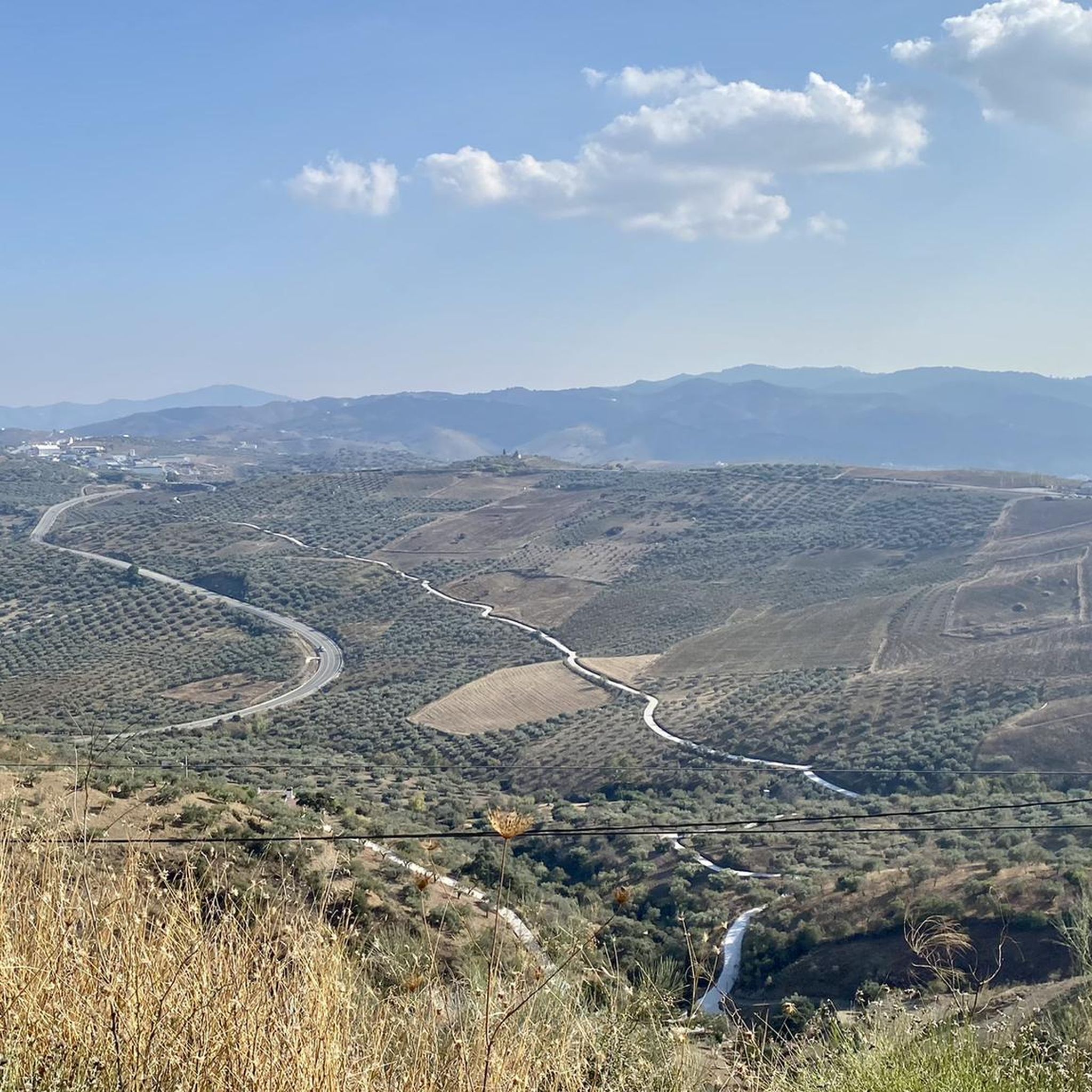
Gravel biking around Colmenar offers diverse landscapes and challenging terrain in the province of Málaga, Spain. The region features rugged scenery with a mix of paved and unpaved surfaces, providing significant elevation gains. Riders can explore areas characterized by pine woods, forest paths, and impressive cliffs, particularly within and around Montes de Málaga Natural Park. This varied environment makes Colmenar a destination for gravel cyclists seeking demanding routes.
Best gravel bike trails around Colmenar
- The most popular gravel bike trail…
Last updated: July 4, 2026
22
riders
Hard gravel ride. Very good fitness required. Mostly paved surfaces. Suitable for all skill levels.
7
riders
Hard gravel ride. Very good fitness required. Mostly paved surfaces. Suitable for all skill levels.

Sign up for free
2
riders
34.5km
02:37
720m
720m
Hard gravel ride. Very good fitness required. Mostly paved surfaces. Suitable for all skill levels.
2
riders
Hard gravel ride. Very good fitness required. Mostly paved surfaces. Suitable for all skill levels.
Our route recommendations are based on thousands of hikes, rides, and runs completed by other people on komoot.
Start today with a free account
Your next adventure awaits.
Login or Signup
Tips from the Community

Located in the Montes de Málaga, this restaurant is an ideal stop for cyclists exploring the region's mountain trails. The restaurant exudes a rustic, traditional atmosphere, with old tools, jerrycans, and platters evoking the area's agricultural past. The menu features hearty, typical regional dishes such as migas (a type of sausage), Plato de los Montes (a regional specialty), and meat and game dishes—perfect for refueling after a strenuous climb. From the terrace and windows, there are sweeping views of the surrounding mountains and valleys, making the break particularly worthwhile. Venta Galwey is therefore not only a place for good food but also for relaxation and enjoying the scenery during a cycling tour through the Montes de Málaga.
1
0
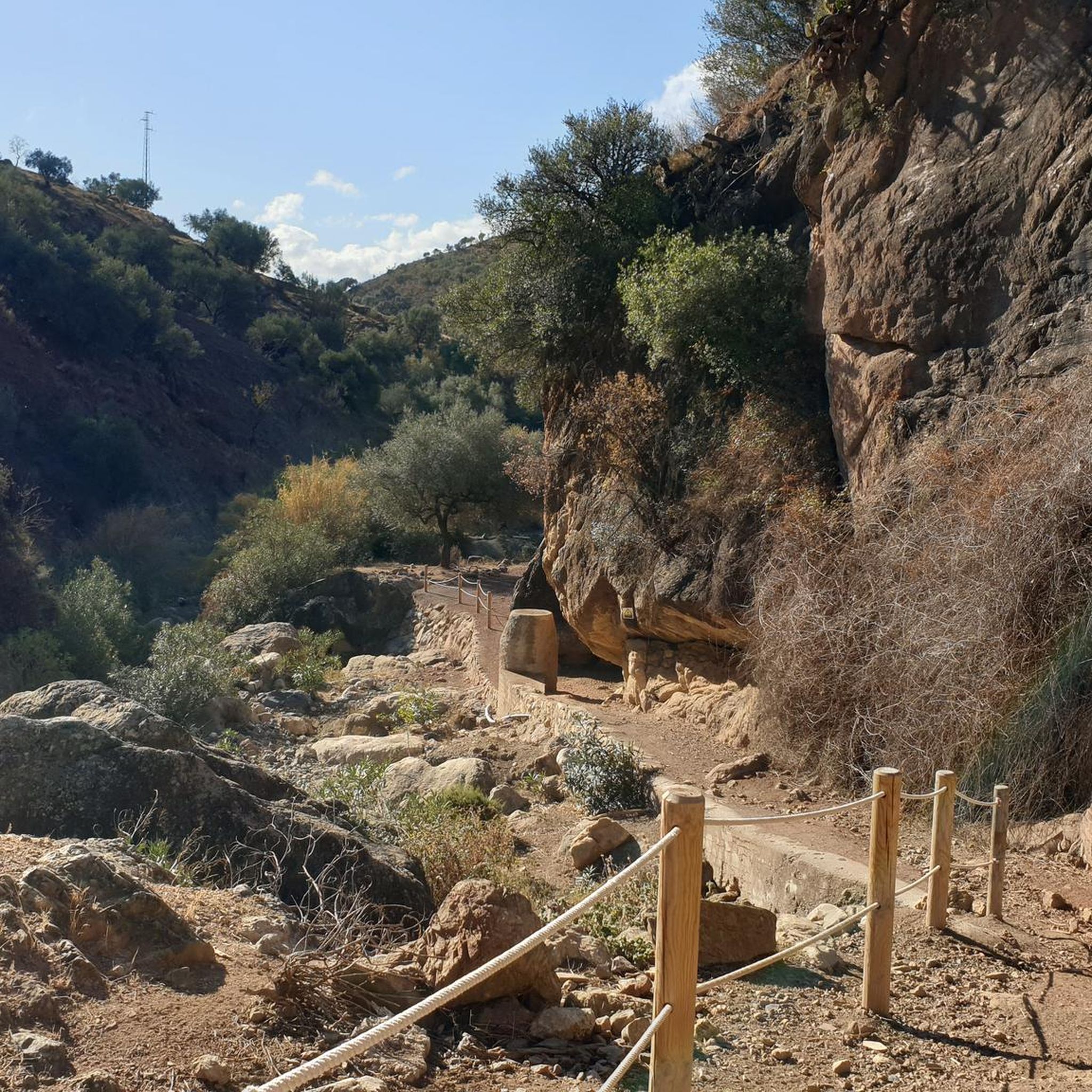
The monument near Colmenar is a stone memorial monolith commemorating José Campos Fontalba, a chief engineer of the province of Málaga. Constructed of roughly hewn natural stone, it takes the form of a stepped base with an inset cross. At its center is a recessed stone plaque bearing his name, profession, and a dedication. The monument stands at the roadside, surrounded by tall cypress trees, and is clearly visible from the road. It conveys the impression of a traditional, solid memorial, a common feature of the first half of the 20th century. Its simple, robust design and the use of local stone blend harmoniously into the landscape of the Montes de Málaga. Overall, it is a typical example of a Spanish road or engineering monument of that era, commemorating both an individual and the importance of public works in a mountainous region. Today, the monument stands as a silent historical witness by the roadside, preserving the memory of the technical and social development of this area.
1
0

I was there mid november and the fountain was empty...
0
1

I think he's referring to walking alone along the Torrijos Trail. Starting from the wine press, you reach the end of the trail and turn around. This trail is perfectly suitable for children and people who are not in very good physical shape, as there are no steep slopes and you can stop and rest in the areas with benches.
1
0

The route is definitely not intended for children and people with low physical fitness!!!
0
1


The Puerto de los Alazores is a mountain pass in the Sierra de San Jorge, in the province of Granada, close to the border with Málaga. This pass is located in the Cordillera Penibética and is approximately 1040 metres high. This pass was an important route in the past, especially during the journeys between Granada and Málaga. According to some sources, Ferdinand II of Aragon crossed here in 1487 to conquer Vélez-Málaga. In the area around the pass there are different types of trees, such as the pino carrasco, elms and pino resinero. It is also the place where the Guadalhorce River rises.
7
0
In Alfarnate, La Venta de Alfarnate dates back to the 13th century, and is considered the oldest in Andalusia. Due to the numerous stories and legends surrounding it, it is considered a true popular monument, and it is not for nothing that it now houses the Museum of Andalusian Banditry. All kinds of people and all social classes have passed through here: muleteers, black marketeers, bandits, even King Alfonso XIII and Saint Joseph of Calasanz, not to mention artists, painters, and more. La Venta de Alfarnate remains faithful to its principles, its mystery, and its romantic magic. Its cuisine is fundamentally based on Andalusian mountain and country cuisine, with notable dishes including Alfarnate crumbs, eggs a lo bestia (roasted eggs), garlic goat, fried lamb blood sausage with tomatoes, and scrambled eggs with anise porridge.
7
0
Frequently Asked Questions
What is the typical terrain and difficulty for gravel biking around Colmenar?
Gravel biking around Colmenar offers a challenging experience with diverse terrain. You'll encounter a mix of paved and unpaved surfaces, significant elevation changes, and routes through pine forests, dry riverbeds, and long ridgelines. The area is known for its demanding ascents and technical descents, particularly within the Montes de Málaga Natural Park. All routes listed in this guide are considered difficult, requiring very good fitness.
What natural features or landmarks can I expect to see on gravel rides in Colmenar?
The region is rich in natural beauty. You can expect to see varied landscapes including pine forests, ancient olive groves, and impressive cliffs, especially around areas like Alfarnatejo. Many routes offer panoramic views from mountain passes such as Puerto del Sol (1085 m) and Puerto de Sábar. You might also encounter features like the Santillana Reservoir and greenways converted from old train tracks.
Are there specific viewpoints worth visiting along the gravel trails?
Absolutely. The region is known for its breathtaking vistas. The Climb to Puerto del León from Málaga offers significant elevation gain and spectacular views of Málaga and the sea. The Puerto del León Descent also provides stunning panoramic views. Additionally, the Ermita de la Candelaria, though not directly on a trail, offers beautiful views of the surrounding mountain ranges.
What is the best time of year for gravel biking in Colmenar?
The region's climate makes it suitable for gravel biking for much of the year. However, spring (March to May) and autumn (September to November) generally offer the most pleasant temperatures and conditions, avoiding the intense heat of summer and potential cooler, wetter weather in winter. Always check local weather forecasts before heading out.
Where can I park my car when starting a gravel bike ride in Colmenar?
While specific parking areas for each route are not detailed, Colmenar and its surrounding villages typically offer public parking options. For routes starting from specific points like Venta Galwey or Villanueva del Trabuco, you can often find parking in or near these small towns. It's advisable to check local parking availability for your chosen starting point.
Is Colmenar accessible by public transport for cyclists?
Colmenar is located in the province of Málaga, and while there are bus services connecting it to Málaga city, direct public transport options specifically catering to cyclists with bikes might be limited. It's recommended to check local bus schedules and policies regarding bicycle transport if you plan to use public transport to reach your starting point.
Are there any family-friendly gravel biking routes available in Colmenar?
The gravel biking routes highlighted in this guide, such as the Hundred‑Spout Fountain – Molino Jabonero - Learn everything about Olives loop from Villanueva del Trabuco, are generally classified as 'difficult' due to significant elevation gains and varied terrain. This suggests they are more suited for experienced riders. For family-friendly options, you might need to look for shorter, flatter sections or greenways in the broader Málaga region, as the immediate Colmenar area is known for its challenging mountain terrain.
Can I bring my dog on gravel bike trails in Colmenar?
Many natural areas in Spain, including parts of the Montes de Málaga Natural Park, generally allow dogs, often requiring them to be on a leash. However, specific regulations can vary. It's always best to check local park rules or signage at trailheads to ensure dogs are permitted on your chosen route and to understand any specific requirements.
Are there places to eat or stay overnight for cyclists in Colmenar?
Colmenar, being a small town, offers local amenities including restaurants and cafes where you can refuel. For accommodation, you'll find rural hotels and guesthouses in and around Colmenar that cater to visitors. These can be good bases for multi-day cycling trips, allowing you to explore different routes each day.
What is the longest gravel bike route in this guide?
The longest gravel bike route featured in this guide is the Hundred‑Spout Fountain – Molino Jabonero - Learn everything about Olives loop from Villanueva del Trabuco, which spans 82.4 kilometers (51.2 miles) and involves over 1000 meters of elevation gain.
What is the shortest gravel bike route in this guide?
The shortest gravel bike route in this guide is the Carretera/Serranilla Monolith – Monolith of the Wind loop from Venta Galwey. This route is 33.0 kilometers (20.5 miles) long and features around 800 meters of elevation gain, making it a challenging but more compact option.
Are there any cultural points of interest in Colmenar that I can visit after a ride?
Yes, Colmenar offers a few cultural points of interest. The Málaga Honey Museum provides insight into local honey production, a significant industry in the area. You can also visit the Ermita de la Candelaria, a small church offering beautiful views of the surrounding mountains, perfect for a post-ride exploration.
Most popular attractions around Colmenar

Get inspired with the komoot mobile app


Explore more
Browse the best Gravel rides in other regions.
