The best gravel rides around Sobrado
5.0
(2)
37
riders
6
rides
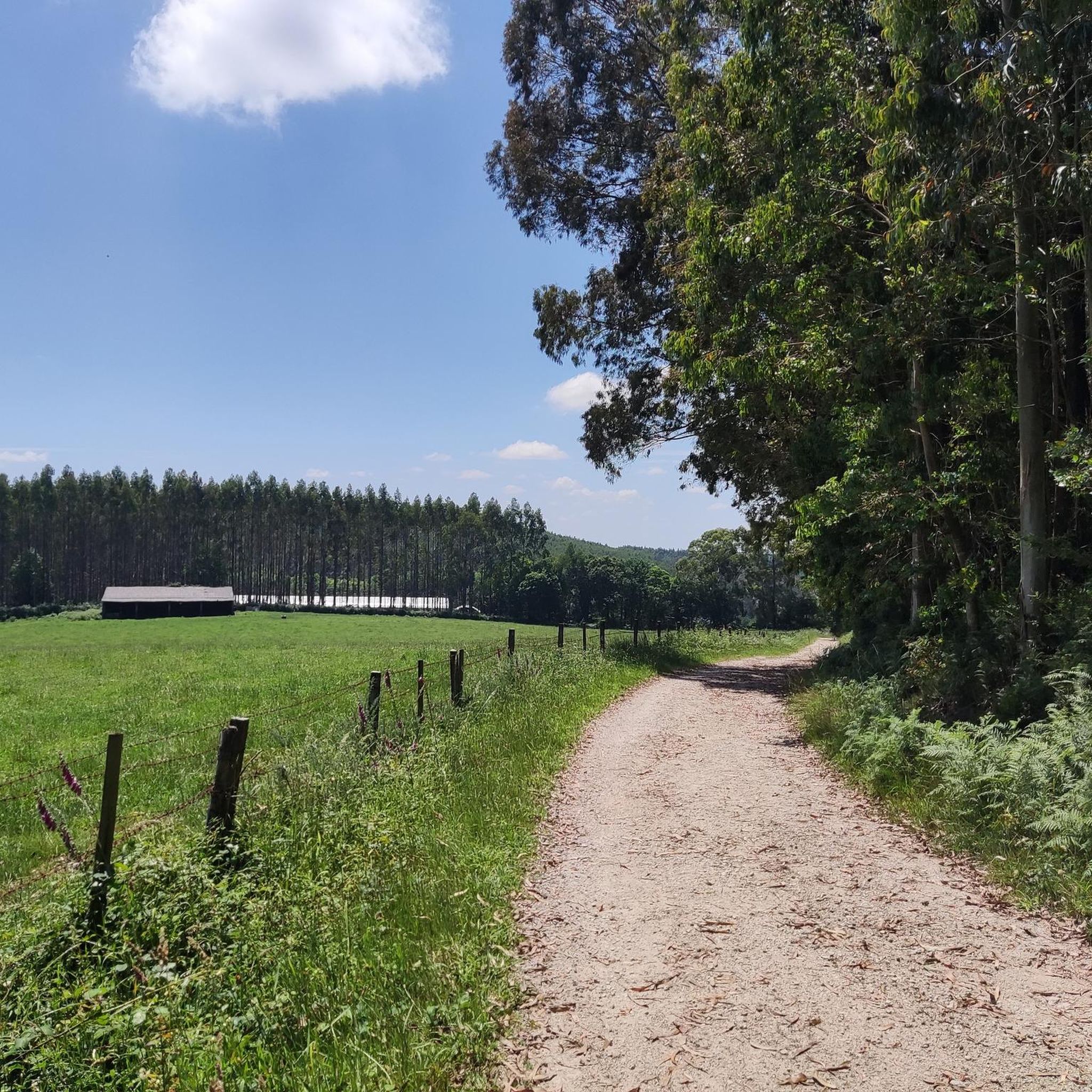
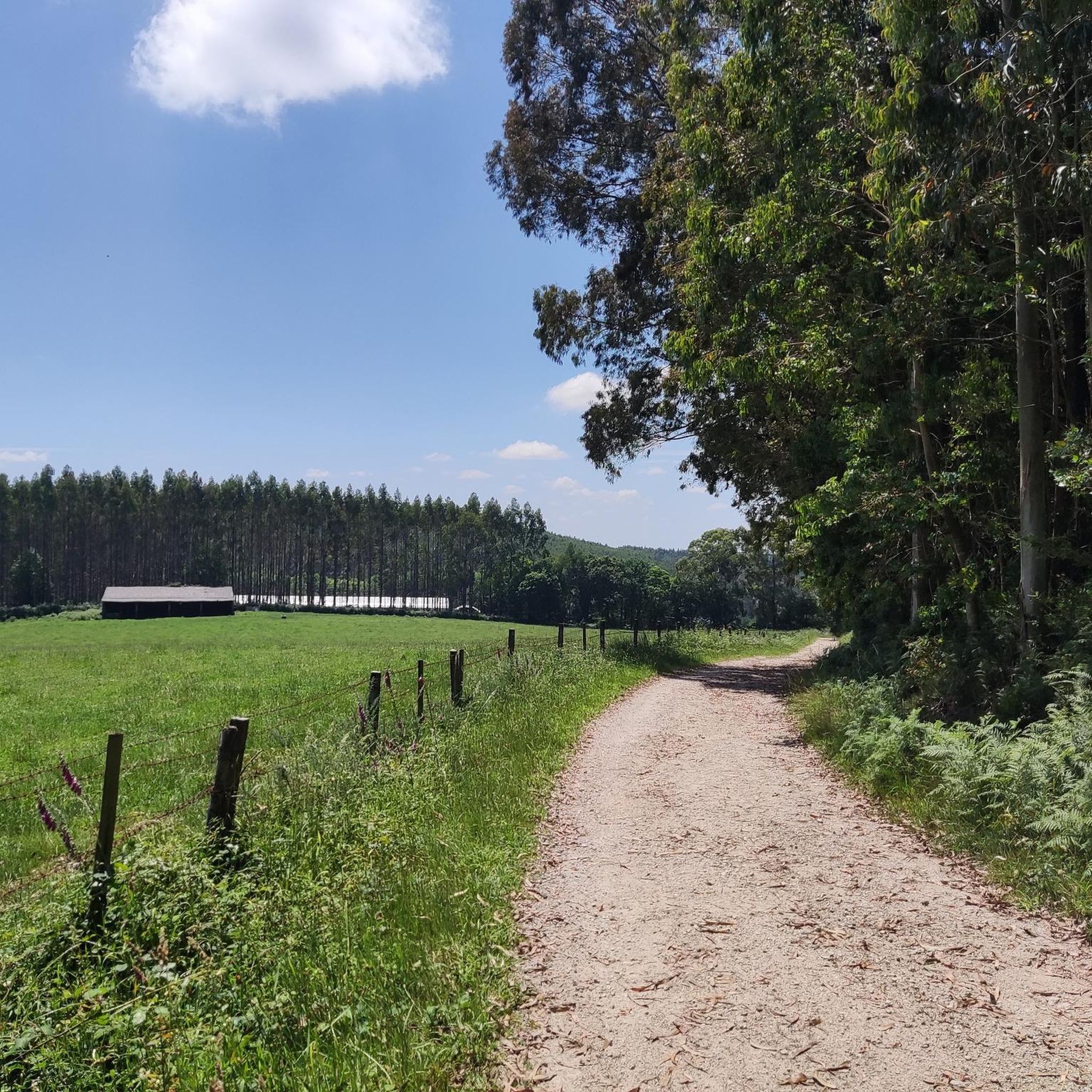
Gravel bike trails around Sobrado traverse a landscape characterized by rugged terrain and a distinctive "sea of hills" topography, shaped by historical Roman gold mining. The region features dramatic, steep cliffs and ochre-colored formations, offering challenging routes. Gravel biking here involves navigating unpaved paths and forested areas, with significant elevation changes across the routes.
Best gravel bike trails around Sobrado
- The most popular gravel bike trail is Sobrado Lagoon – Sobrado dos Monxes Monastery loop from Sobrado, a 73.4…
Last updated: October 8, 2026
8
riders
57.9km
04:22
1,070m
1,070m
Hard gravel ride. Very good fitness required. Mostly paved surfaces. Suitable for all skill levels.
5
riders
54.6km
04:05
920m
920m
Hard gravel ride. Very good fitness required. Mostly paved surfaces. Suitable for all skill levels.

3
riders
38.9km
03:20
780m
780m
Hard gravel ride. Very good fitness required. Mostly paved surfaces. Suitable for all skill levels.
12
riders
117km
08:02
1,570m
1,570m
Hard gravel ride. Very good fitness required. Mostly paved surfaces. Suitable for all skill levels.
5.0
(2)
4
riders
35.8km
02:46
660m
660m
Hard gravel ride. Very good fitness required. Mostly paved surfaces. Suitable for all skill levels.
Our route recommendations are based on thousands of hikes, rides, and runs completed by other people on komoot.
Start today with a free account
Your next adventure awaits.
Other adventures around Sobrado

Tips from the Community

easy route, stretches of asphalt tracks and also pavement..
0
0

The Terras do Miño Biosphere Reserve covers a large part of the province of Lugo, including Vilalba, and is characterized by: Rivers and streams with ancient stone bridges, some built with slate, typical of the region. River trails and routes that cross traditional structures such as footbridges, mills, and medieval bridges. The Madalena River, which flows through Vilalba, has several points of natural and ethnographic interest.
3
0
The Santo Alberte Bridge, also known as Ponte de San Alberte, is a medieval gem located in the municipality of Guitiriz (Lugo), over the Parga River, in the heart of the Terras do Miño Biosphere Reserve. Although believed to have Roman origins, the current structure is Gothic in style, built in the 14th century and renovated in the 18th century and again in 2006.
4
0

The slate slabs appear to be installed vertically into the bridge, so that the narrow sides of the slabs form a very fine pavement.
1
0

Beautiful baroque church, a stop to pause 🤙
1
1

After the renovation, the Albergue in the monastery is actually once again a must on the Camino del Norte. But if you want to take the alternative route to O Pedrouzo to save yourself a day on the overcrowded Camino Frances, I recommend the Eco-Albergue Abeiro da Loba in Madelos.
4
0
Take a break, pause and maybe give your legs a refreshment 🤙
1
1
Frequently Asked Questions
What kind of terrain can I expect on gravel bike trails around Sobrado?
The gravel bike trails around Sobrado are characterized by rugged terrain and a distinctive "sea of hills" topography, a result of historical Roman gold mining. You'll encounter dramatic, steep cliffs and ochre-colored formations, along with unpaved paths and forested areas. Expect significant elevation changes, making most routes challenging.
Are there any easy or family-friendly gravel bike trails in Sobrado?
The gravel biking network in Sobrado primarily offers challenging options for experienced gravel bikers. All five routes listed in this guide are rated as difficult, featuring significant elevation gains and varied terrain. There are no easy or moderate routes specifically highlighted for families or beginners in the immediate area.
What are some notable landmarks or viewpoints I can see along the gravel bike trails?
Many routes offer views of the unique landscapes, including the ochre-colored formations of Las Médulas. You can also explore historical sites like the Monastery of Saint Mary of Sobrado, which is part of the route Sobrado Lagoon – Sobrado dos Monxes Monastery loop from Sobrado. Other highlights include the Roman Bridge of Furelos and the Stone bridge over the Catasol River.
Are there any circular gravel bike routes available in Sobrado?
Yes, all the routes in this guide are circular. For example, you can try the Sobrado Lagoon – Sobrado dos Monxes Monastery loop from Sobrado, which is a 73.4-mile (118.1 km) trail. Another option is the Hermitage of Mota – Ermita da Mota loop from Grobas de Riba, a 35.9-mile (57.8 km) path.
What do other gravel bikers enjoy most about the trails in Sobrado?
The area is highly rated by the komoot community, with an average score of 5.0 stars from over 2 reviews. Reviewers often praise the challenging nature of the routes, the unique "sea of hills" topography, and the blend of natural beauty with historical landmarks like the Sobrado dos Monxes Monastery.
Are there any natural features or wild swimming spots near the gravel routes?
The region is known for its unique natural features, including the dramatic landscapes of Las Médulas. The Sobrado Lagoon is a prominent natural monument in the area, and the Sobrado Lagoon – Sobrado dos Monxes Monastery loop from Sobrado passes by it. While specific wild swimming spots are not detailed, the presence of the lagoon suggests opportunities for enjoying natural waters.
What is the best time of year for gravel biking in Sobrado?
Given the rugged terrain and potential for mud mentioned in regional research, it's advisable to check local weather conditions. Spring and autumn generally offer milder temperatures and potentially drier trails, making them ideal for tackling the challenging routes. Summers can be hot, and winters might bring colder, wetter conditions.
Are there any cafes, pubs, or accommodation options near the gravel trails?
While specific cafes or pubs directly on the trails are not detailed, the El Alemán Hostel & Café is listed as a highlight in the region, suggesting amenities are available in nearby towns. For accommodation, towns like Sobrado, Miraz, or Grobas de Riba, which serve as starting points for routes, would be good places to look.
How long do the gravel bike routes in Sobrado typically take to complete?
The duration varies significantly by route and individual pace. For instance, the extensive Sobrado Lagoon – Sobrado dos Monxes Monastery loop from Sobrado is estimated to take around 9 hours and 36 minutes. A shorter option, the View from Cova da Serpe – Vilamor loop from Miraz, typically takes about 3 hours and 17 minutes.
Are there any specific permits required for cycling the gravel trails in Sobrado?
There is no information indicating that specific permits are required for gravel biking on the trails around Sobrado. However, it's always good practice to respect local regulations, especially when cycling through protected natural areas or private land.
Can I bring my dog on the gravel bike routes in Sobrado?
The guide does not specify whether dogs are permitted on the gravel bike routes. When cycling with a dog, it's always recommended to check local regulations for specific trails, especially those passing through natural parks or private property, and to ensure your dog is well-behaved and on a leash where required.
What kind of bike and gear is recommended for gravel biking in Sobrado?
Given the rugged terrain, significant elevation changes, and unpaved paths, a robust gravel bike with good tire clearance (up to 55mm) is highly recommended. Essential gear includes appropriate safety equipment, navigation tools, sufficient water and snacks, and clothing suitable for varied weather conditions and challenging rides.
Most popular attractions around Sobrado

Get inspired with the komoot mobile app


Explore more
Browse the best Gravel rides in other regions.
