The best running trails around La Codosera
24
runners
5
runs
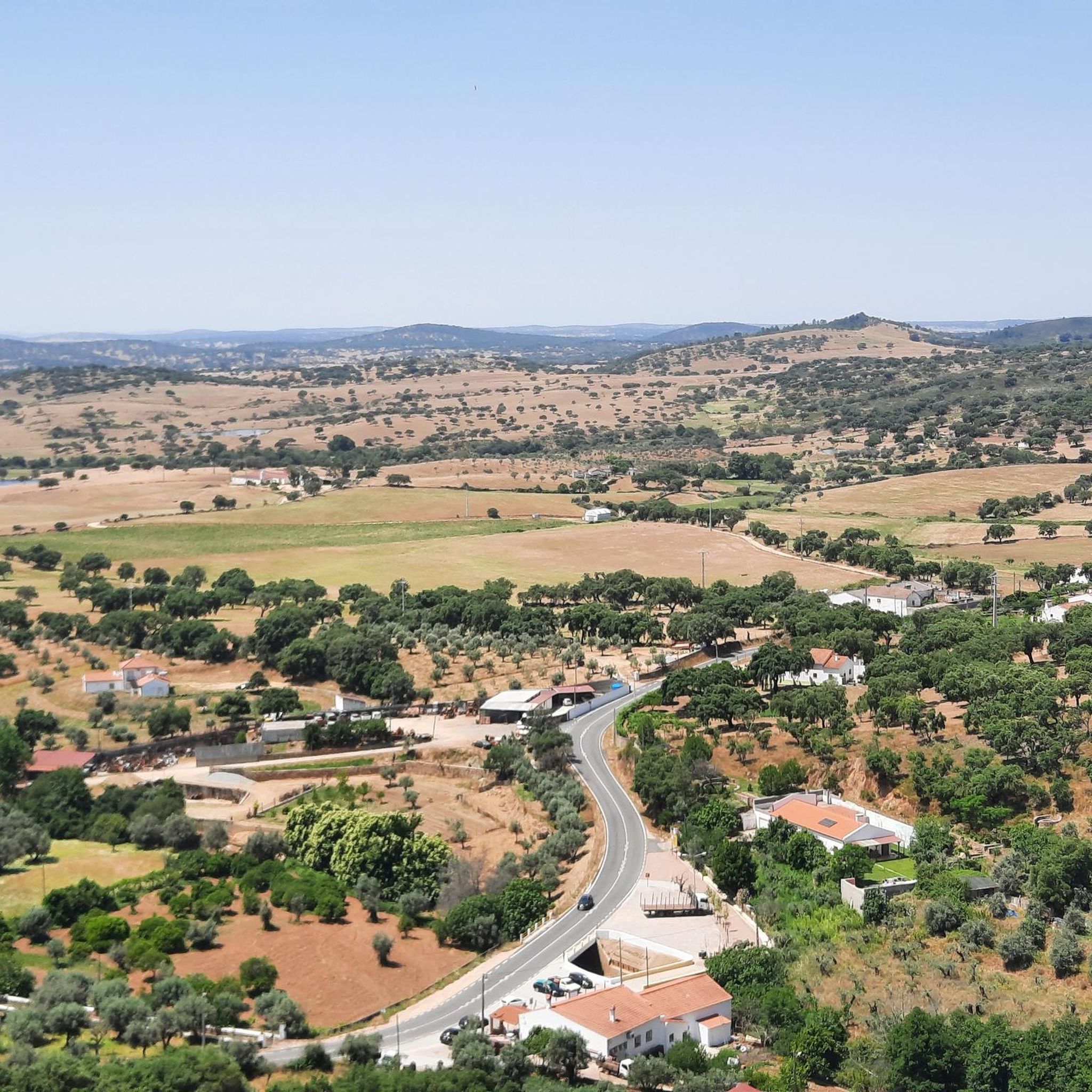
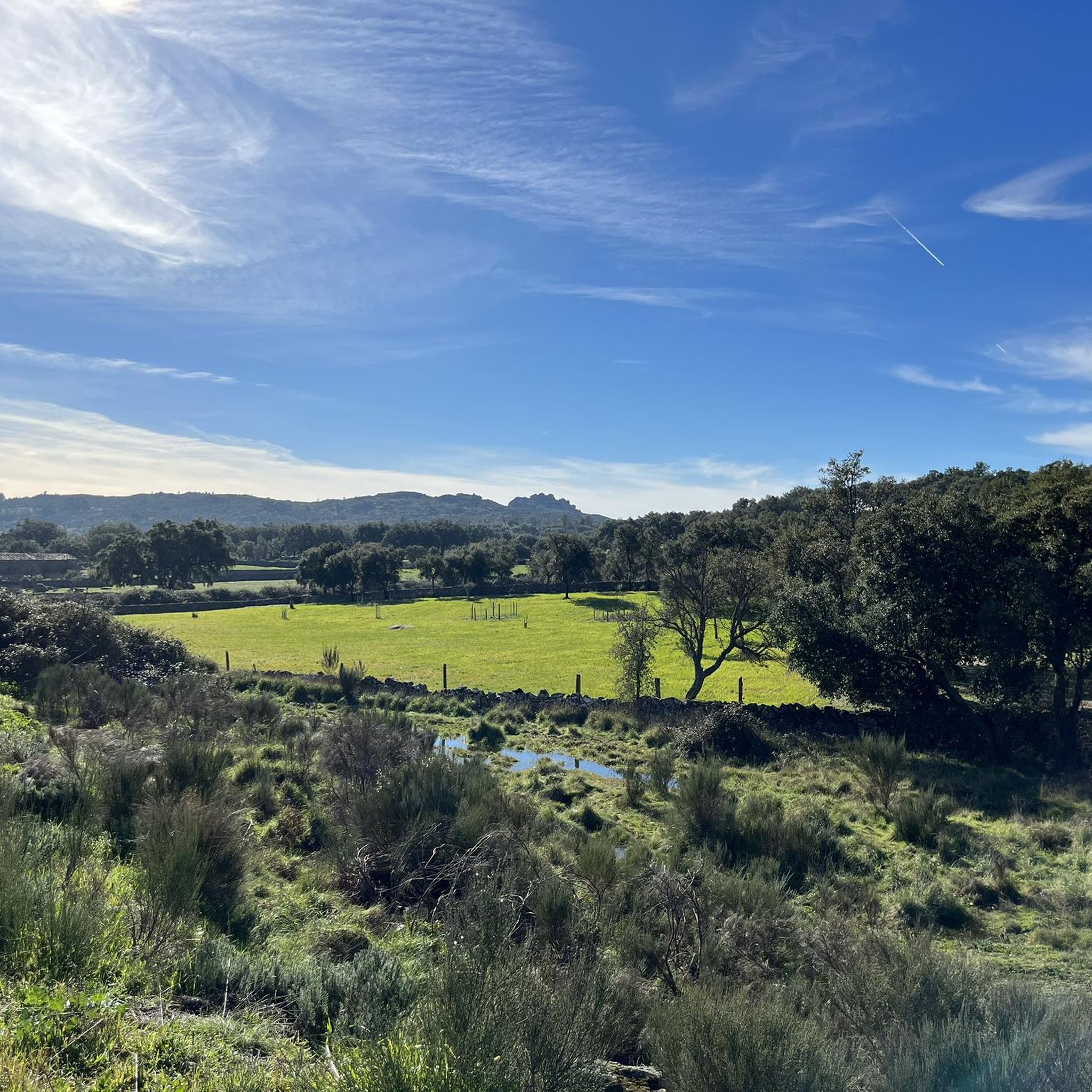
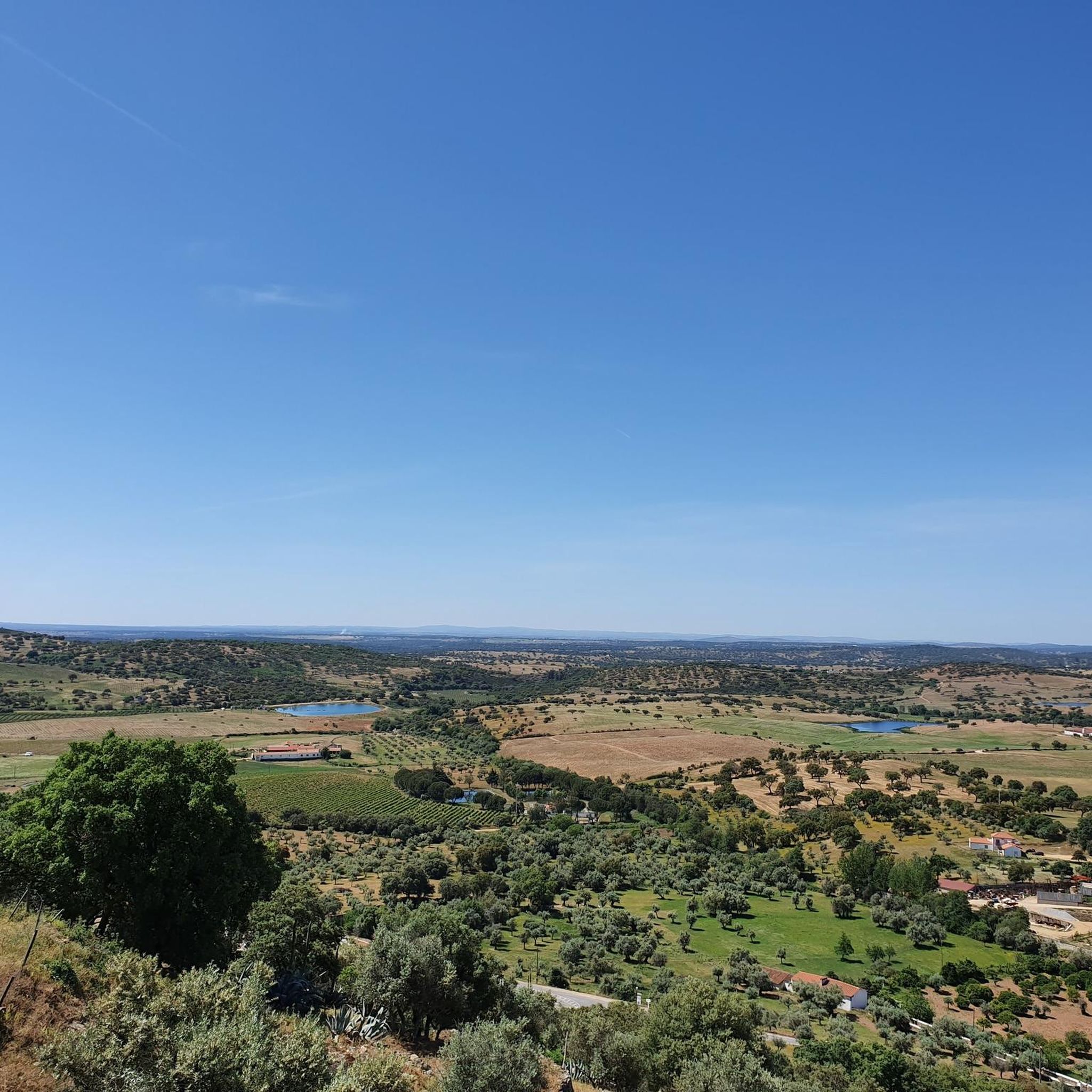
Jogging routes around La Codosera traverse a diverse landscape of gentle undulations, sierras, and riverine ecosystems in the northwest of Badajoz province. Runners encounter a mix of olive groves, cork oak forests, holm oaks, and extensive pastures. The region is characterized by the River Gévora, known for its well-preserved fluvial ecosystem, and the foothills of the Sierra de La Lamparona. These features provide varied terrain for running and exploration.
Best jogging routes around La Codosera
- The most popular jogging route…
Last updated: June 21, 2026
3
runners
7.65km
00:54
130m
130m
Jog the 4.8-mile Aceña de la Borrega Dolmens Trail, a moderate route through ancient megalithic sites and natural beauty near Valencia de Al
8
runners
17.4km
02:14
440m
450m
Hard run. Very good fitness required. Mostly paved surfaces. Suitable for all skill levels.

Sign up for free
6
runners
28.5km
03:40
600m
600m
Hard run. Very good fitness required. Mostly paved surfaces. Suitable for all skill levels.
5
runners
25.5km
03:23
740m
740m
Hard run. Very good fitness required. Mostly paved surfaces. Suitable for all skill levels.
2
runners
8.48km
00:58
210m
210m
Moderate run. Good fitness required. Mostly paved surfaces. Suitable for all skill levels.
Our route recommendations are based on thousands of hikes, rides, and runs completed by other people on komoot.
Start today with a free account
Your next adventure awaits.
Login or Signup

Tips from the Community

For those planning to hike in the Alegrete area, the main reference route is the PR3 PTG – Percurso de Alegrete. This circular route offers a complete immersion in the Serra de São Mamede Natural Park, combining the medieval heritage of the village with montado landscapes and water lines. The Main Route (PR3 PTG) The PR3 PTG - Percurso de Alegrete is about 11.4 km long and is classified as medium/low difficulty. The recommended starting and ending point is near Fonte Nova, although many hikers start their journey in the village of Alegrete itself to explore the historic center right away. Castle and Village: The Castle of Alegrete is the (literal) highlight of the hike. Situated at about 500 meters above sea level, it offers a panoramic view of the Alentejo border region. Don't miss the Clock Tower (Torre do Relógio). Nature and Biodiversity: The trail crosses areas of cork oak montado, pine forests, and riparian areas. It is an excellent place for bird watching (such as the robin or the titmouse) and, near the water lines, you can find rare vegetation like the royal fern. Religious Heritage: During your passage through the village, you can also visit the small Chapel of Mercy (Capela da Misericórdia), which is part of the local historical complex. Practical Hiking Tips Time of Year: Avoid the months of July and August due to the extreme temperatures in the Alentejo. Autumn and spring are ideal for the colors of the vegetation and mild temperatures. In winter, be careful with the ground, which can become quite slippery on cobblestones and rocky trails. Equipment: Use footwear with good grip (the ascents and descents to the castle and river have sections of loose stones). Bring enough water, as outside the village, refueling points are scarce. Safety and Respect: Always follow the official signage (yellow and red marks).
0
0

Castelo do Alegrete is an imposing medieval fortress located on a rocky outcrop near the village of Alegrete, Portugal. Dating back to at least the 13th century (with probably older origins), it played a key role in defending the border with Spain. It features a large quadrilateral wall with cubic towers. Although part of the castle is in ruins, it still retains elements such as parapets, gates and arrow slits. It offers spectacular views of the surrounding landscape and is an important national monument, a testimony to the defensive history of the region.
0
0
Castelo do Alegrete is an imposing medieval fortress located on a rocky outcrop near the village of Alegrete, Portugal. Dating back to at least the 13th century (with probably older origins), it played a key role in defending the border with Spain. It features a large quadrilateral wall with cubic towers. Although part of the castle is in ruins, it still retains elements such as parapets, gates and arrow slits. It offers spectacular views of the surrounding landscape and is an important national monument, a testimony to the defensive history of the region.
1
0

The Dolmen del Mellizo, also known as Aceña Borrega or Anta de la Marquesa, has a thousand-year history. Although its exact origin is lost in time, it is believed that it was built between the 4th and 3rd millennia BC. This megalith follows the megalithic model known as “anta” in neighboring Portugal. The dolmen chamber is covered by a horizontal slab that protrudes from the roof, and although it is quite worn, the corridor and access to the chamber are still well preserved. In an archaeological excavation carried out in 1985, remains of funerary goods, such as ceramic fragments and arrowheads, were found. The Dolmen del Mellizo is a fascinating place that connects us with the people who built it thousands of years ago. 🌟
7
0
Close to Senhora da Lapa, already in Spanish territory, an old air traffic lighthouse.
1
0

Undoubtedly two of the most important specimens of the megalithic park and located in a colorful and picturesque landscape of Extremadura.
4
0
One of the most important specimens of the megalithic park, this dolmen is in perfect condition and surprises with its size.
3
0
A few kilometers from the town of La Aceña de la Borrega is this megalithic park with 5 specimens of dolmens that make it one of the most important and most visited in the Extremadura region.
4
0
Frequently Asked Questions
What kind of terrain can I expect on the running routes around La Codosera?
The running routes in La Codosera offer a diverse landscape, characterized by gentle undulations, sierras, and riverine ecosystems. You'll encounter a mix of olive groves, extensive cork oak and holm oak forests, and open pastures. Some trails, like the "Aceña de la Borrega Dolmens Trail", will take you through varied terrain, including historical sites.
Are there any moderate running routes available in La Codosera?
Yes, there are several moderate running routes. For example, the Aceña de la Borrega Dolmens Trail is a moderate 7.6 km loop, offering a good balance of challenge and accessibility. Another moderate option is the Serrafria loop from El Pino, which is around 8.4 km.
What are some of the longer or more challenging running trails in the area?
For those seeking a greater challenge, La Codosera offers several difficult running routes. The Castelo do Alegrete loop from Alegrete is a demanding 17.4 km route, while the Cabeço Alto loop from Alegrete extends to 25.5 km. The longest and most challenging is the Serra do Almo loop from Mosteiros, covering approximately 28.5 km with significant elevation changes.
Can I find running routes that pass by natural attractions or landmarks?
Absolutely! The region is rich in natural beauty and historical sites. You can explore trails that lead to features like the Cabroeira Waterfall or the Ribeira de Arronches Waterfall. The Aceña de la Borrega Dolmens Trail, for instance, takes you past ancient megalithic structures, offering a blend of nature and history.
Are there any routes that explore the River Gévora?
Yes, the River Gévora is a central natural feature of the area, known for its rich biodiversity and well-preserved fluvial ecosystem. While not explicitly listed in the current selection, the region research highlights routes like "Río Gévora Aguas Arriba" and "Río Gévora Aguas Abajo" which explore its lush gallery forests and historical elements like old mills. These trails offer excellent opportunities for wildlife spotting.
What is the best time of year for jogging in La Codosera?
La Codosera is enjoyable for jogging for much of the year. Spring and autumn offer pleasant temperatures, ideal for longer runs through the cork oak forests and along the river. Even in summer, early mornings or late evenings can be suitable, especially if you plan to cool off at the natural pools of Río Gévora afterwards.
Are there any circular running routes in La Codosera?
Many of the running routes in La Codosera are circular, allowing you to start and finish at the same point. For example, the Aceña de la Borrega Dolmens Trail is a circular route. The region research also mentions the "La Sierra" Route and "La Campiña" Route as popular circular options, providing varied scenery and experiences.
What kind of natural features can I expect to see on the trails?
You'll be immersed in a landscape dominated by cork oak and holm oak forests, which are characteristic of the Extremadura region. The River Gévora, a Special Protection Area for Birds, offers lush gallery forests. You might also encounter natural monuments like Penha Amarela and various dolmens, such as Dolmen del Mellizo-Anta de la Marquesa and Dolmen Datas 1 and 2.
Are there any opportunities for family-friendly runs or walks?
While specific family-friendly running routes are not detailed in the current selection, the region is known for its network of approved trails suitable for various levels. The shorter, moderate routes, such as the Aceña de la Borrega Dolmens Trail (7.6 km), could be suitable for active families. The natural pools of Río Gévora also provide a great spot for relaxation after a family outing.
What are the typical distances for running routes in La Codosera?
The running routes in La Codosera vary significantly in length to suit different preferences. You can find moderate routes around 7-8 km, such as the Aceña de la Borrega Dolmens Trail (7.6 km) and the Serrafria loop from El Pino (8.4 km). For longer runs, there are challenging options ranging from 17 km up to nearly 29 km, like the Serra do Almo loop from Mosteiros.
Are there any specific viewpoints or elevated areas on the running trails?
Yes, the region includes mountain ranges like the Sierra de La Lamparona and Sierra de Matasiete. Routes that ascend these sierras, such as the "La Sierra" Route mentioned in regional research, offer elevated positions with panoramic views of the surrounding cork oak forests, the town, and its castle. These higher points provide excellent opportunities to take in the expansive Extremaduran landscape.
Most popular attractions around La Codosera

Get inspired with the komoot mobile app


Explore more
Browse the best Running Trails & Routes in other regions.
