The best gravel rides around Castro Del Río
15
riders
8
rides
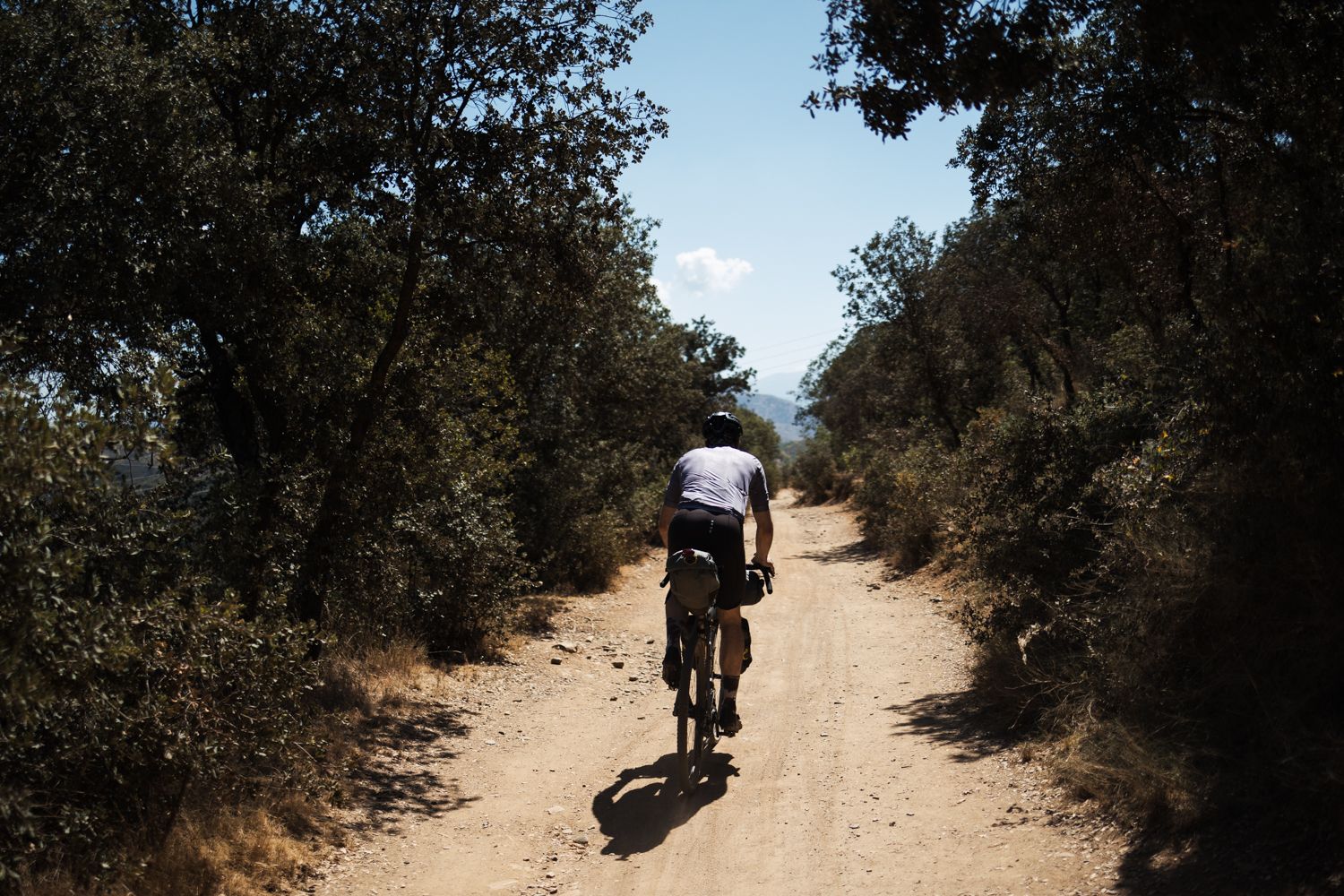
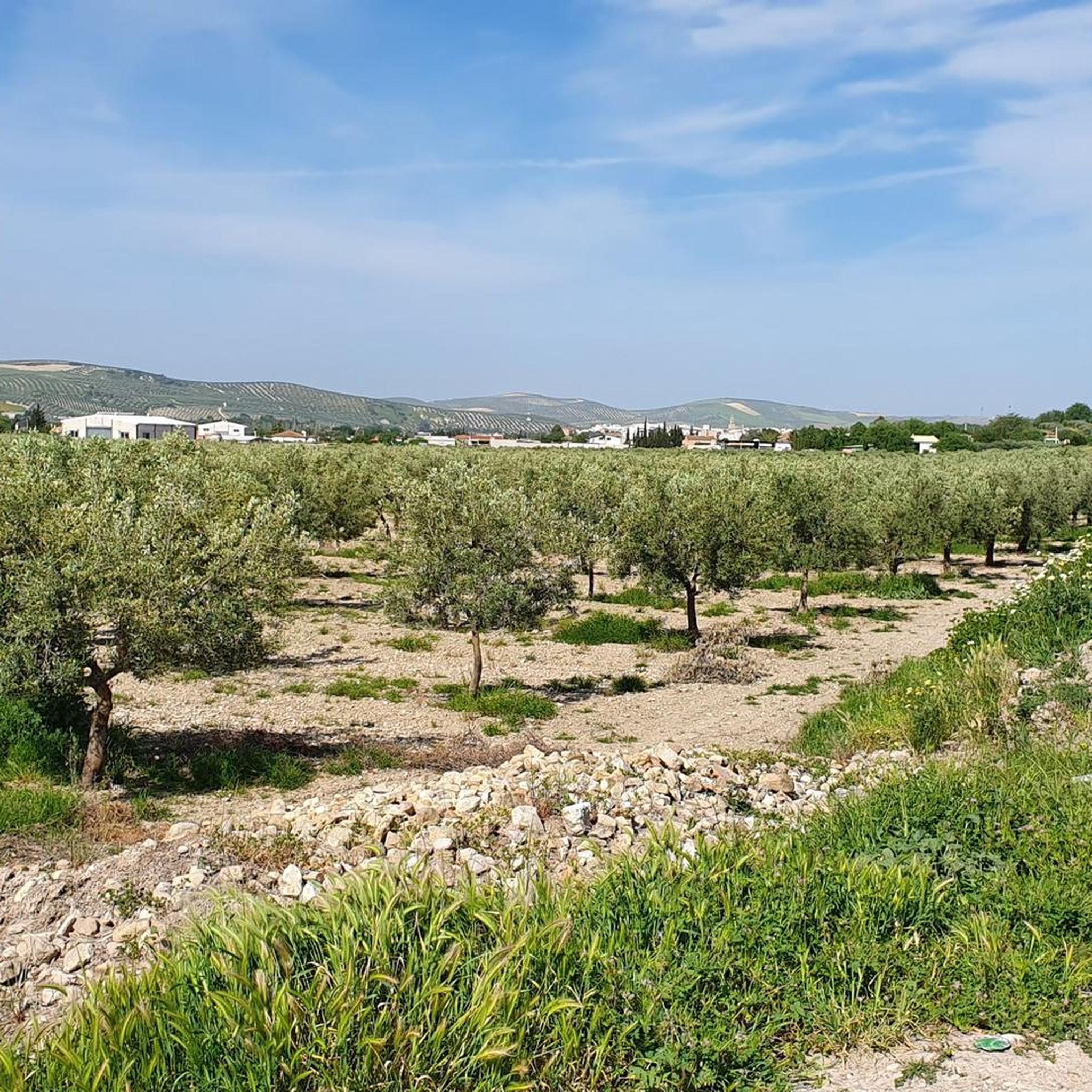
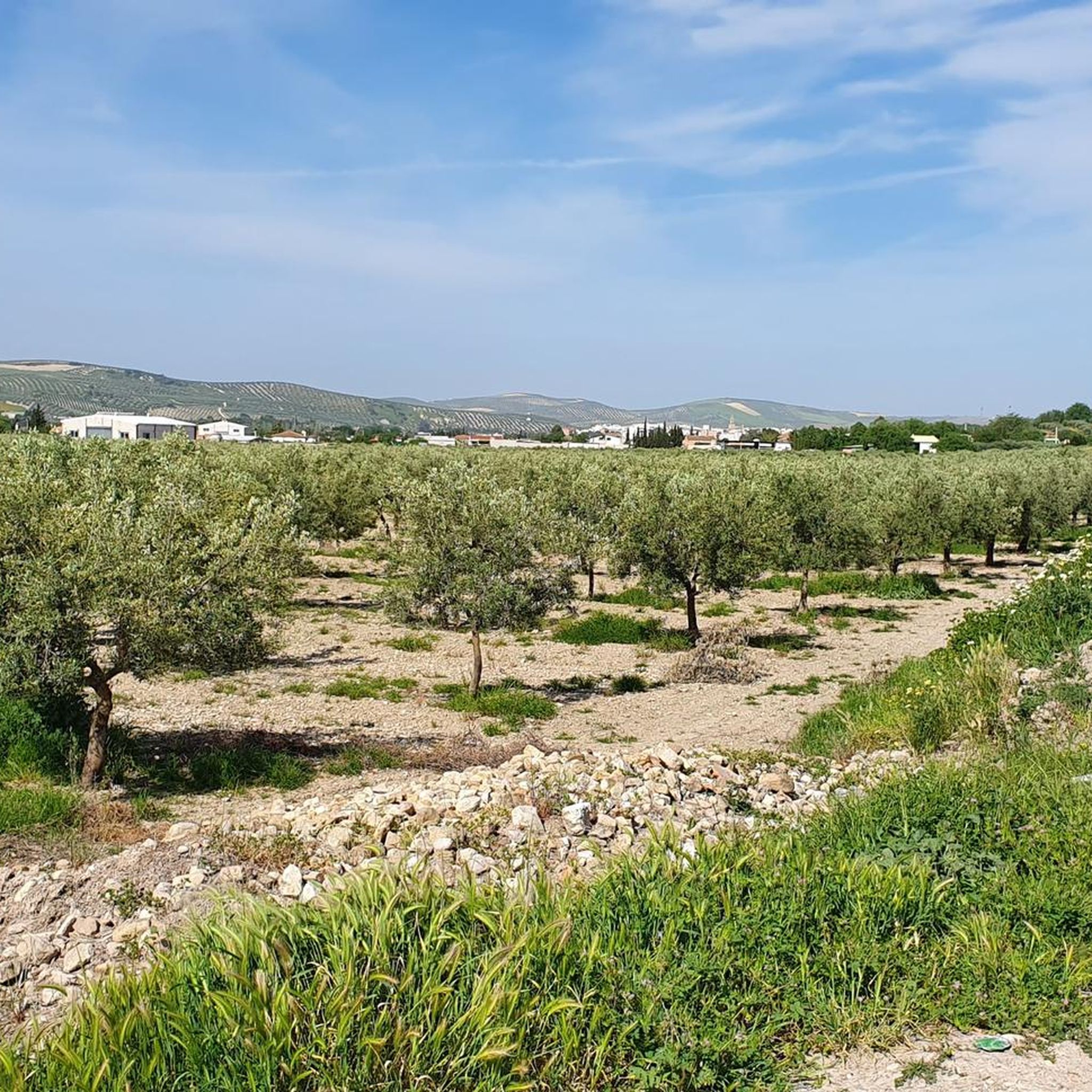
Gravel biking around Castro Del Río offers routes through the heart of the Cordovan countryside. The region is characterized by the meandering Guadajoz River, which features riparian vegetation and a gentle valley with terraced agricultural areas. Beyond the river, the landscape transitions into extensive olive groves and cereal fields, forming rolling hills and open spaces suitable for gravel routes. Various arroyos and historical pathways further diversify the terrain, providing varied conditions for gravel biking.
Best gravel bike trails around Castro…
Last updated: October 21, 2026
2
riders
34.5km
02:49
600m
590m
Hard gravel ride. Very good fitness required. Mostly paved surfaces. Suitable for all skill levels.
2
riders
35.0km
02:45
540m
540m
Hard gravel ride. Very good fitness required. Mostly paved surfaces. Suitable for all skill levels.

2
riders
35.0km
02:54
440m
440m
Moderate gravel ride. Good fitness required. Mostly paved surfaces. Suitable for all skill levels.
1
riders
21.5km
01:42
230m
230m
Moderate gravel ride. Good fitness required. Mostly paved surfaces. Suitable for all skill levels.
2
riders
38.7km
02:59
560m
560m
Hard gravel ride. Very good fitness required. Mostly paved surfaces. Suitable for all skill levels.
Get access to more routes and recommendations from other explorers.
Already have an account?
Our route recommendations are based on thousands of hikes, rides, and runs completed by other people on komoot.
Start today with a free account
Your next adventure awaits.
Popular around Castro Del Río
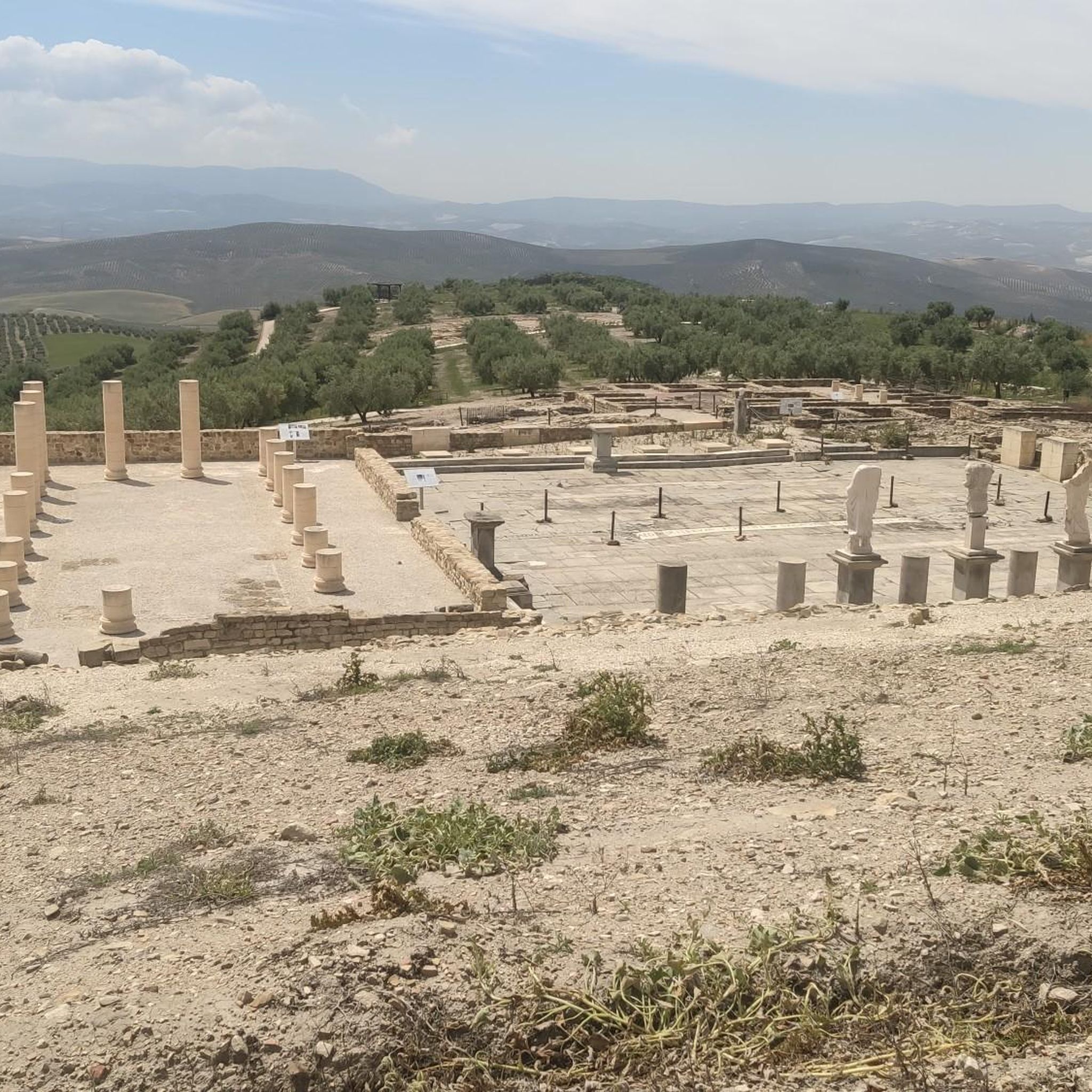
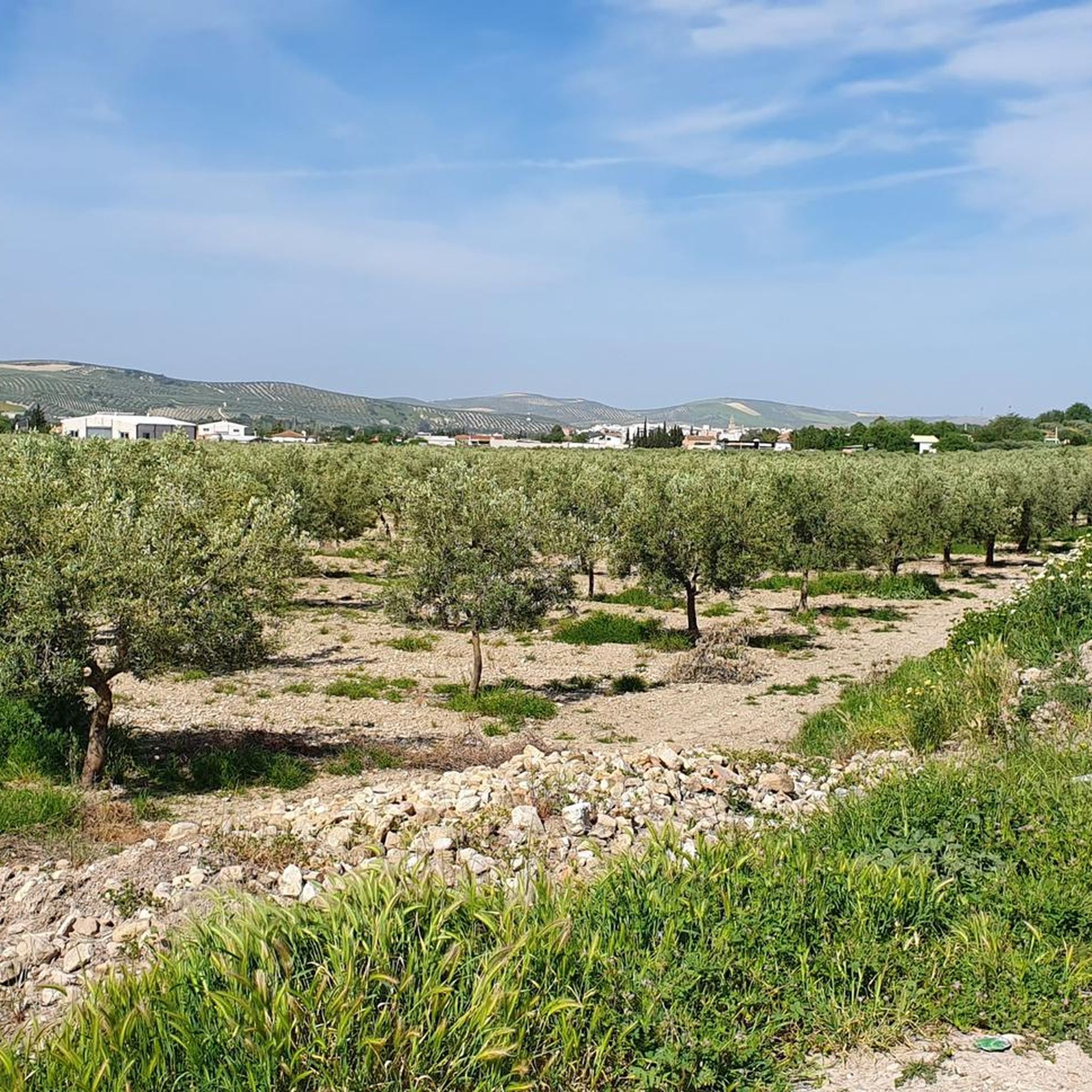
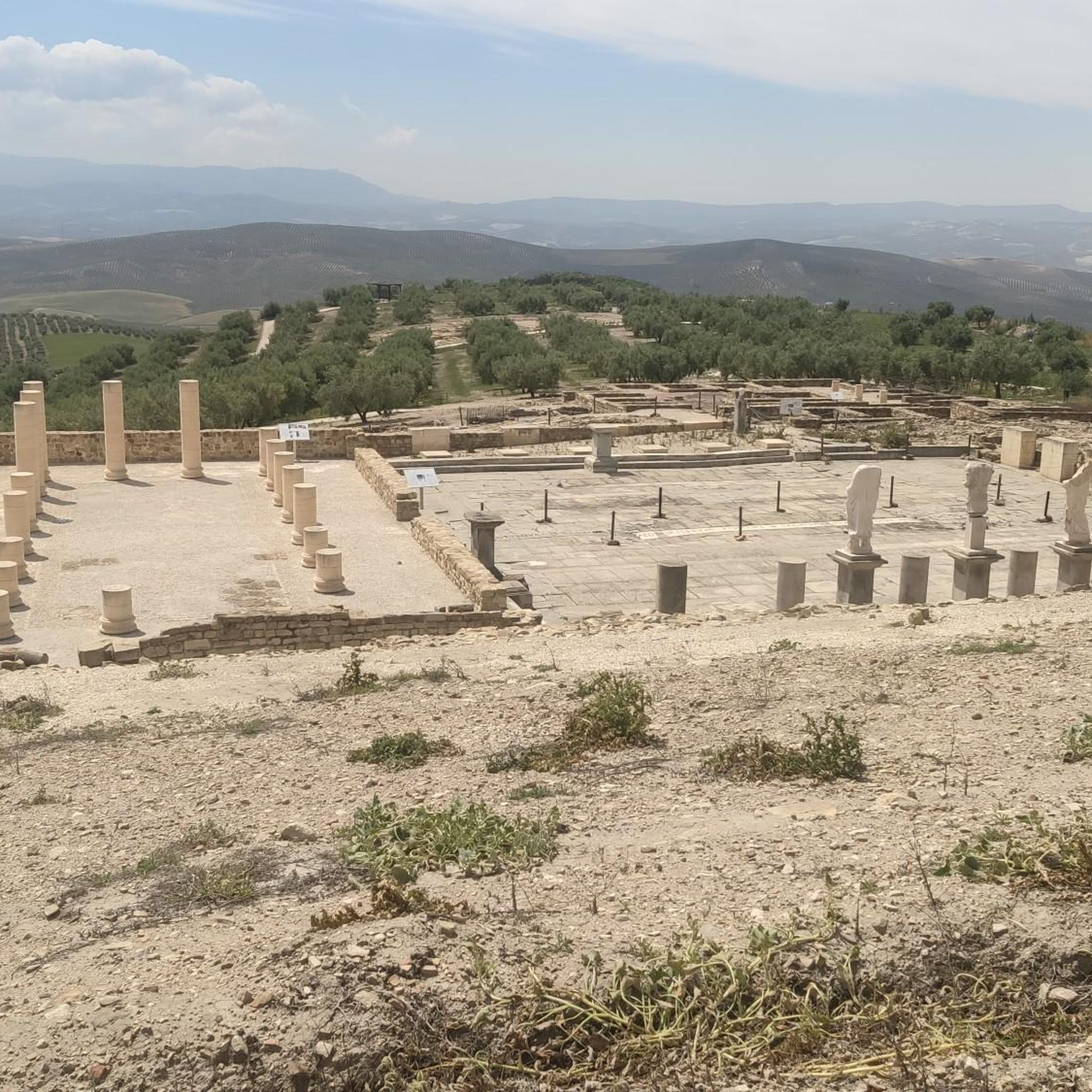


Tips from the Community

Aguilar de la Frontera [2] is a Spanish municipality in the southwest of the province of Córdoba, in the autonomous community of Andalusia. The municipality is located in the region of Campiña Sur Cordobesa [3] and is the seat of the judicial district of the same name. [4] It lies at an altitude of 280 m above sea level [5] and about 47 km from the provincial capital, Córdoba. [6] In 2017, it had 13,476 inhabitants and a population density of 82.01 inhabitants/km². [7]
0
0

Birthplace of Gonzalo Fernández de Córdoba, the Great Captain, born in 1453 in the castle of Montilla. City famous for the quality of its Pedro Ximénez grape, integrating the region with the Montilla-Moriles Designation of Origin. Passing through the oldest part of Montilla, it is worth visiting the 16th century church of Santiago.
0
0
Birthplace of Gonzalo Fernández de Córdoba, the Great Captain, born in 1453 in the castle of Montilla. City famous for the quality of its Pedro Ximénez grape, integrating the region with the Montilla-Moriles Designation of Origin. Passing through the oldest part of Montilla, it is worth visiting the 16th century church of Santiago.
2
0
Church from the 16th century, probably built on the site of an old mosque, which after various modifications lost its Gothic-Mudejar appearance, becoming a classic Andalusian Baroque-style church. The church is located in the oldest part of the town, within the old castle enclosure.
2
0
Work of the architect Juan Vicente Gutiérrez de Salamanca is an octagonal square. Built in 1806 in the neoclassical style, declared a Historic-Artistic Site in May 1974. It is one of the few squares of this type in Spain.
2
0
Neoclassical style palace, from the 18th century, declared an Asset of Cultural Interest. Inspiration for the design of the palace was the façade of the Palacio de las Necesidades, where the Spanish embassy in Lisbon was located.
2
0

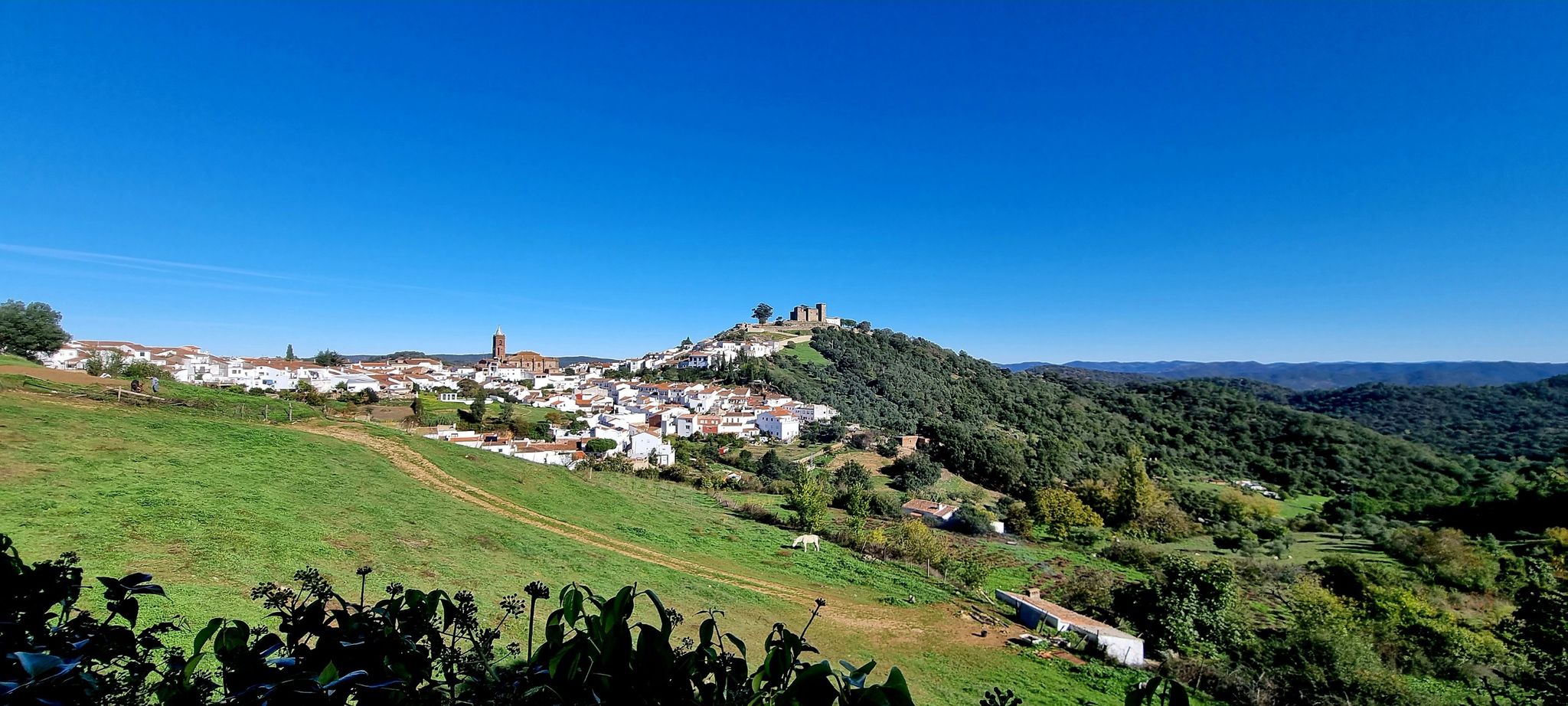
In the heart of the Cordoba countryside, this town is especially known for its vineyards, even having its own designation of origin: Montilla-Moriles. Olive trees and cereals are also cultivated. The town is located in a sea of hills among which the Sierra de Montilla timidly stands out.
2
1
Frequently Asked Questions
What kind of terrain can I expect on gravel bike trails around Castro Del Río?
The gravel bike trails in Castro Del Río primarily traverse the Cordovan countryside, featuring extensive olive groves and cereal fields. You'll encounter a mix of rural roads, dirt tracks, and ancient pathways. The Guadajoz River meanders through the area, offering routes with riparian vegetation and a gentle valley. Some sections of the Mozarabic Way of Saint James, which passes through the region, are also suitable for gravel bikes, though some parts might require dismounting.
Are there any easy or moderate gravel bike trails suitable for beginners in Castro Del Río?
Yes, while many routes are considered difficult, there are several moderate options. For instance, the Walk around Montilla – Montilla Town Center loop from Montilla is a moderate 21.5 km trail that takes about 2 hours, leading through rural pathways. Another moderate option is the Plaza de San José – Montilla Town Center loop from Montilla, a 35 km route.
What are some challenging gravel bike routes in the area?
For a more challenging ride, consider the Montilla – Montilla Town Center loop from Salinillas, a difficult 34.5 km trail that traverses agricultural lands and rolling hills. Another demanding option is the Ducal Palace of Fernán Núñez – La Rambla, Pottery City loop from Montilla, a 35 km path winding through olive groves and open fields.
What historical or natural attractions can I see along the gravel bike routes?
Castro Del Río is rich in history and natural beauty. You can explore the ancient Mozarabic Way of Saint James, an ancient pilgrimage route. The town itself features its castle and walls, and the 'Barrio de la Villa' with its narrow, steep streets. Other nearby attractions include the Baena Olive and Oil Museum, the Castle of Espejo, and the Castro del Río Castle.
Are there any circular gravel bike routes in Castro Del Río?
Yes, many of the gravel bike routes in Castro Del Río are designed as loops, allowing you to start and finish in the same location. Examples include the Montilla Town Center – La Rambla, Pottery City loop from Montilla and the Walk around Montilla – Montilla Town Center loop from Montilla.
What is the best time of year for gravel biking in Castro Del Río?
The region experiences hot summers, so spring (March to May) and autumn (September to November) are generally the most pleasant times for gravel biking. During these seasons, temperatures are milder, and the landscape is vibrant, offering comfortable riding conditions. Winter can also be suitable, though days are shorter and cooler.
Are there any family-friendly gravel bike trails in the area?
For families looking for a less strenuous ride, the moderate routes are a good starting point. The Walk around Montilla – Montilla Town Center loop from Montilla, at 21.5 km and moderate difficulty, offers rural pathways that can be enjoyable for older children or those with some cycling experience.
What are the parking options for gravel bikers in Castro Del Río?
While specific designated gravel bike parking areas are not detailed, Castro Del Río, as a town, offers various public parking options. Many routes start from towns like Montilla, where you can typically find street parking or public car parks. It's advisable to check local parking regulations upon arrival.
Can I find places to eat or drink along the gravel bike routes?
The routes often pass through or near towns and villages in the Cordovan countryside, such as Montilla and La Rambla. These locations typically offer local cafeterias, bars, and restaurants where you can refuel and experience local cuisine. The region is known for its olive oil, so look out for local specialties.
What makes gravel biking in Castro Del Río unique?
Gravel biking in Castro Del Río offers a unique blend of historical immersion and diverse landscapes. You can ride along sections of the ancient Mozarabic Way of Saint James, traverse vast olive groves and cereal fields characteristic of Andalusia, and follow the meanders of the Guadajoz River. The combination of varied terrain, rich history, and tranquil rural settings provides a distinctive cycling experience.
How many gravel bike trails are available in Castro Del Río?
There are 8 gravel bike trails documented in Castro Del Río, offering a range of experiences from moderate to difficult. These routes have been explored by over 15 gravel bikers using komoot.
Most popular routes around Castro Del Río
Most popular attractions around Castro Del Río

Get inspired with the komoot mobile app


Explore more
Browse the best Gravel rides in other regions.
