The best road cycling routes around Rivilla De Barajas
19
riders
5
rides
Road cycling around Rivilla De Barajas, located in the La Moraña region of Ávila province, Spain, features a predominantly flat to gently undulating landscape. The area is characterized by vast open fields, cereal crops, and Castilian steppes, offering a sense of spaciousness. Quiet rural roads and interconnected paths provide a network for exploration, suitable for less strenuous rides. The region's terrain includes gentle hills and open vistas, with the historical Castillo de Castronuevo visible as a landmark.
Best road cycling…
Last updated: July 4, 2026
4
riders
60.8km
02:23
250m
250m
Moderate road ride. Good fitness required. Mostly well-paved surfaces and easy to ride.
4
riders
99.2km
04:00
370m
370m
Moderate road ride. Good fitness required. Some segments of this route may be unpaved and difficult to ride.

Sign up for free
4
riders
42.0km
01:48
320m
330m
Moderate road ride. Good fitness required. Mostly well-paved surfaces and easy to ride.
4
riders
133km
06:12
1,530m
1,530m
Hard road ride. Very good fitness required. Mostly well-paved surfaces and easy to ride.
3
riders
92.3km
04:13
1,050m
1,050m
Hard road ride. Very good fitness required. Mostly well-paved surfaces and easy to ride.
Our route recommendations are based on thousands of hikes, rides, and runs completed by other people on komoot.
Start today with a free account
Your next adventure awaits.
Login or Signup
Popular around Rivilla De Barajas
Tips from the Community

Pretty Castilian village in the middle of the fields
0
0

The Church of San Miguel in Peñaranda de Bracamonte is a beautiful classicist-style temple, built in quarry stone. Although its interior was severely damaged in 1971, its imposing exterior façade remains a testament to its history. After the fire of 1971, only the main altar chapel was saved, where the main altarpiece was located, a baroque masterpiece made by Sebastián Ducete and Esteban de Rueda. The chapel of San Antonio is also preserved, and in it you can see the Cristo de la Cama, an object of great local devotion. The stone baptismal font is original and was remodeled under the direction of Fernando Pulín, who received the National Restoration Award for his work. If you ever visit Peñaranda de Bracamonte, be sure to admire this architectural gem. 🌟🏰
2
0
The church dates back to the time of the Catholic Monarchs, specifically the 16th century. Its main entrance presents a spectacular doorway attributed to the sculptor and architect Juan Rodríguez. This doorway follows the classic scheme, with a semicircular arch flanked by two columns with Corinthian capitals. On the entablature and triangular pediment, you will find granite sculptures representing mythological beings and gargoyles.
3
0

The patronage of this place of worship “Santa Maria Asunción” or “Nuestra Señora de La Asunción” (in German-speaking countries it is called “Assumption of Mary”) refers to one of the many memorial or feast days in honor of the Blessed Mother Mary in the church year. It goes back to the festival of her physical assumption into heaven, which the (Catholic) Church celebrates annually on August 15th. In the Orthodox churches the festival is celebrated under the name “Assumption of the Virgin Mary”. In rural areas, depending on the region, it is part of the local custom that bundles of herbs are collected by the population on this day and blessed in the festival service.
2
0
This church was dedicated to the Archangel Michael "San MIGUEL". The name (coming from the Hebrew language) means "Who is like God?". He is often depicted - in paintings or as a statue - with a flaming sword, and occasionally a lance. Michael / Miguel is - along with Raphael, Gabriel and Uriel - one of the four archangels who (according to human understanding) occupy the highest rank in the heavenly hierarchy of angelic beings. Their common feast day in the saints' calendar is September 29th.
1
0

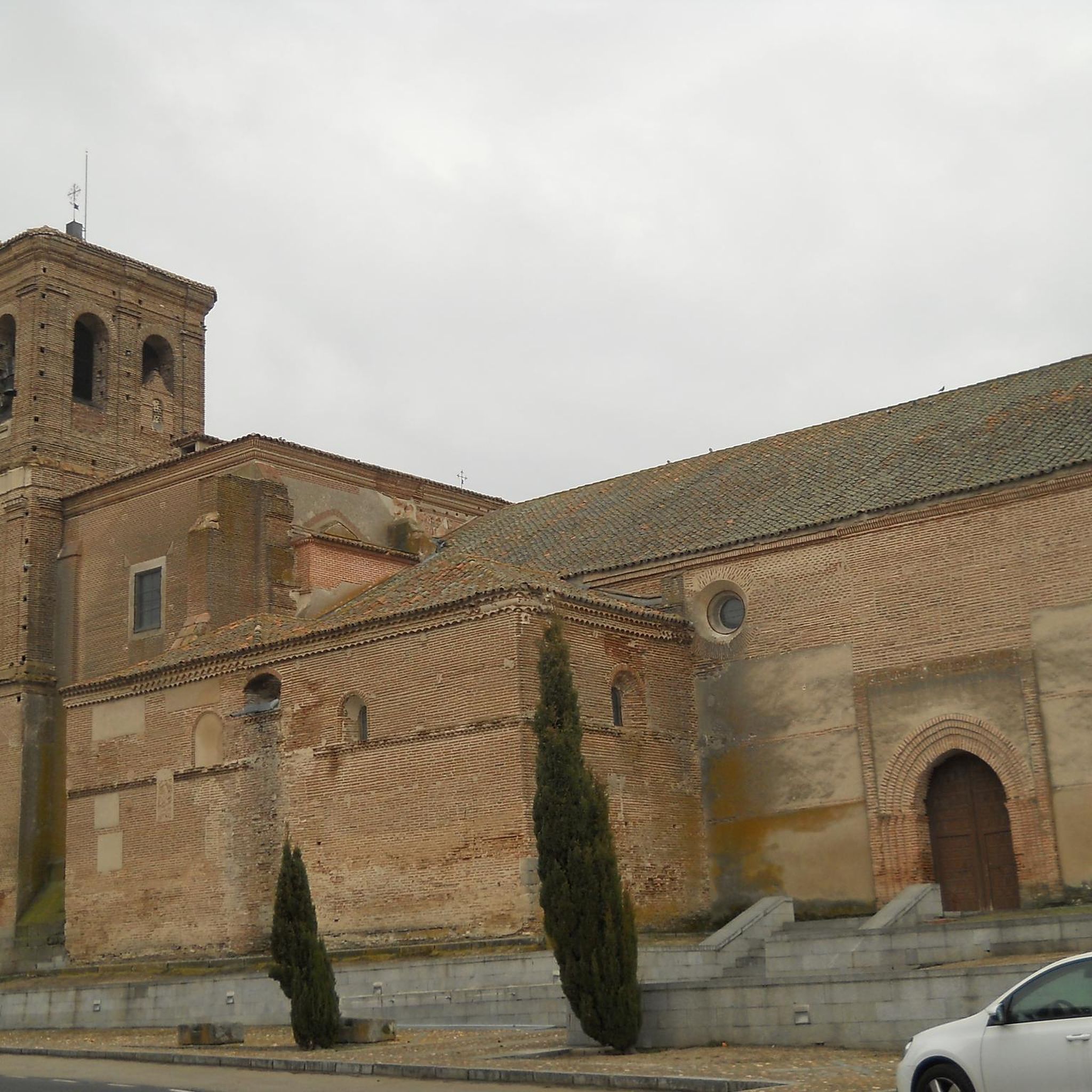
Church of Nuestra Señora de La Asunción is a Mudejar-style church, renovated in the 16th century. From the first construction phase (12th - 13th centuries), only part of the central apse remains. Its tower stands out, called "La Buena Moza", visible from several kilometers.
2
0

Church with three wide naves that began to be built in the s. XV, being in its day one of the best of the time in the province. If you visit the town at Christmas, you should know that it is part of the Moraña Nativity Scene Route.
1
0
This Gothic-Mudejar style church is the largest in the region of Moraña, where it is located. It is declared an Artistic Historic Monument.
1
0
Frequently Asked Questions
How many road cycling routes are available around Rivilla De Barajas?
There are 5 road cycling routes available around Rivilla De Barajas. These routes offer a mix of moderate and difficult options, allowing cyclists to explore the serene landscapes of the La Moraña region.
What is the typical terrain like for road cycling in Rivilla De Barajas?
The region around Rivilla De Barajas is characterized by predominantly flat to gently undulating terrain. You'll find extensive views across vast open fields, primarily cereal crops, pine forests, and Castilian steppes, making for a peaceful and scenic ride on quiet rural roads.
Are there any easy road cycling routes suitable for beginners or families?
While the routes listed are generally moderate to difficult, the overall flat to gently undulating landscape of Rivilla De Barajas makes it suitable for less strenuous rides. For a moderate option, consider the Castillo de Bebán loop from Collado de Contreras, which covers 42 km with manageable elevation changes.
What kind of landmarks or attractions can I see along the road cycling routes?
Cyclists can encounter several historical and cultural points of interest. A prominent landmark is the Castronuevo Castle-Palace, which stands impressively in the middle of the plain and is visible from a distance. Other nearby attractions include the Castle of Narros de Saldueña and various religious buildings like the Parish Church of Fontiveros.
Are there any challenging road cycling routes for experienced riders?
Yes, for experienced riders seeking a challenge, there are difficult routes available. The Las Fuentes Pass – Muñogalindo loop from Peñaranda de Bracamonte is a demanding 133 km route with over 1500 meters of elevation gain, offering a significant test of endurance.
Are the road cycling routes around Rivilla De Barajas typically circular?
Many of the road cycling routes in the area are designed as loops, allowing you to start and finish at the same point. For example, the Canatalapiedra Gate – Rasueros loop from Madrigal de las Altas Torres is a 60 km circular route that provides a great tour of the local scenery.
What is the best time of year to go road cycling in Rivilla De Barajas?
The open fields and plains of Rivilla De Barajas are enjoyable for road cycling during spring and autumn when temperatures are milder. Summers can be hot, and winters might bring colder conditions, though the generally flat terrain means snow accumulation is less of a concern than in mountainous regions.
Are there options for longer road cycling tours in the region?
Yes, if you're looking for longer rides, the area offers routes that extend up to nearly 100 km or more. The Canatalapiedra Gate – Zorita de la Frontera loop from Cantalapiedra is a substantial 99 km route, perfect for a full day out on the bike.
What are the road conditions like on the rural roads around Rivilla De Barajas?
The local communal roads are typically less traveled and generally well-maintained in many sections, ensuring a peaceful and safe cycling experience. This makes the region particularly suitable for those who prefer quiet routes away from heavy traffic.
Is parking available near the starting points of the road cycling routes?
Given the rural nature of Rivilla De Barajas and the surrounding towns, parking is generally available in the villages and towns that serve as starting points for these routes. It's advisable to check specific village amenities for designated parking areas.
Are there any routes that offer significant elevation gain for training?
For cyclists looking to incorporate significant climbing into their training, the Las Fuentes Pass – Mancera de Arriba loop from Crespos offers over 1000 meters of elevation gain across its 92 km, providing a challenging workout amidst the Castilian landscape.
What makes Rivilla De Barajas a unique destination for road cycling?
Rivilla De Barajas stands out for its calm, flat to gently undulating terrain, making it accessible for a wide range of cyclists. The charm lies in its open Castilian landscapes, quiet rural roads, and the historical intrigue of landmarks like the Castronuevo Castle, offering a serene and engaging cycling experience away from bustling areas.
Most popular routes around Rivilla De Barajas
Most popular attractions around Rivilla De Barajas

Get inspired with the komoot mobile app


Explore more
Browse the best Road cycling routes in other regions.
