The best gravel rides around Castejón De Monegros
4.4
(5)
357
riders
7
rides
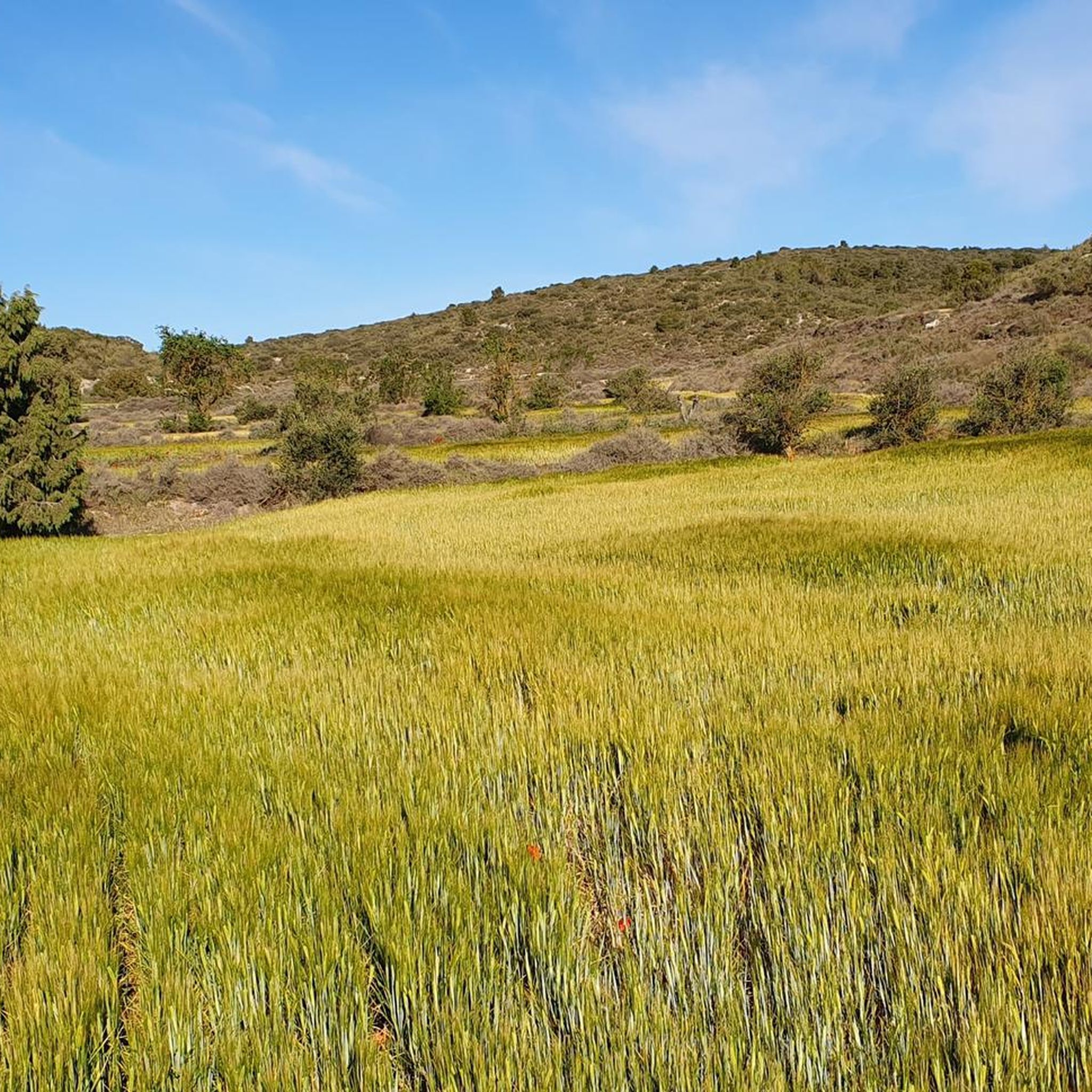
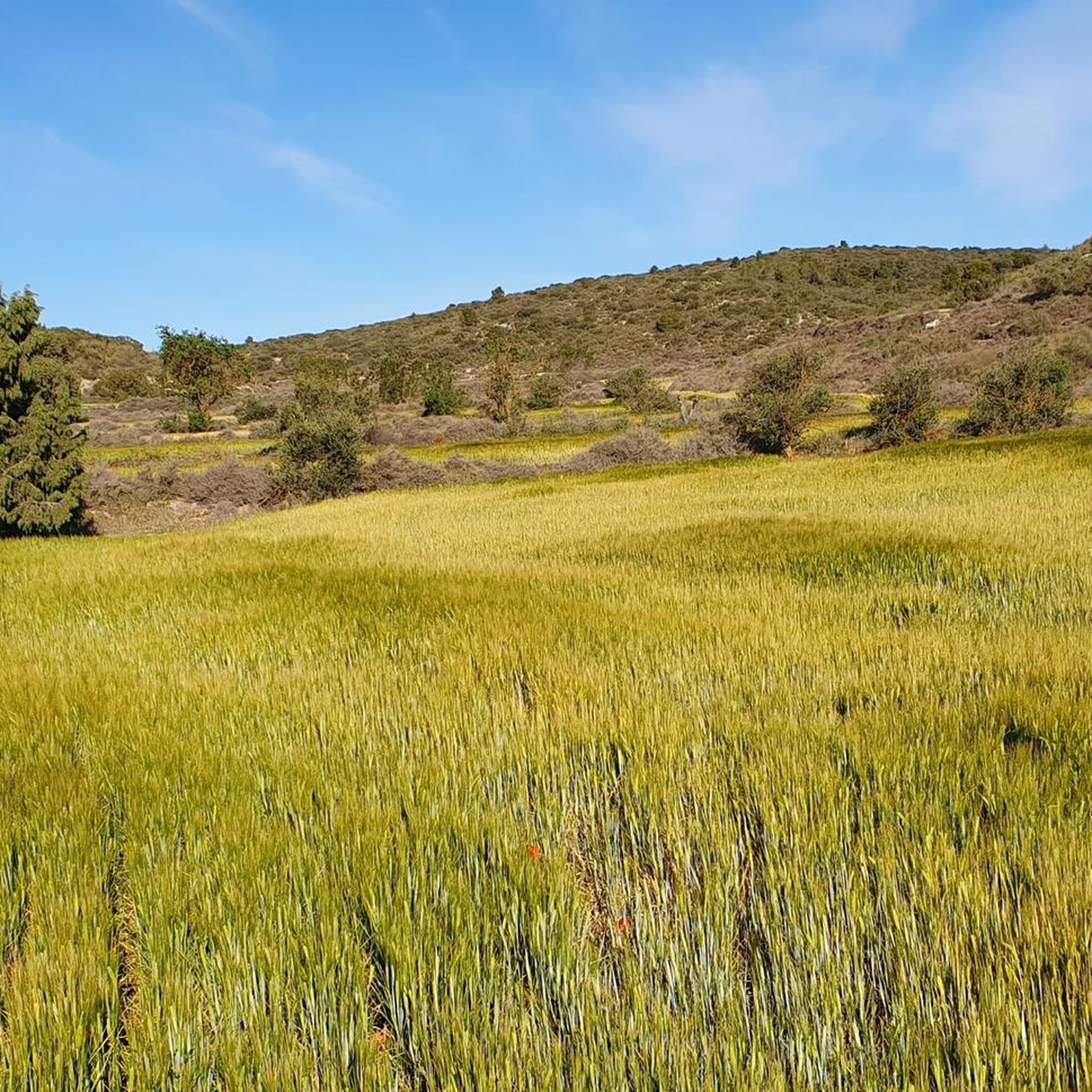
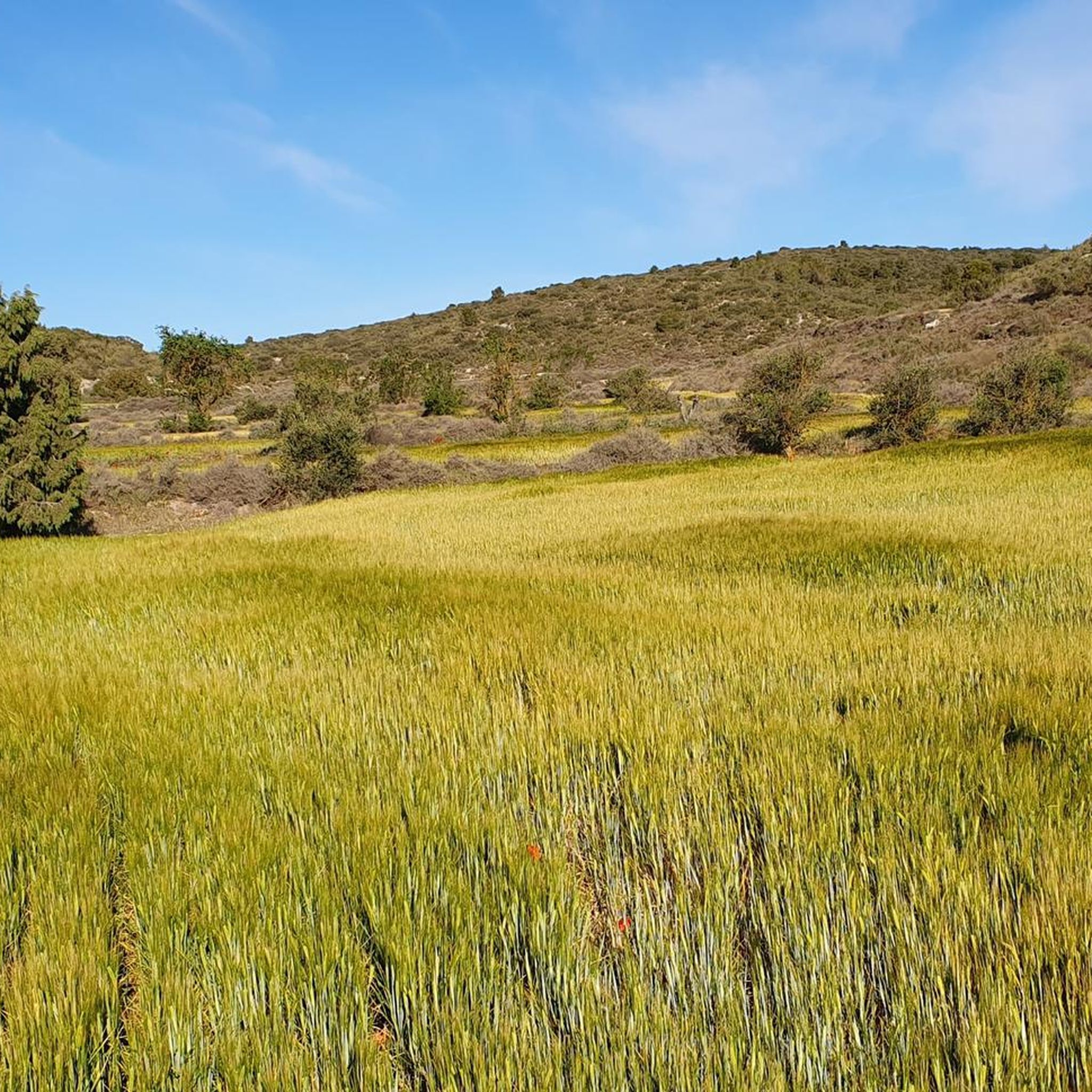
Gravel biking around Castejón De Monegros offers a distinctive experience across an arid, ocher-colored terrain characterized by expansive, open tracks. The region is renowned for its "badlands" topography, a result of centuries of erosion that has sculpted striking geological formations like the Tozales de Monegros. Cyclists navigate vast dryland steppes and the varied elevations of the Sierra de Alcubierre, providing a challenging yet rewarding environment. This landscape creates a sense of rugged solitude, ideal for long-distance gravel biking.
Best gravel…
Last updated: July 4, 2026
4.4
(5)
328
riders
121km
09:13
1,120m
1,120m
Hard gravel ride. Very good fitness required. Mostly paved surfaces. Suitable for all skill levels.
7
riders
Hard gravel ride. Very good fitness required. Mostly paved surfaces. Suitable for all skill levels.

Sign up for free
7
riders
52.7km
03:53
400m
400m
Moderate gravel ride. Good fitness required. Mostly paved surfaces. Suitable for all skill levels.
3
riders
58.6km
04:59
590m
590m
Hard gravel ride. Very good fitness required. Mostly paved surfaces. Suitable for all skill levels.
5
riders
42.1km
03:18
300m
300m
Moderate gravel ride. Good fitness required. Mostly paved surfaces. Suitable for all skill levels.
Get access to more routes and recommendations from other explorers.
Sign up for free
Already have an account?
Our route recommendations are based on thousands of hikes, rides, and runs completed by other people on komoot.
Start today with a free account
Your next adventure awaits.
Login or Signup


Tips from the Community

small park at the foot of the castle, perfect for a break
0
0

The erosion of rainwater has created real sculptures such as the pedestal-shaped Tozal de la Cobeta
6
0

During the Civil War, the monastery was looted and partially burned. Nuns and their heritage were forced to flee. Many works were transported to Catalonia, sparking a heritage conflict that is still ongoing. In recent decades, works of art have been judicially returned from Catalan museums to the Sijena Monastery, turning the site into a symbol of memory, historical justice, and Aragonese heritage. Its isolated location in the Monegros mountains is part of its charm. The arid surroundings contrast with the monumentality of the building, giving it an almost mystical feel.
0
0

It's very well set up, the only thing is that it's packed with people and some stop wherever they can without realizing that they're in the middle of the route, hindering those who have no intention of stopping. In my case, in this 2025 edition, I only made a brief stop at the third refreshment station.
1
0

Start and finish line of the Monegros Marathon
3
0
This impressive hillock is a typical natural formation of Los Monegros. A hillock is an isolated hill or mound formed by wind and water erosion. The softer layers of the soil erode over time, leaving only the most resistant rocks standing. That's why they have such unusual shapes, like natural sculptures. They are true symbols of the Monegros landscape, solitary and surrounded by arid terrain.
0
0
It is one of the most iconic geological formations on the Jubierre route. It is a sandstone monolith shaped by erosion, notable for its isolated shape and visible strata, which are especially striking at sunrise or sunset.
0
0
It is a small stone shelter typical of the Monegros region, designed to provide shelter for shepherds or hikers in bad weather.
6
0
Frequently Asked Questions
What kind of terrain can I expect on gravel bike trails around Castejón De Monegros?
The region is characterized by its arid, ocher-colored terrain and expansive, open dirt tracks. You'll encounter the unique "badlands" topography, a result of centuries of erosion, and vast dryland steppes. The routes often feature varied elevations, including sections within the Sierra de Alcubierre and Sierra de Presiñena, providing a challenging yet rewarding environment.
Are there any easy or family-friendly gravel bike routes in Castejón De Monegros?
While many routes in the area are rated as difficult, there is at least one moderate option available. The Sijena Monastery – Sigena Monastery / Sixena loop from Sena is a 32.7-mile (52.7 km) trail that takes about 4 hours 29 minutes to complete, offering a less strenuous ride through the Monegros landscape and a visit to the historic Sijena Monastery.
What are some notable natural landmarks or points of interest I can see along the gravel bike trails?
The Monegros region is famous for its striking geological formations. You can explore the unique Tozales de Monegros, including the distinctive Tozal de la Cobeta. Many routes also pass by El Pilón (Sierra de Sena Summit), a small stone monolith, and the historic Refugio Piedrafita, a traditional Monegros stone shelter.
What is the best time of year to go gravel biking in Castejón De Monegros?
The Monegros region is characterized by its arid climate. Spring and autumn generally offer the most pleasant temperatures for cycling, avoiding the intense heat of summer and the potentially colder, windier conditions of winter. Always check the local weather forecast before heading out, as strong winds can be a significant factor in this open landscape.
Are there any circular gravel bike routes available?
Yes, many of the gravel bike trails in Castejón De Monegros are designed as loops. Examples include the challenging Tozales de Monegros – Refugio Piedrafita loop from La Almolda, the Ascent of Sierra de Presiñena – Tozales de Monegros loop from Villanueva de Sigena, and the moderate Sijena Monastery – Sigena Monastery / Sixena loop from Sena.
What are the typical distances and durations for gravel bike trails in this area?
The trails vary significantly in length and duration. You can find routes like the Ascent of Sierra de Presiñena – Tozales de Monegros loop from Villanueva de Sigena, which is 29.2 miles (47.0 km) and takes around 4 hours 42 minutes, up to longer, more demanding trails such as the Tozales de Monegros – Refugio Piedrafita loop from La Almolda, spanning 76.2 miles (122.6 km) and requiring over 11 hours to complete.
Is there parking available near the gravel bike trailheads in Castejón De Monegros?
While specific parking areas for each trailhead are not always explicitly listed, Castejón De Monegros and surrounding villages like La Almolda, Villanueva de Sigena, and Sena, which serve as starting points for many routes, typically offer public parking options. It's advisable to check local maps or signage upon arrival for the most convenient spots.
What do other gravel bikers say about the trails in Castejón De Monegros?
The gravel biking routes around Castejón De Monegros are highly rated by the komoot community, with an average score of 4.0 stars from over 2 reviews. Cyclists often praise the unique "other-worldly" atmosphere created by the arid, ocher-colored landscapes and the sense of rugged solitude found on the expansive, open tracks.
Are there any historical sites or cultural attractions along the routes?
Yes, some routes incorporate historical elements. For instance, the Sijena Monastery – Sigena Monastery / Sixena loop from Sena includes a visit to the historic Sijena Monastery. The region also features other historical sites like the 13th-century Ermita-castillo de San Sebastián y San Fabián and the Iglesia Parroquial de Nuestra Señora de la Lumbre in Castejón de Monegros itself.
Are the gravel bike trails in Castejón De Monegros suitable for advanced riders?
Absolutely. The region offers several challenging routes, including difficult trails with significant elevation gains and long distances. For example, the Tozales de Monegros – Refugio Piedrafita loop from La Almolda is a difficult 76.2-mile (122.6 km) trail with over 1100 meters of elevation gain, providing a demanding experience for experienced gravel bikers.
Is public transport an option to reach Castejón De Monegros for gravel biking?
While Castejón De Monegros is a rural area, limited public transport options might connect it to larger towns in the Aragon region. However, for flexibility with your bike and gear, driving is generally the most convenient way to access the trailheads. It's recommended to check local bus schedules from nearby cities like Huesca or Zaragoza if you plan to rely on public transport.
Most popular routes around Castejón De Monegros
Most popular attractions around Castejón De Monegros

Get inspired with the komoot mobile app


Explore more
Browse the best Gravel rides in other regions.
