The best gravel rides around El Toboso
12
riders
5
rides
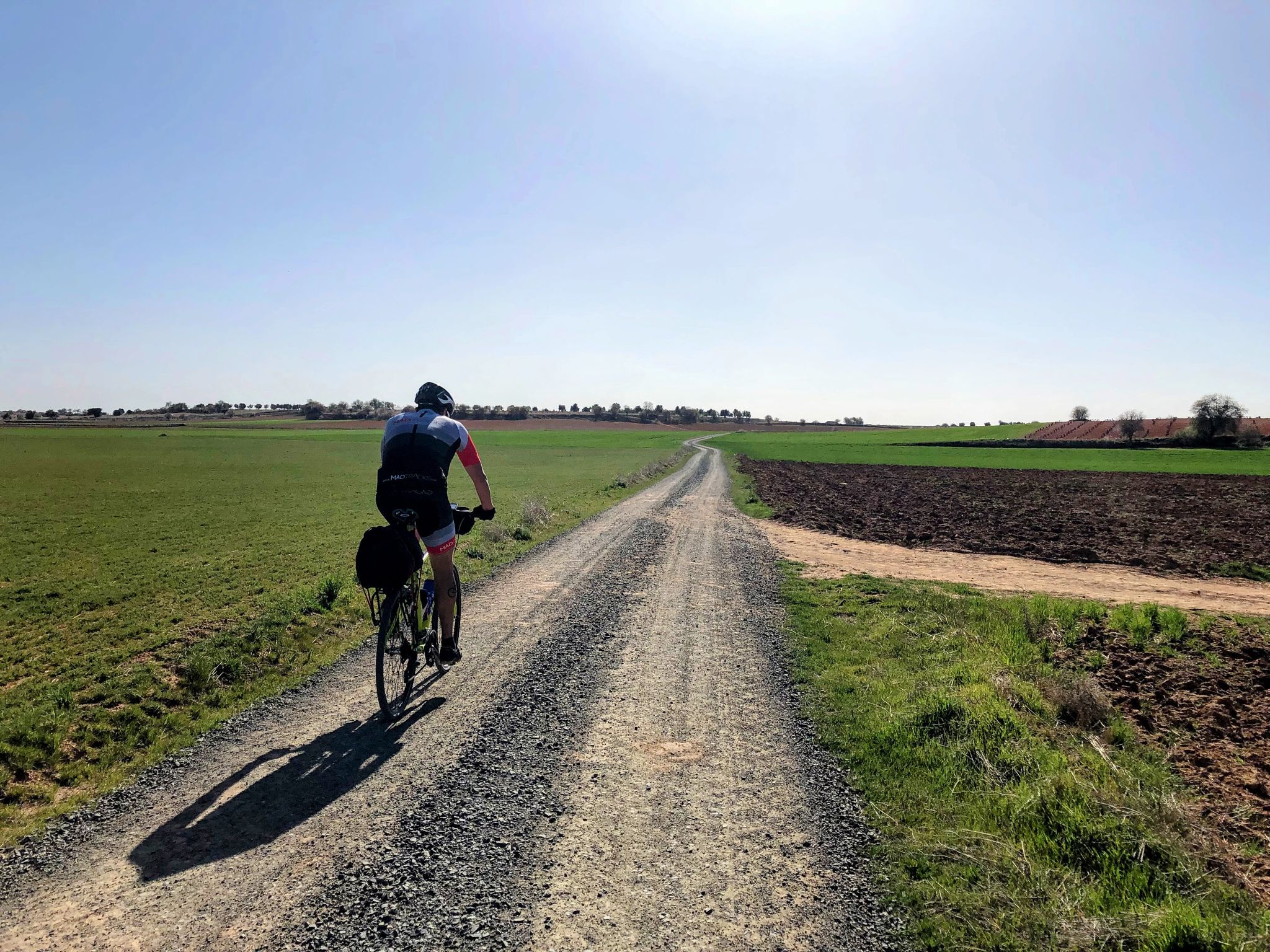
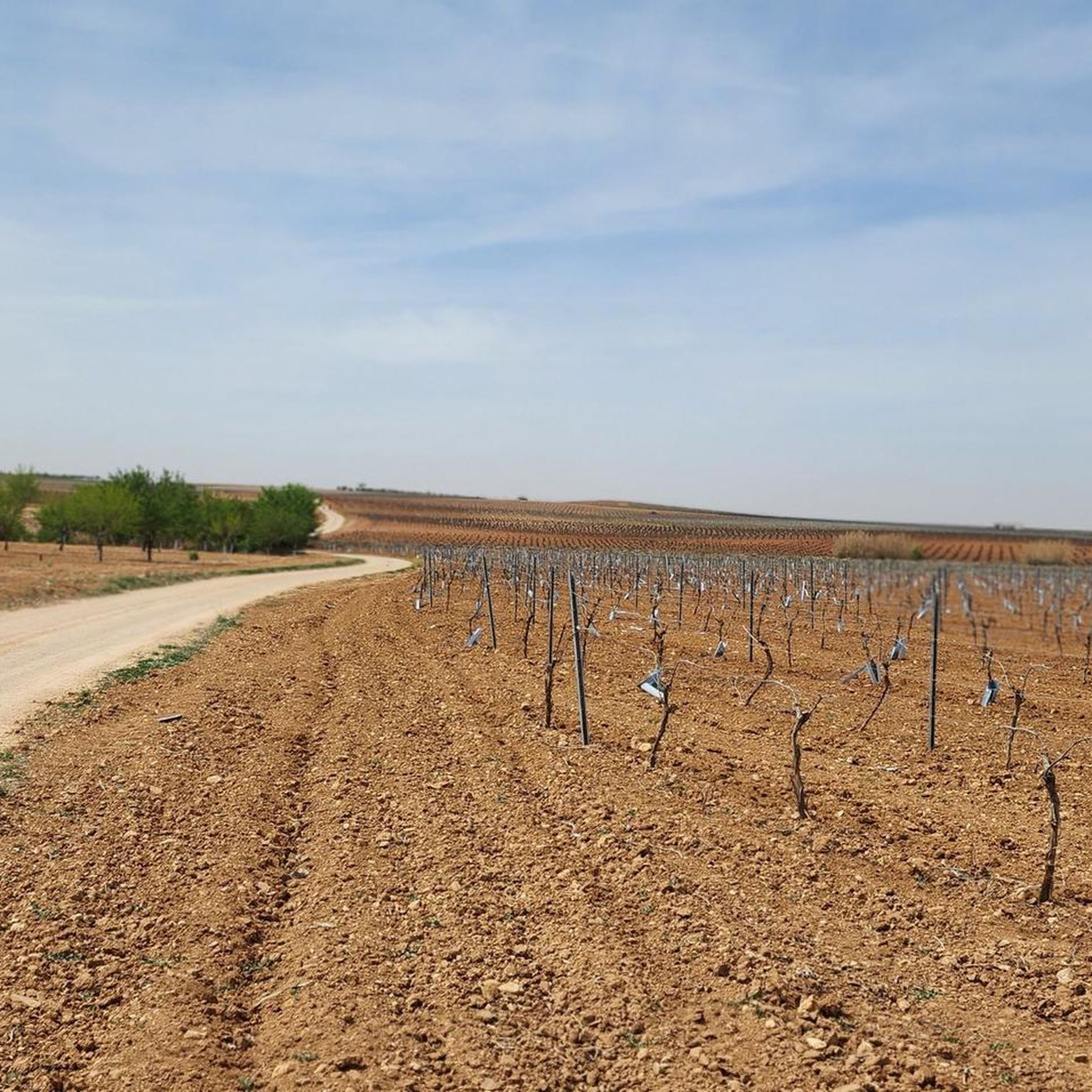
Gravel biking around El Toboso offers exploration across the expansive, open plains of La Mancha, characterized by agricultural lands, olive groves, and vineyards. The terrain is generally flat to gently rolling, providing long stretches suitable for gravel riding. Historic windmills and 16th-century wells dot the landscape, adding cultural and historical points of interest to the routes. This region provides a distinct rural environment for outdoor activities.
Best gravel bike trails around El Toboso
- The most popular gravel bike trail is…
Last updated: July 4, 2026
1
riders
52.4km
03:47
310m
310m
Hard gravel ride. Good fitness required. You may need to push your bike for some segments of this route.
3
riders
Hard gravel ride. Good fitness required. You may need to push your bike for some segments of this route.

Sign up for free
3
riders
Hard gravel ride. Good fitness required. You may need to push your bike for some segments of this route.
2
riders
Hard gravel ride. Good fitness required. You may need to push your bike for some segments of this route.
1
riders
33.5km
02:46
250m
250m
Moderate gravel ride. Good fitness required. Mostly paved surfaces. Suitable for all skill levels.
Our route recommendations are based on thousands of hikes, rides, and runs completed by other people on komoot.
Start today with a free account
Your next adventure awaits.
Login or Signup



Tips from the Community

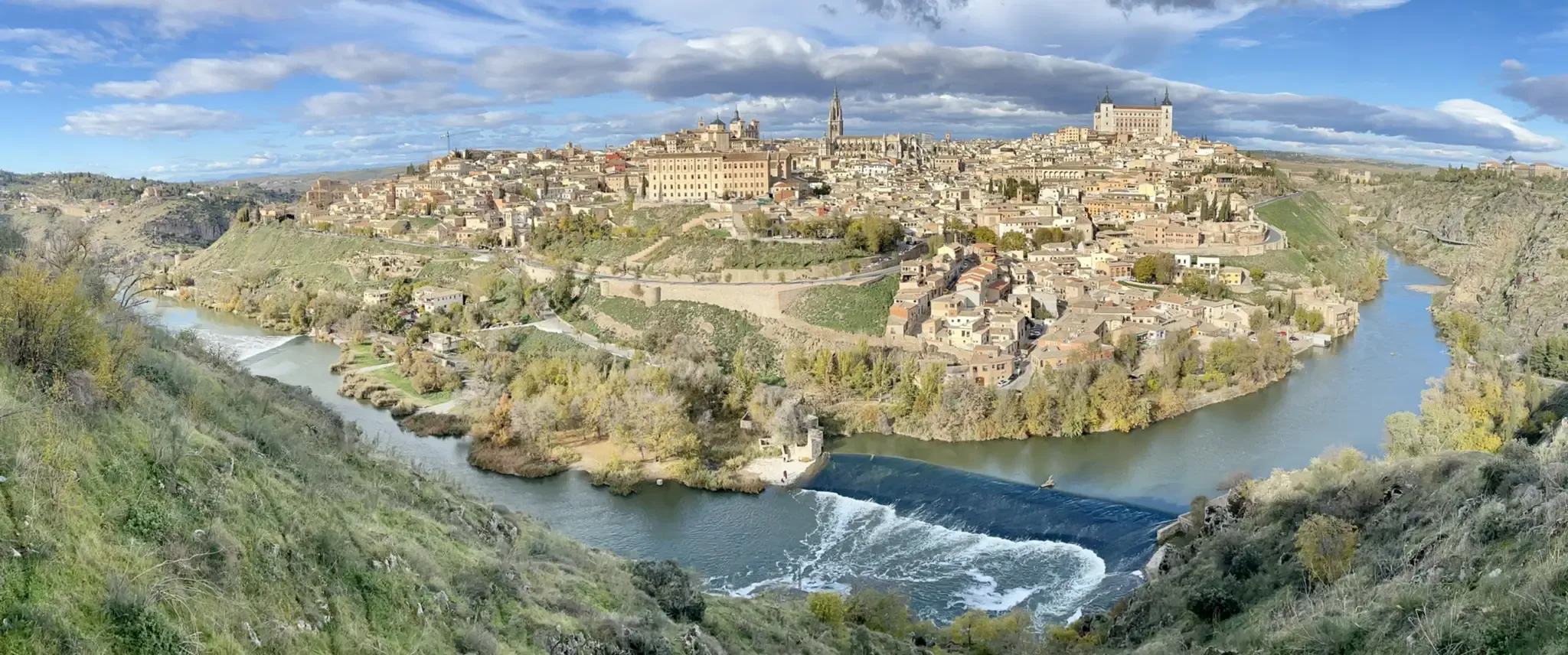
Alcázar de San Juan is one of the most interesting destinations in the heart of La Mancha, with a blend of history, heritage, nature, and Cervantine traditions. Its name comes from the Military Order of Saint John, which dominated the area after the Reconquista. It claims to be the birthplace of Miguel de Cervantes, as the baptismal font where, according to some studies, the writer was baptized is preserved in the Collegiate Church of Santa María la Mayor. It was an important railway junction and economic center in the 19th and 20th centuries, which shaped its urban development.
10
0
The Church of Santa Quiteria in Alcázar de San Juan (Ciudad Real) is one of the town's most important churches, boasting a rich history and significant architectural value. Origin: Construction began in the second half of the 16th century based on plans by Juan de Herrera, the architect of El Escorial. Execution: The work was directed by Agustín Argüello and completed by Bartolomé Elorriaga in 1604. Style: Renaissance with classical elements.
7
0

Return to the town of Campo de Criptana
0
0

This is the Convent of Poor Clare Franciscan Nuns, founded in 1515 and converted into a convent in 1546. It follows the Rule of Saint Francis and is dedicated to the Conception of Our Lady. Although renovated in the 20th century, it retains its original Renaissance façade. The nuns lead a contemplative life and support themselves by making artisanal sweets, such as the town's famous "pelusas." Hours for purchasing monastic pastries: in the winter, Monday to Friday, 10:00 a.m. to 2:00 p.m. and 4:30 p.m. to 6:00 p.m.; Saturdays and Sundays from 11:00 a.m. In the summer, Monday to Friday, 10:00 a.m. to 2:00 p.m. and 5:00 p.m. to 7:00 p.m.; Saturdays and Sundays from 11:00 a.m.
2
0
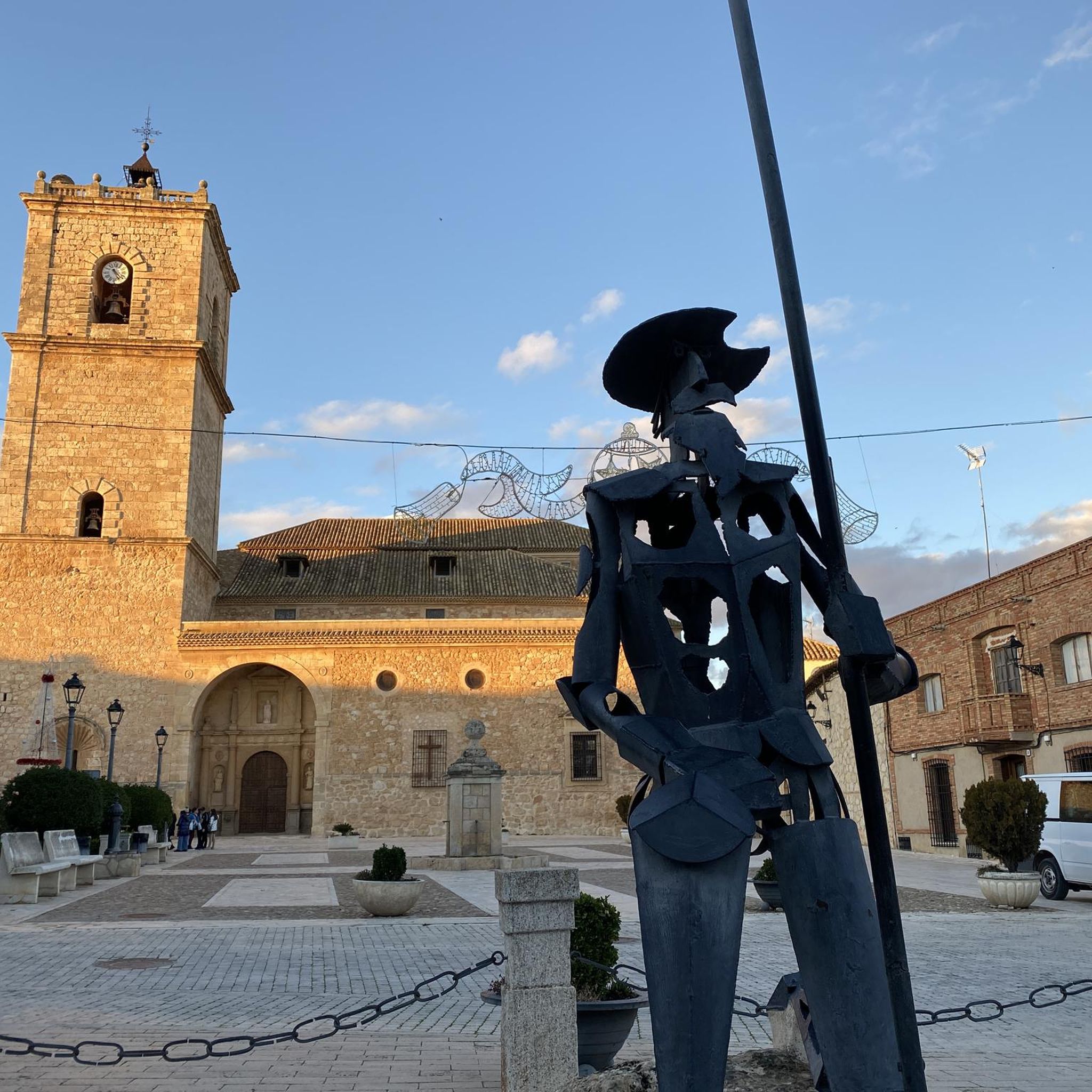
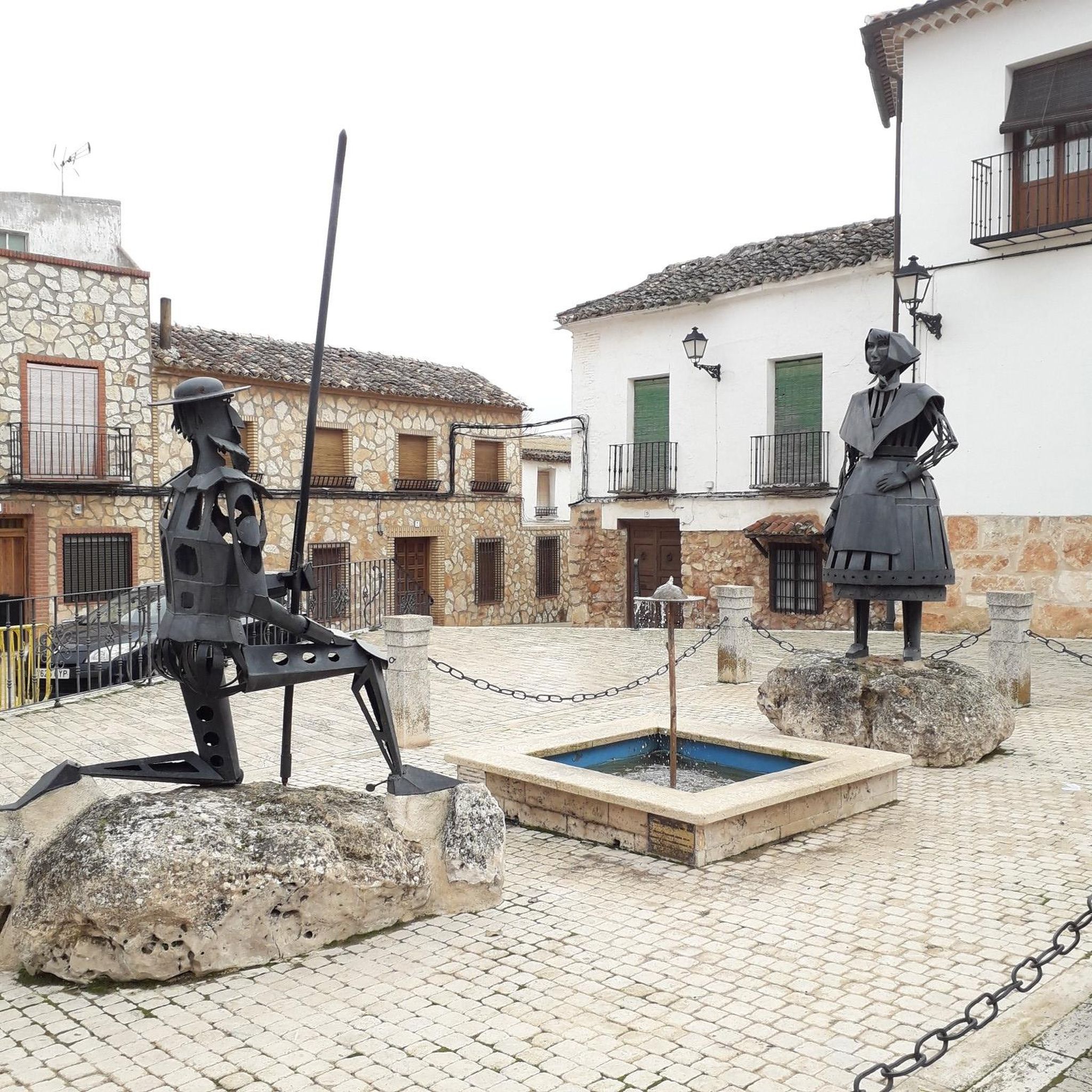
The statue of Don Quixote and Dulcinea in El Toboso is one of the town's most emblematic monuments, deeply linked to the Cervantes universe. It stands in the main square of El Toboso, dedicated to Juan Carlos I, in the heart of the town. The sculptures are made of sheet iron, not cast iron, giving them a handcrafted and robust appearance.
4
0
This convent belongs to the Clarisse Sisters. The most notable feature is the church door, built in 1670 and today the only element that remains from the original construction. Its origins date back to 1515, when there was a house of Beatas as a hermitage, which later, in 1546, was converted and founded as a Franciscan Monastery by Don Antón Martínez, a cleric from this town. In the Relations of Felipe II, from 1575, this place is already mentioned as a monastery of beatas, subject to the Order of San Francisco, called La Sentencia, dedicated to the Conception of Our Lady. Currently, all the dependencies of the convent are reconstructions of the old ones, including the church, since from the original Church of the convent only the first section of the vault, in simple baroque style, remains; The rest of the main factory is modernist, the result of the extensive reconstruction carried out between 1973 and 1976. The nuns who live there live in a cloistered setting and are dedicated to the artisanal production of sweets.
1
0

Public fountain on the road very close to the sanctuary of Nuestra Sra de Criptana
4
0
It is a very austere construction that dates back to the 17th century during the Austrian period. It has a single nave and a considerable height whose foundations rest on a previous construction that dates back to approximately the 13th century.
9
0
Frequently Asked Questions
What kind of terrain can I expect on gravel bike trails around El Toboso?
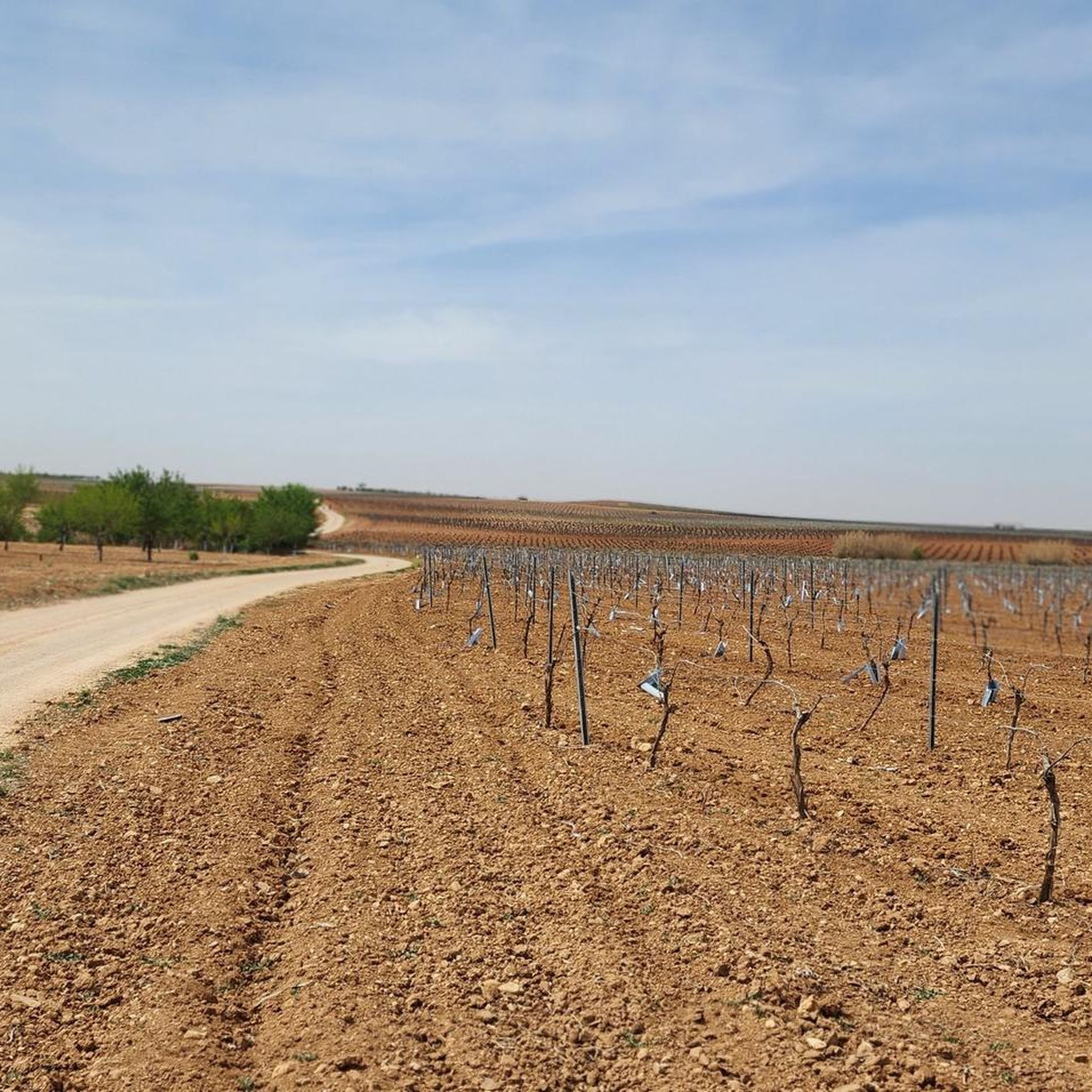
The terrain around El Toboso is generally flat to gently rolling, characterized by expansive La Mancha plains and agricultural fields. You'll ride through steppes of reddish earth, olive groves, vineyards, and almond trees. This makes for long stretches of riding with minimal technical difficulty, ideal for gravel biking.
Are there any circular gravel bike routes available?
Yes, several routes offer a loop experience. For instance, you can explore the Campo de Criptana Windmills – El Toboso Town Center loop from Chozo de Lara, which covers nearly 59 kilometers, or the Statue of Quixote and Dulcinea – El Toboso Town Center loop from Campo de Criptana, a 43-kilometer option.
What are the best times of year for gravel biking in El Toboso?
The dry conditions prevalent in spring and autumn make these seasons ideal for cycling in El Toboso. You can expect comfortable and enjoyable rides during these periods, avoiding the summer heat or potential winter chill.
What historical landmarks or points of interest can I see along the gravel routes?
El Toboso and its surroundings are rich in history and literary connections. You can encounter iconic Campo de Criptana Windmills and Sierra de los Molinos Windmills, which inspired Don Quixote. Other notable sights include the Statue of Quixote and Dulcinea, and historical wells scattered throughout the landscape.
Are there any routes suitable for beginners or those looking for an easier ride?
While most routes in this guide are rated 'difficult', there is one 'moderate' option: the Monreal del Llano loop from Los Hinojosos. This route covers about 33.5 kilometers with around 250 meters of elevation gain, offering a less challenging experience compared to others.
Can I find routes that connect El Toboso with other towns?
Yes, routes like the Gravel road between Campo de Criptana and El Toboso offer a direct connection between these two significant locations, allowing you to experience the landscapes between them.
What is the typical distance of gravel bike routes in this area?
The gravel bike routes around El Toboso vary in length. You can find rides ranging from approximately 33.5 kilometers, such as the Monreal del Llano loop from Los Hinojosos, up to about 65.8 kilometers with the Campo de Criptana Windmills – Alcazár de San Juan loop from Campo de Criptana.
Are there any natural water features or lakes near the gravel trails?
While the immediate area is known for its plains, you can find several lagoons nearby. Notable ones include Manjavacas Lagoon, Salicor Lagoons, and Laguna de la Vega, which offer a different natural landscape to explore.
Is El Toboso part of the Don Quixote Route for cyclists?
Absolutely. El Toboso is an integral part of the Don Quixote Route. Gravel biking here offers a unique way to immerse yourself in the landscapes described in Cervantes' famous novel, connecting riders to literary history amidst the natural beauty of La Mancha.
What kind of views can I expect on these gravel rides?
You can expect expansive panoramic views of the La Mancha plains, dotted with olive groves, vineyards, and the iconic windmills. The Campo de Criptana Windmills, in particular, offer spectacular vistas of the surrounding region.
Are the gravel routes around El Toboso generally traffic-free?
Many of the routes in the El Toboso area are known for being traffic-free, enhancing the outdoor experience and allowing for a more peaceful ride through the rural environment.
Most popular attractions around El Toboso

Get inspired with the komoot mobile app


Explore more
Browse the best Gravel rides in other regions.
