The best gravel rides around Bedmar Y Garcíez
9
riders
4
rides
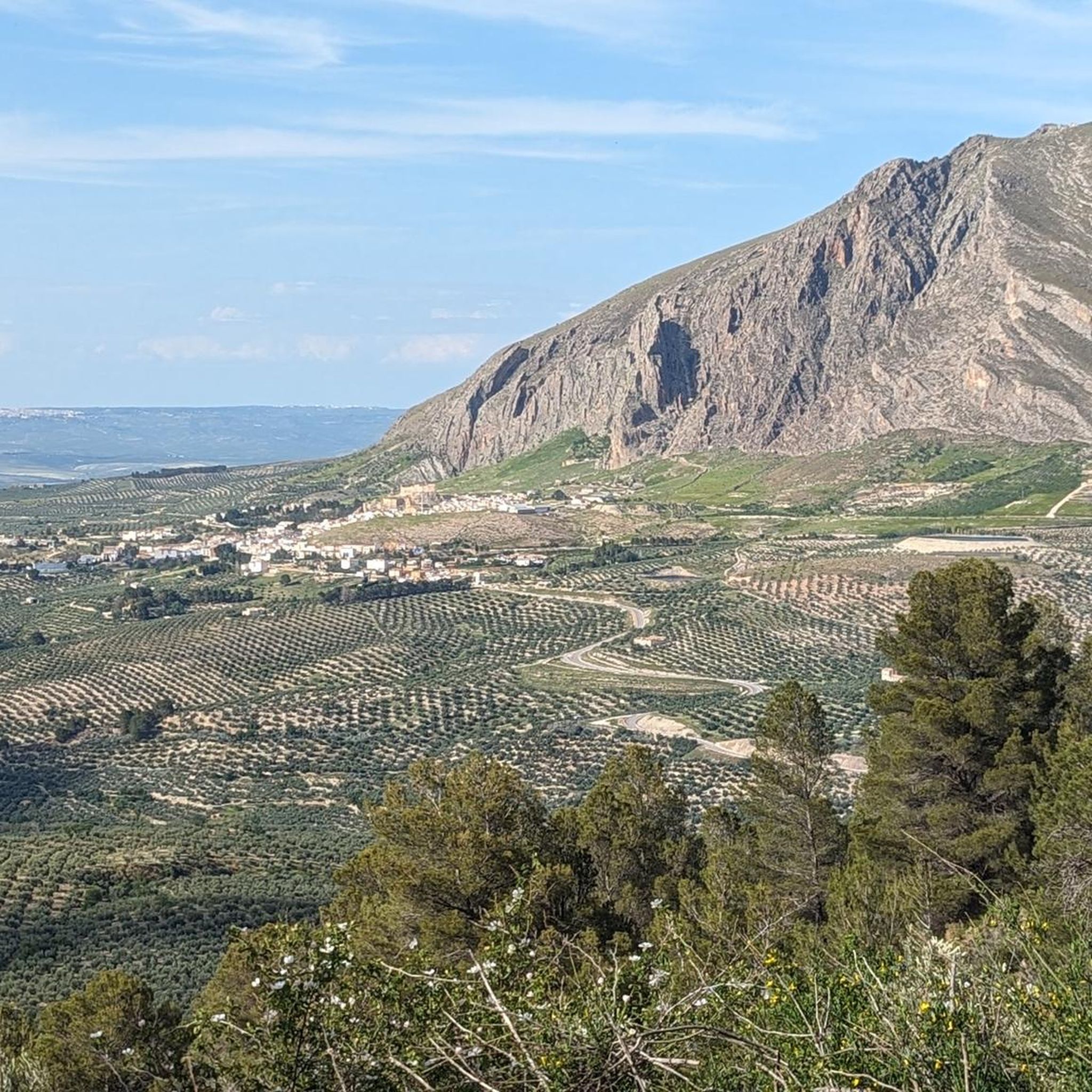
Gravel biking around Bedmar Y Garcíez offers diverse terrain within the province of Jaén, Andalusia. The region is characterized by a rugged landscape that transitions from the Guadalquivir river valley to the high peaks of Sierra Mágina Natural Park. Cyclists can expect a mix of unpaved roads, olive groves, and varied forest types, including holm oaks and Aleppo pines. This area provides a natural network of trails suitable for gravel bikes, with routes featuring significant elevation changes.
Best gravel bike…
Last updated: July 3, 2026
4
riders
31.9km
02:27
380m
380m
Moderate gravel ride. Good fitness required. Mostly paved surfaces. Suitable for all skill levels.
2
riders
46.9km
03:31
630m
640m
Hard gravel ride. Very good fitness required. Mostly paved surfaces. Suitable for all skill levels.

Sign up for free
1
riders
10.7km
00:50
150m
150m
Moderate gravel ride. Good fitness required. Mostly paved surfaces. Suitable for all skill levels.
1
riders
33.6km
02:34
470m
470m
Hard gravel ride. Very good fitness required. Mostly paved surfaces. Suitable for all skill levels.
1
riders
71.7km
04:31
880m
880m
Hard gravel ride. Very good fitness required. Mostly paved surfaces. Suitable for all skill levels.
Our route recommendations are based on thousands of hikes, rides, and runs completed by other people on komoot.
Start today with a free account
Your next adventure awaits.
Login or Signup
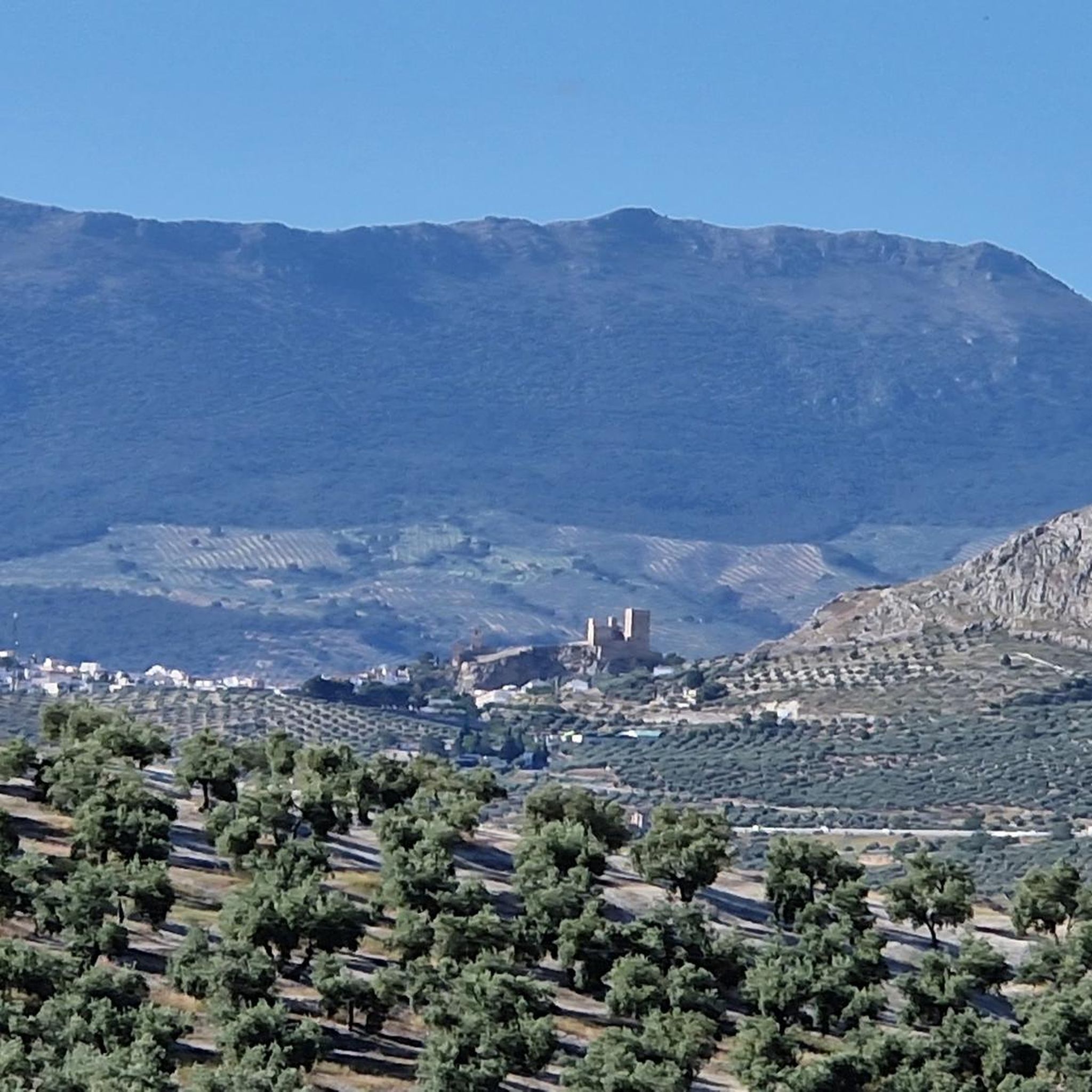
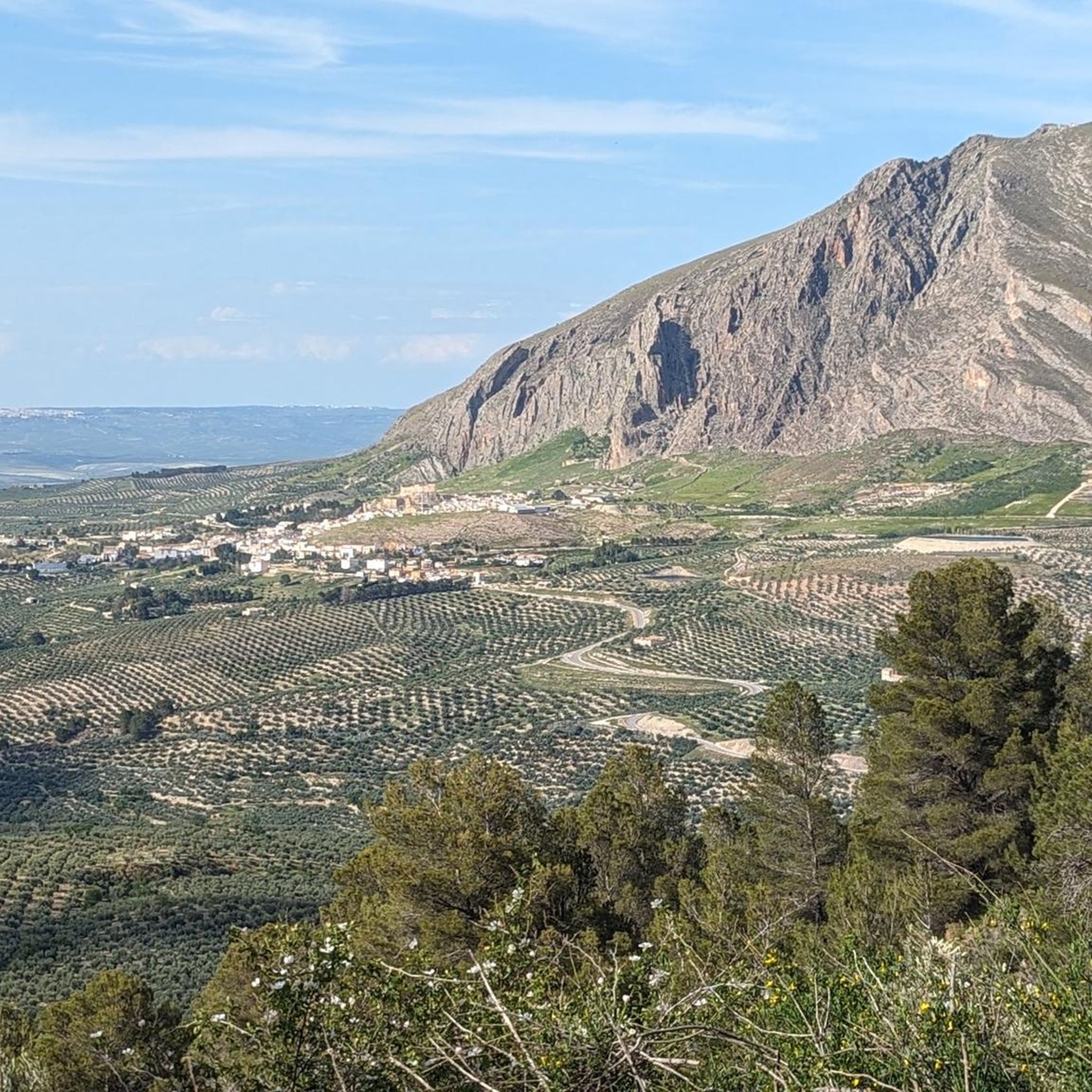
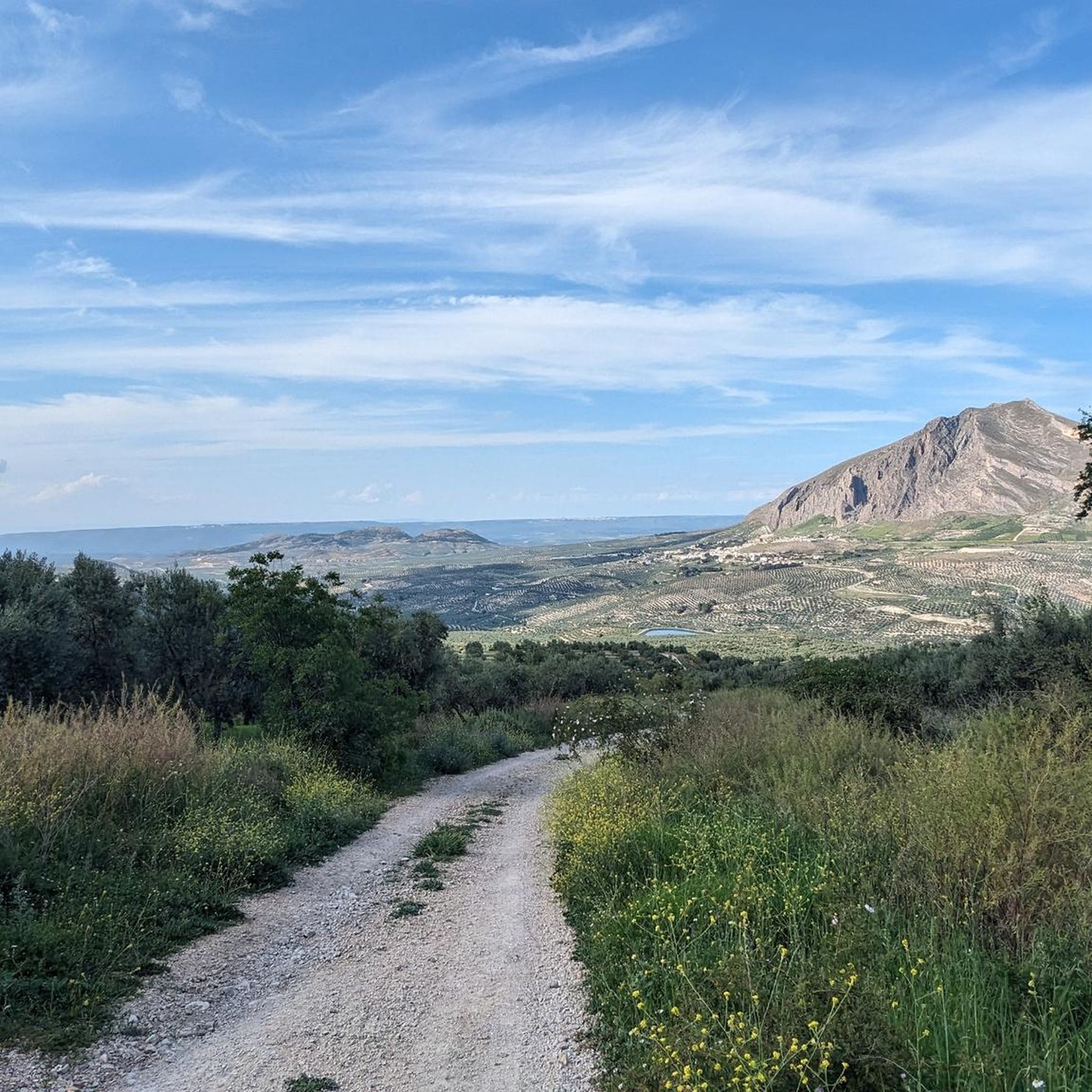
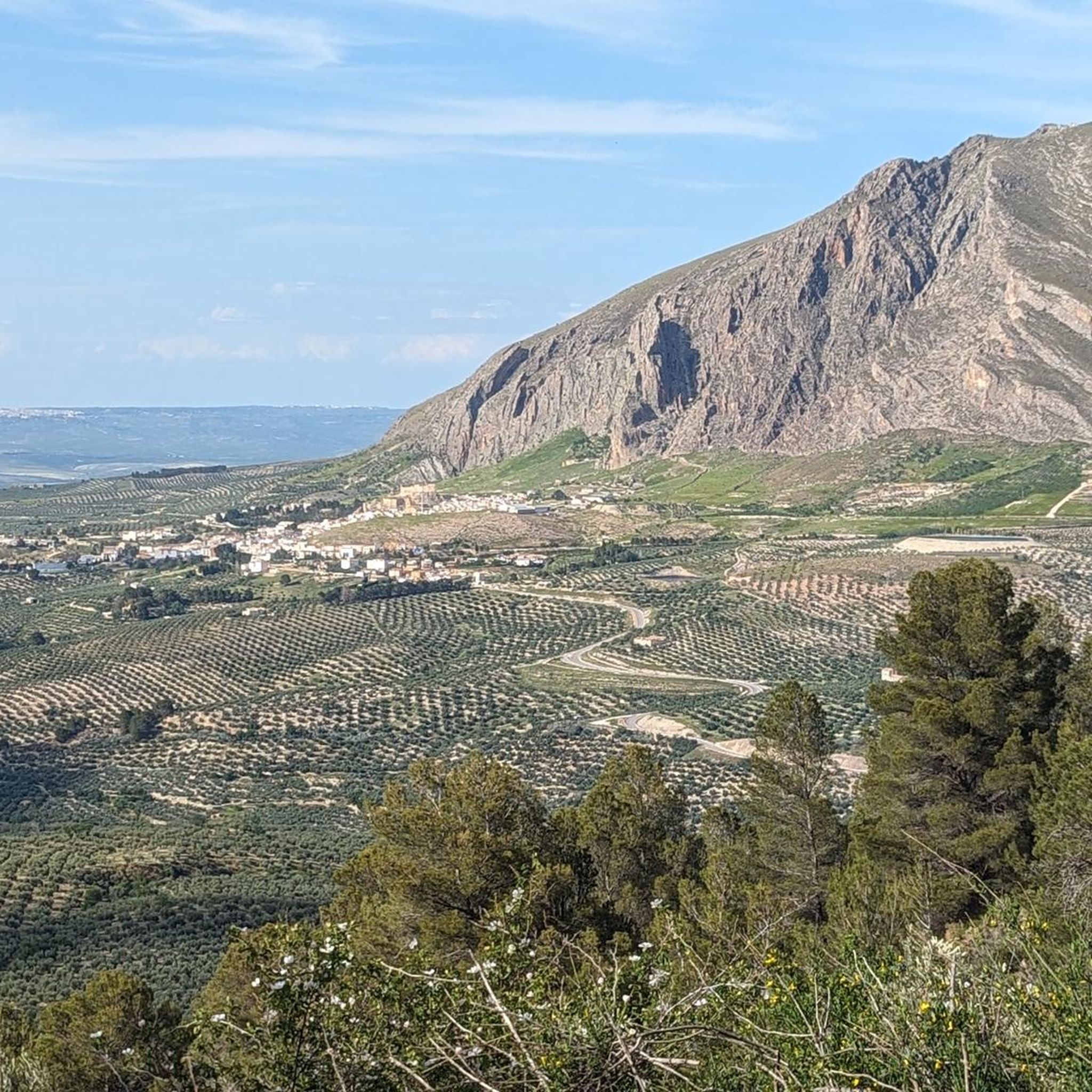
Tips from the Community

Declared a National Monument in 1931, the cathedral stands on the site of an ancient Roman temple, later transformed into a Visigothic structure and then into a mosque after the arrival of the Muslims. In 1227, it became the cathedral seat under the Marian patronage of the Nativity. It acquired its Renaissance character in the 16th century, after more than half of the building collapsed in 1567. Andrés de Vandelvira and other important Andalusian architects imbued the cathedral with the classical style then prevalent in religious art. Until the end of the century, the temple was transformed piecemeal. The main portal was designed in 1587 by Juan Bautista Villalpando, featuring a relief of the Nativity of the Virgin, sculpted by the Jesuit Jerónimo del Prado from Baeza. The Puerta de la Luna (Moon Gate) is one of the oldest elements of the cathedral, with its distinctive 13th-century polylobed arch. Above it stands the 14th-century Gothic rose window, one of the few elements that survived the collapse of the cathedral in 1567. Therefore, the reconstruction was entrusted to Andrés de Vandelvira, who contributed his mastery to give the cathedral the Renaissance richness it boasts today. The combination of Mudéjar, Gothic, and Renaissance styles allows one to observe the passage of time through its walls, telling its story through each of its architectural styles. In addition to visiting the interior of the cathedral, it is highly recommended to climb the tower, from where you will be rewarded with spectacular views of the town and its surrounding countryside.
1
0
Opposite the Jabalquinto Palace stands the Church of Santa Cruz, one of the few Romanesque churches in all of Andalusia. Built in the 13th century, after the conquest of the Upper Guadalquivir Valley by Ferdinand III, it preserves remnants of 15th and 16th-century frescoes.
1
0

I recommend bringing a powerful light, the light only works in one of the tunnels.
0
0


This viewpoint is located on the Paseo de la Muralla (walled walkway) and very close to the Bullring. It offers views of the entire Guadalquivir River valley, the Sierra de Mágina mountain range with Aznaitín peak, and behind it, Almadén. In the background, to the right, we can see the city of Jaén with its castle as a lookout tower.
20
0
This emblematic street in Baeza was laid out on part of the old wall that surrounded the city, becoming definitively configured in 1714, and throughout its existence, it has been an important backbone of the city of Baeza.
20
0

The Pópulo square, also known as Plaza de los Leones (Lions' square), is one of the most emblematic and picturesque corners of Baeza. This square is part of the monumental Renaissance complex that led to the city being declared a UNESCO World Heritage Site in 2003.
6
0

Water supply point for agricultural work and other tasks.
0
0
Frequently Asked Questions
How many gravel bike trails are available in Bedmar y Garcíez?
There are currently 4 gravel bike routes around Bedmar y Garcíez listed in this guide. These routes offer a diverse range of experiences, from moderate to difficult, allowing you to explore the varied landscapes of the region.
Are there any family-friendly or easier gravel routes in Bedmar y Garcíez?
While many routes in the region feature significant elevation, there are options that cater to moderate skill levels. For a shorter, more accessible ride, consider the Gravel loop from Baeza, which covers just over 10 km with moderate elevation gain. This can be a good starting point for those looking for a less strenuous experience.
What kind of challenging gravel biking options are available for experienced riders?
For experienced gravel bikers seeking a challenge, Bedmar y Garcíez offers several difficult routes. The Stone Arch Bridge – Cortijo Pozo Ancho del Rey loop from La Laguna is a substantial ride, covering over 71 km with nearly 900 meters of elevation gain, taking you through rugged terrain. Another demanding option is the Plaza del Pópulo, Baeza – Baeza Cathedral loop from Baeza, which is almost 47 km long with over 600 meters of ascent.
Can I find circular gravel bike routes in the Bedmar y Garcíez area?
Yes, all the gravel routes featured in this guide are circular, meaning you'll start and end at the same point. This makes planning your ride and logistics, such as parking, much simpler. Examples include the Plaza del Pópulo, Baeza – Plaza de Toros Viewpoint loop from Baeza and the Plaza del Pópulo, Baeza – Baeza Cathedral loop from Baeza.
What natural landmarks or points of interest can I see while gravel biking?
The region is rich in natural beauty, especially within the Sierra Mágina Natural Park. You can encounter stunning landscapes, including extensive holm oak and pine forests. Keep an eye out for the unique Serrezuela de Bedmar, known for its esparto grass formations. The area also offers impressive viewpoints, such as those overlooking Cerro de la Carluca.
Are there any historical sites or cultural attractions accessible by gravel bike?
Absolutely. Bedmar y Garcíez boasts a rich history. You can explore the historic town of Bedmar itself, home to the significant Castillo de Bedmar. Nearby, you might also encounter other historical settlements like Jimena or the Albanchez de Mágina Castle, which are part of the region's rich heritage of castles and strongholds.
When is the best time of year to go gravel biking in Bedmar y Garcíez?
The varied climate of Andalusia means spring (March to May) and autumn (September to November) are generally the most pleasant times for gravel biking in Bedmar y Garcíez. Temperatures are milder, and the natural landscape is vibrant. Summers can be very hot, especially in July and August, making early morning or late afternoon rides preferable if you visit during this period. Winters are generally mild but can bring cooler temperatures and occasional rain.
Is it possible to bike near the unique Adelfal de Cuadros?
The Adelfal de Cuadros, known as the most extensive oleander grove in Southern Spain, is a significant natural highlight along the Cuadros River. While specific gravel routes directly through the grove might be limited due to its protected nature, many trails in the Sierra Mágina Natural Park will bring you into the vicinity of this beautiful riverine forest, allowing you to experience its unique ecosystem.
Where can I park my car when starting a gravel bike tour in the area?
Given that many of the routes in this guide start from towns like Baeza, you'll typically find parking available in or near the town centers. For routes that begin in smaller villages or more remote areas, look for designated parking spots or public spaces where you can safely leave your vehicle. Always check local signage for parking regulations.
Are there any options for longer distance gravel bike tours in the Bedmar y Garcíez region?
Yes, for those looking for longer adventures, the region offers routes that can extend your gravel biking experience. The Stone Arch Bridge – Cortijo Pozo Ancho del Rey loop from La Laguna is a great option, covering over 71 km. You can also combine or link sections of different routes to create your own extended tour, taking advantage of the extensive network of unpaved roads and trails in the Sierra Mágina Natural Park.
What is the terrain like for gravel biking in Bedmar y Garcíez?
The terrain in Bedmar y Garcíez is diverse and rugged, characteristic of the Sierra Mágina Natural Park. You can expect a mix of unpaved roads, tracks through olive groves, and paths with varying surfaces, from compacted dirt to loose gravel and rocky sections. There are significant elevation changes, with routes often featuring challenging climbs and rewarding descents, offering a true gravel biking experience.
Most popular routes around Bedmar Y Garcíez
Most popular attractions around Bedmar Y Garcíez

Get inspired with the komoot mobile app


Explore more
Browse the best Gravel rides in other regions.
