The best gravel rides in Sierra De Hornachuelos
5.0
(1)
57
riders
5
rides
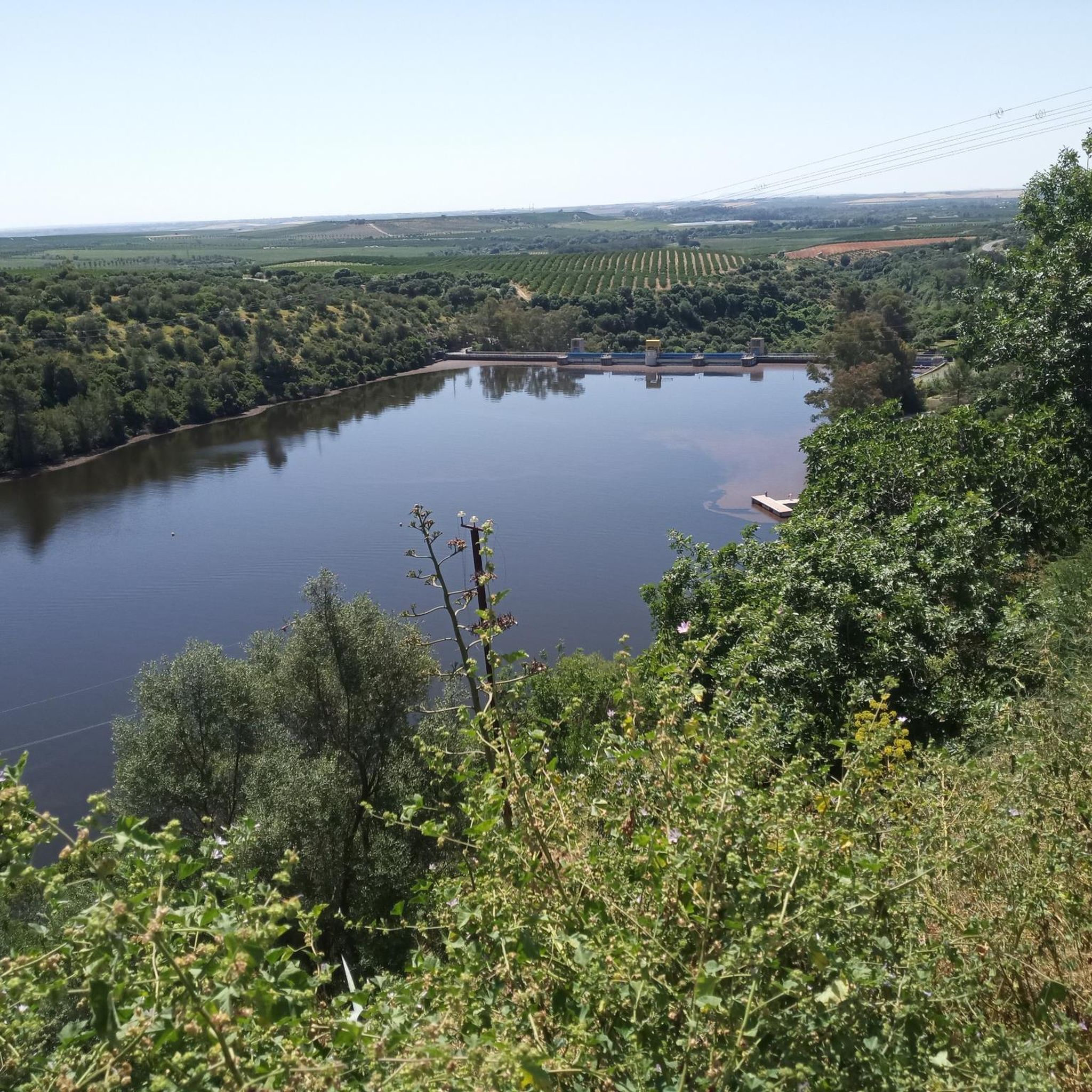
Gravel bike trails Sierra De Hornachuelos are found within a Natural Park in the Sierra Morena mountains, characterized by diverse landscapes. The region features well-preserved Mediterranean forests of holm oaks and cork oaks, often transitioning into dehesas. A powerful hydrographic network, including the Bembézar, Retortillo, and Guadiato rivers, has carved deep gorges and ravines. The terrain is rugged, with a succession of plateaus and gullies, offering routes with both unpaved and sometimes challenging sections.
Best gravel bike trails in Sierra…
Last updated: October 17, 2026
5.0
(1)
10
riders
58.0km
04:19
850m
850m
Hard gravel ride. Very good fitness required. Mostly paved surfaces. Suitable for all skill levels.
28
riders
78.2km
04:42
790m
790m
Hard gravel ride. Very good fitness required. Mostly paved surfaces. Suitable for all skill levels.

7
riders
101km
06:37
610m
610m
Hard gravel ride. Very good fitness required. Mostly paved surfaces. Suitable for all skill levels.
6
riders
74.6km
04:55
450m
450m
Hard gravel ride. Very good fitness required. Mostly paved surfaces. Suitable for all skill levels.
6
riders
62.4km
03:45
410m
410m
Moderate gravel ride. Good fitness required. Mostly paved surfaces. Suitable for all skill levels.
Our route recommendations are based on thousands of hikes, rides, and runs completed by other people on komoot.
Start today with a free account
Your next adventure awaits.
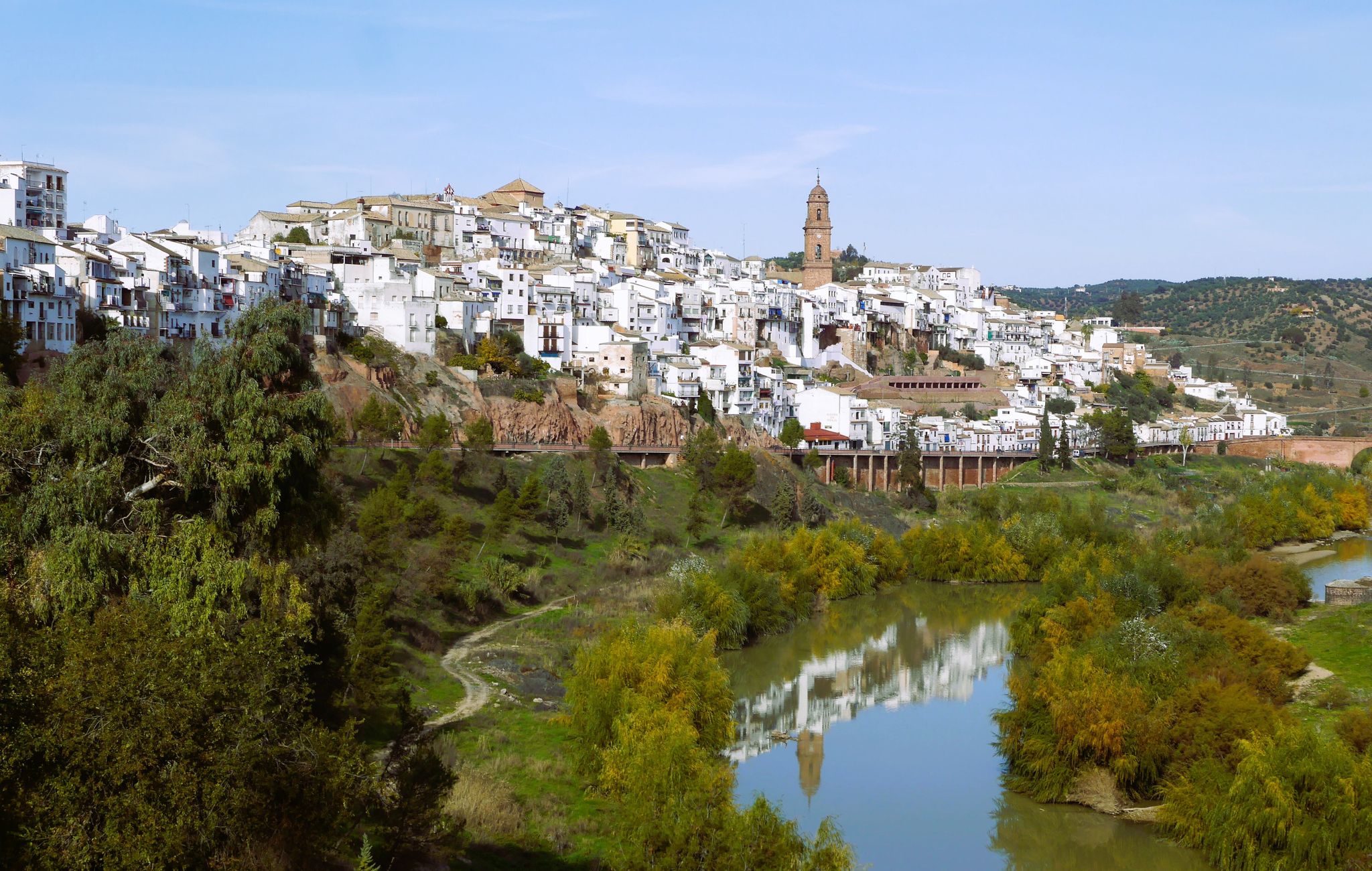

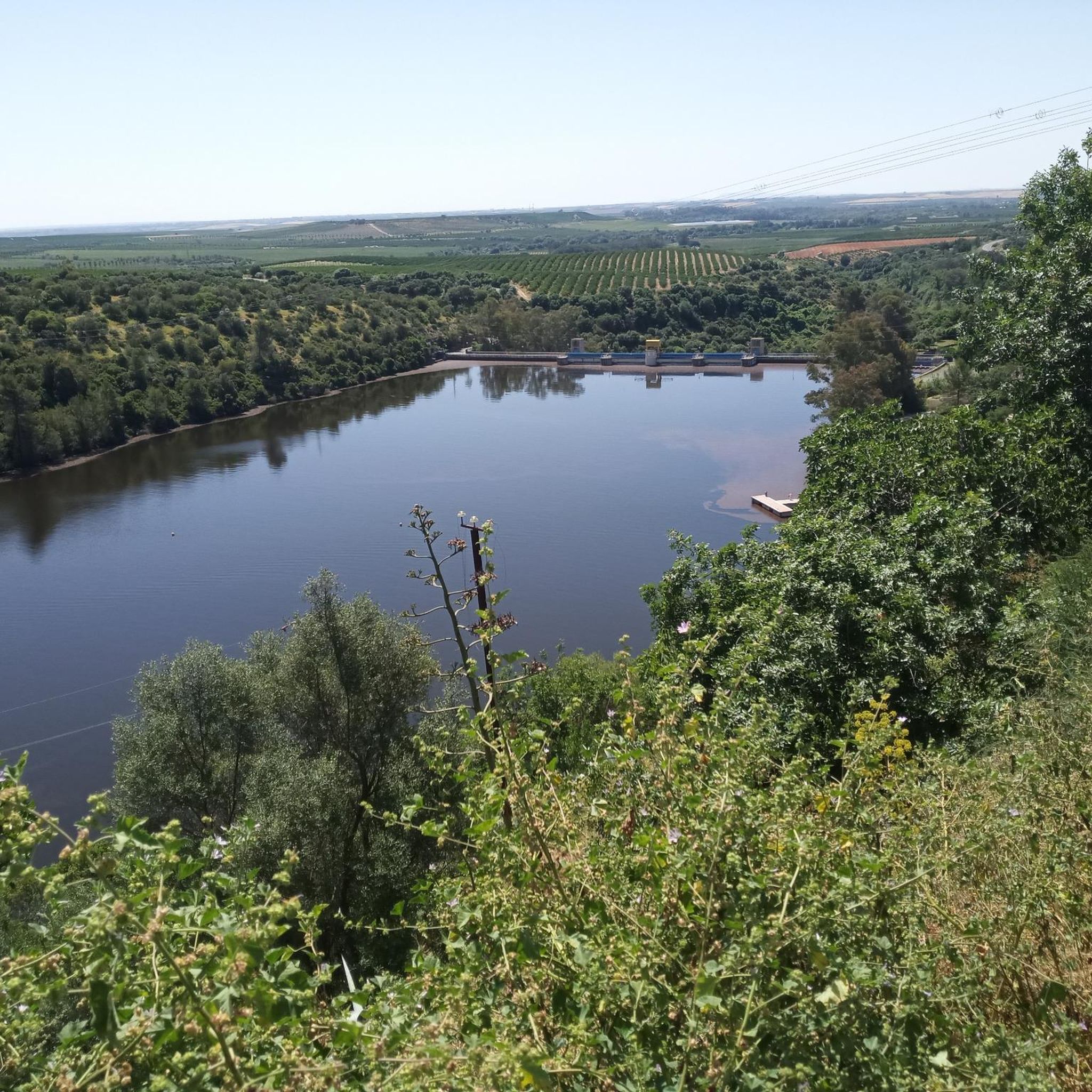
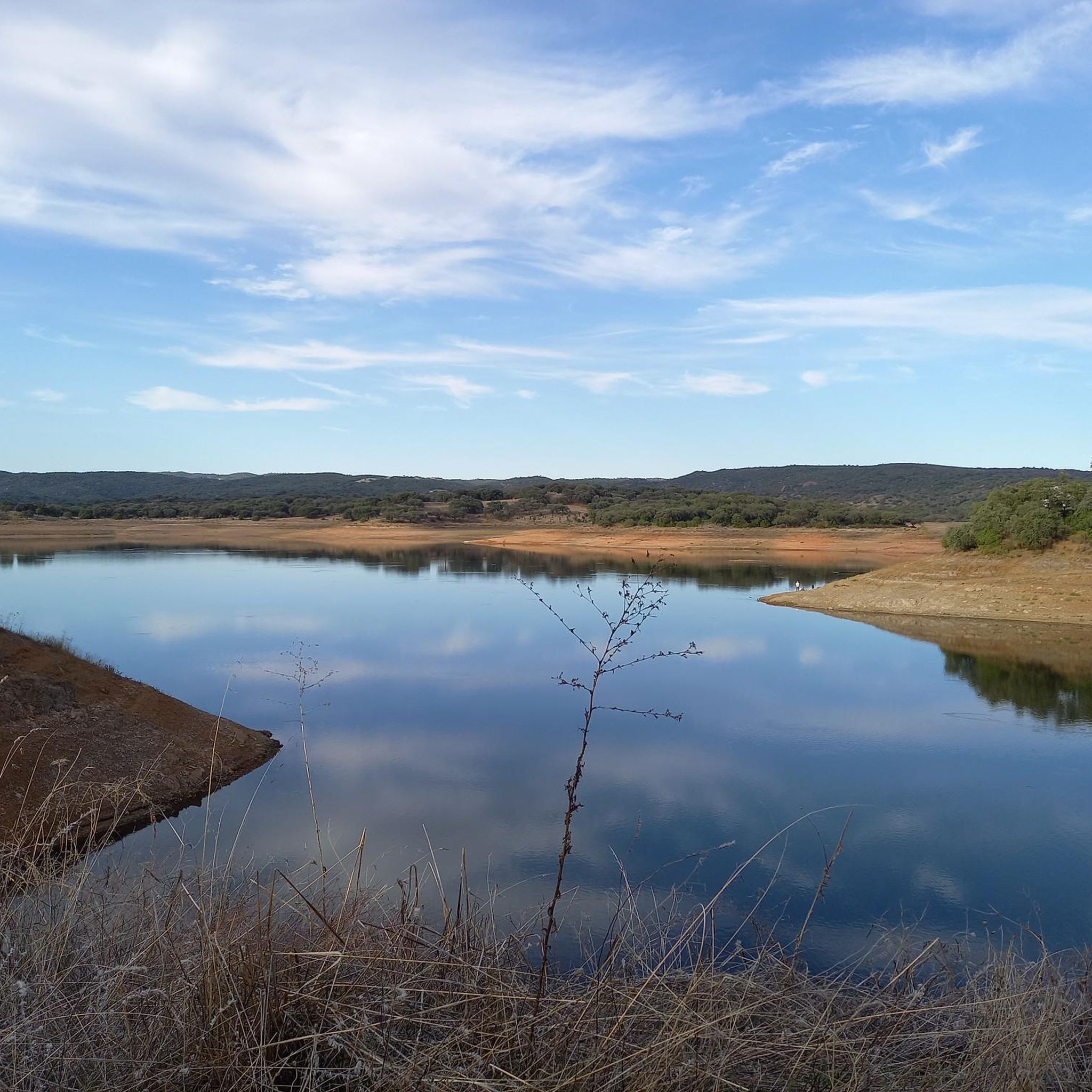
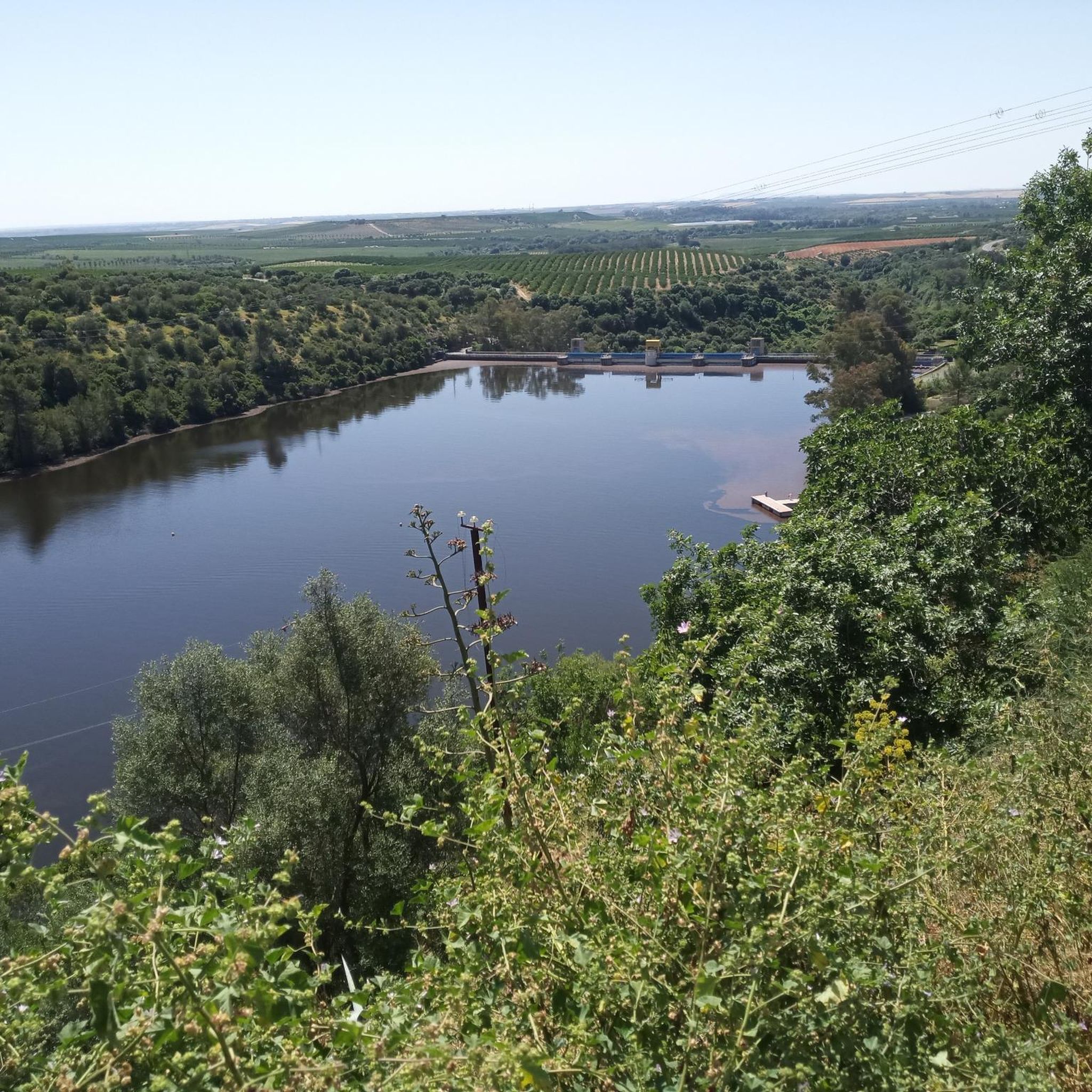
Other adventures in Sierra De Hornachuelos

Tips from the Community

Scattered along the riverbed, christened by the Arabs as Guadalquivir (“great or copious river”) as it passes through the World Heritage city, are what were once symbols of the milling industry in Córdoba, which today remain inserted in an unparalleled landscape setting, silent witnesses to the city's evolution.
2
0

Circular route from Turruñuelos Park, Córdoba, passing through: - Torrehoria Viewpoint (19.5 km) - Torre del Beato (23.1 km) - Torre de las Siete Esquinas (24.5 km) - Bridge over the canal (29.5 km) The route begins along the Guadalmellato Canal, ascends through La Canchuela, Llanos de los Mesoneros, passes the El Cruce gas station, enters the "Fangor" forest, Torrehoria, Camino del Nuo Bajo, Torre del Beato, Torre de las Siete Esquinas, and from there descends to reach the start of the Trassierra Trail. Except for the descent from Siete Esquinas, the route, exceptionally beautiful given the recent rainfall in the mountains with runoff everywhere, follows paths without technical difficulty, making it even more appealing. It's a challenging distance but offers stunning views of the surrounding area and the city and its environs from the highest points.
0
0
The Church of San Pedro (now the Minor Basilica of San Pedro) is one of the oldest and most historic churches in Córdoba. It was built on the remains of a 4th-century basilica that housed the remains of the Cordoban martyrs Januarius, Martial, and Faustus. After the Christian conquest (1236), Ferdinand III ordered its construction between the 13th and 14th centuries, forming part of the Ferdinandine churches.
2
0
The Mosque-Cathedral of Córdoba is one of the most impressive monuments in the world, a symbol of Islamic art in the West and a UNESCO World Heritage Site since 1984. It was originally the Visigothic Basilica of San Vicente, shared by Christians and Muslims. In 784, Abd al-Rahman I began construction of the mosque, which was expanded by his successors: Abd al-Rahman II, Abd al-Rahman III, Al-Hakam II, and Almanzor. After the Christian Reconquista in 1236, it was consecrated as the Cathedral of the Assumption of Our Lady, and in 1523 a Renaissance basilica was built inside.
15
0

Castillo de Almodóvar del Río (Hisnu-l-mudawar; "the round castle") is a castle of Arab Muslim origin in the town of Almodóvar del Río, Province of Córdoba, Spain. Previously a Roman fort, the current structure is of Arab Umayyad origin, in the year 760. During the Middle Ages, it underwent several renovations and reconstructions. Between 1901 and 1936, it was restored by the owner Raphael Desmaissiers, 12th Count of Torravala, under the technical direction of the architect Adolfo Fernández Casanova. The most important towers are the Cuadrada, the Redonda, and the Homenaje.
3
0
The Molino de la Albolafia is located very close to the Roman bridge and on the right bank of the Guadalquivir. It was built by Abd al-Rahman II to bring water from the river to the emirs' palace via an ingenious aqueduct. The mill has a restored naura or water wheel, which was originally ordered to be dismantled by Queen Isabella La Católica because of the noise it produced near the Alcázar, the royal residence. This mill has been part of the city's coat of arms since the fourteenth century.
6
1
Córdoba, on the northern bank of the Guadalquivir, is one of the three largest cities in Andalusia, along with Seville and Granada, but is quieter than the other two. The beautiful city was once the heart of Roman Baetica and later one of the leading centres of Al-Andalus. The mosque-cathedral with red and white arches symbolises the enormous wealth of Spanish-Islamic civilisation. But the Mezquita, a UNESCO World Heritage Site, is certainly not the only thing the city has to offer. Churches and palaces, a maze of narrow streets and alleys, patios and balconies full of flowers: everything invites you to a romantic exploration full of surprises.
8
0

Córdoba is one of Spain's most beautiful cities, with a fascinating mix of Moorish, Jewish and Christian history. A must-see for lovers of history, culture and architecture. Córdoba is a bike-friendly city, ideal for exploring on two wheels. Many attractions are easily accessible by bike, and there are dedicated cycle paths and reduced-traffic zones.
8
0
Frequently Asked Questions
What is the general difficulty level of gravel biking in Sierra De Hornachuelos?
Gravel biking in Sierra De Hornachuelos offers a range of challenges, primarily featuring moderate to difficult routes. The terrain is rugged, with a succession of plateaus and gullies, and routes often include significant elevation gains through Mediterranean woodlands. For example, the Canal – Corredera Square loop from El Mirador de la Breña is a difficult 65.9-mile trail with substantial climbing.
Are there any family-friendly gravel biking options in Sierra De Hornachuelos?
While many routes in Sierra De Hornachuelos are rated moderate to difficult due to the rugged terrain and elevation changes, some sections or shorter loops might be suitable for families with older, experienced riders. The park's visitor center, Huerta del Rey, could be a good starting point to inquire about less challenging paths or multi-adventure parks like Río Secreto Aventura that offer other family activities.
What kind of landscapes and natural features will I encounter on gravel bike trails here?
You'll experience diverse landscapes, from well-preserved Mediterranean forests of holm oaks and cork oaks to traditional dehesas. The region is also defined by a powerful hydrographic network, including the Bembézar, Retortillo, and Guadiato rivers, which have carved deep gorges and ravines. You'll find lush riverside vegetation and dramatic views, especially around the Bembézar Dam.
What are the best times of year for gravel biking in Sierra De Hornachuelos?
The best times for gravel biking are typically spring and autumn when temperatures are milder. Summers can be very hot, making longer rides challenging. Autumn also offers the chance to witness the red deer rutting season, a notable event in the park. Winters are generally mild but can bring rain.
Are there any circular gravel bike routes available?
Yes, many gravel routes in Sierra De Hornachuelos are designed as loops. For instance, the Los Villares Campsite – Elephant Fountain loop from Plaza del Centro Cívico is a difficult 20.7-mile path offering challenging climbs and descents. Another option is the Villarrubia Church – Vía Verde Near El Reventón loop from Villarrubia de Córdoba, a 20.5-mile trail through varied landscapes.
Where can I park my car when visiting the gravel bike trails?
Parking is available in and around the charming town of Hornachuelos, which serves as a common starting point for exploring the park. The Visitor Center Huerta del Rey also provides access and parking. For specific routes, check the starting points mentioned, such as El Mirador de la Breña or Plaza del Centro Cívico, for local parking options.
What kind of wildlife might I see while gravel biking in the park?
Sierra de Hornachuelos is rich in biodiversity. You might spot red deer and wild boar, especially during the autumn rutting season. The park is also home to endangered species such as the Iberian lynx, black vulture, black stork, golden eagle, and Bonelli's eagle. Keep an eye out for these magnificent creatures, but remember to maintain a respectful distance.
Are there any notable viewpoints or attractions along the gravel routes?
Absolutely. The park offers impressive vistas. The View of the Seminario de los Ángeles provides stunning panoramas. You can also enjoy views of the Bembézar River from the Santuario de los Ángeles. The historic San Calixto Convent, dramatically situated overlooking the Bembézar river, is another point of interest.
Are dogs allowed on the gravel bike trails in Sierra De Hornachuelos Natural Park?
Sierra de Hornachuelos is a Natural Park and part of a UNESCO Biosphere Reserve, meaning there are regulations to protect its wildlife and ecosystems. While specific rules for dogs on trails can vary, it's generally advisable to keep dogs on a leash to prevent disturbance to wildlife, especially endangered species like the Iberian lynx. Always check local signage or with the Visitor Center for the most current regulations.
What do other gravel bikers say about their experience in Sierra De Hornachuelos?
The gravel biking experience in Sierra De Hornachuelos is highly rated by the komoot community, with an average score of 5.0 stars from over 3 reviews. Riders often praise the challenging distances and elevation gains, the beauty of the Mediterranean forests, and the rugged, diverse terrain that makes for a rewarding adventure. Over 50 gravel bikers have used komoot to explore the area.
Are there any cafes or places to eat near the gravel bike trails?
The town of Hornachuelos itself, with its steep, narrow streets and historical heritage, is a charming starting point and offers options for cafes, pubs, and accommodation. Other nearby towns like Posadas and Almodóvar del Río also provide amenities. It's a good idea to plan your route to pass through or near these towns for refreshment stops.
Is public transport available to access the gravel bike trails?
While the region is known for its well-preserved natural environment and scarce population, public transport options directly to trailheads within the Natural Park might be limited. Hornachuelos is the main town in the area, and you may find bus services connecting it to larger cities. However, for direct access to specific trail starting points, a car is often the most convenient option.
Are there any permits required for gravel biking in Sierra De Hornachuelos Natural Park?
Generally, permits are not required for cycling on established trails within the Natural Park. However, as it is a protected area, it's always recommended to stay on marked paths to protect the environment and wildlife. If you plan any off-trail activities or large group events, it's best to check with the park authorities or the Visitor Center Huerta del Rey for any specific regulations.
How long are the gravel bike routes in Sierra De Hornachuelos?
The gravel bike routes in Sierra De Hornachuelos vary significantly in length. You can find shorter paths, such as the Roman Temple – Canal loop from Villarrubia de Córdoba, which is about 33.8 miles (54.4 km) and takes around 4 hours. Longer, more challenging routes like the Canal – Corredera Square loop from El Mirador de la Breña extend to 65.9 miles (106.1 km) and can take up to 9 hours to complete.
Most popular routes in Sierra De Hornachuelos
Most popular attractions in Sierra De Hornachuelos

Get inspired with the komoot mobile app


Explore more
Browse the best Gravel rides in other regions.
