The best gravel rides in Zepa Estepas De Yecla
25
riders
3
rides
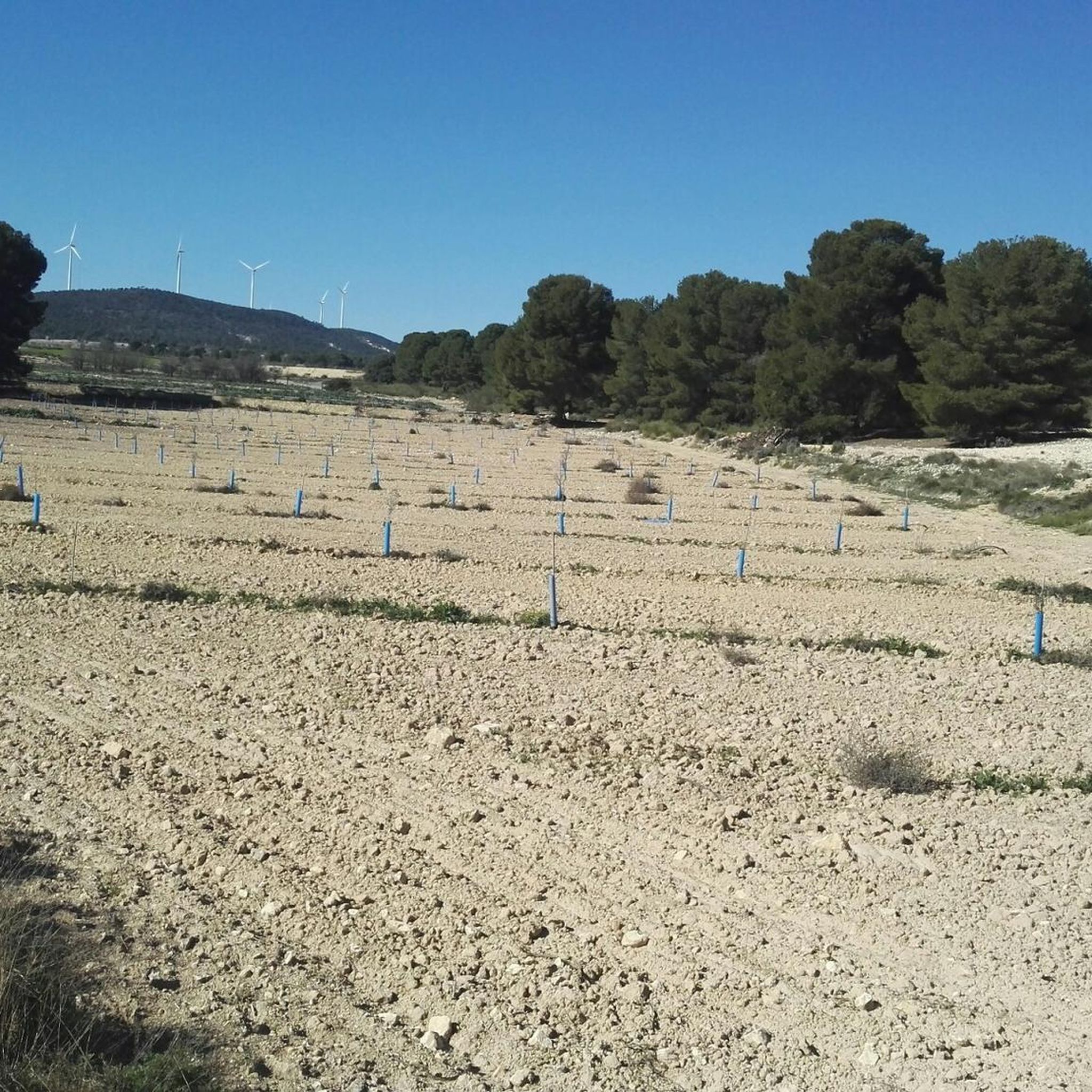
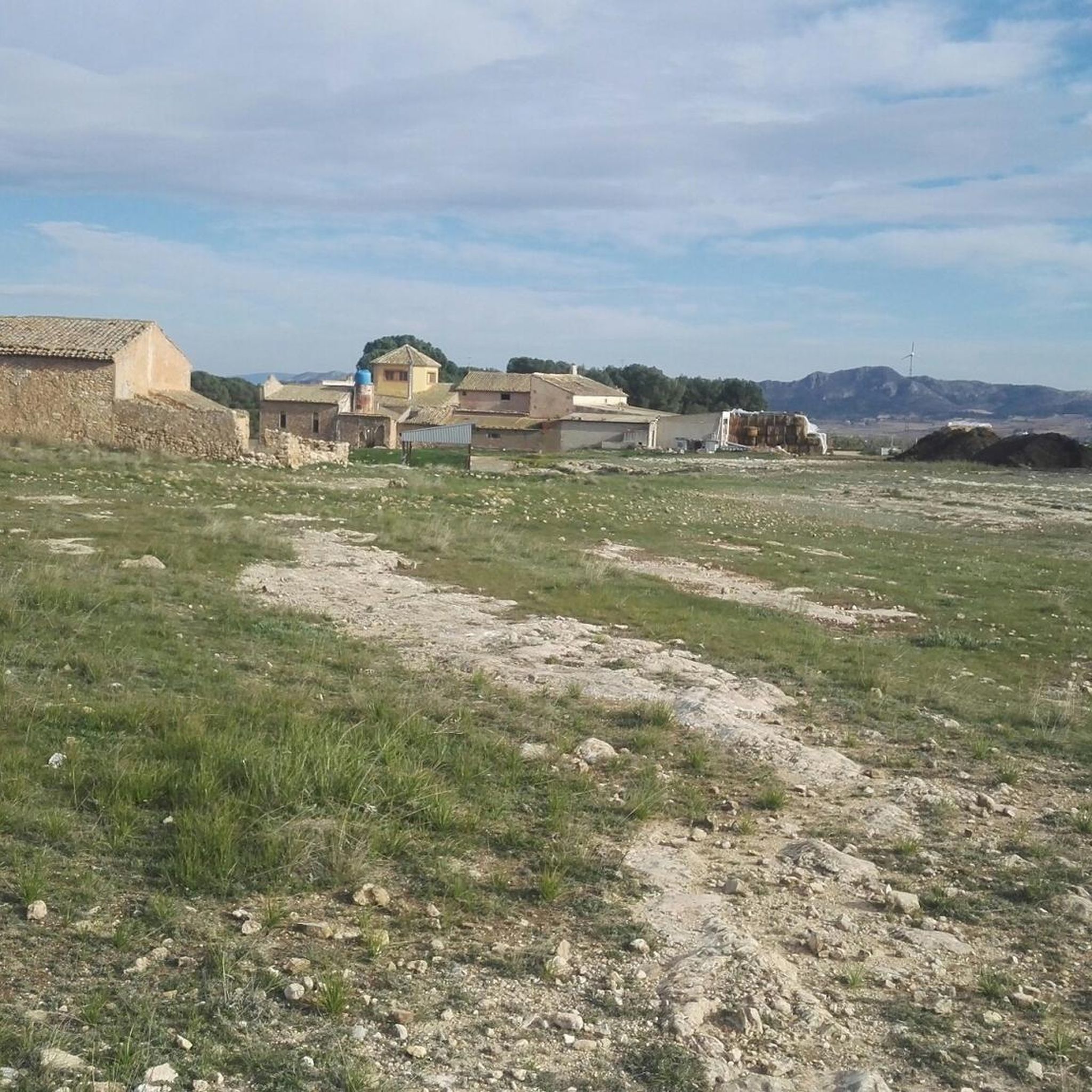
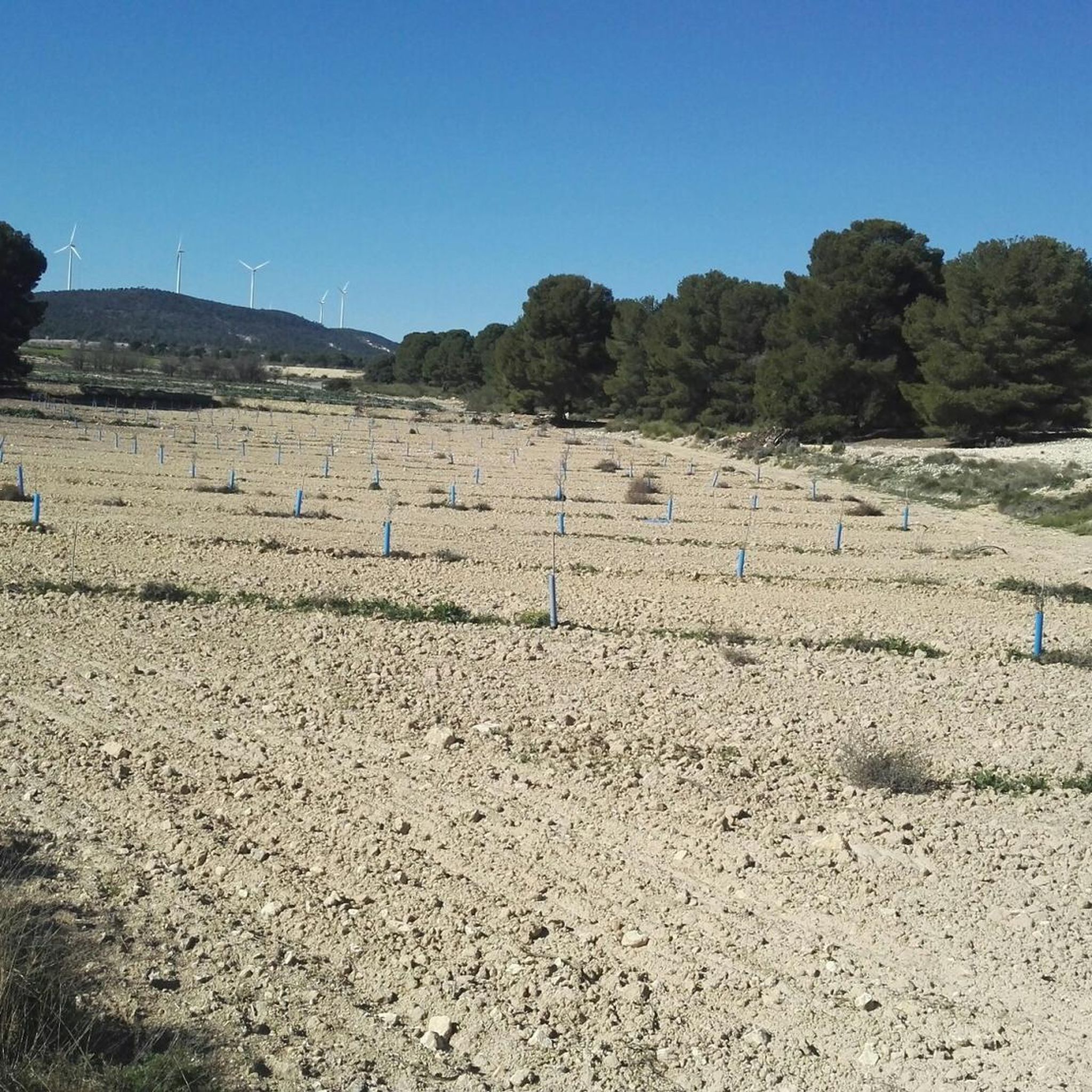
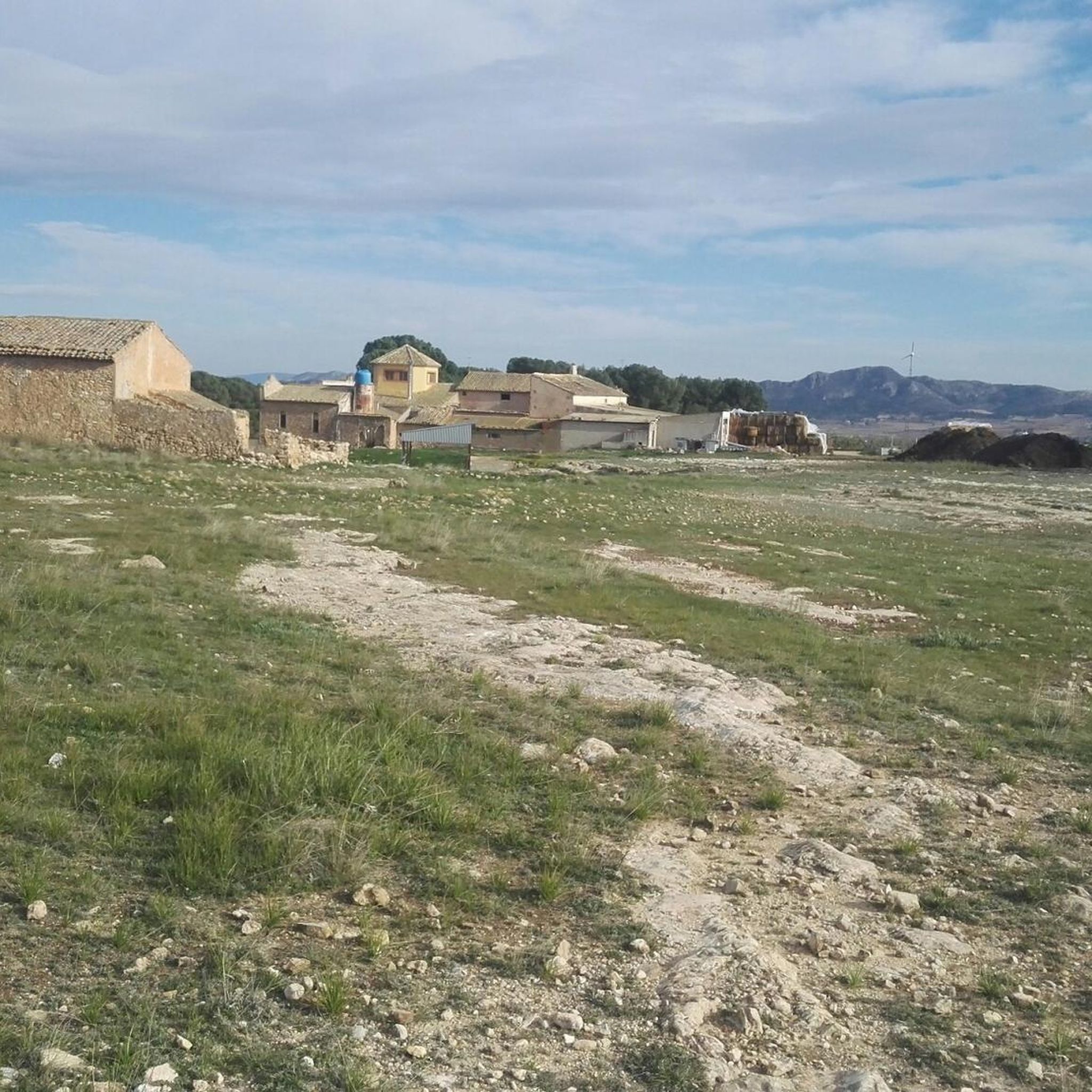
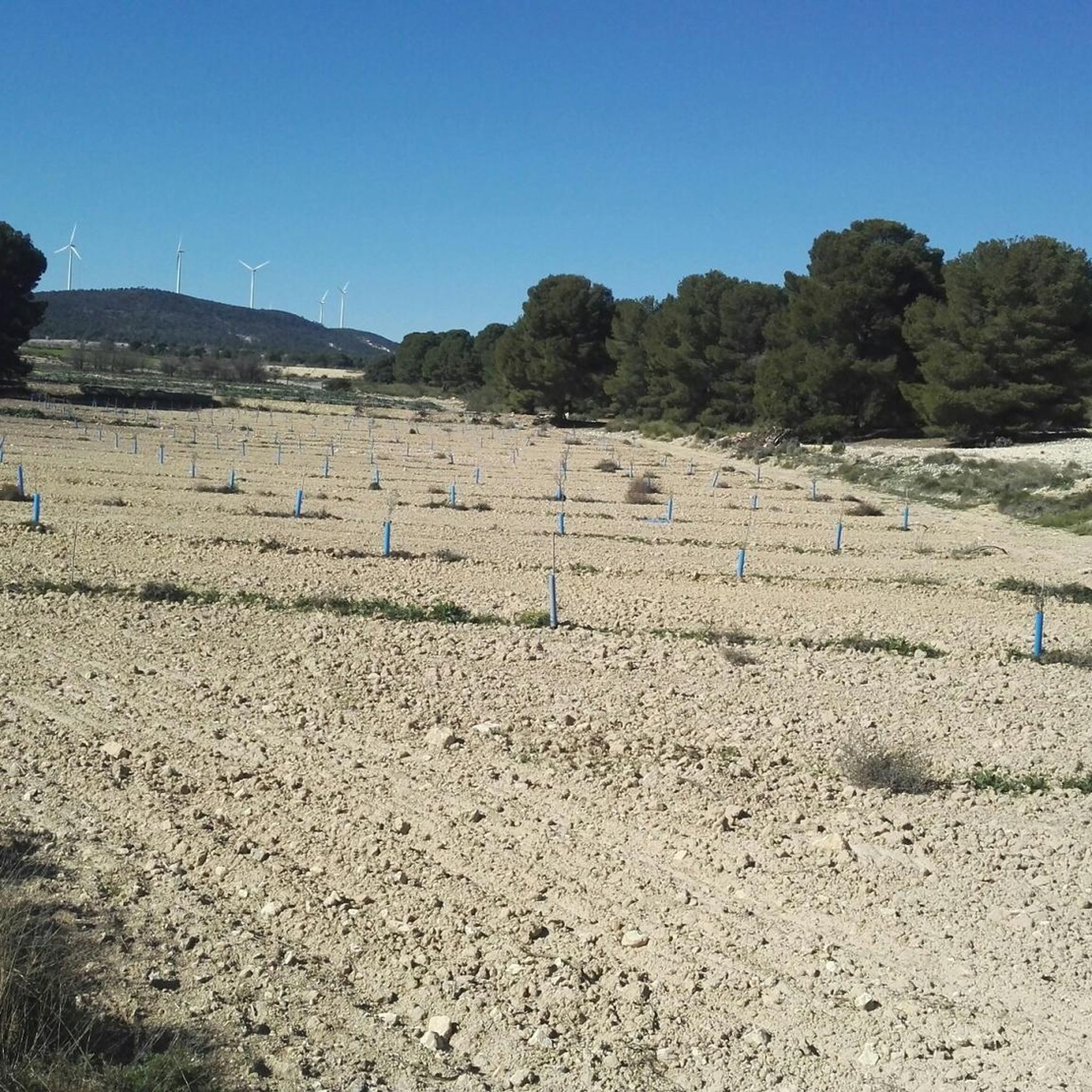
Gravel biking in Zepa Estepas De Yecla offers routes through a semi-arid rural landscape, characterized by extensive dry farming fields, vineyards, and olive groves. The terrain features moderate elevation changes, with elevations ranging between 620 and 800 meters above sea level. Gravel bike trails in Zepa Estepas De Yecla often follow traditional livestock routes ("cordeles") and old roads, providing unpaved paths suitable for gravel bikes. This region, a Special Protection Area for Birds (ZEPA), presents a mosaic of agricultural lands…
Last updated: July 9, 2026
2
riders
61.0km
03:50
430m
430m
Hard gravel ride. Good fitness required. You may need to push your bike for some segments of this route.
5
riders
34.4km
02:21
630m
630m
Hard gravel ride. Very good fitness required. Mostly paved surfaces. Suitable for all skill levels.

Sign up for free
3
riders
19.7km
01:34
160m
160m
Moderate gravel ride. Good fitness required. Mostly paved surfaces. Suitable for all skill levels.
3
riders
53.1km
04:12
740m
740m
Hard gravel ride. Very good fitness required. Mostly paved surfaces. Suitable for all skill levels.
3
riders
13.2km
00:56
110m
110m
Easy gravel ride. Great for any fitness level. Mostly paved surfaces. Suitable for all skill levels.
Our route recommendations are based on thousands of hikes, rides, and runs completed by other people on komoot.
Start today with a free account
Your next adventure awaits.
Login or Signup
Tips from the Community

You can still find some pretty old buildings and authentic Spanish life here. However, it's a bit more difficult to find a restaurant on Mondays.
2
0

The Church (Hermitage) of Santa Eulalia, located in the Santa Eulalia Colony, between Sax and Villena (Alicante, Alto Vinalopó). It forms part of an agricultural colony built in the late 19th century, declared a Site of Cultural Interest (ethnological) in 2016. It is situated in an area between Sax and Villena, near the Acequia del Rey irrigation canal and the Vinalopó River. The hermitage is located in one of the colony's two main squares, surrounded by houses, factories (flour and alcohol), a theater, a casino, and a train station. The current hermitage was built in 1891, on the site of an earlier medieval one, commissioned by the Count of Alcudia (Antonio de Padúa Saavedra). It is a simple rectangular building with a double-arched bell gable built around 1900; each arch housed bells on its lower level.
2
0
The hermitage is a prominent natural viewpoint, offering panoramic views of Caudete, the Vinalopó Valley, and on clear days, even the sea. It forms part of the official PR-AB-50 trail, a well-marked circular route of approximately 13.5 km and moderate difficulty (550 m to 1,153 m elevation gain), which allows hikers to enjoy panoramic views, Mediterranean vegetation, and a nearby historic snow well. The area is popular for hiking, mountain biking, and paragliding, with several notable routes.
4
0
The Hermitage of Santa Bárbara is located on the summit of the Sierra de la Oliva, also known as the Sierra Santa Bárbara, at an altitude of approximately 1,153 meters, about 5 kilometers southeast of Caudete. Built around 1580 at the initiative of the people of Caudete, following a period of severe storms with hail, the mountain peak was chosen as a place of spiritual protection, with the trust that Santa Bárbara would safeguard the crops and the population. Traditionally under the jurisdiction of the parish of Santa Catalina, the hermitage is visited every May 1st in a pilgrimage: pilgrims ascend steep paths in homage to the saint's martyrdom, reflecting sacrifice and devotion.
4
0
Villena is a jewel of inland Alicante, perfect for a cultural, historical, and gastronomic getaway. Monuments and Heritage Atalaya Castle: A 12th-century Almohad fortress, a symbol of the city. It offers spectacular views and guided tours. Church of Santiago: With its spiral columns, it is one of the most unique examples of Levantine Gothic architecture. Church of Santa María: A blend of Gothic and Baroque styles. Chapí Theatre: A cultural landmark with a program of music, theatre, and dance. Town Hall and Santiago Square: The heart of the historic center.
4
0
Church of Santa María (Villena) This church was built in the 16th century on the site of the former main Muslim mosque of Villena, at which time it became the church of El Rabal, the suburb outside the medieval walls of Villena.
11
0
The Church of Mary Help of Christians (Salesians) in Villena. Founded in 1917 along with the Salesian House of Villena. The image of Mary Help of Christians arrived in solemn procession from the Parish of Santa María on May 4, 1918. During the Spanish Civil War, the altars were destroyed, but the building remained intact. It has been a key spiritual and educational center in the city, linked to the Salesian legacy and the figure of Don Bosco.
7
0
Built by the Almohads in the 12th century on San Cristóbal Hill as a defensive fortress on the border between the kingdoms of Castile and Aragon. The inner wall and the two lower floors of the keep date from the Almohad period, featuring vaults unique in Spain, along with those of Biar Castle. The two upper floors and the outer wall with twelve turrets were added in the 15th century. Conquered by James I in 1240. Residence of Don Juan Manuel (author of El Conde Lucanor). It played a role in conflicts such as the War of the Spanish Succession, the Revolt of the Brotherhoods, and the Peninsular War. Declared a Historic-Artistic Monument in 1931 and a Site of Cultural Interest.
7
1
Frequently Asked Questions
How many gravel bike trails are available in Zepa Estepas De Yecla?
Currently, komoot features 5 gravel bike routes within the Zepa Estepas De Yecla region. These routes offer a diverse experience across the area's unique landscapes.
What is the best time of year for gravel biking in Zepa Estepas De Yecla?
The semi-arid climate of Zepa Estepas De Yecla makes spring and autumn ideal for gravel biking. During these seasons, temperatures are milder, and you can enjoy the changing colors of the agricultural fields, from the green of spring cereals to the muted tones of autumn. Summers can be very hot, and winters, while generally mild, can have cooler days.
Are there any beginner-friendly gravel bike routes in Zepa Estepas De Yecla?
Yes, there is an easy route suitable for beginners. The Castillo de Caudete loop from Caudete is a shorter option, covering about 13 km with minimal elevation gain, perfect for those new to gravel biking or looking for a relaxed ride.
Are there any challenging gravel bike routes for experienced riders?
Absolutely. For experienced riders seeking a challenge, routes like the Colonia de Santa Eulalia – Villena loop from Vía ferrata Sierra Oliva offer longer distances and more significant elevation changes. This route spans over 61 km with over 430 meters of ascent, providing a demanding yet rewarding experience.
Can I find circular gravel bike routes in the area?
Yes, all the gravel bike routes currently featured in Zepa Estepas De Yecla are circular. This allows you to start and finish your ride at the same point, making logistics simpler. For example, the Castillo de Caudete – Santa Bárbara loop from Caudete is a great circular option.
What kind of terrain can I expect on these gravel trails?
The gravel trails in Zepa Estepas De Yecla primarily traverse vast cereal plains, vineyards, olive groves, and almond trees. You'll ride on traditional livestock routes ('cordeles') and old rural roads, some with tracks 'carved and fossilized in the rock.' Expect a mix of agricultural paths and scrubland, offering varied surfaces suitable for gravel bikes.
What wildlife might I encounter while gravel biking in Zepa Estepas De Yecla?
As a Special Protection Area for Birds (ZEPA), the region is renowned for its steppe bird populations. Gravel bikers may spot species such as the great bustard, little bustard, black-bellied sandgrouse, and pin-tailed sandgrouse. The open landscapes provide excellent opportunities for birdwatching while you ride.
Are there any points of interest or landmarks along the gravel routes?
While the core ZEPA area is valued for its natural and agricultural landscape, the routes often pass by ancient farmhouses like Casa del Nene, La Fianza, and Casa de las Cebollas, adding a rustic charm. The broader region also features Monte Arabí, known for its unique geological formations and prehistoric rock art, which can be explored as an extension to your biking adventure.
Are there any moderate gravel bike routes available?
Yes, for those looking for a balanced ride, the Castillo de Caudete loop from Caudete is classified as moderate. It covers nearly 20 km with around 150 meters of elevation gain, offering a good workout without being overly strenuous.
What are the typical lengths of gravel bike routes in Zepa Estepas De Yecla?
The routes vary significantly in length, catering to different preferences. You can find shorter options around 13 km, such as the easy Castillo de Caudete loop from Caudete, up to longer, more challenging rides like the Castillo de Caudete – La Toconera Artificial Lake loop from Caudete, which spans over 53 km.
Most popular routes in Zepa Estepas De Yecla

Get inspired with the komoot mobile app


Explore more
Browse the best Gravel rides in other regions.
