The best gravel rides around Rieux
7
riders
3
rides
Gravel biking around Rieux offers a diverse landscape characterized by its proximity to the Vilaine River and the Canal de Nantes à Brest. The region features historic towpaths along these waterways, providing mostly flat, traffic-free routes. Terrain includes bocage plains and hillsides, alongside flowing forest trails and pine-scented forest hardpack, creating varied surfaces for gravel cyclists.
Best gravel bike trails around Rieux
- The most popular gravel bike trail is Wooden Bridge on Forest Trail – V1 Launch Site of Guerville…
Last updated: July 10, 2026
3
riders
Moderate gravel ride. Good fitness required. Mostly paved surfaces. Suitable for all skill levels.
3
riders
Moderate gravel ride. Good fitness required. Mostly paved surfaces. Suitable for all skill levels.

Sign up for free
1
riders
63.5km
03:59
540m
540m
Hard gravel ride. Very good fitness required. Mostly paved surfaces. Suitable for all skill levels.
Our route recommendations are based on thousands of hikes, rides, and runs completed by other people on komoot.
Start today with a free account
Your next adventure awaits.
Login or Signup

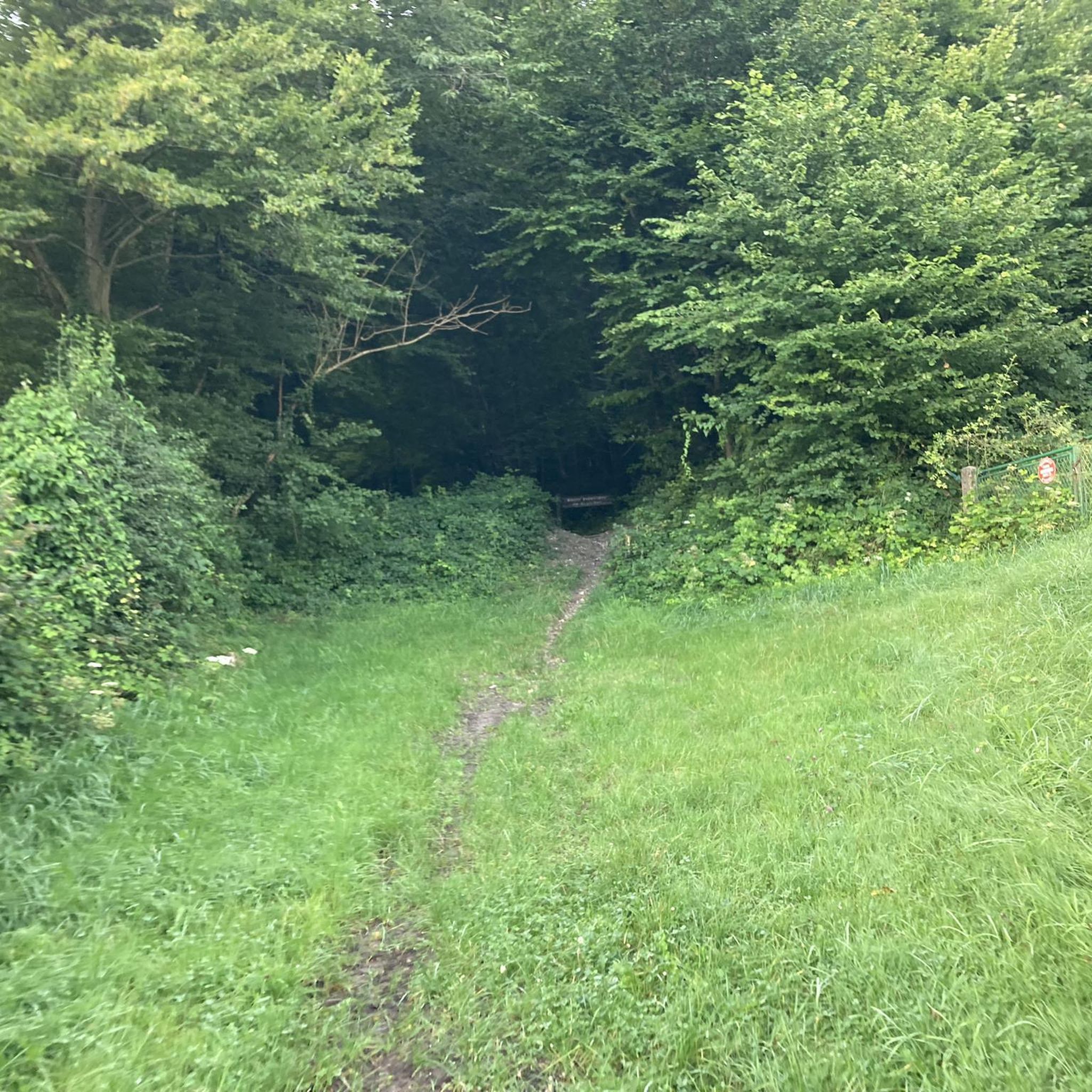

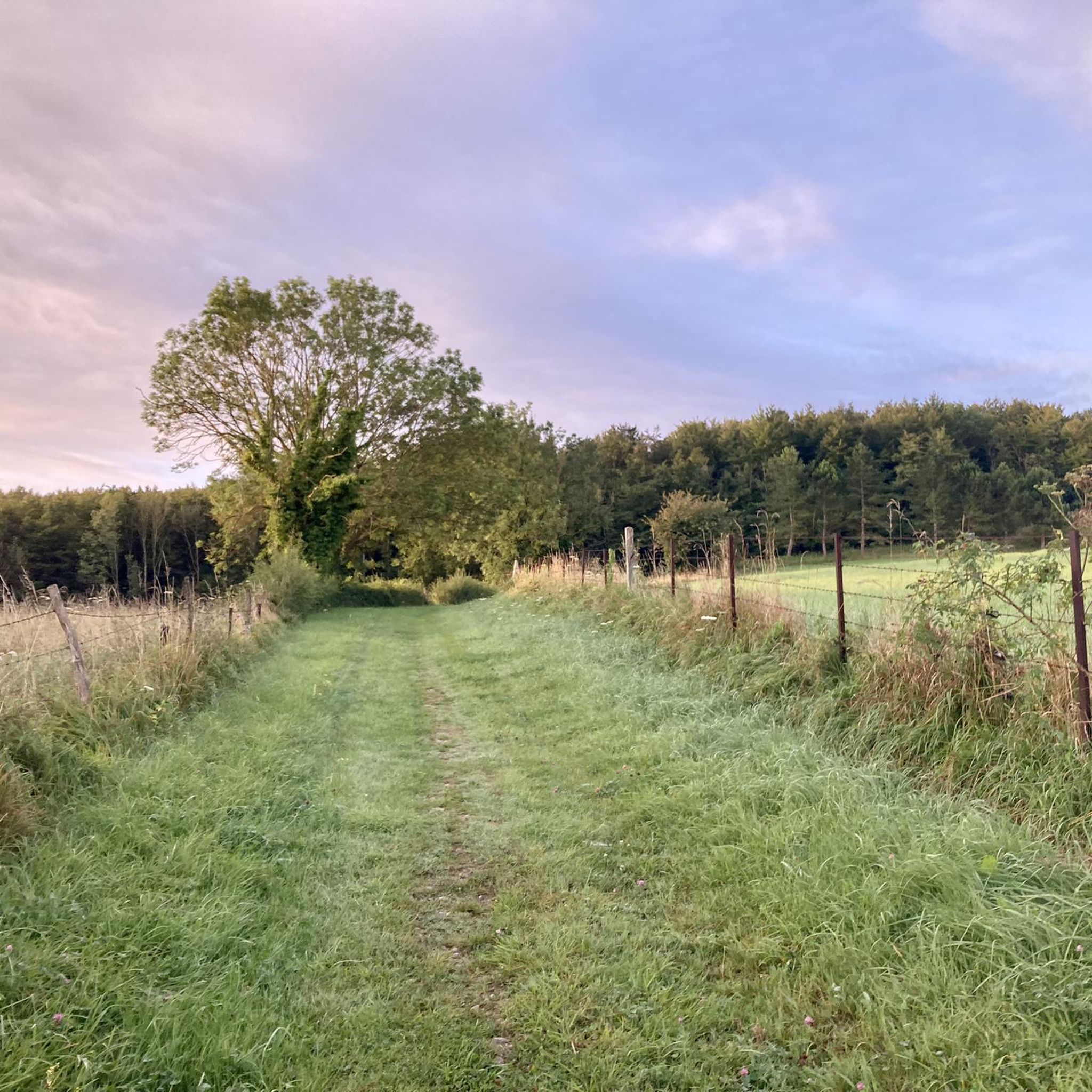
Tips from the Community

Seine-Maritime has a rich 19th century industrial heritage in various forms. This is the case of the Touffreville-sur-Eu railway viaduct, which has just been awarded the "Rural Heritage of Seine-Maritime" label. The viaduct is part of the "Chemin Vert du Petit Caux" hiking trail. It all began in 1872 with the opening of the 40 km Dieppe-Eu railway line, on which the Touffreville-sur-Eu viaduct was built to cross the Yères valley. Inaugurated in 1885, the brick viaduct has nine arches and is operated by the Compagnie de l'Ouest, in particular for the transport of pebbles exported for industrial purposes. A coastal railway line then operates from Tréport to Le Havre to serve the beaches where seaside life is booming with casinos, villas and sumptuous hotels with architecture typical of the Normandy coast. From 1938, the line is closed to passenger traffic and reserved exclusively for freight transport. The Second World War led to the disappearance of most of the buildings on the coast and seaside activities were interrupted. Freight traffic then resumed until 1972, when it was stopped with the oil crisis. The SNCF then bought the 17 km line between Saint-Quentin-au-Bosc and Eu in 1986 to transform it into a hiking trail and that was the birth of the Chemin Vert du Petit Caux! Source: www.normandie-tourisme.fr
0
0

Once again a place where History is present surrounded by a magnificent forest where it is pleasant to walk by bike or on foot
0
0

Small bucolic spot for a short break, with a pretty water mill on the Yrès.
0
0

This former royal residence has hosted the kings and queens of France and England. It was built in the 16th century by Henri de Lorraine, third Duke of Guise, and renovated in the 17th century by the Grande Mademoiselle, cousin of Louis XIV. It became the property of Louis-Philippe, the last king of France, who twice hosted Queen Victoria there. You can walk around the castle from the station, and visit the museum there.
2
0

Eu residents lament that their town is really only known to crossword enthusiasts, who are familiar with the question of "a village in the valley of the Bresle with two letters." After all, Eu has a rich past, in which William the Conqueror married his cousin Mathilde of Flanders in 1050, and where more recently, at the end of the 19th century, King Louis-Philippe set up his summer residence here.
6
1
Nothing remains of the castle where William the Conqueror and Mathilde of Flanders married in 1050. Louis XI had it demolished in 1475. The current castle was built in 1578 by Henri de Guise and Catharina van Kleef and has been restored several times. It came into the possession of the Orléans family and became one of the favorite cuttings of Louis-Philippe, who received Queen Victoria twice. From 1874 to 1879, Violet-le-Duc was charged with the refurbishment by the Count of Paris, grandson of the King. He modernized the castle and installed gas lamps and central heating. Since 1964, the castle has been owned by the city of Eu. It houses the town hall and the Musée Louis-Philippe and has been listed as a protected monument since 1985.
5
1

Beautiful Gothic Church; Was supposed to be open during the day but wasn't when I was there.
1
0
The mill belongs to the Manoir d'Hottineaux or Domaine de Penthièvre. The gate to the property was closed, which is a bit surprising given that there are even signposts leading there. The building is difficult to see from the street, but at least the mill wheel, which is still working, is visible.
1
0
Frequently Asked Questions
What kind of terrain can I expect on gravel bike trails around Rieux?
Gravel biking around Rieux offers a diverse landscape. You'll find historic towpaths along the Vilaine River and the Canal de Nantes à Brest, which provide mostly flat, traffic-free routes. The terrain also includes "bocage plains" and hillsides, as well as "flowing forest trails" and "pine-scented forest hardpack," creating varied surfaces for gravel cyclists.
Are there gravel bike trails for beginners or more advanced riders in Rieux?
The gravel biking routes around Rieux cater to a range of abilities. While there are no routes specifically classified as 'easy' in our current selection, you'll find several moderate options, such as the Marais de Gousseauville – Eu Castle loop from Guerville. For those seeking a greater challenge, there is also a difficult route available, like the extensive Cycle path along the Canal Somme – Kanal der Somme loop from Longroy - Gamaches.
What natural features or landscapes will I see on gravel bike trails near Rieux?
Rieux's gravel trails are defined by its beautiful natural environment. You'll frequently ride along the historic towpaths of the Vilaine River and the Canal de Nantes à Brest, enjoying serene waterside views. The region also features lush "emerald vault" scenery, including areas like the Gannedel marsh, which is rich in bird species and aquatic plants. Expect to encounter diverse landscapes, from "bocage plains" to wooded hillsides and flowing forest trails.
Are there any historical landmarks or points of interest along the gravel bike trails in Rieux?
Yes, several routes pass by interesting historical sites. For instance, the V1 Launch Site of Guerville – V1 launcher with explanation loop from Blangy-sur-Bresle trail features historical points of interest related to the V1 Launch Site of Guerville. You can also explore other nearby attractions like the Rambures Castle or the Site of Queen Mother Elizabeth, which are accessible from the wider Rieux area.
Are there circular gravel bike routes available in Rieux?
Yes, all the gravel bike routes highlighted in this guide are designed as circular loops, allowing you to start and finish at the same point. This includes routes like the Wooden Bridge on Forest Trail – V1 Launch Site of Guerville loop from Longroy - Gamaches, which offers a convenient round trip.
Is parking available near the gravel bike trails in Rieux?
While specific parking locations are not detailed for each route, Rieux and its surrounding towns generally offer public parking options. It's advisable to check local maps or signage upon arrival in the starting village of your chosen route for the most convenient parking spots.
Can I reach the gravel bike trails in Rieux using public transport?
Rieux is located in Brittany, a region with some public transport connections. For detailed information on bus or train services that might connect to Rieux or nearby starting points for gravel trails, it's best to consult regional transport websites. The nearby town of Redon, where the Canal de Nantes à Brest intersects with the Vilaine River, is a significant transport hub.
What do other gravel bikers enjoy the most about gravel biking in Rieux?
The area is highly rated by the komoot community, with an average score of 5.0 stars. Reviewers often praise the diverse terrain, from the peaceful waterside towpaths along the Vilaine River to the varied forest trails and open plains. The blend of natural beauty and historical context also contributes to a highly enjoyable riding experience.
Are there any family-friendly gravel bike trails in Rieux?
Many of the towpaths along the Vilaine River and the Canal de Nantes à Brest offer relatively flat and traffic-free surfaces, which can be suitable for families. While specific 'easy' routes are not listed, moderate trails like the Marais de Gousseauville – Eu Castle loop from Guerville, which explores marshlands and historical sites, could be considered for families with some cycling experience.
Are dogs allowed on the gravel bike trails in Rieux?
Generally, dogs are permitted on public paths and trails in France, especially if kept on a leash. The towpaths along the Vilaine River and Canal de Nantes à Brest are popular for walking and cycling, making them suitable for accompanied dogs. However, always be mindful of local regulations, especially in nature reserves like the Gannedel marsh, where specific rules for wildlife protection might apply.
What is the best time of year for gravel biking in Rieux?
The spring and autumn months typically offer the most pleasant conditions for gravel biking in Rieux, with milder temperatures and beautiful scenery. Summer can also be enjoyable, though it may be warmer. Winter riding is possible, but trails might be wet or muddy, especially in wooded areas or along riverbanks. Always check local weather conditions before heading out.
Are there cafes or pubs near the gravel bike trails in Rieux?
Rieux and the charming villages along the Vilaine River and Canal de Nantes à Brest often have local cafes, bakeries, and small restaurants where you can stop for refreshments. Planning your route to pass through these villages will allow for convenient breaks and opportunities to experience local hospitality.
Most popular attractions around Rieux

Get inspired with the komoot mobile app


Explore more
Browse the best Gravel rides in other regions.
