The best gravel rides around Les Châtelets
4.2
(4)
11
riders
4
rides
Gravel biking around Les Châtelets, located in the Eure-et-Loir department, offers varied terrain within the Regional Natural Park of Le Perche. The area features rolling hills, dense woodlands, and rural landscapes, providing diverse conditions for gravel cyclists. Routes often combine paved sections with mixed surfaces, characteristic of gravel biking. The region's natural features contribute to a range of scenic and engaging rides.
Best gravel bike trails around Les Châtelets
- The most popular gravel bike trail is Ferté-Vidame Castle – Brasserie…
Last updated: July 9, 2026
4.3
(3)
7
riders
Moderate gravel ride. Good fitness required. Mostly paved surfaces. Suitable for all skill levels.
4.0
(1)
1
riders
15.5km
01:11
80m
80m
Easy gravel ride. Great for any fitness level. Mostly paved surfaces. Suitable for all skill levels.

Sign up for free
2
riders
21.5km
01:26
130m
130m
Easy gravel ride. Great for any fitness level. Mostly paved surfaces. Suitable for all skill levels.
1
riders
34.5km
02:10
160m
160m
Moderate gravel ride. Good fitness required. Mostly paved surfaces. Suitable for all skill levels.
Our route recommendations are based on thousands of hikes, rides, and runs completed by other people on komoot.
Start today with a free account
Your next adventure awaits.
Login or Signup


Tips from the Community

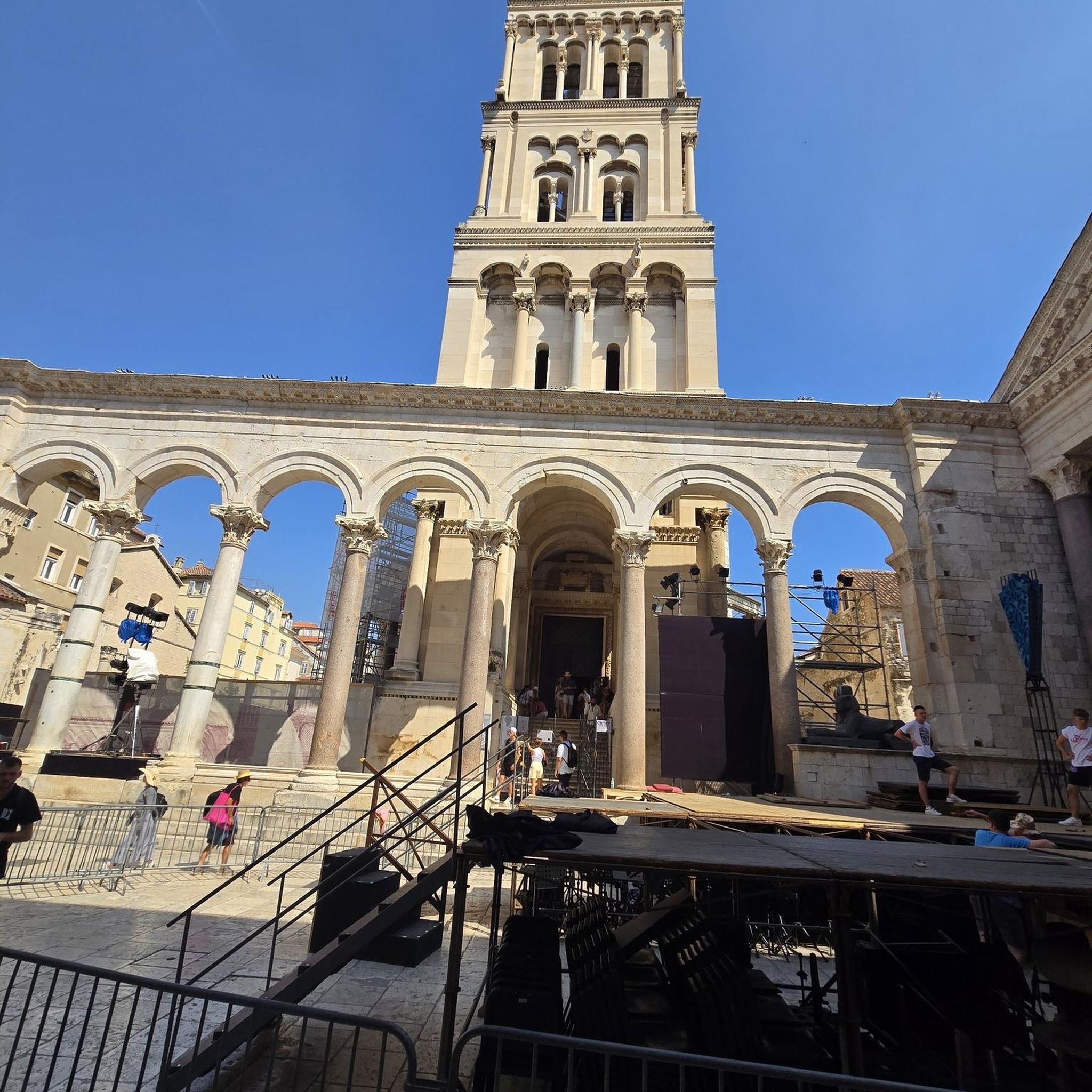
The first mention of the existence of the Church of Saint-Martin de Nonancourt is a 12th-century charter, but the original building probably dates back to the 7th or 8th century. The bell tower that now occupies the middle of the façade dates from the reconstructions of 1204. During the Hundred Years' War, the church was largely destroyed, like many buildings in the region. The side aisles, nave, and choir were rebuilt in the 16th century. The Chapel of the Virgin, also known as the Chapel of the Rosary, was also added. The Church of Saint-Martin contains numerous works of art, some of which are listed: neo-Gothic and Renaissance furnishings, including the centerpiece, the pulpit, a veritable wooden lacework; a variety of statuary, a 16th-century organ case and finally an enigmatic fresco discovered during recent works in 2001. The stained-glass windows of the church constitute a truly remarkable collection, both in terms of their number (26 in total) and their quality. The lower windows of the nave are the oldest pieces, dating from the 1500s, while the upper windows date from the 1520s and 1530s.
0
0
The current church was almost entirely rebuilt in 1542 on Gothic foundations. The Gothic church was reportedly destroyed in 1424 by the English. According to legend, Saint Lubin, Bishop of Chartres, came to rest in this place, which housed a recluse inhabited by a monk. A chapel was built there towards the end of the 6th century.
0
0

A beautiful place for a hoppy break! Beautiful trails lead to the brewery.
0
0

Many beautiful paths in the forest, different surfaces. In the north-west many private plots
0
0
Construction of the church began in the 12th century, and the building was subsequently remodeled, particularly in the 16th century.
0
0
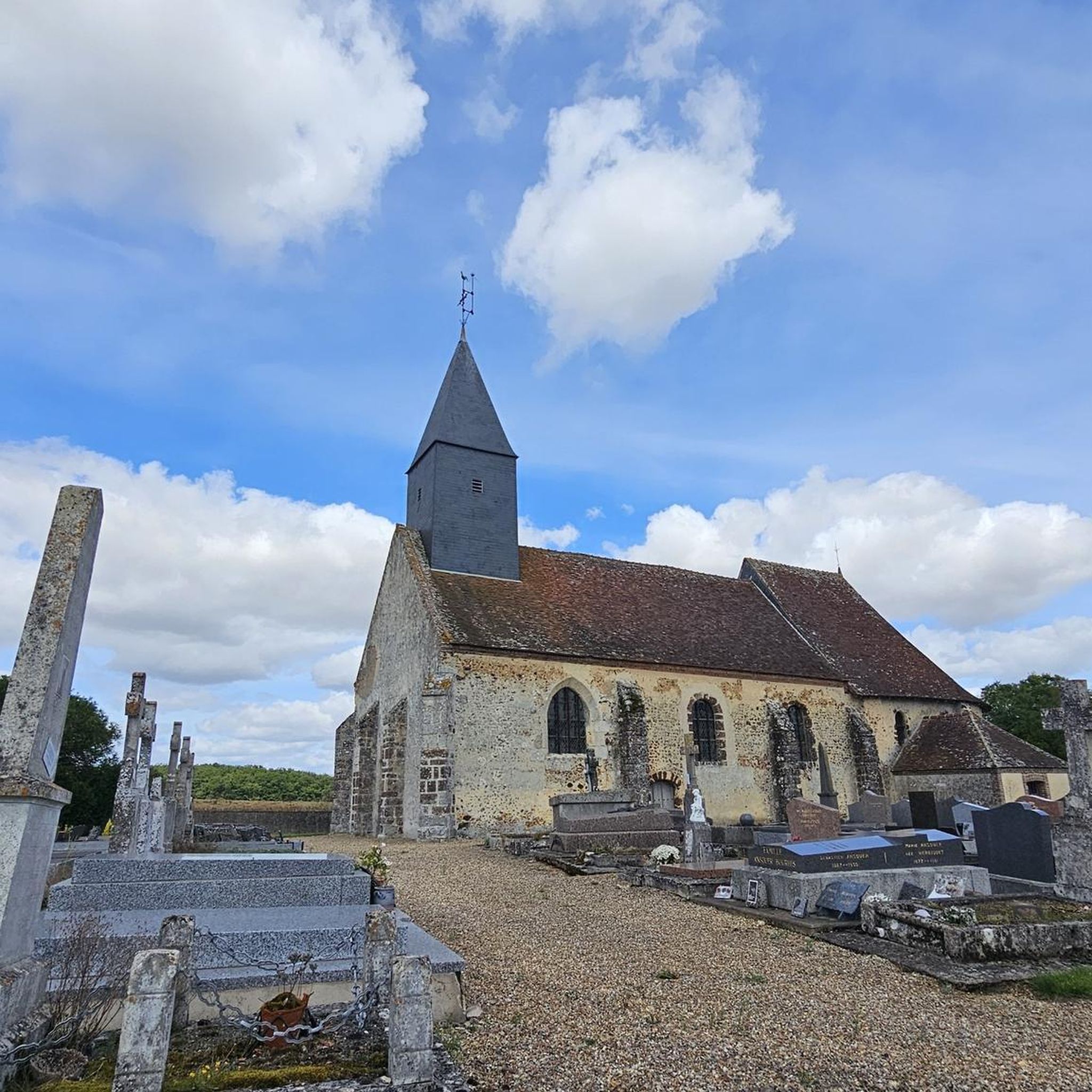
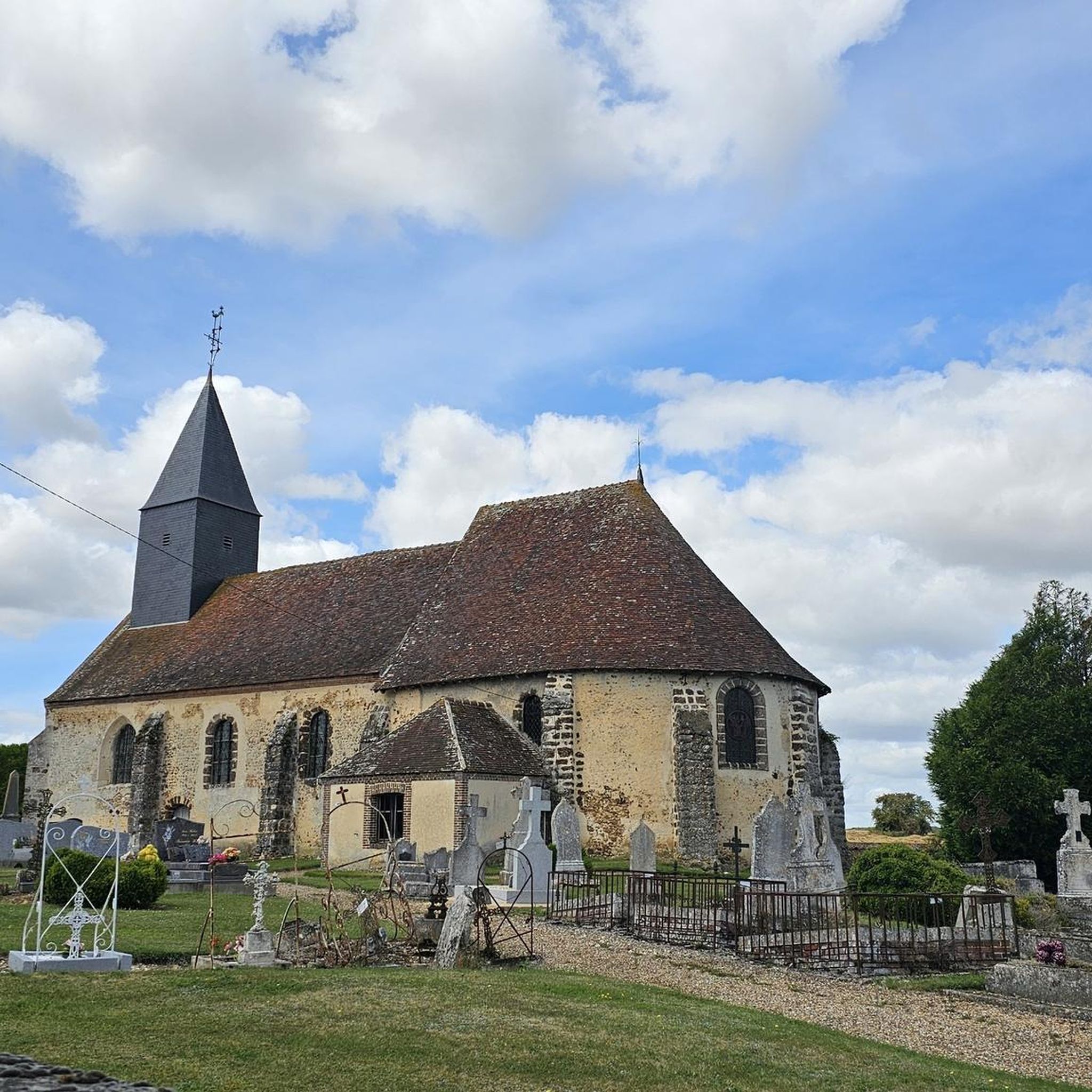
The parish church of Escorpain, dedicated to Saint Germain, is a very simple building, rectangular in plan and of modest dimensions. With a single nave, it ends with a flat chevet; a sacristy is attached to the north side of the choir; the gable wall of the façade is topped with a slate spire. The church is mentioned as early as the 12th century. The small rubble stonework, which also bears the traces of numerous alterations, and the small openings, three in number in the north wall and only one in the south wall, constitute the oldest remains of this building which was extensively restored in the 19th century. It was in fact from 1886, thanks to the generosity of the Firmin-Didot family that the building was raised, as evidenced by the gable wall of the façade. The nave was then covered with a panelled vault, replacing the previous framework: the 1886 inscription mentions previous work campaigns, in the 17th century in particular. The entire interior was redesigned, not without unity, in a neo-Gothic style. As for the two large bays in the south wall, probably pierced in the 16th century, they were greatly altered during this campaign. For the repair of the exterior masonry, the rendering of the façade, the roofs of the nave and a slope of the sacristy, the Sauvegarde de l’Art Français granted this unprotected church a subsidy of 80,000 F in 1994.
0
0
The church of Vitray is mentioned from the year 1116 “ecclesias de Vitriaco”.
0
0
Frequently Asked Questions
How many gravel bike trails are available around Les Châtelets?
There are 5 gravel bike routes available around Les Châtelets, offering a variety of experiences within the Regional Natural Park of Le Perche.
What kind of terrain can I expect on gravel bike trails in Les Châtelets?
The terrain around Les Châtelets is characterized by rolling hills, dense woodlands, and picturesque rural scenery. You can expect routes that combine paved sections with mixed surfaces, providing a true gravel biking experience through the varied landscapes of the Perche Regional Natural Park.
Are there gravel bike routes suitable for beginners in Les Châtelets?
Yes, there are 2 easy gravel bike routes in the area. For example, the Gravel – Forrest path loop from Lieu Dit la Lantinerie is an easy 9.6-mile (15.4 km) path that leads through tranquil forest paths, perfect for those new to gravel biking or looking for a relaxed ride.
What are some more challenging gravel biking options in the area?
For those seeking a moderate challenge, there are 3 routes available. The Ferté-Vidame Castle – Brasserie du Perche loop from La Ferté-Vidame is a 26.1-mile (42.1 km) trail that takes about 3 hours and 10 minutes to complete, featuring a mix of rural roads and paths with historical sites along the way.
Can I find family-friendly gravel bike trails near Les Châtelets?
Yes, the easier routes are generally suitable for families. The Gravel – Forrest path loop from Lieu Dit la Lantinerie, an easy 9.6-mile (15.4 km) path, offers a tranquil experience through natural surroundings that can be enjoyed by various fitness levels.
Are there any circular gravel bike routes in Les Châtelets?
All the gravel bike routes listed for Les Châtelets are circular loops. This includes popular options like the Ferté-Vidame Castle – Brasserie du Perche loop from La Ferté-Vidame and the Saint-Denis Church – Notre-Dame Church loop from Montigny-sur-Avre, allowing you to start and end at the same point.
What are the typical lengths and durations of gravel bike rides here?
Gravel bike routes around Les Châtelets vary in length from 9.6 miles (15.4 km) to 26.1 miles (42.1 km). Durations typically range from about 1 hour 40 minutes for shorter, easier rides to over 3 hours for moderate trails.
What attractions or landmarks can I see along the gravel bike trails?
Many routes pass by historical sites and offer glimpses of the region's heritage. For instance, the Ferté-Vidame Castle – Brasserie du Perche loop passes by historical sites. You can also explore nearby castles such as Château de Senonches or the Ruins of the Château de La Ferté-Vidame, which are part of the broader attractions in the area.
When is the best time of year to go gravel biking in Les Châtelets?
The region's landscape, with its rolling hills and dense woodlands, is beautiful throughout much of the year. Spring and autumn offer pleasant temperatures and vibrant scenery. While specific seasonal considerations aren't detailed, the varied terrain suggests that routes would be enjoyable outside of extreme winter conditions.
Is parking available near the gravel bike trails in Les Châtelets?
While specific parking locations for each trail are not detailed, routes often start from villages or hamlets like La Ferté-Vidame or Montigny-sur-Avre, where public parking is generally available. It's advisable to check the starting point of your chosen route for local parking options.
How do other cyclists rate the gravel biking experience in Les Châtelets?
The gravel biking routes in Les Châtelets are highly rated by the komoot community, with an average score of 4.5 stars from over 4 reviews. Cyclists often praise the varied terrain, picturesque rural scenery, and the tranquil experience offered by the region's woodlands.
Are there any scenic routes with good viewpoints?
The entire region, being part of the Regional Natural Park of Le Perche, is known for its scenic beauty, including 'beautiful hills, woods, oaks, country estates and farmhouses.' Many routes offer picturesque views of the French countryside and dense woodlands, providing a consistently scenic experience rather than specific viewpoints.
What kind of natural features will I encounter while gravel biking?
You will encounter a rich variety of natural features, including extensive woodlands, rolling hills, and open rural landscapes. The Perche Regional Natural Park is particularly known for its ancient oaks and apple trees, contributing to a charming and diverse natural environment for your ride.
Most popular routes around Les Châtelets
Most popular attractions around Les Châtelets

Get inspired with the komoot mobile app


Explore more
Browse the best Gravel rides in other regions.
