The best gravel rides around Merck-Saint-Liévin
14
riders
3
rides
Gravel biking around Merck-Saint-Liévin, located in the Pas-de-Calais department of France, offers varied terrain for exploration. The region features a mix of natural reserves, forests, and rural landscapes, providing diverse environments for gravel bike routes. Riders can expect a combination of unpaved tracks, forest roads, and rolling hillsides, characteristic of the broader Pas-de-Calais area.
Best gravel bike trails around Merck-Saint-Liévin
- The most popular gravel bike trail is Quelmes – Nice view with boules court loop from Setques, a 20.8…
Last updated: July 8, 2026
3
riders
33.4km
02:26
390m
390m
Moderate gravel ride. Good fitness required. Mostly paved surfaces. Suitable for all skill levels.
5
riders
52.6km
04:11
770m
770m
Hard gravel ride. Very good fitness required. Mostly paved surfaces. Suitable for all skill levels.

Sign up for free
4
riders
55.9km
04:11
680m
680m
Hard gravel ride. Very good fitness required. Mostly paved surfaces. Suitable for all skill levels.
2
riders
37.5km
02:38
380m
380m
Moderate gravel ride. Good fitness required. Mostly paved surfaces. Suitable for all skill levels.
Our route recommendations are based on thousands of hikes, rides, and runs completed by other people on komoot.
Start today with a free account
Your next adventure awaits.
Login or Signup
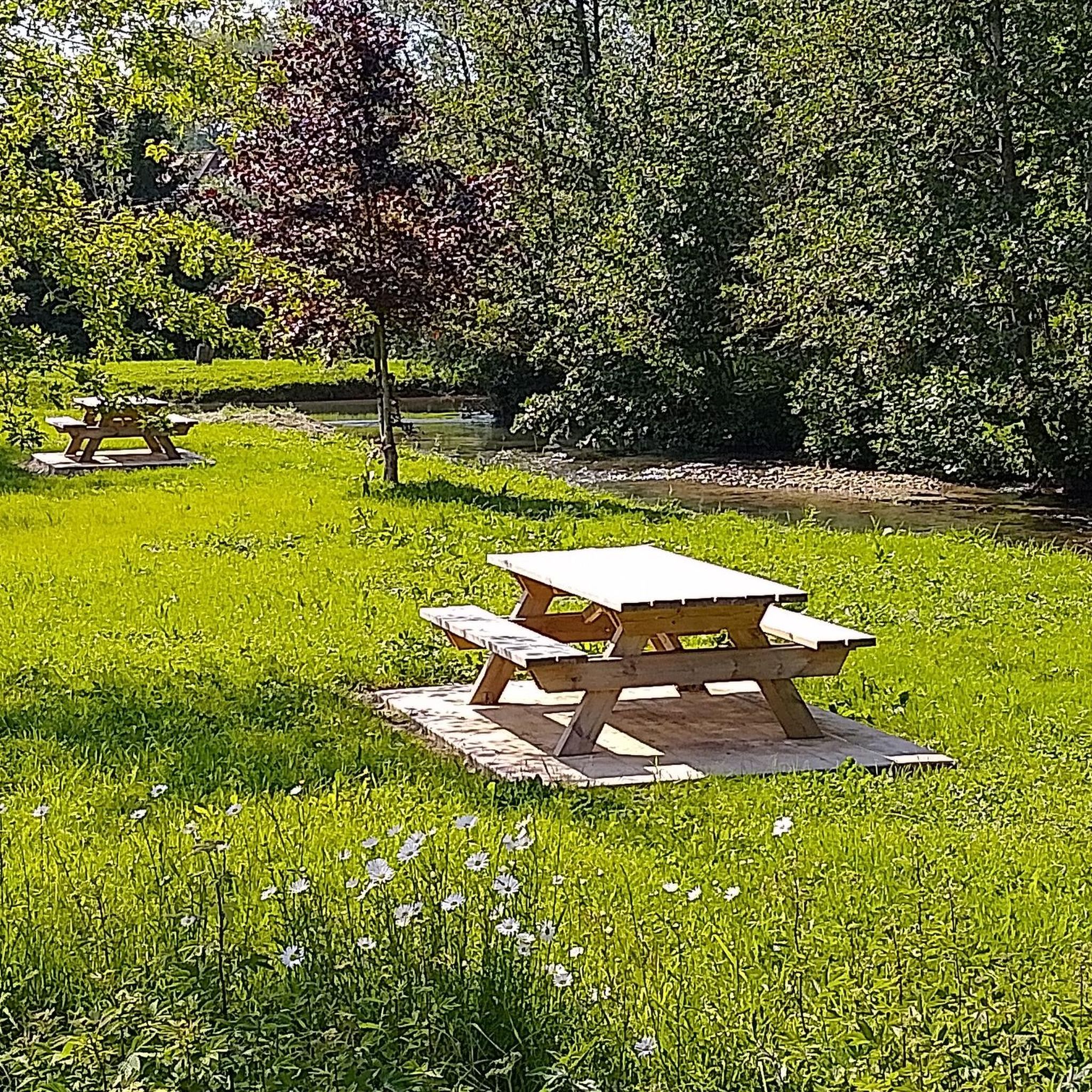
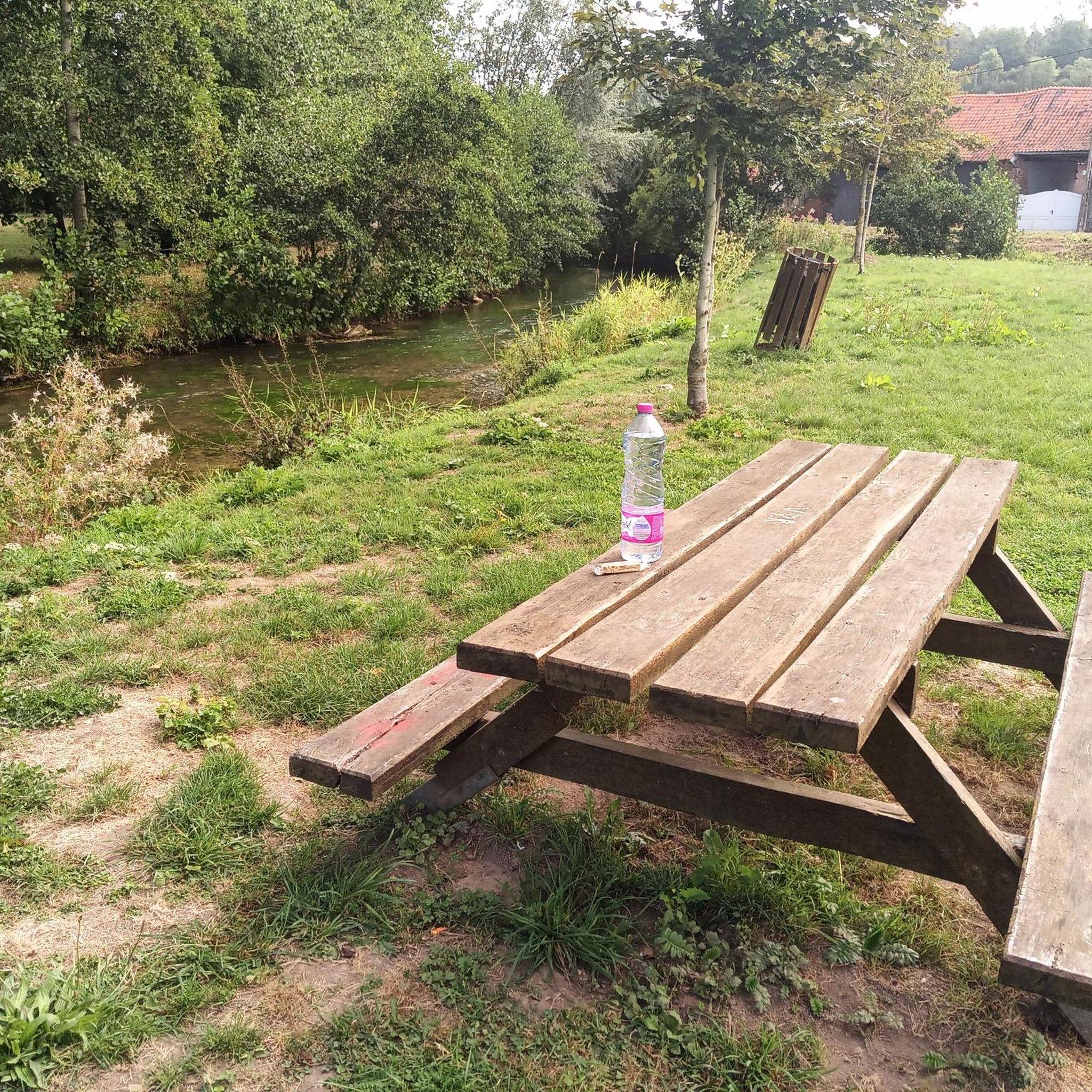

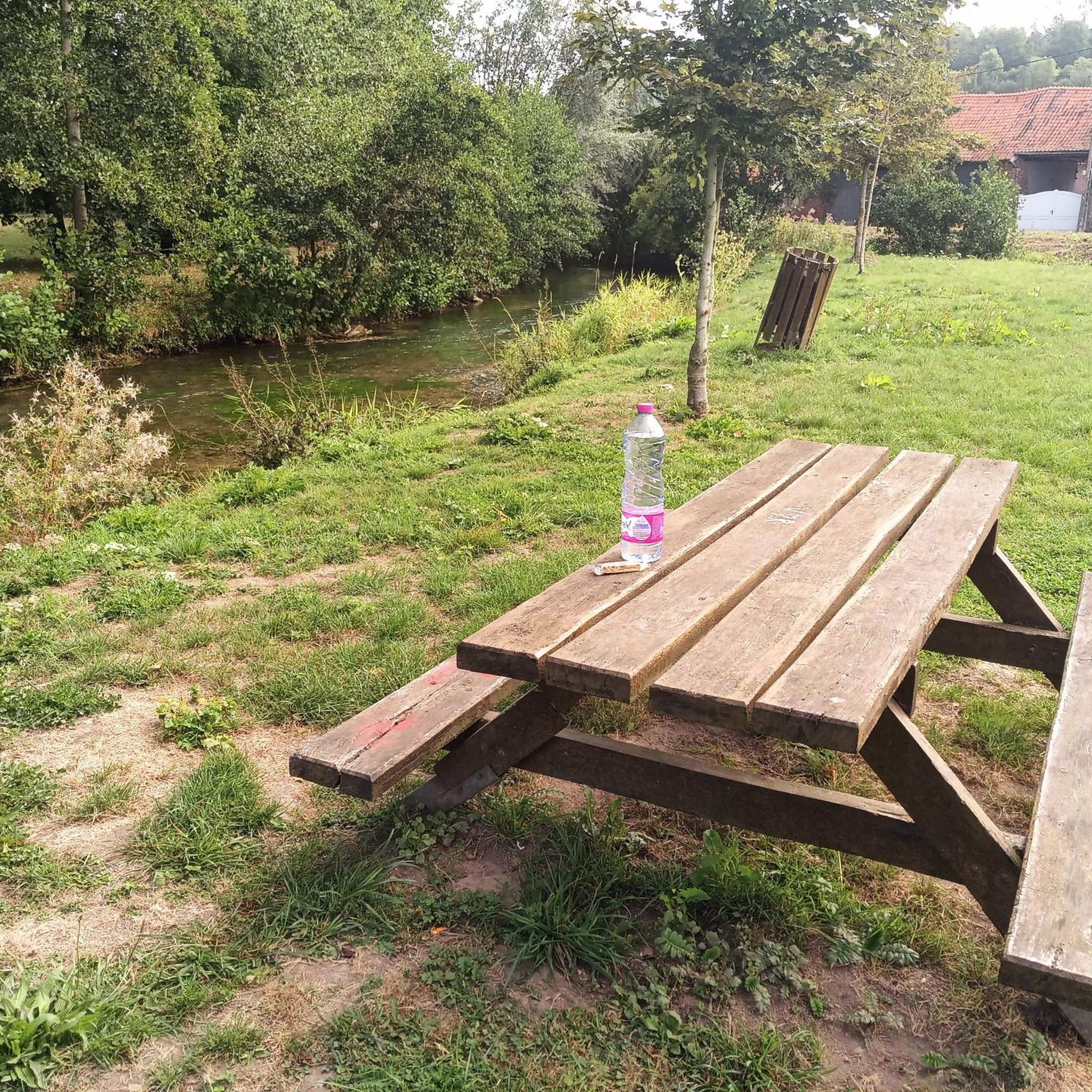
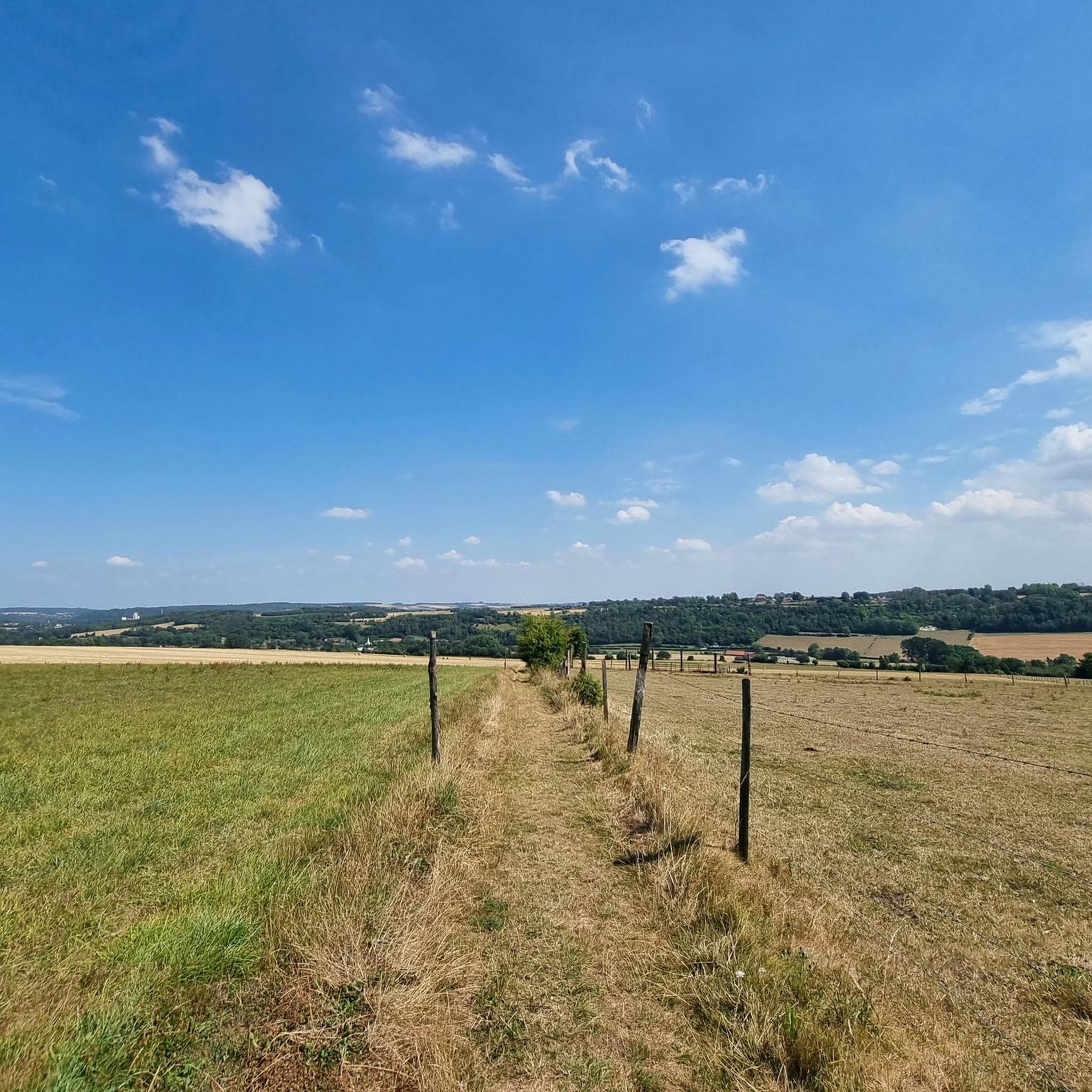
Tips from the Community

Thérouanne was Sigeric's 77th stop on his return from Canturbey's pilgrimage to Rome. In the 19th century, this fortified town was a French enclave within the German Empire, but was razed by Charles V in 1553. On the hill north of the town are the remains of one of the first cathedrals built in the Gothic style in France. The famous Great God of Thérouanne, which adorned one of the portals, is now housed in Saint-Omer Cathedral.
0
0
From 1859 onwards, the permanent church was built and in 1860 the tower was built. In 1865 the choir was restored and in 1866 a new sacristy was built. This church was consecrated in 1872. The stained glass windows of this church show the coats of arms of the bishops of the former diocese of Thérouanne. They were installed in 1901-1902.
4
0
Thérouanne is stop 77 of Sigeric on his return journey from Canterbury to Rome. The town is also located on the historic road between Boulogne and Arras (Chaussée Brunehaut). In the 16th century, this fortified town was a French enclave within the German Empire, but was razed to the ground by Charles V in 1553. On the hill to the north of the town lie the remains of one of the first cathedrals built in the Gothic style in France. The famous Grand dieu de Thérouanne, which once adorned one of the portals, is now in the cathedral of St-Omer.
4
0
The neo-Gothic church was built before 1597 and replaced another building from the 11th century, which stood near the current chapel of Notre-Dame des Affligés. It was partially rebuilt in 1855. The tower dates from 1683. The originality of this construction lies in the fact that the bell tower is not above the entrance door, but above the choir. The door is simply formed by a pointed arch decorated with a pentacle. The first two bays of the nave are built of red brick and the last two in chalk. The four bays of the nave also have a pointed arch. The bell tower is formed by a gable wall that projects above the nave. The buttresses on this side are placed in line with the wall, creating a flat surface. The buttresses of the bell tower on the choir side are well placed on the corners
4
0
The Église St Léger in Cléty is a Catholic church located in the heart of the village, surrounded by a cemetery1. The church is of simple design, with a single nave and a semicircular apse2. It dates from the 16th or early 17th century and has a tower built in 1662 or 16651. The church has a benitier with a basin in brown marble in Louis XV style, a 0.68 m wooden statue from the 16th century of Sainte Anne, the Virgin and the Child Jesus, and a staircase to the top of the tower where a bell can be seen - there used to be two - with a diameter of 1.10 m, cast by Pierre Voulemin in 1678 and donated by Mary, wife of Adrien de Mames (Mametz), lord of Cléty
4
0
Setques is located in the Aa valley and has a church dedicated to St-Omer from the 18th century
4
0
Kelmes in West Flanders. The Saint-Pierre church: 13th century The monument aux morts. Discover in this church a monumental ceramic tile of 10/10 representing Saint Peter, made in the 1950s by Father Dom Bouton. We see the monk's trademark: a drawing with a black outline that he fills with flat surfaces of bright colours. The liturgical arrangement, i.e. the altar, the communion rail, the tabernacle and the side altars are made of earthenware and come from the workshops of Wisques. It is difficult to determine, in the absence of exact sources, who is the author of these works, knowing that the monks of the artist collaborate.
4
0
Frequently Asked Questions
How many gravel bike trails are available around Merck-Saint-Liévin?
There are currently 4 gravel bike routes documented around Merck-Saint-Liévin in this guide, offering a variety of experiences for different skill levels.
What kind of terrain can I expect on gravel bike routes in the Merck-Saint-Liévin area?
The terrain around Merck-Saint-Liévin is diverse, featuring a mix of natural reserves, forests, and rural landscapes. You can expect unpaved tracks, forest roads, and rolling hillsides, characteristic of the broader Pas-de-Calais region. Routes like the Saint-Omer Valley – Pihem Ravine loop from Pihem traverse challenging terrain with significant elevation changes.
Are there any challenging gravel bike routes for experienced riders?
Yes, for experienced riders seeking a challenge, routes like the Saint-Omer Valley – Pihem Ravine loop from Pihem and the Saint Martin Church – Saint-Léger Church, Cléty loop from Pihem are classified as difficult. These routes feature significant elevation gains and longer distances, providing a demanding ride.
Are there any moderate gravel bike routes suitable for intermediate riders?
Intermediate riders can enjoy routes such as the Quelmes – Nice view with boules court loop from Setques, which is 33.4 km long and offers varied surfaces and scenic views. Another moderate option is the Bomy Castle – Nice picnic place! loop from Bomy, which is 37.5 km long.
What natural features or landmarks can I see along the gravel bike trails near Merck-Saint-Liévin?
The region offers several natural and cultural points of interest. You might encounter the diverse environments of the Réserve naturelle nationale des grottes et des pelouses d'Acquin-Westbécourt et des coteaux de Wavrans-sur-l'Aa, or explore sections near the Forêt d'Hesdin. While riding, you could also pass by the Poudrerie d'Esquerdes natural area.
Are there any historical or cultural sites accessible by gravel bike in the region?
Yes, the area around Merck-Saint-Liévin is rich in history. You can find an early 15th-century church, Église Saint-Omer, in Merck-Saint-Liévin itself. Some routes, like the Saint Martin Church – Saint-Léger Church, Cléty loop from Pihem, lead past historic churches. Other notable sites include Le Moulin Pidoux and the Notre-Dame-de-Bon-Secours Church of Hallines.
Is it possible to find circular gravel bike routes around Merck-Saint-Liévin?
Yes, all the gravel bike routes featured in this guide are circular loops, designed to bring you back to your starting point. Examples include the Quelmes – Nice view with boules court loop from Setques and the Saint-Omer Valley – Pihem Ravine loop from Pihem.
What are the options for parking when accessing gravel bike trails in Merck-Saint-Liévin?
While specific parking areas for each trail are not detailed, the routes generally start from villages or towns like Setques and Pihem. These locations typically offer public parking facilities. It's advisable to check local signage upon arrival for the most convenient spots.
Can I reach gravel bike trails near Merck-Saint-Liévin using public transport?
Merck-Saint-Liévin and its surrounding villages are part of the Pas-de-Calais public transport network, though services might be less frequent than in larger cities. While direct access to trailheads via public transport might require some planning, it's generally possible to reach the vicinity of the starting points by bus or regional train, potentially requiring a short ride to the actual start.
Are there any family-friendly gravel biking options in the Merck-Saint-Liévin area?
While the routes in this guide are rated moderate to difficult, the broader region offers varied terrain. A local 7.6 km loop called "Les Écoliers" in Merck-Saint-Liévin, though not explicitly gravel, suggests the presence of adaptable paths. For family-friendly options, look for flatter, less technical sections or consider shorter, well-maintained forest tracks in areas like the Forêt d'Hesdin.
What is the best time of year for gravel biking around Merck-Saint-Liévin?
The best time for gravel biking in the Pas-de-Calais region, including Merck-Saint-Liévin, is typically from spring to autumn (April to October). During these months, the weather is generally milder and drier, making for more pleasant riding conditions on unpaved surfaces. Winter riding is possible but can be muddy and challenging due to rain and colder temperatures.
Are there any dog-friendly gravel trails in the Merck-Saint-Liévin area?
Many natural areas and forest tracks in the Pas-de-Calais region are dog-friendly, provided dogs are kept under control, especially around wildlife or livestock. It's always recommended to check local regulations for specific reserves or private lands. The general rural nature of the routes in this guide suggests they are suitable for riding with a well-behaved dog.
Where can I find cafes or pubs near the gravel bike trails in Merck-Saint-Liévin?
The routes often start or pass through villages and market towns like Pihem, Setques, and Bomy. These locations typically have local cafes, bakeries, or pubs where you can refuel. For example, the Bomy Castle – Nice picnic place! loop from Bomy starts in Bomy, which offers local amenities.
Most popular routes around Merck-Saint-Liévin
Most popular attractions around Merck-Saint-Liévin

Get inspired with the komoot mobile app


Explore more
Browse the best Gravel rides in other regions.
